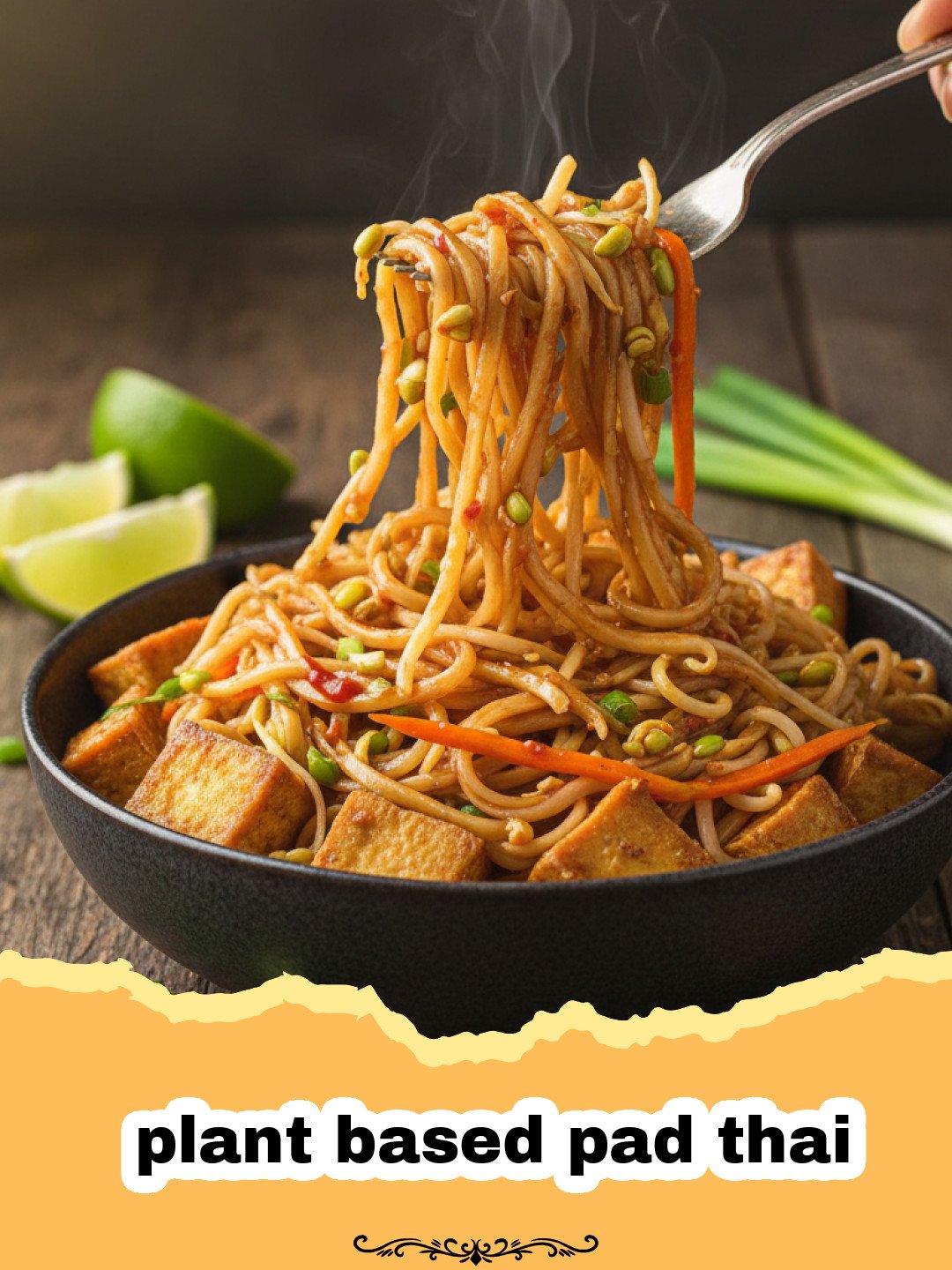
This plant based pad thai is the recipe that finally convinced my skeptical, meat-loving family that vegan cooking can be just as satisfying as any takeout order. I remember the first time I tried to recreate my favorite Thai dish at home; I was living in a tiny apartment with a kitchen the size of a closet, yet I was determined to master the balance of sweet, sour, and salty. There is something truly magical about the way the tamarind paste tangles with the heat of the chili and the crunch of the peanuts. After years of tweaking proportions and testing various protein substitutes, I have finally perfected a version that is vibrant, authentic, and completely dairy-free. Whether you are a long-time vegan or just looking for a Meatless Monday win, this plant based pad thai is about to become a permanent fixture on your weekly menu rotation.
Why This Recipe is a Must-Try
- Authentic Flavor Profile: Unlike many store-bought sauces, this recipe uses a homemade tamarind-based sauce that captures the true essence of traditional Thai street food.
- Speedy Preparation: You can have this plant based pad thai on the table in under 30 minutes, making it faster than waiting for a delivery driver.
- Nutrient-Dense: Packed with colorful vegetables and plant-based proteins, it is a wholesome meal that leaves you feeling energized rather than weighed down.
- Highly Customizable: You can easily swap out vegetables or adjust the spice level to suit everyone at your table, from kids to heat-seekers.
Key Ingredient Notes
The secret to a world-class plant based pad thai lies in the ingredients. First and foremost, you need tamarind paste. This is the soul of the dish. Do not be tempted to swap it for lemon or lime juice alone; tamarind provides a deep, fruity acidity that defines the flavor. Look for a jar labeled “Tamarind Concentrate” or “Paste” in the Asian aisle of your grocery store.
Secondly, the noodles matter. Use flat rice noodles, often labeled as “Linguine size.” The trick to perfect noodles in your plant based pad thai is to soak them in hot (but not boiling) water until they are just pliable. They will finish cooking in the wok, absorbing all that delicious sauce without becoming mushy. If you enjoy experimenting with different textures in your vegan cooking, you might also enjoy my recipe for The Best Easy Seitan Teriyaki: A High-Protein Plant-Based Delight, which offers a similarly satisfying chew.
Step-by-Step Guide with Pro Tips
Preparation is everything when making a plant based pad thai. Because the actual stir-frying process happens very quickly, you must have all your ingredients chopped and your sauce whisked before you turn on the stove. This is known in the culinary world as mise en place, and it is the difference between a relaxing cooking experience and a stressful one.
The Sauce and Protein
Start by whisking together the tamarind paste, soy sauce (or tamari for gluten-free), maple syrup, and a pinch of chili flakes. Taste it! It should be a punchy balance of flavors. For the protein, I prefer extra-firm tofu that has been pressed to remove excess moisture. This allows it to get those crispy, golden edges that make a plant based pad thai so addictive. If you are looking for more quick vegan dinner ideas, don’t miss my Hearty Vegan Red Lentil Curry: A 30-Minute Comfort Meal.
The Wok Technique
Heat your wok or a large non-stick skillet over medium-high heat. Add a neutral oil and sauté your garlic and shallots until fragrant. Toss in the tofu and let it sear. Once the tofu is browned, add your soaked noodles and the sauce. Toss continuously. If the pan looks dry, add a tablespoon of water at a time. The plant based pad thai is ready when the noodles have absorbed the sauce and are perfectly tender. For those who like to prep ahead, I highly recommend using these Basics Glass Food Storage containers to keep your chopped veggies fresh and ready to go.
Variations & Serving Suggestions
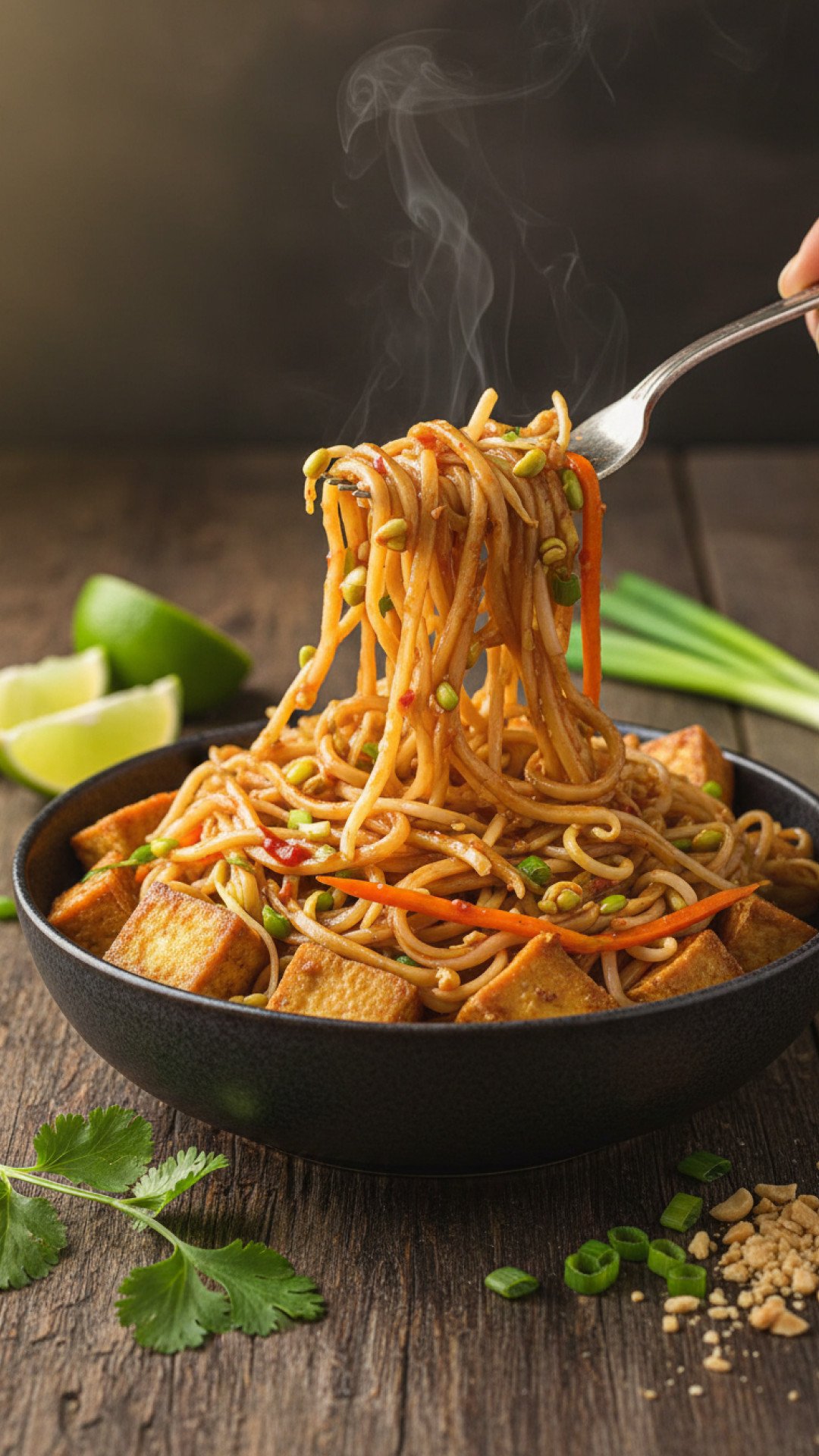
While the classic version is hard to beat, there are many ways to put your own spin on this plant based pad thai. You can add sliced bell peppers, shredded carrots, or even snap peas for extra crunch. If you want to increase the protein content, edamame is a fantastic addition. To serve, always provide a generous amount of crushed roasted peanuts, fresh lime wedges, and cilantro. The lime juice is crucial—it brightens the entire plant based pad thai right before you take your first bite. If you find yourself with leftovers (which is rare!), this dish reheats surprisingly well in a pan with a splash of water to loosen the noodles.
Nutrition Information
| Metric | Amount |
|---|---|
| Calories | 420 kcal |
| Serving Size | 1 plate |
| Carbohydrate Content | 65g |
| Protein Content | 15g |
| Fat Content | 12g |
| Saturated Fat Content | 2g |
| Fiber Content | 6g |
| Sugar Content | 10g |
| Sodium Content | 850mg |
| Cholesterol Content | 0mg |
Conclusion
Mastering the plant based pad thai is a rite of passage for any home cook looking to explore the world of Thai cuisine. It is a dish that proves you don’t need animal products to create a complex, satisfying, and deeply comforting meal. I hope this recipe brings as much joy to your dinner table as it does to mine. Don’t be afraid to make it your own, and remember—the secret is all in the tamarind! Happy cooking!
FAQs
Can I make plant based pad thai without tamarind?
While tamarind provides the most authentic flavor, you can substitute it with a mixture of lime juice and brown sugar in a pinch, though the taste will be less complex.
How do I prevent the rice noodles from getting mushy?
The key is to soak them in hot water rather than boiling them. Drain them while they are still slightly firm, as they will continue to cook in the wok with the sauce.
Is this plant based pad thai gluten-free?
Yes! Just ensure you use a certified gluten-free tamari instead of regular soy sauce. Rice noodles are naturally gluten-free.
Quick Plant Based Pad Thai
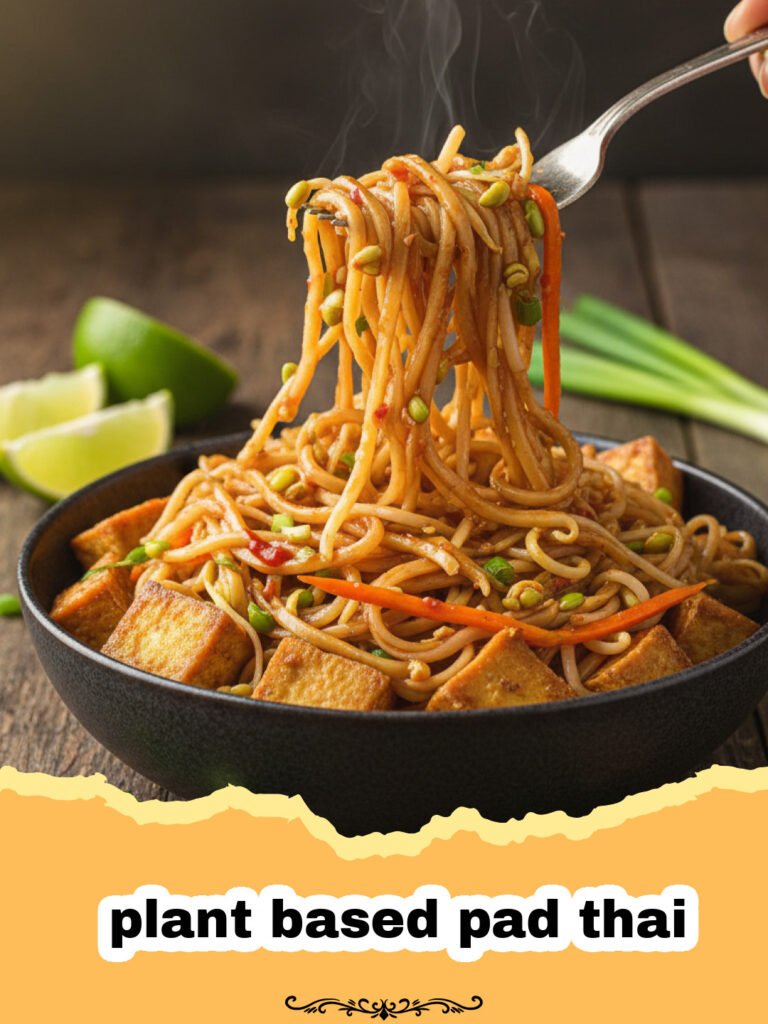
A vibrant and authentic plant based pad thai featuring a homemade tamarind sauce, crispy tofu, and perfectly tender rice noodles.
- Total Time: 30 minutes
- Yield: 4 servings 1x
Ingredients
8 oz flat rice noodles
1 block (14 oz) extra-firm tofu, pressed and cubed
3 tbsp tamarind paste (concentrate)
3 tbsp soy sauce or tamari
3 tbsp maple syrup or coconut sugar
1 tbsp rice vinegar
2 tbsp neutral oil (like avocado or grapeseed)
3 cloves garlic, minced
1 shallot, finely diced
1 cup fresh bean sprouts
3 green onions, sliced into 1-inch pieces
1/4 cup crushed roasted peanuts
Fresh cilantro and lime wedges for serving
1/2 tsp red chili flakes (adjust to taste)
Instructions
Step 1: Soak the rice noodles in a large bowl of hot water for about 20-30 minutes until they are flexible but still have a slight bite (al dente). Drain and set aside.
Step 2: In a small bowl, whisk together the tamarind paste, soy sauce, maple syrup, rice vinegar, and chili flakes to create the sauce for your plant based pad thai.
Step 3: Heat oil in a wok or large skillet over medium-high heat. Add the cubed tofu and cook for 5-7 minutes until golden brown on all sides. Remove tofu and set aside.
Step 4: In the same pan, add the minced garlic and shallot. Sauté for 1 minute until fragrant.
Step 5: Add the drained noodles and the sauce to the pan. Toss vigorously using tongs for 2-3 minutes until the noodles are soft and have absorbed the sauce.
Step 6: Stir the cooked tofu, bean sprouts, and green onions back into the pan. Toss for another minute until the sprouts just begin to wilt.
Step 7: Serve the plant based pad thai immediately, garnished with crushed peanuts, fresh cilantro, and a generous squeeze of lime juice.
Notes
Ensure you use tamarind concentrate, not the sweetened tamarind syrup used for drinks. If the noodles stick together, add a splash of water while stir-frying.
- Prep Time: 15 minutes
- Cook Time: 15 minutes
- Category: Healthy Dinner
- Cuisine: Thai
Nutrition
- Serving Size: 1 plate
- Calories: 420
- Sugar: 10g
- Sodium: 850mg
- Fat: 12g
- Saturated Fat: 2g
- Unsaturated Fat: 10g
- Trans Fat: 0g
- Carbohydrates: 65g
- Fiber: 6g
- Protein: 15g
- Cholesterol: 0mg
Keywords: plant based pad thai, vegan pad thai, gluten free thai, healthy dinner, 30 minute meal