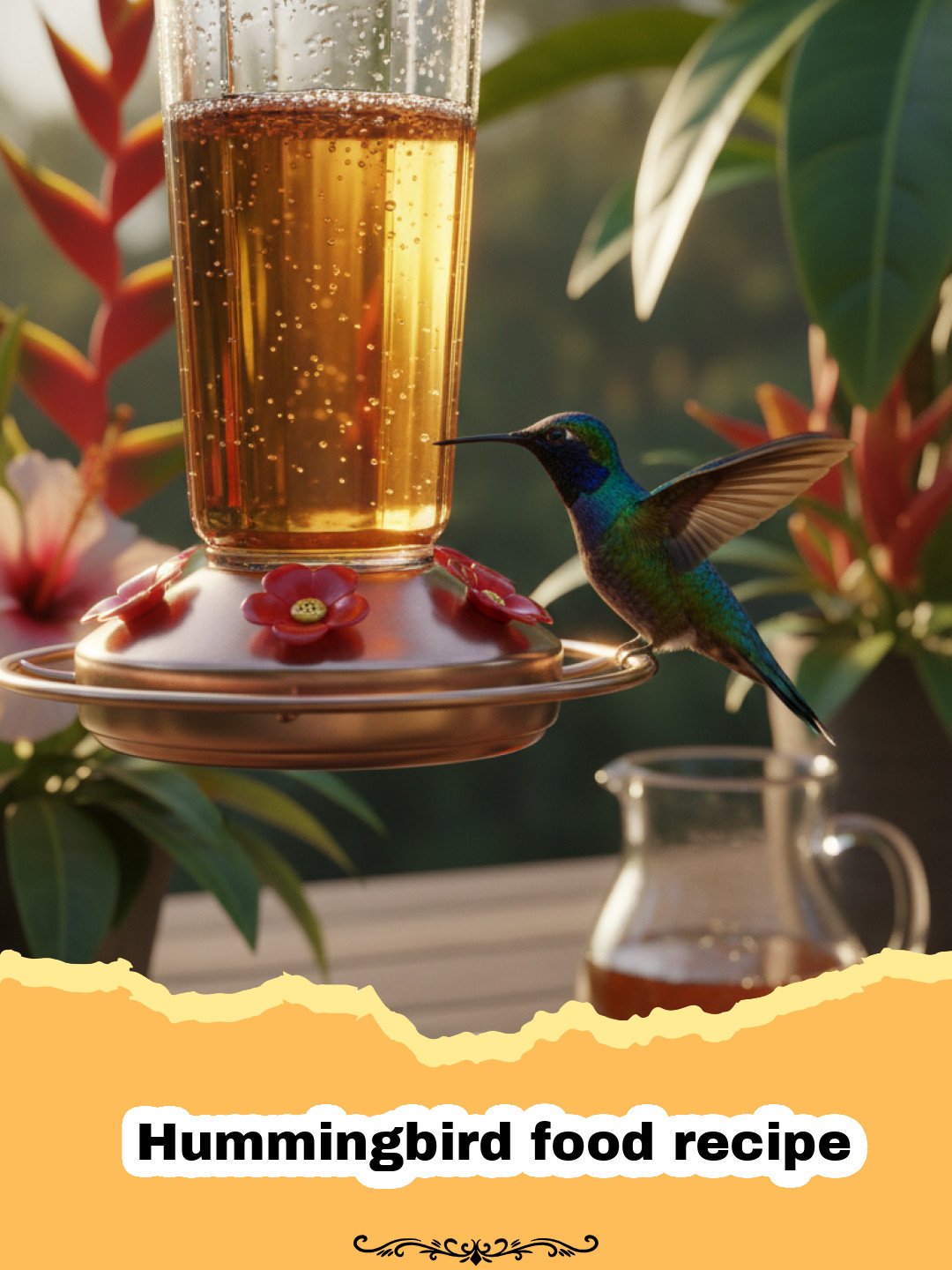
Finding the perfect Hummingbird food recipe transformed my tiny backyard patio into a bustling sanctuary for some of nature’s most dazzling aerial acrobats. There is something truly magical about sipping your morning coffee and hearing the distinct ‘whir’ of tiny wings as a Ruby-throated Hummingbird hovers just inches away, trusting in the nourishment you have provided. For years, I simply watched from afar, but once I realized how easy and impactful making my own nectar could be, my relationship with my garden changed. I used to buy the bright red, pre-mixed bottles at the store, thinking I was doing the birds a favor. However, after learning about the potential harms of dyes and preservatives, I committed to this natural Hummingbird food recipe. The results were immediate: more frequent visitors, healthier birds, and the immense satisfaction of knowing exactly what goes into their tiny, high-speed bodies.
Why This Recipe is a Must-Try
- Safe and Natural: This Hummingbird food recipe avoids all artificial dyes, chemicals, and preservatives, ensuring the long-term health of your feathered friends.
- Cost-Efficient: Making your own nectar costs pennies compared to expensive store-bought versions, allowing you to keep feeders full all season long.
- High Attraction Rate: The 4:1 ratio perfectly mimics the sucrose content of natural flower nectar, making your garden the most popular stop on their migration route.
- Quick and Simple: You can whip up a fresh batch in under ten minutes using ingredients you already have in your pantry.
Key Ingredient Notes
The success of any Hummingbird food recipe hinges on the quality and type of sugar you use. You must use plain, white granulated sugar (cane sugar is preferred). Never use honey, as it can promote dangerous fungal growth on the birds’ tongues. Avoid brown sugar, as it contains iron which can be toxic to hummingbirds in high concentrations. Additionally, stay away from powdered sugar, which often contains cornstarch to prevent clumping. The second key component is water. While tap water is generally acceptable, if your local water has a heavy chlorine scent or high mineral content, consider using filtered water to ensure the birds find the nectar palatable. Because these birds have such high metabolisms, providing a clean source of energy is vital for their survival during long flights and nesting periods. While you prepare your garden for these visitors, you might also be planning your own meals; check out these 25 Fresh Summer Dinner Recipes for Easy Evenings to keep your energy up while you birdwatch.
Step-by-Step Guide with Pro Tips
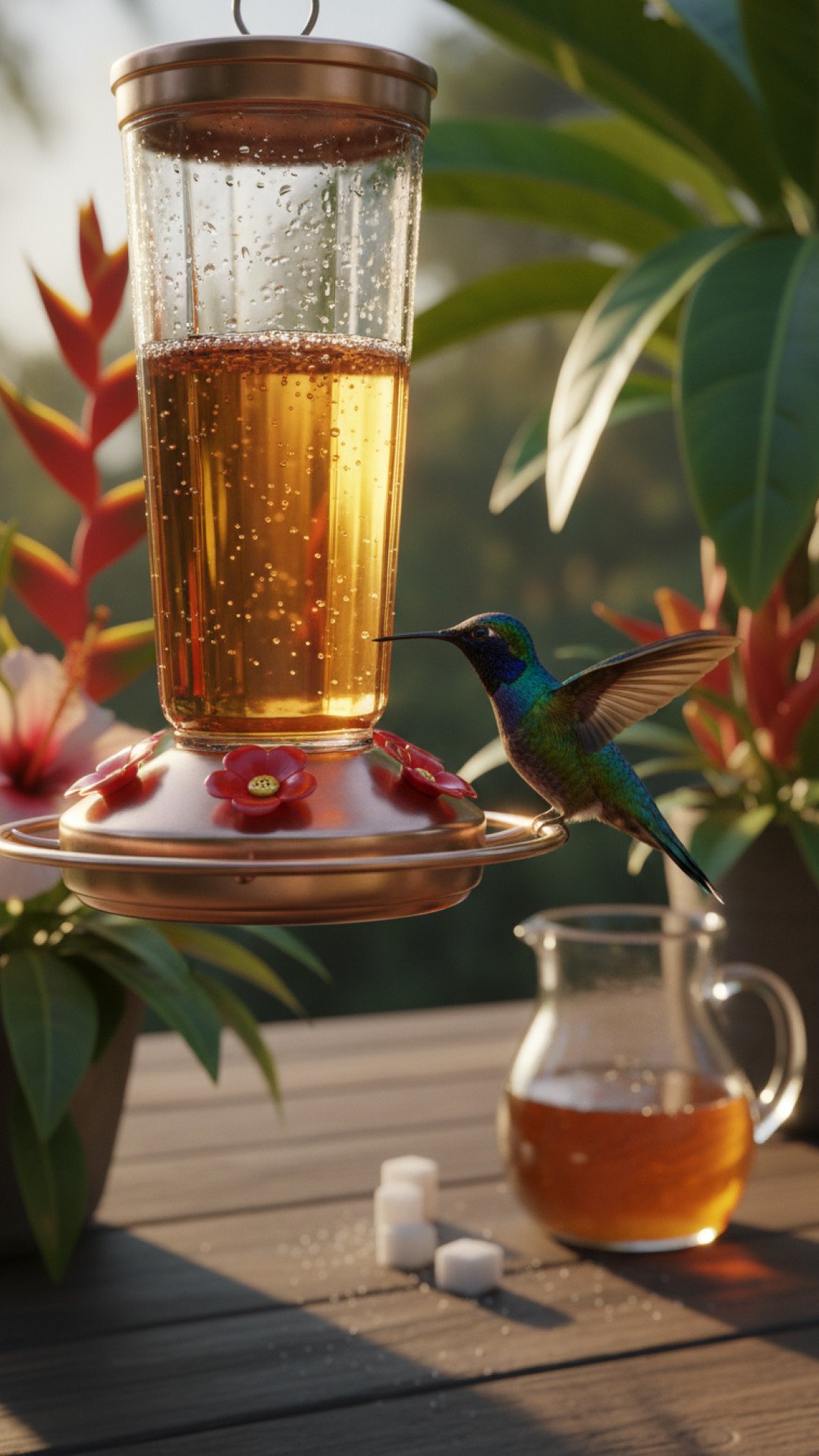
Creating this Hummingbird food recipe is a straightforward process, but attention to detail ensures the safety of the birds. Step 1: Measure out one part white granulated sugar and four parts water. A standard batch usually involves 1 cup of sugar and 4 cups of water. Step 2: Combine the sugar and water in a medium saucepan. Heat the mixture on the stove just until it reaches a boil. Boiling for about one to two minutes helps to neutralize any impurities in the water and ensures the sugar is completely dissolved. Step 3: Remove the pan from the heat and let the nectar cool completely to room temperature. This is a crucial step; filling a feeder with hot nectar can warp the plastic and, more importantly, can harm the birds if they attempt to drink it before it cools. Step 4: Once cooled, pour the nectar into a clean hummingbird feeder. If you have extra nectar, you can store it in the refrigerator for up to one week. For storage, I highly recommend using a high-quality container like Basics Glass Food Storage to keep the nectar fresh and prevent odors from leaching in. Pro Tip: Always clean your feeders every 3-5 days (more often in hot weather) to prevent mold and bacteria growth, which can be fatal to hummingbirds.
Variations & Serving Suggestions
While the standard 4:1 ratio in this Hummingbird food recipe is ideal for most of the year, some bird enthusiasts adjust the mixture during late autumn or early spring. During periods of migration or exceptionally cold weather, a slightly stronger 3:1 ratio (1 cup sugar to 3 cups water) can provide the extra caloric boost hummingbirds need to maintain their body temperature and fuel their long journeys. However, never make the solution stronger than 3:1, as it can cause kidney damage. For those who enjoy a vibrant garden, placing your feeders near red or tubular flowers like bee balm or trumpet vine can act as a natural visual lure. As you sit back and enjoy the show, you might find yourself craving a fresh meal from your own garden; our guide to The Ultimate Fresh Tomato and Basil Pasta: A Highlight of Summer Pasta Recipes is the perfect accompaniment to a sunny afternoon of birdwatching. Remember to hang your feeders in a shaded area to prevent the nectar from fermenting too quickly in the sun.
Nutrition Information
| Nutrient | Amount |
|---|---|
| Serving Size | 0.25 cup |
| Calories | 38 kcal |
| Carbohydrates | 10 g |
| Sugar | 10 g |
| Sodium | 1 mg |
| Fat | 0 g |
| Protein | 0 g |
Conclusion
Mastering this simple Hummingbird food recipe is one of the most rewarding things you can do for your local ecosystem. By providing a clean, safe, and reliable food source, you are supporting these incredible creatures through their demanding life cycles. Whether you are a seasoned birder or a curious beginner, the joy of seeing a hummingbird up close is a reminder of the beauty in our own backyards. Keep your feeders clean, your nectar fresh, and enjoy the vibrant energy these tiny visitors bring to your home.
FAQs
Can I use honey in this Hummingbird food recipe?
No, you should never use honey in a Hummingbird food recipe. Honey can promote the growth of a dangerous fungus that causes a fatal swelling of the hummingbird’s tongue.
Should I add red food coloring to the nectar?
No, red food coloring is unnecessary and potentially harmful to birds. Most feeders have red parts to attract hummingbirds naturally without the need for chemical dyes.
How often should I change the nectar?
In cool weather, change the nectar every 5-7 days. In temperatures above 80u00b0F, you should change the nectar and clean the feeder every 2-3 days to prevent fermentation and mold.
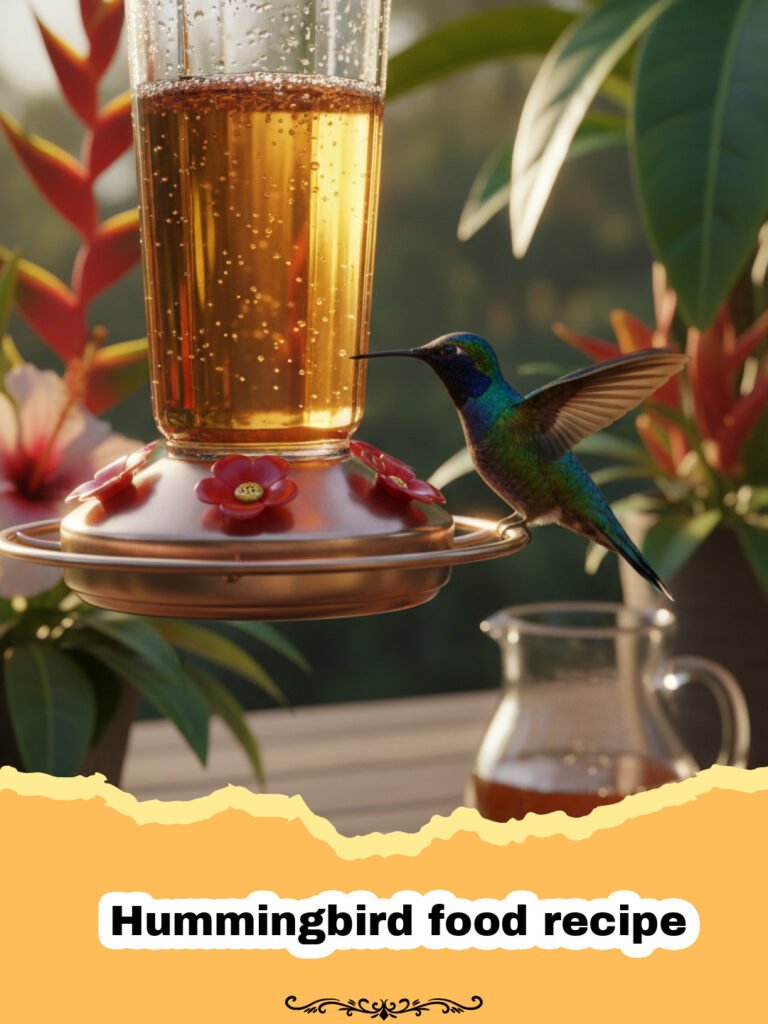
Homemade Hummingbird Nectar
A safe and natural 4:1 sugar water nectar designed to attract and nourish hummingbirds without harmful dyes or preservatives.
- Total Time: 7 minutes
- Yield: 4 cups 1x
Ingredients
1 cup white granulated sugar
4 cups water
Instructions
Step 1: Measure 1 cup of white granulated sugar and 4 cups of water.
Step 2: Combine ingredients in a pot and bring to a light boil to dissolve sugar.
Step 3: Remove from heat and allow the solution to cool completely to room temperature.
Step 4: Fill your clean hummingbird feeder and store any leftovers in the refrigerator.
Notes
Never use red dye, honey, or brown sugar. Clean feeders every 3 days in hot weather to prevent mold.
- Prep Time: 2 minutes
- Cook Time: 5 minutes
- Category: How To
- Cuisine: Birding
Nutrition
- Serving Size: 0.25 cup
- Calories: 38 kcal
- Sugar: 10 g
- Sodium: 1 mg
- Fat: 0 g
- Saturated Fat: 0 g
- Unsaturated Fat: 0 g
- Trans Fat: 0 g
- Carbohydrates: 10 g
- Fiber: 0 g
- Protein: 0 g
- Cholesterol: 0 mg
Keywords: Hummingbird food recipe, homemade nectar, bird feeding, sugar water for birds