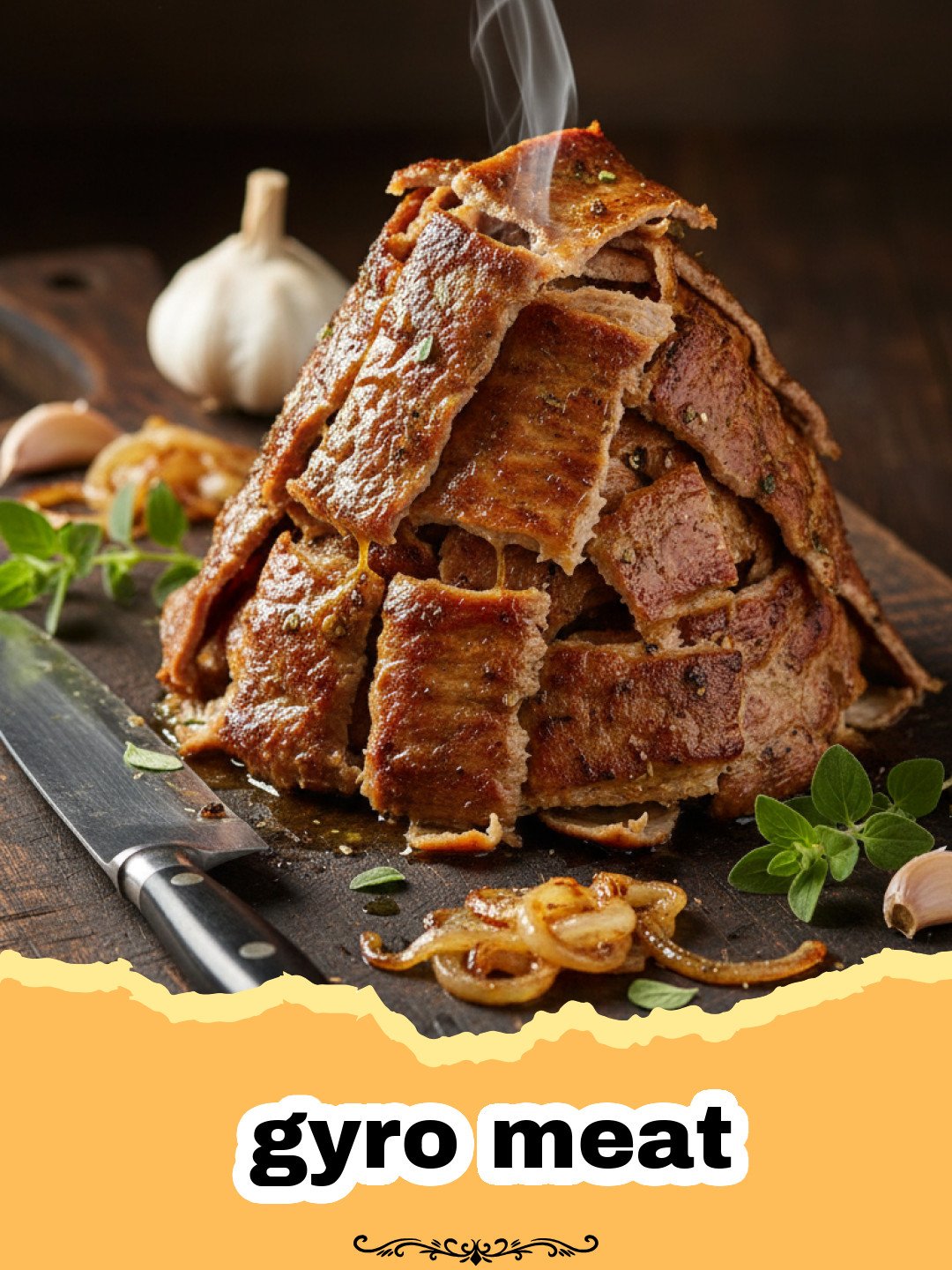
When I think of the perfect street food, gyro meat is the first thing that comes to mind, conjuring memories of bustling Greek markets and the irresistible aroma of roasting spices. Years ago, while wandering through a small coastal town in Crete, I remember seeing the massive vertical rotisseries spinning slowly, the outer layer of the meat becoming perfectly charred and glistening. That experience changed how I viewed Mediterranean cuisine forever. I used to think that achieving that specific texture and depth of flavor at home was impossible without a professional rotisserie setup. However, after months of kitchen experiments, I discovered that the secret to restaurant-quality gyro meat lies in a simple food processor and a heavy weight. This recipe is the culmination of those trials, designed to bring the heart of Greece right into your own kitchen with simple ingredients and a fool-proof method that will have your family asking for seconds and thirds.
Why This Recipe is a Must-Try
- Authentic Texture: By using a food processor to emulsify the beef and lamb, you achieve the dense, bouncy texture that defines professional gyro meat rather than a standard meatloaf.
- Perfectly Seasoned: A precise blend of dried marjoram, rosemary, and oregano creates that signature Mediterranean flavor profile that pairs perfectly with tangy tzatziki.
- No Rotisserie Needed: This recipe utilizes a clever oven-baking and pressing technique that mimics the compression of a vertical spit, making gyro meat accessible for any home cook.
- Versatile Meal Prep: You can cook a large batch, slice it, and store it for quick weekday lunches or high-protein snacks throughout the week.
Key Ingredient Notes
Choosing the right ingredients is the foundation of a successful gyro meat batch. First and foremost, the ratio of meat is crucial. I recommend a 50/50 split between ground beef and ground lamb. The lamb provides the characteristic gamey depth and high fat content necessary for juiciness, while the beef offers structural stability and a familiar savory base. If you find lamb too strong, you can adjust the ratio to 70% beef and 30% lamb, but do not skip the lamb entirely if you want that authentic taste. Another vital component is the salt content. Salt isn’t just for flavor here; it plays a chemical role in breaking down the meat proteins, which allows them to bind together into a cohesive mass during the processing stage. This is what prevents your gyro meat from crumbling like a hamburger when you slice it thin.
The aromatics are equally important. Fresh onion and garlic provide the moisture and pungent kick that balances the richness of the fats. When preparing the onion, ensure you grate it finely or process it until it is almost a paste. This allows the onion juice to permeate every inch of the gyro meat. Spices like dried marjoram and rosemary are the unsung heroes of this dish. Marjoram, which is a member of the mint family but tastes more like a floral, delicate oregano, is the secret ingredient that most people miss. When these herbs are combined with the savory meats, they create a complex bouquet that defines high-quality gyro meat.
Step-by-Step Guide with Pro Tips
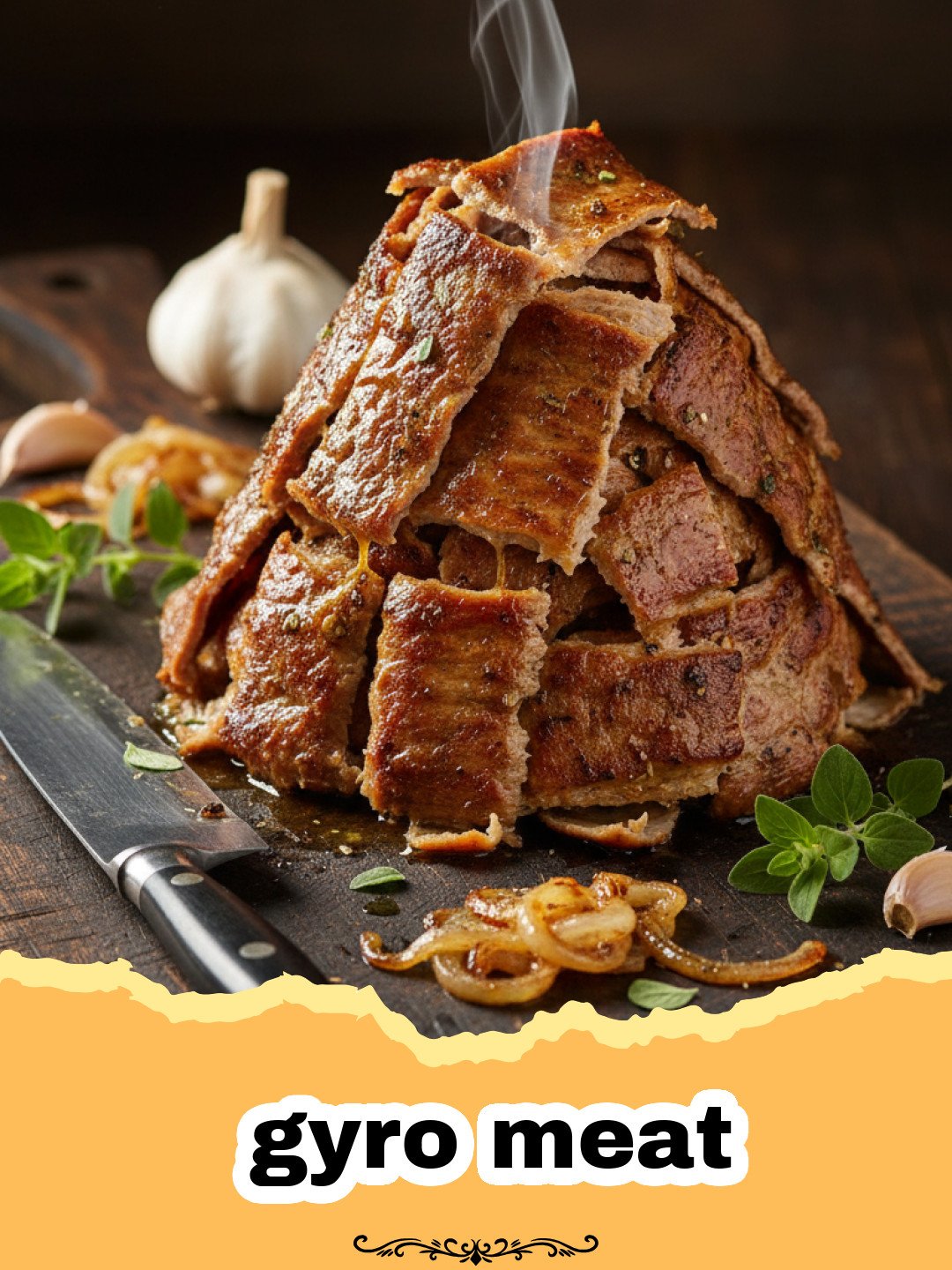
To begin, you will need to pulse your cold meats in a food processor. This is the most critical step for achieving the right consistency for your gyro meat. Process the meat along with the salt and spices for about 60 to 90 seconds until it turns into a tacky, pale pink paste. If you look closely, it should look almost like a thick mousse. This emulsification is what separates a gyro from a meatball. Once the meat is processed, fold in your onion and garlic paste. Be careful not to over-process at this stage, as you want the aromatics to be well-distributed without liquefying further.
Next, pack the mixture into a standard loaf pan. Press it down firmly to remove any air pockets, as air gaps will cause the gyro meat to fall apart when sliced. Bake at a low temperature—around 325°F (165°C)—to ensure the meat cooks evenly without drying out the edges. Use a meat thermometer to pull it out exactly when it hits 165°F. Once it leaves the oven, the real magic happens. Pour off any excess fat and place a second loaf pan on top of the meat, weighted down with heavy cans or a brick. Let it sit like this for at least 30 minutes. This compression step is what gives the gyro meat its characteristic density. While the meat is resting, it is a great time to prepare other Mediterranean delights, perhaps even serving it alongside a batch of old-fashioned cheese balls for a unique fusion appetizer spread at your next gathering.
Variations & Serving Suggestions
While the beef and lamb blend is traditional, you can create a lighter version of gyro meat using ground turkey or chicken. For a poultry-based version, you may need to add a tablespoon of olive oil to the processor to compensate for the lower fat content. If you enjoy a bit of heat, adding a teaspoon of crushed red pepper flakes or some smoked paprika to the spice blend can give your gyro meat a modern, spicy twist. For those who use an air fryer, you can slice the pre-cooked and pressed meat and crisp up the edges in the air fryer at 400°F for 3-5 minutes for that perfect “off the spit” crunch.
Serving your gyro meat is where the fun truly begins. The classic way is inside a warm, fluffy pita bread stuffed with thinly sliced red onions, juicy tomatoes, and a generous dollop of tzatziki sauce. For a lower-carb option, serve the meat over a bed of Greek salad with cucumbers, olives, and feta cheese. If you are looking for a complete Mediterranean feast, this meat pairs surprisingly well with a side of creamed spinach, providing a rich, leafy contrast to the savory meat. Any leftovers should be stored in high-quality Basics Glass Food Storage containers to keep the meat moist and prevent the spices from scenting your entire refrigerator. To reheat, simply sear the slices in a hot skillet with a tiny bit of oil until the edges are golden and crispy.
Nutrition Information
Understanding the nutritional profile of your homemade gyro meat helps you balance your plate. Below are the estimated values per serving.
| Nutrient | Amount |
|---|---|
| Calories | 310 kcal |
| Serving Size | 4 oz |
| Protein | 22g |
| FatContent | 24g |
| SaturatedFatContent | 10g |
| TransFatContent | 0.5g |
| UnsaturatedFatContent | 12g |
| CholesterolContent | 85mg |
| CarbohydrateContent | 3g |
| SugarContent | 1g |
| FiberContent | 1g |
| SodiumContent | 680mg |
Conclusion
Making your own gyro meat at home is a rewarding culinary journey that brings the vibrant flavors of the Mediterranean to your table. By mastering the food processor technique and the pressing method, you can enjoy a gourmet meal that is far superior to many store-bought options. Whether you are hosting a big family dinner or just prepping for a busy week, this gyro meat is sure to become a staple in your recipe rotation. Don’t be afraid to experiment with the spice levels and enjoy the process of creating something truly delicious from scratch!
FAQs
What is the best meat for gyro meat?
The most authentic flavor comes from a 50/50 blend of ground lamb and ground beef. The lamb provides the necessary fat and traditional taste, while the beef adds structure.
How do I get the right texture for gyro meat at home?
The secret is using a food processor to turn the meat into a fine paste and then weighting the meat down after baking to compress it into a dense, sliceable loaf.
Can I freeze homemade gyro meat?
Yes, you can freeze gyro meat. It is best to slice it first and then freeze it in airtight containers. When ready to eat, just sear the frozen slices in a hot pan.
Authentic Homemade Gyro Meat
A restaurant-quality gyro meat recipe made with a blend of beef and lamb, perfectly seasoned and pressed for the ultimate texture.
- Total Time: 1 hour 50 minutes
- Yield: 8 servings 1x
Ingredients
1 lb ground lamb
1 lb ground beef (80/20)
1 medium onion, finely grated
4 cloves garlic, minced
1 tbsp dried oregano
1 tbsp dried marjoram
1 tsp dried rosemary, crushed
1.5 tsp kosher salt
1 tsp black pepper
Instructions
Step 1: Preheat your oven to 325°F (165°C) and prepare a 9×5 inch loaf pan.
Step 2: Place the ground lamb, ground beef, salt, pepper, oregano, marjoram, and rosemary into a food processor.
Step 3: Pulse the meat mixture for 60-90 seconds until it becomes a fine, tacky paste with no visible chunks.
Step 4: Add the grated onion and minced garlic to the food processor and pulse a few more times until thoroughly combined.
Step 5: Transfer the gyro meat mixture into the loaf pan, pressing down firmly to eliminate air pockets.
Step 6: Place the loaf pan in a larger baking dish filled with about 1 inch of hot water (water bath) and bake for 60 minutes or until the internal temperature reaches 165°F.
Step 7: Remove from the oven, drain the excess fat, and place a second loaf pan on top of the meat with heavy weights inside.
Step 8: Let the gyro meat rest and compress for 30 minutes before slicing thin and searing in a pan for serving.
Notes
Ensure the meat is very cold before processing to help the emulsion form correctly.
- Prep Time: 20 minutes
- Cook Time: 1 hour
- Category: Main Dish
- Cuisine: Greek
Nutrition
- Serving Size: 4 oz
- Calories: 310 kcal
- Sugar: 1g
- Sodium: 680mg
- Fat: 24g
- Saturated Fat: 10g
- Unsaturated Fat: 12g
- Trans Fat: 0.5g
- Carbohydrates: 3g
- Fiber: 1g
- Protein: 22g
- Cholesterol: 85mg
Keywords: gyro meat, homemade gyro, greek recipes, mediterranean dinner, lamb and beef gyro