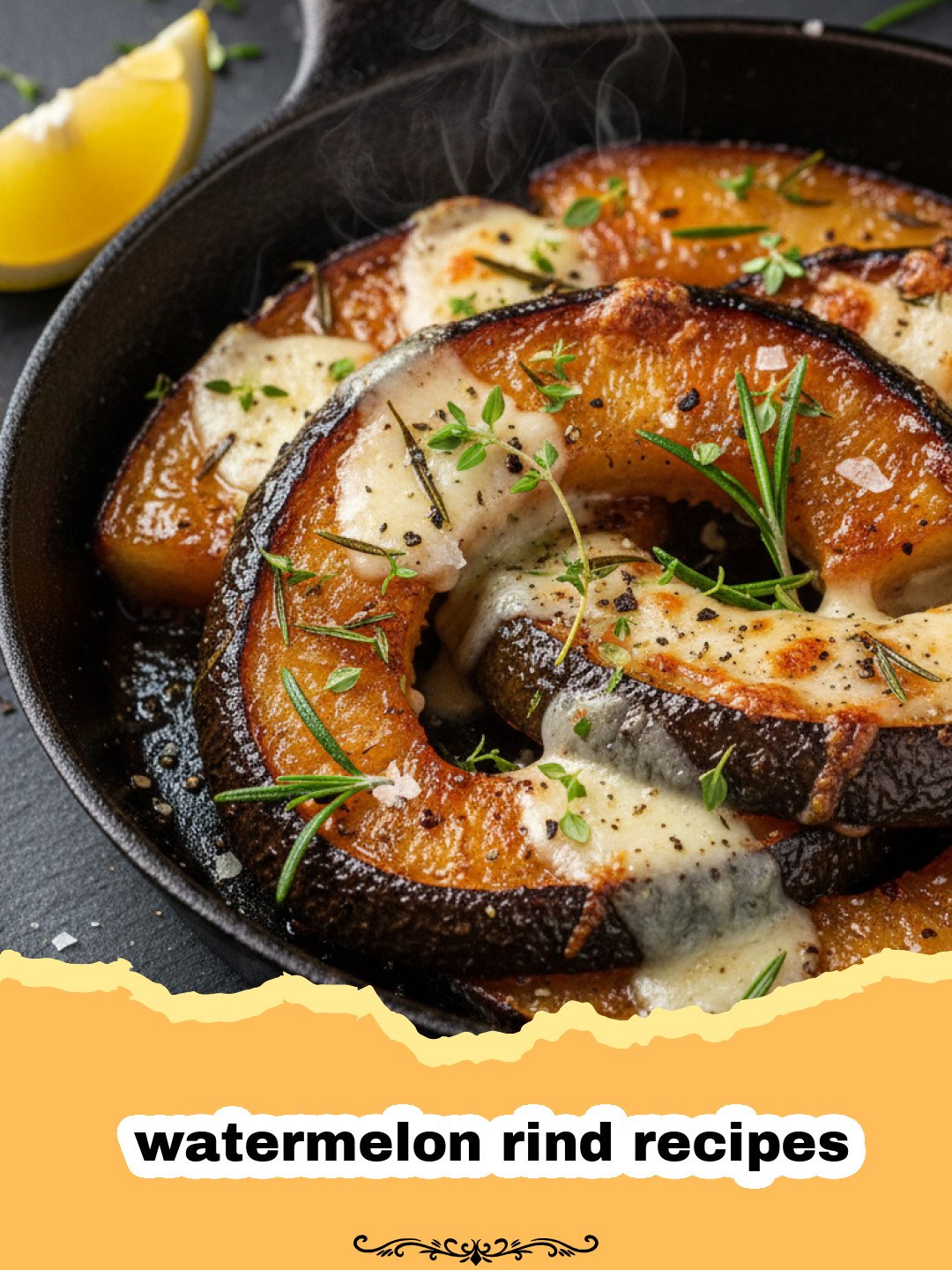
Growing up, summer meant one thing above all else: watermelon. Our family backyard barbecues were legendary, and the centerpiece, after the grilled burgers and corn on the cob, was always a monstrous, perfectly ripe watermelon. My dad, a man of simple pleasures, would slice it with a flourish, and we’d all dig in, spitting seeds into the yard (much to my mother’s chagrin). But as quickly as the sweet, red flesh disappeared, the green and white rinds would pile up, destined for the compost bin or, more often, the trash. It always felt like such a waste, a mountain of potential discarded without a second thought. For years, I never questioned it. That was just how it was: you ate the red, and you tossed the rest. Little did I know, a culinary secret was waiting to be discovered, a sustainable practice that would transform my perception of this beloved summer fruit. One sweltering August afternoon, while visiting my Aunt Carol down South, I watched in fascination as she meticulously peeled and chopped those ‘wasteful’ rinds. “What on earth are you doing?” I asked, utterly bewildered. She simply smiled, a mischievous glint in her eye, and declared, “Making the best pickled watermelon rind you’ll ever taste, honey. It’s one of my favorite watermelon rind recipes!” What followed was a revelation: crisp, tangy, subtly sweet morsels that were unlike anything I’d ever experienced. It was an awakening to the versatility and deliciousness hidden within what I’d always considered mere scraps. From that day forward, my approach to watermelons — and indeed, to food waste in general — changed forever. This simple, traditional recipe is a testament to resourceful cooking and a celebration of using every part of nature’s bounty. If you’re looking for unique and satisfying watermelon rind recipes, you’ve come to the right place. Get ready to transform your summer scraps into a truly unforgettable treat, proving that sometimes, the best flavors are found where you least expect them. This is one of those watermelon rind recipes that will have everyone asking for more!
Why This Pickled Watermelon Rind Recipe is a Must-Try
- Zero Waste Deliciousness: Transform what would otherwise be discarded into a delightful, edible treat, embracing sustainable cooking practices. It’s truly one of the most rewarding watermelon rind recipes for the eco-conscious cook.
- Unexpected Flavor & Texture: Experience a unique blend of sweet, sour, and subtly spiced flavors with an incredibly satisfying, crisp-tender texture that’s perfect as a side or condiment.
- Versatile Culinary Addition: These pickled rinds make a fantastic accompaniment to rich meats, a zesty addition to salads, or a surprising snack straight from the jar. It’s a key reason why it’s among the best watermelon rind recipes out there.
- Simple & Rewarding: Despite its gourmet taste, this recipe is surprisingly easy to make, requiring minimal active cooking time for maximum flavor reward.
Key Ingredient Notes
Watermelon Rind
The star of our show! When selecting your watermelon, look for one with a thick rind. This will give you more usable material and a better crunch. The greener the rind, the better for pickling, as it tends to be firmer. Make sure to remove all traces of the red flesh and the tough outer green skin. We’re aiming for the firm, pale green/white part of the rind. The cleaner you get the rind, the better your pickled watermelon rind recipes will taste. You’ll be amazed at how much you can yield from a single large watermelon, making this one of the most economical watermelon rind recipes.
Pickling Spices
While you can use a pre-made pickling spice blend, making your own allows for customization. Key spices for this recipe include whole cloves, mustard seeds, and cinnamon sticks. The cloves provide a warm, pungent aroma, mustard seeds offer a subtle peppery bite, and cinnamon adds a delightful sweetness that balances the tang. Feel free to experiment with star anise, allspice berries, or even a dried chili for a touch of heat in your watermelon rind recipes. These spices are crucial for elevating the simple rind into something spectacular.
Apple Cider Vinegar
The backbone of our pickling brine. Apple cider vinegar (ACV) provides a milder, fruitier tang compared to distilled white vinegar, which complements the subtle sweetness of the rind and the spices beautifully. Look for a good quality ACV, preferably with ‘the mother’ for added depth of flavor and potential health benefits. The acidity is essential for both preservation and creating that signature pickled taste. Using quality vinegar makes all the difference in these watermelon rind recipes.
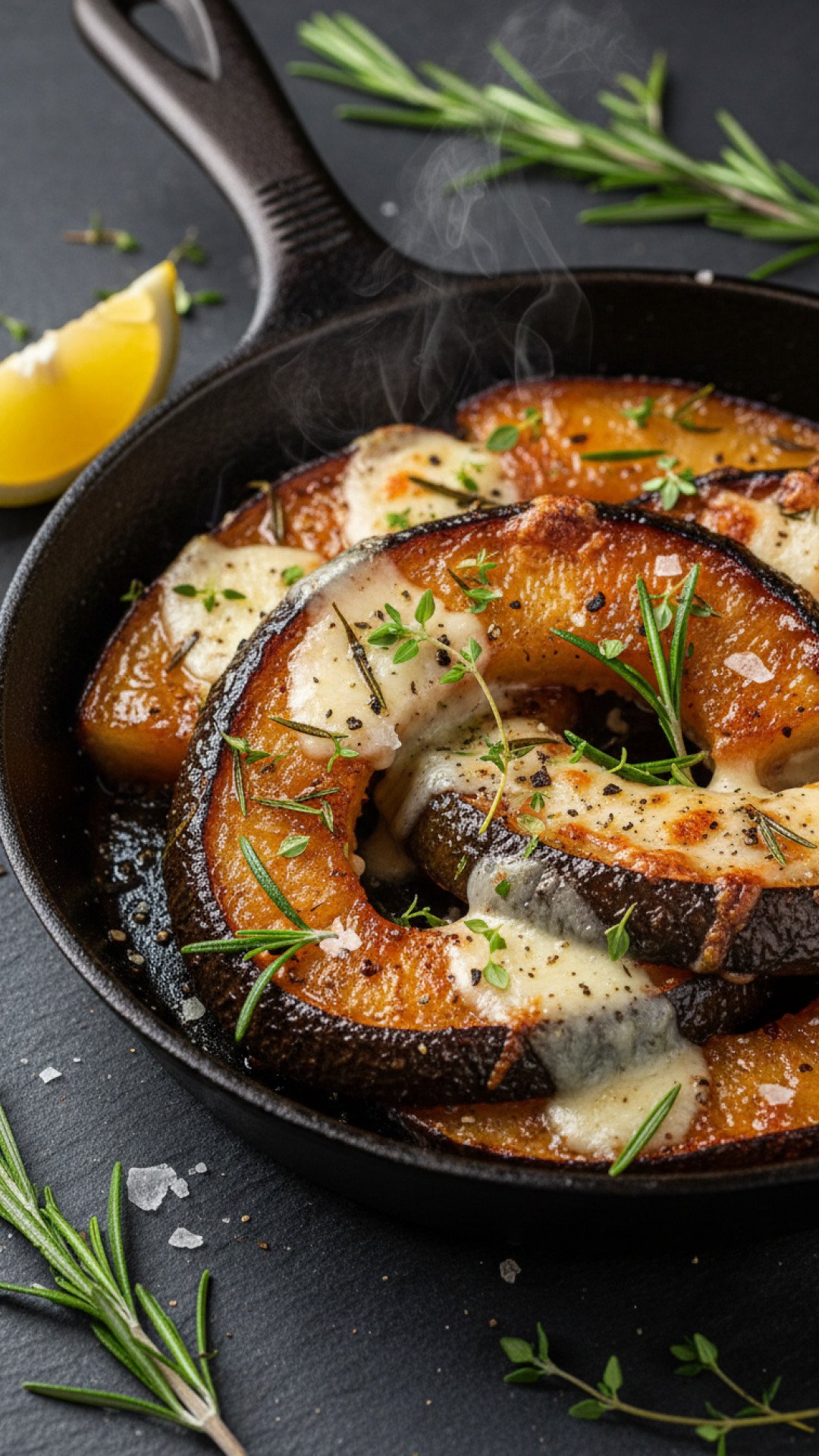
Step-by-Step Guide with Pro Tips
Creating delicious pickled watermelon rinds is a labor of love, but it’s incredibly straightforward. Here’s how to master one of the most delightful watermelon rind recipes.
Step 1: Prepare the watermelon rind. Carefully trim all the red flesh from the watermelon rind. Then, using a vegetable peeler, remove the tough, dark green outer skin. You want to be left with only the pale green and white part of the rind. Cut the cleaned rind into 1-inch pieces, cubes, or strips, as desired. The consistent size ensures even pickling.
Step 2: Brine the rind. Place the cut watermelon rind pieces into a large bowl. Sprinkle generously with salt and toss to coat. Cover the bowl and let it sit at room temperature for at least 4 hours, or preferably overnight. This step draws out excess water, ensuring a crispier final product. Don’t skip this for the best watermelon rind recipes!
Step 3: Rinse and drain. After brining, drain the rind in a colander and rinse thoroughly under cold running water. This removes excess salt. Squeeze gently to remove as much water as possible. Set aside.
Step 4: Prepare the pickling brine. In a large non-reactive pot (stainless steel or enamel), combine the water, apple cider vinegar, sugar, whole cloves, mustard seeds, and cinnamon sticks. Bring the mixture to a boil over medium-high heat, stirring until the sugar is completely dissolved. Reduce the heat and let it simmer for 5 minutes to allow the flavors to meld. This aromatic brine is key to superb watermelon rind recipes.
Step 5: Cook the rind. Add the rinsed and drained watermelon rind to the simmering brine. Bring it back to a gentle simmer and cook for 10-15 minutes, or until the rind becomes translucent and tender-crisp. Be careful not to overcook, or the rinds will lose their satisfying crunch.
Step 6: Pack the jars. Carefully transfer the hot watermelon rind pieces into clean, sterilized Basics Glass Food Storage jars, leaving about ½ inch of headspace. Pour the hot pickling brine over the rind, ensuring the rind is completely submerged. You can distribute the spices from the brine evenly among the jars.
Step 7: Seal and cool. Tap the jars gently to release any air bubbles. If necessary, add more brine to maintain headspace. Wipe the rims clean, place lids, and screw on bands until fingertip tight. Allow the jars to cool completely at room temperature. As they cool, you should hear the lids ‘pop’ as they seal. If you’re new to canning, you might want to look into basic water bath canning for longer shelf life, but for refrigerator pickles, this method is sufficient.
Step 8: Chill and enjoy. Once cooled, store the pickled watermelon rinds in the refrigerator. For best flavor, let them mellow for at least a week before opening. They will keep well in the refrigerator for several months. These watermelon rind recipes are best when given time to truly develop their complex flavors.
Variations & Serving Suggestions
Spicy Pickled Rind
For those who love a kick, add 1-2 dried red chilies or a teaspoon of red pepper flakes to the pickling brine. The heat provides a wonderful contrast to the sweet and tangy notes. This variation on watermelon rind recipes is a real crowd-pleaser.
Ginger & Star Anise Infusion
Swap out some of the traditional pickling spices for a few slices of fresh ginger and a couple of star anise pods. This creates an Asian-inspired flavor profile that is fantastic with stir-fries or alongside grilled fish. Another great twist on classic watermelon rind recipes.
Serving Suggestions
- Charcuterie Boards: Add a bowl of pickled watermelon rind to your next cheese and charcuterie board for a surprising tangy element.
- Alongside Meats: These rinds are a perfect counterpoint to rich, fatty meats like pulled pork, brisket, or roasted chicken. The acidity cuts through the richness beautifully.
- In Salads: Chop them up and add them to green salads or grain bowls for an extra layer of crunch and flavor. They pair wonderfully with Roasted Summer Vegetable & Chickpea Quinoa Salad.
- Sandwich & Burger Topping: Use them as a unique topping for sandwiches, burgers, or even hot dogs — a delicious alternative to traditional pickles. Speaking of pickles, these are a delightful cousin to The Ultimate Homemade Bread and Butter Pickles.
- Straight from the Jar: Honestly, sometimes the best way to enjoy these watermelon rind recipes is directly from the jar as a refreshing, zesty snack.
Nutrition Information
| Nutrient | Amount (per serving) |
|---|---|
| Calories | 55 kcal |
| Carbohydrates | 14 g |
| Cholesterol | 0 mg |
| Fat | 0 g |
| Fiber | 1 g |
| Protein | 0 g |
| Saturated Fat | 0 g |
| Serving Size | 1/4 cup |
| Sodium | 150 mg |
| Sugar | 12 g |
| Trans Fat | 0 g |
| Unsaturated Fat | 0 g |
Making your own pickled watermelon rind is more than just cooking; it’s an act of culinary mindfulness, a nod to sustainability, and a delicious way to honor every part of nature’s bounty. These watermelon rind recipes are a testament to the fact that some of the most extraordinary flavors come from the most unexpected places. So next time you finish a juicy watermelon, don’t just toss the rind. Instead, embark on this delightful pickling adventure. You’ll not only reduce waste but also create a unique, tangy, and subtly sweet treat that will surprise and delight everyone who tastes it. Happy pickling, and enjoy one of the most rewarding watermelon rind recipes you’ll ever master!
FAQs
Can you eat raw watermelon rind?
Yes, you can eat raw watermelon rind! It has a mild, cucumber-like flavor and a crisp texture. While it’s not as sweet as the red flesh, it’s edible and packed with nutrients. Many people prefer it pickled, stir-fried, or added to smoothies to enhance its flavor and texture.
How long do pickled watermelon rinds last?
When properly made and stored in the refrigerator, homemade pickled watermelon rinds can last for several months, typically 2-3 months. If processed using a boiling water bath canning method, they can be shelf-stable for up to a year in a cool, dark place before opening.
What are the health benefits of watermelon rind?
Watermelon rind is surprisingly nutritious. It’s a good source of fiber, which aids digestion, and contains citrulline, an amino acid that can help improve blood flow and exercise performance. It also provides vitamins C and B6, and various antioxidants. Eating the rind helps you get more nutritional value from the entire fruit.
What kind of watermelon is best for making pickled rind?
Any type of watermelon can be used, but varieties with thicker rinds are generally preferred as they yield more usable material and provide a better, crunchier texture. Look for larger, traditional watermelons with a thick white layer between the red flesh and the green skin for the best results in your watermelon rind recipes.
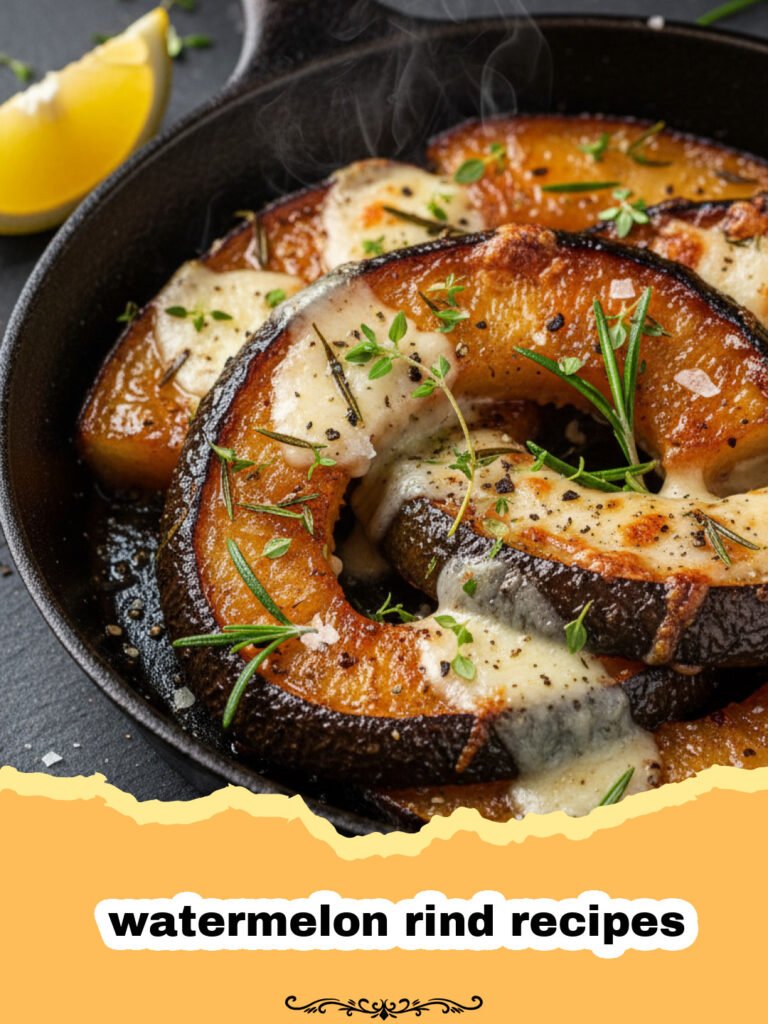
Classic Sweet & Spicy Pickled Watermelon Rind
Transform leftover watermelon rinds into a delicious, tangy, and subtly spiced pickled treat. This recipe is a fantastic way to reduce food waste and enjoy a surprisingly crisp and flavorful condiment or side dish.
- Total Time: 4 hours 50 minutes (includes brining)
- Yield: 4–5 pint jars 1x
Ingredients
8 cups cleaned watermelon rind (from about 1 large watermelon)
1/4 cup kosher salt
4 cups water (for brine)
2 cups apple cider vinegar
2 cups granulated sugar
1 tbsp whole cloves
1 tbsp mustard seeds (yellow or brown)
2–3 cinnamon sticks (2–3 inches each)
Instructions
Step 1: Prepare the watermelon rind. Carefully trim all the red flesh from the watermelon rind. Using a vegetable peeler, remove the tough, dark green outer skin, leaving only the pale green and white part. Cut the cleaned rind into 1-inch pieces, cubes, or strips.
Step 2: Brine the rind. Place the cut rind pieces into a large bowl. Sprinkle with kosher salt and toss to coat evenly. Cover the bowl and let it sit at room temperature for at least 4 hours, or preferably overnight (up to 12 hours). This step helps draw out excess water and ensures a crisp texture.
Step 3: Rinse and drain. After brining, drain the rind in a colander and rinse thoroughly under cold running water to remove all excess salt. Squeeze gently to remove as much water as possible. Set aside.
Step 4: Prepare the pickling brine. In a large non-reactive pot (stainless steel or enamel), combine 4 cups of water, apple cider vinegar, granulated sugar, whole cloves, mustard seeds, and cinnamon sticks. Bring the mixture to a boil over medium-high heat, stirring until the sugar is completely dissolved. Reduce the heat and let it simmer for 5 minutes to infuse the flavors.
Step 5: Cook the rind. Add the rinsed and drained watermelon rind to the simmering brine. Bring the mixture back to a gentle simmer and cook for 10-15 minutes, or until the rind becomes translucent and tender-crisp. Be careful not to overcook; the rind should still have a slight bite.
Step 6: Pack the jars. Carefully transfer the hot watermelon rind pieces into clean, sterilized pint jars, leaving about ½ inch of headspace. Pour the hot pickling brine over the rind, ensuring the rind is completely submerged. Distribute the spices evenly among the jars.
Step 7: Seal and cool. Tap the jars gently to release any air bubbles. If necessary, add more brine to maintain headspace. Wipe the rims clean, place lids, and screw on bands until fingertip tight. Allow the jars to cool completely at room temperature. As they cool, the lids should ‘pop’ indicating a seal.
Step 8: Chill and enjoy. Once cooled, store the sealed jars of pickled watermelon rind in the refrigerator. For best flavor development, allow them to mellow for at least a week before opening. They will keep well in the refrigerator for several months.
Notes
For longer shelf stability (beyond refrigerator storage), process the filled jars in a boiling water bath canner for 10 minutes. Ensure jars are sterilized and proper canning techniques are followed.
- Prep Time: 30 minutes
- Cook Time: 20 minutes
- Category: Side Dishes
- Cuisine: Southern American
Nutrition
- Serving Size: 1/4 cup
- Calories: 55 kcal
- Sugar: 12 g
- Sodium: 150 mg
- Fat: 0 g
- Saturated Fat: 0 g
- Unsaturated Fat: 0 g
- Trans Fat: 0 g
- Carbohydrates: 14 g
- Fiber: 1 g
- Protein: 0 g
- Cholesterol: 0 mg
Keywords: watermelon rind recipes, pickled watermelon rind, watermelon pickle, zero waste recipes, southern recipes, summer side dish, condiment recipe, sustainable cooking, homemade pickles