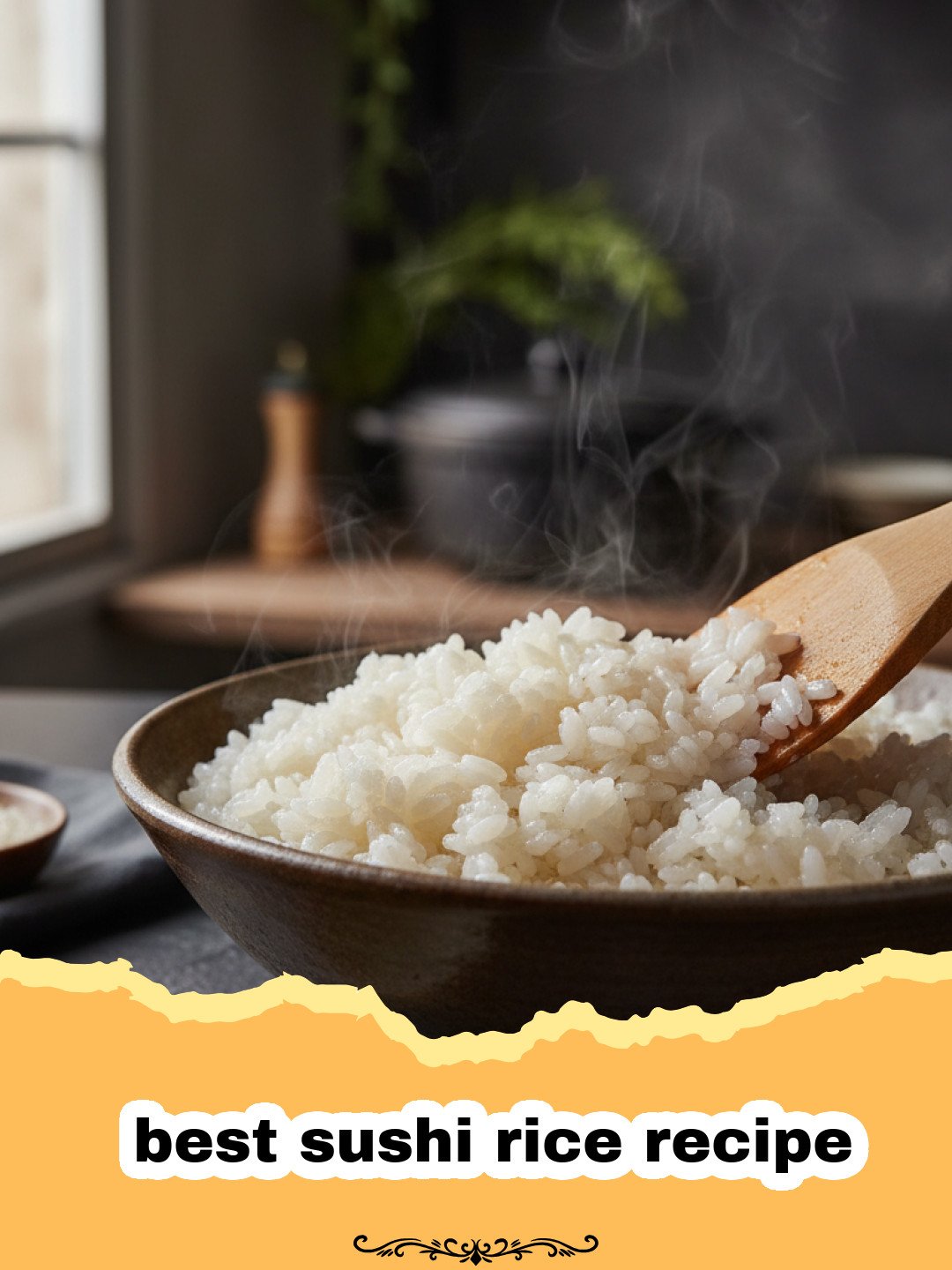
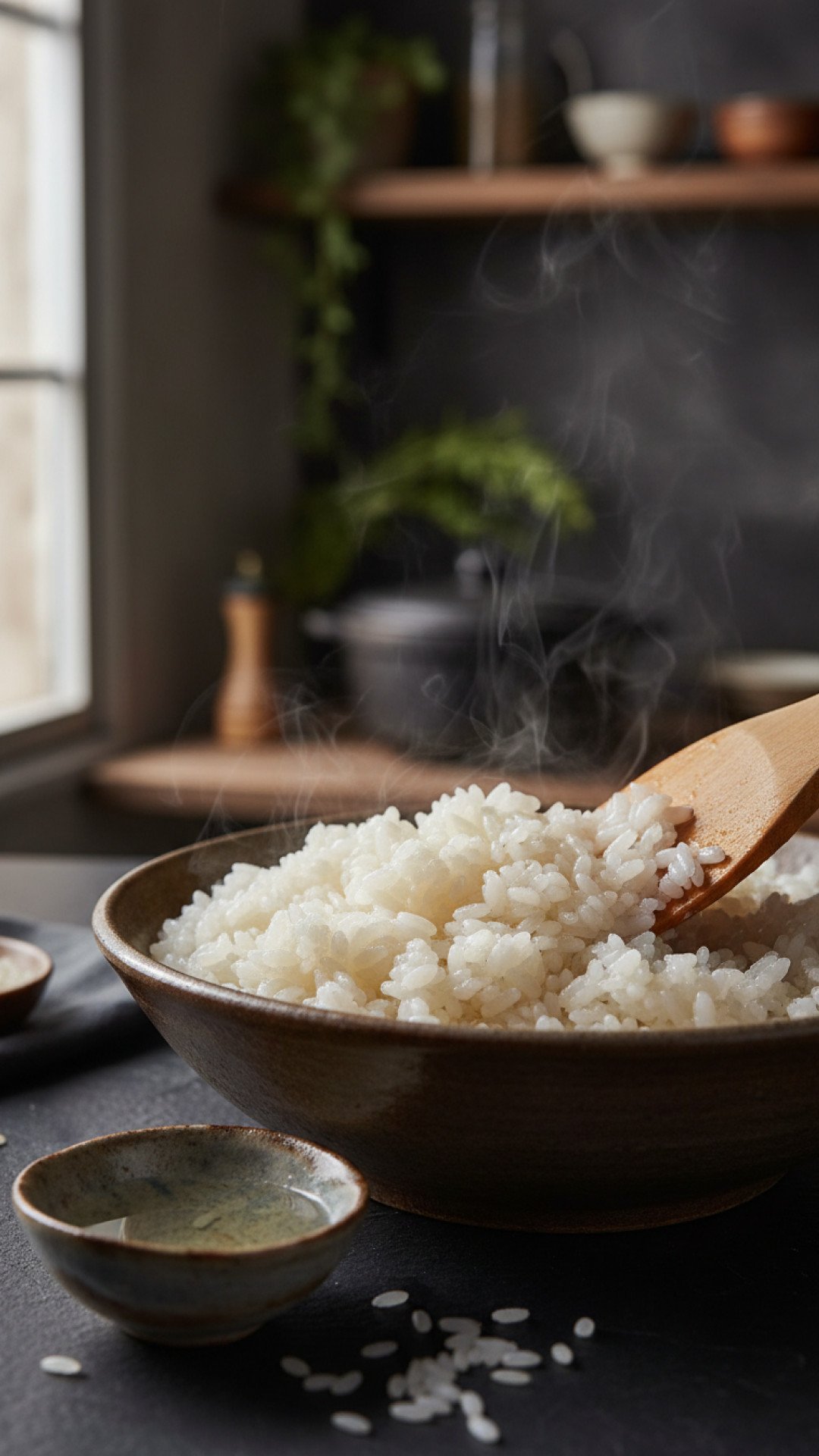
Ah, the magic of homemade sushi! There’s nothing quite like the satisfaction of rolling your own maki or nigiri. But let’s be honest, the true foundation of any spectacular sushi experience isn’t just the fresh fish or crisp vegetables; it’s the rice. I remember my first few attempts at making sushi at home. It was a disaster! The rice was either a sticky, gummy mess that clung to my fingers like superglue, or it was bland and fell apart, leaving my carefully rolled nori sheets looking like tragic, deconstructed art. My dreams of perfectly formed sushi were crushed, roll after roll. I scoured cookbooks, watched countless YouTube videos, and even harassed my local sushi chef (politely, of course!) for tips. It felt like an endless quest. But then, one crisp autumn evening, after yet another failed batch, something clicked. I realized the secret wasn’t just in the ingredients, but in the technique, the patience, and the love poured into each grain. After much trial and error, I finally cracked the code to what I now confidently call the best sushi rice recipe. This isn’t just rice; it’s the heart and soul of your sushi, perfectly seasoned, slightly sweet, and with that irresistible, delicate cling. If you’ve ever struggled with making sushi at home, or simply want to elevate your game, prepare to transform your kitchen into a sushi bar with this truly amazing and best sushi rice recipe.
Why This Recipe is a Must-Try
- Flawless Texture Every Time: Say goodbye to mushy or dry rice. This best sushi rice recipe guarantees perfectly cooked grains that are tender, slightly chewy, and hold their shape beautifully.
- Authentic Flavor Profile: We use a traditional sushi vinegar blend that balances sweet, sour, and savory notes, creating the characteristic taste that complements fresh ingredients without overpowering them. This is key to the best sushi rice recipe.
- Simplified Process with Pro Tips: Even if you’re a beginner, our step-by-step guide with expert advice will make preparing the best sushi rice recipe straightforward and enjoyable.
- Versatile & Delicious: Beyond traditional sushi rolls, this best sushi rice recipe is fantastic for poke bowls, chirashi, or even as a flavorful side dish.
Key Ingredient Notes
While the process is crucial, starting with the right ingredients is the first step towards achieving the best sushi rice recipe. Don’t skimp on quality here!
Short-Grain Japanese Rice
This is non-negotiable for the best sushi rice recipe. Look for varieties labeled ‘sushi rice’ or ‘Calrose’ (a common short-grain type). Short-grain rice has a higher starch content compared to long-grain varieties like Basmati or Jasmine. This starch is what gives sushi rice its characteristic stickiness, allowing it to bind together without becoming gummy, which is essential for the best sushi rice recipe. The plump, rounded grains absorb the vinegar dressing perfectly, creating that iconic texture and taste. Rinsing it properly is also vital, which we’ll cover in the instructions.
Rice Vinegar
Not just any vinegar will do for the best sushi rice recipe. Rice vinegar (preferably unseasoned) is milder and less acidic than white distilled vinegar or apple cider vinegar. It provides the signature tang without overwhelming the delicate flavor of the rice. We’ll be seasoning it with sugar and salt to create a balanced sushi vinegar dressing, known as ‘sushi-zu’ in Japanese, which is the magic behind the best sushi rice recipe.
Granulated Sugar & Sea Salt
These two simple ingredients are essential for creating the perfect sushi-zu. The sugar adds a subtle sweetness that balances the acidity of the vinegar, while the salt enhances all the flavors. The ratio is important to achieve the nuanced taste profile that distinguishes the best sushi rice recipe from mere plain rice.
Step-by-Step Guide with Pro Tips
Follow these steps carefully, and you’ll be well on your way to mastering the best sushi rice recipe.
Preparation is Key: Rinsing the Rice
- Step 1: Measure 2 cups of short-grain sushi rice into a large bowl.
- Step 2: Fill the bowl with cold water, swirling the rice gently with your hand. The water will become cloudy. This cloudiness is excess starch, and removing it is crucial for a non-gummy, best sushi rice recipe.
- Step 3: Drain the cloudy water and repeat the rinsing process about 5-7 times, or until the water runs mostly clear. This meticulous rinsing is one of the most important steps for the best sushi rice recipe.
- Step 4: Drain the rice thoroughly in a fine-mesh sieve and let it sit for at least 30 minutes to an hour. This allows the grains to absorb some moisture and cook more evenly, contributing to the best sushi rice recipe.
Cooking the Rice
There are a few ways to cook rice, but for the best sushi rice recipe, a rice cooker or a heavy-bottomed pot works wonderfully.
- Step 5: Transfer the rinsed and drained rice to your rice cooker or a heavy-bottomed pot with a tight-fitting lid.
- Step 6: Add 2.5 cups of cold water to the rice. For the best sushi rice recipe, some recommend slightly less water (e.g., 2.25 cups) for a firmer texture.
- Step 7: If using a rice cooker, simply select the ‘white rice’ setting and let it do its magic. Once cooked, let it rest on ‘keep warm’ for 10-15 minutes without lifting the lid.
- Step 8: If using a pot: Bring the water and rice to a rolling boil over high heat. Once boiling, reduce the heat to the lowest setting, cover tightly, and simmer for 12-15 minutes. Do NOT lift the lid during this time!
- Step 9: After simmering, remove the pot from the heat and let it rest, covered, for another 10-15 minutes. This steaming period is vital for the rice to finish cooking evenly and become fluffy, which is a hallmark of the best sushi rice recipe.
Preparing the Sushi Vinegar Dressing (Sushi-zu)
This is where the magic happens for the best sushi rice recipe!
- Step 10: In a small saucepan, combine 1/2 cup rice vinegar, 3 tablespoons granulated sugar, and 1.5 teaspoons sea salt.
- Step 11: Heat gently over low heat, stirring constantly, until the sugar and salt are completely dissolved. Do not boil. Remove from heat and let it cool completely. This cooled dressing is key to the best sushi rice recipe.
Mixing & Cooling the Sushi Rice
- Step 12: Transfer the hot, cooked rice to a large, non-metallic bowl or a traditional wooden hangiri (sushi rice tub). Wooden hangiris are porous and help absorb excess moisture, aiding in the best sushi rice recipe.
- Step 13: While the rice is still hot, slowly pour the cooled sushi vinegar dressing over the rice.
- Step 14: Using a cutting motion with a rice paddle or wooden spoon, gently fold the dressing into the rice. Do not stir or mash, as this can break the grains. The goal is to separate the grains slightly while evenly distributing the dressing. You want every grain to be seasoned for the best sushi rice recipe.
- Step 15: Continue folding and fanning the rice (a small hand fan works perfectly, or even a piece of cardboard) until it reaches room temperature and has a shiny, glossy appearance. Fanning helps to cool the rice quickly and evaporates excess moisture, resulting in perfectly seasoned and textured rice. This step truly distinguishes the best sushi rice recipe.
- Step 16: Once cooled, the sushi rice is ready to use! If not using immediately, cover it with a damp cloth or plastic wrap to prevent it from drying out. You can store leftover sushi rice in an airtight container for up to 24 hours. For long-term freshness and convenient meal prep, consider using Basics Glass Food Storage containers. Just remember that the texture is best when freshly prepared.
Variations & Serving Suggestions
Once you’ve mastered this best sushi rice recipe, the possibilities are endless! This versatile foundation can be used in so many creative ways beyond traditional sushi rolls.
Creative Sushi Rolls & Nigiri
Experiment with different fillings for your maki rolls: spicy tuna, tempura shrimp, avocado and cucumber, or even grilled chicken teriyaki for a fusion twist. For nigiri, top small, hand-formed balls of rice with slices of fresh salmon, tuna, or yellowtail. Remember, the quality of your ingredients, especially for fish, makes a huge difference. This foundational best sushi rice recipe supports all your creative endeavors.
Delicious Poke Bowls
Sushi rice is the ideal base for a vibrant poke bowl. Layer it with marinated raw fish (tuna or salmon are popular), fresh vegetables like cucumber, edamame, and avocado, and a drizzle of spicy mayo or soy-ginger dressing. It’s a quick, healthy, and customizable meal that highlights the amazing texture of the best sushi rice recipe. Speaking of fresh, light meals, have you tried The Most Refreshing Lemon Herb Cannellini Bean Salad? It makes for another fantastic, healthy option!
Chirashi Don
Chirashi means ‘scattered’ in Japanese, and chirashi don is essentially a bowl of sushi rice topped with an assortment of sashimi, tamagoyaki (Japanese omelet), and various garnishes like seaweed, pickled ginger, and shiso leaves. It’s a beautiful and impressive dish that showcases your perfectly prepared best sushi rice recipe without the need for rolling.
Sushi Burritos or Hand Rolls
For a more casual and portable option, transform your best sushi rice recipe into sushi burritos. Fill a large sheet of nori with rice, your favorite fillings, and roll it up like a burrito. Hand rolls (temaki) are even easier – simply create a cone shape with nori and fill with rice and ingredients. These are fun, interactive, and a great way to use your best sushi rice recipe for a relaxed meal.
Leftover Rice Ideas
While best fresh, leftover sushi rice can be repurposed! Lightly fry it to make crispy rice cakes, or incorporate it into a Japanese-inspired fried rice. You can also form it into onigiri (rice balls) with various fillings for a portable snack. This best sushi rice recipe is truly versatile. If you’re looking for another comforting, hearty dish for a different meal, don’t miss our The Ultimate Comfort: Our Favorite Creamy Chicken Spaghetti Recipe.
Nutrition Information
| Nutrient | Amount per Serving (approx. 1/2 cup cooked rice) |
|---|---|
| Calories | 180 kcal |
| Carbohydrate Content | 38g |
| Cholesterol Content | 0mg |
| Fat Content | 0.5g |
| Fiber Content | 0.5g |
| Protein Content | 3g |
| Saturated Fat Content | 0g |
| Serving Size | 1/2 cup |
| Sodium Content | 180mg |
| Sugar Content | 6g |
| Trans Fat Content | 0g |
| Unsaturated Fat Content | 0.5g |
*Nutrition facts are estimates and may vary based on specific ingredients and preparation methods for the best sushi rice recipe.
Conclusion
And there you have it! The definitive guide to making the best sushi rice recipe at home. What once seemed like an intimidating culinary challenge is now, hopefully, an exciting and achievable feat. With a little practice, patience, and this tried-and-true method, you’ll be churning out perfect sushi rice that forms the foundation for incredible homemade sushi. Gone are the days of sticky, bland, or crumbly rice. Embrace the process, savor the aroma, and get ready to impress yourself and your loved ones with sushi that tastes like it came straight from your favorite Japanese restaurant. This best sushi rice recipe isn’t just about cooking; it’s about creating a truly delightful experience in your own kitchen. Happy rolling!
FAQs
What type of rice is best for sushi?
The best sushi rice recipe starts with short-grain Japanese rice, often labeled as ‘sushi rice’ or ‘Calrose’ rice. Its high starch content gives it the essential stickiness required to hold its shape for sushi without being mushy.
How important is rinsing the rice for the best sushi rice recipe?
Rinsing the rice thoroughly is crucial for the best sushi rice recipe. It removes excess surface starch, which prevents the rice from becoming overly gummy or sticky. You should rinse the rice until the water runs mostly clear.
Can I use regular vinegar instead of rice vinegar for the sushi dressing?
While you technically could, it is not recommended for achieving the best sushi rice recipe. Rice vinegar is much milder and less acidic than regular white vinegar or apple cider vinegar, providing the authentic, balanced tang that is characteristic of sushi rice. Substituting it will significantly alter the flavor profile.
How do I store leftover sushi rice?
For the best sushi rice recipe, it’s ideal to use the rice fresh. However, if you have leftovers, you can store it in an airtight container at room temperature for a few hours, or in the refrigerator for up to 24 hours. Reheating sushi rice is tricky; it’s best consumed at room temperature or slightly warmed. Never freeze sushi rice, as it will ruin the texture.
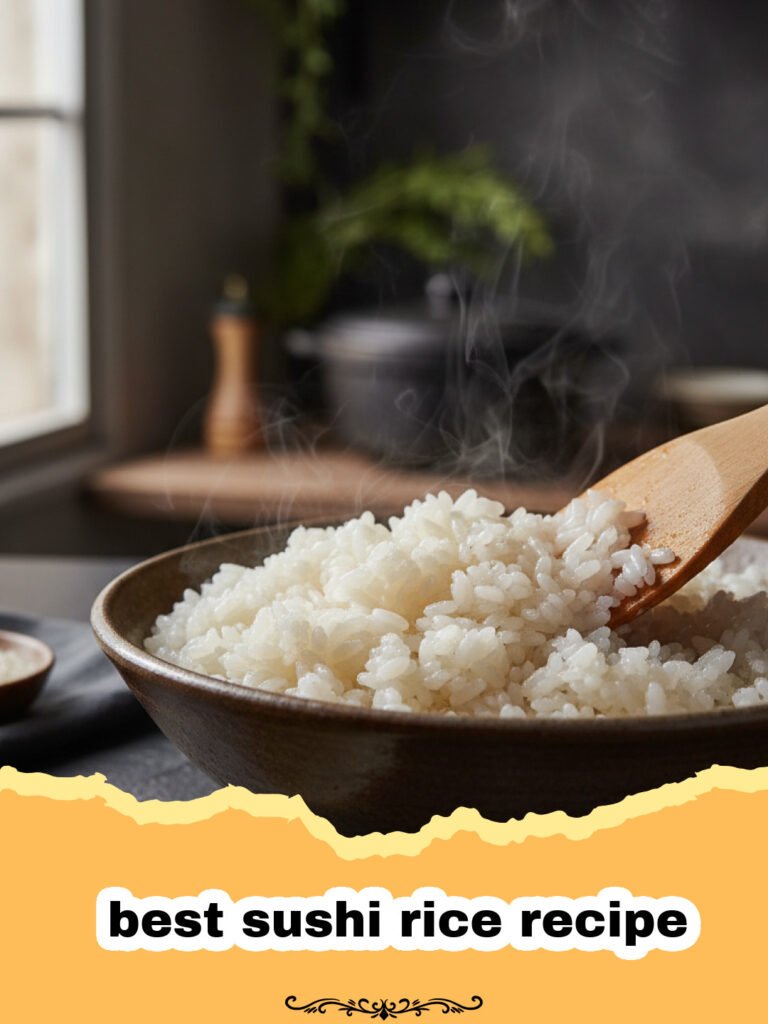
Perfect Sushi Rice (Shari)
Master the art of sushi making with this authentic and easy-to-follow recipe for the best sushi rice (Shari). Achieve that perfect sticky, sweet, and tangy balance every time.
- Total Time: 1 hour 45 minutes
- Yield: 4 cups cooked rice (serves 4-6) 1x
Ingredients
2 cups short-grain Japanese sushi rice
2.5 cups cold water (for cooking rice)
1/2 cup rice vinegar (unseasoned)
3 tablespoons granulated sugar
1.5 teaspoons sea salt
Instructions
Step 1: Measure 2 cups of short-grain sushi rice into a large bowl.
Step 2: Fill the bowl with cold water, swirling the rice gently with your hand. The water will become cloudy.
Step 3: Drain the cloudy water and repeat the rinsing process about 5-7 times, or until the water runs mostly clear.
Step 4: Drain the rice thoroughly in a fine-mesh sieve and let it sit for at least 30 minutes to an hour.
Step 5: Transfer the rinsed and drained rice to your rice cooker or a heavy-bottomed pot with a tight-fitting lid.
Step 6: Add 2.5 cups of cold water to the rice.
Step 7: If using a rice cooker, select the ‘white rice’ setting. Once cooked, let it rest on ‘keep warm’ for 10-15 minutes without lifting the lid.
Step 8: If using a pot: Bring the water and rice to a rolling boil over high heat. Once boiling, reduce the heat to the lowest setting, cover tightly, and simmer for 12-15 minutes. Do NOT lift the lid.
Step 9: After simmering, remove the pot from the heat and let it rest, covered, for another 10-15 minutes.
Step 10: In a small saucepan, combine 1/2 cup rice vinegar, 3 tablespoons granulated sugar, and 1.5 teaspoons sea salt.
Step 11: Heat gently over low heat, stirring constantly, until the sugar and salt are completely dissolved. Do not boil. Remove from heat and let it cool completely.
Step 12: Transfer the hot, cooked rice to a large, non-metallic bowl or a traditional wooden hangiri.
Step 13: While the rice is still hot, slowly pour the cooled sushi vinegar dressing over the rice.
Step 14: Using a cutting motion with a rice paddle or wooden spoon, gently fold the dressing into the rice. Do not stir or mash.
Step 15: Continue folding and fanning the rice until it reaches room temperature and has a shiny, glossy appearance.
Step 16: Once cooled, the sushi rice is ready to use! If not using immediately, cover it with a damp cloth or plastic wrap to prevent it from drying out.
Notes
For best results, use a wooden ‘hangiri’ to mix and cool the rice, as it helps absorb excess moisture. Always ensure your sushi vinegar dressing is completely cool before adding it to the hot rice. Never mash the rice; use a gentle cutting and folding motion.
- Prep Time: 1 hour 15 minutes
- Cook Time: 30 minutes
- Category: How To
- Cuisine: Japanese
Nutrition
- Serving Size: 1/2 cup
- Calories: 180 kcal
- Sugar: 6g
- Sodium: 180mg
- Fat: 0.5g
- Saturated Fat: 0g
- Unsaturated Fat: 0.5g
- Trans Fat: 0g
- Carbohydrates: 38g
- Fiber: 0.5g
- Protein: 3g
- Cholesterol: 0mg
Keywords: best sushi rice recipe, sushi rice, how to make sushi rice, shari recipe, japanese rice, sushi at home, sushi vinegar, calrose rice, homemade sushi