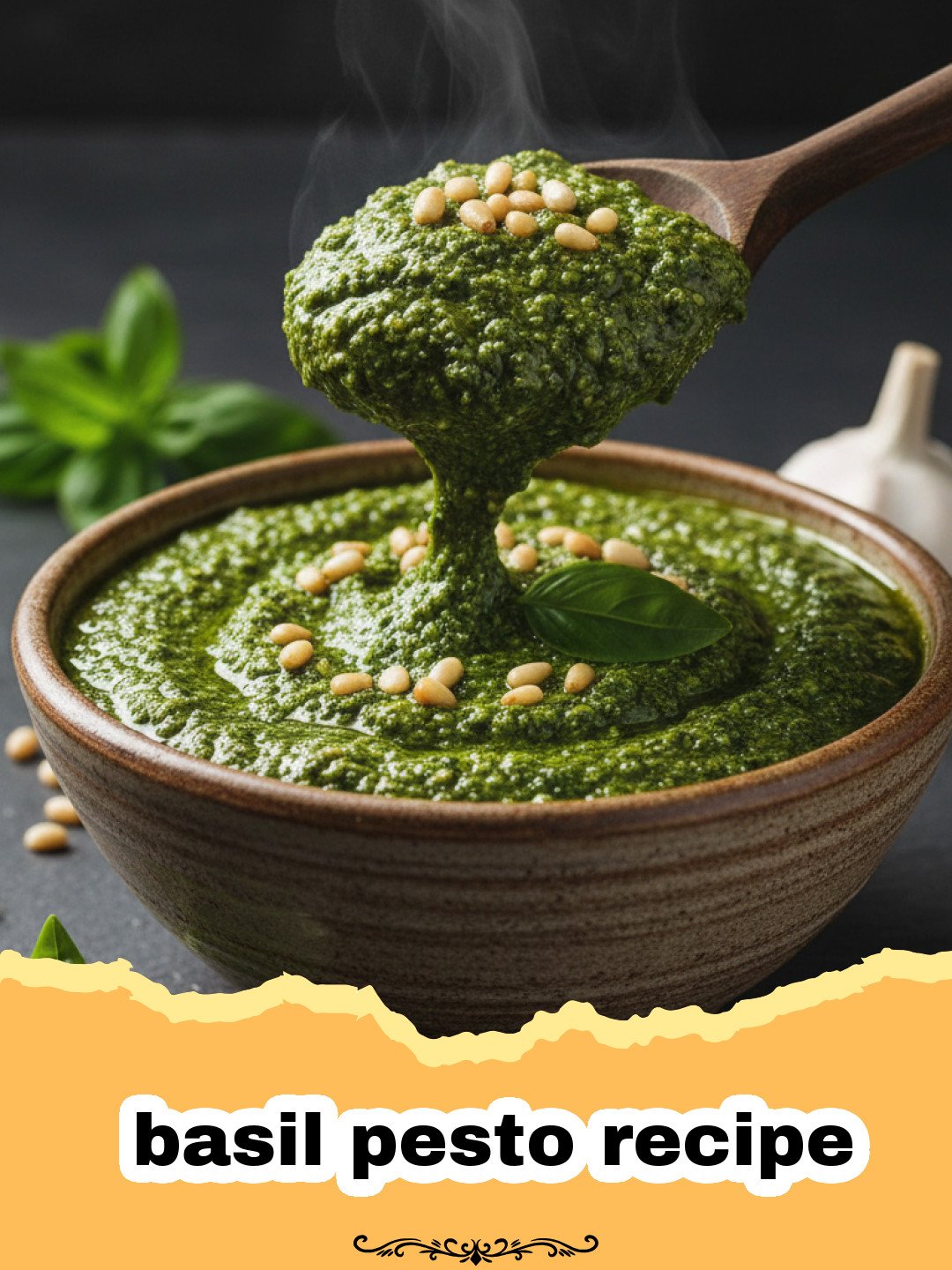
Ah, summer. The season of long days, warm nights, and for me, the unmistakable aroma of fresh basil filling the air. I remember my grandmother’s kitchen, a sun-drenched sanctuary where pots simmered and laughter echoed. Every July, without fail, her sprawling garden would explode with vibrant green basil plants, their leaves plump and fragrant. As a child, my task was to help her pluck the tender leaves, a chore that felt more like a treasure hunt. I’d carefully gather them into a wicker basket, the scent clinging to my fingertips long after. It was in that kitchen, amidst the clatter of ceramic and the gentle hum of her old food processor, that I first witnessed the magic of a homemade basil pesto recipe come to life. The transformation of simple ingredients – basil, pine nuts, garlic, Parmesan, and olive oil – into a luscious, emerald-green sauce was nothing short of alchemy. That first taste, spread generously over a piece of crusty bread, was an epiphany. It was bright, garlicky, nutty, and impossibly fresh. It tasted like summer itself, bottled up and ready to be savored. This classic basil pesto recipe isn’t just about a condiment; it’s about tradition, taste, and tapping into the simple joys of seasonal cooking. And today, I’m thrilled to share that very recipe with you, so you can create your own delicious memories.
Why This Basil Pesto Recipe is a Must-Try
- Unmatched Freshness: Store-bought pesto simply cannot compare to the vibrant, aromatic explosion of flavor from a freshly made basil pesto recipe. You control every ingredient, ensuring the highest quality and taste.
- Incredible Versatility: This isn’t just for pasta! Our basil pesto recipe is a culinary chameleon. Use it as a spread for sandwiches, a marinade for chicken, a topping for eggs, or even a base for pizza. The possibilities are endless.
- Surprisingly Quick & Easy: Despite its gourmet appeal, making your own basil pesto recipe is incredibly fast. With just a few minutes of prep and the whir of a food processor, you’ll have a gourmet sauce ready to elevate any meal.
- Boost Your Nutrients: Packed with healthy fats from olive oil and pine nuts, plus the antioxidants and vitamins from fresh basil and garlic, this basil pesto recipe is as nourishing as it is delicious.
Key Ingredient Notes for the Perfect Basil Pesto Recipe
Fresh Basil Leaves
The star of our show! For this basil pesto recipe, always opt for the freshest, most vibrant basil you can find. Look for leaves that are bright green, unblemished, and fragrant. Large-leaf Italian basil (often called Genovese basil) is ideal due to its robust flavor and tender texture. Avoid basil that looks wilted, browned, or has black spots, as these can impart a bitter taste. Gently wash and thoroughly dry the basil before using; any excess water can dilute the pesto’s flavor and affect its texture. Some chefs even suggest blanching basil quickly to preserve its bright green color, but for a classic, rustic basil pesto recipe, I find it’s often unnecessary if you use fresh, quality leaves.
Pine Nuts
These tiny, creamy nuts are essential for the traditional texture and buttery flavor of a classic basil pesto recipe. To truly unlock their full potential, I highly recommend lightly toasting them before adding them to your food processor. Spread them in a single layer on a dry skillet over medium-low heat and cook, stirring frequently, until they are fragrant and lightly golden brown, about 3-5 minutes. Be careful not to burn them, as they can turn bitter very quickly! Toasting adds a depth of flavor that elevates the entire basil pesto recipe. If you have a nut allergy or simply don’t have pine nuts on hand, walnuts or even a mix of walnuts and cashews can be a decent substitute, though the flavor profile will change.
Parmesan and Pecorino Romano Cheeses
The combination of freshly grated Parmesan (Parmigiano-Reggiano, please!) and Pecorino Romano is what gives this basil pesto recipe its authentic, complex cheesy bite. Parmesan offers a nutty, umami depth, while Pecorino Romano brings a sharper, saltier kick. Always grate your cheese fresh from the block; pre-grated cheeses often contain anti-caking agents that can make your pesto grainy and less flavorful. If you can only find one, use Parmesan, but the blend truly makes a difference. Make sure your cheese is at room temperature to blend more smoothly into your basil pesto recipe.
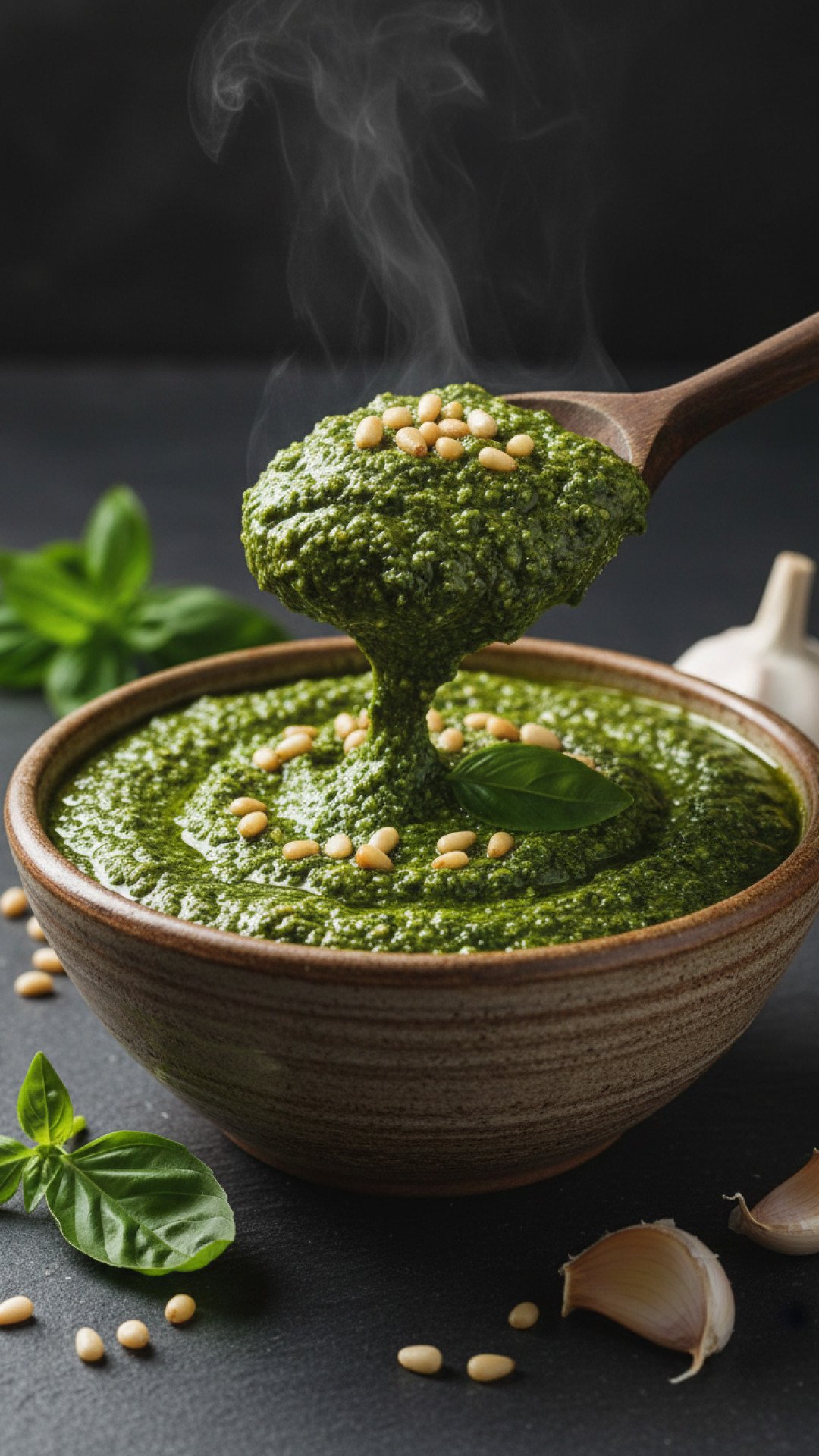
Step-by-Step Guide with Pro Tips for the Best Basil Pesto Recipe
Creating this delicious basil pesto recipe is a breeze with these steps and tips!
- Step 1: Lightly toast your pine nuts. Place them in a dry skillet over medium-low heat. Cook, stirring constantly, for 3-5 minutes until they are fragrant and lightly golden. Immediately remove them from the pan to prevent burning and let them cool completely. This crucial step enhances the nutty flavor in your basil pesto recipe.
- Step 2: Combine the dry ingredients. In a food processor, add the fresh basil leaves, cooled pine nuts, garlic cloves, and a pinch of salt. Pulse several times until the mixture is coarsely chopped. Scrape down the sides of the bowl as needed to ensure everything is evenly processed for a consistent basil pesto recipe.
- Step 3: Add the cheeses. Add both the freshly grated Parmesan and Pecorino Romano cheeses to the food processor. Pulse again a few times until the cheese is incorporated, and the mixture forms a thicker paste.
- Step 4: Slowly drizzle in the olive oil. With the food processor running on low, slowly stream in the extra virgin olive oil through the feed tube. Continue processing until the pesto reaches your desired consistency – smooth but still with some texture. Avoid over-processing, which can make the pesto bitter and too warm.
- Step 5: Taste and adjust. Stop the food processor, taste your fresh basil pesto recipe, and adjust seasoning as needed. You might want a little more salt, a squeeze of fresh lemon juice for brightness, or a crack of black pepper. The lemon juice is an optional but wonderful addition that helps prevent browning and adds a zesty lift.
- Step 6: Store your pesto. Transfer the finished pesto to an airtight container. To preserve its vibrant green color and freshness, pour a thin layer of olive oil over the surface before sealing. This acts as a barrier against air, preventing oxidation. Your homemade basil pesto recipe can be stored in the refrigerator for up to a week. For longer storage, freeze it in ice cube trays, then transfer the frozen cubes to a freezer-safe bag. It will last for several months! I often use my Basics Glass Food Storage containers for this, as they’re perfect for preserving freshness.
Variations & Serving Suggestions
Mix Up Your Greens & Nuts
While this classic basil pesto recipe is perfection, feel free to experiment! Try substituting a portion of the basil with baby spinach, arugula, or even sun-dried tomatoes for a different flavor profile. For nuts, walnuts or almonds can be used in place of pine nuts for a unique twist. A pistachio pesto is also surprisingly delightful!
Beyond Pasta: Creative Serving Ideas
- Pasta’s Best Friend: Of course, tossed with your favorite pasta is the quintessential way to enjoy this basil pesto recipe. Add a splash of pasta water to create a silky sauce.
- Sandwich & Wrap Spread: Ditch the mayonnaise! Spread pesto generously on sandwiches, wraps, or even in a grilled cheese for an instant flavor upgrade.
- Eggs-cellent Addition: Swirl a spoonful into scrambled eggs, omelets, or even on top of a fried egg for a burst of herbaceous flavor.
- Pizza & Flatbread Base: Use it instead of traditional tomato sauce for a fresh, vibrant pizza base. Top with fresh mozzarella and cherry tomatoes.
- Grilled Meats & Vegetables: Drizzle over grilled chicken, fish, or even roasted vegetables. It’s fantastic on grilled zucchini or mixed into fresh green beans.
- Soup & Dip Swirl: Stir a dollop into a bowl of minestrone or tomato soup, or mix it into cream cheese or Greek yogurt for a quick and flavorful dip.
- Marinade Magic: Whisk with a little extra olive oil and lemon juice for a quick marinade for shrimp, chicken, or firm fish.
Nutrition Information
| Nutrient | Amount Per Serving |
|---|---|
| Calories | 280 kcal |
| Carbohydrates | 4g |
| Cholesterol | 15mg |
| Fat | 28g |
| Fiber | 2g |
| Protein | 7g |
| Saturated Fat | 5g |
| Serving Size | 1/4 cup |
| Sodium | 250mg |
| Sugar | 1g |
| Trans Fat | 0g |
| Unsaturated Fat | 23g |
This basil pesto recipe is more than just a sauce; it’s a celebration of fresh, simple ingredients and the joy of home cooking. Whether you’re whipping it up for a quick weeknight dinner or preparing for a special gathering, this vibrant green gem is sure to impress. So go ahead, gather your ingredients, fire up that food processor, and immerse yourself in the delightful process of making your very own batch of homemade basil pesto recipe. Your taste buds, and your family, will thank you!
FAQs
What kind of basil is best for a basil pesto recipe?
For the most authentic and flavorful basil pesto recipe, use fresh Genovese basil (large-leaf Italian basil). Look for vibrant green, unblemished leaves that are highly fragrant. Always wash and thoroughly dry the basil before adding it to your food processor.
How can I prevent my homemade basil pesto from turning brown?
To keep your basil pesto recipe vibrantly green, immediately transfer it to an airtight container and pour a thin layer of olive oil over the surface to create an oxygen barrier. A squeeze of fresh lemon juice added to the pesto also helps prevent oxidation. For longer storage, freezing in ice cube trays is an excellent method.
Can I make basil pesto without pine nuts?
While pine nuts are traditional for a classic basil pesto recipe, you can certainly substitute them. Walnuts or almonds are common alternatives, offering a slightly different but still delicious flavor profile. For the best flavor, lightly toast any nuts you choose to use.
What are some ways to use this basil pesto recipe beyond pasta?
This versatile basil pesto recipe can be used in many ways! Try it as a spread for sandwiches, a flavorful topping for grilled chicken or fish, stirred into scrambled eggs, as a base for pizza or flatbreads, or mixed into dips. It’s also fantastic drizzled over roasted or grilled vegetables.
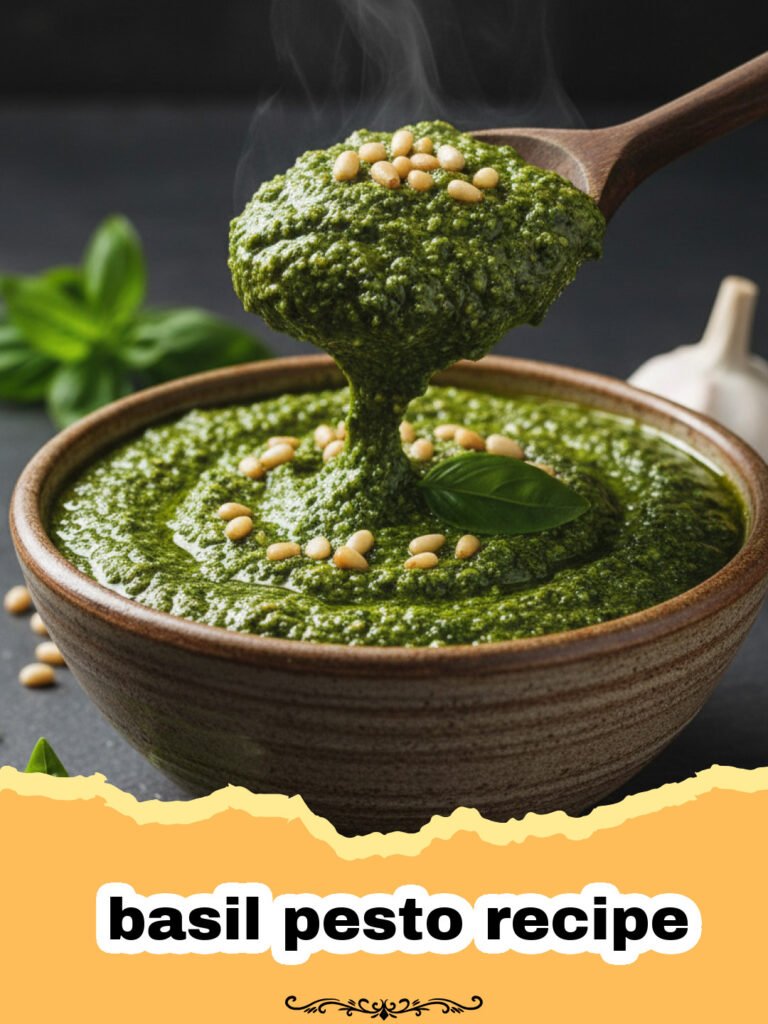
Classic Homemade Basil Pesto
This classic basil pesto recipe is bursting with fresh flavor, combining fragrant basil, toasted pine nuts, pungent garlic, Parmesan and Pecorino Romano cheeses, and high-quality olive oil. Perfect for pasta, sandwiches, or as a versatile condiment.
- Total Time: 10 minutes
- Yield: About 1.5 cups 1x
Ingredients
2 cups fresh basil leaves, packed
1/2 cup grated Parmesan cheese
1/4 cup grated Pecorino Romano cheese
1/3 cup pine nuts, lightly toasted
2–3 cloves garlic, peeled (adjust to taste)
1/2 cup extra virgin olive oil (or more, to desired consistency)
1/2 teaspoon sea salt (or to taste)
1/4 teaspoon black pepper (optional)
1–2 teaspoons fresh lemon juice (optional, for brightness)
Instructions
Step 1: Lightly toast your pine nuts. Place them in a dry skillet over medium-low heat. Cook, stirring constantly, for 3-5 minutes until they are fragrant and lightly golden. Immediately remove them from the pan to prevent burning and let them cool completely.
Step 2: Combine the dry ingredients. In a food processor, add the fresh basil leaves, cooled pine nuts, garlic cloves, and a pinch of salt. Pulse several times until the mixture is coarsely chopped. Scrape down the sides of the bowl as needed.
Step 3: Add the cheeses. Add both the freshly grated Parmesan and Pecorino Romano cheeses to the food processor. Pulse again a few times until the cheese is incorporated, and the mixture forms a thicker paste.
Step 4: Slowly drizzle in the olive oil. With the food processor running on low, slowly stream in the extra virgin olive oil through the feed tube. Continue processing until the pesto reaches your desired consistency – smooth but still with some texture. Avoid over-processing.
Step 5: Taste and adjust. Stop the food processor, taste your fresh basil pesto, and adjust seasoning as needed. You might want a little more salt, a crack of black pepper, or a squeeze of fresh lemon juice for brightness.
Step 6: Store your pesto. Transfer the finished pesto to an airtight container. To preserve its vibrant green color and freshness, pour a thin layer of olive oil over the surface before sealing. Store in the refrigerator for up to a week, or freeze for longer storage.
Notes
For best results, use a high-quality extra virgin olive oil. To prevent browning, cover the surface of the pesto with a thin layer of olive oil or plastic wrap directly touching the surface before refrigerating. You can also blanch the basil leaves for 15 seconds in boiling water and then immediately transfer to an ice bath to help maintain a brighter green color, though it’s not strictly necessary for flavor.
- Prep Time: 10 minutes
- Cook Time: 0 minutes
- Category: Side Dishes
- Cuisine: Italian
Nutrition
- Serving Size: 1/4 cup
- Calories: 280 kcal
- Sugar: 1g
- Sodium: 250mg
- Fat: 28g
- Saturated Fat: 5g
- Unsaturated Fat: 23g
- Trans Fat: 0g
- Carbohydrates: 4g
- Fiber: 2g
- Protein: 7g
- Cholesterol: 15mg
Keywords: basil pesto recipe, homemade pesto, classic pesto, italian pesto, pesto sauce, fresh basil, pine nuts, garlic pesto, easy pesto, vegetarian pesto