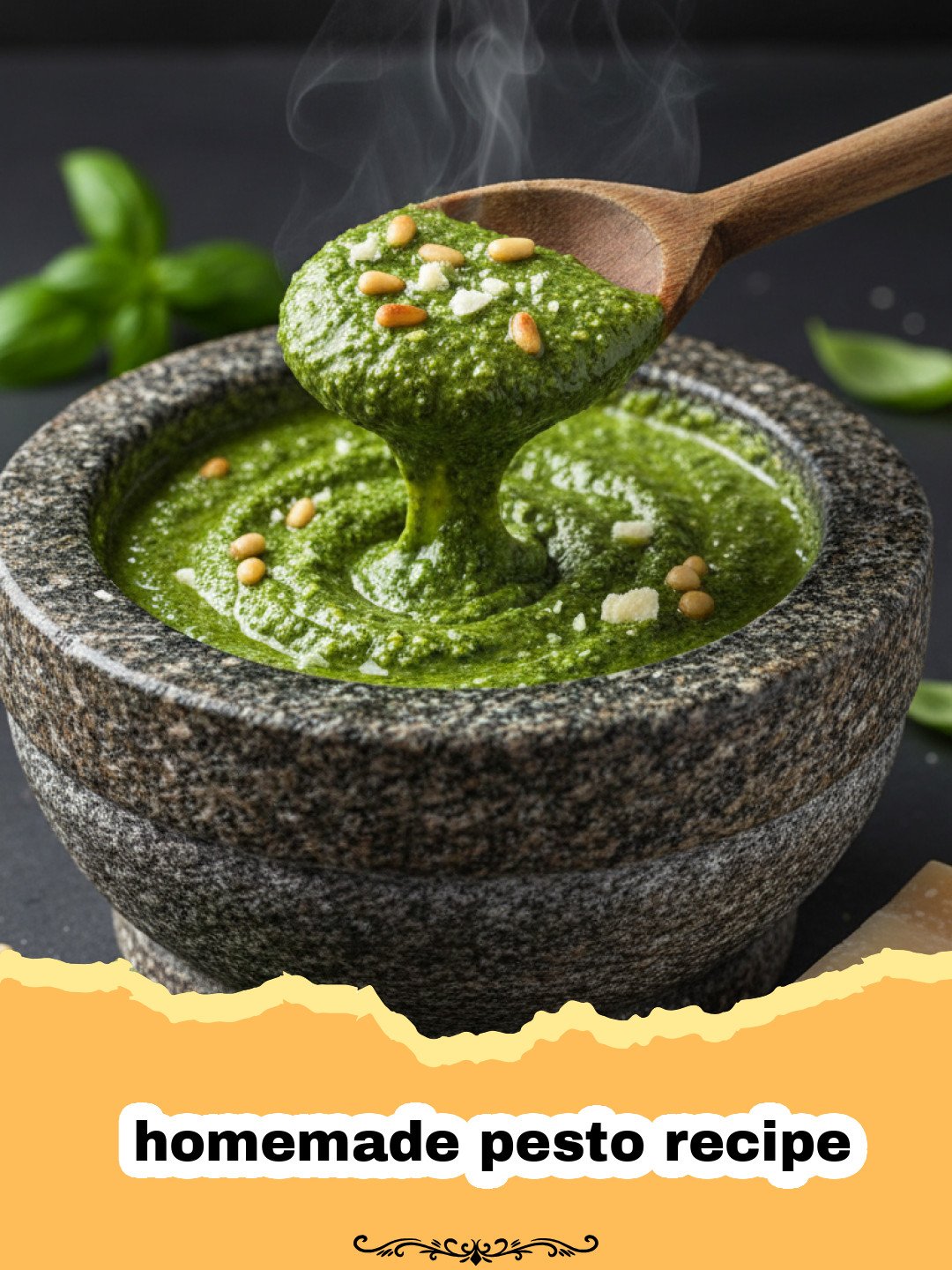
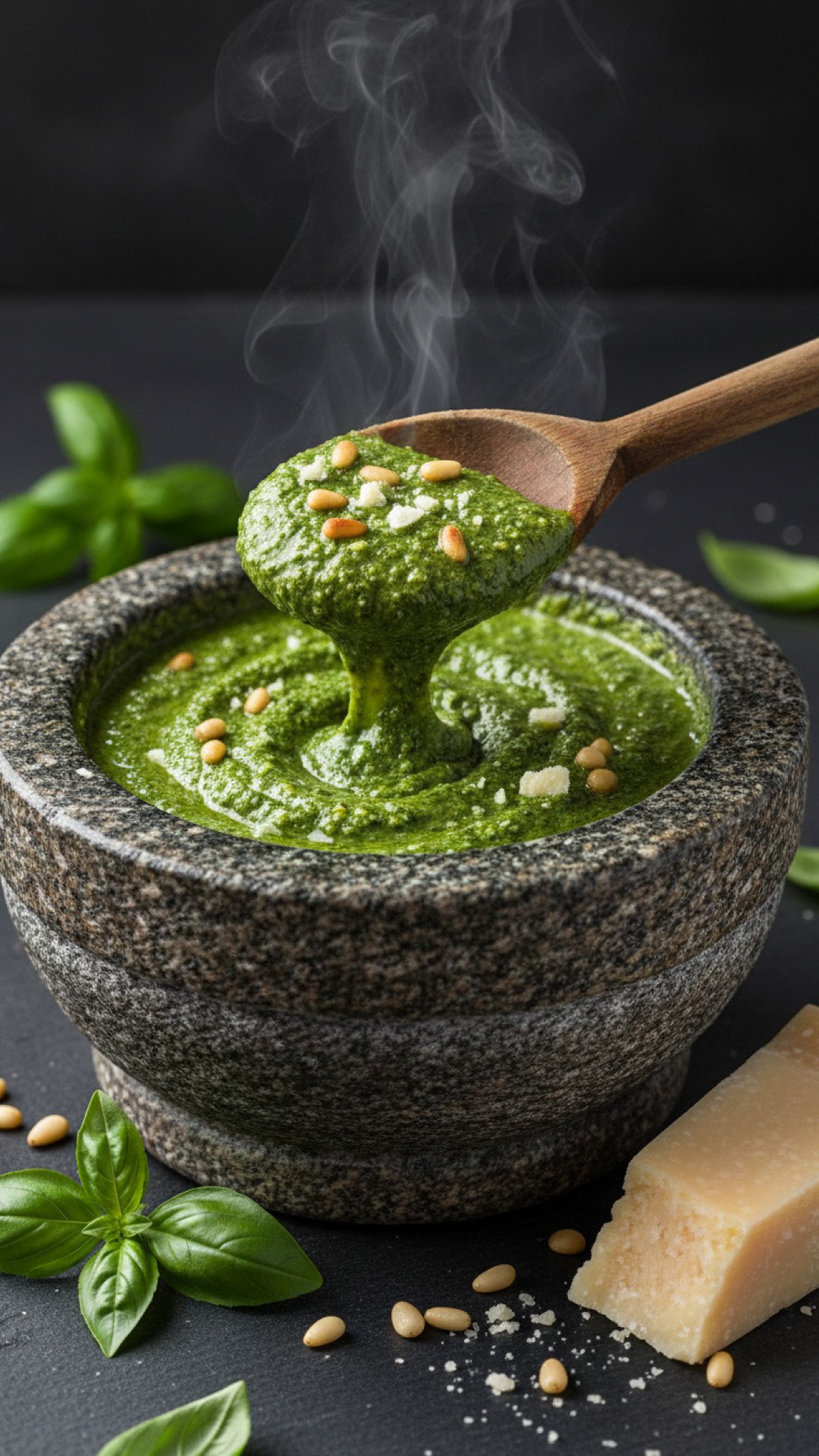
Ah, summer! For me, there’s truly nothing quite like a good homemade pesto recipe. It transports me back to sun-drenched afternoons in my grandmother’s kitchen. She had this incredible knack for gardening, and her basil plants would grow into towering, fragrant bushes, practically bursting with life. Every August, the ritual would begin. The air would fill with the intoxicating aroma of fresh basil, garlic, and pine nuts as we’d gather around her ancient food processor, an appliance that had seen more pesto-making than I could count. The whirring sound, the vibrant green color that emerged, and that first spoonful tasted straight from the garden – pure magic. This homemade pesto recipe is more than just a sauce; it’s a jarred memory, a taste of tradition, and a celebration of simple, wholesome ingredients. It’s about capturing the essence of summer and being able to enjoy that bright, herbaceous flavor long after the warm days have faded. Forget the store-bought stuff; once you taste the fresh, zesty punch of your own homemade pesto, you’ll never go back. It’s surprisingly easy, incredibly rewarding, and utterly delicious.
Why This Homemade Pesto Recipe is a Must-Try
- Unbeatable Freshness: Store-bought pesto simply cannot compare to the vibrant, aromatic taste of a homemade pesto recipe made with freshly picked basil. You control the quality of every ingredient.
- Customization is King: This classic homemade pesto recipe is just a starting point! You can easily tweak ingredients to suit your taste, dietary needs, or whatever you have on hand. Want more garlic? Go for it!
- Economical & Efficient: Making your own homemade pesto recipe is significantly cheaper than buying premium brands. Plus, a large batch can be made in minutes and frozen for months, saving you time later.
- Versatile Culinary Staple: Beyond pasta, this homemade pesto recipe is a secret weapon in your kitchen. Spread it on sandwiches, swirl it into soups, dollop it on eggs, or marinate chicken. The possibilities are endless!
Key Ingredient Notes for a Perfect Homemade Pesto Recipe
While a homemade pesto recipe is wonderfully simple, the quality of your ingredients truly shines through. Here are a few notes on the stars of the show:
Fresh Basil
This is non-negotiable. For the best homemade pesto recipe, seek out vibrant, green basil leaves that are free from brown spots or wilting. Sweet basil is the most common and ideal variety. Don’t skimp on washing and drying your basil thoroughly, as excess water can dilute the flavor and affect the texture of your homemade pesto. If you have a garden, harvesting your own basil for this homemade pesto recipe is a game-changer!
Pine Nuts
Pine nuts provide that classic creamy texture and subtle nutty flavor. For an extra layer of depth and aroma in your homemade pesto recipe, lightly toast them in a dry skillet over medium-low heat until fragrant and slightly golden. Watch them closely, as they can burn quickly! If pine nuts are too pricey or you have an allergy, walnuts or even blanched almonds can be excellent substitutes, though they will slightly alter the flavor profile of your homemade pesto recipe.
Parmigiano-Reggiano
Resist the urge to use pre-grated Parmesan in a shaker bottle. For an authentic and flavorful homemade pesto recipe, invest in a good block of real Parmigiano-Reggiano. Its salty, umami-rich flavor is crucial to balancing the freshness of the basil and the richness of the olive oil. Pecorino Romano is another excellent, sharper alternative that can be used alone or mixed with Parmigiano-Reggiano in your homemade pesto recipe.
Step-by-Step Guide with Pro Tips for Your Homemade Pesto Recipe
Making a delicious homemade pesto recipe is incredibly straightforward. Follow these steps for the freshest, most flavorful pesto you’ve ever tasted!
Step 1: Prepare Your Basil. Gently wash your fresh basil leaves and pat them thoroughly dry with paper towels or use a salad spinner. Any excess water can make your pesto watery and less vibrant. Place the dry basil leaves in the bowl of your food processor.Step 2: Toast the Pine Nuts (Optional, but Recommended). In a dry skillet over medium-low heat, gently toast the pine nuts for 3-5 minutes, shaking the pan frequently, until they are lightly golden and fragrant. This step enhances their nutty flavor and adds depth to your homemade pesto recipe. Remove from heat and let cool slightly. Add the toasted pine nuts to the food processor with the basil.Step 3: Add Garlic and Cheese. Peel and roughly chop the garlic cloves. Add them to the food processor along with the grated Parmigiano-Reggiano (and Pecorino Romano, if using). Pulse the mixture several times until the basil, nuts, garlic, and cheese are finely chopped and well combined. Scrape down the sides of the bowl as needed to ensure everything is incorporated evenly. This initial pulsing is key to achieving a smooth homemade pesto recipe.Step 4: Slowly Drizzle in Olive Oil. With the food processor running on low, slowly drizzle in the extra virgin olive oil through the feed tube. Process until the mixture is smooth and creamy. You might need to pause and scrape down the sides a few times to ensure all ingredients are fully emulsified into your homemade pesto recipe. The goal is a luscious, vibrant green sauce. Don’t over-process, or the heat from the motor can oxidize the basil and turn it a darker color.Step 5: Season and Adjust. Once your homemade pesto recipe has reached the desired consistency, stop the food processor. Taste the pesto and season with salt and black pepper as needed. Remember that Parmigiano-Reggiano is already quite salty, so add more salt judiciously. Pulse a few more times to incorporate the seasonings. You now have a fantastic homemade pesto recipe ready to enjoy!Step 6: Storage Tips. Transfer your freshly made homemade pesto recipe to an airtight container. To prevent oxidation and keep that beautiful green color, pour a thin layer of olive oil over the surface of the pesto before sealing. It will keep in the refrigerator for up to a week. For longer storage, you can freeze pesto in ice cube trays, then transfer the frozen cubes to a freezer-safe bag for up to 6 months. For convenient, long-term storage of your homemade pesto recipe, I highly recommend using durable Basics Glass Food Storage containers, which are perfect for both refrigeration and freezing. To learn more about unlocking summer’s flavor with this incredible sauce, check out our guide on the Best Classic Homemade Basil Pesto Recipe.Variations & Serving Suggestions for Your Homemade Pesto Recipe
This homemade pesto recipe is wonderfully adaptable! Don’t be afraid to experiment and make it your own. Here are a few ideas:
Herb & Green Variations:
- Arugula Pesto: For a peppery kick, substitute half of the basil with fresh arugula.
- Spinach Pesto: Blend in some baby spinach for a milder, slightly sweeter pesto that’s also a great way to sneak in extra greens.
- Cilantro Pesto: For a Mexican-inspired twist, swap basil for cilantro and add a squeeze of lime juice.
- Sun-Dried Tomato Pesto: Add a few rehydrated sun-dried tomatoes (packed in oil, drained) to the food processor for a savory, tangy red pesto.
Nut & Seed Variations:
- Walnut Pesto: Walnuts are a fantastic, more economical alternative to pine nuts, offering a slightly earthier flavor.
- Almond Pesto: Blanched almonds provide a creamy texture and delicate flavor.
- Pumpkin Seed Pesto: For a nut-free option, toasted pumpkin seeds (pepitas) work wonderfully and add a beautiful green hue.
Cheese Alternatives:
- Pecorino Romano: Use 100% Pecorino Romano for a sharper, saltier, and more robust homemade pesto recipe.
- Nutritional Yeast: For a dairy-free or vegan homemade pesto recipe, nutritional yeast can mimic the cheesy flavor.
Creative Serving Suggestions:
- Classic Pasta Dish: Toss with your favorite pasta (linguine, fettuccine, orecchiette) and a splash of pasta water to create a silky sauce.
- Sandwich Spread: Spread generously on sandwiches, wraps, or even grilled cheese for an instant flavor upgrade.
- Pizza Base: Use it instead of tomato sauce for a fresh, vibrant pizza. Top with fresh mozzarella and cherry tomatoes.
- Roasted Vegetables: Drizzle over roasted asparagus, zucchini, or potatoes for a burst of fresh flavor.
- Eggs: Swirl a spoonful into scrambled eggs, omelets, or serve alongside a frittata.
- Marinade: Use as a quick marinade for chicken, fish, or shrimp before grilling or baking.
- Soup Topping: A dollop of pesto adds a luxurious finish and fresh herbaceousness to minestrone or vegetable soup.
Experimentation is key to personalizing your homemade pesto recipe. You’ll be amazed at how this simple homemade pesto recipe can elevate so many dishes. For more delicious ways to use fresh summer ingredients, you might enjoy our article on Divine Strawberry Crumb Bars!
Nutrition Information
Here’s an estimated nutritional breakdown for one serving of this homemade pesto recipe:
| Nutrient | Amount per serving |
|---|---|
| Calories | 350 kcal |
| Carbohydrates | 6 g |
| Cholesterol | 15 mg |
| Fat | 35 g |
| Fiber | 2 g |
| Protein | 8 g |
| Saturated Fat | 5 g |
| Serving Size | 1/4 cup |
| Sodium | 300 mg |
| Sugar | 1 g |
| Trans Fat | 0 g |
| Unsaturated Fat | 28 g |
Conclusion
Making your own homemade pesto recipe is one of those small kitchen triumphs that yields huge rewards. It’s fresh, flavorful, incredibly versatile, and brings a little piece of summer sunshine to any meal. I hope this homemade pesto recipe becomes a staple in your kitchen, bringing joy and deliciousness to your family just as it has for mine. There’s immense satisfaction in creating your own homemade pesto recipe, knowing exactly what’s in it, and savoring every vibrant bite. So go ahead, gather your basil, fire up that food processor, and get ready to enjoy the best pesto you’ve ever had!
FAQs
How long does homemade pesto last?
Fresh homemade pesto can last up to one week in the refrigerator when stored in an airtight container with a thin layer of olive oil poured over the top to prevent oxidation. For longer storage, it can be frozen in ice cube trays and then transferred to a freezer-safe bag for up to 6 months.
Can I make pesto without pine nuts?
Yes, absolutely! While pine nuts are traditional, you can substitute them with other nuts like walnuts, almonds (blanched work best), or even cashews. For a nut-free option, toasted pumpkin seeds (pepitas) are an excellent choice and still provide a lovely texture and flavor to your homemade pesto recipe.
Why did my homemade pesto turn dark or brown?
Pesto can turn dark or brown due to oxidation when exposed to air, especially after being processed. To prevent this, ensure you cover the pesto with a thin layer of olive oil before storing it in the refrigerator. Over-processing in the food processor, which generates heat, can also cause the basil to oxidize. For a brighter green color, some chefs briefly blanch the basil before making pesto.
What are the best uses for homemade pesto?
Homemade pesto is incredibly versatile! It’s famously used as a sauce for pasta, but it’s also fantastic as a spread for sandwiches or wraps, a base for pizza, a dressing for roasted vegetables or salads, a dollop on eggs, or even as a marinade for chicken, fish, or shrimp. Don’t limit yourself to just pasta u2013 explore its many delicious applications!
Classic Homemade Basil Pesto
Master the art of fresh, vibrant pesto with this easy and authentic homemade basil pesto recipe. Perfect for pasta, sandwiches, and more!
- Total Time: 15 minutes
- Yield: 1.5 cups (6 servings) 1x
Ingredients
2 cups fresh basil leaves, packed
1/2 cup grated Parmigiano-Reggiano cheese
1/4 cup pine nuts (toasted, optional)
2 cloves garlic, peeled
1/2 cup extra virgin olive oil
1/4 teaspoon salt, or to taste
Pinch of black pepper, or to taste
Instructions
Step 1: Prepare Your Basil. Gently wash your fresh basil leaves and pat them thoroughly dry with paper towels or use a salad spinner. Place the dry basil leaves in the bowl of your food processor.
Step 2: Toast the Pine Nuts (Optional, but Recommended). In a dry skillet over medium-low heat, gently toast the pine nuts for 3-5 minutes, shaking the pan frequently, until they are lightly golden and fragrant. Remove from heat and let cool slightly. Add the toasted pine nuts to the food processor with the basil.
Step 3: Add Garlic and Cheese. Peel and roughly chop the garlic cloves. Add them to the food processor along with the grated Parmigiano-Reggiano. Pulse the mixture several times until the basil, nuts, garlic, and cheese are finely chopped and well combined. Scrape down the sides of the bowl as needed.
Step 4: Slowly Drizzle in Olive Oil. With the food processor running on low, slowly drizzle in the extra virgin olive oil through the feed tube. Process until the mixture is smooth and creamy. You might need to pause and scrape down the sides a few times to ensure all ingredients are fully emulsified.
Step 5: Season and Adjust. Once your pesto has reached the desired consistency, stop the food processor. Taste the pesto and season with salt and black pepper as needed. Pulse a few more times to incorporate the seasonings.
Step 6: Storage. Transfer your freshly made pesto to an airtight container. To prevent oxidation, pour a thin layer of olive oil over the surface before sealing. It will keep in the refrigerator for up to a week. For longer storage, freeze in ice cube trays, then transfer to a freezer-safe bag for up to 6 months.
Notes
For a brighter green color, you can briefly blanch the basil leaves in boiling water for 10-15 seconds, then immediately transfer to an ice bath before drying thoroughly. This helps set the chlorophyll.
- Prep Time: 10 minutes
- Cook Time: 5 minutes
- Category: How To
- Cuisine: Italian
Nutrition
- Serving Size: 1/4 cup
- Calories: 350 kcal
- Sugar: 1 g
- Sodium: 300 mg
- Fat: 35 g
- Saturated Fat: 5 g
- Unsaturated Fat: 28 g
- Trans Fat: 0 g
- Carbohydrates: 6 g
- Fiber: 2 g
- Protein: 8 g
- Cholesterol: 15 mg
Keywords: homemade pesto, basil pesto recipe, pesto sauce, easy pesto, italian pesto, fresh basil recipe, how to make pesto