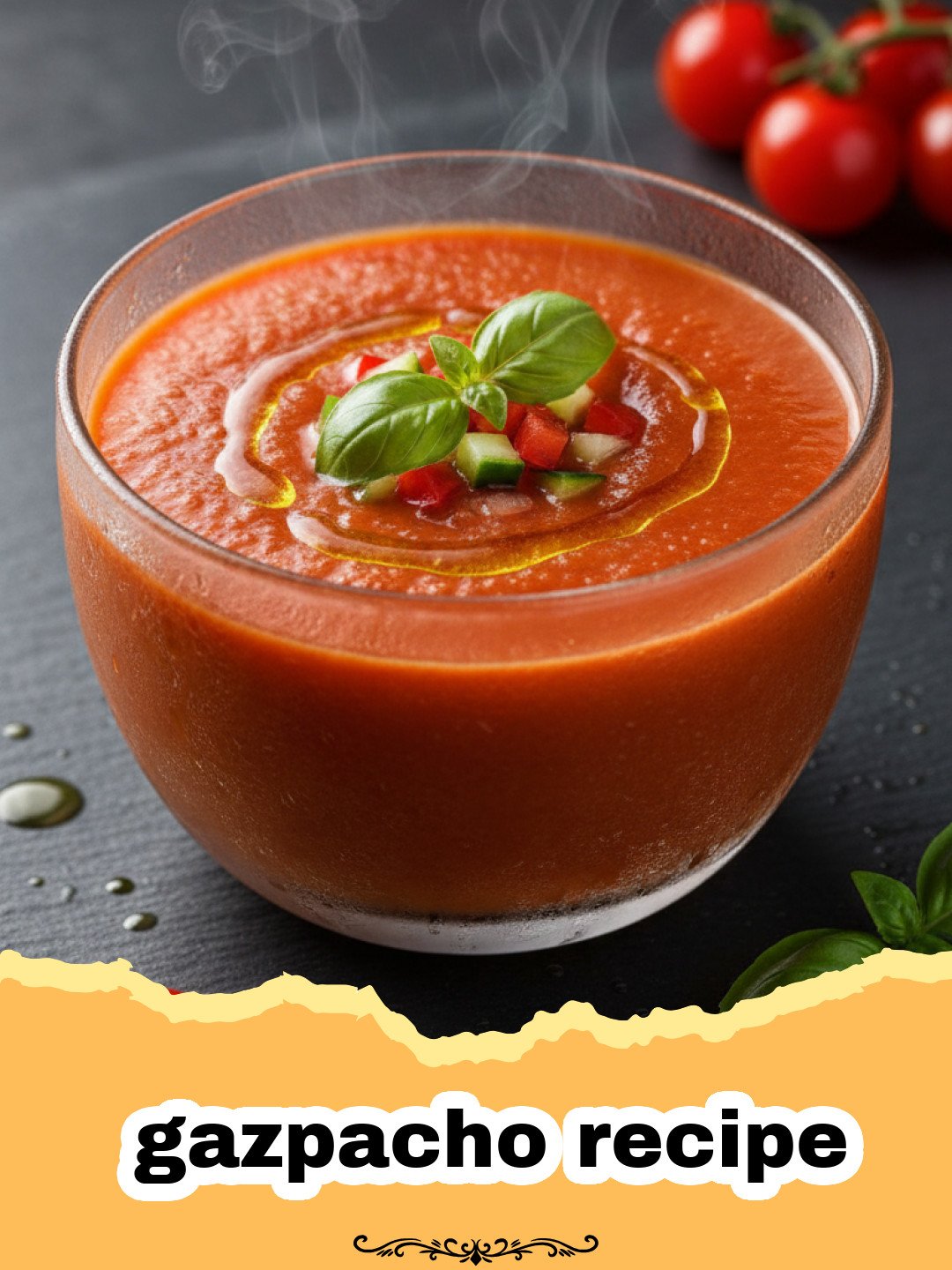
I remember my first encounter with a true gazpacho recipe. It was during a sweltering August in Andalusia, Spain. The heat was almost unbearable, and I was convinced nothing could cool me down. We stumbled into a small, family-run restaurant, and the owner, a woman with a warm smile and eyes that crinkled at the corners, recommended their gazpacho. I was skeptical. Cold soup? But one spoonful, and I was converted. It was an explosion of fresh, vibrant flavors – ripe tomatoes, crisp cucumber, sweet bell peppers, a hint of garlic, and the rich depth of olive oil. It wasn’t just a dish; it was an experience, a liquid embrace of summer, an instant refresher. That day, I realized a good gazpacho recipe isn’t just about ingredients; it’s about balance, freshness, and the pure joy of simple, seasonal produce. Since then, I’ve been on a mission to recreate that magic in my own kitchen, refining my own perfect gazpacho recipe, and today, I’m thrilled to share it with you. This particular gazpacho recipe brings me back to those sun-drenched Spanish days every single time I make it, and I hope it does the same for you. Getting this classic gazpacho recipe right is easier than you think, and the rewards are absolutely delicious.
Why This Gazpacho Recipe is a Must-Try
- Pure Summer in a Bowl: This gazpacho recipe captures the very essence of summer with peak-season produce. It offers an unparalleled burst of fresh flavors that instantly brightens any meal. If you’re looking for a taste of sunshine, this gazpacho recipe delivers.
- No-Cook & Refreshing: Perfect for those scorching hot days when turning on the stove is the last thing you want to do. This gazpacho recipe requires no cooking, keeping your kitchen cool and your spirits high. It’s the ultimate refreshing meal.
- Healthy & Nutritious: Packed with an abundance of vitamins, powerful antioxidants, and essential fiber from a medley of fresh vegetables, this gazpacho recipe is a guilt-free pleasure. It’s a delicious way to load up on healthy goodness.
- Incredibly Versatile: This gazpacho recipe is easily adaptable to your personal taste. You can adjust the spice level, sweetness, or tanginess to create your absolute perfect chilled soup. It’s a canvas for your culinary creativity, making it a truly personal gazpacho recipe.
Key Ingredient Notes for the Perfect Gazpacho Recipe
While the beauty of a classic gazpacho recipe lies in its simplicity, the quality of your ingredients is paramount. Think of them as the building blocks of flavor.
Ripe Tomatoes: The Soul of Your Gazpacho
This is undeniably the heart of any great gazpacho recipe. Do not compromise on your tomatoes! Seek out the ripest, reddest, most flavorful tomatoes you can possibly find. Heirloom varieties, sweet Romas, or juicy beefsteaks all work wonderfully. Their natural sweetness and acidity are what give gazpacho its iconic taste. Avoid pale, unripe, or mealy tomatoes at all costs; they will result in a watery, bland gazpacho. If you can’t find truly ripe fresh tomatoes, a good quality canned whole peeled tomato can work in a pinch for a more robust version, though fresh is always king for this gazpacho recipe.
High-Quality Extra Virgin Olive Oil: Liquid Gold
Extra virgin olive oil isn’t just a cooking fat here; it’s a fundamental flavor enhancer and textural component. A good quality, fruity, and slightly peppery olive oil will emulsify beautifully into the gazpacho, adding body, a luxurious mouthfeel, and a rich, subtle complexity. It truly makes a world of difference in this gazpacho recipe, transforming it from good to absolutely sublime. Don’t skimp on this! It’s what gives this chilled soup its signature smoothness and depth.
Day-Old Bread (Optional but Recommended)
While optional for those seeking a gluten-free gazpacho recipe, a small piece of day-old crusty bread (like a section of a baguette or a slice of rustic white bread) soaked in water adds essential body and a wonderfully creamy texture to the gazpacho without adding any cream. It’s a traditional secret that helps thicken the soup and prevent separation, giving your gazpacho that authentic, velvety feel. If you omit it, your gazpacho will be thinner, but still delicious.
Step-by-Step Guide to Your Best Gazpacho Recipe with Pro Tips
Creating this refreshing gazpacho recipe is more about assembly and blending than complex cooking techniques. Follow these steps for success.
Prepping Your Vegetables
Begin by washing all your fresh vegetables thoroughly. Roughly chop your ripe tomatoes, cucumber (peeled if the skin is thick or bitter), bell peppers (removing seeds and white pith), and onion. Mince your garlic cloves. The size of the chop isn’t critical at this stage, as everything will be blended, but smaller pieces will blend more easily and prevent over-processing. For a truly smooth gazpacho, some people even peel their tomatoes by blanching them briefly, but I find it unnecessary with good blending equipment.
Soaking the Bread (if using)
If you’re including bread, tear the day-old bread into small pieces and place them in a small bowl. Cover them with a little cold water and let them soak for about 5-10 minutes, or until softened. Squeeze out any excess water before adding to the blender. This ensures the bread integrates smoothly into your gazpacho.
The Blending Process
Combine the chopped tomatoes, cucumber, bell peppers, onion, garlic, and the squeezed bread (if using) into a powerful blender. Add the red wine vinegar, a generous pinch of salt, and freshly ground black pepper. Start blending on low, gradually increasing the speed. While blending, slowly stream in the high-quality extra virgin olive oil. This slow emulsification is key to achieving that smooth, rich texture for your gazpacho. Blend until the mixture is completely smooth and creamy. You want no chunks remaining. A powerful blender makes all the difference for this gazpacho recipe.
Straining for Silky Smoothness (Optional but Recommended)
For an exceptionally silky smooth gazpacho, pour the blended mixture through a fine-mesh sieve into a large bowl, pressing the solids against the mesh with a spatula to extract all the liquid. Discard any pulp left in the sieve. This step removes any remaining seeds or bits of skin, resulting in a restaurant-quality gazpacho. If you prefer a slightly chunkier or more rustic soup, you can skip this step, but I highly recommend it.
Chilling is Crucial
Transfer the strained gazpacho to an airtight container. Glass food storage containers are excellent for this, as they don’t absorb odors. Cover and refrigerate for at least 2-4 hours, or ideally overnight. Chilling is not just about making it cold; it allows the flavors to meld and deepen, transforming the individual ingredients into a harmonious symphony. A well-chilled gazpacho is infinitely more delicious. This is perhaps the most important step for any gazpacho recipe!
Adjusting and Serving
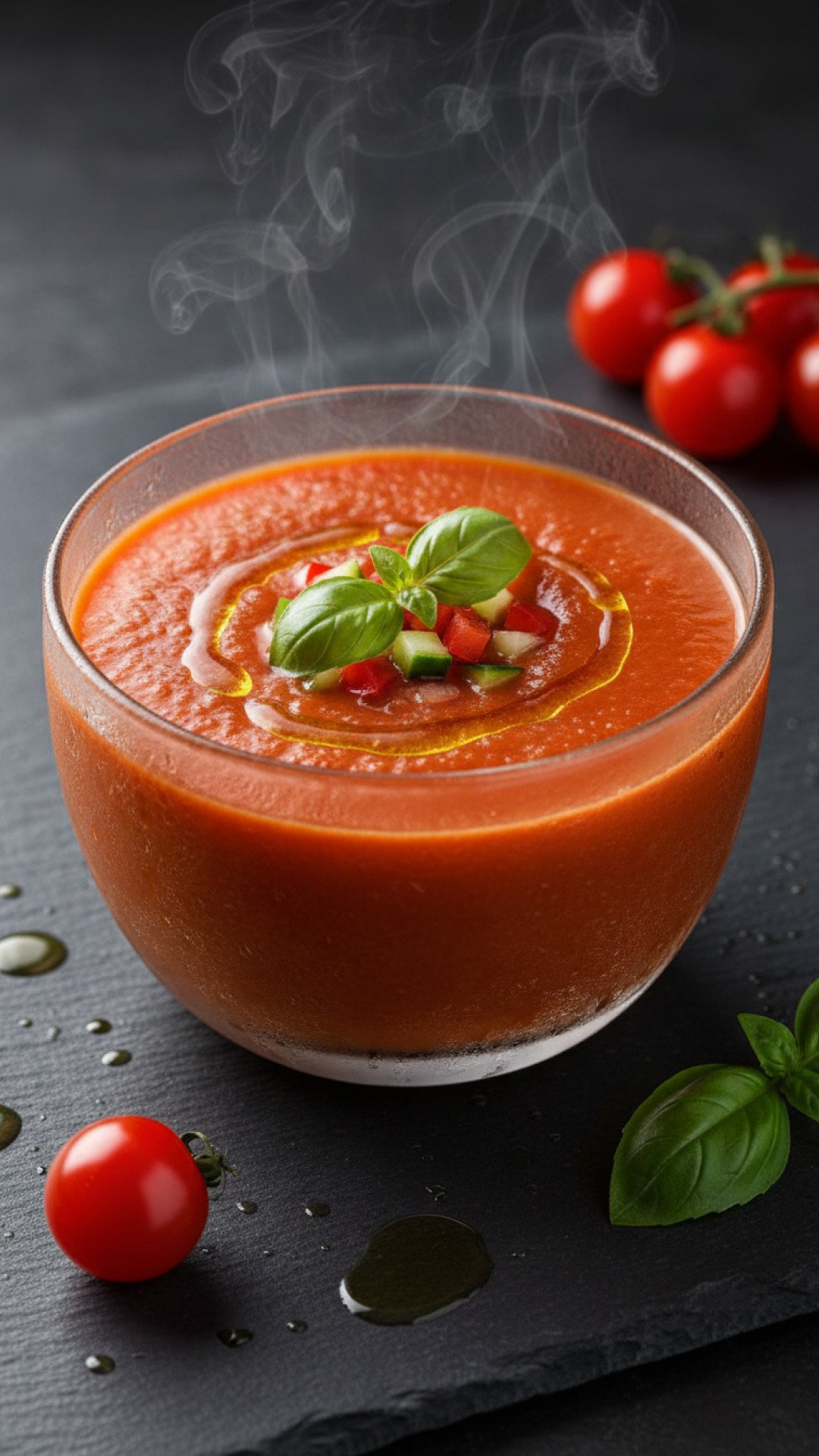
Before serving, give the gazpacho a good stir and taste. Adjust seasonings as needed – perhaps a little more salt, pepper, or a touch more vinegar for brightness. If it’s too thick, you can thin it with a little cold water or a splash of tomato juice. Serve the gazpacho recipe in chilled bowls, garnished with finely diced cucumber, bell pepper, and a drizzle of fresh extra virgin olive oil. A sprinkle of chopped fresh parsley or chives adds a lovely final touch. This authentic gazpacho is a winner every time.
Variations & Serving Suggestions for Your Gazpacho Recipe
While the classic gazpacho is perfect as is, it’s also a fantastic base for creativity. Feel free to experiment!
Spicy Kick
For those who love a bit of heat, add a pinch of cayenne pepper or a small, deseeded piece of jalapeño or Serrano pepper to the blender along with the other vegetables. Start small and taste, as you can always add more. A smoky chipotle powder can also add an interesting depth to your gazpacho.
Herbaceous Twist
While parsley is traditional, feel free to experiment with other fresh herbs. Fresh basil or cilantro can add a wonderful new dimension to this chilled soup. For a truly Mediterranean flair, try incorporating a spoonful of homemade basil pesto for a rich, aromatic twist. This isn’t a traditional gazpacho recipe, but it’s delicious!
Garnishes Galore
Beyond traditional croutons and finely diced fresh vegetables (cucumber, bell pepper, onion), consider these exciting garnishes: a dollop of créme fraîche or Greek yogurt for creaminess, crumbled feta or goat cheese for a tangy bite, finely diced avocado for a rich texture, or even grilled shrimp or crumbled crispy bacon for a more substantial meal. These additions can transform your simple gazpacho recipe into a gourmet experience.
Make it a Meal
Serve your gazpacho with a side of crusty bread for dipping, or pair it with a light summer salad. It also makes an excellent starter for a summer BBQ. Consider serving alongside some Garlic Butter Green Beans with Toasted Almonds for a complete and vibrant meal. This gazpacho is incredibly versatile as a main or side dish.
Nutrition Information
| Nutrient | Amount Per Serving |
|---|---|
| Calories | 185 kcal |
| Carbohydrates | 15g |
| Cholesterol | 0mg |
| Total Fat | 13g |
| Dietary Fiber | 4g |
| Protein | 3g |
| Saturated Fat | 2g |
| Serving Size | 1 cup (240ml) |
| Sodium | 450mg |
| Sugar | 8g |
| Trans Fat | 0g |
| Unsaturated Fat | 11g |
Conclusion
There you have it – my tried-and-true gazpacho recipe, a beacon of freshness on even the hottest days. It’s more than just a chilled soup; it’s a celebration of summer’s bounty, a taste of Spanish sunshine, and a reminder that sometimes, the simplest ingredients yield the most extraordinary flavors. Whether you’re looking for a light lunch, a refreshing appetizer, or a healthy meal, this gazpacho truly delivers. Give this authentic gazpacho recipe a try, and let me know how you customize it with your favorite garnishes and twists. Happy blending, and enjoy the pure joy of a homemade gazpacho!
FAQs
Can I make gazpacho ahead of time?
Yes, gazpacho is excellent for making ahead! In fact, it’s best when prepared at least 4 hours in advance, or even overnight, as this allows the flavors to meld and deepen beautifully. Store it in an airtight container in the refrigerator for up to 3-4 days.
What kind of tomatoes are best for gazpacho?
The key to a truly delicious gazpacho recipe lies in ripe, flavorful tomatoes. Look for heirloom, Roma, or beefsteak tomatoes that are deep red and heavy for their size. Avoid pale or unripe tomatoes, as they will result in a watery and bland soup.
Do I need to strain my gazpacho?
Straining gazpacho through a fine-mesh sieve is optional but highly recommended for an exceptionally silky-smooth, restaurant-quality texture. This step removes any bits of skin or seeds. If you prefer a slightly more rustic texture, you can skip the straining.
Can I make gazpacho without bread?
Absolutely! While a small piece of day-old bread is traditionally used to add body and creaminess, you can omit it for a gluten-free gazpacho recipe. The soup will be a little thinner but still wonderfully flavorful.
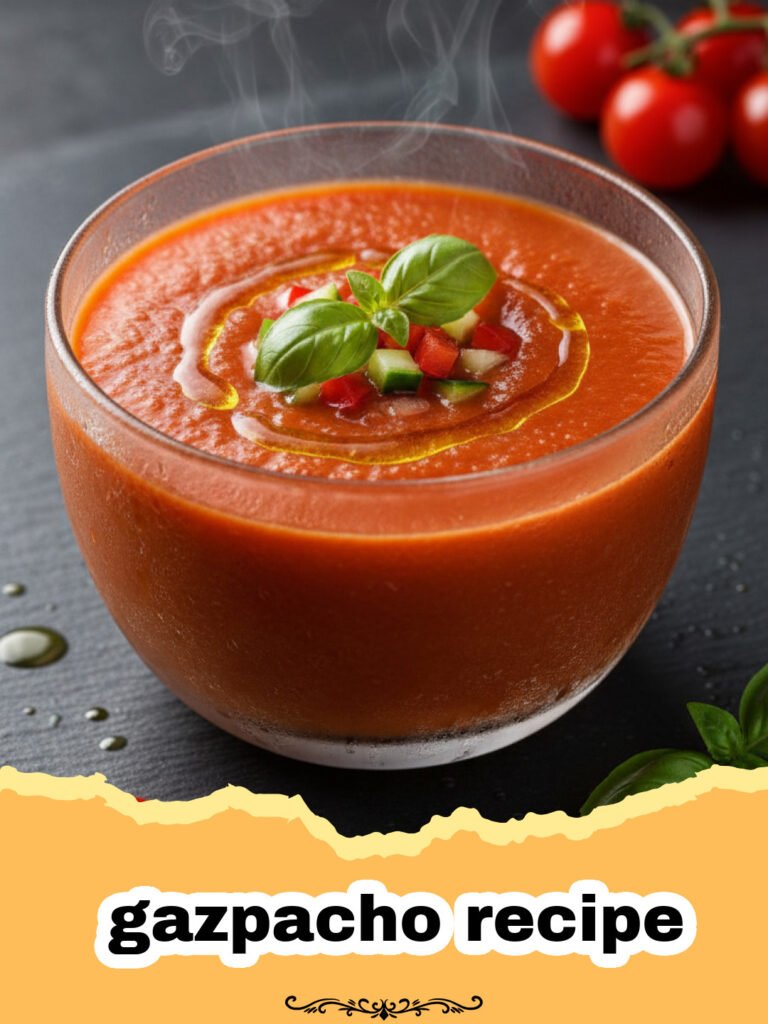
Classic Refreshing Gazpacho
A vibrant and refreshing Spanish chilled tomato soup, made with fresh, ripe vegetables and high-quality olive oil. Perfect for hot summer days.
- Total Time: 4-5 hours (includes chilling)
- Yield: 6 servings 1x
Ingredients
6 ripe large tomatoes, roughly chopped (about 4–5 cups)
1 large cucumber, peeled and roughly chopped (about 2 cups)
1 green bell pepper, deseeded and roughly chopped
1/2 red onion, roughly chopped
2 cloves garlic, minced
1/4 cup red wine vinegar
1/2 cup high-quality extra virgin olive oil, plus more for drizzling
1 slice day-old crusty bread (optional, for thickening)
1 teaspoon salt, or to taste
1/2 teaspoon black pepper, or to taste
Fresh parsley or chives, for garnish (optional)
Instructions
Step 1: Prepare the vegetables. Wash and roughly chop the tomatoes, cucumber, green bell pepper, and red onion. Mince the garlic cloves. If using day-old bread, tear it into small pieces and soak in cold water for 5-10 minutes, then squeeze out excess water.
Step 2: Blend the ingredients. In a powerful blender, combine the chopped tomatoes, cucumber, bell pepper, onion, minced garlic, red wine vinegar, salt, pepper, and the squeezed bread (if using).
Step 3: Emulsify with olive oil. Start blending on low speed, gradually increasing to high. While the blender is running, slowly stream in the 1/2 cup of extra virgin olive oil until the mixture is completely smooth and creamy.
Step 4: Strain (optional for extra smoothness). For a restaurant-quality silky texture, pass the blended gazpacho through a fine-mesh sieve into a large bowl, pressing on the solids with a spatula to extract all liquid. Discard any remaining pulp.
Step 5: Chill thoroughly. Transfer the gazpacho to an airtight container, cover, and refrigerate for at least 2-4 hours, or preferably overnight, to allow the flavors to meld and the soup to become perfectly chilled.
Step 6: Adjust and serve. Before serving, stir well and taste. Adjust salt, pepper, or vinegar if needed. If too thick, thin with a splash of cold water or tomato juice. Serve the gazpacho recipe in chilled bowls, garnished with finely diced cucumber, bell pepper, and a drizzle of fresh extra virgin olive oil, and a sprinkle of fresh parsley or chives.
Notes
For the best flavor, use peak-season, very ripe tomatoes. Chilling overnight is highly recommended for optimal flavor development. Adjust the amount of garlic and vinegar to your personal preference.
- Prep Time: 20 minutes
- Cook Time: 0 minutes
- Category: Appetizers & Snacks
- Cuisine: Spanish
Nutrition
- Serving Size: 1 cup (240ml)
- Calories: 185 kcal
- Sugar: 8g
- Sodium: 450mg
- Fat: 13g
- Saturated Fat: 2g
- Unsaturated Fat: 11g
- Trans Fat: 0g
- Carbohydrates: 15g
- Fiber: 4g
- Protein: 3g
- Cholesterol: 0mg
Keywords: gazpacho, gazpacho recipe, cold soup, spanish soup, summer recipe, no-cook soup, healthy soup, tomato soup, vegetarian, vegan, appetizer, easy gazpacho