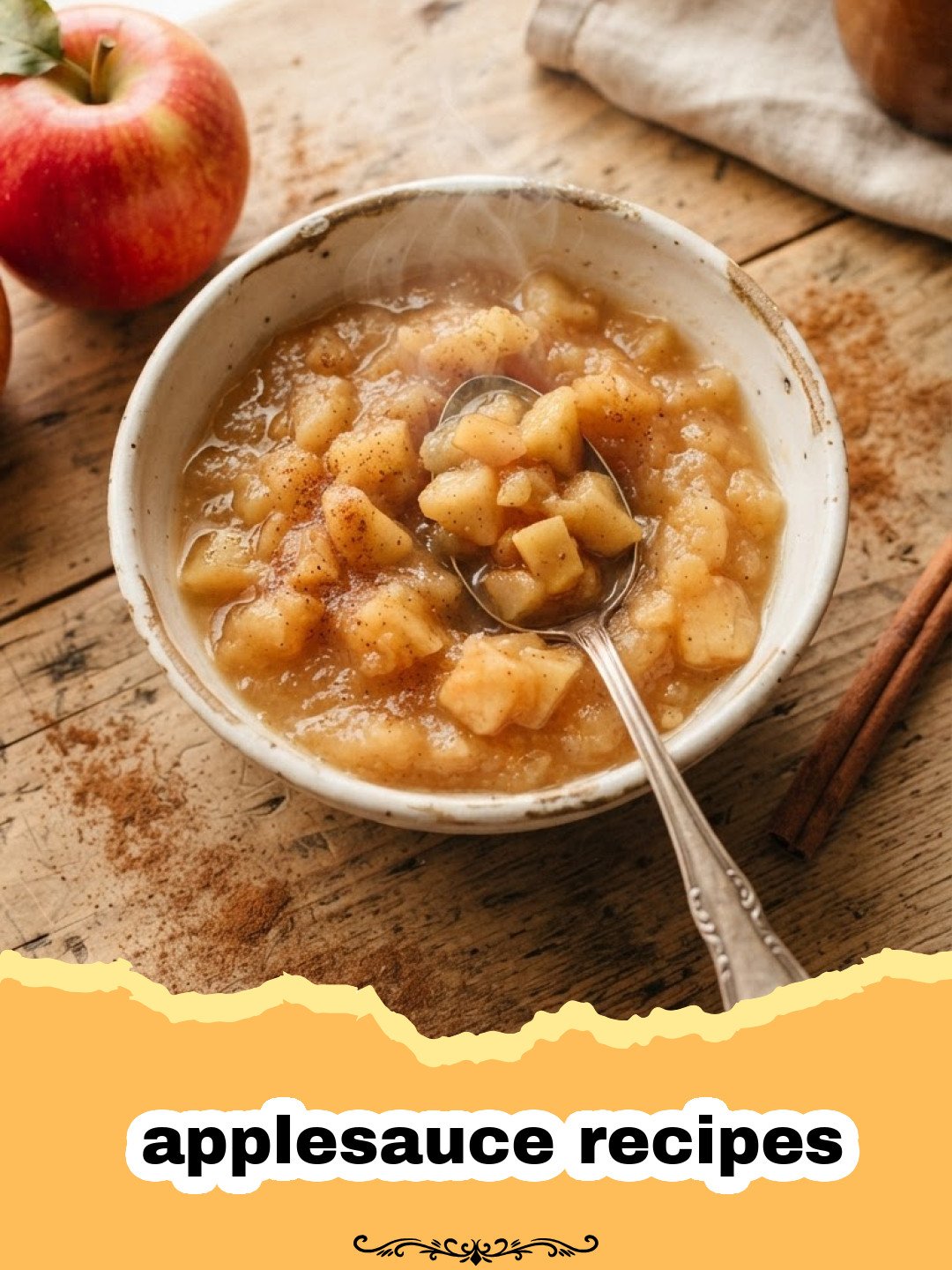
There’s something truly magical about the aroma of simmering apples filling your home, and for me, it instantly brings back memories of crisp autumn afternoons and my grandmother’s kitchen. Learning how to make classic, simple applesauce recipes was one of the first culinary lessons I received, not from a cookbook, but from her patient hands. She’d always say, “The best applesauce isn’t just food; it’s a hug in a bowl.” I remember eagerly helping her peel and core what felt like mountains of apples, each one promising a spoonful of sweet, tangy goodness. Those precious moments, filled with laughter and the warmth of a wood stove, instilled in me a deep love for homemade applesauce – a love I’m thrilled to share with you today. This isn’t just a recipe; it’s an invitation to create your own cherished memories, filling your home with an irresistible fragrance and your heart with comfort. Dive into the world of delightful homemade applesauce recipes and rediscover a simple joy.
Why This Homemade Applesauce is a Must-Try
- Unbeatable Fresh Flavor: Store-bought applesauce simply can’t compare to the vibrant, natural taste of homemade. You control the sweetness and spice, ensuring every bite is exactly how you like it.
- Healthy & Wholesome: Made with fresh ingredients and no artificial preservatives, this homemade applesauce is a guilt-free treat for the whole family. It’s a fantastic way to enjoy the nutritional benefits of apples.
- Surprisingly Easy: Don’t be intimidated! This recipe is incredibly straightforward, requiring minimal effort for maximum reward. Even beginners can master these applesauce recipes with ease.
- Versatile Culinary Staple: Beyond being a delicious snack, homemade applesauce is a versatile ingredient in baking, a perfect accompaniment to savory dishes, and an excellent baby food.
Key Ingredient Notes
Choosing the right apples is the secret to outstanding applesauce recipes. While many varieties work, a mix often yields the best balance of flavor and texture.
Apples
For the ultimate applesauce, I recommend a blend of sweet and tart apples. Sweet varieties like Fuji, Gala, or Golden Delicious provide natural sweetness and a smooth texture. Tart apples such as Granny Smith or Braeburn add a wonderful zing and prevent the applesauce from becoming cloyingly sweet. Combining them gives you a complex, well-rounded flavor profile. Don’t be afraid to experiment with different combinations to find your perfect blend for your favorite applesauce recipes. Remember, fresh, firm apples are key for the best results.
Cinnamon & Nutmeg
These warm spices are classic companions to apples, enhancing their natural sweetness and adding a comforting aroma. Ground cinnamon is non-negotiable for classic applesauce recipes, bringing a sweet and woody note. A pinch of freshly grated nutmeg can elevate the flavor even further, adding a subtle, earthy warmth that complements the cinnamon beautifully. Adjust the amounts to your personal preference; some prefer a stronger spice profile, while others like it more subtle. These spices truly transform simple apples into something extraordinary.
Sweetener
While apples have natural sugars, a touch of sweetener can balance the tartness and enhance the overall flavor. Granulated sugar is standard, but you can also use brown sugar for a deeper, molasses-like note, or maple syrup for a more natural, earthy sweetness. If your apples are very sweet, you might need less or no added sugar at all. Always taste your applesauce before adding the full amount of sweetener, as apples’ sweetness varies. This flexibility is what makes homemade applesauce recipes so adaptable.
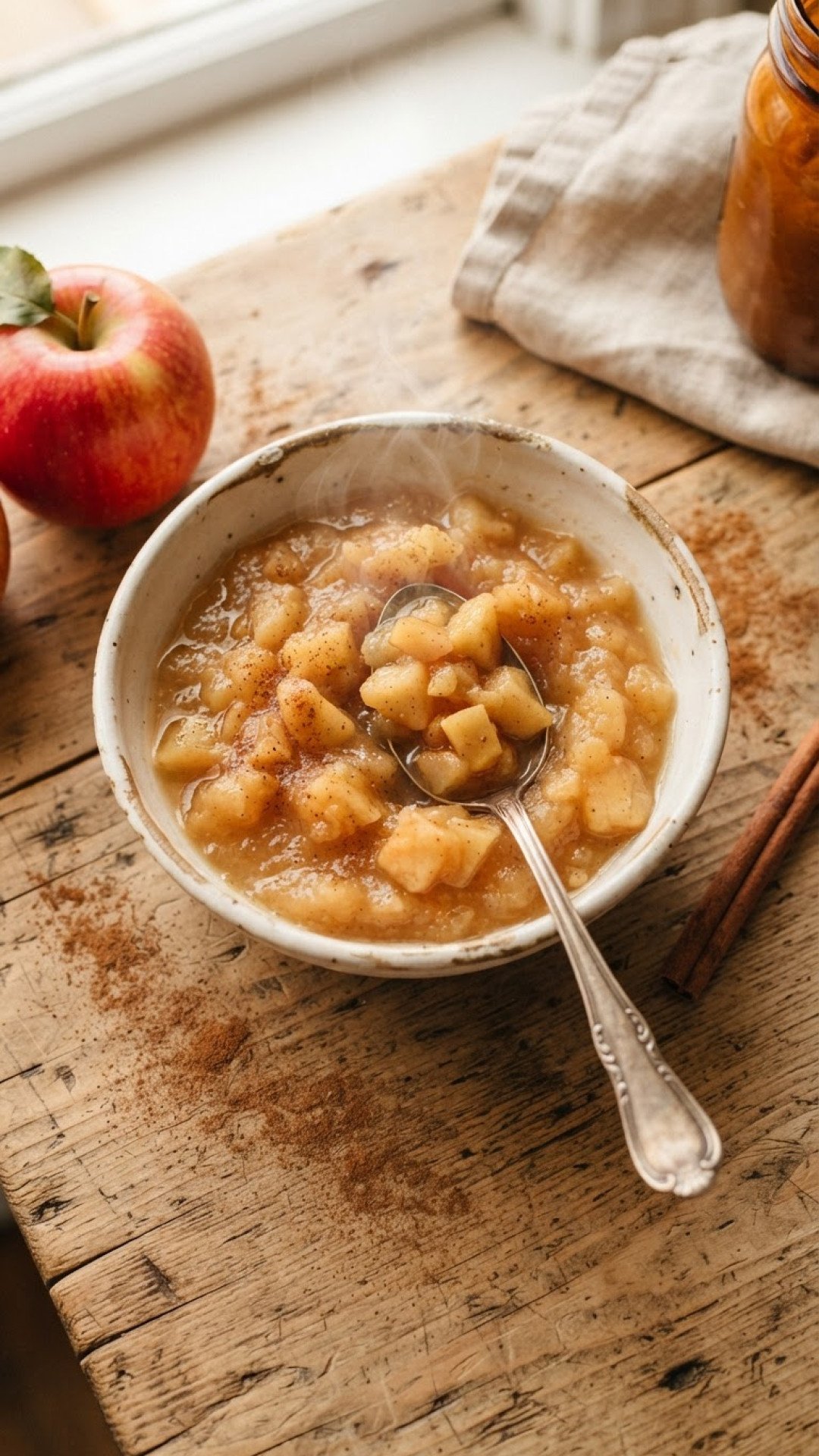
Step-by-Step Guide with Pro Tips
Creating delicious homemade applesauce is a journey of simple steps leading to a delightful destination. Follow these instructions for the best results in your applesauce recipes.
- Step 1: Wash and prepare your apples. Thoroughly wash all apples under cold running water. Using a vegetable peeler, remove the skin from each apple. Then, quarter each apple and carefully remove the core. You can use an apple corer for efficiency, or simply cut around the core with a knife. For a chunkier applesauce, cut the apple quarters into slightly larger pieces; for a smoother sauce, chop them into smaller, more uniform pieces. This preparation is crucial for consistent cooking in all applesauce recipes.
- Step 2: Combine ingredients in a large pot. Place the peeled, cored, and chopped apples into a large, heavy-bottomed pot or Dutch oven. Add the water (or apple cider for richer flavor), lemon juice, granulated sugar, ground cinnamon, and nutmeg. Stir everything gently to ensure the apples are evenly coated with the spices and sugar. The lemon juice is vital as it not only brightens the flavor but also helps prevent the apples from browning too much.
- Step 3: Simmer until tender. Bring the mixture to a gentle boil over medium-high heat. Once boiling, reduce the heat to low, cover the pot, and let it simmer for 20-30 minutes, or until the apples are very tender and easily pierced with a fork. Stir occasionally to prevent sticking and ensure even cooking. The goal is for the apples to break down effortlessly. This slow simmering process is what develops the deep flavors in great applesauce recipes.
- Step 4: Mash or blend to desired consistency. Once the apples are tender, remove the pot from the heat. For a chunky applesauce, use a potato masher to mash the apples directly in the pot until you reach your desired consistency. For a smoother applesauce, you can use an immersion blender directly in the pot. Alternatively, carefully transfer the cooked apples in batches to a food processor or blender and process until smooth. If using a blender, be cautious when blending hot liquids; leave the lid slightly ajar to allow steam to escape.
- Step 5: Taste and adjust. This is a crucial step! Taste your freshly made applesauce. If it’s too tart, add a little more sugar, one tablespoon at a time, until it’s just right. If it’s too thick, you can stir in a tablespoon or two of hot water or apple juice until it reaches your preferred consistency. If you want more spice, a tiny pinch more cinnamon or nutmeg can be added.
- Step 6: Cool and store. Allow the applesauce to cool completely before transferring it to airtight containers. Homemade applesauce can be stored in the refrigerator for up to 7-10 days. For longer storage, it freezes beautifully in freezer-safe containers or bags for up to 3 months. For an organized pantry, consider using Basics Glass Food Storage containers. These are excellent for meal prep and keeping your homemade applesauce fresh!
Variations & Serving Suggestions
Once you master basic applesauce recipes, the possibilities for customization are endless!
Flavor Variations
- Pear Applesauce: Substitute half of the apples with ripe pears for a wonderfully fragrant and slightly sweeter sauce. This is a delightful twist on traditional applesauce recipes.
- Ginger Applesauce: Add 1-2 teaspoons of freshly grated ginger along with the other spices for a warming, zesty kick.
- Vanilla Bean Applesauce: Split a vanilla bean and add it to the pot while simmering, removing it before mashing. The subtle vanilla notes are exquisite.
- Berry Applesauce: Stir in a cup of fresh or frozen mixed berries (like blueberries or raspberries) during the last 10 minutes of simmering. They’ll break down and infuse the applesauce with a beautiful color and tangy flavor.
- Spiced Cider Applesauce: Instead of water, use apple cider for a deeper, more robust apple flavor. You can also add a star anise or a few whole cloves while simmering, removing them before mashing.
Serving Suggestions
- Classic Side Dish: Serve warm or cold alongside pork chops, roasted chicken, or even turkey for a delicious sweet and savory contrast. This is one of the most popular applesauce recipes uses.
- Breakfast Booster: Swirl into oatmeal or yogurt, top pancakes or waffles, or enjoy as a simple, healthy breakfast on its own.
- Baking Ingredient: Use applesauce as a healthy fat substitute in muffins, cakes, and quick bread recipes. It adds moisture and natural sweetness.
- Dessert Topping: Spoon over vanilla ice cream, plain cheesecake, or use it as a filling for crepes.
- Healthy Snack: Enjoy a bowl of this wholesome applesauce anytime for a satisfying and nutritious snack. It’s perfect on its own or paired with a spoonful of Cream Cheese Fruit Dip.
- Baby Food: Mash extra smooth for a perfect, natural first food for babies.
Nutrition Information
Here’s a general nutritional breakdown for one serving of this homemade applesauce. Please note that exact values can vary based on apple type, added sugar, and serving size.
| Nutrient | Amount per Serving |
|---|---|
| Calories | 105 kcal |
| Carbohydrates | 27 g |
| Cholesterol | 0 mg |
| Fat | 0 g |
| Fiber | 4 g |
| Protein | 0 g |
| Saturated Fat | 0 g |
| Serving Size | 1/2 cup |
| Sodium | 2 mg |
| Sugar | 21 g |
| Trans Fat | 0 g |
| Unsaturated Fat | 0 g |
Making your own applesauce is not just about the food; it’s about the experience. It’s about taking simple, fresh ingredients and transforming them into something truly special. Whether you’re looking for a healthy snack, a versatile baking ingredient, or a comforting side dish, these homemade applesauce recipes are sure to become a cherished part of your culinary repertoire. So, gather your apples, infuse your kitchen with the sweet scent of cinnamon, and enjoy the delicious satisfaction of creating something wonderful from scratch. You might even find yourself inspired to explore other fruit preservation methods, like learning how to make Peach Jam for Canning. Happy cooking!
FAQs
What are the best apples for applesauce recipes?
For the most balanced flavor and texture, it’s best to use a mix of sweet and tart apples. Sweet varieties like Fuji, Gala, or Golden Delicious provide natural sugars, while tart apples such as Granny Smith or Braeburn add a delicious tang. Combining them ensures your applesauce is neither too sweet nor too sour.
How do I store homemade applesauce?
Once cooled, homemade applesauce can be stored in an airtight container in the refrigerator for up to 7-10 days. For longer storage, it freezes exceptionally well. Portion it into freezer-safe containers or bags and freeze for up to 3 months. Thaw in the refrigerator before serving.
Can I make applesauce without added sugar?
Absolutely! If you prefer a less sweet applesauce or are using naturally sweet apple varieties (like Fuji or Honeycrisp), you can omit the added sugar entirely. Taste the applesauce after it’s cooked and mash it, and only add sugar if you feel it’s necessary. The natural sweetness of the apples is often enough.
What are some creative ways to use applesauce?
Beyond eating it as a snack or side dish, applesauce is incredibly versatile. Use it as a healthy fat substitute in baking (like muffins or cakes), swirl it into oatmeal or yogurt, top pancakes or waffles, serve it with savory pork or chicken dishes, or even use it as a base for homemade baby food. The possibilities for applesauce recipes are endless!
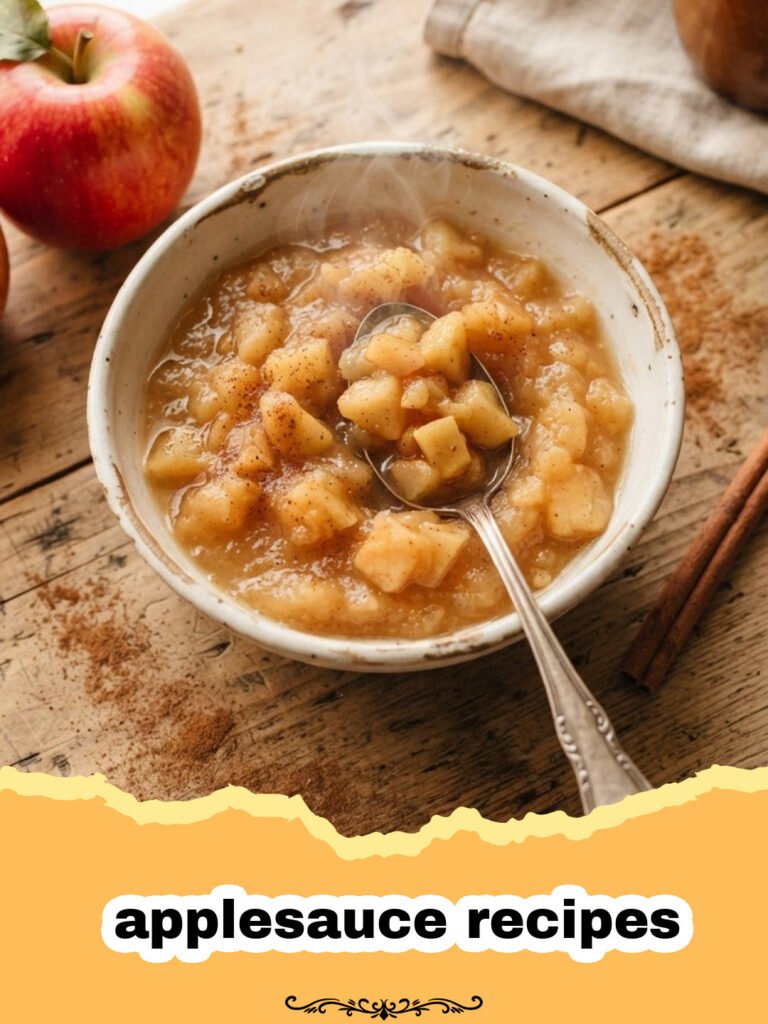
Classic Homemade Applesauce
This easy and comforting homemade applesauce recipe brings a taste of autumn to your table. Made with fresh apples, a touch of spice, and natural sweetness, it’s far superior to store-bought varieties and incredibly versatile. Perfect as a snack, side dish, or baking ingredient.
- Total Time: 40 minutes
- Yield: 4 cups (8 servings) 1x
Ingredients
8 medium-sized apples (a mix of sweet and tart, like Fuji, Gala, and Granny Smith)
1/2 cup water (or apple cider for richer flavor)
1 tablespoon fresh lemon juice
1/4 cup granulated sugar (or to taste, optional)
1 teaspoon ground cinnamon
1/4 teaspoon ground nutmeg (optional)
Instructions
Step 1: Wash and prepare your apples. Thoroughly wash all apples under cold running water. Using a vegetable peeler, remove the skin from each apple. Then, quarter each apple and carefully remove the core. For a chunkier applesauce, cut the apple quarters into slightly larger pieces; for a smoother sauce, chop them into smaller, more uniform pieces.
Step 2: Combine ingredients in a large pot. Place the peeled, cored, and chopped apples into a large, heavy-bottomed pot or Dutch oven. Add the water (or apple cider for richer flavor), lemon juice, granulated sugar (if using), ground cinnamon, and nutmeg (if using). Stir everything gently to ensure the apples are evenly coated.
Step 3: Simmer until tender. Bring the mixture to a gentle boil over medium-high heat. Once boiling, reduce the heat to low, cover the pot, and let it simmer for 20-30 minutes, or until the apples are very tender and easily pierced with a fork. Stir occasionally to prevent sticking.
Step 4: Mash or blend to desired consistency. Once the apples are tender, remove the pot from the heat. For a chunky applesauce, use a potato masher to mash the apples directly in the pot. For a smoother applesauce, use an immersion blender directly in the pot, or carefully transfer the cooked apples in batches to a food processor or blender and process until smooth.
Step 5: Taste and adjust. Taste your freshly made applesauce. Adjust sweetness with more sugar, if desired, and add more cinnamon or nutmeg if you prefer a stronger spice flavor. If it’s too thick, stir in a tablespoon or two of hot water or apple juice until it reaches your preferred consistency.
Step 6: Cool and store. Allow the applesauce to cool completely before transferring it to airtight containers. Store in the refrigerator for up to 7-10 days, or freeze for up to 3 months for longer storage.
Notes
For best results, use a mix of sweet and tart apples. Adjust sugar and spices to your personal preference. Homemade applesauce freezes beautifully for long-term storage.
- Prep Time: 15 minutes
- Cook Time: 25 minutes
- Category: Side Dishes
- Cuisine: American
Nutrition
- Serving Size: 1/2 cup
- Calories: 105 kcal
- Sugar: 21 g
- Sodium: 2 mg
- Fat: 0 g
- Saturated Fat: 0 g
- Unsaturated Fat: 0 g
- Trans Fat: 0 g
- Carbohydrates: 27 g
- Fiber: 4 g
- Protein: 0 g
- Cholesterol: 0 mg
Keywords: applesauce, homemade applesauce, easy applesauce, cinnamon applesauce, apple recipes, fall recipes, healthy snack, side dish