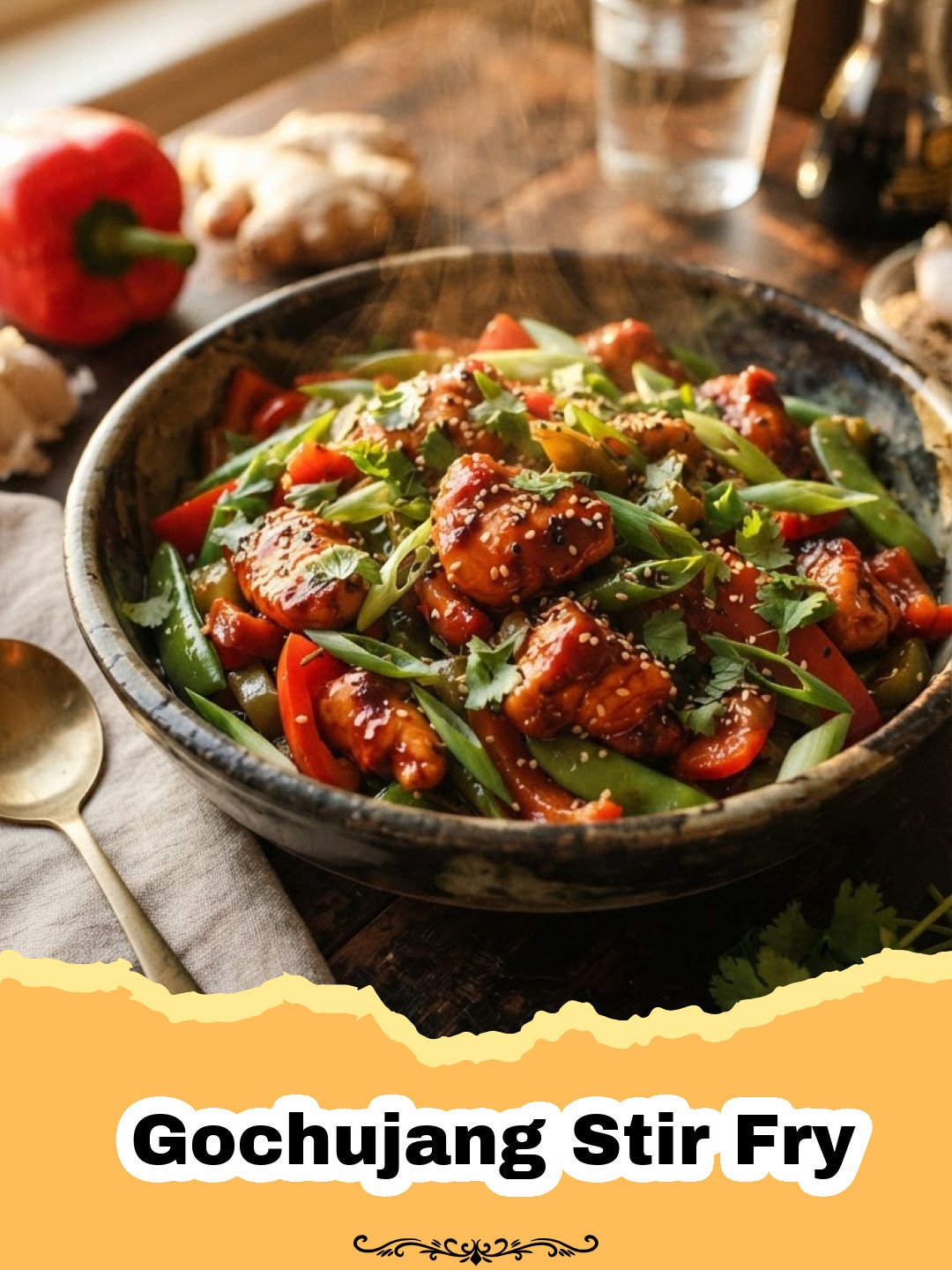
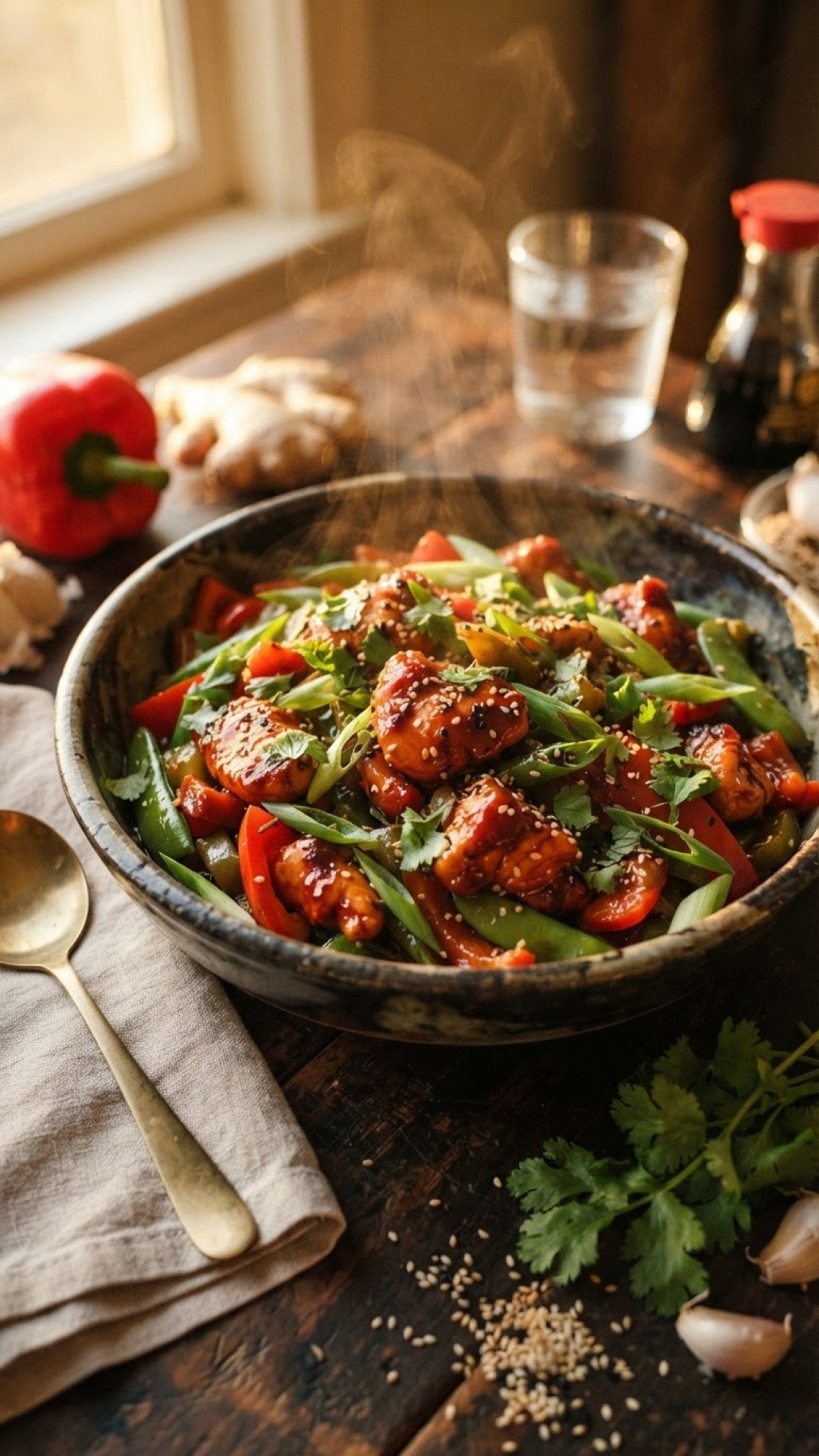
There are some days when dinner feels like a chore, a mere necessity to fuel the family. I remember one particularly grey Tuesday evening; the fridge was looking bleak, and my inspiration was even bleaker. I was staring at a half-eaten head of broccoli, some sad-looking bell peppers, and a pack of chicken thighs, contemplating another uninspired meal. Then, my eyes landed on a vibrant red tub in the back of the fridge: gochujang. Suddenly, a spark ignited. I thought back to a tiny Korean restaurant I’d once stumbled upon during a trip, where a simple stir fry had left a lasting impression with its perfect balance of sweet, spicy, and umami. Could I recreate that magic at home with what I had? That night, the kitchen transformed into a playground of sizzling aromatics and fragrant sauces, culminating in a swicy sauce that brought everything to life. The first bite of that homemade Gochujang Stir Fry was a revelation – a burst of flavor that chased away the Tuesday blues and reminded me why I love cooking. It was simple, quick, and utterly delicious. From that day on, this Gochujang Stir Fry became a staple, proving that even on the most uninspired evenings, a little red paste can turn an ordinary meal into an extraordinary one.
Why This Gochujang Stir Fry is a Must-Try
- Unforgettable Flavor Profile: This Gochujang Stir Fry offers an incredible sweet, spicy, and savory balance that’s genuinely addictive. Gochujang, the star ingredient, brings a complex depth that elevates simple ingredients.
- Quick & Easy Weeknight Meal: Designed for busy evenings, this Gochujang Stir Fry comes together in under 30 minutes of active cooking time, making it perfect for a satisfying dinner without the fuss.
- Highly Customizable: Whether you’re a vegetarian, a meat-lover, or looking to clean out the fridge, this recipe is incredibly adaptable. Swap proteins, load up on your favorite vegetables, and make it your own!
- Healthy & Wholesome: Packed with fresh vegetables and lean protein, this Gochujang Stir Fry is a nutritious option that doesn’t compromise on flavor. It’s a fantastic way to get a balanced meal into your diet.
Key Ingredient Notes
Gochujang (Korean Chili Paste)
Gochujang is the heart and soul of this Gochujang Stir Fry. This fermented Korean chili paste is known for its savory, sweet, and spicy flavor profile. It’s not just heat; it offers a depth of umami that’s hard to replicate. When buying gochujang, you’ll find various spice levels, so choose one that suits your preference. It’s a versatile ingredient that once opened, stores well in the fridge for a long time. Don’t be afraid to experiment with it in other dishes like marinades or dressings!
Soy Sauce (or Tamari/Coconut Aminos)
Soy sauce provides the essential salty and umami base for our Gochujang Stir Fry sauce. For those with gluten sensitivities, tamari is an excellent gluten-free alternative that offers a similar rich flavor. If you’re watching your sodium intake, low-sodium soy sauce is readily available. Coconut aminos are another great option for a soy-free, gluten-free, and lower-sodium alternative, offering a slightly sweeter, milder flavor.
Fresh Ginger & Garlic
These aromatic powerhouses are non-negotiable for an authentic-tasting Gochujang Stir Fry. Freshly grated ginger provides a zesty, pungent kick that brightens the entire dish, while minced garlic adds a foundational savory depth. Avoid using pre-minced jarred garlic or ginger if possible, as their flavor often pales in comparison to fresh. A good rule of thumb: if you can smell it, your dish will thank you for it!
Step-by-Step Guide with Pro Tips
Prepare Your Ingredients Like a Pro
Before you even think about turning on the heat, gather and chop all your ingredients. This practice, known as “mise en place,” is crucial for stir-fries because cooking happens very quickly. Have your protein sliced, vegetables chopped, and sauce whisked together. For an even more authentic Korean experience, consider serving this alongside some homemade kimchi.
Cooking Your Gochujang Stir Fry
The key to a great stir fry is high heat and not overcrowding the pan. Cook in batches if necessary to ensure everything gets a nice sear instead of steaming. This preserves the texture and flavor of your ingredients.
- Step 1: In a medium bowl, whisk together the gochujang, soy sauce, rice vinegar, sesame oil, brown sugar, and cornstarch. Set aside.
- Step 2: Pat the chicken (or tofu/prawns) dry with paper towels. Season with a pinch of salt and black pepper.
- Step 3: Heat 1 tablespoon of cooking oil in a large wok or skillet over medium-high heat. Add the chicken/tofu/prawns and cook until browned and cooked through, about 5-7 minutes. Remove from the pan and set aside.
- Step 4: Add the remaining 1 tablespoon of cooking oil to the same pan. Add the minced garlic and grated ginger, and stir-fry for 30 seconds until fragrant.
- Step 5: Add the sliced bell peppers, broccoli florets, and sliced carrots to the pan. Stir-fry for 3-5 minutes until the vegetables are tender-crisp.
- Step 6: Return the cooked chicken/tofu/prawns to the pan with the vegetables. Give the prepared gochujang sauce a quick whisk (as cornstarch can settle) and pour it over the ingredients in the pan.
- Step 7: Cook, stirring constantly, for 1-2 minutes, until the sauce thickens and coats all the ingredients beautifully.
- Step 8: Remove from heat. Garnish with sesame seeds and sliced green onions. Serve immediately over steamed rice or noodles. Enjoy your delicious Gochujang Stir Fry!
Variations & Serving Suggestions
This Gochujang Stir Fry is wonderfully versatile. Here are some ideas to make it uniquely yours:
- Protein Swaps: Instead of chicken, try beef strips, shrimp, pork, or cubed firm tofu for a vegetarian option. For a vegan Gochujang Stir Fry, use extra firm tofu or tempeh.
- Vegetable Medley: Don’t limit yourself to the suggested veggies! Add sliced mushrooms, snow peas, bok choy, snap peas, zucchini, or even cabbage. The more colorful, the better!
- Spice Level Adjustment: If you prefer more heat, add a pinch of red pepper flakes along with the gochujang. For a milder version, reduce the amount of gochujang slightly and increase the brown sugar.
- Nutty Crunch: A sprinkle of chopped peanuts or cashews at the end adds a delightful crunch and extra flavor to your Gochujang Stir Fry.
- Serving Suggestions: This stir fry is fantastic served over steamed jasmine rice, brown rice, or even quinoa. For a lower-carb option, serve it over cauliflower rice or alongside a fresh green salad. Noodles (ramen, udon, or rice noodles) are also an excellent pairing for a heartier meal. And for easy meal prep, store leftovers in airtight containers like these Basics Glass Food Storage containers.
Nutrition Information
Here’s a breakdown of the estimated nutritional content for one serving of this flavorful Gochujang Stir Fry:
| Nutrient | Amount per Serving |
|---|---|
| Calories | 420 kcal |
| Carbohydrates | 45 g |
| Cholesterol | 75 mg |
| Fat | 15 g |
| Fiber | 5 g |
| Protein | 30 g |
| Saturated Fat | 3 g |
| Serving Size | 1 serving |
| Sodium | 850 mg |
| Sugar | 12 g |
| Trans Fat | 0 g |
| Unsaturated Fat | 10 g |
Please note that these values are estimates and can vary based on specific ingredients and portion sizes.
Conclusion
This Gochujang Stir Fry isn’t just a recipe; it’s a vibrant journey for your taste buds, a testament to how simple ingredients can create profound flavors. It’s perfect for a quick weeknight dinner, impressive enough for guests, and versatile enough to satisfy any craving. So next time you’re wondering what to cook, reach for that tub of gochujang and let this sweet, spicy, and savory sensation transform your meal. Happy cooking!
FAQs
What is gochujang and what does it taste like?
Gochujang is a savory, sweet, and spicy fermented Korean chili paste. It has a complex flavor profile, offering a rich umami depth along with its characteristic heat. It’s often described as having a smoky, slightly sweet, and tangy taste that’s unique among chili pastes.
Can I make this Gochujang Stir Fry vegetarian or vegan?
Absolutely! To make a vegetarian Gochujang Stir Fry, swap the chicken for pressed extra-firm tofu or tempeh, cut into cubes. For a vegan version, ensure you also use a soy sauce alternative like tamari or coconut aminos, and skip any optional ingredients that aren’t plant-based.
What vegetables work best in a Gochujang Stir Fry?
A wide variety of vegetables work wonderfully in Gochujang Stir Fry! Excellent choices include bell peppers (red, green, yellow), broccoli florets, carrots, snap peas, snow peas, bok choy, mushrooms, and zucchini. The key is to choose vegetables that cook relatively quickly and retain some crispness after stir-frying.
How can I adjust the spice level of my Gochujang Stir Fry?
You can easily adjust the spice level to your preference. For a spicier Gochujang Stir Fry, add a pinch of red pepper flakes along with the gochujang. If you prefer a milder taste, reduce the amount of gochujang slightly and/or increase the brown sugar in the sauce to balance the heat with more sweetness.
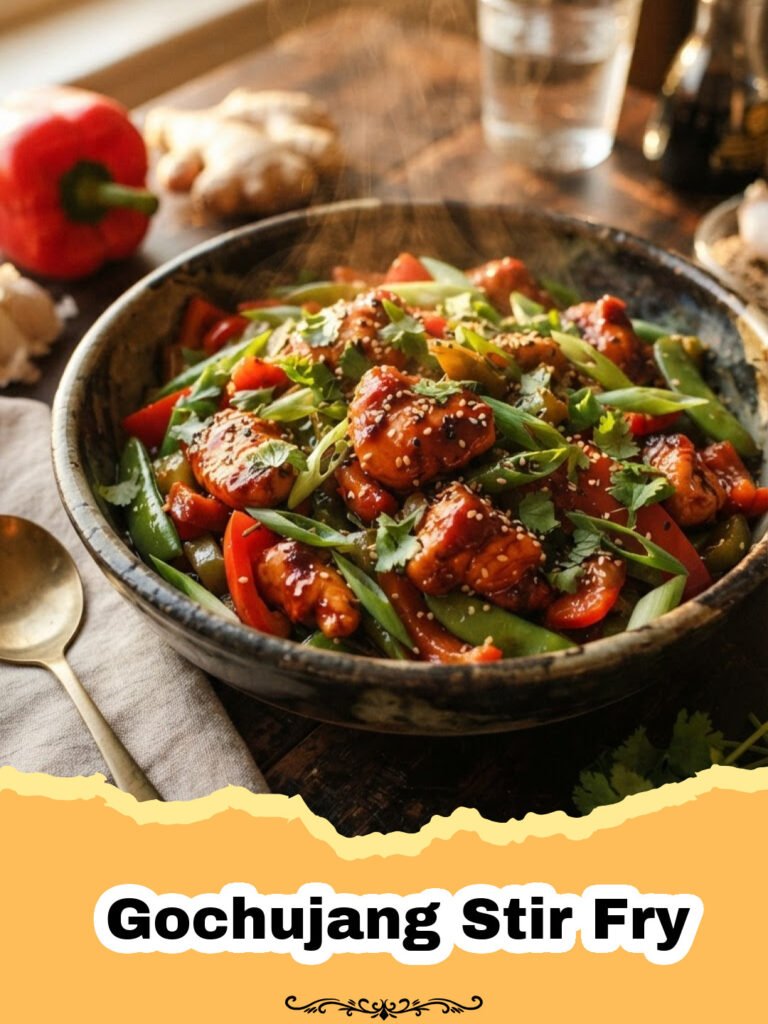
The Ultimate Sweet & Spicy Gochujang Stir Fry
A vibrant and flavorful Gochujang Stir Fry recipe featuring tender chicken (or your choice of protein) and crisp vegetables, all coated in a delicious sweet and spicy Korean chili paste sauce. Perfect for a quick and satisfying weeknight meal.
- Total Time: 30 minutes
- Yield: 4 servings 1x
Ingredients
1/4 cup gochujang (Korean chili paste)
2 tablespoons low-sodium soy sauce (or tamari/coconut aminos)
1 tablespoon rice vinegar
1 tablespoon sesame oil
2 tablespoons light brown sugar
1 tablespoon cornstarch
2 tablespoons cooking oil (e.g., vegetable, canola, or peanut oil), divided
1.5 lbs boneless, skinless chicken breasts or thighs, cut into 1-inch pieces (or 14 oz firm tofu, pressed and cubed; or 1 lb prawns, peeled and deveined)
Salt and freshly ground black pepper, to taste
4 cloves garlic, minced
1 tablespoon fresh ginger, grated
1 large red bell pepper, thinly sliced
1 large green bell pepper, thinly sliced
2 cups broccoli florets
1 large carrot, thinly sliced or julienned
For garnish: Sesame seeds, sliced green onions
Instructions
Step 1: In a medium bowl, whisk together the gochujang, soy sauce, rice vinegar, sesame oil, brown sugar, and cornstarch. Set aside.
Step 2: Pat the chicken (or tofu/prawns) dry with paper towels. Season with a pinch of salt and black pepper.
Step 3: Heat 1 tablespoon of cooking oil in a large wok or skillet over medium-high heat. Add the chicken/tofu/prawns and cook until browned and cooked through, about 5-7 minutes. Remove from the pan and set aside.
Step 4: Add the remaining 1 tablespoon of cooking oil to the same pan. Add the minced garlic and grated ginger, and stir-fry for 30 seconds until fragrant.
Step 5: Add the sliced bell peppers, broccoli florets, and sliced carrots to the pan. Stir-fry for 3-5 minutes until the vegetables are tender-crisp.
Step 6: Return the cooked chicken/tofu/prawns to the pan with the vegetables. Give the prepared gochujang sauce a quick whisk (as cornstarch can settle) and pour it over the ingredients in the pan.
Step 7: Cook, stirring constantly, for 1-2 minutes, until the sauce thickens and coats all the ingredients beautifully.
Step 8: Remove from heat. Garnish with sesame seeds and sliced green onions. Serve immediately over steamed rice or noodles.
Notes
Adjust the spice level by adding more or less gochujang. For a vegetarian option, use pressed extra-firm tofu or tempeh. Serve immediately with steamed rice or noodles.
- Prep Time: 15 minutes
- Cook Time: 15 minutes
- Category: Dinner Dishes
- Cuisine: Korean
Nutrition
- Serving Size: 1 serving
- Calories: 420 kcal
- Sugar: 12 g
- Sodium: 850 mg
- Fat: 15 g
- Saturated Fat: 3 g
- Unsaturated Fat: 10 g
- Trans Fat: 0 g
- Carbohydrates: 45 g
- Fiber: 5 g
- Protein: 30 g
- Cholesterol: 75 mg
Keywords: Gochujang Stir Fry, Korean stir fry, chicken stir fry, spicy stir fry, sweet and spicy, weeknight dinner, easy stir fry, healthy stir fry, vegetable stir fry