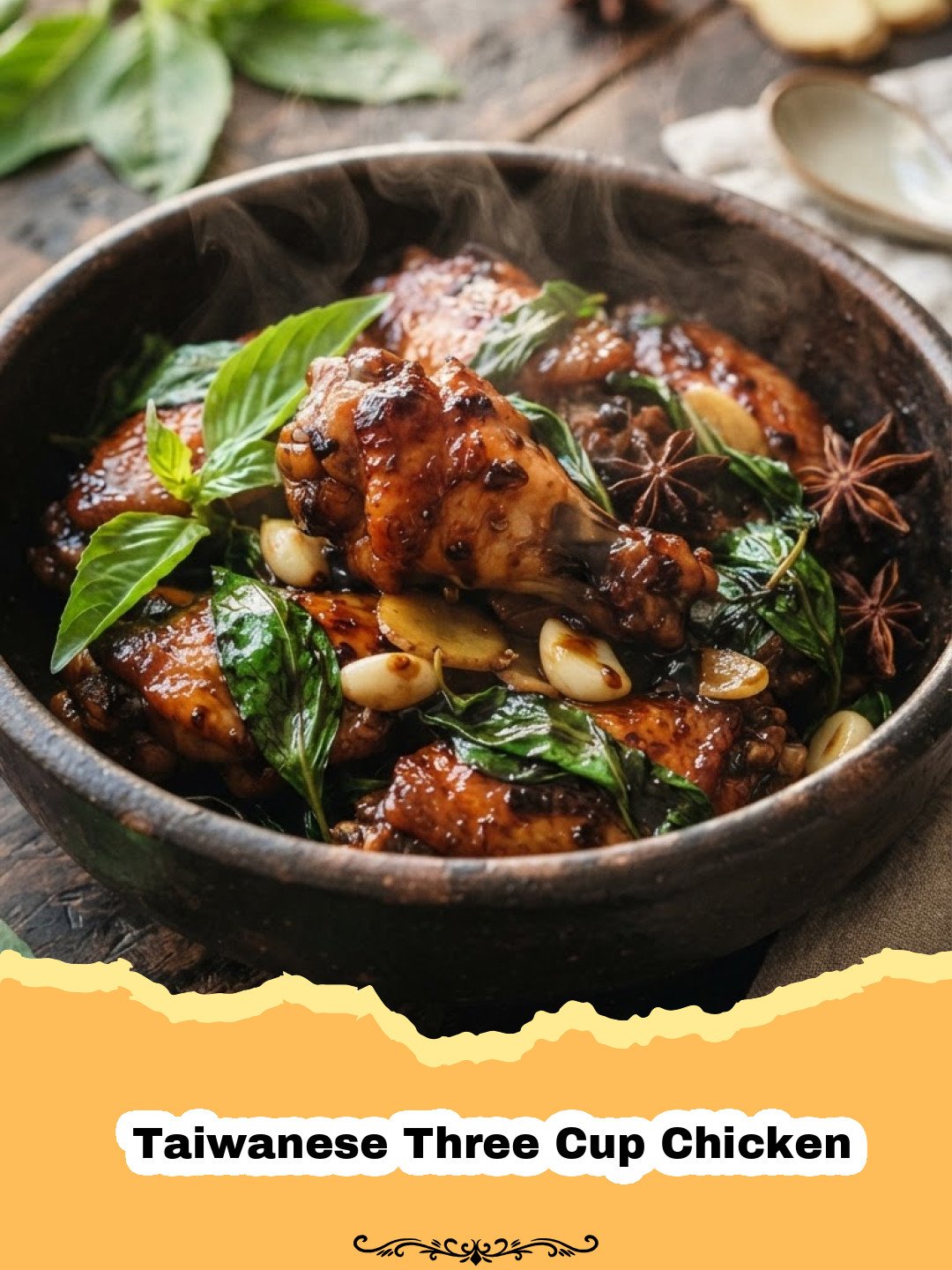
Ah, the scent of nostalgia! For me, that often means the intoxicating aroma of Taiwanese Three Cup Chicken, or San Bei Ji, wafting from my grandmother’s kitchen. Growing up, our Sunday dinners were a symphony of flavors, but nothing quite captivated me like the rich, savory, and slightly sweet notes of this iconic dish. I can still close my eyes and picture my ‘A-ma’ (grandma) bustling around her kitchen, the rhythmic chop of garlic and ginger on her cutting board, and the sizzle as the chicken hit the hot wok. It wasn’t just a meal; it was an experience, a connection to our heritage, and a dish that always brought everyone together around the table. Learning to make authentic Taiwanese Three Cup Chicken was a rite of passage, a culinary torch passed down through generations, and every time I make it, I feel her presence in the steam and the spices. It’s more than just food; it’s a story, a memory, and an enduring comfort.
Why This Recipe is a Must-Try
An Unforgettable Flavor Profile
Taiwanese Three Cup Chicken offers a unique balance of savory, sweet, and aromatic notes. The ‘three cups’ of soy sauce, sesame oil, and rice wine create a complex, addictive glaze that coats every piece of chicken, making it a true explosion of taste. This isn’t just another chicken dish; it’s a culinary masterpiece that dances on your palate.
Surprisingly Easy to Master
Despite its rich flavor and impressive presentation, San Bei Ji is remarkably straightforward to prepare. With just a few key ingredients and a simple cooking process, even novice cooks can achieve restaurant-quality results. It’s the perfect weeknight meal that tastes like you spent hours in the kitchen.
A True Comfort Food Experience
There’s something deeply comforting about a well-made Taiwanese Three Cup Chicken. The tender chicken, the sticky, flavorful sauce, and the fragrant basil all combine to create a dish that warms you from the inside out. It’s the kind of meal you crave after a long day, perfect for sharing with loved ones.
Versatile and Crowd-Pleasing
Whether you’re cooking for your family or entertaining guests, this dish is a guaranteed hit. It pairs beautifully with steamed rice and a simple vegetable side, and its robust flavors appeal to almost everyone. Plus, it’s easily adaptable to different dietary preferences or ingredient availability.
Key Ingredient Notes
The magic of Taiwanese Three Cup Chicken lies in the synergy of its core ingredients. While the name suggests three main liquid components, there are a few other stars that elevate this dish from good to extraordinary.
The ‘Three Cups’ Trio: Soy Sauce, Sesame Oil, Rice Wine
These three liquids are the heart and soul of San Bei Ji. It’s crucial to use good quality ingredients here. For soy sauce, a Taiwanese light soy sauce (like Kimlan) or a good quality regular light soy sauce will provide the right balance of saltiness and umami. Don’t use dark soy sauce, as it will make the dish too dark and alter the flavor profile. For sesame oil, opt for toasted sesame oil, which offers that distinctive nutty, aromatic punch. Lastly, rice wine, specifically Taiwanese rice wine or a good quality Shaoxing wine, is essential for depth and fragrance. Do not substitute with cooking sherry, as it lacks the authentic flavor. These three components, traditionally in equal parts, create the signature savory-sweet-aromatic base.
Fresh Basil – The Aromatic Finisher
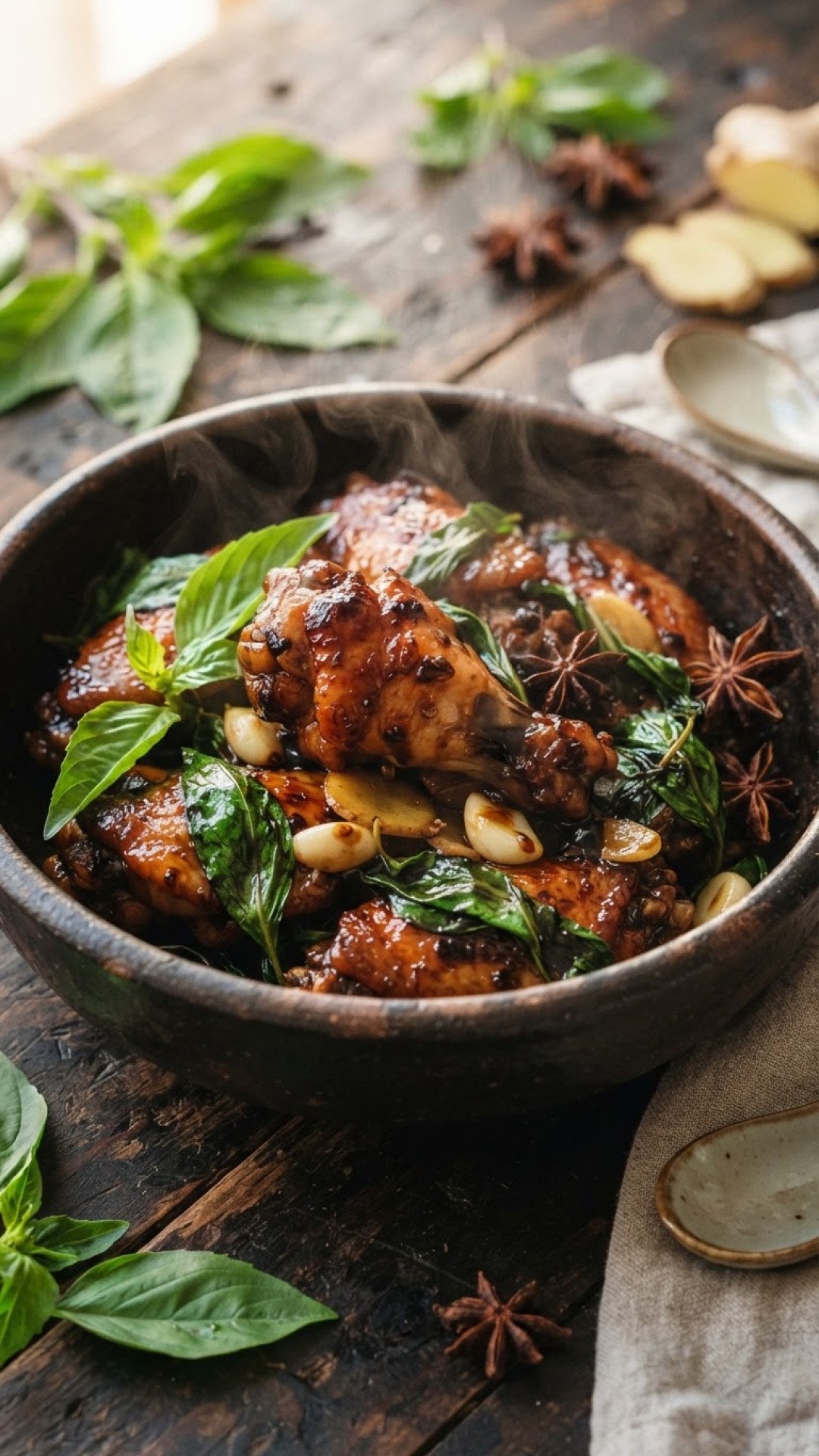
This isn’t just a garnish; basil is a critical flavor component of Taiwanese Three Cup Chicken. While some recipes call for Thai basil, which has a slightly spicier, anise-like flavor, traditional Taiwanese San Bei Ji often uses large-leafed Italian basil. The fresh basil is added right at the end, allowing its vibrant, peppery, and slightly sweet aroma to infuse the simmering sauce and wilt around the tender chicken. This final touch provides a burst of freshness that cuts through the richness of the sauce, making each bite incredibly balanced and fragrant. Don’t skip it, and be generous!
Ginger and Garlic – The Aromatic Foundation
Before the ‘three cups’ even come into play, a generous amount of fresh ginger and garlic lays the aromatic groundwork for this dish. Sliced ginger and whole garlic cloves are stir-fried until fragrant, releasing their pungent, warming essences into the oil. This step is crucial for building layers of flavor and giving the Taiwanese Three Cup Chicken its characteristic depth. Use fresh, plump garlic cloves and firm ginger for the best results. The quantity might seem a lot, but trust me, it’s what makes the dish sing.
Step-by-Step Guide with Pro Tips
Gather Your Mise en Place
Before you even think about turning on the stove, get all your ingredients prepped and laid out. This includes slicing your ginger, peeling your garlic cloves, cutting your chicken, measuring your ‘three cup’ liquids, and having your basil ready. This organized approach will make the cooking process smooth and enjoyable, especially for a quick stir-fry like Taiwanese Three Cup Chicken.
Marinating the Chicken (Optional, but Recommended)
For extra tender and flavorful chicken, you can marinate the chicken pieces for 15-30 minutes in a teaspoon of soy sauce and a dash of rice wine. This step isn’t strictly necessary but definitely enhances the final product of your Taiwanese Three Cup Chicken.
Choosing the Right Vessel
Traditionally, San Bei Ji is cooked in a clay pot, which retains heat beautifully and allows the flavors to meld wonderfully. If you don’t have a clay pot, a heavy-bottomed wok or a large, deep skillet with a lid will work perfectly. The key is a vessel that can hold heat evenly and allow for simmering.
Step 1: Heat 1-2 tablespoons of cooking oil (such as canola or peanut oil) in your wok or clay pot over medium-high heat. Add the chicken pieces and brown them on all sides. You don’t need to cook them through, just get a nice golden crust. This step adds a crucial layer of flavor. Remove the chicken from the pot and set aside.Step 2: In the same pot, if there’s enough oil, add the sliced ginger and whole garlic cloves. Stir-fry for about 1-2 minutes until fragrant and slightly golden. Be careful not to burn the garlic.Step 3: Return the browned chicken to the pot. Pour in the soy sauce, rice wine, and sesame oil. Add the sugar and chili flakes (if using). Stir everything well to combine, ensuring the chicken is coated in the sauce.Step 4: Bring the sauce to a simmer. Once simmering, reduce the heat to low, cover the pot, and let it cook for 15-20 minutes, or until the chicken is tender and cooked through. The sauce should reduce and thicken slightly, becoming glossy.Step 5: Remove the lid and increase the heat to medium-high. Let the sauce reduce further for another 5-10 minutes, stirring occasionally, until it reaches your desired consistency – a beautiful, thick glaze. This step is crucial for achieving that characteristic sticky sauce of Taiwanese Three Cup Chicken.Step 6: Turn off the heat. Add a generous amount of fresh basil leaves. Stir gently for about 30 seconds, just until the basil wilts and its aroma infuses the dish. The fresh basil is the crowning glory of Taiwanese Three Cup Chicken.Step 7: Serve immediately with steamed white rice. For added freshness, you can garnish with a few extra fresh basil leaves.Pro Tips for the Perfect San Bei Ji:
- Don’t Overcrowd the Pot: When browning the chicken, work in batches if necessary to avoid steaming the chicken instead of browning it. Crowding leads to less flavor and a less appealing texture.
- Quality Ingredients Matter: As mentioned, the ‘three cups’ are key. Invest in good quality soy sauce, toasted sesame oil, and Taiwanese or Shaoxing rice wine for the most authentic flavor in your Taiwanese Three Cup Chicken.
- Taste and Adjust: Towards the end of the simmering process, taste the sauce. If it’s too salty, add a tiny bit more sugar or water. If it’s not savory enough, a dash more soy sauce. Everyone’s palate is different!
- The Basil Moment: The basil is added right at the end for a reason. You want its fresh, vibrant aroma, not a cooked-down, mushy leaf.
- Leftovers: Taiwanese Three Cup Chicken tastes even better the next day as the flavors continue to meld. Store it in an airtight container, like these durable Basics Glass Food Storage containers, in the refrigerator for up to 3-4 days.
Variations & Serving Suggestions
While the classic Taiwanese Three Cup Chicken is perfect as is, there are plenty of ways to put your own spin on it or complement its rich flavors.
Make it Spicy!
For those who love a bit of heat, feel free to add dried red chilies (whole or crushed) along with the ginger and garlic. You can also add a pinch of chili flakes to the sauce when it’s simmering. The spice adds another layer to the already dynamic flavor of Taiwanese Three Cup Chicken.
Vegetarian Twist: Three Cup Tofu or Mushrooms
This recipe can easily be adapted for vegetarians! Replace the chicken with firm or extra-firm tofu, pressed and cut into cubes, then pan-fried until golden. Alternatively, use a mix of hearty mushrooms like shiitake or king oyster mushrooms. The cooking method remains largely the same, and the ‘three cup’ sauce is equally delicious with these plant-based alternatives.
Add Some Veggies
While not traditional, you can easily incorporate vegetables into your Taiwanese Three Cup Chicken. Bell peppers, snap peas, or even some blanched broccoli can be added during the last 5-10 minutes of simmering to add color and nutrition. Just be mindful not to overcrowd the pot.
Serving Suggestions
- Steamed White Rice: This is the undisputed champion pairing. The fluffy rice soaks up all the glorious sauce, making every bite heavenly.
- Brown Rice or Quinoa: For a healthier alternative, these grains also work wonderfully to absorb the rich flavors of the Taiwanese Three Cup Chicken.
- Noodles: Serve it over wide rice noodles or egg noodles for a heartier meal.
- Simple Green Salad: A fresh, crisp green salad with a light vinaigrette provides a nice counterpoint to the richness of the chicken.
- Smacked Cucumber Salad: For an authentic Taiwanese meal experience, pair your Taiwanese Three Cup Chicken with a refreshing Smacked Cucumber Salad. The tang and crunch are a perfect contrast.
- Roasted Vegetables: Instead of steamed, consider serving alongside some simply roasted asparagus or green beans.
- Smashed Potatoes: While not traditional, for a fusion twist, the crispy exterior and fluffy interior of Smashed Potatoes could offer an interesting texture and flavor pairing.
Nutrition Information
Here’s a breakdown of the estimated nutrition information per serving for our Taiwanese Three Cup Chicken. Please note that these are approximate values and can vary based on specific ingredients and cooking methods.
| Nutrient | Amount Per Serving |
|---|---|
| Calories | 480 kcal |
| Carbohydrates | 18g |
| Cholesterol | 120mg |
| Fat | 28g |
| Fiber | 2g |
| Protein | 38g |
| Saturated Fat | 7g |
| Serving Size | 1.5 cups |
| Sodium | 1200mg |
| Sugar | 10g |
| Trans Fat | 0.1g |
| Unsaturated Fat | 18g |
Conclusion
And there you have it – the ultimate guide to creating a truly authentic and incredibly delicious Taiwanese Three Cup Chicken. This dish is a testament to the power of simple, quality ingredients coming together to create something truly magical. Whether it’s a nostalgic trip back to childhood memories or a brand-new culinary adventure, San Bei Ji promises to deliver a symphony of flavors that will leave you wanting more. So, gather your ingredients, fire up your wok, and get ready to experience the warmth and richness of this Taiwanese classic. Happy cooking, and enjoy every flavorful bite!
FAQs
What exactly is Taiwanese Three Cup Chicken?
Taiwanese Three Cup Chicken, or San Bei Ji (u4e09u676fu96de), is a beloved classic Taiwanese dish. Its name comes from the traditional ratio of approximately one cup each of soy sauce, sesame oil, and rice wine used in the sauce. It features tender chicken pieces braised with a generous amount of fresh ginger, garlic, and basil in a rich, savory, and slightly sweet glaze.
What kind of basil should I use for Taiwanese Three Cup Chicken?
While some recipes suggest Thai basil, traditional Taiwanese Three Cup Chicken often uses large-leafed Italian basil. Both work, but Italian basil gives a slightly sweeter, less anise-like flavor that is characteristic of the dish. Use a generous amount, as it’s a key aromatic component.
Can I make San Bei Ji spicy?
Absolutely! Many people enjoy a spicy kick in their Taiwanese Three Cup Chicken. You can add dried red chilies (whole or crushed) along with the ginger and garlic at the beginning of the cooking process, or stir in some chili flakes with the sauce components. Adjust the amount to your personal preference for heat.
What is the best way to serve Taiwanese Three Cup Chicken?
Taiwanese Three Cup Chicken is traditionally served hot with steamed white rice, which perfectly soaks up the rich, glossy sauce. For a complete meal, you can pair it with a simple stir-fried or steamed green vegetable, or a refreshing side like a Smacked Cucumber Salad to balance the flavors.
Taiwanese Three Cup Chicken (San Bei Ji)
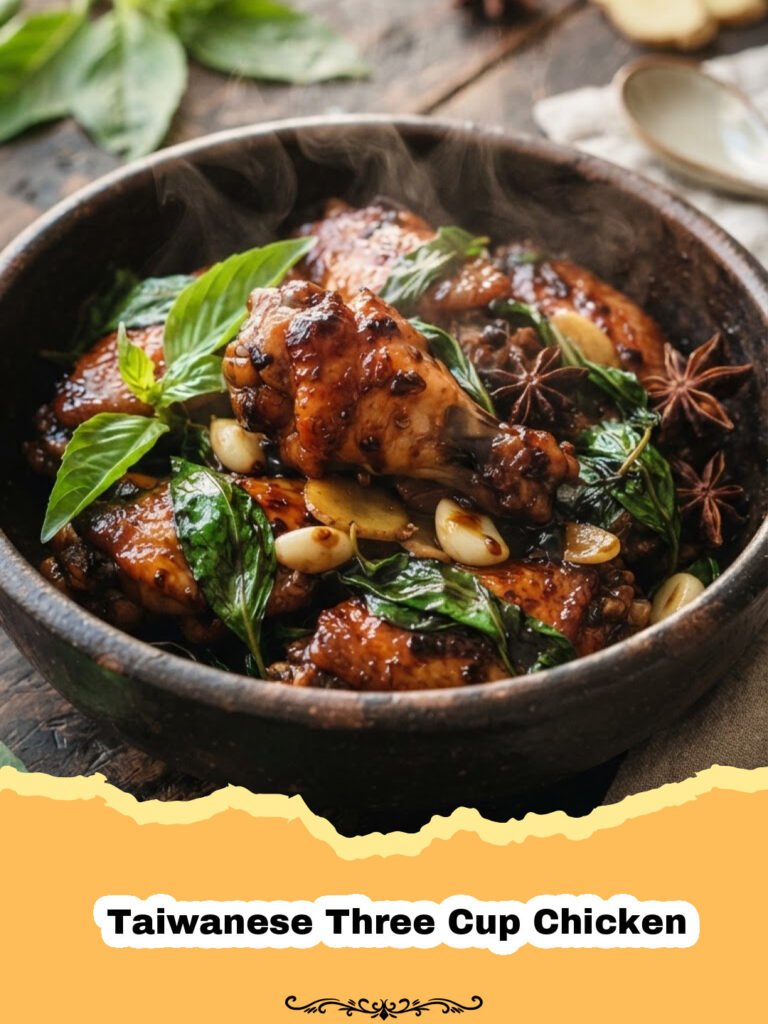
A classic Taiwanese comfort food featuring tender chicken pieces braised in a rich, savory, and aromatic sauce made from equal parts soy sauce, sesame oil, and rice wine, finished with fresh basil.
- Total Time: 45 minutes
- Yield: 4 servings 1x
Ingredients
1.5 lbs (about 680g) boneless, skinless chicken thighs or bone-in, skin-on chicken pieces, cut into 1.5-2 inch chunks
1 tbsp neutral cooking oil (like canola or peanut oil)
1.5 inch knob fresh ginger, sliced into thin rounds
10–12 cloves garlic, peeled and left whole
1/4 cup light soy sauce (Taiwanese brand preferred, e.g., Kimlan)
1/4 cup Taiwanese rice wine or Shaoxing wine
1/4 cup toasted sesame oil
1 tbsp granulated sugar
1/2 – 1 tsp dried red chili flakes (optional, adjust to taste)
1 large bunch fresh basil leaves (about 1.5 – 2 cups loosely packed)
Instructions
Step 1: Heat 1 tablespoon of neutral cooking oil in a large wok or clay pot over medium-high heat. Add the chicken pieces and brown them on all sides until golden, about 5-7 minutes. You don’t need to cook them through. Remove the chicken from the pot and set aside.
Step 2: Reduce heat to medium. Add the sliced ginger and whole garlic cloves to the same pot. Stir-fry for 1-2 minutes until fragrant and slightly golden. Be careful not to burn the garlic.
Step 3: Return the browned chicken to the pot. Pour in the light soy sauce, Taiwanese rice wine, and toasted sesame oil. Add the granulated sugar and chili flakes (if using). Stir everything well to combine, ensuring the chicken is coated in the sauce.
Step 4: Bring the sauce to a gentle simmer. Once simmering, reduce the heat to low, cover the pot, and let it cook for 15-20 minutes, or until the chicken is tender and cooked through. The sauce will begin to reduce and thicken.
Step 5: Remove the lid and increase the heat to medium-high. Continue to simmer, stirring occasionally, for another 5-10 minutes, allowing the sauce to reduce further into a glossy, thick glaze. This is a critical step for the characteristic sticky texture of Taiwanese Three Cup Chicken.
Step 6: Turn off the heat. Add a generous amount of fresh basil leaves. Stir gently for about 30 seconds, just until the basil wilts and its vibrant aroma infuses the dish.
Step 7: Serve the Taiwanese Three Cup Chicken immediately, garnished with a few extra fresh basil leaves if desired, alongside steamed white rice.
Notes
For best results, use good quality Taiwanese light soy sauce and rice wine. Adjust chili flakes to your preferred spice level. This dish tastes even better the next day!
- Prep Time: 15 minutes
- Cook Time: 30 minutes
- Category: Dinner Dishes
- Cuisine: Taiwanese
Nutrition
- Serving Size: 1.5 cups
- Calories: 480 kcal
- Sugar: 10g
- Sodium: 1200mg
- Fat: 28g
- Saturated Fat: 7g
- Unsaturated Fat: 18g
- Trans Fat: 0.1g
- Carbohydrates: 18g
- Fiber: 2g
- Protein: 38g
- Cholesterol: 120mg
Keywords: Taiwanese Three Cup Chicken, San Bei Ji, Taiwanese chicken recipe, Asian chicken, three cup chicken, chicken dinner, comfort food, authentic Taiwanese, basil chicken, Taiwanese cuisine