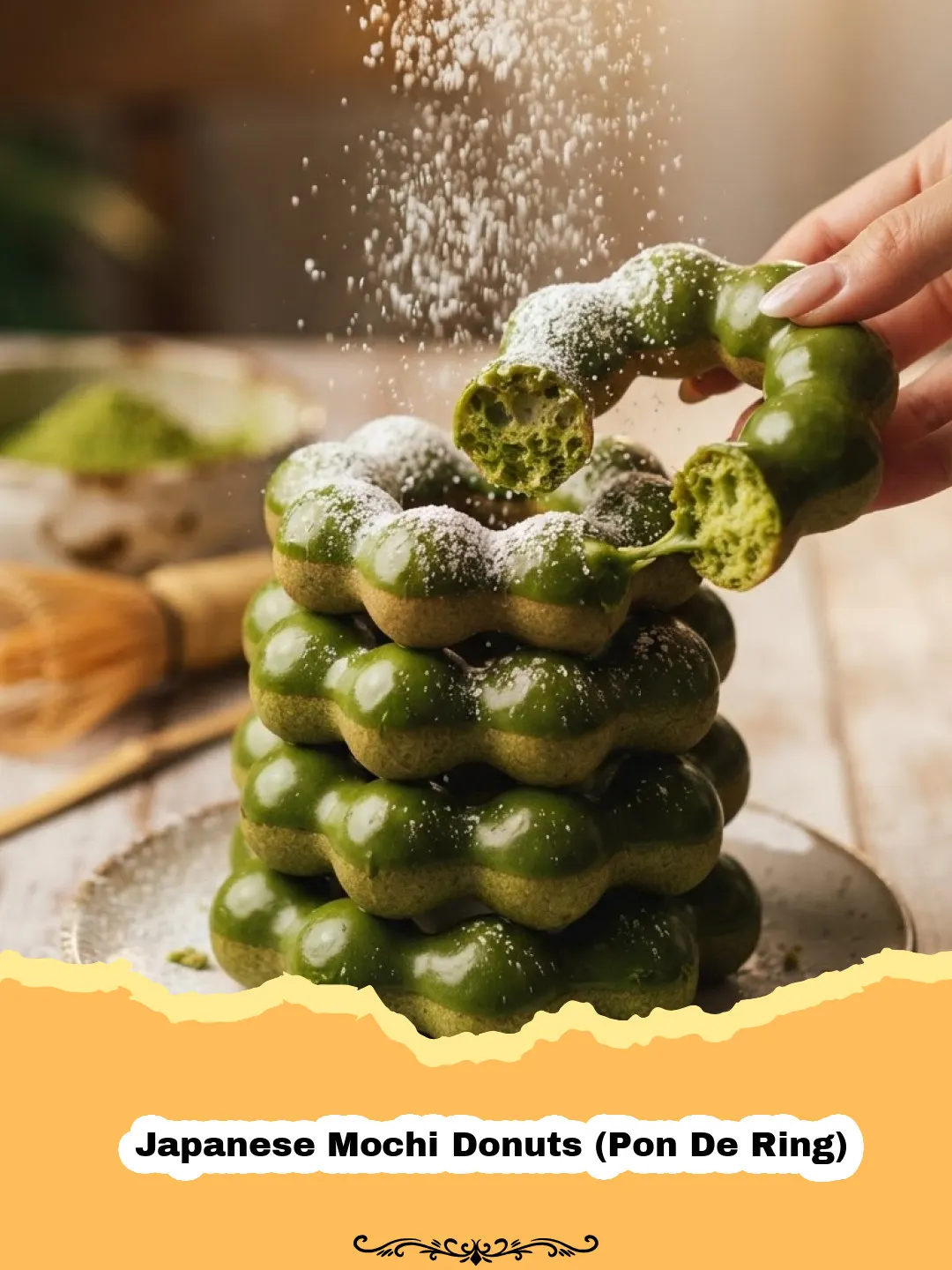
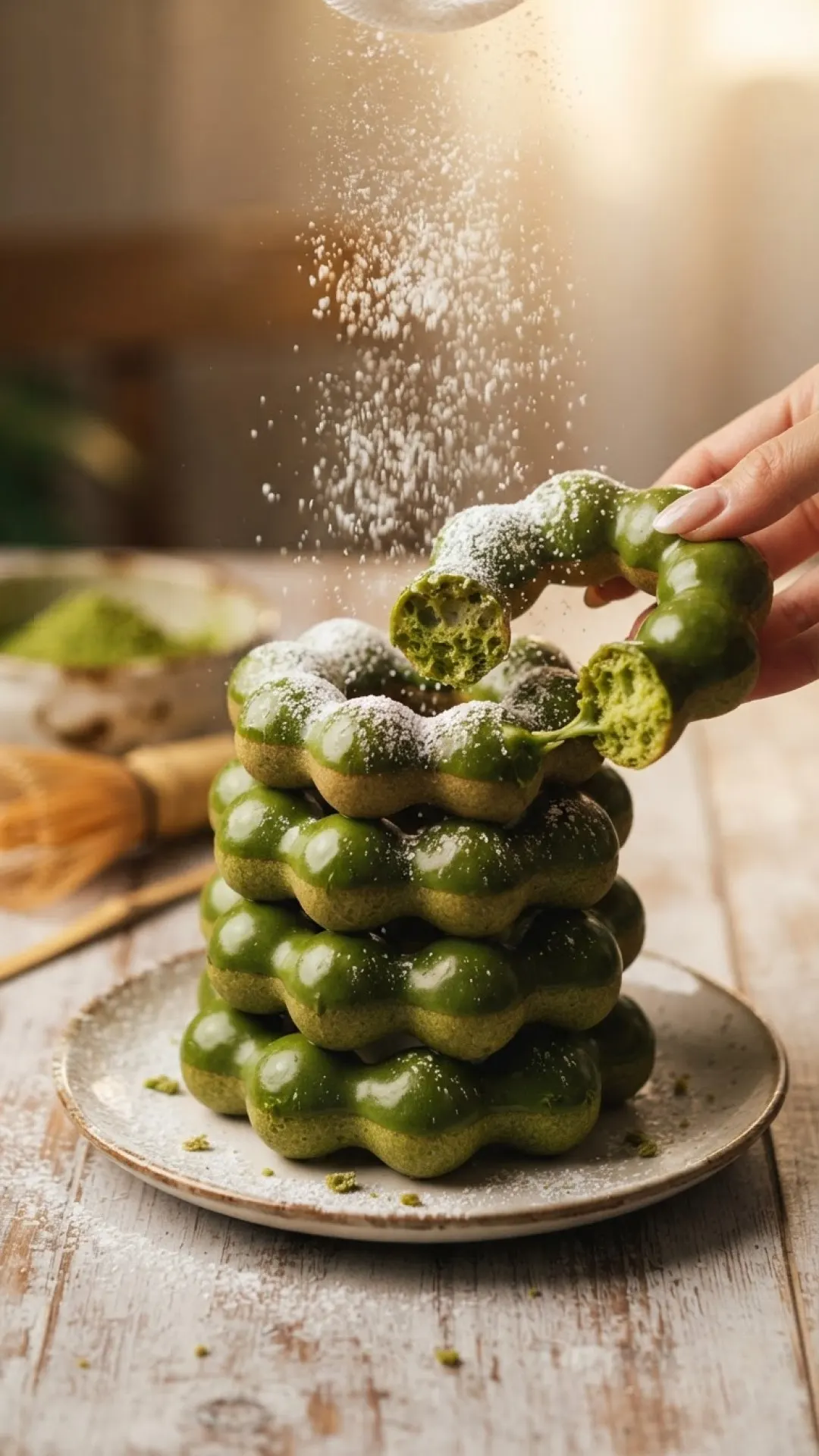
There are some food memories that just stick with you, weaving themselves into the fabric of your culinary journey. For me, one such memory revolves around the first time I ever tasted a Japanese Mochi Donut, affectionately known as Pon De Ring. I was wandering through a bustling Japanese bakery in a new city, overwhelmed by the array of exquisite pastries. Then, I saw them – a delicate string of connected, glossy spheres, perfectly golden, promising a texture I hadn’t yet encountered in a donut. One bite, and I was utterly captivated. The airy, crisp exterior gave way to an unbelievably soft, springy, and delightfully chewy interior. It was unlike any donut I’d ever had, a perfect balance of sweet and subtle, with an irresistible ‘pon de ring’ (bouncy ring) texture that lives up to its name. From that moment, I was determined to recreate this magic at home. After countless experiments, I finally cracked the code, and today, I’m thrilled to share my perfected recipe for Japanese Mochi Donuts (Pon De Ring), so you too can experience this delightful chewiness.
Why This Recipe is a Must-Try
Unforgettable Texture:
These aren’t your average fluffy donuts! The use of tapioca flour creates an incredibly unique, addictive chewiness that sets Japanese Mochi Donuts (Pon De Ring) apart. Each bite offers a delightful bounce and satisfying pull.Simple & Rewarding:
While they look impressive, the process for making these Japanese Mochi Donuts (Pon De Ring) is surprisingly straightforward. With a few key ingredients and our detailed steps, you’ll be a mochi donut master in no time.Versatile & Customizable:
From classic sugar glaze to matcha, chocolate, or fruit glazes, these donuts are a blank canvas for your creativity. They’re perfect for breakfast, dessert, or a delightful afternoon snack.Authentic Flavor:
This recipe aims for the authentic taste and texture you’d find in popular Japanese bakeries, bringing that delightful experience right to your kitchen. Making your own Japanese Mochi Donuts (Pon De Ring) at home is incredibly rewarding.
Key Ingredient Notes
The magic behind the distinctive texture of Japanese Mochi Donuts (Pon De Ring) lies in a few star ingredients. Understanding their role is crucial for success.
Tapioca Flour (Tapioca Starch)
This is the absolute cornerstone of our Japanese Mochi Donuts (Pon De Ring). Tapioca flour, derived from the cassava root, is naturally gluten-free and responsible for the characteristic stretchy, chewy texture. Do not substitute it with regular wheat flour, cornstarch, or potato starch, as these will yield a completely different result. The unique gelatinization properties of tapioca flour when heated are what give these donuts their signature bounce. Look for it in the baking aisle of most major supermarkets or Asian grocery stores. Ensure you are buying tapioca flour/starch, not glutinous rice flour (mochiko), though some recipes use a blend, tapioca flour is dominant here.
Silken Tofu
Another unsung hero in this Japanese Mochi Donuts (Pon De Ring) recipe is silken tofu. Its high water content and smooth, creamy texture contribute to the moistness and tenderness of the dough, making it easier to handle and fry. It also adds a subtle richness without imparting a strong tofu flavor. When buying silken tofu, choose the soft or extra-soft variety for the best results. It helps create a dough that’s pliable and soft, perfect for forming the characteristic rings. Don’t worry, your donuts won’t taste like tofu; it simply aids in achieving the perfect texture.
Baking Powder
While tapioca flour provides the chew, baking powder adds a crucial lift, creating those lovely airy pockets within the donut. It gives the Japanese Mochi Donuts (Pon De Ring) a lighter texture, preventing them from becoming too dense. Make sure your baking powder is fresh for optimal leavening. A quick test for freshness: mix a teaspoon of baking powder with a quarter cup of hot water. If it fizzes vigorously, it’s good to go!
Step-by-Step Guide with Pro Tips
Gathering Your Tools & Ingredients
Before you begin making your Japanese Mochi Donuts (Pon De Ring), ensure you have all your ingredients measured and ready. You’ll need a large mixing bowl, a saucepan for the butter mixture, a whisk, a rubber spatula, a piping bag (or a sturdy ziplock bag with a corner snipped), parchment paper squares, a pair of kitchen scissors, and a deep, heavy-bottomed pot or Dutch oven for frying. A thermometer is highly recommended for maintaining oil temperature.
Pro Tip for Dough Consistency:
The dough for Japanese Mochi Donuts (Pon De Ring) should be soft, pliable, and slightly sticky, similar to a very soft playdough. If it’s too wet, add a little more tapioca flour, one tablespoon at a time. If it’s too dry, add a tiny splash of milk. Adjustments are normal and often necessary due to variations in ingredients and humidity.
Making the Perfect Glaze:
For a smooth, professional-looking glaze, ensure your powdered sugar is sifted to remove any lumps. Add liquid gradually and whisk until completely smooth. Dip the warm Japanese Mochi Donuts (Pon De Ring) into the glaze and let any excess drip off before placing them on a wire rack to set.
- Step 1: In a medium saucepan, melt the butter over medium heat. Once melted, add the milk, granulated sugar, and salt. Stir until the sugar and salt are fully dissolved. Bring the mixture to a gentle simmer, then remove from heat.
- Step 2: Add the silken tofu to the warm milk mixture. Use an immersion blender or transfer to a regular blender and blend until completely smooth and creamy. Ensure there are no lumps of tofu remaining.
- Step 3: In a large mixing bowl, combine the tapioca flour, all-purpose flour, and baking powder. Whisk them together thoroughly to ensure even distribution.
- Step 4: Pour the warm tofu-milk mixture into the dry ingredients. Mix with a rubber spatula until a shaggy dough forms.
- Step 5: Turn the dough out onto a lightly floured surface (using tapioca flour). Knead for about 5-7 minutes until the dough is smooth, elastic, and no longer sticky. It should feel soft and pliable.
- Step 6: Divide the dough into 12 equal portions. Roll each portion into a small ball.
- Step 7: To form the classic Pon De Ring shape, arrange 8 small dough balls into a circle on a 3×3 inch square of parchment paper, pressing them gently together to connect. Alternatively, you can roll each portion into a rope, then connect the ends to form a ring, and then lightly pinch off 8 equal segments along the ring to create the characteristic shape.
- Step 8: In a deep, heavy-bottomed pot or Dutch oven, heat about 3-4 inches of vegetable oil to 340-350°F (170-175°C). Use a thermometer to monitor the temperature, as consistent oil temperature is key for perfect Japanese Mochi Donuts (Pon De Ring).
- Step 9: Carefully lower the parchment paper squares with the formed donuts into the hot oil, parchment side up. The parchment paper will peel off easily after a minute or two; remove it with tongs. Fry 2-3 donuts at a time, depending on the size of your pot, to avoid overcrowding and dropping the oil temperature.
- Step 10: Fry for 2-3 minutes per side, or until golden brown and puffed up. Use a slotted spoon or spider to flip them gently. The Japanese Mochi Donuts (Pon De Ring) should be evenly colored.
- Step 11: Remove the fried donuts from the oil and place them on a wire rack lined with paper towels to drain excess oil.
- Step 12: While the donuts are cooling slightly, prepare your desired glaze. For a simple sugar glaze, whisk together powdered sugar and milk (or water/lemon juice) until smooth. Dip the warm donuts into the glaze, letting any excess drip off.
- Step 13: Allow the glaze to set for a few minutes before serving. These Japanese Mochi Donuts (Pon De Ring) are best enjoyed fresh, but can be stored in an airtight container at room temperature. For longer freshness, consider storing them in a Basics Glass Food Storage container.
Variations & Serving Suggestions
The beauty of homemade Japanese Mochi Donuts (Pon De Ring) is their versatility. Once you’ve mastered the basic recipe, the possibilities for customization are endless!
Glaze Galore:
- Classic Sugar Glaze: The simplest and often most satisfying. Whisk powdered sugar with a little milk or water until it reaches a pourable consistency. A dash of vanilla extract elevates it further.
- Matcha Glaze: For a distinctly Japanese flavor, whisk ceremonial grade matcha powder into your sugar glaze. The earthy bitterness of matcha perfectly complements the sweetness of the donut.
- Chocolate Glaze: Melt dark or semi-sweet chocolate with a spoonful of butter or coconut oil for a rich, decadent topping. Sprinkle with sea salt for an extra touch.
- Strawberry/Berry Glaze: Blend fresh strawberries or raspberries with powdered sugar and a tiny bit of lemon juice for a naturally flavored and colored glaze.
- Kinako Glaze: A traditional Japanese twist! Mix kinako (roasted soybean flour) with powdered sugar and milk for a nutty, aromatic glaze.
Toppings & Drizzles:
- Sprinkle with toasted sesame seeds for a subtle nutty crunch.
- Add colorful sprinkles for a festive look, especially if serving these Japanese Mochi Donuts (Pon De Ring) for a celebration.
- Drizzle with condensed milk or caramel sauce for an extra layer of sweetness.
- A dusting of powdered sugar is always a simple, elegant finish.
- Pair these chewy delights with a cup of hot green tea or a strong coffee for a perfect morning or afternoon treat. They also make an excellent addition to a dessert spread, perhaps alongside something like our Gooey Peanut Butter Cookie Bars for a variety of textures!
Serving Ideas:
These Japanese Mochi Donuts (Pon De Ring) are fantastic on their own, but also make a delightful addition to any brunch spread or dessert table. Consider serving them warm, as the chewy texture is at its peak. They can also be a unique party favor or a thoughtful homemade gift. For a truly indulgent experience, serve them alongside a scoop of vanilla or green tea ice cream, or perhaps even an exotic pairing with our Dubai Chocolate Kataifi Cheesecake Bars.
Nutrition Information
| Nutrient | Amount Per Serving |
|---|---|
| Calories | 280 kcal |
| Carbohydrate Content | 35g |
| Cholesterol Content | 20mg |
| Fat Content | 15g |
| Fiber Content | 1g |
| Protein Content | 3g |
| Saturated Fat Content | 8g |
| Serving Size | 1 donut |
| Sodium Content | 150mg |
| Sugar Content | 15g |
| Trans Fat Content | 0.5g |
| Unsaturated Fat Content | 6g |
Conclusion
And there you have it – the secret to making perfect Japanese Mochi Donuts (Pon De Ring) right in your own kitchen! These delightful, chewy treats are more than just a dessert; they’re an experience, a journey to a texture that will undoubtedly charm anyone who tries them. From the moment you taste that distinctive bounce to the joy of sharing them with loved ones, these donuts are guaranteed to bring smiles. So, roll up your sleeves, gather your ingredients, and prepare to create some culinary magic. Happy baking (and frying)!
FAQs
What are Japanese Mochi Donuts (Pon De Ring)?
Japanese Mochi Donuts, also known as Pon De Ring, are unique donuts characterized by their distinctive chewy, bouncy texture, achieved primarily through the use of tapioca flour. They are often shaped into a ring of connected small balls and covered in various glazes.
Why are my Japanese Mochi Donuts (Pon De Ring) not chewy?
The most common reason for a lack of chewiness is an incorrect ratio of tapioca flour or improper kneading. Ensure you’re using enough tapioca flour and that the dough is kneaded until smooth and elastic. Overcooking can also make them harder rather than chewy, so watch your frying time and oil temperature carefully.
Can I bake Japanese Mochi Donuts (Pon De Ring) instead of frying?
While you can technically bake mochi donuts, the texture will be significantly different. Frying is essential for achieving the characteristic crispy exterior and airy, chewy interior of traditional Pon De Ring donuts. Baked versions tend to be denser and less bouncy.
How do I store Japanese Mochi Donuts (Pon De Ring)?
Japanese Mochi Donuts (Pon De Ring) are best enjoyed fresh. However, if you have leftovers, store them in an airtight container at room temperature for up to 2 days. To refresh them, you can microwave them for about 10-15 seconds to soften them up.
Japanese Mochi Donuts (Pon De Ring)
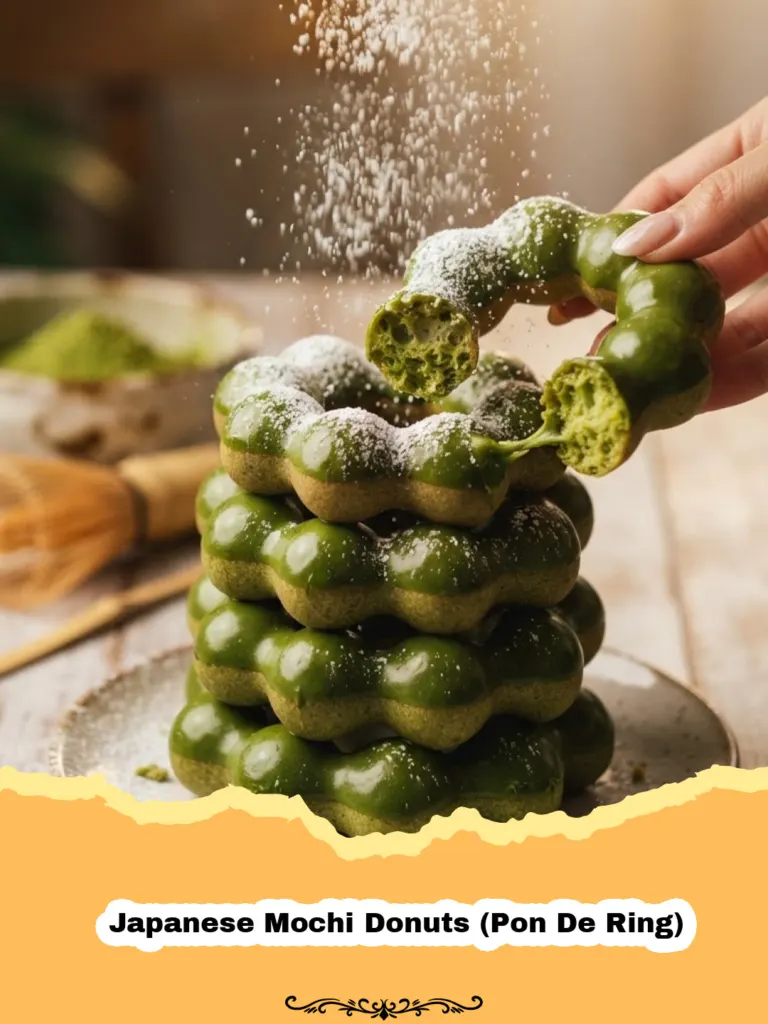
Light, airy, and incredibly chewy Japanese Mochi Donuts, famously known as Pon De Ring, are a delightful treat made primarily with tapioca flour and silken tofu. Their unique texture and customizable glazes make them a fun and addictive dessert or sweet breakfast.
- Total Time: 50 minutes
- Yield: 12 donuts 1x
Ingredients
1/2 cup (113g) unsalted butter
1/2 cup (120ml) whole milk
1/4 cup (50g) granulated sugar
1/2 teaspoon salt
1 cup (240g) silken tofu (soft or extra-soft)
2 cups (240g) tapioca flour (tapioca starch)
1/2 cup (60g) all-purpose flour
1 tablespoon baking powder
Vegetable oil, for frying (about 4-5 cups)
For Glaze (optional): 2 cups (240g) powdered sugar
For Glaze (optional): 3-4 tablespoons milk or water
For Glaze (optional): 1/2 teaspoon vanilla extract
Instructions
Step 1: In a medium saucepan, melt the butter over medium heat. Once melted, add the milk, granulated sugar, and salt. Stir until the sugar and salt are fully dissolved. Bring the mixture to a gentle simmer, then remove from heat.
Step 2: Add the silken tofu to the warm milk mixture. Use an immersion blender or transfer to a regular blender and blend until completely smooth and creamy. Ensure there are no lumps of tofu remaining.
Step 3: In a large mixing bowl, combine the tapioca flour, all-purpose flour, and baking powder. Whisk them together thoroughly to ensure even distribution.
Step 4: Pour the warm tofu-milk mixture into the dry ingredients. Mix with a rubber spatula until a shaggy dough forms.
Step 5: Turn the dough out onto a lightly floured surface (using tapioca flour). Knead for about 5-7 minutes until the dough is smooth, elastic, and no longer sticky. It should feel soft and pliable.
Step 6: Divide the dough into 12 equal portions. Roll each portion into a small ball.
Step 7: To form the classic Pon De Ring shape, arrange 8 small dough balls into a circle on a 3×3 inch square of parchment paper, pressing them gently together to connect. Alternatively, you can roll each portion into a rope, then connect the ends to form a ring, and then lightly pinch off 8 equal segments along the ring to create the characteristic shape.
Step 8: In a deep, heavy-bottomed pot or Dutch oven, heat about 3-4 inches of vegetable oil to 340-350°F (170-175°C). Use a thermometer to monitor the temperature, as consistent oil temperature is key for perfect donuts.
Step 9: Carefully lower the parchment paper squares with the formed donuts into the hot oil, parchment side up. The parchment paper will peel off easily after a minute or two; remove it with tongs. Fry 2-3 donuts at a time, depending on the size of your pot, to avoid overcrowding and dropping the oil temperature.
Step 10: Fry for 2-3 minutes per side, or until golden brown and puffed up. Use a slotted spoon or spider to flip them gently. The donuts should be evenly colored.
Step 11: Remove the fried donuts from the oil and place them on a wire rack lined with paper towels to drain excess oil.
Step 12: While the donuts are cooling slightly, prepare your desired glaze. For a simple sugar glaze, whisk together powdered sugar and milk (or water/lemon juice) until smooth. Dip the warm donuts into the glaze, letting any excess drip off.
Step 13: Allow the glaze to set for a few minutes before serving. These donuts are best enjoyed fresh.
Step 14: Store any leftover donuts in an airtight container at room temperature for up to 2 days, though their texture is best on the day they are made.
Notes
For the best texture, serve these Japanese Mochi Donuts (Pon De Ring) fresh and warm. If reheating, a quick 10-15 seconds in the microwave can help restore some of their chewiness. Do not over-knead the dough, as it can make the donuts tough. Maintaining the correct oil temperature is crucial for preventing oily or burnt donuts.
- Prep Time: 30 minutes
- Cook Time: 20 minutes
- Category: Sweet Breakfasts
- Cuisine: Japanese
Nutrition
- Serving Size: 1 donut
- Calories: 280 kcal
- Sugar: 15g
- Sodium: 150mg
- Fat: 15g
- Saturated Fat: 8g
- Unsaturated Fat: 6g
- Trans Fat: 0.5g
- Carbohydrates: 35g
- Fiber: 1g
- Protein: 3g
- Cholesterol: 20mg
Keywords: Mochi Donuts, Pon De Ring, Japanese Donuts, Tapioca Flour Donuts, Chewy Donuts, Gluten-Free Donuts, Donut Recipe, Asian Desserts, Homemade Donuts, Sweet Breakfasts