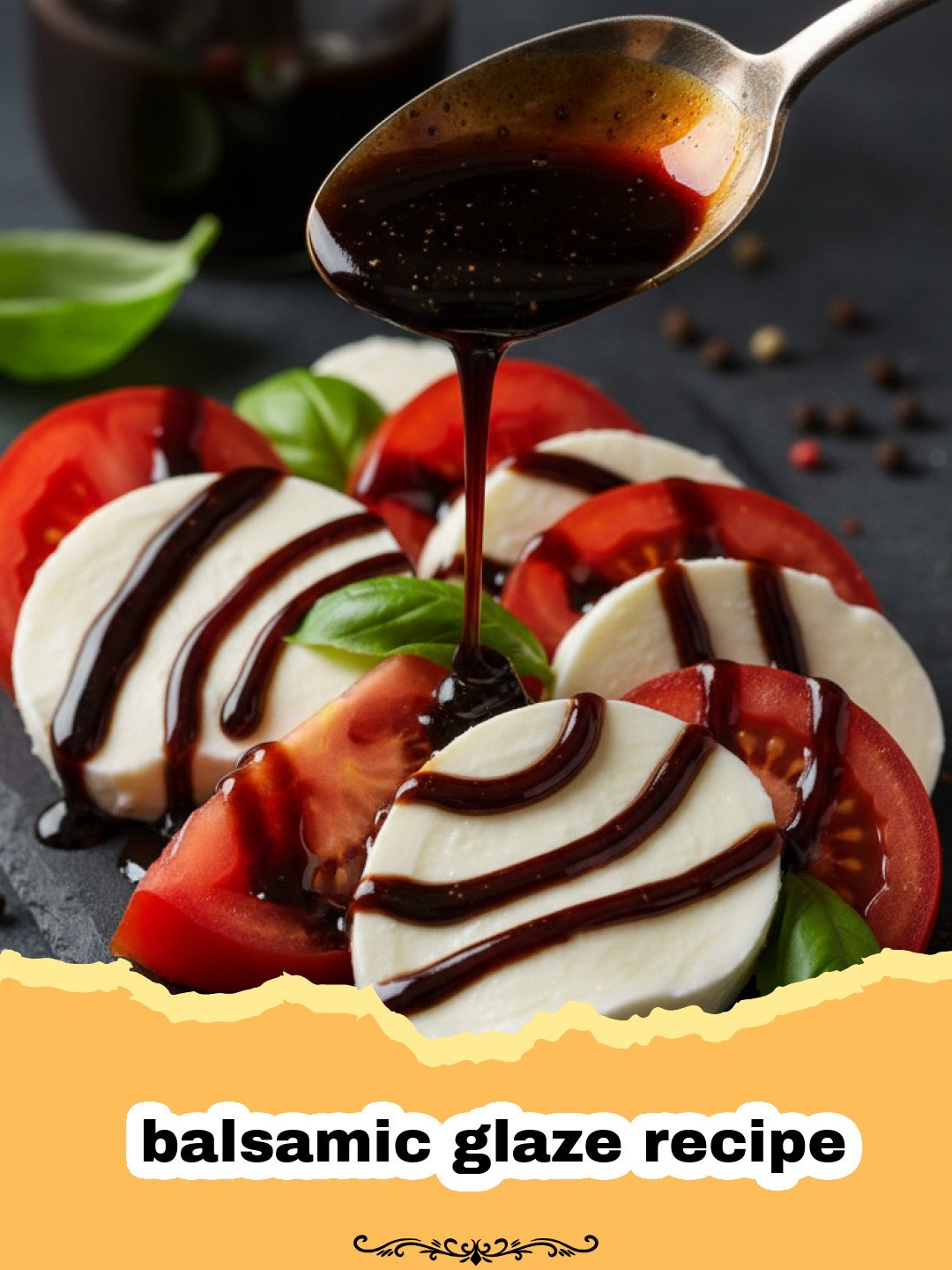
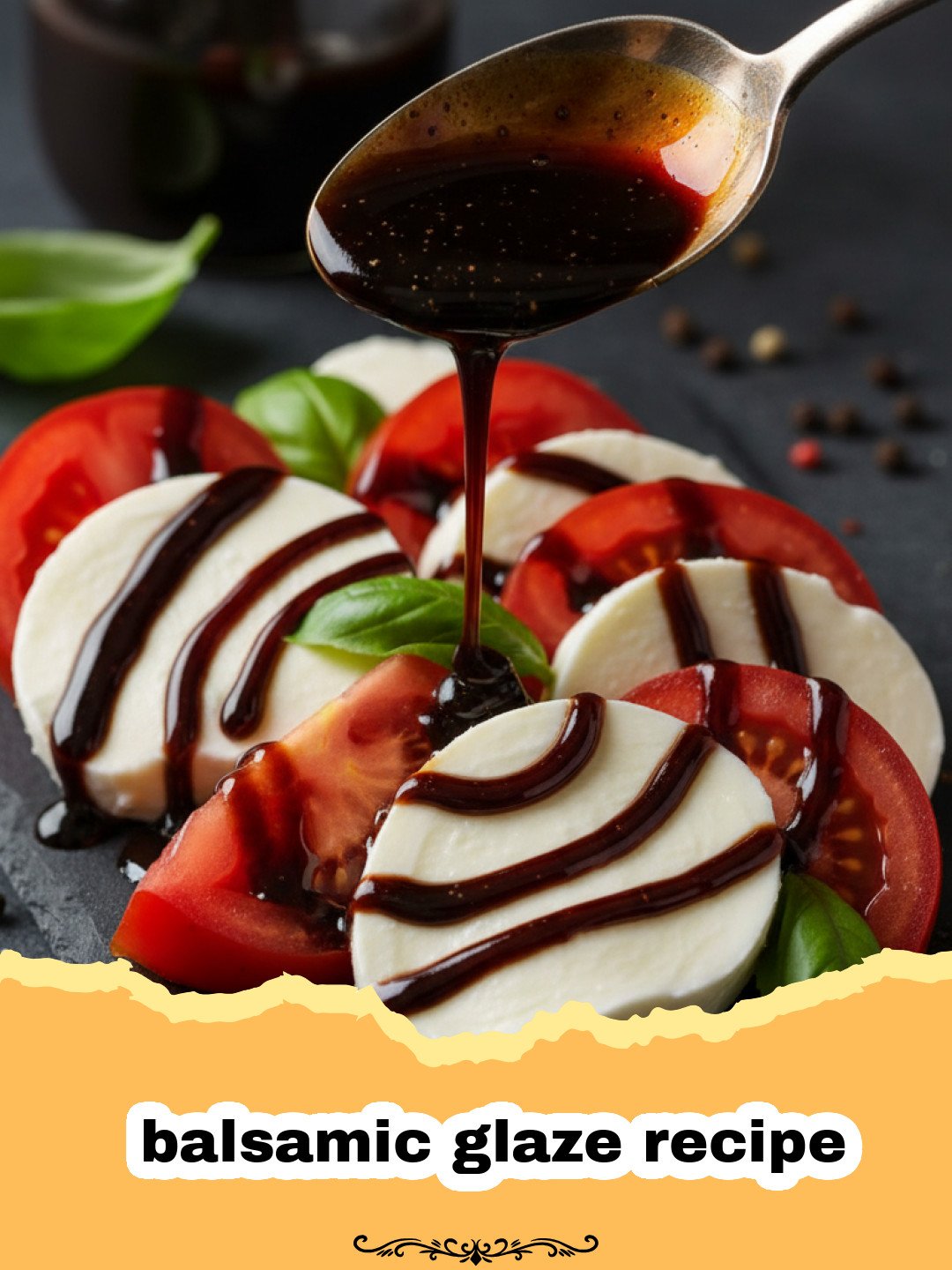
This balsamic glaze recipe is the secret weapon every home cook should have in their culinary arsenal. I remember the first time I tasted a drizzle of high-quality balsamic glaze on a caprese salad at a little trattoria in Florence. It was transformative. Before that, I thought vinegar was just sharp and acidic. But this? This was liquid gold—sweet, tangy, and thick enough to coat a spoon. Back home, I scoured grocery stores, only to find bottles filled with corn starch and artificial thickeners. I knew there had to be a better way. After some experimentation in my own kitchen, I mastered the ultimate balsamic glaze recipe. It requires nothing more than a bit of patience and a bottle of decent vinegar. Whether you are dressing up a simple salad or finishing a gourmet steak, this homemade version beats anything you can buy. Once you see how easy it is, you will never go back to store-bought again. Let’s dive into how you can make this magic happen in your kitchen.
Why This Recipe is a Must-Try
- Minimal Ingredients: You only need two basic pantry staples to create a gourmet condiment that tastes like it came from a five-star restaurant.
- Cost-Effective: High-end balsamic glazes can be expensive, but making this balsamic glaze recipe at home using a mid-range vinegar saves you significant money.
- No Additives: Unlike store-bought versions, this contains no cornstarch, gums, or artificial preservatives, ensuring a clean and pure flavor profile.
- Versatility: It pairs perfectly with everything from savory meats and roasted vegetables to sweet fruits and even desserts like vanilla bean ice cream.
Key Ingredient Notes
The success of your balsamic glaze recipe depends heavily on the quality of the vinegar you choose. You do not need the most expensive traditional balsamic vinegar that has been aged for 25 years, but you should avoid the very bottom-shelf options that are mostly colored water and acetic acid. Look for a “Balsamic Vinegar of Modena” with a decent thickness and a label that lists grape must as the first or second ingredient. This will provide the natural sugars needed for a beautiful reduction.
For the sweetener, I prefer using a touch of honey or brown sugar. While you can make a balsamic glaze recipe with just the vinegar itself, adding a small amount of sweetener helps the reduction process and balances the natural acidity of the vinegar. Honey adds a floral note, while brown sugar provides a deeper, molasses-like undertone. If you are watching your sugar intake, you can certainly omit the extra sweetener, as the vinegar will naturally sweeten as the water evaporates and the sugars concentrate.
Step-by-Step Guide with Pro Tips
Making a balsamic glaze recipe is a study in patience and observation. To start, pour your balsamic vinegar and sweetener into a small saucepan. Place it over medium heat and bring it to a gentle boil. As soon as it starts to bubble, immediately reduce the heat to low. You want a very gentle simmer. If the heat is too high, the sugars can burn, leaving you with a bitter and acrid mess instead of a sweet glaze.
The key to a perfect balsamic glaze recipe is the reduction time. Typically, it takes about 15 to 20 minutes for the liquid to reduce by half. You will notice the bubbles becoming larger and more “syrupy” in appearance. To test the consistency, dip a metal spoon into the glaze. It should coat the back of the spoon. Keep in mind that the glaze will continue to thicken significantly as it cools. If you reduce it until it is very thick while still hot, it may turn into a hard candy consistency once refrigerated. Aim for a slightly thinner consistency than your desired final result.
Pro Tip: Always ensure proper ventilation. The fumes from boiling vinegar can be quite pungent! Once the glaze is finished, pour it into a heat-safe container. For long-term storage, I highly recommend using Basics Glass Food Storage to keep it fresh in the refrigerator for up to three months. This balsamic glaze recipe is truly a set-it-and-forget-it task that yields incredible rewards.
Variations & Serving Suggestions
Once you have mastered the basic balsamic glaze recipe, you can start experimenting with fun flavor infusions. Try adding a sprig of fresh rosemary or thyme to the saucepan while it simmers for an earthy, herbal twist. For a fruity variation, whisk in a tablespoon of fig jam or a few crushed raspberries during the reduction process. These variations make excellent gifts when bottled in decorative jars.
When it comes to serving, the possibilities are endless. This glaze is the perfect finishing touch for a Fresh & Flavorful: Your New Favorite Zucchini Pasta with Garlic, Tomato, and Basil, adding a sweet acidity that cuts through the garlic and olive oil. It is also a classic pairing for seafood. Try brushing a generous amount of this balsamic glaze recipe over The Ultimate Guide to Perfectly Grilled Salmon during the last minute of cooking for a caramelized crust that is out of this world. It also works beautifully drizzled over roasted Brussels sprouts, wood-fired pizzas, or even sliced strawberries and peaches.
Nutrition Information
| Nutrient | Amount Per Serving |
|---|---|
| Calories | 45 kcal |
| Carbohydrate Content | 11 g |
| Sugar Content | 10 g |
| Fat Content | 0 g |
| Saturated Fat Content | 0 g |
| Trans Fat Content | 0 g |
| Unsaturated Fat Content | 0 g |
| Protein Content | 0 g |
| CholesterolContent | 0 mg |
| Sodium Content | 5 mg |
| Fiber Content | 0 g |
| Serving Size | 1 tablespoon |
Conclusion
Creating your own balsamic glaze recipe is a simple yet rewarding way to elevate your home cooking. With just a bottle of vinegar and a little bit of time, you can create a versatile condiment that rivals the best restaurant reductions. I hope this recipe becomes a staple in your home just as it has in mine. Happy cooking!
FAQs
How long does this balsamic glaze recipe last in the fridge?
When stored in an airtight glass container, this balsamic glaze will last for up to 3 months in the refrigerator.
Why did my balsamic glaze turn into hard candy?
This usually happens if the glaze is reduced too much or if the sugar content was too high. To fix it, you can gently reheat it with a splash of water or more vinegar to thin it out.
Do I have to add sugar to a balsamic glaze recipe?
No, you can make a balsamic glaze reduction using only vinegar. However, adding a small amount of honey or sugar helps balance the acidity and speeds up the thickening process.
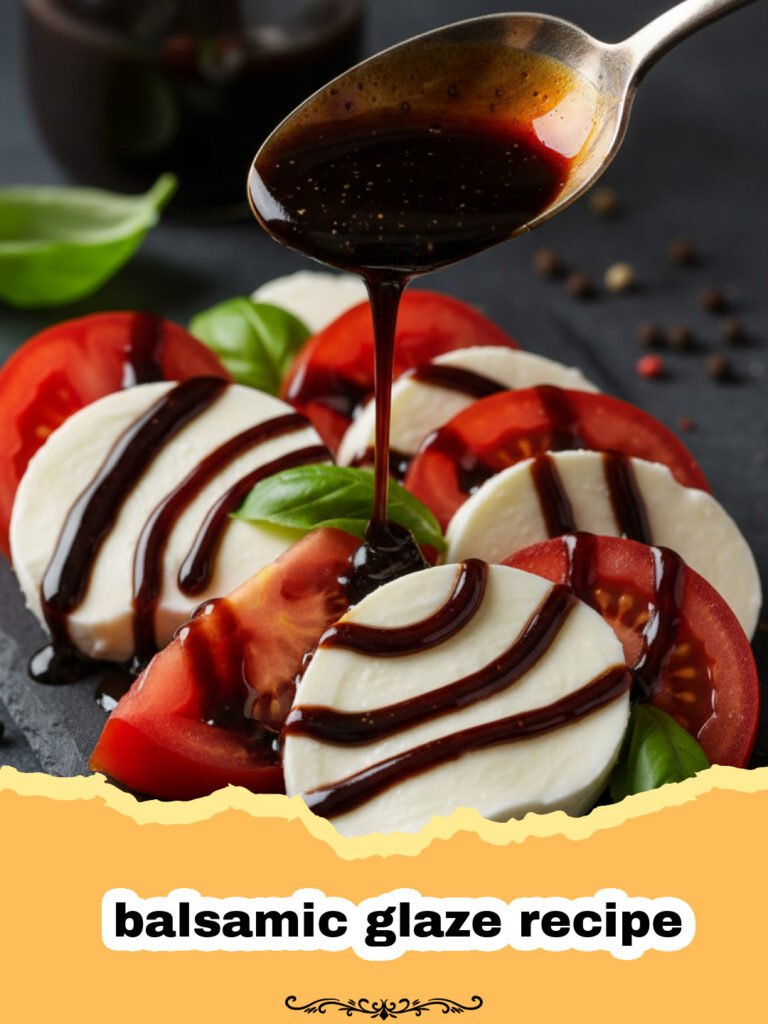
Classic Homemade Balsamic Glaze
A thick, syrupy, and perfectly balanced balsamic glaze recipe made with just two ingredients. Perfect for drizzling over salads, meats, and desserts.
- Total Time: 22 minutes
- Yield: 1/2 cup 1x
Ingredients
1 cup balsamic vinegar (good quality)
1/4 cup honey or brown sugar (optional, for extra sweetness)
Instructions
Step 1: Combine the balsamic vinegar and the optional sweetener (honey or brown sugar) in a small, heavy-bottomed saucepan over medium heat.
Step 2: Stir the mixture gently until the sweetener is dissolved and the liquid reaches a light boil.
Step 3: Immediately reduce the heat to low to maintain a very gentle simmer. Do not let it boil vigorously or it may burn.
Step 4: Simmer uncovered for 15-20 minutes, stirring occasionally, until the liquid has reduced by about half and coats the back of a spoon.
Step 5: Remove the saucepan from the heat and let the glaze cool completely. It will thicken significantly as it cools.
Step 6: Transfer the finished balsamic glaze to a glass jar or squeeze bottle and store in the refrigerator.
Notes
If the glaze becomes too thick in the fridge, you can thin it out by whisking in a teaspoon of warm water or gently reheating it.
- Prep Time: 2 minutes
- Cook Time: 20 minutes
- Category: How To
- Cuisine: Italian
Nutrition
- Serving Size: 1 tablespoon
- Calories: 45 kcal
- Sugar: 10 g
- Sodium: 5 mg
- Fat: 0 g
- Saturated Fat: 0 g
- Unsaturated Fat: 0 g
- Trans Fat: 0 g
- Carbohydrates: 11 g
- Fiber: 0 g
- Protein: 0 g
- Cholesterol: 0 mg
Keywords: balsamic glaze recipe, balsamic reduction, homemade balsamic glaze, how to make balsamic glaze, cooking basics