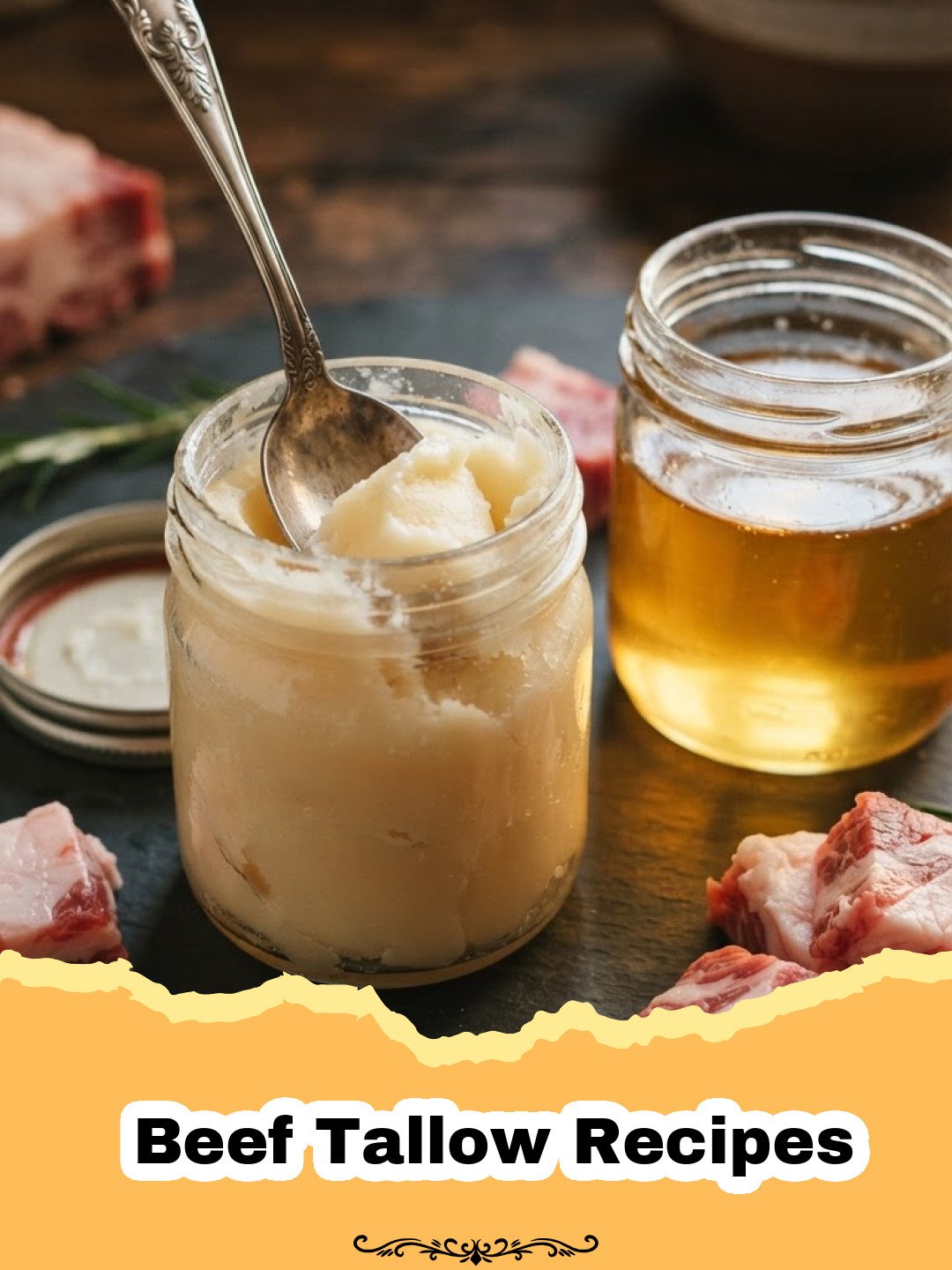
I remember my grandma, bless her heart, had this special jar on her counter. It wasn’t for cookies, or sugar, but for something far more precious in her kitchen: rendered fat. Back then, I didn’t fully grasp its significance, often just seeing it as a relic from a bygone era of frugality and self-sufficiency. Fast forward to today, and I find myself reaching for that very same concept, embracing the time-honored tradition of making my own beef tallow. It’s a journey that started with a curiosity about traditional cooking methods and a desire to reduce food waste, and it quickly turned into an obsession. The rich aroma filling my kitchen as the fat slowly melts, the golden liquid forming, and the crispy cracklings left behind – it’s a sensory experience that connects me to generations past. Discovering the versatility and health benefits of homemade beef tallow has been a revelation, and I’m excited to share how you can bring this golden secret into your own kitchen with these incredible Beef Tallow Recipes.
Why Beef Tallow Recipes Are a Must-Try
Unmatched Flavor and Texture
Beef tallow offers a deep, savory flavor that enhances almost any dish, from roasted vegetables to crispy fried chicken. Its high smoke point makes it perfect for high-heat cooking, resulting in incredibly crispy exteriors and moist interiors.
Health Benefits You Can Feel Good About
Unlike many highly processed cooking oils, beef tallow is a natural, traditional fat rich in beneficial saturated and monounsaturated fats. It’s also a good source of fat-soluble vitamins like A, D, E, and K2, supporting overall health and nutrient absorption. Incorporating beef tallow recipes into your diet can be a delicious way to enjoy healthy fats.
Cost-Effective and Sustainable
By rendering your own beef tallow from trim fat, you’re transforming what might otherwise be discarded into a valuable cooking staple. This not only saves money but also promotes a more sustainable, nose-to-tail approach to food, reducing waste and honoring the animal.
Versatility in the Kitchen
From searing steaks to making flaky pie crusts, the uses for beef tallow are virtually endless. Once you start experimenting with various beef tallow recipes, you’ll wonder how you ever cooked without it. It’s a foundational ingredient for elevated cooking.
Key Ingredient Notes
Suet (Raw Beef Fat)
The quality of your beef tallow starts with the quality of your raw material. Suet is the best choice for rendering high-quality beef tallow. It’s the fat found around the kidneys and loins of beef. It’s denser, whiter, and has a higher melting point than other beef fats, yielding a purer, more neutral-flavored tallow. Ask your local butcher for suet; they often have it available or can order it for you. Look for fat that is clean, white, and fresh-smelling. Avoid any fat that appears yellowish or has a strong odor, as it may be older or of lower quality.
Water (or Broth)
While some methods suggest dry rendering, I find that a small amount of water or even a neutral beef broth (for added flavor depth, though not strictly traditional) helps to prevent the fat from scorching and ensures a more even, gentle rendering process. The water slowly evaporates as the fat renders, lifting impurities and leaving behind clean, pure tallow. This low-and-slow water rendering method is key to producing a mild-flavored, white beef tallow that’s perfect for a wide range of beef tallow recipes.
Step-by-Step Guide: How to Render Beef Tallow with Pro Tips
Rendering beef tallow is a patient process, but the rewards are well worth the effort. Follow these steps for perfectly golden, pure beef tallow:
- Step 1: Prepare the Suet. Start by thoroughly rinsing the beef suet under cold water. Pat it completely dry with paper towels. This helps remove any surface impurities and ensures a cleaner render for your beef tallow.
- Step 2: Cut the Suet. Using a sharp knife, carefully cut the suet into small, uniform pieces, about 1/2 to 1 inch cubes. The smaller and more consistent the pieces, the more efficiently and evenly the fat will render, resulting in beautiful beef tallow. Alternatively, you can use a meat grinder to grind the suet, which speeds up the rendering process significantly.
- Step 3: Begin the Rendering Process. Place the cut or ground suet into a large, heavy-bottomed pot or Dutch oven. Add about 1/2 to 1 cup of water (or broth) to the pot, just enough to cover the bottom and prevent the fat from sticking initially. This ‘wet rendering’ method helps purify the beef tallow.
- Step 4: Slow Cook. Heat the pot over very low heat. The goal is to slowly melt the fat without browning or burning it. Stir occasionally to prevent sticking and ensure even melting. As the fat melts, the water will gradually evaporate, and the fat will separate from the connective tissues. This process can take anywhere from 2-4 hours, or even longer, depending on the amount of fat and the heat level. Patience is key for the best beef tallow recipes.
- Step 5: Monitor and Strain. Continue to cook until all the fat has melted and the remaining solids (known as ‘cracklings’ or ‘gribenes’) are golden brown and crispy. The liquid beef tallow should be clear with no cloudy bits. Once the cracklings have settled at the bottom and are nicely browned, carefully remove the pot from the heat.
- Step 6: Filter the Tallow. Set up a fine-mesh sieve lined with cheesecloth (several layers thick) or a coffee filter over a heat-proof bowl or jar. Carefully pour the hot liquid beef tallow through the prepared sieve. This step removes any remaining solids, ensuring your beef tallow is perfectly pure and smooth. Repeat filtering if necessary for extra clarity.
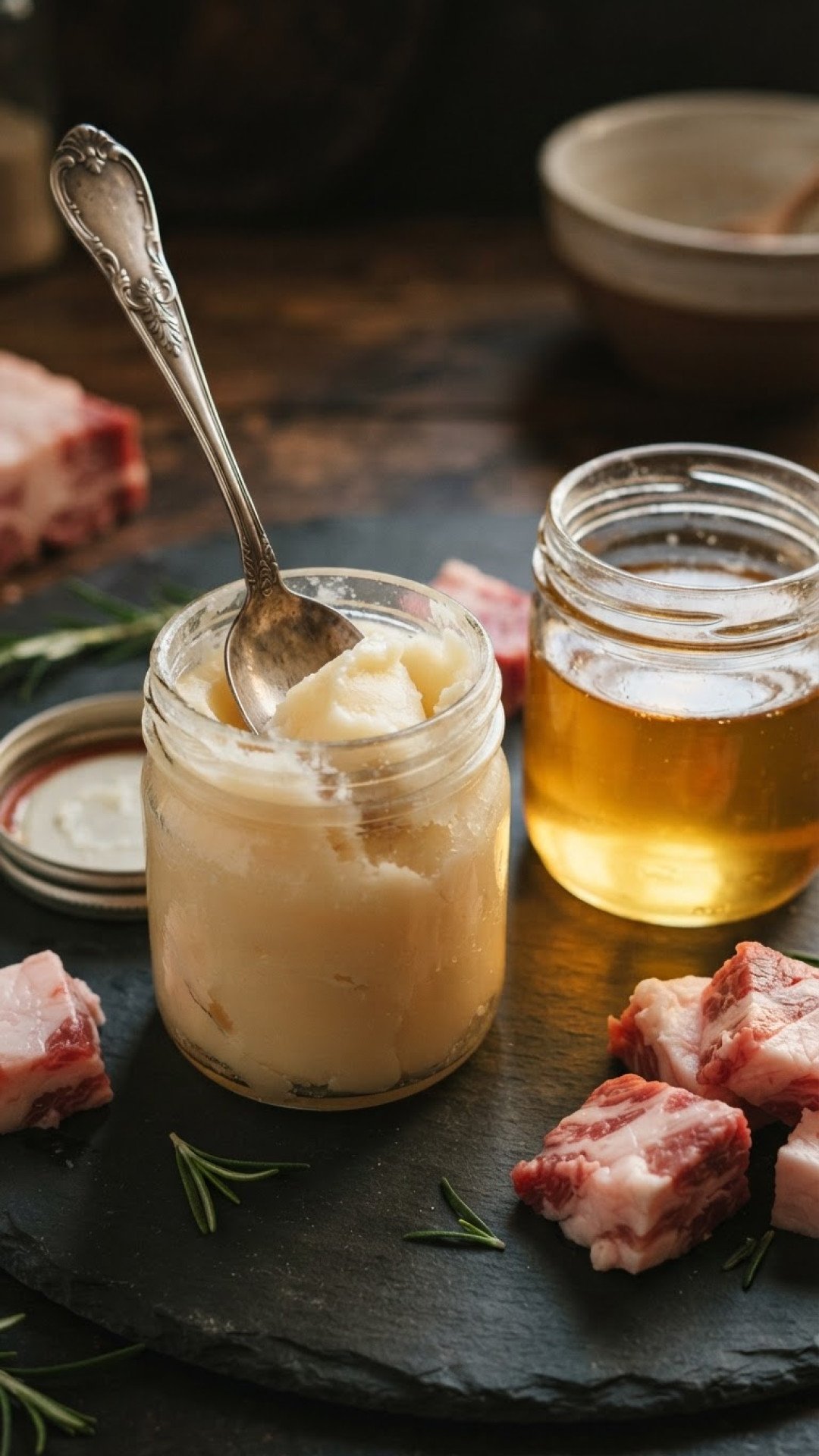
- Step 7: Store Properly. Allow the filtered beef tallow to cool completely at room temperature. As it cools, it will solidify into a creamy white, firm consistency. Transfer the solid beef tallow to clean, airtight jars. For optimal freshness and to prevent spoilage, I highly recommend storing your precious beef tallow in Basics Glass Food Storage containers in the refrigerator for several months, or in the freezer for up to a year or even longer. This ensures your supply for future beef tallow recipes.
Variations & Serving Suggestions for Your Rendered Beef Tallow
Using Your Freshly Rendered Tallow
Now that you have a beautiful jar of homemade beef tallow, the culinary possibilities are endless! Here are some fantastic beef tallow recipes and ways to incorporate it into your cooking:
- Roasting Vegetables: Toss root vegetables like potatoes, carrots, or Brussels sprouts with melted beef tallow, salt, and pepper before roasting at a high temperature. The tallow creates an incredibly crispy exterior and a rich flavor that’s hard to beat. You might even find it rivals the deliciousness of The Unexpected Delight of Roasted Cabbage Steaks, especially when cooked with this golden fat!
- Frying & Searing Meats: Beef tallow’s high smoke point makes it ideal for searing steaks, frying chicken, or even making crispy fried potatoes. It imparts a superior flavor and creates a beautiful, golden crust. Consider using it for your next batch of The Most Flavorful Crock Pot Chicken Recipes to finish off a dish with a crisp sear.
- Baking: Replace butter or shortening in savory pastries like pie crusts, biscuits, or even savory scones with chilled, solid beef tallow for an incredibly flaky and rich result. This is one of my favorite beef tallow recipes for savory baking.
- Making Confit: Slowly cook duck legs or other meats submerged in melted beef tallow at a low temperature for hours until fork-tender. The resulting confit is an absolute delicacy, a true testament to the power of beef tallow.
- Sautéing & Stir-Frying: Use beef tallow as your everyday cooking fat for sautéing onions, garlic, mushrooms, or any vegetables. It adds a layer of depth and flavor that olive oil or vegetable oil simply can’t match, elevating simple beef tallow recipes.
Seasoned Tallow
For an extra layer of flavor, consider infusing your beef tallow. During the last hour of rendering, add aromatics like garlic cloves, rosemary sprigs, thyme, or even dried chili flakes to the melting fat. Strain them out along with the cracklings. This seasoned beef tallow is fantastic for specific beef tallow recipes, like roasting potatoes or spreading on crusty bread before toasting. It adds a gourmet touch to everyday cooking.
Nutrition Information
| Nutrient | Amount per serving |
|---|---|
| Calories | 115 kcal |
| Carbohydrates | 0 g |
| Cholesterol | 14 mg |
| Total Fat | 13 g |
| Fiber | 0 g |
| Protein | 0 g |
| Saturated Fat | 7 g |
| Serving Size | 1 tbsp (13g) |
| Sodium | 0 mg |
| Sugar | 0 g |
| Trans Fat | 0.5 g |
| Unsaturated Fat | 5.5 g |
Mastering the art of rendering beef tallow is more than just a cooking technique; it’s a step towards more flavorful, healthier, and sustainable eating. Once you experience the golden richness and incredible versatility of homemade beef tallow, it will undoubtedly earn a permanent spot in your kitchen. From enhancing everyday meals to elevating special occasion dishes, the array of beef tallow recipes you can explore is vast and rewarding. So, grab some suet, embrace the slow cook, and prepare to unlock a new world of culinary magic. Happy rendering and happy cooking!
FAQs
What is beef tallow and why should I use it?
Beef tallow is rendered beef fat, purified into a stable cooking oil. It’s prized for its high smoke point, rich savory flavor, and nutritional benefits, including healthy fats and fat-soluble vitamins. It’s excellent for frying, roasting, and even baking, making many beef tallow recipes incredibly delicious.
What kind of beef fat is best for rendering tallow?
The best beef fat for rendering high-quality tallow is suet, specifically kidney or loin fat. Suet yields a whiter, purer, and more neutral-flavored tallow with a higher smoke point. You can usually get suet from a local butcher, asking for it specifically for rendering beef tallow.
How do I store homemade beef tallow?
Once rendered and cooled, transfer your solidified beef tallow to clean, airtight jars. It can be stored in the refrigerator for several months (up to 6 months) or frozen for up to a year or longer. Proper storage ensures your beef tallow remains fresh and ready for all your favorite beef tallow recipes.
Can I reuse beef tallow after cooking with it?
Yes, beef tallow can often be reused! After frying or cooking, let the tallow cool slightly, then strain it through a fine-mesh sieve lined with cheesecloth to remove any food particles. Store the filtered tallow in an airtight container in the refrigerator and reuse it a few times for similar beef tallow recipes. Discard if it develops a strong, off odor.
How to Render Beef Tallow
Learn the simple, traditional method for rendering pure, flavorful beef tallow from suet. This foundational ingredient enhances taste and texture in countless dishes, offering a healthy and sustainable cooking fat.
- Total Time: 3 hours 15 minutes – 5 hours 15 minutes
- Yield: 2–3 cups (depending on suet amount) 1x
Ingredients
2–3 lbs beef suet (kidney fat is best)
1/2 – 1 cup water (or neutral beef broth)
Instructions
Step 1: Prepare the Suet. Thoroughly rinse the beef suet under cold water and pat it completely dry with paper towels. This removes impurities.
Step 2: Cut the Suet. Cut the suet into small, uniform pieces (1/2 to 1 inch cubes) or grind it using a meat grinder. Smaller pieces render faster and more evenly.
Step 3: Begin the Rendering Process. Place the cut or ground suet into a large, heavy-bottomed pot or Dutch oven. Add 1/2 to 1 cup of water to the pot, just enough to cover the bottom and prevent sticking.
Step 4: Slow Cook. Heat the pot over very low heat. Slowly melt the fat without browning. Stir occasionally. The water will evaporate as the fat melts and separates from connective tissues. This can take 2-4 hours, or longer.
Step 5: Monitor and Strain. Continue cooking until all fat has melted, and solids (‘cracklings’) are golden brown and crispy. The liquid tallow should be clear. Remove from heat.
Step 6: Filter the Tallow. Place a fine-mesh sieve lined with several layers of cheesecloth or a coffee filter over a heat-proof bowl. Carefully pour the hot liquid tallow through to remove all solids. Repeat if necessary for purity.
Step 7: Store Properly. Allow the filtered tallow to cool completely at room temperature until it solidifies into a creamy white, firm consistency. Transfer to clean, airtight jars and store in the refrigerator for several months or freezer for up to a year.
Notes
Always use very low heat and be patient when rendering tallow to ensure a pure, mild-flavored product. Quality suet from a local butcher will yield the best results. The leftover cracklings can be seasoned and enjoyed as a savory snack!
- Prep Time: 15 minutes
- Cook Time: 3-5 hours
- Category: How To
- Cuisine: American
Nutrition
- Serving Size: 1 tbsp (13g)
- Calories: 115 kcal
- Sugar: 0 g
- Sodium: 0 mg
- Fat: 13 g
- Saturated Fat: 7 g
- Unsaturated Fat: 5.5 g
- Trans Fat: 0.5 g
- Carbohydrates: 0 g
- Fiber: 0 g
- Protein: 0 g
- Cholesterol: 14 mg
Keywords: beef tallow, render beef fat, suet, cooking fat, healthy fat, traditional cooking, keto, paleo, sustainable cooking, homemade tallow, fat rendering, how to make tallow