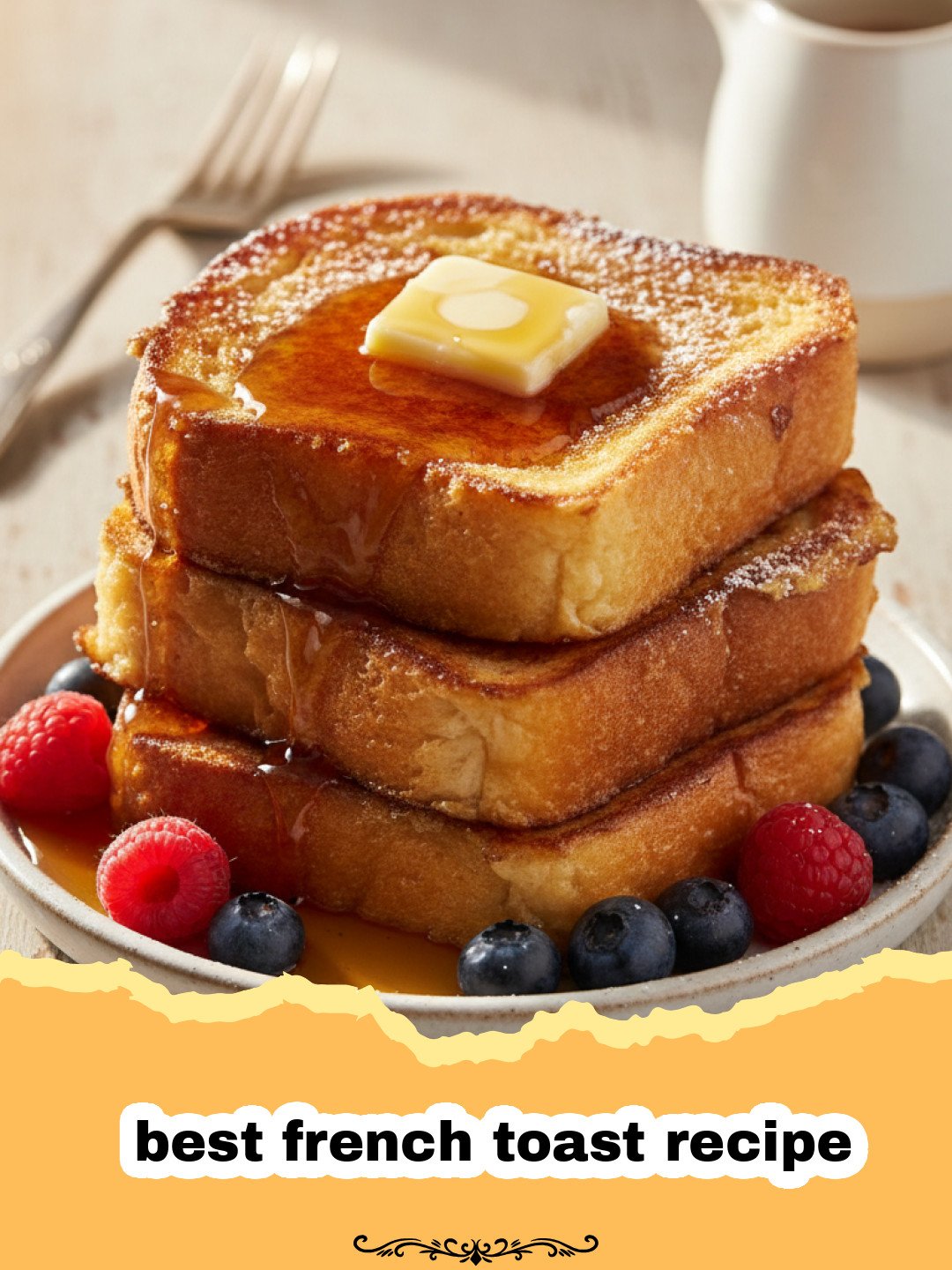
There are some breakfast dishes that just transport you back to childhood, to slow, lazy weekend mornings filled with warmth and the promise of a delicious day ahead. For me, that dish has always been French toast. I remember standing on a stool next to my grandmother, her apron dusted with flour, watching in awe as she transformed simple slices of bread into golden, custardy perfection. The aroma of vanilla, cinnamon, and warm butter would fill her cozy kitchen, creating a memory that’s as vivid today as the taste itself. For years, I tried to replicate that magic, experimenting with different breads, milks, and seasonings. Some attempts were soggy, some too dry, and some just… ordinary. But I never gave up on the quest for the ultimate breakfast treat. After countless weekend mornings and a few spectacular failures, I finally cracked the code, discovering the precise combination of ingredients and techniques that results in what I confidently call the best French toast recipe. This isn’t just about cooking; it’s about recreating a feeling, a moment of pure comfort and joy. And today, I’m thrilled to share that secret with you, so you can create your own cherished memories around the breakfast table. Trust me, once you try this method, you’ll never go back to your old ways. Get ready to embark on a delicious journey!
Why This Recipe is a Must-Try
- Perfectly Custardy Interior: Say goodbye to dry or soggy French toast. This recipe ensures every bite is moist, tender, and melt-in-your-mouth, thanks to a carefully balanced batter and soaking technique. It truly delivers on the promise of the best French toast recipe.
- Golden, Crispy Exterior: We achieve that enviable golden-brown crust with a hint of crispness that provides a delightful textural contrast to the soft interior. This isn’t just soaked bread; it’s a culinary masterpiece.
- Deep Flavor Profile: From the rich vanilla to the subtle warmth of cinnamon and nutmeg, every ingredient plays a crucial role in building layers of irresistible flavor. It’s a symphony for your taste buds, solidifying its status as the best French toast recipe you’ll ever make.
- Surprisingly Simple: Despite its gourmet results, this recipe is straightforward and accessible for home cooks of all skill levels. With a few key tips, you’ll be making restaurant-quality French toast in no time.
Key Ingredient Notes
The foundation of any truly exceptional dish lies in the quality and understanding of its ingredients. For the best French toast recipe, this couldn’t be truer. Here are a few components that make all the difference:
The Bread: Not All Slices Are Created Equal
Choosing the right bread is paramount. Forget your standard sandwich bread; it’s too soft and will likely turn soggy. For the best French toast recipe, you need something sturdy with a good crumb structure that can absorb the rich custard without disintegrating. My top recommendations are:
- Brioche: This is my absolute favorite. Its rich, buttery flavor and slightly dense texture make it ideal for absorbing the batter and achieving a golden, caramelized crust.
- Challah: Similar to brioche, challah is a sweet, eggy bread that holds up beautifully.
- Stale Bread: A day-old or two-day-old loaf is actually preferred, as it’s less likely to get soggy. If your bread is fresh, you can lightly toast it in the oven for 5-10 minutes at 275°F (135°C) to dry it out slightly before soaking.
The Eggs and Dairy: The Custard’s Heart
This is where the magic truly happens, transforming mere bread into a custardy delight. The ratio of eggs to dairy is crucial for achieving that perfect, non-soggy, yet incredibly moist interior. For the best French toast recipe, I opt for a blend of whole milk and a touch of heavy cream. The cream adds richness and a luxurious mouthfeel that milk alone can’t quite achieve. Don’t skimp on the egg yolks; they provide essential richness and help create that beautiful golden hue. A dash of sugar in the custard ensures a lovely caramelization as it cooks.
Vanilla & Spices: The Soul of the Flavor
Pure vanilla extract is non-negotiable. It adds depth and warmth that artificial vanilla simply can’t match. Beyond vanilla, cinnamon and a hint of freshly grated nutmeg are my go-to spices. They complement the richness of the custard and bread without overpowering it. Just a pinch of salt is also essential to balance the sweetness and enhance all the other flavors, proving that even the smallest details contribute to the best French toast recipe.
Step-by-Step Guide with Pro Tips
Crafting the best French toast recipe is all about technique and a little patience. Follow these steps for flawless results every time:
- Step 1: In a large, shallow dish (a pie plate or a 9×13 inch baking dish works perfectly), whisk together the eggs, whole milk, heavy cream, granulated sugar, vanilla extract, ground cinnamon, ground nutmeg, and a pinch of salt until well combined and frothy. Ensure there are no streaks of egg white remaining. This is your custardy base for the best French toast recipe.
- Step 2: Arrange the bread slices in a single layer in the dish, ensuring they are fully submerged in the egg mixture. Let them soak for at least 30 seconds to 1 minute per side, or longer for thicker slices (up to 2-3 minutes per side for very thick bread). The goal is for the bread to absorb a good amount of the custard without becoming completely saturated and falling apart. This soaking time is key to achieving that custardy center in the best French toast recipe.
- Step 3: While the bread soaks, preheat a large non-stick skillet or griddle over medium heat. Add 1 tablespoon of butter and swirl to coat the surface. You want the butter to be melted and shimmering, but not browning too quickly.
- Step 4: Carefully lift each soaked bread slice, allowing any excess batter to drip off back into the dish. Place the slices onto the hot skillet, ensuring not to overcrowd the pan. Cook for 3-4 minutes per side, or until golden brown and cooked through. The internal temperature should reach about 165°F (74°C) for food safety, though visually golden-brown is often sufficient.
- Step 5: Transfer the cooked French toast to a wire rack set over a baking sheet in a warm oven (around 200°F or 93°C) to keep them warm while you cook the remaining slices. Add more butter to the pan as needed for subsequent batches.
- Step 6: Serve immediately with your favorite toppings. This is where you truly experience the fruit of your labor – the best French toast recipe, ready to be devoured!
Pro Tips for Perfection:
- Don’t Rush the Soak: The soaking time is critical. It allows the bread to fully absorb the custard, leading to that desirable custardy interior.
- Medium Heat is Your Friend: Cooking over medium heat ensures the French toast browns evenly without burning and allows the interior to cook through. Too high, and it’ll burn outside and be raw inside.
- Keep it Warm: Using an oven to keep cooked slices warm prevents them from getting cold and rubbery while you finish the batch.
- Freshly Grated Nutmeg: It makes a world of difference. The aroma and flavor are far superior to pre-ground nutmeg.
- Don’t Overcrowd the Pan: Give your French toast slices space to breathe and brown evenly. Overcrowding lowers the pan temperature and leads to steaming instead of browning.
- Consider making extra batter: You can store leftover batter in an airtight container in the fridge for up to 2 days. I often use Basics Glass Food Storage containers for this, they’re perfect for keeping it fresh! This makes whipping up the best French toast recipe even easier on busy mornings.
Variations & Serving Suggestions
While the classic preparation of this best French toast recipe is divine on its own, there’s always room for a little creativity to elevate your breakfast experience. French toast is incredibly versatile, making it a perfect canvas for various flavor profiles and toppings.
Flavor Variations:
- Citrus Zest: Add 1-2 teaspoons of orange or lemon zest to the batter for a bright, refreshing twist.
- Almond Extract: Substitute half a teaspoon of almond extract for some of the vanilla for a nutty, sophisticated flavor.
- Coffee/Espresso: A teaspoon of instant espresso powder or strong cold-brew coffee can add a wonderful depth to the chocolate notes in the batter, especially if you’re serving with chocolate chips.
- Pumpkin Spice: For a seasonal touch, add a teaspoon of pumpkin pie spice to the batter, particularly delicious in the fall.
Serving Suggestions & Toppings:
The sky’s the limit when it comes to topping your perfect French toast!
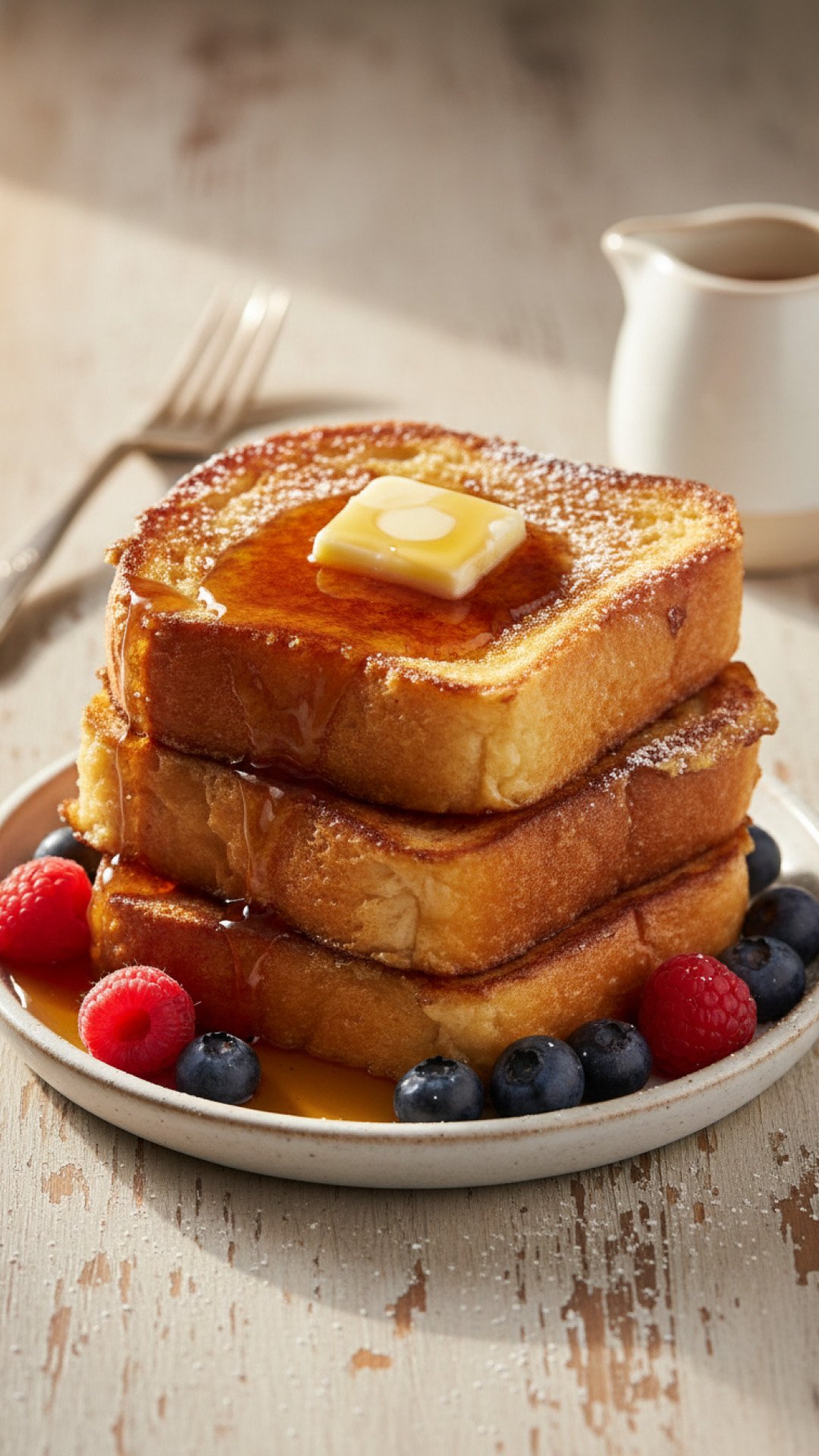
- Classic: A drizzle of warm maple syrup and a dusting of powdered sugar is always a winner.
- Fresh Fruit: Berries (strawberries, blueberries, raspberries), sliced bananas, or peaches add freshness and natural sweetness.
- Whipped Cream: A dollop of freshly whipped cream takes it to a decadent level.
- Nutty Crunch: Toasted pecans, walnuts, or almonds add a delightful texture.
- Chocolate Lovers: Chocolate chips (mini or regular), chocolate syrup, or even a sprinkle of cocoa powder.
- Compotes & Sauces: Berry compote, apple pie filling, or a warm caramel sauce can turn this into a dessert-worthy dish.
- Savory Twist: For a surprisingly delicious combination, serve alongside crispy bacon or sausage. The sweet and savory contrast is incredible.
- Brunch Pairings: French toast is the star of any brunch table. Consider pairing it with a refreshing Mimosa for the ultimate weekend treat. If you’re looking for a make-ahead option, check out our Overnight French Toast Casserole!
Nutrition Information
Here’s a breakdown of the estimated nutrition information per serving for this delectable best French toast recipe:
| Nutrient | Amount |
|---|---|
| Calories | 350 kcal |
| Carbohydrates | 45g |
| Cholesterol | 150mg |
| Fat | 15g |
| Fiber | 2g |
| Protein | 12g |
| Saturated Fat | 8g |
| Serving Size | 2 slices |
| Sodium | 400mg |
| Sugar | 18g |
| Trans Fat | 0.5g |
| Unsaturated Fat | 6g |
*Note: Nutritional values are estimates and may vary based on specific ingredients and preparation methods.
Conclusion
And there you have it – my tried-and-true secrets for creating the best French toast recipe. This isn’t just about a meal; it’s about an experience, a moment of joy and comfort that can brighten any morning. From selecting the perfect bread to mastering the soak and cook, every step contributes to a dish that is truly special. I encourage you to try this recipe and make it your own. Experiment with toppings, share it with loved ones, and create new memories around your breakfast table. May your mornings be filled with the golden glow and irresistible aroma of truly spectacular French toast. Happy cooking, and even happier eating!
FAQs
What type of bread is best for the best French toast recipe?
For the absolute best French toast recipe, I highly recommend using day-old brioche or challah bread. These breads have a rich flavor and sturdy texture that can absorb the custard without becoming soggy, ensuring a perfectly custardy interior and a golden-brown crust. If your bread is fresh, you can lightly toast it in the oven to dry it out slightly.
How do you prevent French toast from being soggy?
To prevent soggy French toast, the key is the right bread and proper soaking time. Use a sturdy, day-old bread like brioche or challah. Don’t over-soak; let the bread absorb enough batter to be moist but not fully saturated. Also, ensure your skillet is preheated to medium heat and not overcrowded, allowing the French toast to cook evenly and crisp up, contributing to the best French toast recipe.
Can I make French toast batter ahead of time?
Yes, you can absolutely make the French toast batter ahead of time! Whisk all the ingredients together and store it in an airtight container in the refrigerator for up to 2 days. This makes busy mornings much easier when you want to quickly whip up the best French toast recipe. Just give it a quick whisk again before soaking your bread.
What are the best toppings for French toast?
The best French toast recipe calls for delicious toppings! Classic choices include warm maple syrup and a dusting of powdered sugar. Other popular options are fresh berries (strawberries, blueberries), sliced bananas, whipped cream, a sprinkle of nuts (pecans, walnuts), chocolate chips, or a warm fruit compote. Don’t be afraid to experiment with your favorites!
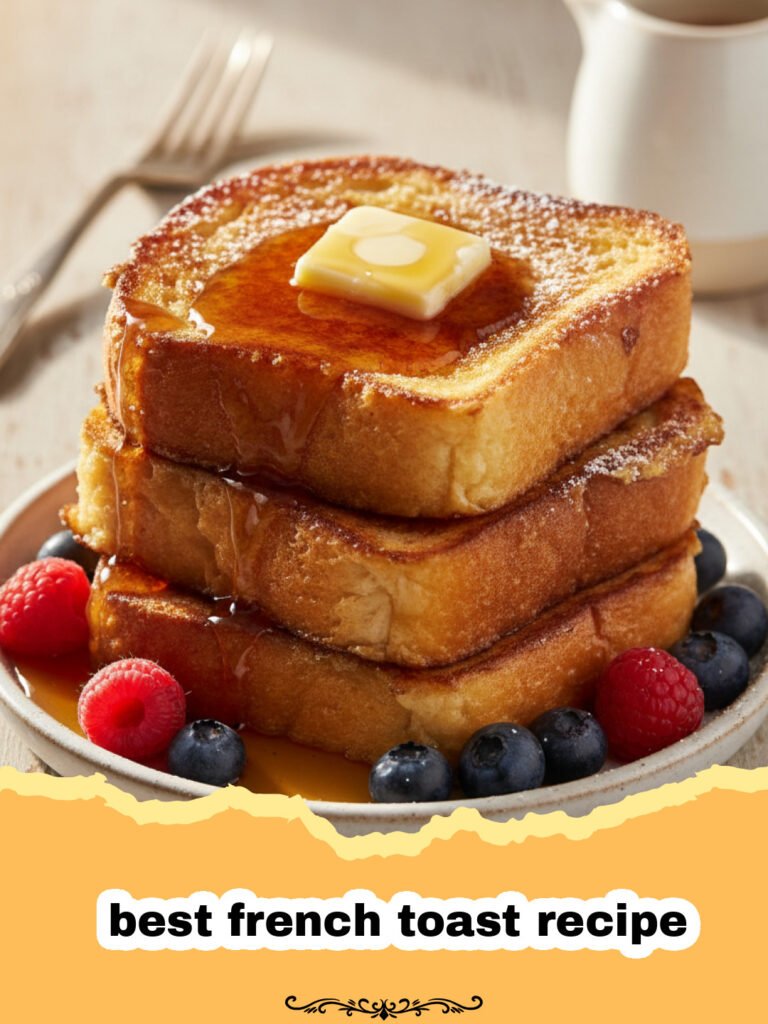
The Best French Toast Recipe: Classic & Custardy
Unlock the secret to perfectly custardy, golden-brown French toast with this easy-to-follow recipe. Using a blend of milk and cream, vanilla, and the right bread, you’ll achieve breakfast perfection every time. This is truly the best French toast recipe you’ll ever make!
- Total Time: 25 minutes
- Yield: 4 servings (8 slices) 1x
Ingredients
8 slices brioche or challah bread (1-inch thick, preferably day-old)
4 large eggs
1/2 cup whole milk
1/4 cup heavy cream
1/4 cup granulated sugar
1 teaspoon pure vanilla extract
1/2 teaspoon ground cinnamon
1/4 teaspoon freshly grated nutmeg
Pinch of salt
2–3 tablespoons unsalted butter, for cooking
Optional toppings: maple syrup, powdered sugar, fresh berries, whipped cream
Instructions
Step 1: In a large, shallow dish (like a pie plate or baking dish), whisk together the eggs, whole milk, heavy cream, granulated sugar, vanilla extract, ground cinnamon, ground nutmeg, and a pinch of salt until thoroughly combined and slightly frothy. Ensure no streaks of egg white remain.
Step 2: Place the bread slices into the egg mixture, one or two at a time, ensuring they are fully submerged. Let them soak for 30 seconds to 1 minute per side for standard slices, or up to 2-3 minutes per side for very thick slices. The bread should absorb a good amount of liquid without becoming overly saturated or falling apart.
Step 3: While the bread soaks, heat a large non-stick skillet or griddle over medium heat. Add 1 tablespoon of unsalted butter and swirl to melt and coat the pan. The butter should be shimmering.
Step 4: Carefully lift each soaked bread slice, allowing any excess batter to drip off. Place the slices onto the hot skillet, making sure not to overcrowd the pan (cook in batches if necessary). Cook for 3-4 minutes per side, or until deeply golden brown and cooked through. The internal temperature should be around 165°F (74°C).
Step 5: Transfer the cooked French toast slices to a wire rack set over a baking sheet and place them in a warm oven (around 200°F / 93°C) to keep them warm while you cook the remaining slices. Add more butter to the pan as needed for subsequent batches.
Step 6: Serve the French toast immediately with your favorite toppings such as warm maple syrup, a dusting of powdered sugar, fresh berries, or whipped cream. Enjoy your homemade, perfectly custardy French toast!
Notes
For the absolute best results, use day-old brioche or challah bread. If using fresh bread, lightly toast it in the oven for 5-10 minutes at 275°F (135°C) to slightly dry it out before soaking. Don’t rush the soaking process, but also be careful not to over-soak, which can lead to soggy French toast. Always cook on medium heat for even browning and a fully cooked interior. Serve immediately for optimal texture and flavor.
- Prep Time: 10 minutes
- Cook Time: 15 minutes
- Category: Sweet Breakfasts
- Cuisine: American
Nutrition
- Serving Size: 2 slices
- Calories: 350 kcal
- Sugar: 18g
- Sodium: 400mg
- Fat: 15g
- Saturated Fat: 8g
- Unsaturated Fat: 6g
- Trans Fat: 0.5g
- Carbohydrates: 45g
- Fiber: 2g
- Protein: 12g
- Cholesterol: 150mg
Keywords: best french toast recipe, french toast, easy french toast, custardy french toast, brioche french toast, breakfast recipe, brunch recipe, sweet breakfast, homemade french toast, classic french toast