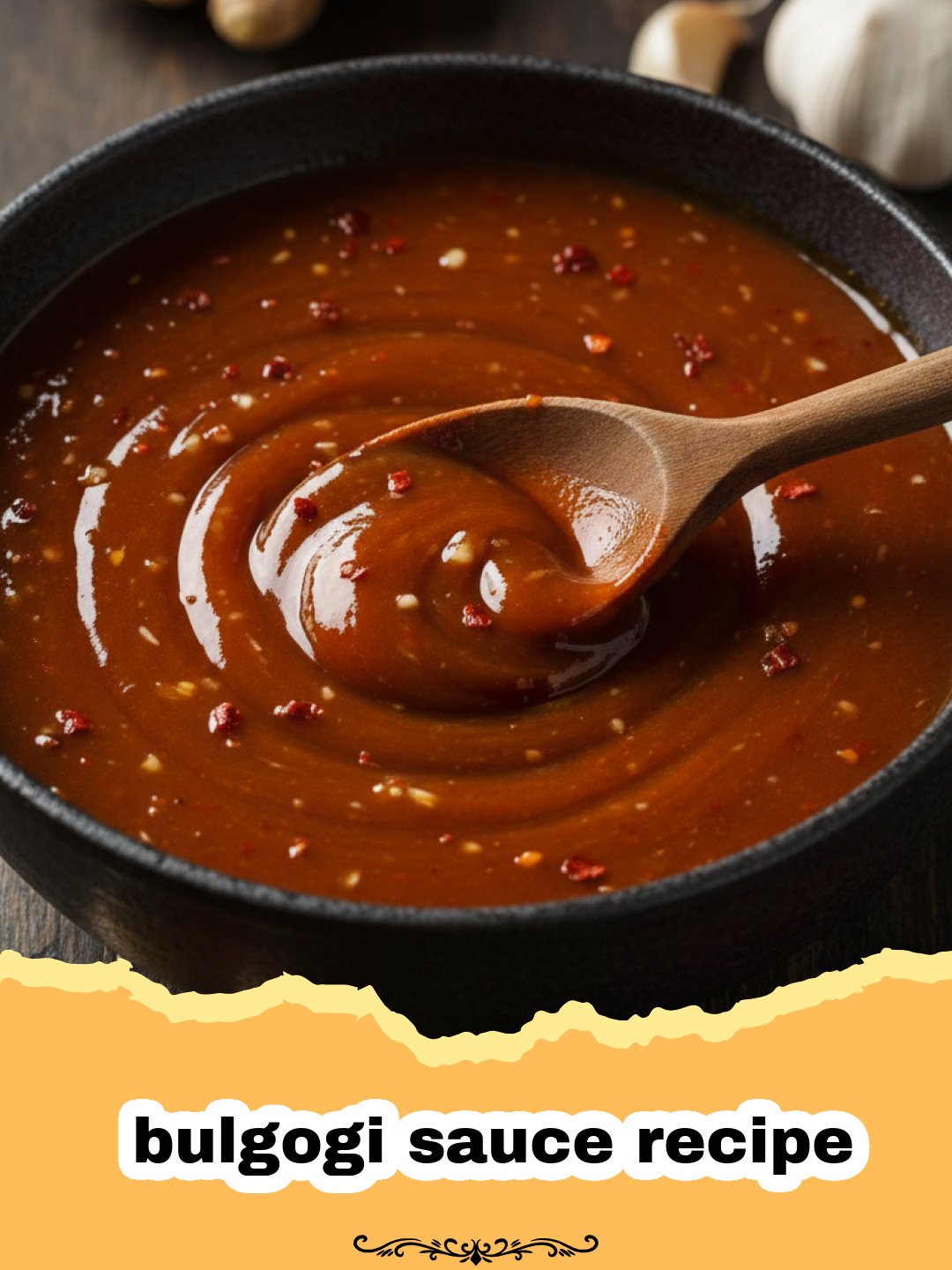
Finding the perfect bulgogi sauce recipe was a journey that started in a tiny, steam-filled kitchen in the heart of Seoul. I remember the first time I sat at a traditional floor table, the scent of sizzling beef and sweet aromatics filling the air. The secret, the grandmotherly chef told me through a translator, wasn’t just in the meat, but in the patience of the marinade. Since that day, I have spent years perfecting this authentic bulgogi sauce recipe to bring those vibrant Korean flavors into my own home. This sauce is a masterclass in balance: it is salty from the soy, sweet from the fruit, and deeply savory thanks to the aromatics. Whether you are planning a massive backyard grill-out or a simple weeknight stir-fry, mastering this bulgogi sauce recipe will elevate your cooking to a professional level.
Why This Recipe is a Must-Try
- Authentic Flavor Profile: This bulgogi sauce recipe uses traditional Korean techniques, including the use of grated Asian pear to naturally tenderize the meat.
- Versatility Beyond Beef: While classic for ribeye, this marinade works wonders on pork, chicken, and even firm tofu.
- Long Shelf Life: You can make a large batch and store it in your refrigerator for quick meals throughout the week.
- Better Than Store-Bought: Most bottled versions are loaded with corn syrup and preservatives; this bulgogi sauce recipe uses fresh, whole ingredients for a cleaner taste.
If you love exploring international flavors, you might also want to try my The Ultimate 5-Minute Dumpling Sauce Recipe: Better Than Takeout which shares a similar savory profile. For a different twist on Asian fusion, my The Ultimate Thai Peanut Sauce Recipe: Creamy, Tangy, and Perfectly Spicy is another pantry staple I highly recommend.
Key Ingredient Notes
The Role of the Asian Pear
In any high-quality bulgogi sauce recipe, the Asian pear (Nashi) is the star of the show. It contains an enzyme called calpain, which acts as a natural meat tenderizer. Unlike chemical tenderizers, the pear gently breaks down the proteins in the meat without making it mushy. If you cannot find an Asian pear, a sweet Bosc pear or even a Red Delicious apple can work as a substitute, though the texture of this bulgogi sauce recipe is best with the original fruit.
Soy Sauce Selection
The foundation of this bulgogi sauce recipe is soy sauce. For the best results, use a naturally brewed Korean soy sauce (Jinganjang). It has a deeper, more complex flavor than standard supermarket varieties. If you are watching your sodium intake, a low-sodium soy sauce is a perfectly acceptable swap, though you may want to add an extra pinch of brown sugar to maintain the balance of the bulgogi sauce recipe.
Toasted Sesame Oil
Never skip the sesame oil in your bulgogi sauce recipe. It provides that signature nutty aroma that defines Korean cuisine. Ensure your oil is “toasted” for the most intense flavor. A little goes a long way, but it is essential for the mouthfeel and richness of the final dish.
Step-by-Step Guide with Pro Tips
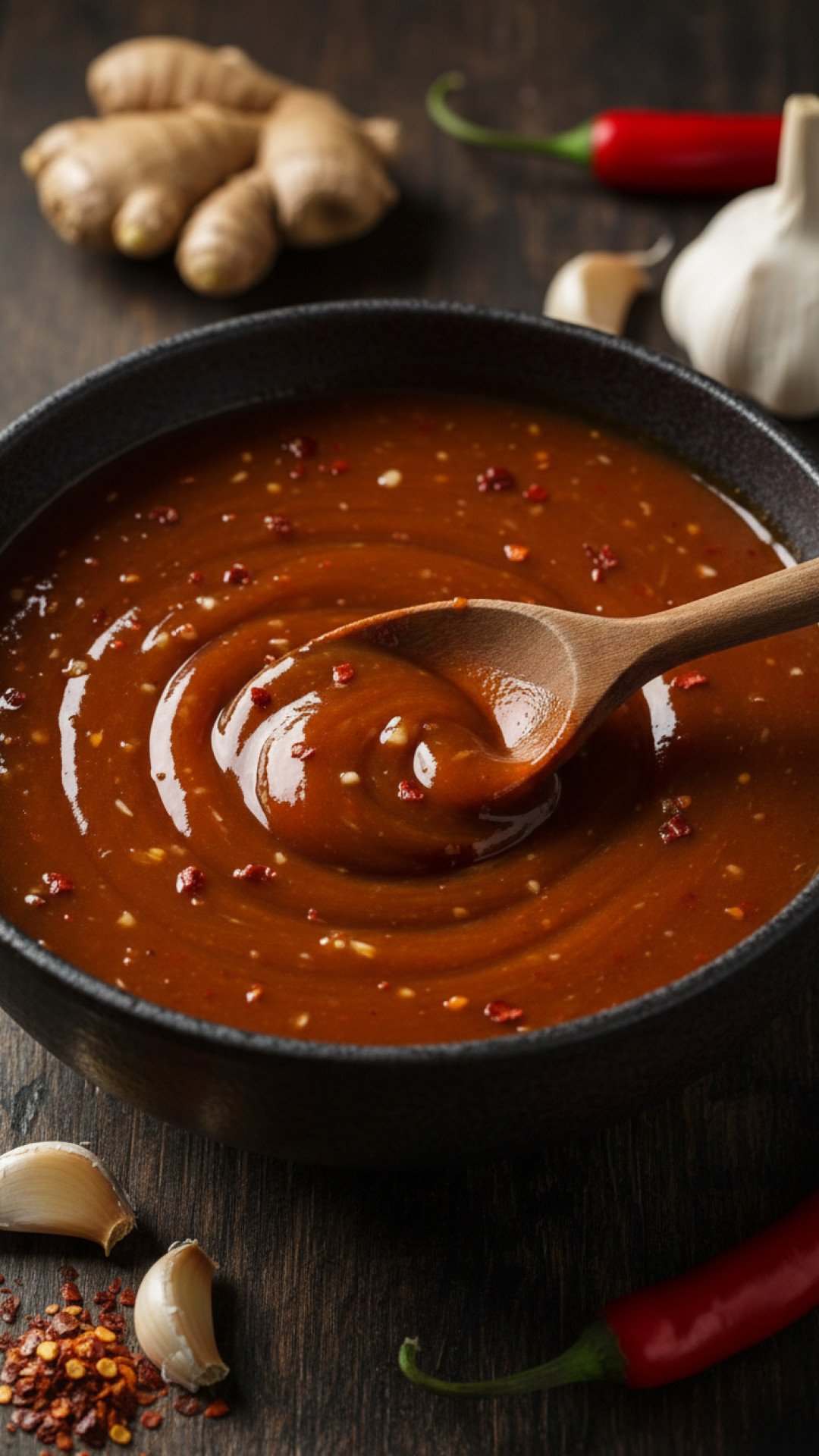
Creating this bulgogi sauce recipe is relatively simple, but the order of operations matters to ensure the flavors meld correctly. Preparation is key to getting the most out of these fresh ingredients.
Preparation of Aromatics
First, you need to prepare your pear, garlic, and ginger. I recommend using a microplane or a fine grater. For this bulgogi sauce recipe, we want the ingredients to be almost a paste so they can coat every millimeter of the meat. If you leave them in large chunks, they won’t penetrate the fibers as effectively.
Mixing the Liquid Base
In a large glass bowl, combine your soy sauce, brown sugar, and sesame oil. Whisk them together until the sugar is completely dissolved. Many people rush this part of the bulgogi sauce recipe, but ensuring the sugar is dissolved prevents it from burning too quickly on the grill. Once dissolved, stir in the grated pear and aromatics. Once your sauce is ready, I recommend storing any leftovers in Basics Glass Food Storage to keep it fresh and odor-free in the fridge.
The Marination Process
When using this bulgogi sauce recipe for beef, thinly sliced ribeye or sirloin is best. Pour the sauce over the meat and massage it in with your hands (wear gloves if you prefer). Let it sit for at least 30 minutes, though 4 to 24 hours is ideal for the deepest flavor penetration. The sugar in the bulgogi sauce recipe will help the meat caramelize beautifully when it hits the heat.
Variations & Serving Suggestions
This bulgogi sauce recipe is incredibly adaptable. If you prefer a bit of heat, add a tablespoon of Gochugaru (Korean red chili flakes) or a dollop of Gochujang paste. This transforms the classic sweet-savory profile into something with a spicy kick.
For serving, the most traditional way to enjoy a dish made with this bulgogi sauce recipe is with steamed white rice and ssam (lettuce wraps). Place a piece of the marinated meat inside a red leaf lettuce leaf, add a small smear of ssamjang (soybean paste), and some kimchi. For a modern twist, use the meat from this bulgogi sauce recipe in tacos, topped with a quick slaw and sriracha mayo.
Nutrition Information
While this sauce is rich in flavor, it is relatively moderate in calories when spread across multiple servings. Here is the nutritional breakdown for one serving of the bulgogi sauce recipe (approximately 2 tablespoons).
| Nutrient | Amount per Serving |
|---|---|
| Calories | 75 kcal |
| Total Fat | 3.5g |
| Saturated Fat | 0.5g |
| Cholesterol | 0mg |
| Sodium | 850mg |
| Total Carbohydrates | 10g |
| Dietary Fiber | 0.5g |
| Sugars | 8g |
| Protein | 1g |
Please note that the sodium content in this bulgogi sauce recipe comes primarily from the soy sauce. If you are on a heart-healthy diet, consider substituting with coconut aminos for a lower-sodium alternative that still captures the essence of the bulgogi sauce recipe.
Conclusion
Making your own bulgogi sauce recipe at home is one of the most rewarding ways to dive into Korean cooking. It is a simple mixture that yields complex, addictive results. I hope this bulgogi sauce recipe becomes a staple in your kitchen just as it has in mine. Don’t be afraid to experiment with the ratios to find your perfect balance of sweet and salty. Happy cooking!
FAQs
How long can I store this bulgogi sauce recipe in the fridge?
You can store this bulgogi sauce recipe in an airtight container in the refrigerator for up to 7 days. Because it contains fresh pear and aromatics, it is best used within a week for optimal flavor.
Can I use this bulgogi sauce recipe for chicken or pork?
Absolutely! While traditionally used for beef, this bulgogi sauce recipe works wonderfully as a marinade for thinly sliced pork shoulder or chicken thighs. The pear enzymes will tenderize those meats just as effectively.
What is the best substitute for Asian pear in a bulgogi sauce recipe?
The best substitute for Asian pear in a bulgogi sauce recipe is a sweet Bosc pear or a Fuji apple. Kiwi also works as a powerful tenderizer, but use only half as much as it is much more potent than pear.
Is this bulgogi sauce recipe gluten-free?
As written with standard soy sauce, it is not gluten-free. However, you can easily make this bulgogi sauce recipe gluten-free by substituting the soy sauce with Tamari or coconut aminos.
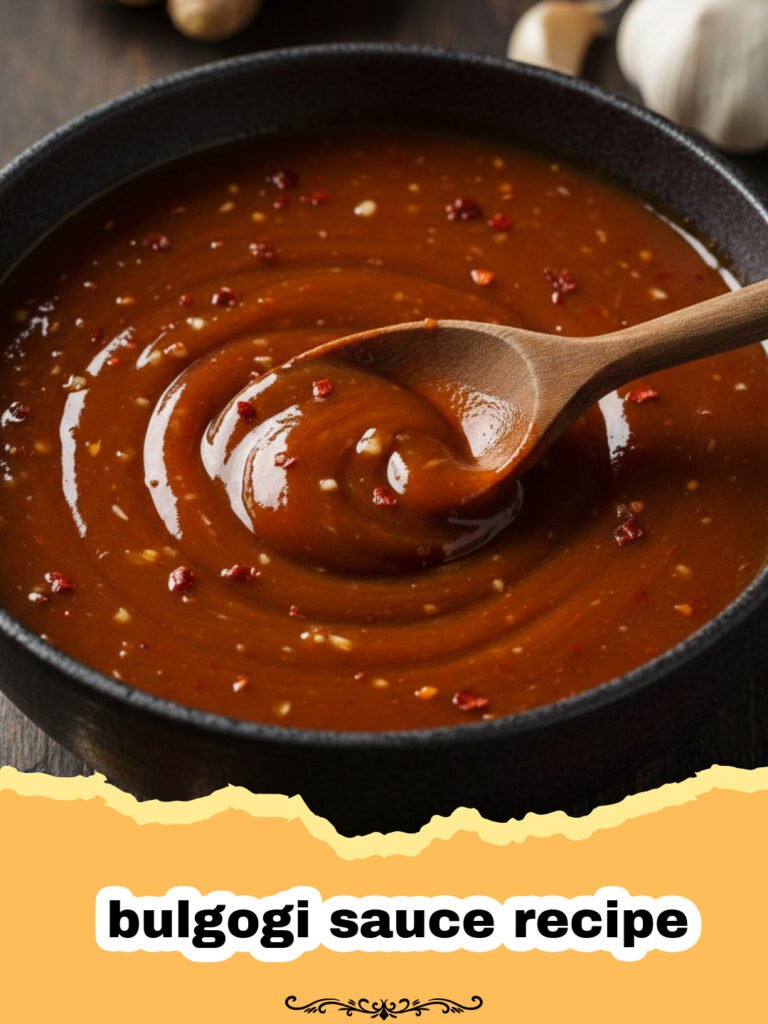
Authentic Korean Bulgogi Sauce
A classic, savory, and sweet bulgogi sauce recipe featuring Asian pear as a natural meat tenderizer. Perfect for beef, chicken, or pork.
- Total Time: 15 minutes
- Yield: 1.5 cups 1x
Ingredients
1/2 cup soy sauce (preferably Korean Jinganjang)
1/3 cup brown sugar, packed
1/2 Asian pear, grated (about 1/2 cup)
3 tablespoons toasted sesame oil
3 tablespoons minced garlic
1 teaspoon grated fresh ginger
2 green onions, finely chopped
1/2 teaspoon black pepper
1 tablespoon toasted sesame seeds (optional)
Instructions
Step 1: Grate the Asian pear using a fine grater or microplane until you have about 1/2 cup of pulp and juice.
Step 2: In a medium mixing bowl, combine the soy sauce and brown sugar. Whisk vigorously until the sugar is fully dissolved.
Step 3: Add the grated pear, minced garlic, grated ginger, and chopped green onions to the soy sauce mixture.
Step 4: Stir in the toasted sesame oil and black pepper until well combined.
Step 5: Fold in the toasted sesame seeds if using. The sauce is now ready to be used as a marinade or stored.
Step 6: To marinate meat, pour the sauce over 1-1.5 lbs of thinly sliced beef and refrigerate for at least 30 minutes before cooking.
Notes
If Asian pear is unavailable, substitute with a sweet apple or Bosc pear. For a gluten-free version, use Tamari.
- Prep Time: 15 minutes
- Cook Time: 0 minutes
- Category: Main Dishes
- Cuisine: Korean
Nutrition
- Serving Size: 2 tablespoons
- Calories: 75 kcal
- Sugar: 8g
- Sodium: 850mg
- Fat: 3.5g
- Saturated Fat: 0.5g
- Unsaturated Fat: 3g
- Trans Fat: 0g
- Carbohydrates: 10g
- Fiber: 0.5g
- Protein: 1g
- Cholesterol: 0mg
Keywords: bulgogi sauce recipe, korean bbq marinade, asian pear marinade, easy bulgogi sauce, authentic korean sauce