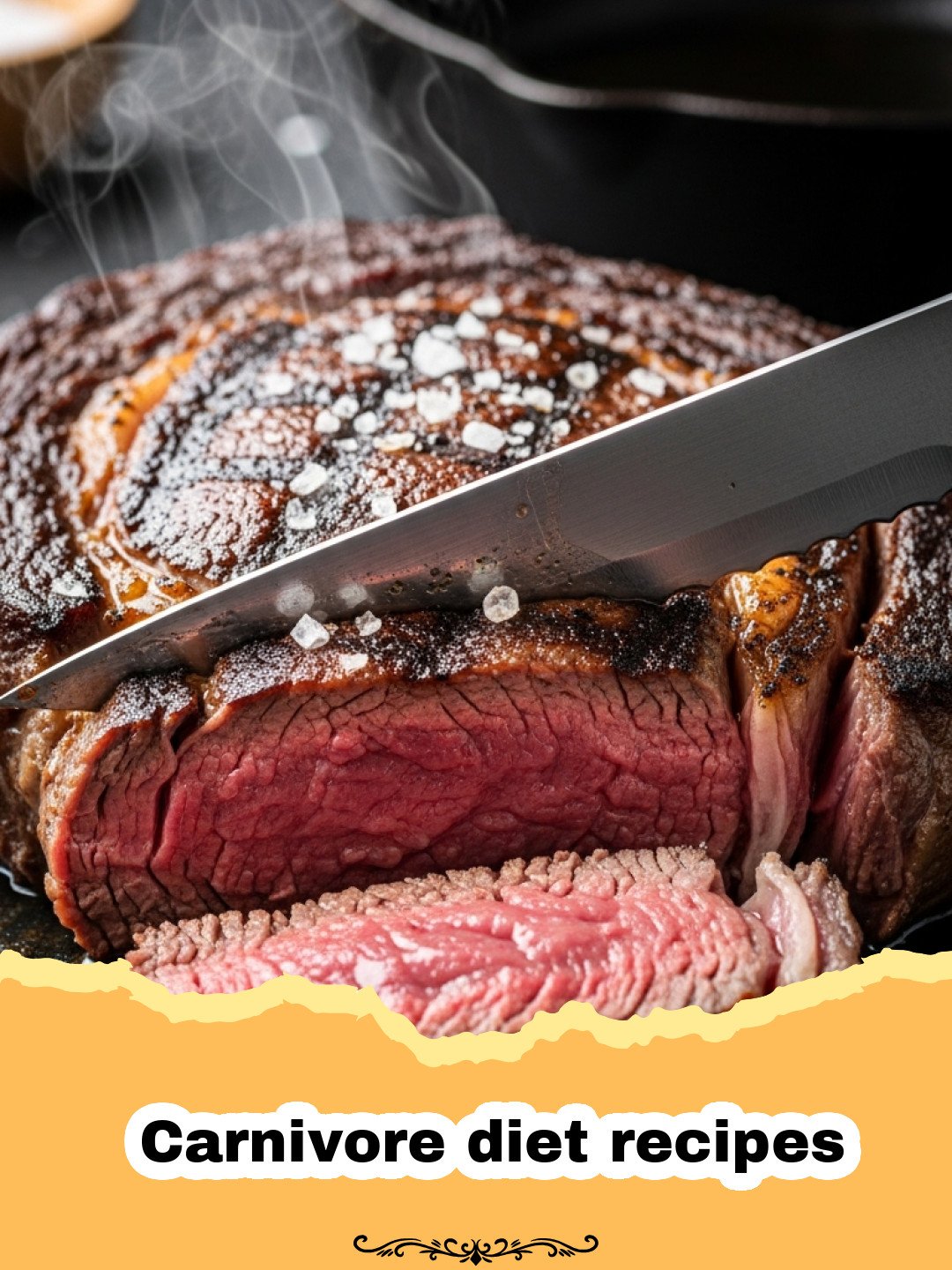
Exploring the world of carnivore diet recipes has completely transformed my relationship with food and my overall health, leading me to a path of simplicity and vitality. For years, I struggled with persistent brain fog and digestive issues that seemed to follow every meal, no matter how many ‘healthy’ vegetables I piled onto my plate. It wasn’t until I stripped back the noise and focused on animal-based nutrition that I finally felt like myself again. This specific recipe for a slow-roasted ribeye is the cornerstone of my routine. When people ask me why I transitioned, I tell them it wasn’t just about the weight I lost, but about the mental clarity I gained. Carnivore diet recipes are not about deprivation; they are about choosing the most nutrient-dense foods on the planet. Walking into the kitchen and knowing that a beautiful cut of beef is all I need to feel my best is incredibly liberating.
Why This Recipe is a Must-Try
When it comes to carnivore diet recipes, the ribeye roast stands alone as the gold standard for several reasons:
- Unmatched Nutrient Density: This roast is packed with essential vitamins like B12, zinc, and iron, providing everything your body needs in a highly bioavailable form.
- Optimal Fat-to-Protein Ratio: Success with carnivore diet recipes often depends on getting enough healthy animal fats for energy, and the ribeye is naturally marbled to perfection.
- Simplified Meal Prep: One large roast can provide several days of meals, making it one of the most efficient carnivore diet recipes for busy professionals.
- Digestive Ease: By removing plant toxins and fibers, this recipe allows your gut to rest and heal while still providing maximum satiety.
Key Ingredient Notes
To truly master carnivore diet recipes, you must focus on the quality of your primary ingredients. Since we aren’t using sauces or spices, the integrity of the meat is paramount.
The Ribeye Roast
Choose a roast that has significant intramuscular fat, also known as marbling. If possible, opt for grass-fed and grass-finished beef to maximize the Omega-3 fatty acid profile. The fat is where the flavor and the energy come from in carnivore diet recipes. If you are coming from a background of lean proteins, like those found in Healthy and Delicious: The Ultimate 20-Minute Ground Chicken Teriyaki Bowls, you will be amazed at how much more satisfied you feel with a fatty ribeye.
High-Quality Salt
Salt is the only ‘seasoning’ required here. I prefer using a coarse sea salt or ancient pink Himalayan salt. Salt is crucial in carnivore diet recipes because it helps maintain electrolyte balance, which is especially important during the initial transition phase of the diet. It also helps create that beautiful crust that makes the meat so crave-able.
Beef Tallow or Ghee
While the roast has its own fat, adding a little extra tallow or ghee for the initial sear can enhance the flavor profile. Tallow is a staple in many carnivore diet recipes because it has a high smoke point and provides a deep, rich animal flavor that vegetable oils simply cannot match.
Step-by-Step Guide with Pro Tips
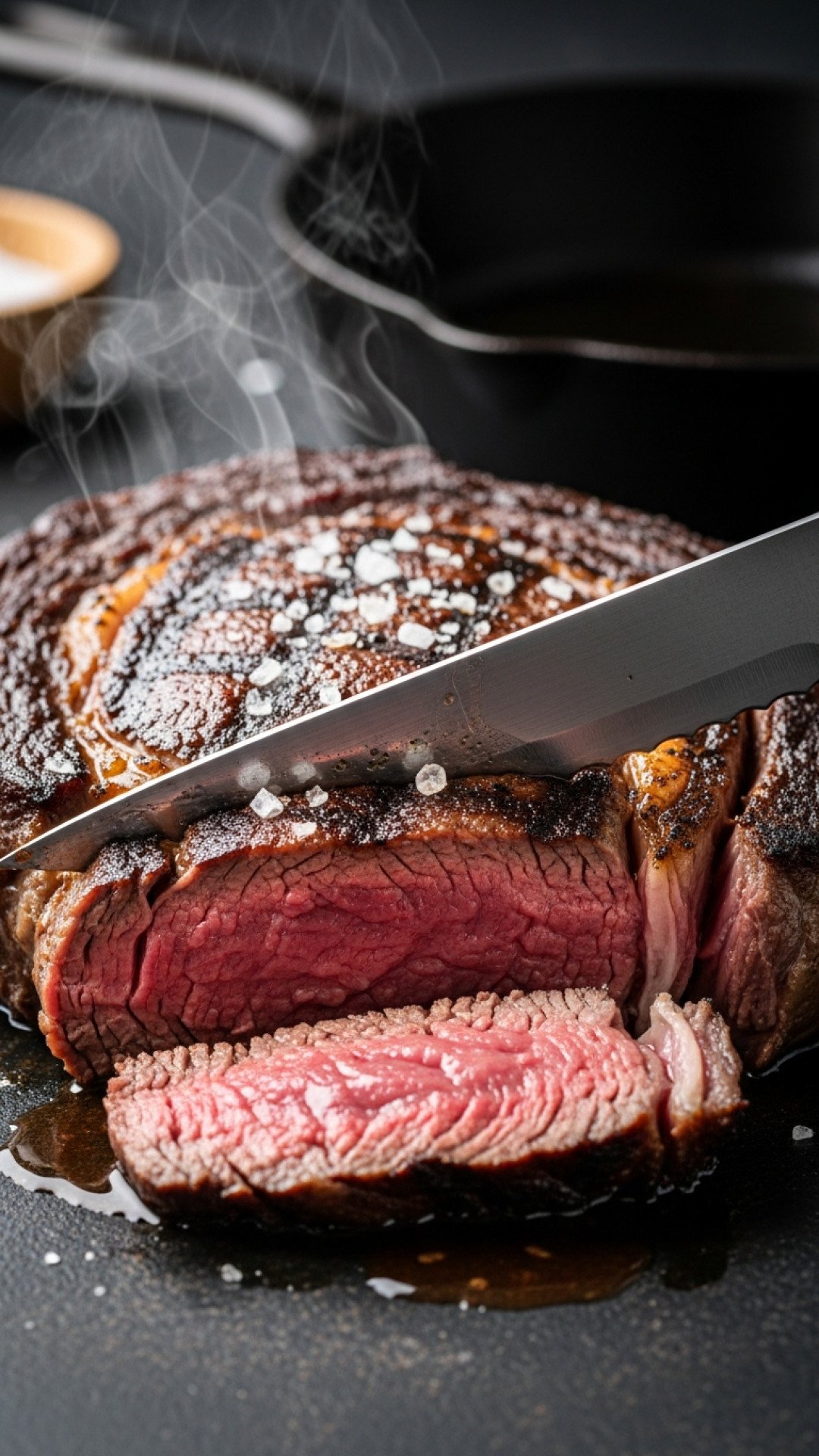
Preparation is the key to elevating carnivore diet recipes from simple meals to culinary experiences. This method ensures a tender, juicy interior with a perfectly salted exterior.
Pre-Salting and Tempering
Start by salting your roast liberally on all sides at least 24 hours in advance. This process, known as dry brining, allows the salt to penetrate deep into the muscle fibers, seasoning the meat from the inside out. Place it on a wire rack in the fridge to allow air circulation. This is a common secret among those who frequently cook carnivore diet recipes to ensure the meat is never bland.
The Reverse Sear Method
We will be using a low-and-slow approach followed by a high-heat sear. This ensures even cooking throughout the entire cut of meat. If you have ever enjoyed The Ultimate Garlic Herb Rib Roast Recipe for Special Occasions, you know how important temperature control is for a large roast. However, in our carnivore diet recipes version, we let the natural beef flavors shine without the garlic and herbs.
The Searing Phase
Once the internal temperature reaches about 115°F (46°C), remove it from the oven and let it rest. Then, finish it in a hot cast-iron skillet with a bit of tallow. This creates the Maillard reaction, giving you that incredible crust that defines the best carnivore diet recipes. After cooking, storage is key. I highly recommend using Basics Glass Food Storage to keep your leftovers fresh and ready for a quick snack or meal the next day.
Variations & Serving Suggestions
The beauty of carnivore diet recipes is their adaptability within the strict framework of animal-based eating. You can easily tweak this roast to suit your preferences.
- The Smoked Variation: If you have a smoker, try using hickory or oak wood to add a deep smokey dimension to your carnivore diet recipes.
- Bone-In vs. Boneless: Cooking the roast on the bone can provide even more flavor and offers the bonus of marrow and connective tissue to gnaw on, which is highly encouraged in carnivore diet recipes.
- The “Butter Baste”: For those who tolerate dairy, basting the roast in high-quality grass-fed butter during the final sear adds a creamy richness that is truly decadent.
- Side Pairings: While most carnivore diet recipes don’t include sides, a small bowl of warm bone broth or a few soft-boiled eggs can complement the roast perfectly.
For those who eventually want to reintroduce a small amount of dairy for dessert, checking out The Ultimate Vanilla Bean Ninja Creami Protein Ice Cream is a great way to stay high-protein while satisfying a sweet tooth.
Nutrition Information
Understanding the macros is vital for anyone tracking their progress with carnivore diet recipes. Below is an estimate for a standard 8oz serving of this ribeye roast.
| Nutrient | Amount per Serving |
|---|---|
| Calories | 650 kcal |
| Total Fat | 54g |
| Saturated Fat | 24g |
| Cholesterol | 180mg |
| Sodium | 450mg (variable) |
| Total Carbohydrates | 0g |
| Dietary Fiber | 0g |
| Sugars | 0g |
| Protein | 42g |
Conclusion
Embracing carnivore diet recipes like this ribeye roast is more than just a culinary choice; it is a commitment to biological optimization. By focusing on high-quality animal proteins and fats, you are providing your body with the building blocks it needs to thrive. This roast is the perfect introduction for beginners and a reliable staple for veterans. I hope this recipe brings the same sense of health and satisfaction to your table as it has to mine. Remember, the best carnivore diet recipes are the ones that make you feel your absolute best, so don’t be afraid to experiment with different cuts and cooking times until you find your perfect match. Happy cooking!
FAQs
Can I use other cuts of meat for carnivore diet recipes?
Yes! While ribeye is preferred for its fat content, you can use New York strip, picanha, or even brisket. The key for successful carnivore diet recipes is ensuring you have enough animal fat to sustain your energy levels.
How much salt should I use in carnivore diet recipes?
Salt is essential in carnivore diet recipes for both flavor and electrolyte balance. Generally, use about 1/2 to 1 teaspoon of high-quality salt per pound of meat, but adjust to your personal taste and activity level.
Is the carnivore diet safe for long-term use?
Many people find success with long-term carnivore diet recipes by focusing on nutrient-dense organ meats and high-quality fats. However, it is always recommended to consult with a healthcare professional before making major dietary changes.
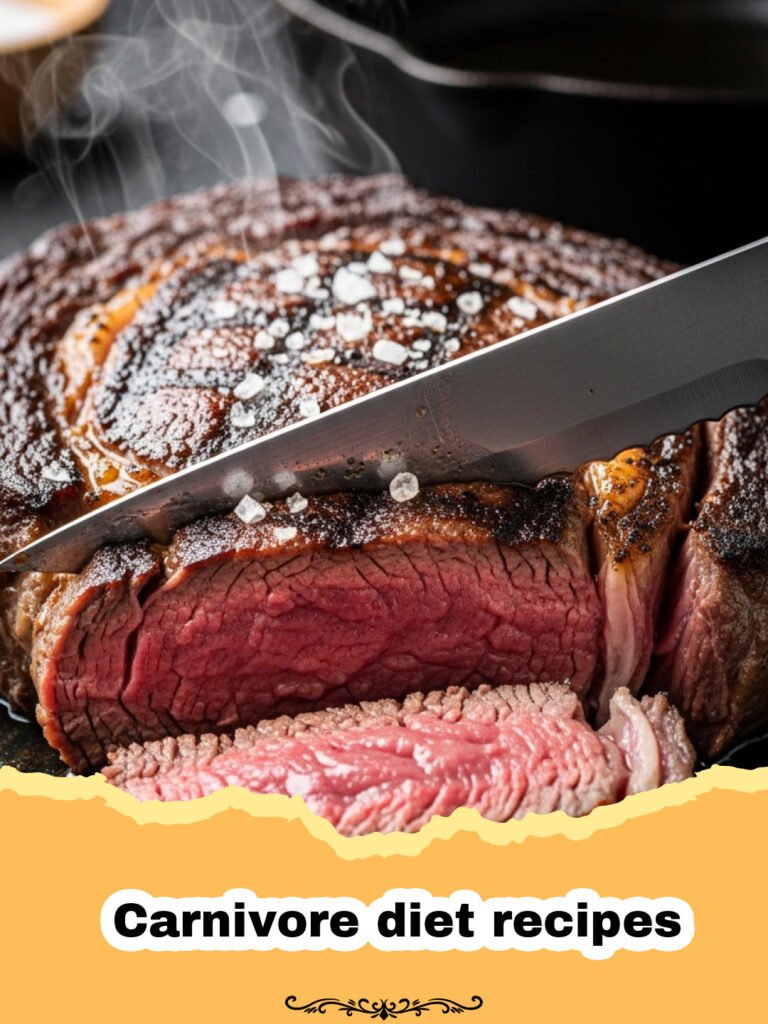
The Ultimate Carnivore Beef Ribeye Roast
A centerpiece of carnivore diet recipes, this slow-roasted ribeye is tender, fatty, and perfectly seasoned with just salt for maximum health benefits.
- Total Time: 3 hours 45 minutes
- Yield: 6 servings 1x
Ingredients
4–5 lb Beef Ribeye Roast (Grass-fed preferred)
2 tablespoons Coarse Sea Salt
1 tablespoon Beef Tallow (for searing)
Instructions
Step 1: Remove the ribeye roast from its packaging and pat it completely dry with paper towels. Moisture is the enemy of a good crust in carnivore diet recipes.
Step 2: Liberally season all sides of the meat with the coarse sea salt. Place the roast on a wire rack over a baking sheet and refrigerate uncovered for 12-24 hours.
Step 3: Remove the roast from the refrigerator 1 hour before cooking to allow it to come to room temperature, ensuring even heat distribution.
Step 4: Preheat your oven to 250°F (120°C). Place the roast (still on the wire rack) into the oven.
Step 5: Roast until the internal temperature reaches 115°F (46°C) for rare or 120°F (49°C) for medium-rare. This usually takes about 20-30 minutes per pound.
Step 6: Remove the roast from the oven and tent loosely with foil. Let it rest for 20-30 minutes. This is a critical step in all carnivore diet recipes to retain juices.
Step 7: Heat a large cast-iron skillet over high heat and add the beef tallow. Once the pan is smoking hot, sear the roast for 1-2 minutes per side until a deep brown crust forms.
Step 8: Slice the roast into thick steaks and serve immediately, pouring any remaining pan juices over the meat.
Notes
Always use a meat thermometer for the best results. For carnivore diet recipes, the quality of the salt makes a significant difference in the final taste.
- Prep Time: 15 minutes
- Cook Time: 3 hours
- Category: Main Dishes
- Cuisine: American
Nutrition
- Serving Size: 8 oz
- Calories: 650
- Sugar: 0g
- Sodium: 450mg
- Fat: 54g
- Saturated Fat: 24g
- Unsaturated Fat: 26g
- Trans Fat: 0g
- Carbohydrates: 0g
- Fiber: 0g
- Protein: 42g
- Cholesterol: 180mg
Keywords: Carnivore diet recipes, Beef Roast, Keto, Zero Carb, Animal Based