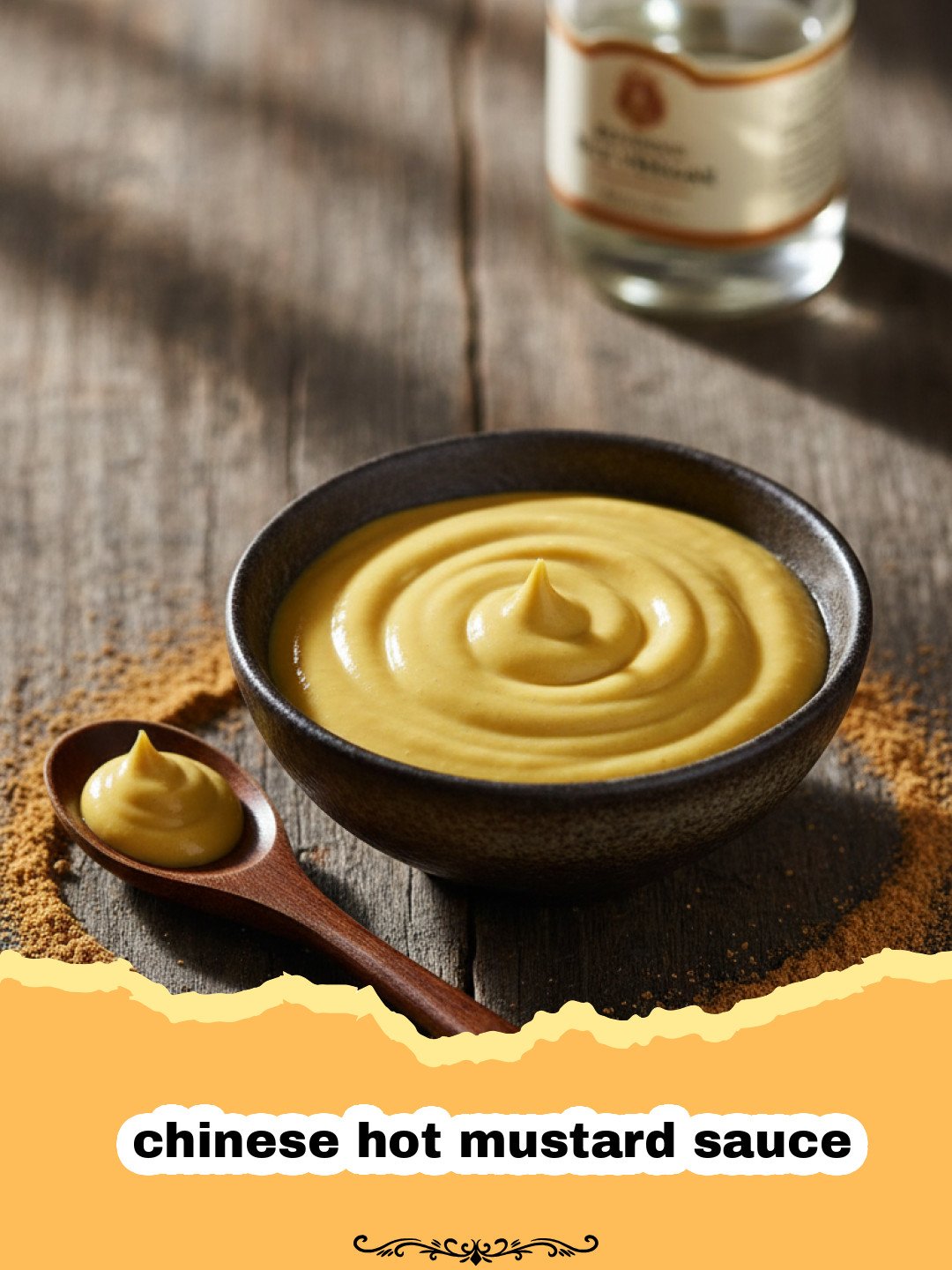
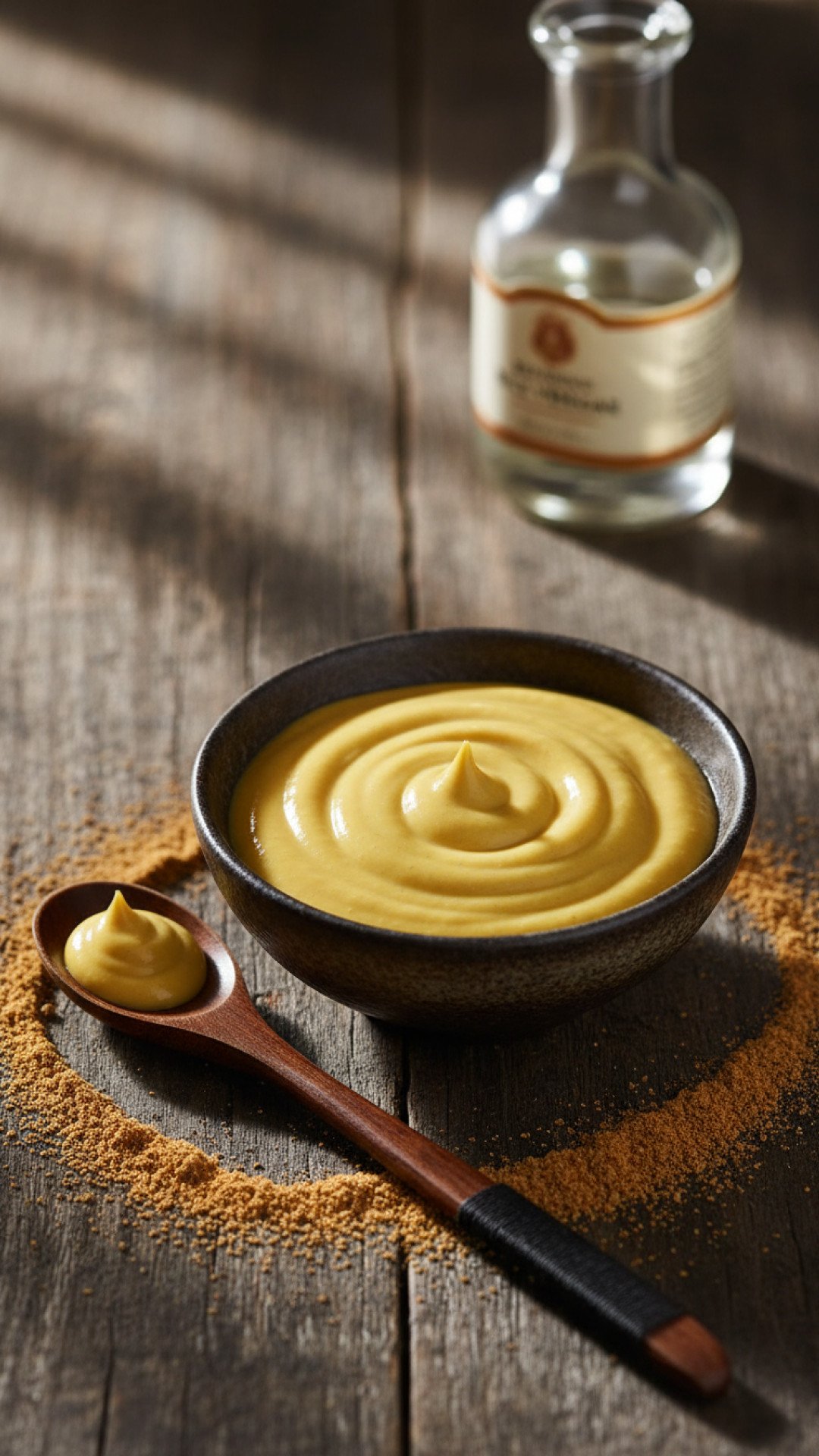
Mastering the art of making your own chinese hot mustard sauce is a game-changer for anyone who loves that signature, sinus-clearing heat that defines authentic dim sum experiences. I remember the first time I truly appreciated this condiment. I was at a tiny, steam-filled dumpling house in San Francisco’s Chinatown. The table was crowded with baskets of siu mai and har gow, but it was the unassuming little porcelain dish of pale yellow paste that caught my attention. I took a generous dip with my chopstick and—BAM! The heat was instantaneous, climbing right up my nose and bringing tears of joy to my eyes. It wasn’t the heavy, lingering heat of a chili pepper; it was clean, sharp, and fleeting. Since that day, I have been on a mission to recreate that perfect chinese hot mustard sauce at home, and I am thrilled to share the results with you today.
Why This Recipe is a Must-Try
- Unmatched Freshness: Unlike the packets found in takeout bags, this chinese hot mustard sauce is made fresh, ensuring the volatile oils that provide the heat are at their peak.
- Complete Control: You can adjust the intensity of the sinus-clearing kick simply by changing the temperature of the water you use during the mixing process.
- No Hidden Additives: This recipe uses only pure ingredients, avoiding the stabilizers and artificial colors often found in commercial jars.
- Versatile Pairings: This chinese hot mustard sauce is the perfect companion to my The Ultimate 15-Minute Vegetable Stir Fry for Busy Weeknights, providing a sharp contrast to savory soy-based dishes.
Key Ingredient Notes
The foundation of a great chinese hot mustard sauce is high-quality mustard powder. Unlike Western yellow mustard, which is often made from milder white seeds, authentic Chinese mustard uses brown mustard seeds (Brassica juncea). These seeds contain a higher concentration of the enzyme myrosinase and the compound sinigrin. When you add liquid to the dry powder, a chemical reaction occurs that creates allyl isothiocyanate—the spicy oil responsible for that pungent kick. To get the best results, look for a fine-ground English or Oriental mustard powder. If your powder has been sitting in the pantry for three years, it is time for a fresh tin; the potency fades significantly over time.
The second critical component is water. The temperature of the water dictates the flavor profile of your chinese hot mustard sauce. Cold water triggers a more aggressive enzymatic reaction, resulting in a much hotter sauce. Tepid or warm water yields a slightly milder, more nuanced heat. Never use boiling water, as it will actually denature the enzymes and leave you with a bitter, flavorless paste. Finally, a touch of acid, like rice vinegar, and a tiny bit of vegetable oil are often added. The vinegar helps to stabilize the heat and keep the sauce from losing its punch too quickly, while the oil provides a beautiful silken sheen and a smoother mouthfeel.
Step-by-Step Guide with Pro Tips
Creating this chinese hot mustard sauce is incredibly simple, but the technique is what separates a good sauce from a legendary one. Start by sifting your mustard powder into a small ceramic bowl. Sifting is vital because it removes any clumps, ensuring that every grain of powder is hydrated evenly. Gradually whisk in your cold water. You want to aim for a consistency similar to heavy cream or a thick pancake batter. Do not just dump the water in; slow incorporation creates a smoother emulsion.
Step 1: Sift 1/4 cup of high-quality mustard powder into a clean bowl to remove all lumps and ensure a smooth chinese hot mustard sauce.
Step 2: Slowly whisk in 3 to 4 tablespoons of cold filtered water. Continue whisking until the mixture is perfectly smooth and no dry pockets remain.
Step 3: Let the mixture sit undisturbed at room temperature for at least 15 minutes. This is the most important step! During this rest, the chemical reaction reaches its peak potency. If you taste it immediately, it will be bitter; the rest allows the heat to develop and the bitterness to mellow.
Step 4: Whisk in 1 teaspoon of rice vinegar and 1/2 teaspoon of vegetable oil. The vinegar will stabilize the heat level so it stays sharp for several hours. If you prefer a slightly thinner chinese hot mustard sauce, you can add another teaspoon of water at this stage.
Step 5: Give the sauce one final vigorous whisk and transfer it to a serving dish. If you aren’t serving it immediately, cover it tightly. Exposure to air is the enemy of the chinese hot mustard sauce, as it allows the spicy oils to evaporate.
Variations & Serving Suggestions
Once you have mastered the basic chinese hot mustard sauce, you can start experimenting with variations. For a “Sweet & Spicy” version, whisk in a teaspoon of honey or agave nectar. This is particularly delicious when served with crispy pork. If you want a creamy version that works as a spread for sandwiches, fold the finished mustard into a bit of high-quality mayonnaise. If you’re hosting a party, serve this alongside Homemade Crispy Chicken Spring Rolls for an explosion of flavor that will keep your guests coming back for more.
This chinese hot mustard sauce is not just for dipping. It can be used as a powerful ingredient in marinades for flank steak or as a secret weapon in your salad dressings. A small dollop whisked into a vinaigrette adds a complexity that is hard to pin down but impossible to ignore. To ensure your sauce remains as pungent as the day you made it, I recommend using Basics Glass Food Storage. Glass is non-reactive, which is essential for preserving the sharp, clean flavor of the mustard over several days in the refrigerator.
Nutrition Information
While we usually eat chinese hot mustard sauce in small quantities, it is surprisingly low in calories and fat, making it a guilt-free way to add a massive amount of flavor to your meals. Here is a breakdown of the nutritional content per serving (approximately 1 tablespoon).
| Nutrient | Amount per Serving |
|---|---|
| Calories | 15 kcal |
| Total Fat | 1g |
| Saturated Fat | 0.1g |
| Trans Fat | 0g |
| Unsaturated Fat | 0.8g |
| Cholesterol | 0mg |
| Sodium | 5mg |
| Total Carbohydrates | 1g |
| Dietary Fiber | 0.5g |
| Sugars | 0.2g |
| Protein | 1g |
| Serving Size | 1 tbsp |
Conclusion
Making your own chinese hot mustard sauce is a simple act that yields professional-level results. It transforms a standard meal into an authentic culinary experience with just a few minutes of effort. Whether you are dipping dim sum or looking to spice up your favorite stir fry, this recipe provides that unmistakable kick that only fresh mustard can deliver. I hope you enjoy the sinus-clearing heat and the bright, bold flavors of this kitchen staple. Don’t forget to let the sauce rest to reach its full potential, and always store it in an airtight container to keep that fire alive!
FAQs
Why is my chinese hot mustard sauce bitter?
If your chinese hot mustard sauce tastes bitter, it likely hasn’t rested long enough. The chemical reaction that creates the heat also produces a temporary bitterness that mellows out after about 15 minutes of resting at room temperature.
How long does homemade chinese hot mustard sauce last?
When stored in an airtight container in the refrigerator, the sauce will keep for up to two weeks. However, the ‘punch’ or heat level will gradually decline over time as the volatile oils dissipate.
Can I use regular yellow mustard powder?
While you can use it, standard yellow mustard powder is often made from white mustard seeds which are much milder. For an authentic chinese hot mustard sauce, look for powder labeled as ‘Oriental’ or ‘English’ mustard (like Colman’s).
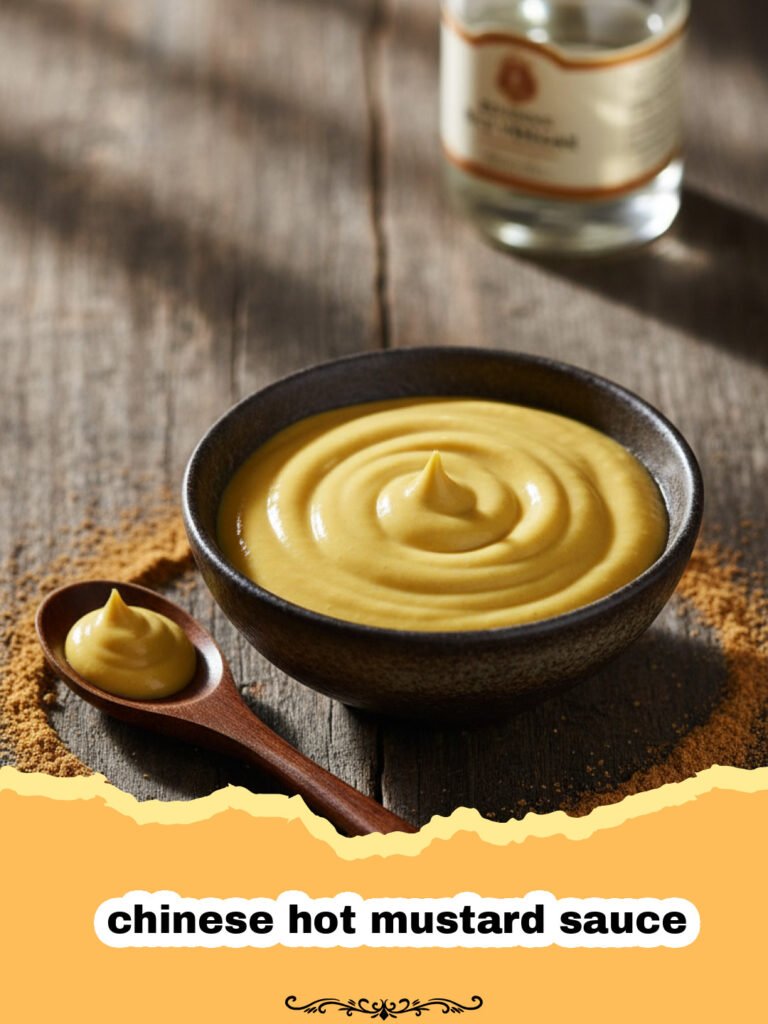
Authentic Chinese Hot Mustard Sauce
A powerful, sinus-clearing, and authentic Chinese hot mustard sauce made with just a few simple ingredients. Perfect for dim sum, spring rolls, and stir-fries.
- Total Time: PT20M
- Yield: 1/2 cup 1x
Ingredients
1/4 cup dry mustard powder (English or Oriental)
4 tablespoons cold water (adjust for desired consistency)
1 teaspoon rice vinegar
1/2 teaspoon vegetable oil
1/8 teaspoon salt (optional)
Instructions
Step 1: Sift the mustard powder into a small bowl to ensure there are no lumps in your sauce.
Step 2: Gradually whisk in the cold water until a smooth, creamy paste forms.
Step 3: Allow the mixture to rest at room temperature for 15 minutes to let the heat develop fully.
Step 4: Stir in the rice vinegar and vegetable oil until well combined and glossy.
Step 5: Serve immediately or store in an airtight container in the refrigerator.
Notes
For maximum heat, use ice-cold water. For a milder version, use lukewarm water. Always let the sauce rest for 15 minutes before serving to remove the initial bitterness.
- Prep Time: PT5M
- Cook Time: PT0M
- Category: Appetizers & Snacks
- Cuisine: Chinese
Nutrition
- Serving Size: 1 tablespoon
- Calories: 15 kcal
- Sugar: 0.2g
- Sodium: 5mg
- Fat: 1g
- Saturated Fat: 0.1g
- Unsaturated Fat: 0.8g
- Trans Fat: 0g
- Carbohydrates: 1g
- Fiber: 0.5g
- Protein: 1g
- Cholesterol: 0mg
Keywords: chinese hot mustard sauce, spicy mustard recipe, dim sum sauce, homemade chinese mustard, hot mustard