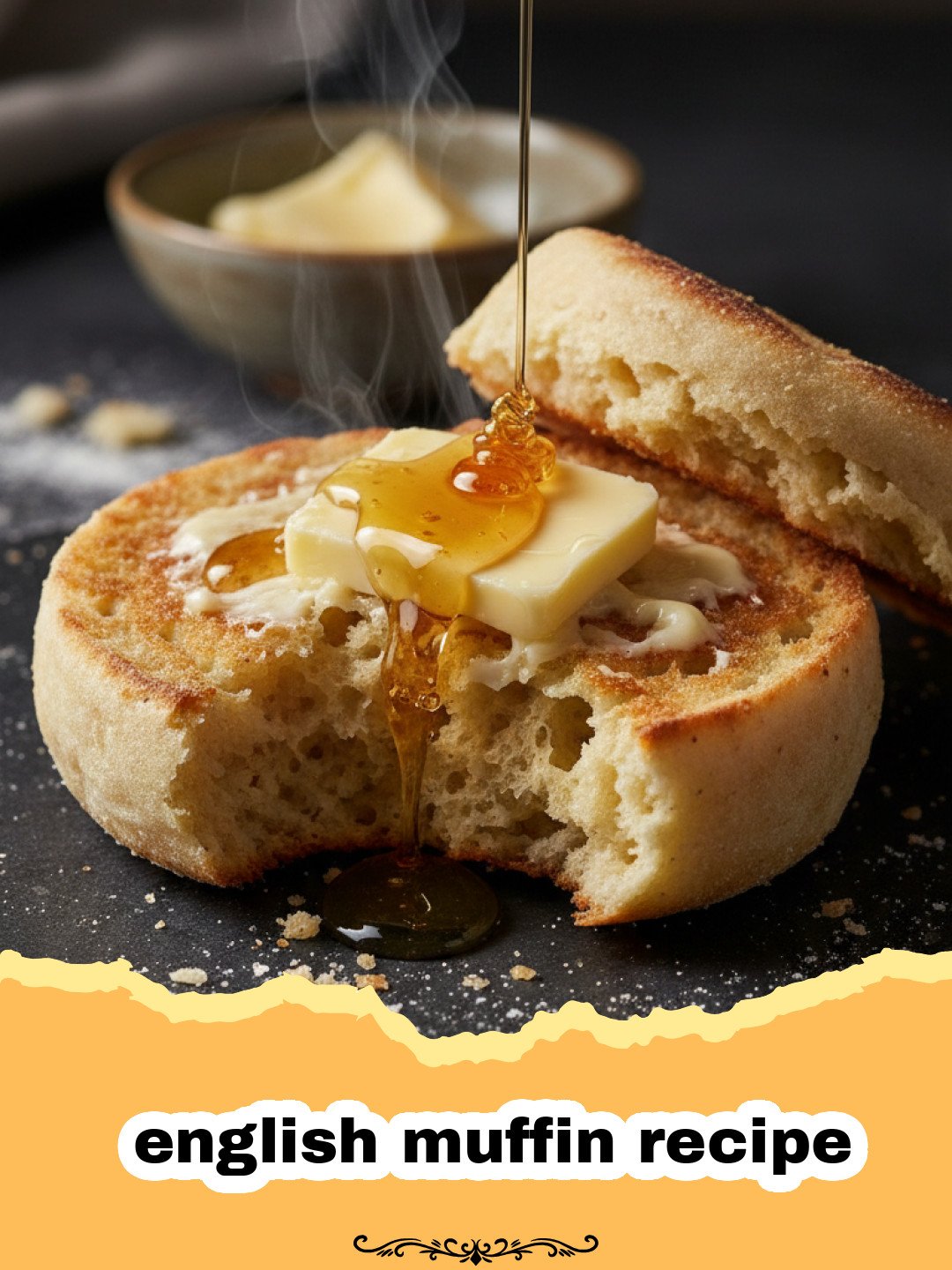
There’s something uniquely comforting about a warm, perfectly toasted English muffin, split open to reveal its craggy, porous interior, ready to soak up butter, jam, or perhaps a perfectly poached egg. For years, I relied on store-bought versions, always yearning for that elusive, superior texture I knew existed. My journey to find the perfect homemade english muffin recipe began one crisp autumn morning when my usual breakfast ritual felt… lacking. I wanted something more authentic, something that tasted like it was made with love and care, not mass-produced. I started experimenting, sifting through countless recipes, tweaking ratios, adjusting rising times, and even debating the merits of different types of flour. My kitchen often resembled a yeasty, flour-dusted wonderland during these trials, much to my family’s delight (and occasional bewilderment). But with every batch, I got closer, understanding the nuances of yeast, the ideal griddle temperature, and the magic of that signature nooks and crannies. This isn’t just an english muffin recipe; it’s the culmination of many mornings, a little bit of science, and a whole lot of passion for creating that quintessential breakfast staple right in your own kitchen. Prepare to transform your breakfast game forever.
Why This English Muffin Recipe is a Must-Try
- Unbeatable Texture: This english muffin recipe creates the perfect balance of a slightly crisp exterior and an incredibly soft, airy interior, loaded with those famous nooks and crannies.
- Freshness You Can Taste: Forget the dry, bland store-bought varieties. Homemade English muffins offer a depth of flavor and a freshness that is simply unparalleled.
- Surprisingly Simple: Don’t be intimidated by yeast! This english muffin recipe breaks down the process into manageable, easy-to-follow steps, making it accessible for bakers of all skill levels.
- Versatile for Any Meal: While perfect for breakfast, these muffins are also fantastic as sandwich bread for lunch or a light snack any time of day.
Key Ingredient Notes
Active Dry Yeast
Active dry yeast is the star of this english muffin recipe, responsible for the incredible rise and signature airy texture. Ensure your yeast is fresh by checking the expiration date. If you’re unsure, you can “proof” it by dissolving it in a small amount of warm water (around 105-115°F or 40-46°C) with a pinch of sugar. If it foams within 5-10 minutes, it’s good to go. Don’t use water that’s too hot, as it will kill the yeast, and too cold water won’t activate it properly.
Bread Flour vs. All-Purpose Flour
While you can use all-purpose flour for this english muffin recipe, bread flour is highly recommended. Bread flour has a higher protein content, which develops more gluten during kneading. This extra gluten provides the structure and elasticity needed to create those characteristic chewy yet tender English muffins with their wonderful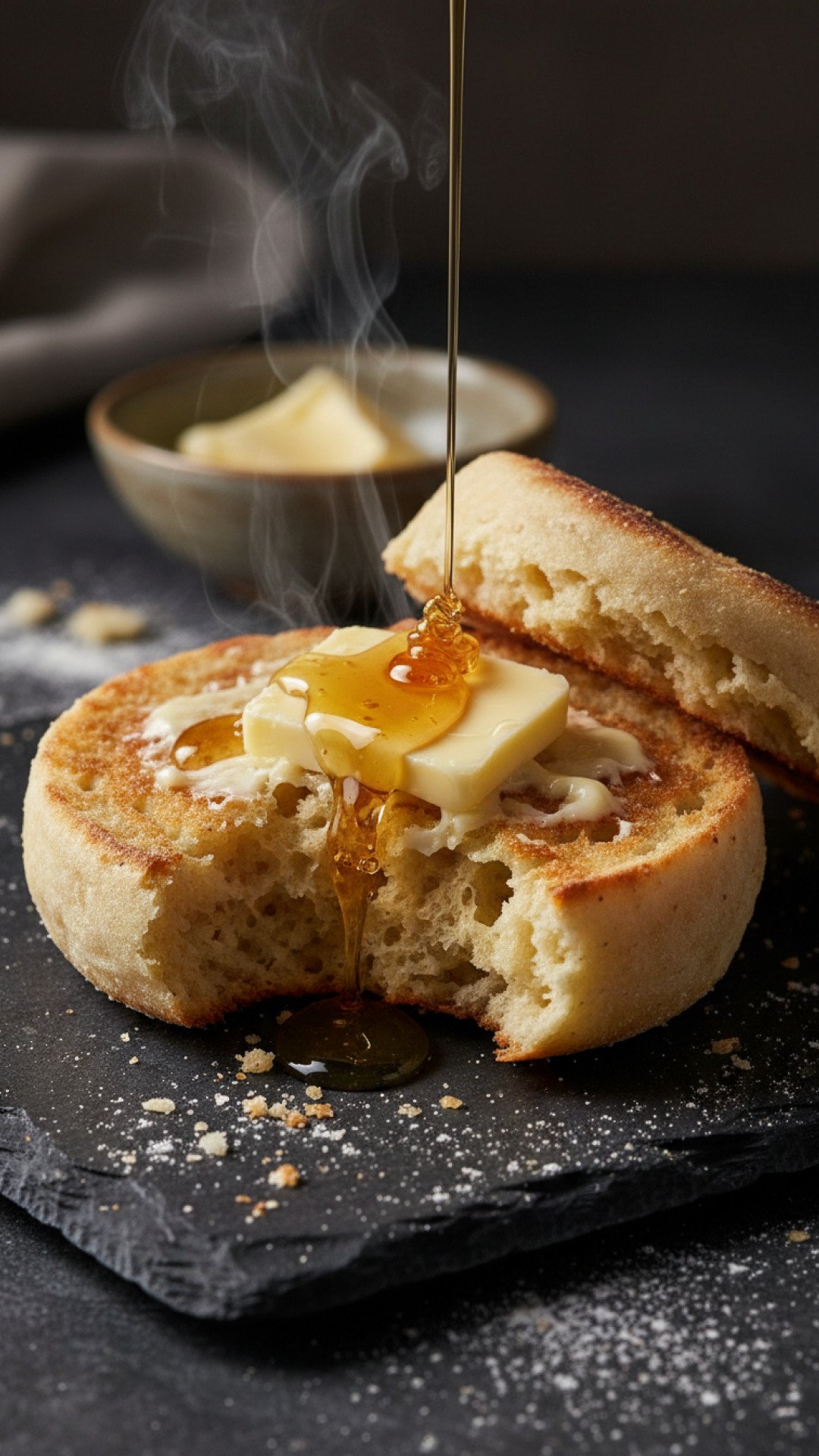
FAQs
What are the key ingredients for a perfect english muffin recipe?
The key ingredients for a perfect english muffin recipe include active dry yeast, warm milk, a touch of sugar to activate the yeast, bread flour for structure, salt for flavor, and melted butter for richness. Cornmeal is also essential for dusting, preventing sticking, and adding to the characteristic texture.
How do I get those famous nooks and crannies in my homemade english muffins?
The nooks and crannies come from a combination of factors: sufficient yeast activity and two separate rises, proper kneading to develop gluten, and cooking on a dry griddle over medium-low heat. The yeast creates air pockets, and the slow cooking allows them to expand and solidify, resulting in that unique porous interior. Using a fork to split them (rather than a knife) also helps preserve these crannies.
Can I make this english muffin recipe ahead of time or freeze them?
Yes, absolutely! You can prepare the dough and let it have its first rise, then punch it down, shape the muffins, and refrigerate them overnight for a slow second rise. Cook them in the morning. Cooked English muffins freeze beautifully. Once completely cooled, store them in an airtight freezer bag for up to 2-3 months. Thaw at room temperature or toast directly from frozen.
Why is my english muffin recipe dough sticky?
English muffin dough is typically quite soft and sticky, which contributes to their light texture. Resist the urge to add too much extra flour during kneading, as this can make the muffins tough. A light dusting of flour on your work surface and hands is usually sufficient. Continue kneading; as the gluten develops, the dough will become less sticky and more manageable, though it will still be softer than a typical bread dough.
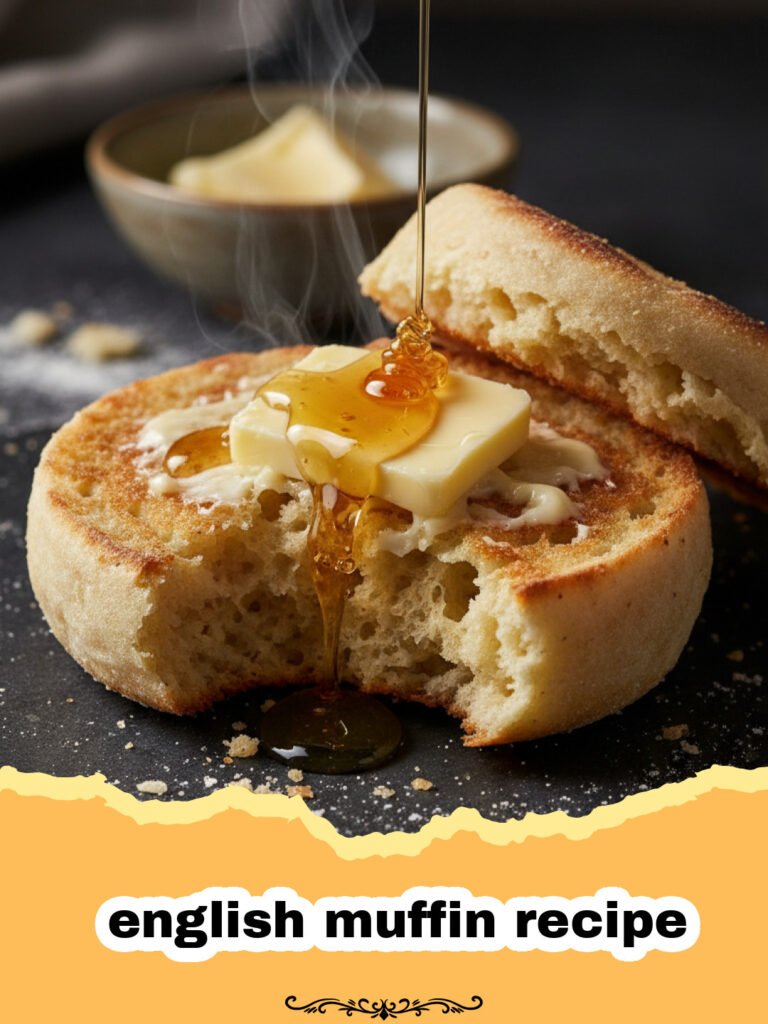
Homemade Classic English Muffins
This ultimate homemade english muffin recipe delivers fluffy, chewy muffins with perfect nooks and crannies, ideal for breakfast, sandwiches, or snacking.
- Total Time: 2 hours 45 minutes
- Yield: 12 English muffins 1x
Ingredients
1 cup (240ml) warm milk (105-115°F / 40-46°C)
2 1/4 teaspoons (7g) active dry yeast (one standard packet)
1 teaspoon granulated sugar
3 cups (360g) bread flour, plus more for dusting
1 teaspoon salt
1/4 cup (57g) unsalted butter, melted
Cornmeal, for dusting
Instructions
Step 1: In a large bowl, combine the warm milk, yeast, and granulated sugar. Stir gently and let it sit for 5-10 minutes until foamy. This activates the yeast.
Step 2: In a separate medium bowl, whisk together the bread flour and salt. Add the melted butter to the activated yeast mixture. Gradually add the dry ingredients to the wet ingredients, mixing with a wooden spoon or stand mixer (with dough hook) until a shaggy dough forms.
Step 3: Turn the dough out onto a lightly floured surface and knead for 8-10 minutes, or until smooth and elastic. The dough will be slightly sticky. If using a stand mixer, knead on medium-low speed for 6-8 minutes.
Step 4: Lightly grease a clean bowl with oil. Place the dough in the bowl, turning once to coat. Cover the bowl with plastic wrap or a clean kitchen towel and let it rise in a warm place for 1.5 to 2 hours, or until doubled in size. This is the first proofing for this english muffin recipe.
Step 5: Gently punch down the risen dough to release the air. Turn it out onto a lightly floured surface and roll it to about 1/2-inch thickness. Using a 3-inch round cutter (or a clean glass rim), cut out 12 English muffins. Re-roll scraps as needed. Sprinkle a baking sheet lightly with cornmeal and place the cut muffins on it, leaving some space between them. Sprinkle more cornmeal on top.
Step 6: Cover the baking sheet loosely with plastic wrap or a kitchen towel and let the muffins rise again for 30-45 minutes, or until puffy. This second rise is crucial for the perfect texture.
Step 7: Heat a large, heavy-bottomed skillet or griddle over medium-low heat. Do not grease the pan. Cook the English muffins in batches for 6-8 minutes per side, or until deeply golden brown and cooked through. They should have a slightly firm spring when pressed. Adjust heat as necessary to prevent burning while ensuring they cook completely.
Step 8: Transfer cooked muffins to a wire rack to cool completely. Once cool, you can split them with a fork, toast, and enjoy! For storage, these homemade delights can be kept in an airtight glass food storage container at room temperature for a few days, or frozen for longer.
Notes
For best results, use a heavy-bottomed skillet or cast iron griddle to ensure even cooking and a beautiful golden crust. Avoid greasing the pan, as the cornmeal provides enough anti-stick properties and helps with the signature texture.
- Prep Time: 25 minutes
- Cook Time: 20 minutes
- Category: Savory Breakfasts
- Cuisine: American
Nutrition
- Serving Size: 1 muffin
- Calories: 180 kcal
- Sugar: 2g
- Sodium: 200mg
- Fat: 3g
- Saturated Fat: 2g
- Unsaturated Fat: 1g
- Trans Fat: 0g
- Carbohydrates: 33g
- Fiber: 1g
- Protein: 6g
- Cholesterol: 12mg
Keywords: english muffins, homemade breakfast, yeast bread, breakfast recipes, savory breakfast, baking recipe, brunch, bread recipe