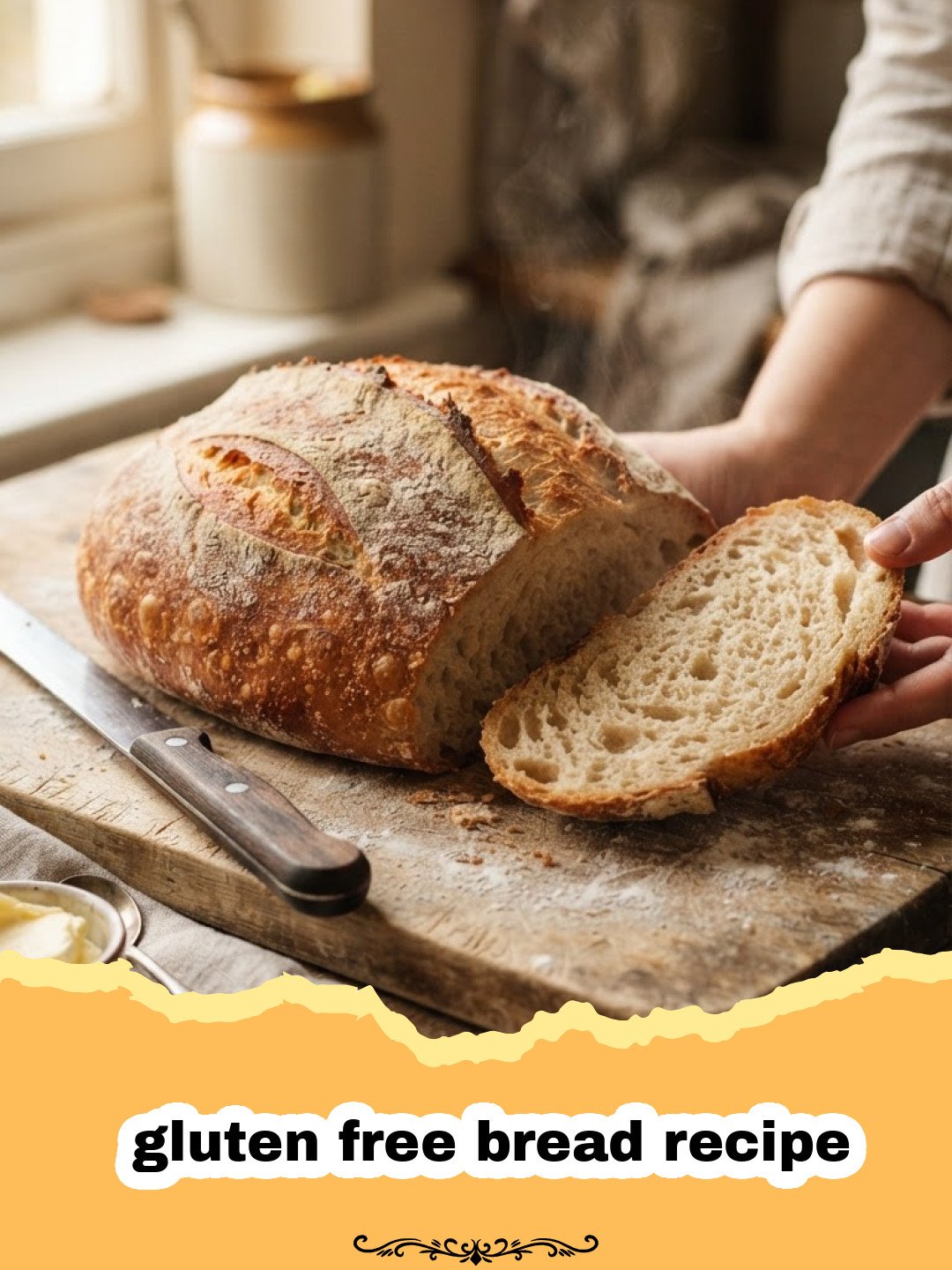
Oh, the quest for truly good bread! For years after my gluten intolerance diagnosis, I mourned the loss of a simple, comforting slice of toast. Every gluten free bread recipe I tried seemed to lead to the same disappointment: dense, crumbly bricks that tasted more like cardboard than bread. Store-bought options were often expensive, full of strange ingredients, and still didn’t quite hit the mark. I yearned for that soft, chewy texture, that unmistakable aroma of freshly baked bread filling my kitchen. It felt like an impossible dream, a culinary Everest I was destined never to conquer. My family, bless their hearts, would politely nibble at my latest ‘experiment’ with a look that said, ‘It’s… edible.’ But I wasn’t aiming for edible; I was aiming for *delicious*. After countless hours of research, experimenting with different flour blends, binders, and techniques, I finally cracked the code. This gluten free bread recipe changed everything for me. It’s not just a substitute; it’s genuinely good bread – fluffy, flavorful, and perfect for sandwiches, toast, or just tearing off a piece and savoring. Discovering this gluten free bread recipe opened up a world of baking for me, much like finding a fantastic zucchini bread recipe can transform your perception of baking. The joy of pulling a golden-brown loaf from the oven, knowing it’s safe for me to eat, is truly unparalleled. And now, I’m thrilled to share this life-changing gluten free bread recipe with you!
Why This Gluten-Free Bread Recipe is a Must-Try
- Unbelievable Texture: Say goodbye to dense, crumbly loaves! This gluten free bread recipe yields a surprisingly soft, fluffy, and tender crumb that rivals traditional wheat bread. It’s perfect for sandwiches without falling apart.
- Simple & Approachable: Even if you’re new to gluten-free baking, this easy gluten free bread recipe is designed for success. With clear, step-by-step instructions, you’ll be baking like a pro in no time.
- Versatile & Delicious: This loaf is fantastic on its own, toasted with butter, as a base for hearty sandwiches, or even as croutons for soup. It’s the ultimate foundational gluten free bread recipe for any meal.
- Wholesome Ingredients: Made with pantry staples, this gluten free bread recipe focuses on natural ingredients, giving you a healthier alternative to many store-bought options.
Key Ingredient Notes for Your Gluten-Free Bread Recipe
Getting the right ingredients is crucial for a successful gluten free bread recipe. Here’s why a few specific items are absolute game-changers:
Gluten-Free All-Purpose Flour Blend (with Xanthan Gum)
This is arguably the most important ingredient. Not all gluten-free flour blends are created equal, especially for bread. Look for a high-quality blend specifically designed for baking or bread-making. Many good blends already contain xanthan gum, which is essential for mimicking gluten’s elasticity and structure. If your blend doesn’t have it, you’ll need to add 1 teaspoon per cup of flour used. A good blend will contain a mix of rice flours, starches (tapioca, potato, corn), and possibly other flours like sorghum or millet. Avoid blends that are primarily bean flours, as they can impart a strong flavor and dense texture.
Psyllium Husk Powder
This is your secret weapon for a truly bread-like texture in this gluten free bread recipe. Psyllium husk powder acts as an incredible binder, providing the elasticity and chewiness that gluten typically offers. It helps hold the bread together, prevents crumbling, and gives it a wonderful, airy structure. Do not substitute this ingredient if you want the best results from this gluten free bread recipe. Make sure it’s *powder* and not whole husks, as the powder absorbs liquid more efficiently and integrates better into the dough.
Active Dry Yeast
Yeast is the lifeblood of any bread, and this gluten free bread recipe is no exception. Ensuring your yeast is fresh and active is paramount. Always proof your active dry yeast in warm (not hot!) water with a pinch of sugar to ensure it’s alive and ready to work its magic. If your yeast doesn’t foam up, it’s likely dead, and your bread won’t rise. Instant yeast can often be used interchangeably, but proofing active dry yeast is a good habit to ensure success.
Step-by-Step Guide with Pro Tips for this Gluten-Free Bread Recipe
Follow these steps closely to achieve the perfect loaf of gluten-free bread.
- Step 1: In a large bowl, combine the warm water (around 105-115°F or 40-46°C) and sugar. Sprinkle the active dry yeast over the top. Let it sit for 5-10 minutes until it becomes foamy and bubbly. This is crucial for verifying your yeast is active. If it doesn’t foam, your yeast is dead, and you’ll need to start again with fresh yeast.
- Step 2: In a separate large bowl, whisk together the gluten-free all-purpose flour blend, psyllium husk powder, and salt. Make sure these dry ingredients are well combined to ensure even distribution throughout your gluten free bread recipe.
- Step 3: To the proofed yeast mixture, add the olive oil and apple cider vinegar. Stir gently to combine. The vinegar helps to activate the yeast further and contributes to a subtle tang and softer crumb in your gluten free bread recipe.
- Step 4: Gradually add the wet ingredients to the dry ingredients, mixing with a sturdy spoon or a stand mixer with a paddle attachment. Mix until a thick, sticky dough forms. Unlike wheat dough, you won’t be kneading this dough extensively. Just ensure everything is thoroughly combined, scraping down the sides of the bowl as needed. The dough for this gluten free bread recipe will be much wetter than traditional dough.
- Step 5: Lightly grease a 9×5 inch loaf pan. Transfer the dough into the prepared loaf pan, smoothing the top with a wet spatula or your wet hands. This prevents sticking and creates a nice, even top crust.
- Step 6: Cover the loaf pan loosely with plastic wrap or a clean kitchen towel. Place it in a warm, draft-free spot for 45-60 minutes, or until the dough has nearly doubled in size and risen above the rim of the pan. A warm oven (turned off, with just the light on) is an ideal spot for rising. This is a critical step for a light and airy gluten free bread recipe.
- Step 7: While the dough is rising, preheat your oven to 375°F (190°C).
- Step 8: Once the dough has risen, carefully remove the cover. Bake for 45-55 minutes, or until the top is golden brown and the internal temperature reaches 200-210°F (93-99°C) when measured with a meat thermometer. If the top browns too quickly, you can loosely tent it with foil during the last 10-15 minutes of baking.
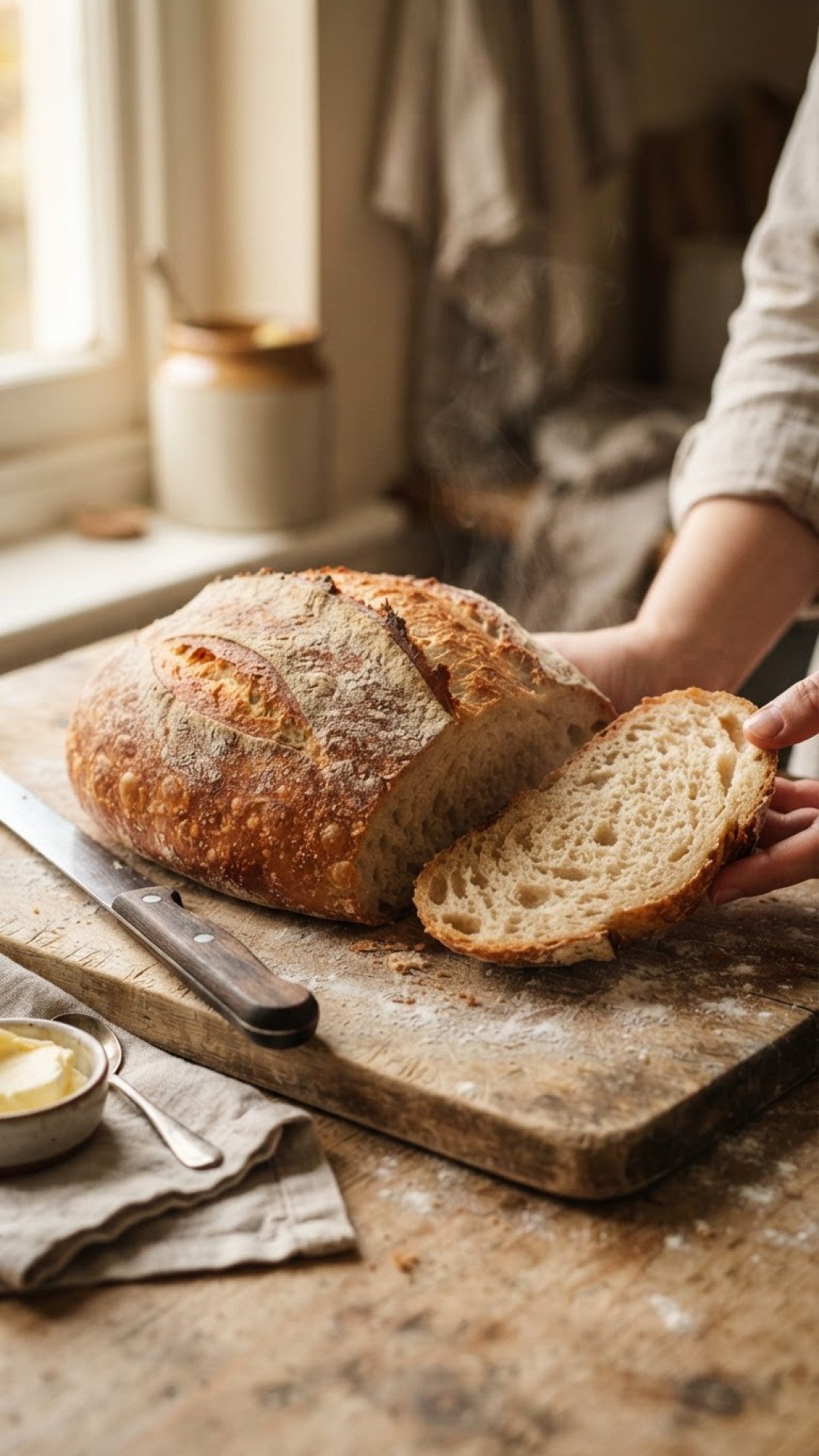
- Step 9: Remove the loaf from the oven and immediately invert it onto a wire cooling rack. Allow it to cool completely before slicing (at least 1-2 hours). Slicing hot gluten-free bread can make it gummy and difficult to cut cleanly. Patience here will reward you with the best texture from your homemade gluten free bread recipe!
Variations & Serving Suggestions for Your Gluten-Free Bread Recipe
This versatile gluten free bread recipe is a fantastic starting point. Here are some ideas to customize and enjoy your freshly baked loaf:
- Herb & Garlic Bread: Before the second rise, mix in 2 tablespoons of finely chopped fresh rosemary or dried Italian herbs and 2-3 cloves of minced garlic. Brush with olive oil and sprinkle with flaky sea salt before baking for an aromatic loaf perfect with pasta or slow-roasted garlic and herb cherry tomatoes.
- Seeded Loaf: For added texture and nutrition, fold in 1/4 cup of your favorite seeds (like sunflower, pumpkin, flax, or chia) into the dough before the first rise. Sprinkle extra seeds on top before baking.
- Sweet Cinnamon Swirl: Swirl 2 tablespoons of cinnamon sugar into the dough just before placing it in the loaf pan for a delightful breakfast bread.
- Sandwich Perfection: This gluten free bread recipe makes incredible sandwiches. Think classic BLTs, grilled cheese, or a hearty turkey and avocado.
- Toasted Delights: A slice of this bread, toasted and spread with butter, jam, or avocado, is a simple pleasure. It’s also excellent for making French toast!
- Homemade Croutons: If you have any leftover bread, cut it into cubes, toss with olive oil and your favorite herbs, and bake until crispy for delicious homemade croutons for salads or soups.
Nutrition Information
Here’s an estimated nutritional breakdown per serving of this gluten free bread recipe:
| Nutrient | Amount Per Serving |
|---|---|
| Calories | 150 |
| Carbohydrates | 28g |
| Cholesterol | 0mg |
| Fat | 3g |
| Fiber | 3g |
| Protein | 4g |
| Saturated Fat | 0.5g |
| Serving Size | 1 slice (approx. 50g) |
| Sodium | 200mg |
| Sugar | 2g |
| Trans Fat | 0g |
| Unsaturated Fat | 2.5g |
Conclusion
Baking your own gluten-free bread doesn’t have to be a frustrating experience. With this reliable gluten free bread recipe, you can enjoy all the comforts and joys of homemade bread without the gluten. The soft texture, delightful flavor, and ease of preparation will make this your go-to gluten free bread recipe. So go ahead, preheat your oven, gather your ingredients, and prepare to fill your home with the irresistible aroma of freshly baked bread. You’ll wonder why you ever bought it from the store! Don’t forget to store any leftovers in Basics Glass Food Storage containers to maintain freshness.
FAQs
<!– wp:rank-math/faq-block {"questions":[{"id":"faq-6a5f6dbb6eb60","visible":true,"title":"What makes this gluten free bread recipe different from others?","content":"This gluten free bread recipe stands out for its soft, fluffy texture and easy preparation, avoiding the common dense or crumbly issues found in many gluten-free loaves. The specific combination of a good gluten-free flour blend and psyllium husk powder is key to its success."},{"id":"faq-6a5f6dbb6eb6e","visible":true,"title":"Can I make this gluten free bread recipe without psyllium husk?","content":"Psyllium husk powder is highly recommended in this gluten free bread recipe as it provides essential structure and elasticity that gluten-free flours lack. While other binders exist, psyllium husk gives the best results for a truly bread-like texture and is crucial for the recipe's success. Substituting it may result in a much denser, crumblier loaf."},{"id":"faq-6a5f6dbb6ebd8","visible":true,"title":"How should I store homemade gluten-free bread?","content":"Store your delicious gluten free bread recipe loaf in an airtight container or bread bag at room temperature for 2-3 days. For longer storage, slice the cooled bread and freeze in an airtight freezer bag or Basics Glass Food Storage containers for up to 3 months. Thaw individual slices as needed, toasting directly from frozen if desired.”},{“id”:”faq-6a5f6dbb6ebeb”,”visible”:true,”title”:”Can I use a different gluten-free flour blend for this recipe?”,”content”:”Yes, you can use your preferred gluten-free all-purpose flour blend, but ensure it contains xanthan gum or add 1 teaspoon per cup of flour if it doesn’t. Different blends can yield slightly varied results due to varying starch and flour ratios, so you might need to adjust the liquid content slightly to achieve the right dough consistency for this gluten free bread recipe.”}]} –>What makes this gluten free bread recipe different from others?
This gluten free bread recipe stands out for its soft, fluffy texture and easy preparation, avoiding the common dense or crumbly issues found in many gluten-free loaves. The specific combination of a good gluten-free flour blend and psyllium husk powder is key to its success.
Can I make this gluten free bread recipe without psyllium husk?
Psyllium husk powder is highly recommended in this gluten free bread recipe as it provides essential structure and elasticity that gluten-free flours lack. While other binders exist, psyllium husk gives the best results for a truly bread-like texture and is crucial for the recipe’s success. Substituting it may result in a much denser, crumblier loaf.
How should I store homemade gluten-free bread?
Store your delicious gluten free bread recipe loaf in an airtight container or bread bag at room temperature for 2-3 days. For longer storage, slice the cooled bread and freeze in an airtight freezer bag or Basics Glass Food Storage containers for up to 3 months. Thaw individual slices as needed, toasting directly from frozen if desired.
Can I use a different gluten-free flour blend for this recipe?
Yes, you can use your preferred gluten-free all-purpose flour blend, but ensure it contains xanthan gum or add 1 teaspoon per cup of flour if it doesn’t. Different blends can yield slightly varied results due to varying starch and flour ratios, so you might need to adjust the liquid content slightly to achieve the right dough consistency for this gluten free bread recipe.