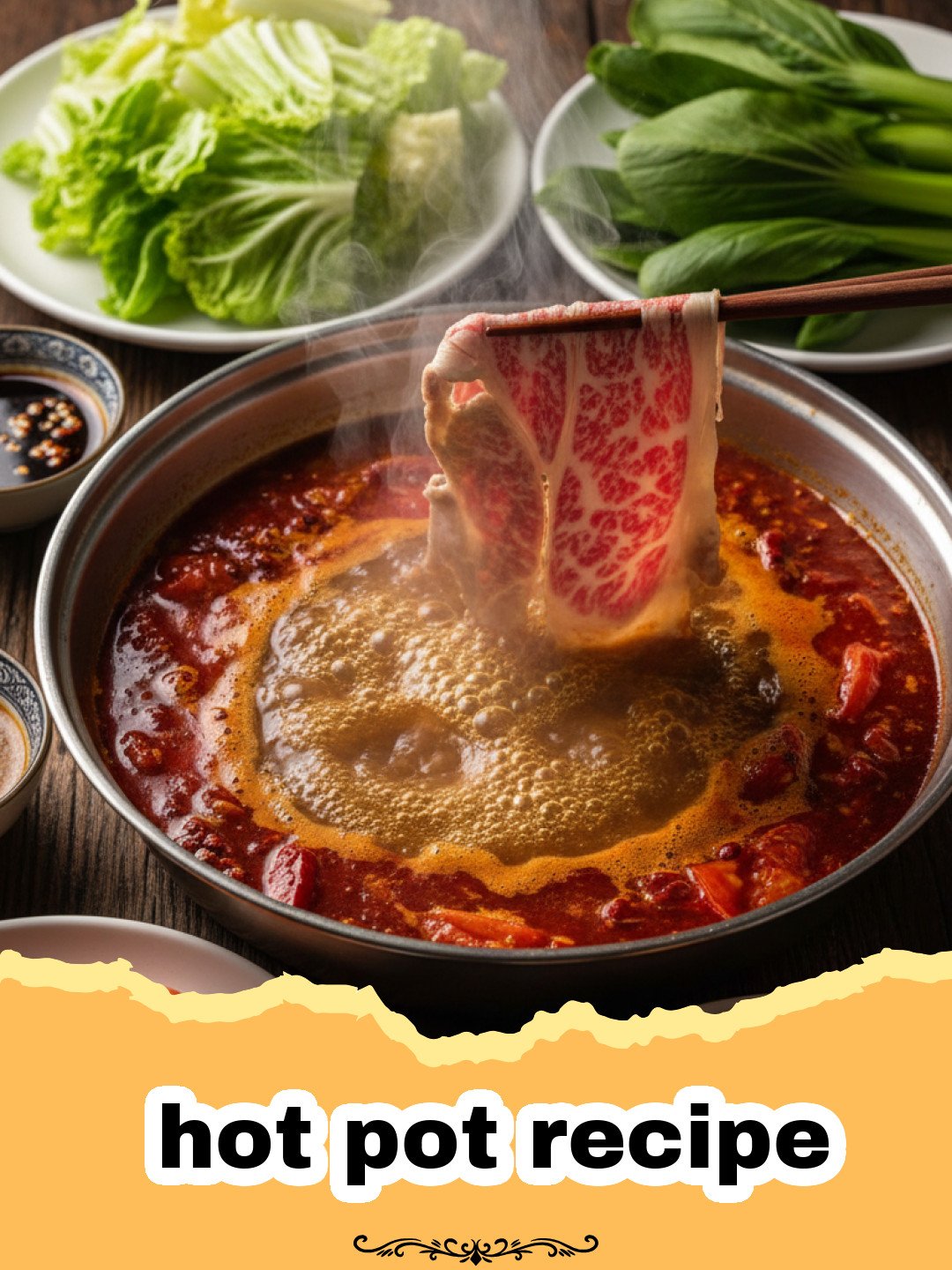
Finding the perfect hot pot recipe is like discovering a secret doorway to a world of warmth, laughter, and incredible flavors shared with those you love most. I remember the first time I hosted a hot pot night in my tiny studio apartment; the windows were completely frosted over with steam, and the aroma of star anise and ginger filled every corner. It was a chaotic, beautiful mess of dipping thinly sliced beef and chasing stray shiitake mushrooms with chopsticks. That evening taught me that a hot pot recipe isn’t just about the food—it is about the communal experience of cooking together at the table. Whether it is a snowy winter evening or a rainy spring afternoon, there is something inherently comforting about a bubbling pot of savory broth sitting right in the center of your dining room. Over the years, I have refined my technique to ensure that anyone can recreate this restaurant-style magic in their own kitchen without feeling overwhelmed by the variety of ingredients.
Why This Recipe is a Must-Try
- Ultimate Customization: This hot pot recipe allows every guest to be their own chef, choosing exactly what they want to eat and how long they want to cook it.
- Healthy and Nutrient-Dense: By using a variety of fresh vegetables, lean proteins, and a homemade broth, you are creating a meal that is as nourishing as it is delicious.
- Low Prep, High Reward: Once the chopping is done, the host can actually sit down and enjoy the meal alongside the guests instead of being stuck in the kitchen.
- Perfect for Groups: There is no better way to foster conversation than by sharing a single pot; it is the ultimate “slow food” experience that encourages everyone to linger over their meal.
Key Ingredient Notes
When you are preparing this hot pot recipe, the broth is the soul of the dish. While you can certainly buy pre-made bases, creating a quick aromatic foundation with ginger, garlic, and scallions makes a world of difference. If you prefer a spicy kick, adding a tablespoon of fermented bean paste or Szechuan peppercorns will elevate the heat profile significantly. For those who enjoy a more mellow experience, a dashi-based broth similar to what you might find in some bean soup recipes can provide a clean, umami-rich background for your ingredients.
The second essential component is the quality of your dipping sauces. A hot pot recipe is incomplete without a customized sauce bar. I always suggest a base of roasted sesame paste or peanut butter, thinned out with a little soy sauce and black vinegar. From there, guests can add cilantro, minced garlic, or chili oil to suit their palate. For the ingredients themselves, always look for “hot pot cut” meats at your local Asian grocery store. These are sliced paper-thin while frozen, ensuring they cook in mere seconds once they hit the boiling liquid. If you find yourself with leftover chopped aromatics or sauces, you can store them conveniently in Basics Glass Food Storage containers to keep them fresh for the next day.
Step-by-Step Guide with Pro Tips
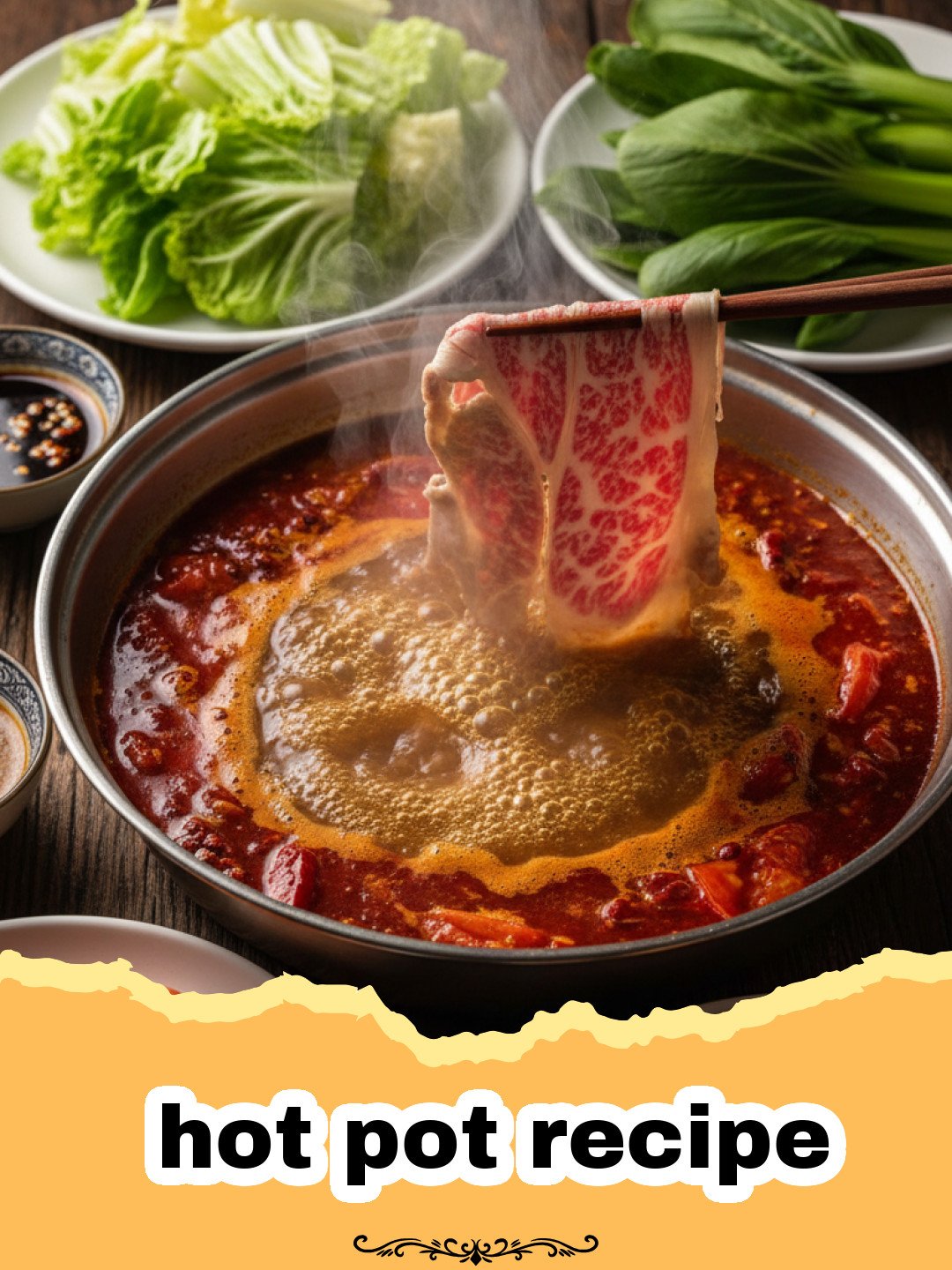
Mastering the hot pot recipe requires a bit of organization, but the process is straightforward. Think of it as a choreographed dance of preparation and presentation. You want to ensure that all your ingredients are washed, sliced, and arranged beautifully before the pot even hits the portable burner.
Preparing the Broth
Start by sautéing your aromatics directly in the pot if you are using a split pot or a deep electric skillet. A little oil, some smashed ginger, and whole scallions create an incredible scent. Add your liquid—either high-quality chicken stock, vegetable broth, or even plain water if you are using a heavy-duty flavor base. Let this simmer for at least 15 minutes before you start the meal to ensure the flavors have fully melded. If you enjoy hearty textures, you might notice similarities in the base preparation of ham and beans crockpot recipes, where the slow infusion of flavor is key.
The Art of Dipping
Once the broth is boiling, the fun begins. Pro tip: do not dump everything in at once! This will drop the temperature of the broth and result in soggy vegetables. Instead, add items that take longer to cook first, such as corn on the cob, daikon radish, or thick noodles. Meats should be swished through the broth individually for about 10-15 seconds until they just change color. This ensures the most tender texture possible for your hot pot recipe. If you have a large group, designate one side of the pot for spicy broth and the other for a mild version to accommodate everyone’s spice tolerance.
Variations & Serving Suggestions
One of the best things about a hot pot recipe is that it can change with the seasons. In the summer, keep things light with plenty of bok choy, spinach, and seafood like shrimp or scallops. In the winter, lean into root vegetables and heavier proteins like lamb or fatty beef. You can even create a vegetarian hot pot recipe by using a mushroom-based broth and focusing on various tofu types—frozen tofu is particularly good at soaking up the savory juices. For a fun twist, try adding “cheese-filled” fish balls or taro chunks for a surprise burst of flavor and texture. Always serve with a side of steamed rice or glass noodles to soak up the remaining concentrated broth at the end of the night.
Nutrition Information
This hot pot recipe is generally very balanced, providing a good mix of protein and fiber. The following table provides an estimate for a single serving including broth, 4oz of lean meat, and a variety of vegetables.
| Nutrient | Amount Per Serving |
|---|---|
| Calories | 450 kcal |
| Carbohydrate Content | 25g |
| Cholesterol Content | 65mg |
| Fat Content | 18g |
| Fiber Content | 6g |
| Protein Content | 35g |
| Saturated Fat Content | 5g |
| Serving Size | 1 Bowl |
| Sodium Content | 850mg |
| Sugar Content | 4g |
| Trans Fat Content | 0g |
| Unsaturated Fat Content | 10g |
Conclusion
Sharing a homemade hot pot recipe is truly one of the most rewarding ways to dine. It strips away the formality of a multi-course meal and replaces it with an interactive, sensory-rich experience that everyone remembers. Whether you are a seasoned pro or trying this for the first time, the most important part is to have fun with the process. So, gather your friends, prep your favorite veggies, and let the bubbling pot bring everyone together for a night of delicious discovery. Happy dipping!
FAQs
What is the best meat for a hot pot recipe?
The best meats are thinly sliced beef ribeye, fatty lamb shoulder, or pork belly. These are often sold pre-sliced as ‘hot pot’ or ‘shabu-shabu’ meat in Asian grocery stores to ensure they cook instantly.
Can I make this hot pot recipe without a special burner?
While a portable burner is ideal for the experience, you can cook the ingredients in a large pot on your stove and serve them in bowls, though it loses the communal ‘cook-as-you-eat’ aspect.
What vegetables go well in hot pot?
Leafy greens like napa cabbage, bok choy, and spinach are staples. Root vegetables like daikon radish and lotus root are also excellent as they hold their shape well in the boiling broth.
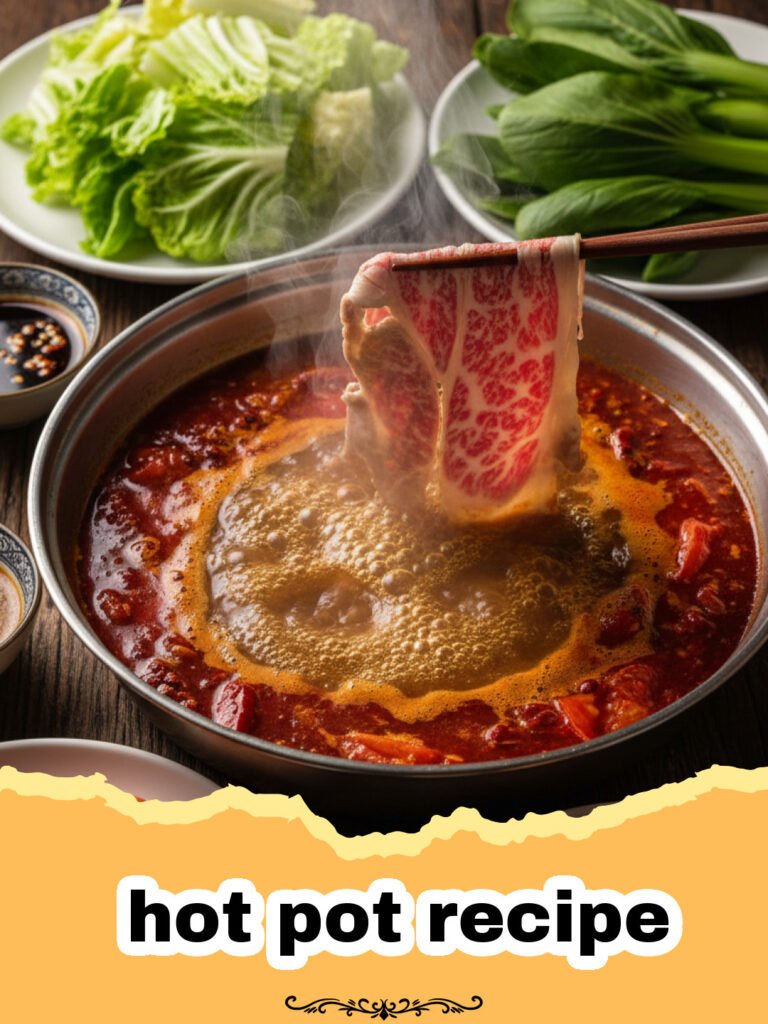
The Ultimate Cozy Home Hot Pot
An authentic and customizable hot pot recipe featuring a savory aromatic broth, a variety of dipping meats, and a signature sesame dipping sauce.
- Total Time: 45 minutes
- Yield: 4 servings 1x
Ingredients
8 cups chicken or vegetable broth
3 inches fresh ginger, sliced
4 stalks green onions, cut into 2-inch pieces
6 cloves garlic, smashed
1 lb thinly sliced beef or lamb (hot pot style)
1 pack assorted mushrooms (shiitake, enoki, oyster)
1 head napa cabbage, chopped
1 bunch bok choy
1 block firm tofu, cubed
1/2 cup sesame paste or peanut butter (for sauce)
2 tbsp soy sauce
1 tbsp chili oil (optional)
Instructions
Step 1: Prepare the broth by combining the stock, ginger, green onions, and garlic in a large pot or dedicated electric hot pot vessel.
Step 2: Bring the broth to a boil, then reduce heat to low and simmer for 15-20 minutes to infuse the aromatics.
Step 3: While the broth simmers, arrange the meats, vegetables, tofu, and mushrooms on large platters for easy access at the table.
Step 4: Mix the dipping sauce ingredients in individual small bowls, adjusting the consistency with a teaspoon of water or broth if needed.
Step 5: Place the hot pot on a portable burner in the center of the dining table and bring it back to a gentle boil.
Step 6: Use chopsticks or small strainers to cook the ingredients in the broth; meat takes seconds, while heartier vegetables may take 2-3 minutes.
Step 7: Dip the cooked items into your personalized sauce and enjoy immediately.
Notes
If using a spicy base, you can add Szechuan peppercorns for a numbing sensation. Always ensure meat is sliced very thin for quick cooking.
- Prep Time: 30 minutes
- Cook Time: 15 minutes
- Category: Dinner
- Cuisine: Chinese
Nutrition
- Serving Size: 1 Bowl
- Calories: 450 kcal
- Sugar: 4g
- Sodium: 850mg
- Fat: 18g
- Saturated Fat: 5g
- Unsaturated Fat: 10g
- Trans Fat: 0g
- Carbohydrates: 25g
- Fiber: 6g
- Protein: 35g
- Cholesterol: 65mg
Keywords: hot pot recipe, Chinese hot pot, shabu shabu, communal dining, spicy broth, dipping sauce