There’s a special kind of magic that happens in the kitchen when you embark on a new culinary adventure, and for me, that magic began with a scoby and a dream of mastering homemade Kombucha Recipes. I still remember the first time I tasted kombucha – it was at a small, bohemian cafe, and I was instantly captivated by its tangy, effervescent charm. But the price tag? Not so charming. That’s when I decided to take matters into my own hands. My initial attempts were… let’s just say, character-building. I had a few overly vinegary brews, one that tasted suspiciously like old socks (don’t ask!), and a scoby that looked more like a science experiment gone wrong than a living culture. But I persevered, driven by the desire to create delicious, gut-friendly beverages right in my own home. Over countless batches, through trial and error, I slowly but surely honed my technique. The kitchen transformed into a mini-brewery, filled with the sweet, yeasty aroma of fermenting tea. And the moment I bottled my first perfectly fizzy, flavored kombucha – that was pure bliss. It wasn’t just a drink; it was a testament to patience, learning, and the simple joy of creating something wonderful from scratch. Now, I’m thrilled to share my tried-and-true methods so you can skip the early mishaps and dive straight into the delightful world of homemade kombucha.
Why This Recipe is a Must-Try
- Cost-Effective & Eco-Friendly: Say goodbye to expensive store-bought bottles! Brewing your own kombucha significantly cuts down on costs and reduces plastic waste.
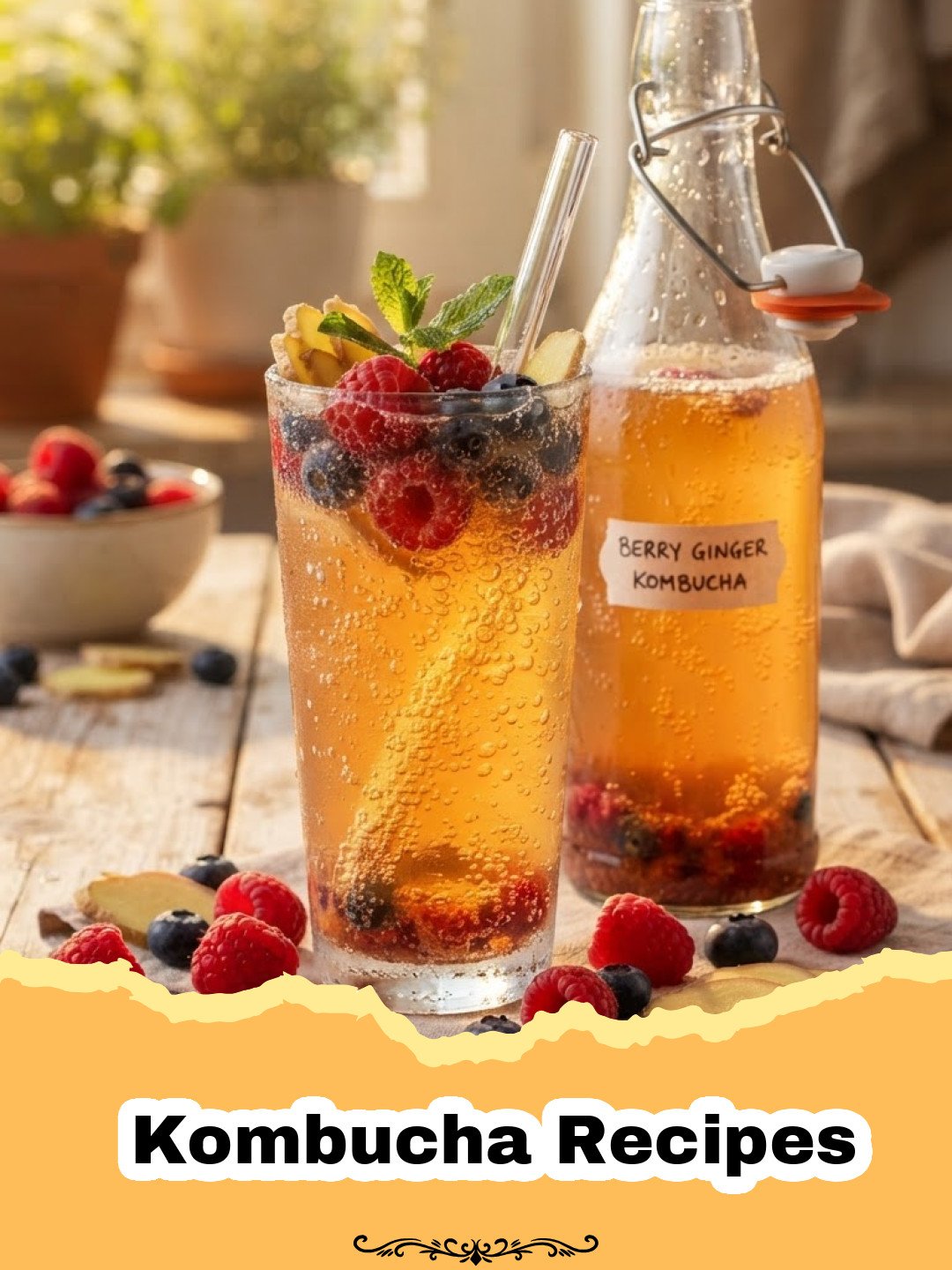
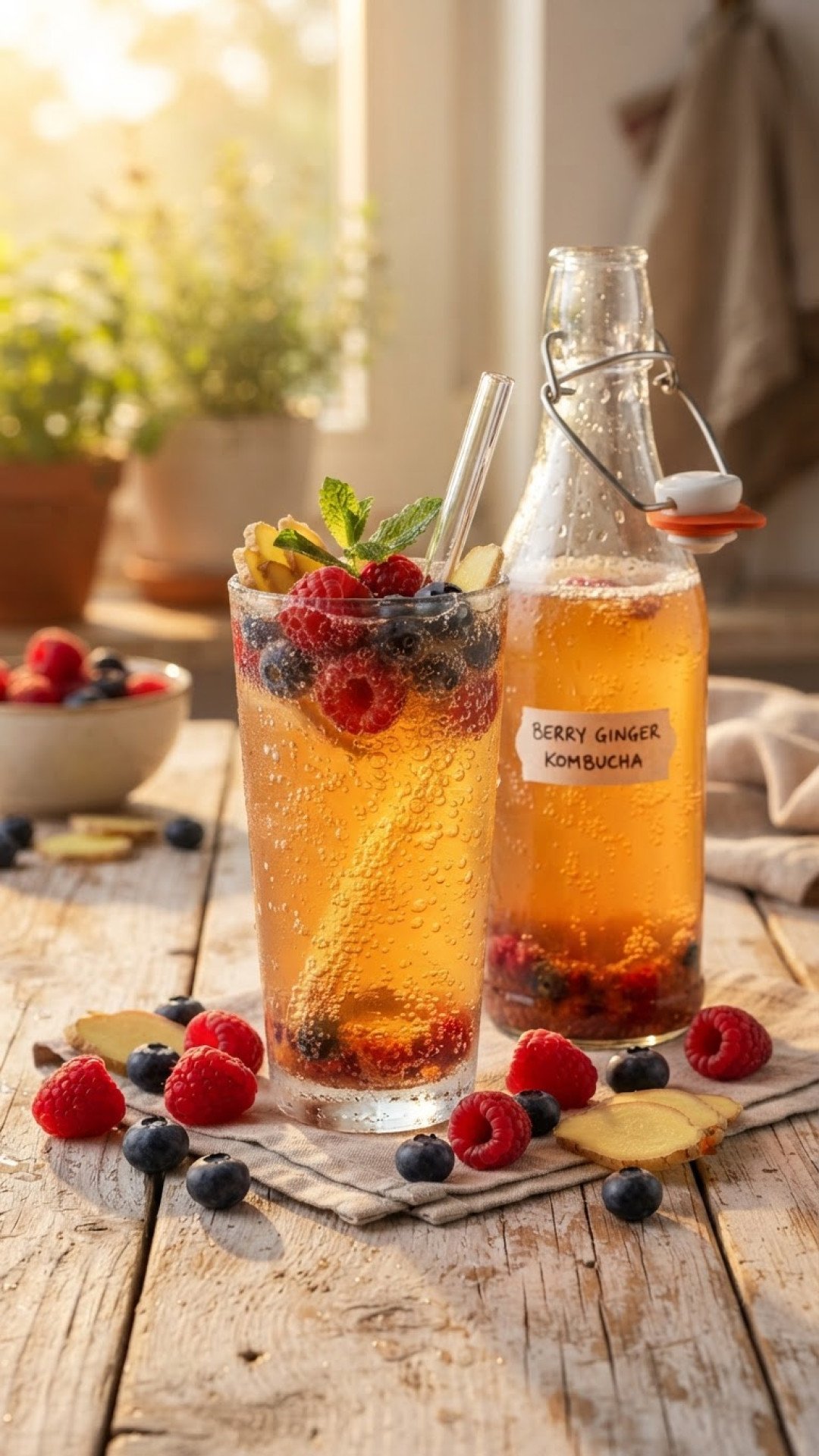
- Customizable Flavors: The real fun begins with secondary fermentation. This recipe is a fantastic base for endless flavor combinations – from ginger-lemon to berry-mint, the possibilities for your Kombucha Recipes are limitless.
- Gut Health Benefits: Loaded with probiotics, kombucha is celebrated for its potential to support a healthy gut microbiome, aiding digestion and boosting overall wellness.
- Empowering & Rewarding: There’s immense satisfaction in nurturing your own scoby and watching it transform simple tea into a sparkling, healthful beverage. It’s a truly rewarding kitchen project!
Key Ingredient Notes
The SCOBY (Symbiotic Culture Of Bacteria and Yeast)
Your SCOBY is the heart of your kombucha. It’s a living, cellulose-based culture that consumes the sugar and caffeine in your sweet tea, producing beneficial acids, gases, and alcohol (in trace amounts). A healthy SCOBY looks like a rubbery, off-white disc and should float on top of your brew or be suspended within it. You can acquire a SCOBY from a friend, an online retailer, or by growing one from a bottle of plain, unpasteurized store-bought kombucha. Always handle your SCOBY with clean hands and keep it submerged in starter tea to maintain its vitality. It’s truly amazing what this little powerhouse does for all your future Kombucha Recipes.
Black or Green Tea
While various teas can be used, black or green tea are ideal for primary fermentation. They provide the necessary nutrients and nitrogen for the SCOBY to thrive. Black tea tends to produce a more robust, classic kombucha flavor, while green tea yields a lighter, sometimes grassier note. Avoid teas with added oils (like Earl Grey) or flavorings, as these can harm the SCOBY. Stick to pure, organic teas for the best results and a healthy foundation for your Kombucha Recipes. Remember, the quality of your tea directly impacts the quality of your brew.
Sugar (Granulated White Sugar)
Don’t be alarmed by the amount of sugar! It’s not for you, but for your SCOBY. The bacteria and yeast feast on the sugar, converting it during fermentation. Most of the sugar is consumed, leaving you with a low-sugar, tangy drink. White granulated sugar is preferred because it’s easily digestible by the SCOBY and results in a clean-tasting kombucha. Avoid artificial sweeteners or honey for primary fermentation, as they can interfere with the SCOBY’s health. The sugar is the fuel that drives all successful Kombucha Recipes.
Step-by-Step Guide with Pro Tips
Equipment You’ll Need:
- 1-gallon glass jar or fermenting vessel
- Large pot for brewing tea
- Fine-mesh strainer
- Cheesecloth or coffee filter
- Rubber band
- Glass bottles with airtight caps for secondary fermentation (Basics Glass Food Storage works great for this)
Variations & Serving Suggestions
The beauty of homemade kombucha lies in its versatility. Once you’ve mastered the basic brew, a world of flavor exploration opens up for your Kombucha Recipes. Here are some ideas:
Flavor Combinations for Secondary Fermentation:
- Ginger-Lemon: Add 1-2 tablespoons of grated fresh ginger and 1-2 tablespoons of lemon juice per 16oz bottle.
- Berry Blast: Muddle 1/4 cup of fresh or frozen berries (raspberries, blueberries, strawberries) per 16oz bottle.
- Tropical Tango: Combine 2 tablespoons of pineapple juice and 1 teaspoon of coconut flakes per 16oz bottle.
- Apple Pie: Add 2 tablespoons of apple juice, a pinch of cinnamon, and a tiny dash of vanilla extract.
- Herbal Infusion: Try fresh mint leaves, basil, or rosemary for a sophisticated twist.
- Spicy Kick: A thin slice of jalapeño or a dash of cayenne pepper for those who like it hot.
Serving Suggestions:
- On its Own: Serve chilled as a refreshing, healthy alternative to soda or juice.
- Cocktail Mixer: Use it as a base for low-sugar cocktails or mocktails. Its tanginess pairs wonderfully with gin or vodka.
- Smoothie Booster: Add a splash to your morning smoothie for an extra probiotic kick.
- Food Pairing: The tartness of kombucha can cut through rich flavors and complement various meals. Consider pairing a ginger-lemon kombucha with a hearty meal like The Ultimate Guide to Perfect Korean BBQ at Home.
Nutrition Information
| Nutrition Facts (per 8oz serving) | |
|---|---|
| Calories | 35 kcal |
| Carbohydrate Content | 8g |
| Cholesterol Content | 0mg |
| Fat Content | 0g |
| Fiber Content | 0g |
| Protein Content | 0g |
| Saturated Fat Content | 0g |
| Serving Size | 1 cup (240ml) |
| Sodium Content | 5mg |
| Sugar Content | 7g |
| Trans Fat Content | 0g |
| Unsaturated Fat Content | 0g |
Conclusion
Embarking on your journey with homemade Kombucha Recipes is not just about making a drink; it’s about embracing a new hobby, fostering a healthy lifestyle, and discovering the incredible power of fermentation. From the moment you brew your first batch of sweet tea to the glorious fizz of a perfectly carbonated bottle, every step is a rewarding experience. Don’t be afraid to experiment with flavors, trust your senses, and enjoy the process. With this ultimate guide, you’re well-equipped to create delicious, gut-friendly kombucha right in your own kitchen. Happy brewing, and may your scobys always be thriving!
FAQs
What is a SCOBY and why is it important for Kombucha Recipes?
A SCOBY (Symbiotic Culture Of Bacteria and Yeast) is the living culture that ferments the sweetened tea into kombucha. It consumes the sugar and caffeine, producing beneficial acids, probiotics, and carbonation. It’s essential for all Kombucha Recipes as it drives the fermentation process.
How do I know if my kombucha is ready?
Your kombucha is ready when it has reached your desired balance of sweet and tart, usually between 7-14 days. You should taste it daily with a clean spoon after day 5. It should be tangy, slightly sweet, and have a pleasant effervescence. If it’s too vinegary, it’s fermented too long; if too sweet, it needs more time.
Can I use any type of tea for brewing Kombucha Recipes?
While black and green teas are highly recommended for their nutrient profile that supports the SCOBY, you can experiment. However, avoid teas with added oils (like Earl Grey) or artificial flavorings, as these can harm the SCOBY. Herbal teas may be used in secondary fermentation for flavoring, but are generally not suitable for the primary fermentation.
How do I add flavors to my homemade kombucha?
Flavoring kombucha happens during ‘secondary fermentation’. Once your primary brew is complete, transfer the unflavored kombucha to airtight bottles, leaving headspace. Add your chosen flavorings like fruit purees, juices, sliced fresh fruit, ginger, herbs, or spices directly into the bottles. Seal them and let them sit at room temperature for 2-4 days to develop flavor and carbonation before refrigerating.
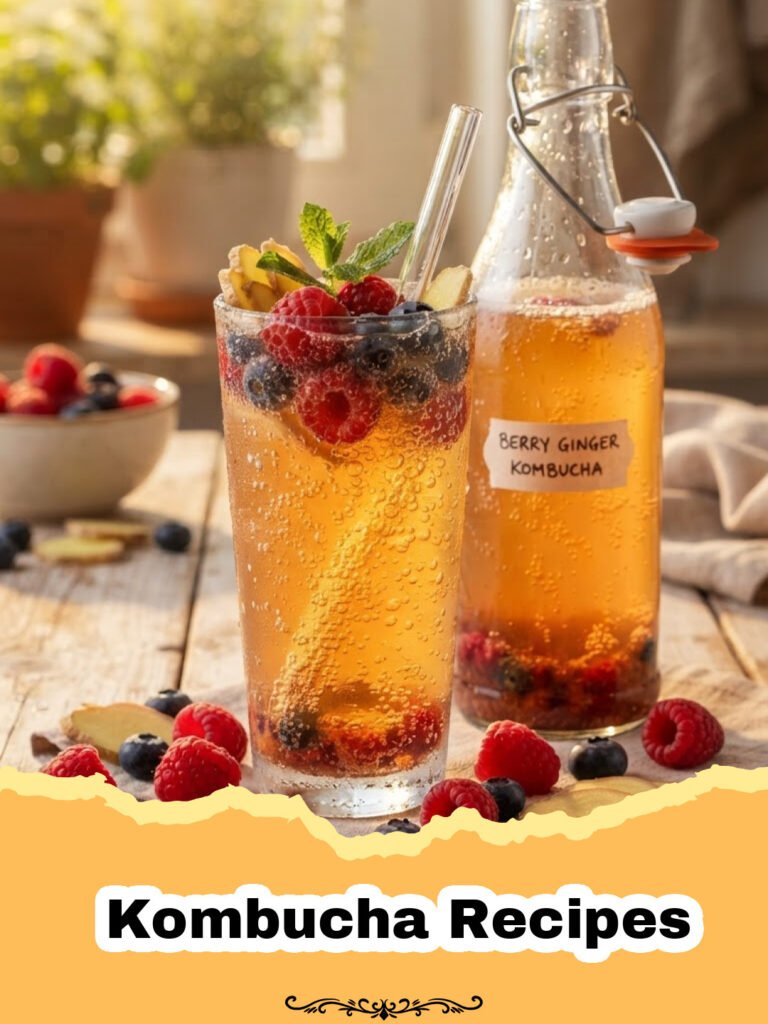
Homemade Basic Kombucha
An easy-to-follow guide to brewing your own delicious and gut-friendly kombucha at home using a SCOBY, tea, and sugar. This recipe forms the perfect base for endless flavor variations.
- Total Time: 7-14 days
- Yield: 1 gallon 1x
Ingredients
1 large SCOBY (Symbiotic Culture Of Bacteria and Yeast)
2 cups strong, unflavored starter kombucha (from a previous batch or store-bought, unpasteurized)
1 gallon (16 cups) filtered water, divided
8 black or green tea bags (or 2 tablespoons loose leaf tea)
1 cup granulated white sugar
Instructions
Step 1: Bring 4 cups of filtered water to a boil in a large pot. Remove from heat, add tea bags/loose leaf tea, and stir in the sugar until fully dissolved. Let steep for 5-7 minutes (black tea) or 3-5 minutes (green tea), then remove tea bags/sachet.
Step 2: Add the remaining 8 cups of cold filtered water to the hot sweet tea. This helps cool it down quickly. Ensure the tea is completely cooled to room temperature (68-80°F / 20-27°C) before proceeding.
Step 3: Pour the cooled sweet tea into a clean 1-gallon glass jar. Add the 2 cups of starter kombucha. Gently place your SCOBY into the jar. It’s okay if it floats, sinks, or hovers.
Step 4: Cover the mouth of the jar with cheesecloth or a coffee filter and secure it tightly with a rubber band. Place the jar in a warm spot (70-75°F / 21-24°C) away from direct sunlight for 7-14 days.
Step 5: Begin tasting your kombucha with a clean spoon after day 5. When it reaches your desired balance of sweet and tart, it’s ready for secondary fermentation. Reserve 2 cups of the finished kombucha along with your SCOBY for your next batch.
Step 6: Pour the remaining kombucha into airtight glass bottles, leaving about 1-2 inches of headspace. Add your desired flavorings (e.g., fruit puree, juice, grated ginger, herbs). Seal bottles tightly.
Step 7: Let the flavored kombucha sit at room temperature for 2-4 days for secondary fermentation and carbonation. ‘Burp’ bottles daily if they become too carbonated by gently opening and re-sealing.
Step 8: Once carbonated to your liking, transfer the bottles to the refrigerator to slow down fermentation. Serve chilled and enjoy your homemade kombucha!
Notes
Always ensure your brewing equipment is meticulously clean to prevent mold. Use filtered, chlorine-free water. Maintain consistent room temperature for optimal fermentation. Don’t forget to save enough starter tea and your SCOBY for the next batch!
- Prep Time: 15 minutes
- Cook Time: 7-14 days (fermentation)
- Category: How To
- Cuisine: Beverage
Nutrition
- Serving Size: 1 cup (240ml)
- Calories: 35 kcal
- Sugar: 7g
- Sodium: 5mg
- Fat: 0g
- Saturated Fat: 0g
- Unsaturated Fat: 0g
- Trans Fat: 0g
- Carbohydrates: 8g
- Fiber: 0g
- Protein: 0g
- Cholesterol: 0mg
Keywords: Kombucha Recipes, homemade kombucha, brew kombucha, scoby, fermented tea, gut health, probiotic drink, DIY kombucha, kombucha flavors