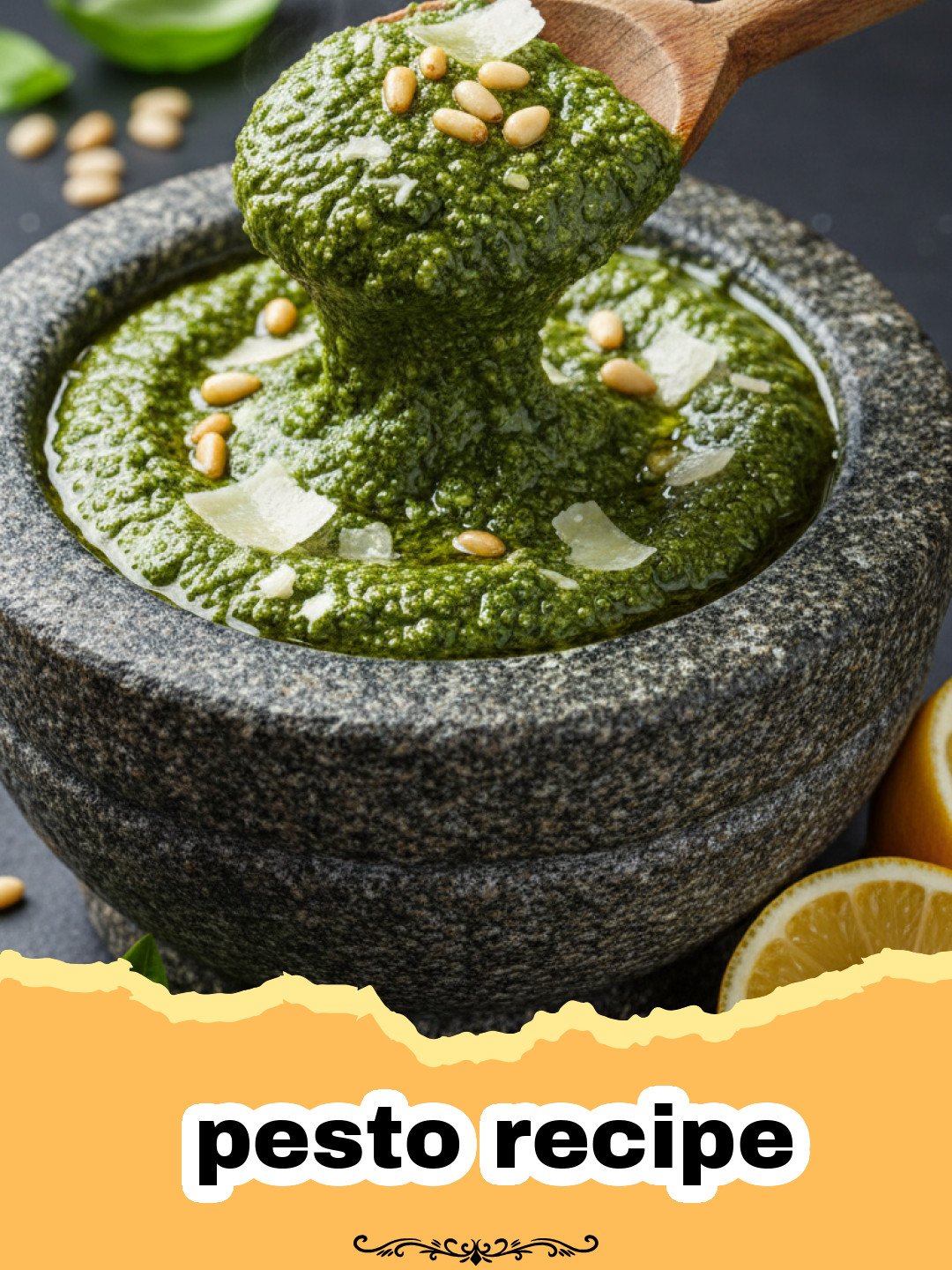
There are some smells that instantly transport you back in time, aren’t there? For me, the rich, aromatic scent of fresh basil, garlic, and Parmesan cheese, all whirled together into a vibrant green paste, is an instant ticket to my grandmother’s kitchen. Growing up, summer was synonymous with an overflowing basil patch in her garden. Every August, the air would thicken with the sweet, peppery fragrance of basil as we’d gather handfuls upon handfuls, preparing for her annual pesto-making marathon. It wasn’t just about making food; it was a ritual, a celebration of the harvest, and a way to bottle up the taste of summer for the colder months. Her secret, she’d whisper, wasn’t just the quality of the ingredients, but the love and patience poured into every batch of this classic pesto recipe. This isn’t just any pesto recipe; it’s a testament to simple, fresh flavors and the joy of homemade goodness. It’s the kind of dish that makes you close your eyes and savor every single forkful, thinking of sunny days and warm memories. Now, I want to share that magic with you, so you can create your own delicious memories with this incredible pesto recipe.
Why This Pesto Recipe is a Must-Try
- Unbeatable Freshness: Store-bought pesto simply can’t compare to the vibrant, aromatic explosion of fresh basil, garlic, and Parmesan in this homemade pesto recipe.
- Quick & Easy: With just a few minutes of prep and a food processor, you can have a gourmet sauce ready for any meal. This pesto recipe is incredibly forgiving and fast.
- Versatile Culinary Staple: Beyond pasta, this pesto recipe elevates sandwiches, pizzas, roasted vegetables, and even grilled meats. It’s a true kitchen workhorse.
- Customizable to Your Taste: Easily adjust the garlic, cheese, or nuts to perfectly suit your palate, making this pesto recipe uniquely yours.
Key Ingredient Notes
While the overall process for this pesto recipe is straightforward, the quality of your ingredients truly makes all the difference. Think of them as the building blocks of flavor.
Fresh Basil
This is the star of our pesto recipe, so choose wisely! Look for bright green, perky leaves without any wilting or black spots. Sweet basil is the classic choice, offering that characteristic sweet, peppery, and slightly anise-like flavor. Don’t be shy about using a generous amount; the basil will reduce significantly once processed. Remember to wash and thoroughly dry your basil leaves before using them; excess water can make your pesto watery and can oxidize the basil, turning it brown faster.
Pine Nuts
These small, creamy nuts provide a delicate, buttery richness that rounds out the flavors of this pesto recipe. While traditionally used raw, a quick toast in a dry pan for a few minutes can enhance their nutty flavor. Be careful not to burn them, as they can go from perfectly golden to burnt very quickly! If pine nuts are expensive or hard to find, walnuts or even almonds can be a decent substitute, though they will alter the classic flavor profile of this pesto recipe.
Parmigiano-Reggiano
Insist on genuine Parmigiano-Reggiano for the best results in your pesto recipe. Its sharp, salty, and slightly nutty flavor is crucial. Pre-grated Parmesan often contains anti-caking agents that can affect the texture and flavor. Freshly grated is always superior. If you’re looking for a slightly different flavor or want to use less dairy, a touch of Pecorino Romano can be added, but its stronger, saltier taste means you’ll need less.
Step-by-Step Guide with Pro Tips
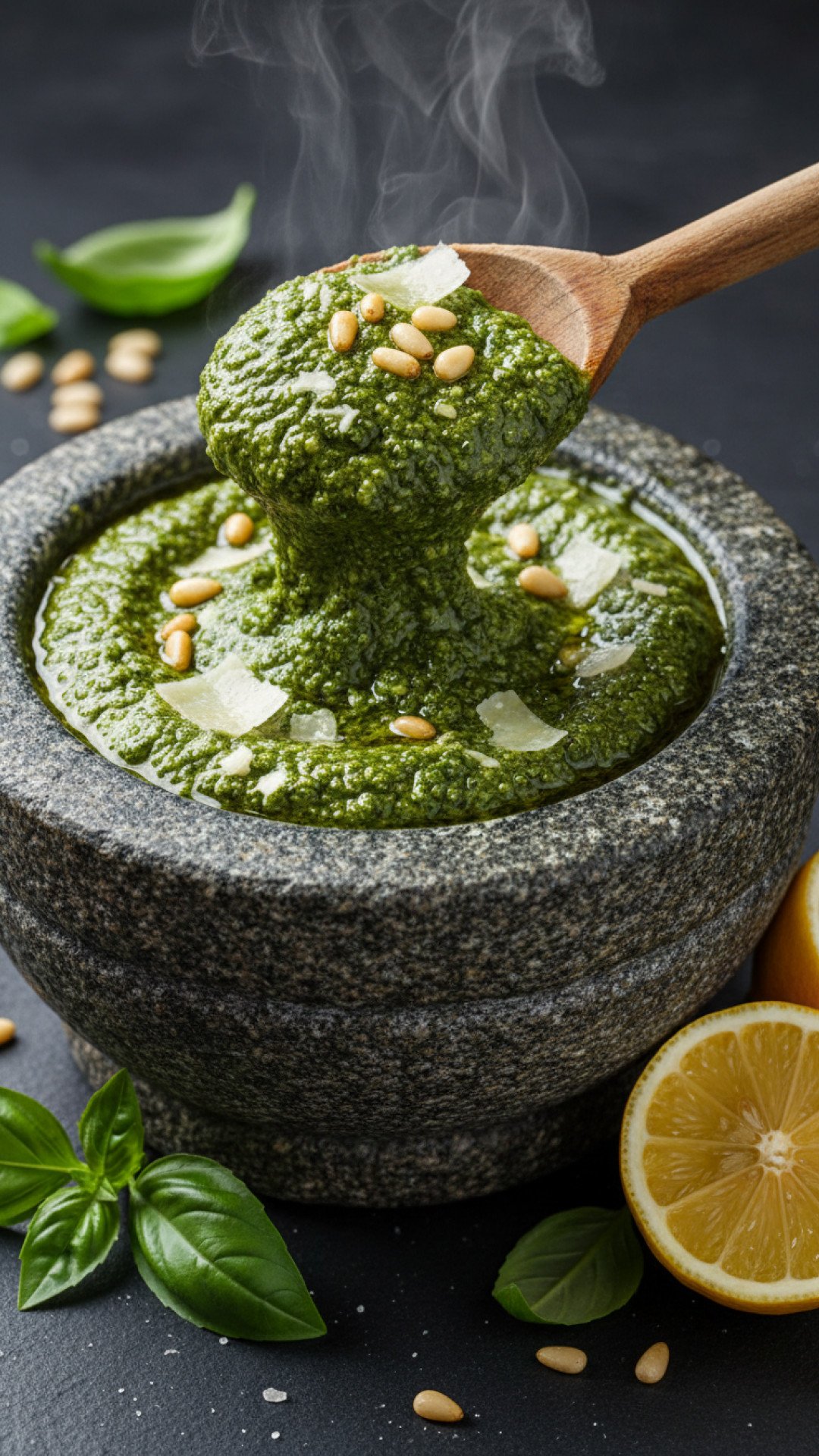
Making a truly amazing pesto recipe is simpler than you might think. Follow these steps for a perfect batch every time!
- Step 1: Gather all your ingredients. Ensure your basil is washed and thoroughly dried. This is crucial for preventing a watery pesto and maintaining its vibrant green color. Lightly toast your pine nuts in a dry skillet over medium-low heat for 2-3 minutes until fragrant, if desired. Let them cool.
- Step 2: In the bowl of a food processor, combine the fresh basil leaves, pine nuts, and garlic cloves. Pulse several times until roughly chopped. Scrape down the sides of the bowl to ensure everything is incorporated.
- Step 3: Add the freshly grated Parmigiano-Reggiano cheese and a pinch of salt and black pepper. Pulse again until the mixture is finely chopped but not yet a paste. This pesto recipe benefits from gradual blending.
- Step 4: With the food processor running on low, slowly drizzle in the extra virgin olive oil through the feed tube until the mixture comes together into a smooth, thick paste. Be careful not to over-process; you want a rustic texture, not a completely smooth purée.
- Step 5: Taste and adjust seasonings as needed. You might want more salt, pepper, or even a touch more cheese depending on your preference. This homemade pesto recipe is all about personal taste!
- Step 6: Transfer the finished pesto to an airtight container. If not using immediately, pour a thin layer of olive oil over the surface of the pesto to prevent oxidation and keep its beautiful green color. This pesto recipe can be stored in the refrigerator for up to a week or frozen for several months. For longer storage, consider using Basics Glass Food Storage containers.
Variations & Serving Suggestions
This classic pesto recipe is fantastic on its own, but its versatility truly shines when you start exploring variations and serving ideas. Don’t limit yourself to just pasta; think beyond the traditional!
Pesto Recipe Variations:
- Nut Substitutions: If pine nuts aren’t your favorite or you have allergies, try walnuts (for a earthier flavor), almonds (slightly sweeter), or even cashews (for a creamier texture) in this pesto recipe.
- Greens Swap: While basil is king, you can experiment with other greens. Try a mix of basil and spinach for a milder pesto, or even arugula for a peppery kick. Sun-dried tomato pesto is also a delicious alternative, omitting the basil.
- Vegan Pesto: Omit the Parmesan cheese and add nutritional yeast for a cheesy flavor, or simply increase the nuts and oil for a rich, dairy-free pesto recipe.
- Spicy Kick: Add a pinch of red pepper flakes to the food processor for a pesto with a little heat.
Serving Suggestions:
- Classic Pasta Dish: Toss your freshly made pesto with your favorite pasta. A quick and easy 20-Minute Creamy Garlic Butter Pasta can be transformed with a dollop of this vibrant sauce. Garnish with extra Parmesan and a few basil leaves.
- Sandwich Spread: Spread a generous layer of this pesto recipe on bread for sandwiches or paninis. It pairs wonderfully with chicken, mozzarella, or roasted vegetables.
- Pizza Base: Use it instead of traditional tomato sauce for a delicious white pizza base. Add fresh mozzarella, cherry tomatoes, and a drizzle of balsamic glaze after baking.
- Marinade: This pesto recipe makes an excellent marinade for chicken, fish, or shrimp.
- Roasted Vegetables: Drizzle over roasted asparagus, potatoes, or bell peppers for an instant flavor boost.
- Soup Swirl: Stir a spoonful into vegetable or tomato soup just before serving for added depth and freshness.
- Summer Salads: Incorporate this delightful pesto recipe into a pasta salad, like our Mediterranean Summer Pasta Salad, or use it as a dressing for a fresh caprese salad.
- Dip: Mix with Greek yogurt or sour cream for a quick and flavorful dip for crackers or crudités.
Nutrition Information
| Nutrient | Amount Per Serving |
|---|---|
| Calories | 290 kcal |
| Carbohydrates | 4 g |
| Cholesterol | 15 mg |
| Fat | 28 g |
| Fiber | 2 g |
| Protein | 7 g |
| Saturated Fat | 4 g |
| Serving Size | 1/4 cup (approx. 60g) |
| Sodium | 260 mg |
| Sugar | 1 g |
| Trans Fat | 0 g |
| Unsaturated Fat | 24 g |
Conclusion
There’s something truly satisfying about creating something so flavorful and fresh from scratch, especially a classic like this homemade pesto recipe. It’s more than just a sauce; it’s a celebration of simple, quality ingredients coming together to create culinary magic. Whether you’re whipping it up for a quick weeknight dinner, impressing guests, or simply preserving the taste of summer, this pesto recipe is a gift to your taste buds. So, grab your food processor, gather your basil, and prepare to elevate your meals with the ultimate homemade pesto. Happy cooking!
FAQs
How long does homemade pesto last?
Homemade pesto can last for up to one week in the refrigerator if stored in an airtight container, preferably with a thin layer of olive oil on top to prevent oxidation. For longer storage, it can be frozen for several months.
Can I make pesto without pine nuts?
Yes, absolutely! While pine nuts are traditional, you can substitute them with other nuts like walnuts, almonds, or cashews. Each will lend a slightly different flavor profile to your pesto recipe, but all make delicious alternatives.
Why does my pesto turn brown?
Pesto can turn brown due to oxidation when exposed to air. To prevent this, ensure your basil is completely dry before processing, avoid over-processing, and store the finished pesto in an airtight container with a thin layer of olive oil covering the surface.
What can I use pesto for besides pasta?
Pesto is incredibly versatile! Beyond pasta, you can use this pesto recipe as a spread for sandwiches, a base for pizza, a marinade for chicken or fish, a drizzle over roasted vegetables, a swirl in soups, or even mixed into dips like hummus or yogurt.
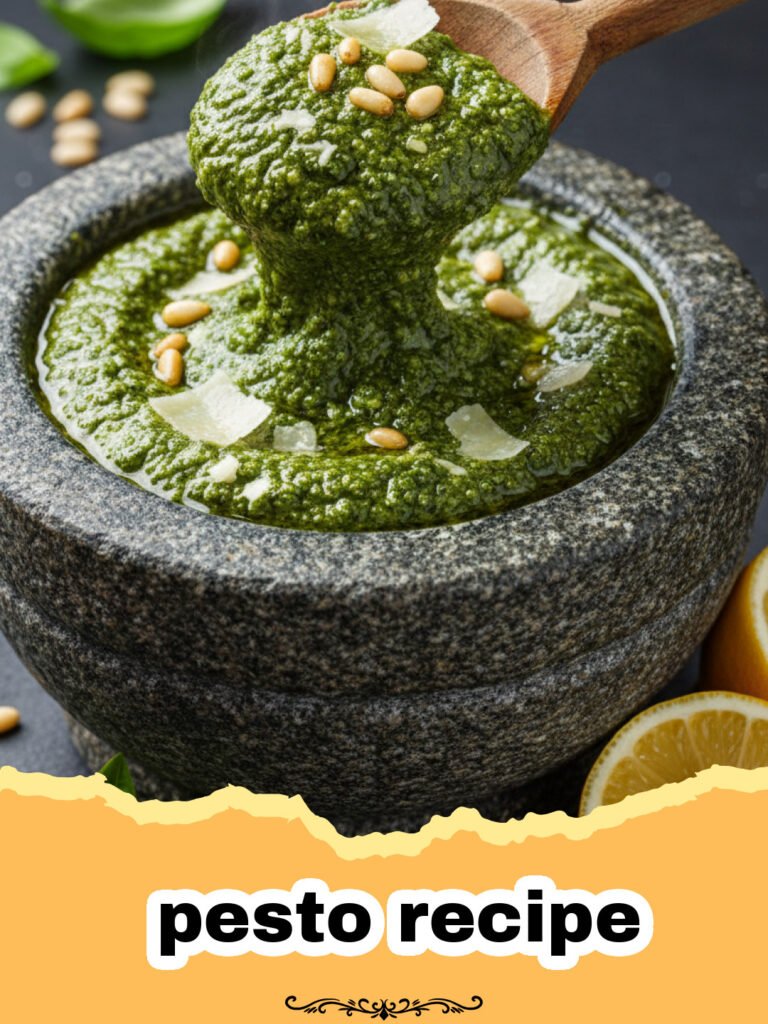
Classic Fresh Basil Pesto Recipe
An authentic and easy-to-make classic basil pesto recipe, bursting with the fresh flavors of basil, garlic, pine nuts, Parmesan cheese, and olive oil. Perfect for pasta, sandwiches, and more!
- Total Time: 10 minutes
- Yield: 1 cup 1x
Ingredients
2 cups fresh basil leaves, packed
1/2 cup freshly grated Parmigiano-Reggiano cheese
1/2 cup extra virgin olive oil
1/3 cup pine nuts (lightly toasted, optional)
2–3 cloves garlic, peeled
1/2 teaspoon salt, or to taste
1/4 teaspoon black pepper, or to taste
Instructions
Step 1: Gather all your ingredients. Ensure your basil is washed and thoroughly dried. Lightly toast your pine nuts in a dry skillet over medium-low heat for 2-3 minutes until fragrant, if desired. Let them cool completely.
Step 2: In the bowl of a food processor, combine the fresh basil leaves, pine nuts, and garlic cloves. Pulse several times until roughly chopped. Scrape down the sides of the bowl as needed.
Step 3: Add the freshly grated Parmigiano-Reggiano cheese, salt, and black pepper. Pulse again until the mixture is finely chopped but not yet a paste.
Step 4: With the food processor running on low, slowly drizzle in the extra virgin olive oil through the feed tube until the mixture comes together into a smooth, thick paste. Be careful not to over-process; you want a rustic texture.
Step 5: Taste and adjust seasonings as needed. You might want more salt, pepper, or even a touch more cheese depending on your preference.
Step 6: Transfer the finished pesto to an airtight container. If not using immediately, pour a thin layer of olive oil over the surface to prevent oxidation. Store in the refrigerator for up to a week or freeze for several months.
Notes
For best flavor, use high-quality extra virgin olive oil and freshly grated Parmigiano-Reggiano cheese. To prevent browning, cover the surface of the pesto with a thin layer of olive oil before refrigerating.
- Prep Time: 10 minutes
- Cook Time: 0 minutes
- Category: Side Dishes
- Cuisine: Italian
Nutrition
- Serving Size: 1/4 cup (approx. 60g)
- Calories: 290 kcal
- Sugar: 1 g
- Sodium: 260 mg
- Fat: 28 g
- Saturated Fat: 4 g
- Unsaturated Fat: 24 g
- Trans Fat: 0 g
- Carbohydrates: 4 g
- Fiber: 2 g
- Protein: 7 g
- Cholesterol: 15 mg
Keywords: pesto recipe, basil pesto, homemade pesto, italian pesto, easy pesto, fresh pesto, pine nut pesto, garlic pesto