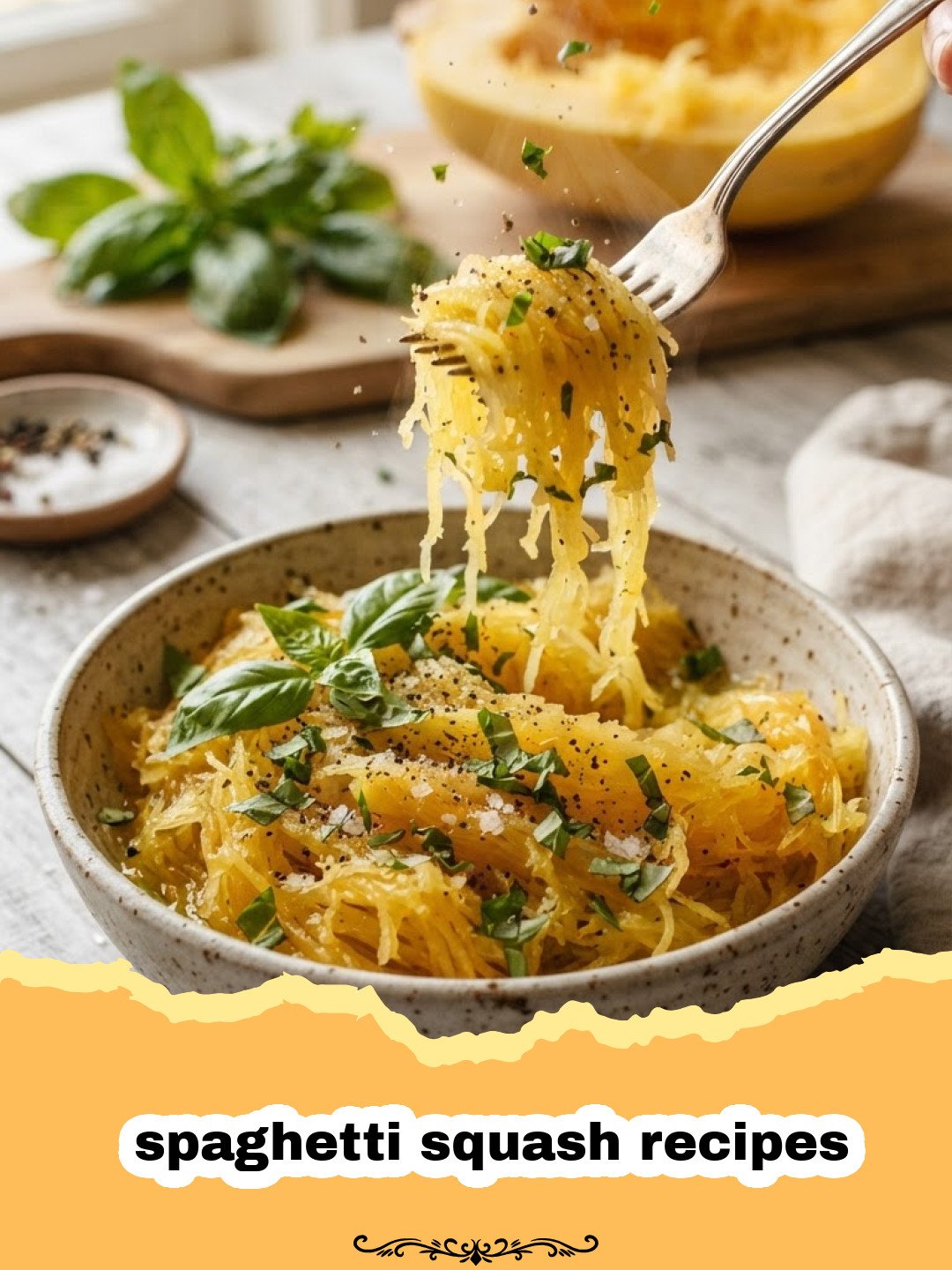
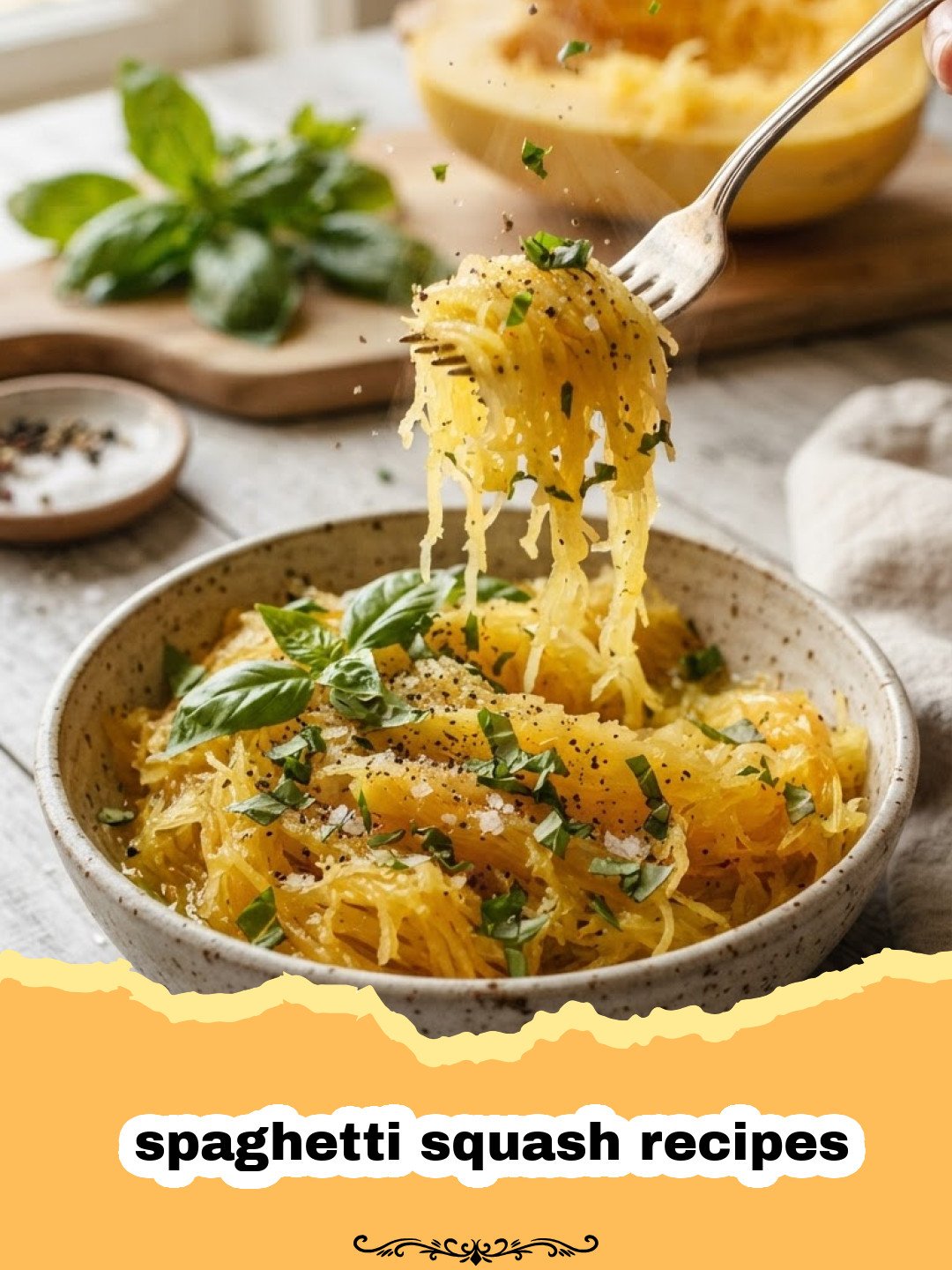
When it comes to finding light yet satisfying meals, spaghetti squash recipes are truly in a league of their own. I still remember the first time I brought home a heavy, pale yellow gourd from the farmer’s market, feeling entirely skeptical about its claim to be a pasta replacement. It sat on my counter for a week, a silent challenge. When I finally mustered the courage to roast it, I was mesmerized by how the fork pulled away those golden, translucent strands. It wasn’t just a vegetable; it was a canvas. Over the years, I have tested countless spaghetti squash recipes to find the perfect balance of texture and flavor, and this garlic parmesan version is the one I return to every single autumn. It captures that cozy, buttery essence we all crave during the cooler months while keeping things remarkably light on the stomach.
Why This Recipe is a Must-Try
- Low-Carb Comfort: Most spaghetti squash recipes offer a fantastic low-carb alternative to traditional grain-based pasta without leaving you feeling deprived.
- Simple Preparation: Unlike many complex spaghetti squash recipes, this one requires minimal hands-on time and only a few pantry staples.
- Texture Perfection: We use a specific roasting technique to ensure the strands are al dente rather than mushy, a common pitfall in amateur spaghetti squash recipes.
- Versatile Flavor: The combination of garlic and parmesan creates a savory base that pairs well with almost any protein or additional vegetable.
Key Ingredient Notes
To make the best spaghetti squash recipes, you need to start with a firm, heavy squash. Look for one that feels dense for its size and has a dull, matte skin rather than a shiny one. A shiny skin often indicates that the squash was picked too early and won’t have developed those beautiful long strands. Secondly, the quality of your olive oil matters immensely. Since the squash itself has a mild, nutty flavor, a high-quality extra virgin olive oil will provide a fruity, rich backbone to the dish. Finally, don’t skimp on the fresh garlic. While jarred garlic is convenient, many spaghetti squash recipes lose their depth when you don’t use freshly minced cloves that caramelize beautifully in the oven.
Step-by-Step Guide with Pro Tips
Preparation is the foundation of all successful spaghetti squash recipes. Start by slicing a small sliver off the top and bottom of your squash to create a stable base. This makes it much safer to cut the squash in half lengthwise. If the squash is particularly stubborn, you can microwave it for 3 minutes to soften the skin slightly before slicing. Once halved, use a sturdy spoon to scrape out the seeds and the stringy pulp from the center. Pro tip: Don’t throw those seeds away! Much like pumpkin seeds, they are delicious when roasted with a bit of salt and chili powder.
After cleaning the interior, brush the flesh generously with olive oil and season with salt and pepper. Place the squash cut-side down on a baking sheet. This is a crucial step in many spaghetti squash recipes because it allows the steam to escape and prevents the strands from becoming watery. While the squash roasts, you can prepare other elements of your meal, perhaps a The Ultimate Sheet Pan Frittata with Feta & Basil to serve alongside it for a protein-packed brunch or dinner. The squash is done when the skin feels soft and a fork easily pierces through the flesh.
Once roasted, let it cool for about 10 minutes. This resting period allows the moisture to redistribute, making it easier to rake out the strands. Use a fork to gently pull the strands away from the skin. If you find yourself missing the texture of grain-based noodles, remember that many spaghetti squash recipes are meant to be a unique experience rather than a direct clone. However, if you are in the mood for traditional pasta, you might prefer a One Pot Sun-Dried Tomato Pasta on those days when carbs are non-negotiable.
Variations & Serving Suggestions
The beauty of spaghetti squash recipes lies in their adaptability. For a Mediterranean twist, add sundried tomatoes, kalamata olives, and feta cheese. If you want something heartier, top your squash with a thick bolognese sauce or a creamy Alfredo. For those who enjoy a bit of spice, a drizzle of red pepper flakes or a spoonful of pesto can elevate the dish significantly. When it comes to storage, if you have leftovers, place them in Basics Glass Food Storage containers to keep the strands fresh and prevent them from absorbing odors from the fridge. They reheat beautifully in a skillet over medium heat with a touch of butter.
Nutrition Information
| Nutrient | Amount |
|---|---|
| Calories | 185 kcal |
| Total Fat | 12g |
| Saturated Fat | 4g |
| Cholesterol | 15mg |
| Sodium | 320mg |
| Total Carbohydrates | 16g |
| Dietary Fiber | 4g |
| Sugars | 6g |
| Protein | 6g |
Conclusion
Mastering spaghetti squash recipes is a journey worth taking for anyone looking to add more vegetables to their diet without losing the joy of a comforting meal. Whether you serve this as a side dish or a main course, the roasted garlic and parmesan will surely satisfy your cravings. I hope this guide helps you feel confident in your kitchen. Happy roasting!
FAQs
How do I keep my spaghetti squash from being watery?
To prevent watery spaghetti squash, roast it cut-side down on the baking sheet. This allows excess moisture to evaporate and prevents the squash from steaming in its own liquid. Additionally, salting the squash and letting it sit for 15 minutes before roasting can help draw out extra water.
Which way should you cut spaghetti squash?
While most people cut it lengthwise, cutting the squash into rings or crosswise (across the middle) will actually result in longer strands because the fibers of the squash run in a circular direction around the interior.
Can I freeze roasted spaghetti squash?
Yes, you can freeze roasted spaghetti squash. After roasting and shredding the strands, let them cool completely and drain any excess liquid. Place them in airtight freezer bags, removing as much air as possible. It will keep well for up to 3 months.
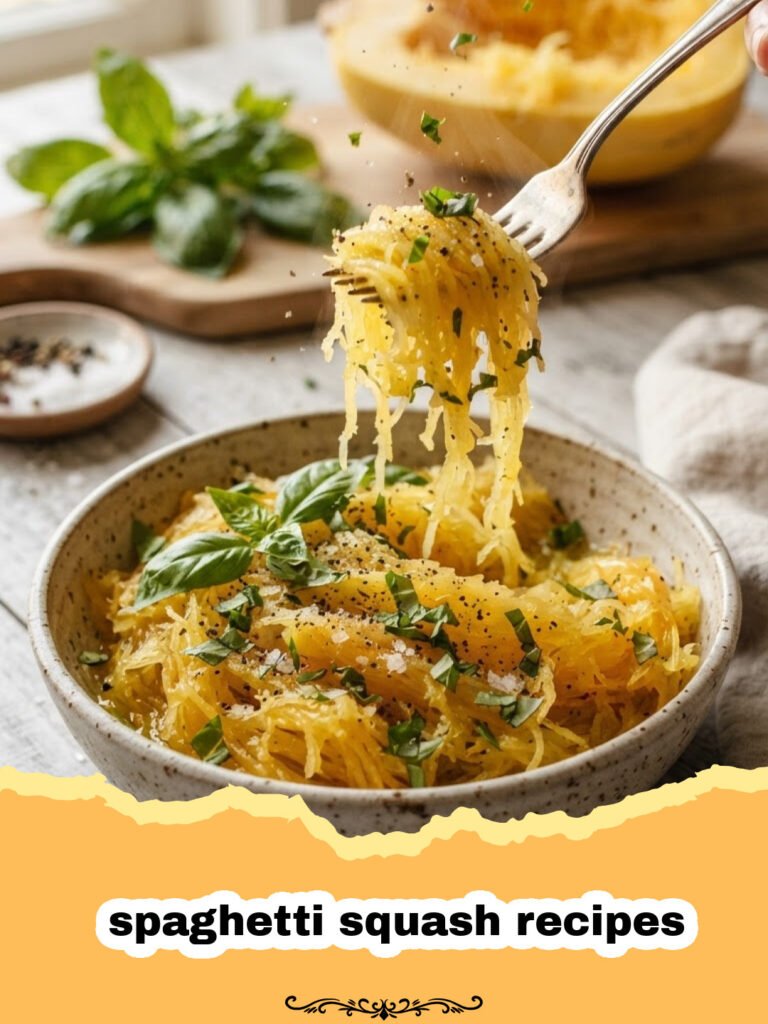
Roasted Garlic & Parmesan Spaghetti Squash
A perfectly roasted spaghetti squash with golden, al dente strands tossed in a fragrant garlic butter and parmesan cheese.
- Total Time: 55 minutes
- Yield: 4 servings 1x
Ingredients
1 medium spaghetti squash (approx 3 lbs)
3 tablespoons extra virgin olive oil
4 cloves garlic, minced
1/2 cup freshly grated Parmesan cheese
2 tablespoons fresh parsley, chopped
1 teaspoon sea salt
1/2 teaspoon black pepper
1/4 teaspoon red pepper flakes (optional)
Instructions
Step 1: Preheat your oven to 400°F (200°C) and line a large baking sheet with parchment paper for easy cleanup.
Step 2: Slice the spaghetti squash in half lengthwise. If it is too hard to cut, microwave it for 2-3 minutes first to soften the outer skin.
Step 3: Use a metal spoon to scrape out the seeds and any pulpy bits from the center of each squash half.
Step 4: Drizzle the flesh with 1 tablespoon of olive oil and sprinkle with salt and pepper. Rub the oil and seasoning into the flesh until evenly coated.
Step 5: Place the squash halves cut-side down on the prepared baking sheet. Roast for 40-50 minutes, or until the skin is easily pierced with a fork and the edges are slightly browned.
Step 6: While the squash is roasting, heat the remaining 2 tablespoons of olive oil in a small skillet over medium-low heat. Add the minced garlic and cook for 1-2 minutes until fragrant and golden, being careful not to burn it.
Step 7: Remove the squash from the oven and let it rest for 10 minutes. Use a fork to gently scrape the flesh into long, noodle-like strands, keeping them inside the squash skin or transferring to a bowl.
Step 8: Pour the garlic oil over the strands and toss gently. Sprinkle with parmesan cheese and fresh parsley. Serve immediately while hot.
Notes
To avoid soggy squash, ensure you roast it cut-side down and don’t overcook it. The squash should still have a slight bite.
- Prep Time: 10 minutes
- Cook Time: 45 minutes
- Category: Side Dishes
- Cuisine: American
Nutrition
- Serving Size: 1.5 cups
- Calories: 185 kcal
- Sugar: 6g
- Sodium: 320mg
- Fat: 12g
- Saturated Fat: 4g
- Unsaturated Fat: 8g
- Trans Fat: 0g
- Carbohydrates: 16g
- Fiber: 4g
- Protein: 6g
- Cholesterol: 15mg
Keywords: spaghetti squash recipes, low carb pasta, roasted spaghetti squash, healthy side dish