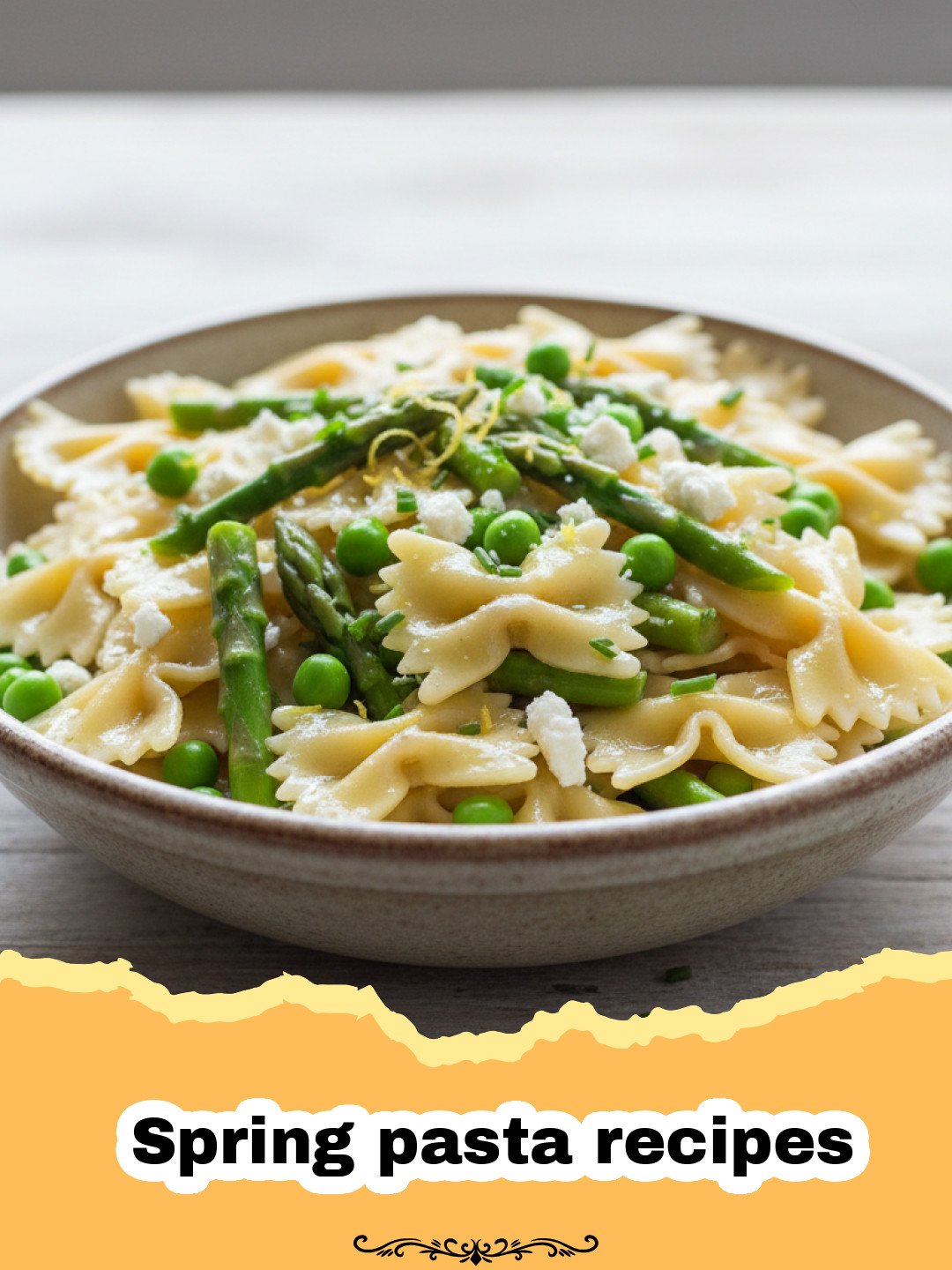
Finding the perfect balance of flavors in Spring pasta recipes is like capturing the essence of the season in a single bowl. I still remember the first time I felt the shift in the air this year—that crisp, morning breeze that finally carried the scent of wet earth and budding blossoms instead of the biting winter chill. I headed straight to the local farmers’ market, where the stalls were finally overflowing with vibrant green stalks of asparagus and tender, sweet peas. It inspired me to create a dish that wasn’t heavy or bogged down by winter’s richness, but rather one that felt light, bright, and invigorating. This recipe is the result of that sunny morning inspiration, a simple yet sophisticated meal that celebrates everything we love about seasonal cooking.
Why This Recipe is a Must-Try
- Incredible Freshness: It utilizes peak-season produce like asparagus and peas, which offer a natural sweetness and crunch that frozen varieties simply cannot match.
- Quick and Easy: From start to finish, you can have this on the table in under 30 minutes, making it ideal for busy weeknights when you still want a gourmet feel.
- Perfectly Balanced: The zesty lemon cuts through the light cream sauce, ensuring the dish feels refreshing rather than heavy, a hallmark of the best Spring pasta recipes.
- Versatile Base: This recipe serves as a fantastic canvas for adding your favorite proteins or tweaking the herbs to suit your personal palate.
Key Ingredient Notes
When searching for the best Spring pasta recipes, the quality of your ingredients is what truly sets a dish apart. For this pasta, I focus on three main elements that carry the flavor profile.
The Asparagus
Look for medium-sized stalks. While the pencil-thin ones are great for salads, slightly thicker stalks hold up better when tossed with warm pasta and sauce. Ensure the tips are tightly closed and firm to the touch. To prepare them, I always use the “natural snap” method: hold a stalk at both ends and bend it until it breaks. It will naturally snap at the point where the woody, fibrous end meets the tender part of the vegetable. This ensures every bite of your Spring pasta recipes is perfectly tender.
The Lemon
Since we are using both the juice and the zest, I highly recommend using organic lemons if possible. The zest provides those bright, floral citrus oils that define the aroma of the dish. Remember to zest the lemon before you juice it! If you find yourself with extra lemons, they also make a wonderful addition to a The Ultimate Homemade Dandelion Jelly Recipe: Spring in a Jar, which is another beautiful way to preserve the flavors of the season.
The Pasta Water
Never underestimate the power of “liquid gold.” Starchy pasta water is the secret to emulsifying your sauce. It helps the cream, cheese, and lemon juice bind together, coating every strand of pasta in a silky, glossy finish that makes Spring pasta recipes feel restaurant-quality at home.
Step-by-Step Guide with Pro Tips
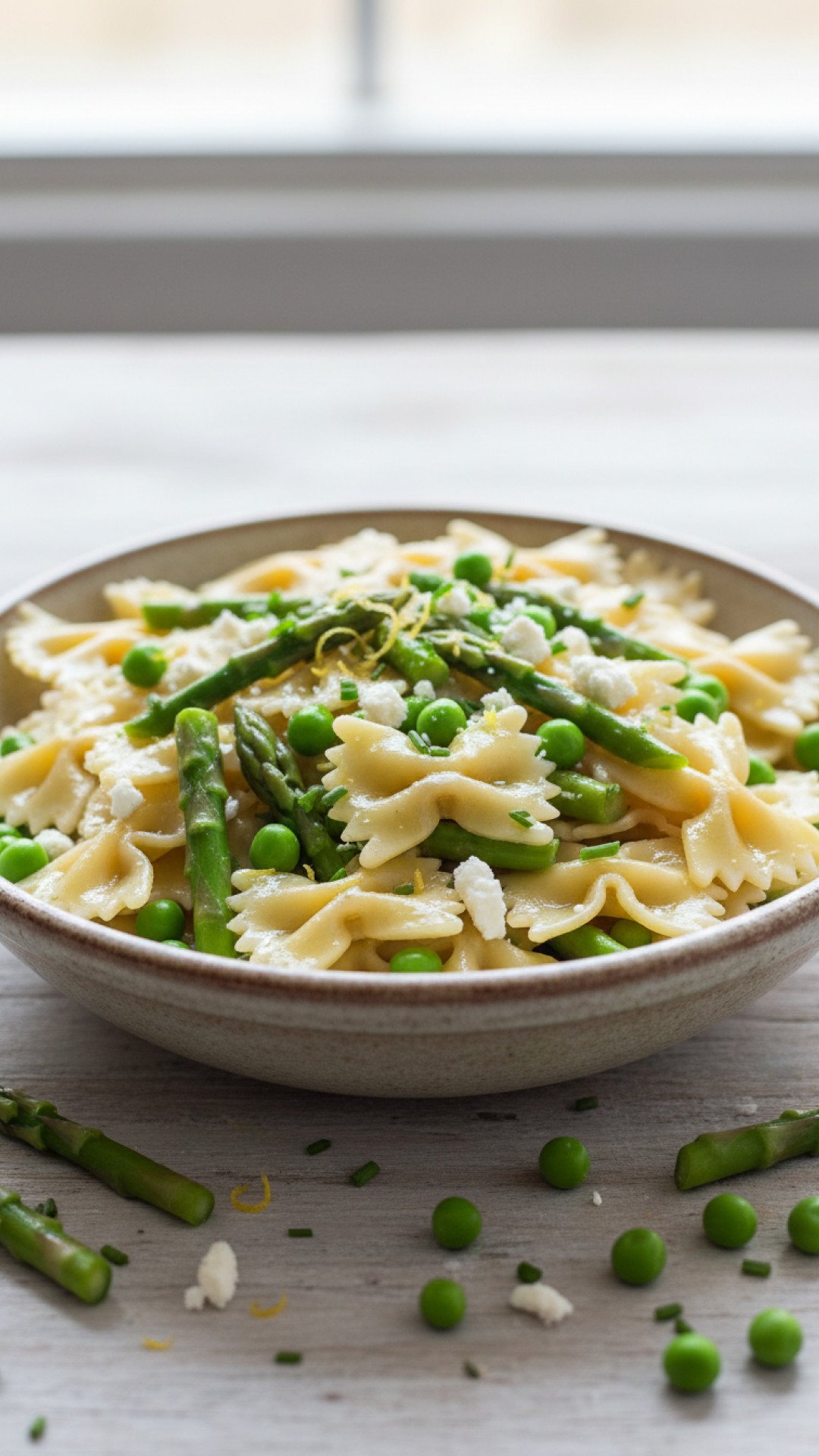
Creating professional-level Spring pasta recipes involves a few key techniques. First, always salt your pasta water generously—it should taste like the sea. This is your only chance to season the pasta itself. While the pasta cooks, you’ll prepare the aromatics. Sauti ng the garlic over medium-low heat is crucial; you want it to become fragrant and soft without turning brown or bitter.
Once your vegetables are added, only cook them until they are bright green and crisp-tender. Overcooking asparagus is a common mistake in Spring pasta recipes, but keeping that slight snap provides a wonderful textural contrast to the soft noodles. When you combine the cream and lemon, do so off the heat or over very low heat to prevent the sauce from breaking. The residual heat from the pasta is often enough to thicken the sauce to perfection.
For those who love to meal prep these Spring pasta recipes for the week, I recommend storing your leftovers in high-quality containers like Basics Glass Food Storage to keep the vegetables from getting soggy and the flavors fresh. If you are looking for even more inspiration for the warmer months ahead, don’t miss our guide on 25 Fresh Summer Dinner Recipes for Easy Evenings.
Variations & Serving Suggestions
While this recipe is stunning on its own, part of the joy of Spring pasta recipes is their adaptability. If you want to add more protein, grilled shrimp or sliced chicken breast work beautifully. For a vegetarian twist with more depth, try adding some sautéed mushrooms or a handful of baby spinach at the very end. If you don’t have fusilli, penne or linguine are excellent alternatives that hold the sauce well.
Serve this dish with a side of crusty sourdough bread or a simple arugula salad tossed in a light vinaigrette. For the ultimate seasonal experience, a chilled glass of Sauvignon Blanc or a crisp Pinot Grigio pairs wonderfully with the citrus notes and green vegetables found in these Spring pasta recipes.
Nutrition Information
| Nutrient | Amount |
|---|---|
| Calories | 450 kcal |
| Serving Size | 1.5 cups |
| Carbohydrate Content | 62g |
| Protein Content | 14g |
| Fat Content | 18g |
| Saturated Fat Content | 10g |
| Cholesterol Content | 45mg |
| Sodium Content | 320mg |
| Fiber Content | 5g |
| Sugar Content | 4g |
| Trans Fat Content | 0g |
| Unsaturated Fat Content | 6g |
Conclusion
Embracing the bounty of the season through Spring pasta recipes is one of the greatest joys of home cooking. This Creamy Lemon Asparagus Pasta brings together the brightness of citrus and the crunch of fresh greens in a way that is both comforting and sophisticated. Whether you’re hosting a garden lunch or just enjoying a quiet Tuesday night dinner, I hope this dish brings a little bit of spring sunshine into your kitchen. Happy cooking!
FAQs
Can I use frozen vegetables for Spring pasta recipes?
Yes, you can use frozen peas or asparagus if fresh is not available, though fresh provides a better texture. If using frozen, add them to the boiling water for just the last minute of cooking to avoid oversoftening.
How do I prevent the lemon cream sauce from curdling?
To prevent curdling, keep the heat low when adding lemon juice to the cream. Emulsifying the sauce with starchy pasta water also helps stabilize the mixture.
What is the best way to reheat leftover pasta?
Reheat leftovers on the stovetop over low heat with a splash of milk or water to loosen the sauce. Avoid high microwave settings which can cause the cream to separate.
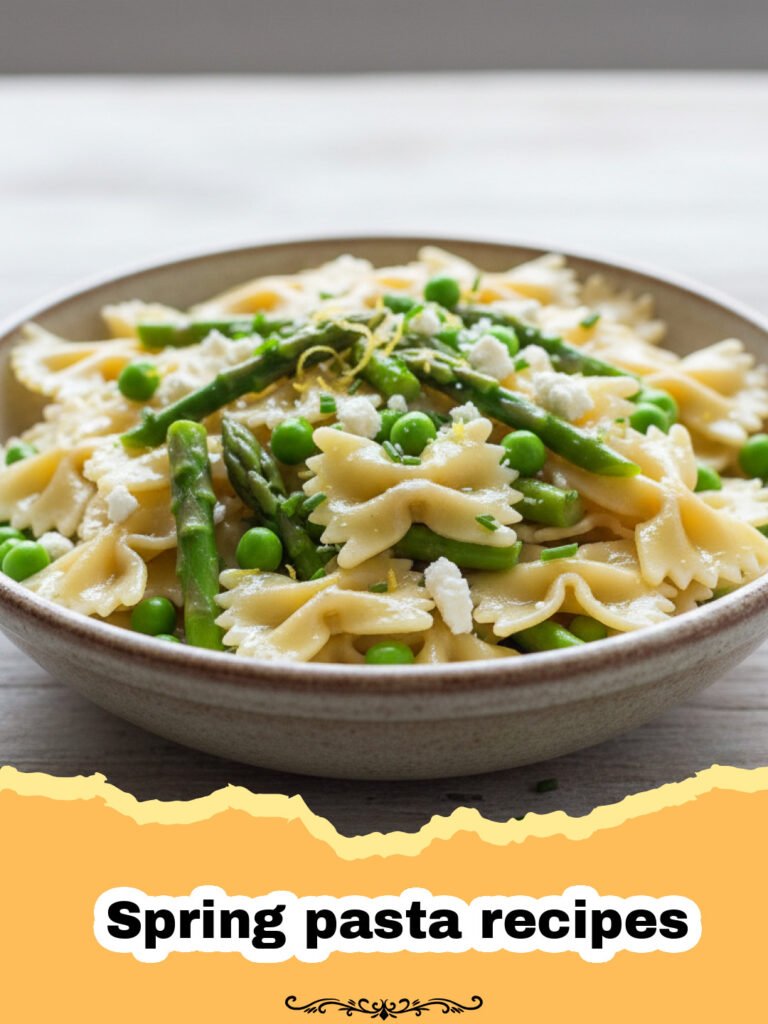
Creamy Lemon Asparagus Pasta
A light and vibrant pasta dish featuring fresh asparagus, sweet peas, and a silky lemon cream sauce.
- Total Time: 30 minutes
- Yield: 4 servings 1x
Ingredients
12 oz fusilli or penne pasta
1 lb fresh asparagus, trimmed and cut into 2-inch pieces
1 cup fresh or frozen peas
2 cloves garlic, minced
1 tablespoon olive oil
1/2 cup heavy cream
1/2 cup grated Parmesan cheese
1 large lemon, zested and juiced
1/4 cup fresh mint or parsley, chopped
Salt and black pepper to taste
Reserved pasta water (approx. 1/2 cup)
Instructions
Step 1: Bring a large pot of salted water to a boil. Add the pasta and cook according to package directions until al dente.
Step 2: During the last 3 minutes of the pasta cooking time, add the asparagus pieces and peas to the boiling water with the pasta.
Step 3: Before draining, carefully reserve about 1/2 cup of the starchy pasta water. Drain the pasta and vegetables and set aside.
Step 4: In the same pot, heat the olive oil over medium heat. Add the minced garlic and cook for 1 minute until fragrant but not browned.
Step 5: Reduce heat to low and stir in the heavy cream, lemon juice, and half of the lemon zest. Let it simmer gently for 2 minutes.
Step 6: Return the pasta and vegetables to the pot. Add the Parmesan cheese and toss well to coat. Gradually add the reserved pasta water as needed to reach a silky consistency.
Step 7: Season with salt and pepper. Garnish with the remaining lemon zest and fresh herbs before serving.
Notes
Always use fresh lemon juice for the best flavor; bottled juice can be too acidic.
- Prep Time: 15 minutes
- Cook Time: 15 minutes
- Category: Main Dishes
- Cuisine: Italian-American
Nutrition
- Serving Size: 1.5 cups
- Calories: 450 kcal
- Sugar: 4g
- Sodium: 320mg
- Fat: 18g
- Saturated Fat: 10g
- Unsaturated Fat: 6g
- Trans Fat: 0g
- Carbohydrates: 62g
- Fiber: 5g
- Protein: 14g
- Cholesterol: 45mg
Keywords: Spring pasta recipes, Lemon pasta, Asparagus recipe, Vegetarian dinner, Quick weeknight meal