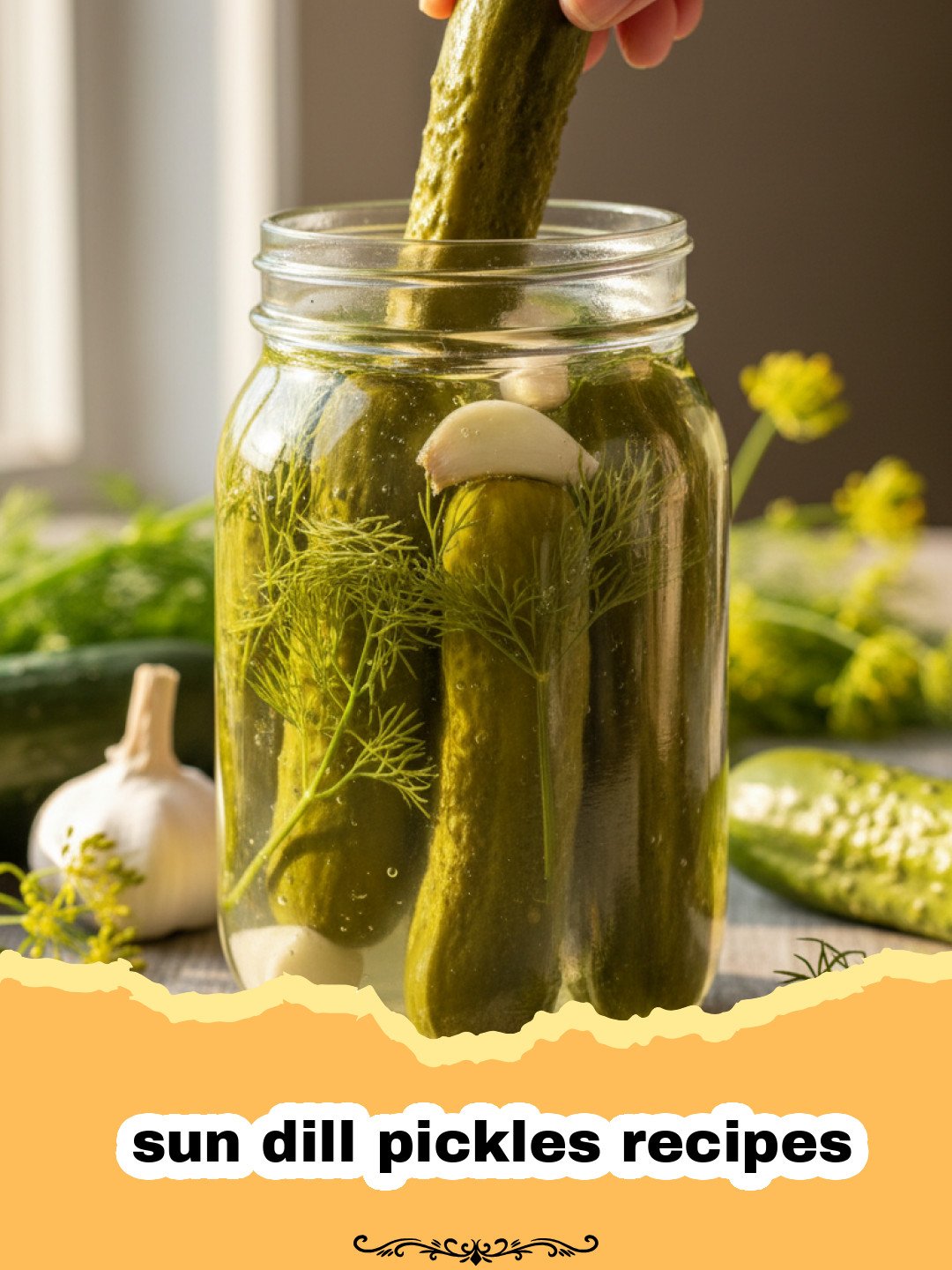
When it comes to capturing the essence of a warm July afternoon, few things compare to the magic found in sun dill pickles recipes. I remember standing on my grandmother’s back porch, shielding my eyes from the glare of the midday sun as she lined up massive glass jars along the railing. Inside those jars, bright green cucumbers bathed in a salty brine, dancing with sprigs of fresh dill and cloves of garlic. There was no boiling water bath, no heavy steam filling the kitchen, and no loud rattling of canning racks. Instead, there was a quiet, slow transformation happening right before our eyes. Sun dill pickles recipes rely on the gentle heat of the sun to kickstart a natural fermentation process that results in a crunch you simply cannot replicate with modern quick-pickle methods. To me, the flavor of these pickles is the flavor of childhood—salty, tangy, and intensely aromatic. If you are looking for a way to use up a garden bounty while honoring a time-tested tradition, diving into sun dill pickles recipes is the perfect summer project.
Why This Recipe is a Must-Try
Exploring sun dill pickles recipes is more than just a culinary task; it is an experiment in patience and natural science. Here is why you should clear some space on your sunny windowsill or porch for these jars:
- Incredible Crunch: Because the cucumbers are never subjected to the high heat of a pressure or water bath canner, they maintain their structural integrity, resulting in a snap that is truly satisfying.
- Probiotic Benefits: Many sun dill pickles recipes utilize natural fermentation, which creates healthy bacteria that are excellent for gut health, unlike vinegar-only pickles.
- Energy Efficient: By using the power of the sun to warm the jars, you are keeping your kitchen cool and reducing your electricity usage during those sweltering summer months.
- Simple Ingredients: You don’t need complex preservatives or chemicals; just salt, water, herbs, and sunshine.
If you enjoy traditional methods like this, you might also like my guide on Homemade Sun Pickles: The Ultimate Summer Tradition, which dives even deeper into the history of solar-fermented foods. Sun dill pickles recipes are truly the gateway to becoming a fermentation enthusiast.
Key Ingredient Notes
The success of sun dill pickles recipes depends heavily on the quality of your raw materials. Since we aren’t using high heat to sterilize, every ingredient must be at its peak. First, let’s talk about the cucumbers. You cannot use the long, thin-skinned English cucumbers or the large, waxy slicing cucumbers found in the supermarket salad aisle. For authentic sun dill pickles recipes, you need pickling cucumbers, often called Kirbys. They are short, bumpy, and have a thick skin that can withstand the fermentation process without turning to mush.
Second, the dill is non-negotiable. While dried dill seed can work in a pinch, the best sun dill pickles recipes call for fresh dill “heads.” These are the flowering tops of the dill plant that have started to go to seed. They contain a higher concentration of essential oils than the feathery fronds, providing that signature punchy flavor. Lastly, the water quality matters immensely. Many sun dill pickles recipes fail because of chlorinated tap water, which can inhibit the growth of the beneficial bacteria we want. Use filtered or spring water to ensure your brine remains active and healthy. Once you have finished your batch, storing them in high-quality Basics Glass Food Storage containers will keep them crisp in the refrigerator for weeks.
Step-by-Step Guide with Pro Tips
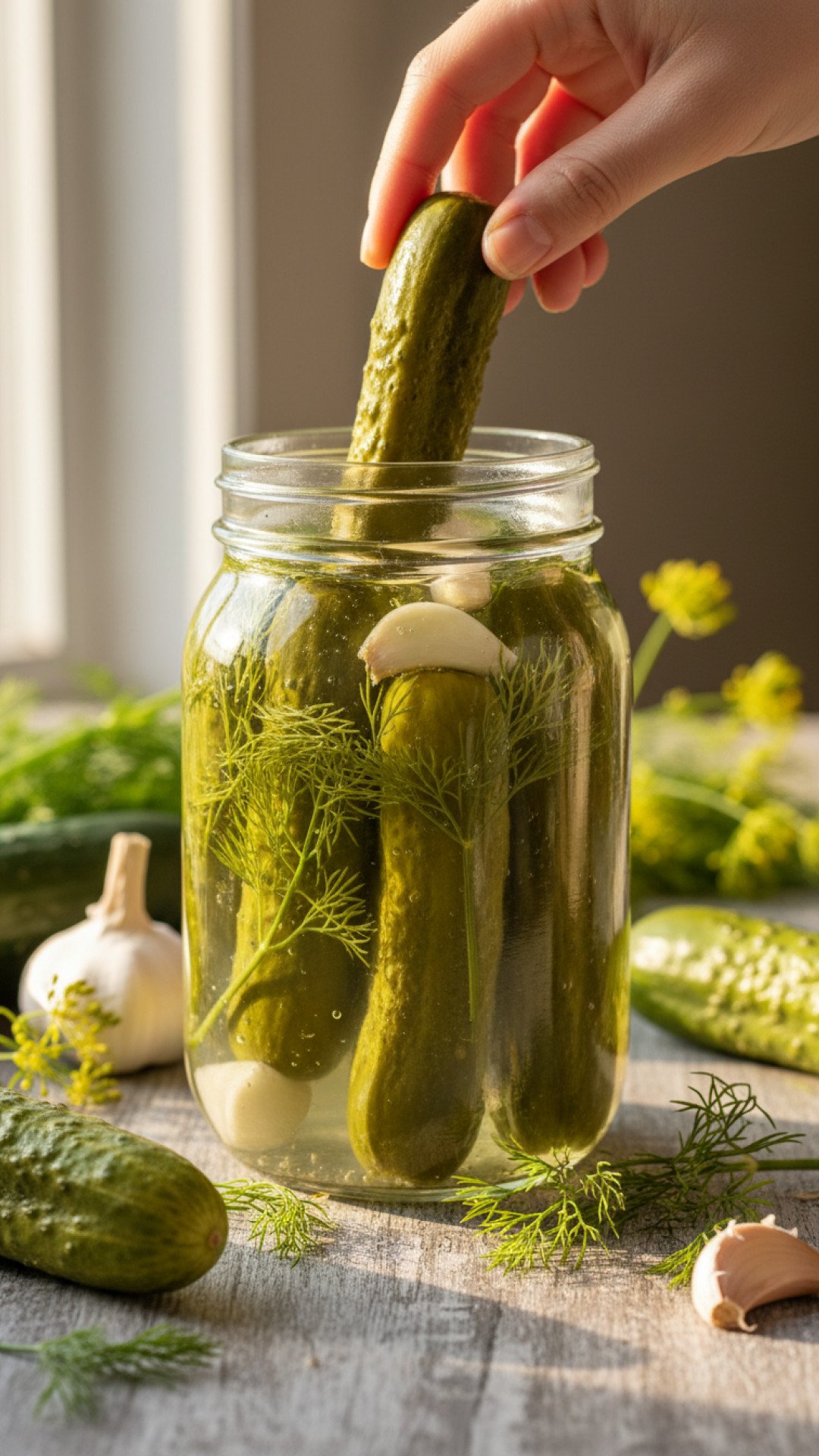
Mastering sun dill pickles recipes is a straightforward process, but the details matter. You want to start with jars that are meticulously clean. While we aren’t “canning” in the traditional sense, starting with a sterile environment prevents unwanted mold. Scrub your cucumbers thoroughly to remove any soil or residual blossoms, as the blossom end contains enzymes that can make pickles soft. Many veteran makers of sun dill pickles recipes suggest slicing a tiny sliver off the blossom end of each cucumber just to be safe.
When packing your jars, don’t be afraid to get tight. Wedge the cucumbers in so they don’t float; any vegetable that peeks above the brine line is prone to spoilage. As you layer, intersperse your garlic, peppercorns, and dill. When you pour the brine over the top, leave about an inch of headspace. One of the most important aspects of sun dill pickles recipes is the placement of the jar. You want a spot that gets direct sunlight for at least 6 to 8 hours a day. However, keep an eye on the temperature; if it is excessively hot (over 95°F), the fermentation might happen too quickly, leading to hollow pickles. The beauty of sun dill pickles recipes is the daily ritual of checking the jars, watching the water turn slightly cloudy, and seeing the cucumbers change from bright emerald to an olive-drab hue.
Pro Tip: If you are serving these at a summer BBQ, they pair perfectly with meats seasoned with my Ultimate BBQ Chicken Rub. The acidity of the sun dill pickles recipes cuts through the smoky sweetness of the rub beautifully.
Variations & Serving Suggestions
One of the best things about sun dill pickles recipes is how customizable they are. If you prefer a bit of heat, add two or three halved habaneros or a teaspoon of red pepper flakes to each jar. For a more “deli-style” flavor found in various sun dill pickles recipes, increase the garlic to five or six cloves per quart and add a tablespoon of mustard seeds. You can even experiment with adding a grape leaf or a cherry leaf to the jar; the tannins in the leaves help keep the cucumbers extra crunchy.
Serving these pickles is a joy. They are, of course, a staple on any burger or sandwich platter, but don’t stop there. Chop them up into a chunky relish for hot dogs, or serve them alongside a charcuterie board with sharp cheddar cheese and crusty bread. Because sun dill pickles recipes produce a brine that is rich in flavor and probiotics, some people even save the leftover liquid to use as a marinade for chicken or as a “pickle back” shot. The versatility of sun dill pickles recipes makes them a year-round favorite, even if they can only be made during the height of summer.
Nutrition Information
While sun dill pickles recipes are low in calories, they are high in flavor and minerals. Below is a breakdown of the nutritional content for a standard serving size (one medium pickle).
| Nutrient | Amount per Serving |
|---|---|
| Calories | 18 kcal |
| Carbohydrate Content | 3.5 g |
| Cholesterol Content | 0 mg |
| Fat Content | 0.2 g |
| Fiber Content | 1.1 g |
| Protein Content | 0.8 g |
| Saturated Fat Content | 0 g |
| Serving Size | 1 medium pickle |
| Sodium Content | 310 mg |
| Sugar Content | 1.5 g |
| Trans Fat Content | 0 g |
| Unsaturated Fat Content | 0.1 g |
Conclusion
There is something deeply satisfying about working with the elements to create food. Sun dill pickles recipes offer a bridge between the past and the present, allowing us to slow down and appreciate the natural rhythms of the season. Whether you are a seasoned gardener or just someone who picked up a flat of cucumbers at the farmers’ market, I encourage you to try your hand at sun dill pickles recipes this year. The reward is a jar full of sunshine and a crunch that will have you coming back for more all summer long. Happy fermenting!
FAQs
How do I know if my sun dill pickles have gone bad?
If you see fuzzy mold (usually pink, black, or green) on the surface, or if the pickles are excessively mushy and have a foul, rotten smell rather than a tangy ferment smell, they should be discarded.
Can I use regular table salt for sun dill pickles recipes?
It is not recommended. Table salt contains iodine and anti-caking agents that can darken the pickles and turn the brine muddy. Use pickling salt, kosher salt, or sea salt.
How long do these pickles last in the fridge?
Once fermented and moved to the refrigerator, these pickles will stay crunchy and delicious for up to 4-6 months, though they are best consumed within the first 8 weeks.

Old-Fashioned Sun Dill Pickles
A traditional, solar-fermented pickle recipe that uses the sun’s natural warmth to create the perfect crunch and tangy flavor.
- Total Time: 3 days
- Yield: 2 quarts 1x
Ingredients
2 lbs Kirby or pickling cucumbers
4 cups filtered water
3 tbsp pickling salt (non-iodized)
4–6 fresh dill heads with stalks
6 cloves garlic, smashed
1 tsp whole black peppercorns
1 tsp mustard seeds
Optional: 1/2 tsp red pepper flakes for heat
Instructions
Step 1: Thoroughly wash the cucumbers in cold water, removing any dirt and the blossom ends to ensure they stay crunchy.
Step 2: In a large pitcher, whisk together the filtered water and pickling salt until the salt is completely dissolved to create your brine.
Step 3: Into two clean quart-sized glass jars, divide the garlic, peppercorns, mustard seeds, and half of the dill heads.
Step 4: Pack the cucumbers tightly into the jars, leaving about an inch of space at the top.
Step 5: Pour the brine over the cucumbers until they are completely submerged. Add the remaining dill heads to the top of each jar.
Step 6: Place the lids on the jars but do not tighten them completely; leave them slightly loose to allow fermentation gases to escape.
Step 7: Place the jars in a spot that receives direct sunlight for at least 6-8 hours a day. Leave them there for 2 to 4 days, depending on the intensity of the sun.
Step 8: Taste a pickle after 2 days. Once the flavor is tangy and the color has changed, tighten the lids and move the jars to the refrigerator to stop the fermentation.
Notes
Always use filtered water to avoid chlorine, which can stall fermentation. If you don’t have dill heads, 2 tablespoons of dill seed per jar can be substituted.
- Prep Time: 20 minutes
- Cook Time: 72 hours
- Category: Appetizers & Snacks
- Cuisine: American
Nutrition
- Serving Size: 1 medium pickle
- Calories: 18 kcal
- Sugar: 1.5 g
- Sodium: 310 mg
- Fat: 0.2 g
- Saturated Fat: 0 g
- Unsaturated Fat: 0.1 g
- Trans Fat: 0 g
- Carbohydrates: 3.5 g
- Fiber: 1.1 g
- Protein: 0.8 g
- Cholesterol: 0 mg
Keywords: sun dill pickles recipes, solar pickles, fermented dill pickles, summer canning, probiotic pickles