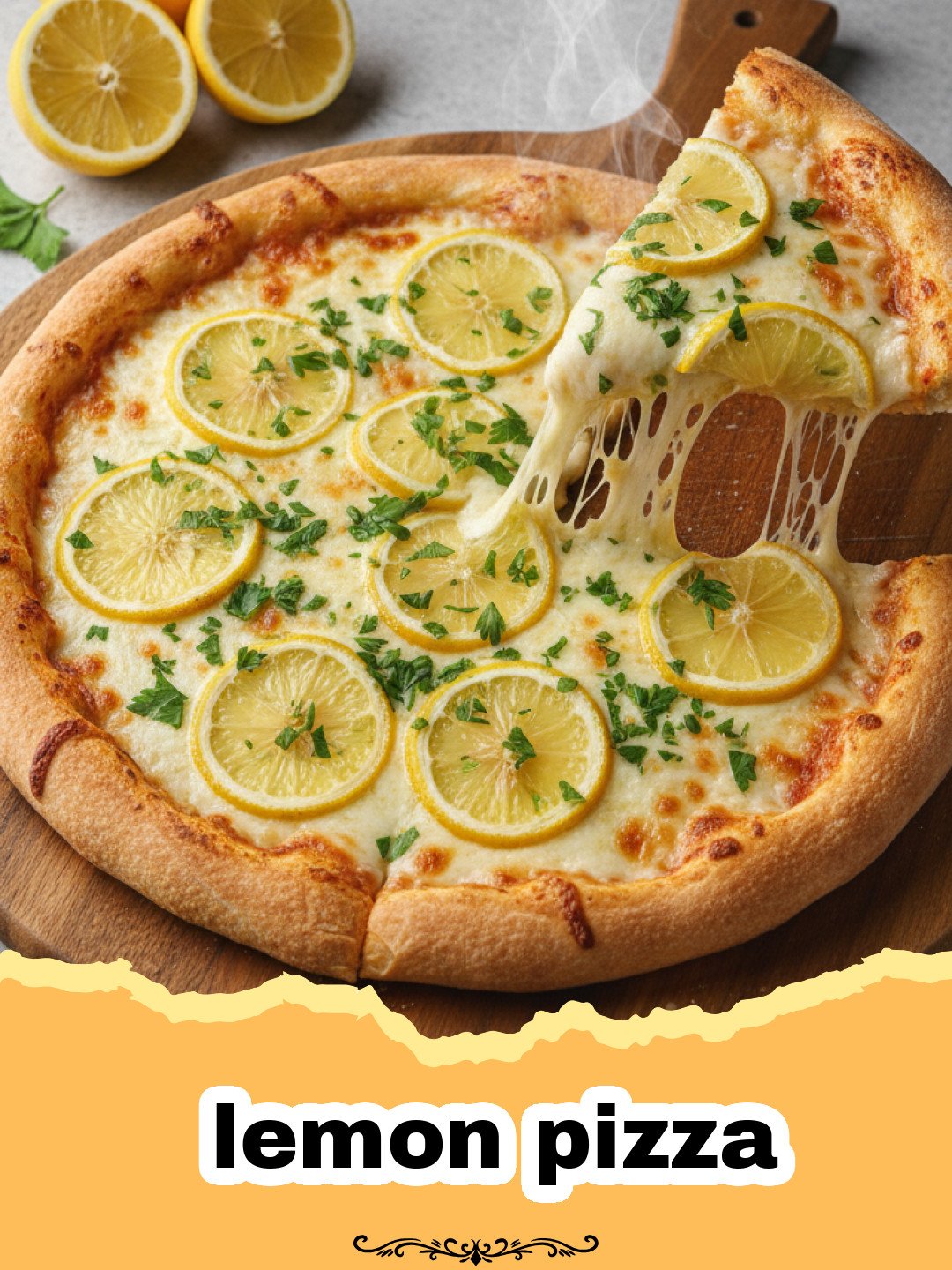
There is something truly magical about the first time you bite into a well-crafted lemon pizza. I remember it clearly: a small, sun-drenched terrace in Sorrento, overlooking the azure waters of the Mediterranean. The air was thick with the scent of jasmine and salt, and the waiter brought out a platter that looked more like a piece of art than a meal. I was skeptical at first—fruit on pizza is a controversial topic, after all—but one taste of that bright, zesty, and savory lemon pizza changed my culinary perspective forever. The way the acidity of the citrus cut through the rich creaminess of the cheese was nothing short of a revelation. It wasn’t just a meal; it was an experience that I knew I had to recreate in my own kitchen for my family and friends.
Since that trip, I have spent months perfecting the balance of flavors for my own lemon pizza. It is a dish that surprises people, sparking conversation and delight at every dinner party. Whether you are looking for a light summer lunch or a unique addition to your Friday night pizza rotation, this recipe offers a sophisticated profile that is remarkably easy to achieve at home. It captures the essence of coastal Italy while using simple, high-quality ingredients you can find at any local market.
Why This Recipe is a Must-Try
- Unmatched Freshness: Unlike heavy meat-topped pizzas, this lemon pizza feels light and energizing, making it perfect for warm weather.
- Sophisticated Flavor Profile: The combination of tart lemon, salty parmesan, and aromatic herbs creates a complex taste that mimics high-end bistro fare.
- Vegetarian Friendly: It is a fantastic option for those seeking a meat-free main dish that doesn’t compromise on gourmet appeal.
- Versatility: You can easily adapt the base to include proteins or different cheeses depending on your pantry staples.
Key Ingredient Notes
The secret to a world-class lemon pizza lies in the quality of the citrus. I highly recommend using Meyer lemons if you can find them. They are a cross between a regular lemon and a mandarin orange, offering a sweeter, thinner skin and a less aggressive acidity. If you are using standard Eureka lemons, ensure you slice them as paper-thin as possible to prevent the pith from becoming too bitter during the bake.
Secondly, the cheese selection is paramount. A mix of high-moisture fresh mozzarella and a sharp, aged Pecorino Romano or Parmesan provides both the stretch and the salty punch needed to balance the lemon. For a sweet contrast, I often serve this alongside The Most Delicious Lemon Pistachio Yogurt Cake for a full citrus-themed evening. The fats in the cheese act as a vehicle for the lemon oils, distributing that bright flavor across every inch of the crust.
Finally, don’t skimp on the olive oil. Use a high-quality extra virgin olive oil as the base. Since there is no traditional tomato sauce on a lemon pizza, the oil provides the necessary moisture and carries the garlic and herb infusions directly into the dough.
Step-by-Step Guide with Pro Tips
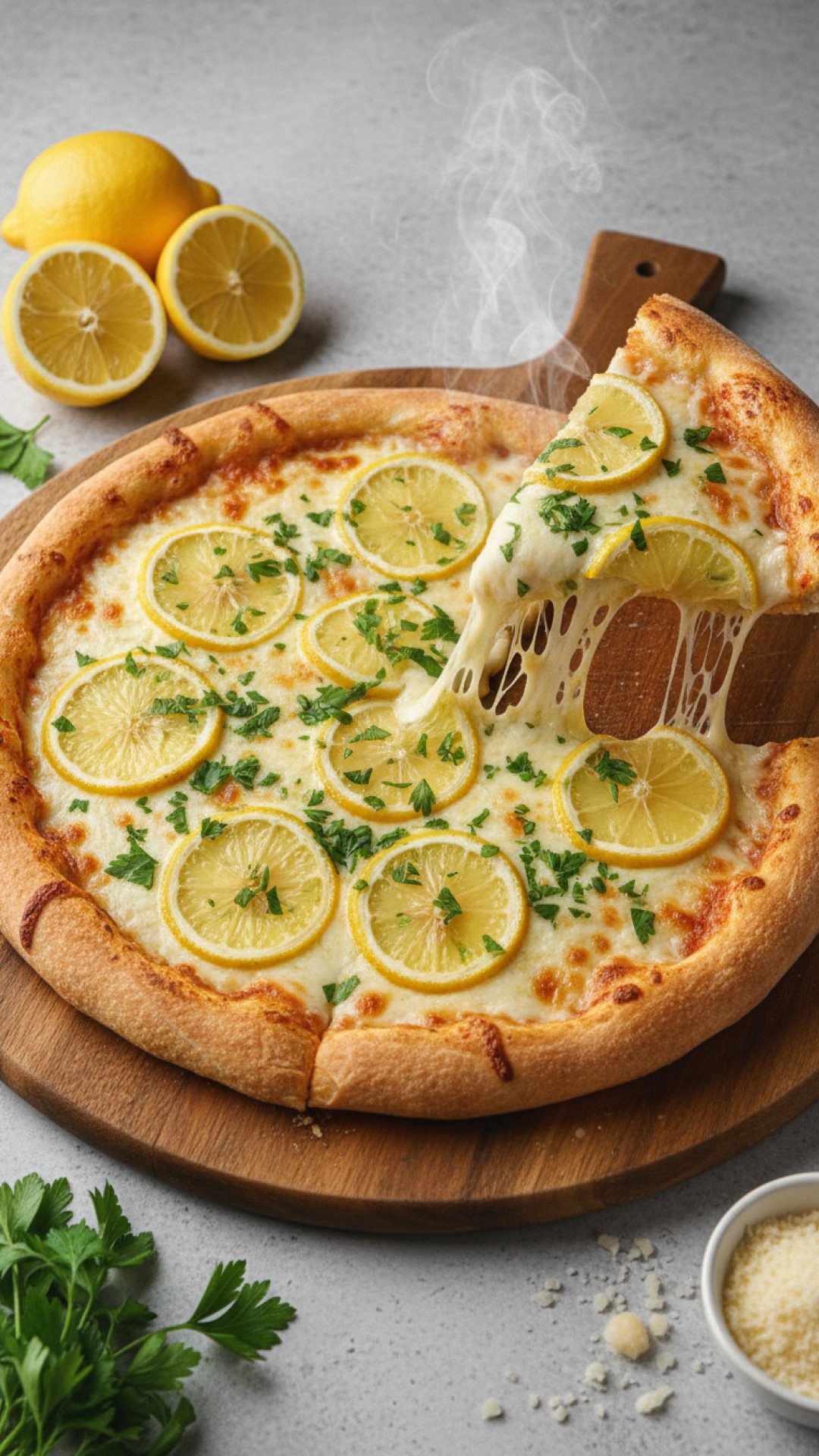
Preparing a lemon pizza requires a bit of finesse, especially when it comes to the lemon prep. You want the slices to be almost translucent. Using a mandoline is the best way to achieve this uniformity. If you are worried about the bitterness of the rind, you can quickly blanch the lemon slices in boiling water for 30 seconds before placing them on the pizza, though I find the char from the oven usually mellows them perfectly.
When stretching your dough, aim for a thin, Neapolitan-style base. A heavy, thick crust can sometimes overwhelm the delicate toppings of a lemon pizza. Pro tip: let your dough sit at room temperature for at least an hour before stretching; this relaxes the gluten and prevents it from snapping back, ensuring a crispy, airy crust. If you enjoy lighter, veggie-forward meals, you might also love The Ultimate Autumn Harvest Pasta with Roasted Veggies and Pesto as another rotation staple.
Baking at the highest temperature your oven can handle is key. A pizza stone or a preheated heavy baking sheet will help you get those beautiful charred spots on the bottom. Once the lemon pizza comes out of the oven, a final flourish of fresh basil or even a drizzle of hot honey can take the flavors to a whole new level. The heat from the oven caramelizes the natural sugars in the lemon, transforming the tartness into a mellow, sun-kissed sweetness.
Variations & Serving Suggestions
While the classic lemon pizza is vegetarian, it is incredibly easy to customize. Adding salty prosciutto or pancetta before baking creates a wonderful savory-sweet dynamic. For those who love a bit of heat, crushed red pepper flakes or a sliced Fresno chili adds a spicy kick that complements the citrus beautifully. You can also experiment with different herb oils, such as rosemary or thyme, to vary the aromatic profile.
For serving, I love pairing this lemon pizza with a crisp arugula salad tossed in a simple balsamic vinaigrette. The peppery bite of the arugula is the perfect companion to the zesty pizza. If you have leftovers, they keep surprisingly well. I recommend using Basics Glass Food Storage containers to keep the crust from getting too soggy in the fridge. To reheat, avoid the microwave; instead, pop the slices back into a hot skillet for a few minutes to crisp up the bottom.
Nutrition Information
| Nutrient | Amount per Serving |
|---|---|
| Calories | 310 kcal |
| Carbohydrate Content | 38g |
| Fat Content | 12g |
| Protein Content | 11g |
| Sodium Content | 580mg |
| Fiber Content | 2g |
| Sugar Content | 3g |
In conclusion, this lemon pizza is more than just a quirky recipe; it is a celebration of simple, vibrant ingredients. It challenges the traditional notions of what a pizza should be and rewards the adventurous cook with a burst of Mediterranean sunshine. I hope this recipe brings a bit of that Sorrento magic into your home. Happy baking!
FAQs
Can you actually eat the lemon rind on a lemon pizza?
Yes, you can! When sliced paper-thin, the lemon rind softens and caramelizes in the high heat of the oven, losing its intense bitterness and becoming a delicious part of the pizza.
What are the best lemons to use for lemon pizza?
Meyer lemons are the preferred choice because they have a thinner skin and a sweeter, less acidic juice. However, regular lemons work well if sliced very thin.
How do I prevent the pizza from getting soggy?
To avoid a soggy crust, use fresh mozzarella that has been patted dry with paper towels and ensure your oven and pizza stone are fully preheated to a very high temperature.
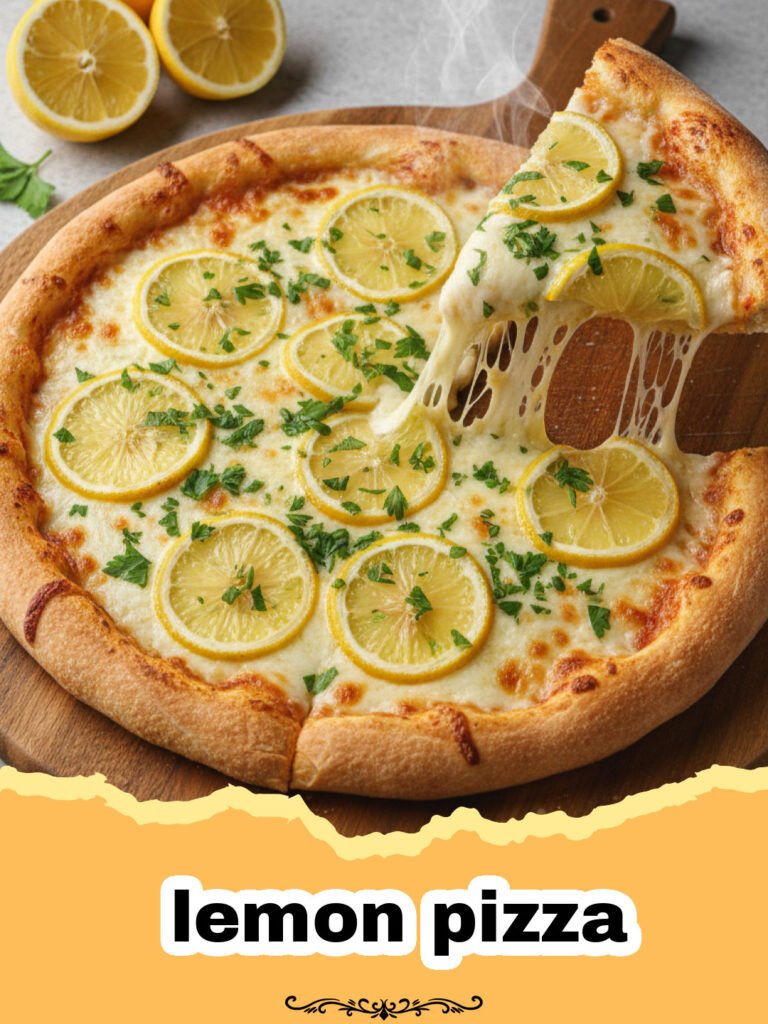
Amalfi-Style Lemon Pizza
A sophisticated white pizza featuring paper-thin lemon slices, fresh mozzarella, garlic, and aromatic herbs for a refreshing twist on a classic.
- Total Time: 32 minutes
- Yield: 2 servings 1x
Ingredients
1 lb pizza dough, room temperature
2 Meyer lemons, sliced paper-thin and seeds removed
2 tablespoons extra virgin olive oil
2 cloves garlic, minced
8 oz fresh mozzarella, sliced or torn
1/4 cup grated Parmesan cheese
1 teaspoon dried oregano
1/4 cup fresh basil leaves
Sea salt and cracked black pepper to taste
Red pepper flakes (optional)
Instructions
Step 1: Preheat your oven to its highest setting (usually 500°F/260°C). If using a pizza stone, place it in the oven to heat for at least 30 minutes.
Step 2: On a lightly floured surface, stretch or roll out the pizza dough into a 12-inch circle. Transfer the dough to a piece of parchment paper or a floured pizza peel.
Step 3: In a small bowl, mix the extra virgin olive oil and minced garlic. Brush this mixture evenly over the surface of the dough, leaving a 1-inch border for the crust.
Step 4: Arrange the fresh mozzarella slices over the dough, followed by the paper-thin lemon slices. Ensure the lemon slices do not overlap too much to allow for even cooking.
Step 5: Sprinkle the grated Parmesan, dried oregano, sea salt, and black pepper over the toppings.
Step 6: Carefully slide the pizza (with the parchment paper if needed) onto the preheated stone or baking sheet. Bake for 10-12 minutes, or until the crust is golden brown and the cheese is bubbly and charred in spots.
Step 7: Remove from the oven and immediately top with fresh basil leaves and red pepper flakes if using. Let it rest for 2 minutes before slicing.
Notes
Using a mandoline for the lemons is highly recommended to ensure they are thin enough to soften during baking.
- Prep Time: 20 minutes
- Cook Time: 12 minutes
- Category: Main Dishes
- Cuisine: Italian
Nutrition
- Serving Size: 1 slice
- Calories: 310 kcal
- Sugar: 3g
- Sodium: 580mg
- Fat: 12g
- Saturated Fat: 5g
- Unsaturated Fat: 7g
- Trans Fat: 0g
- Carbohydrates: 38g
- Fiber: 2g
- Protein: 11g
- Cholesterol: 25mg
Keywords: lemon pizza, white pizza, vegetarian pizza, Italian recipe, Meyer lemon