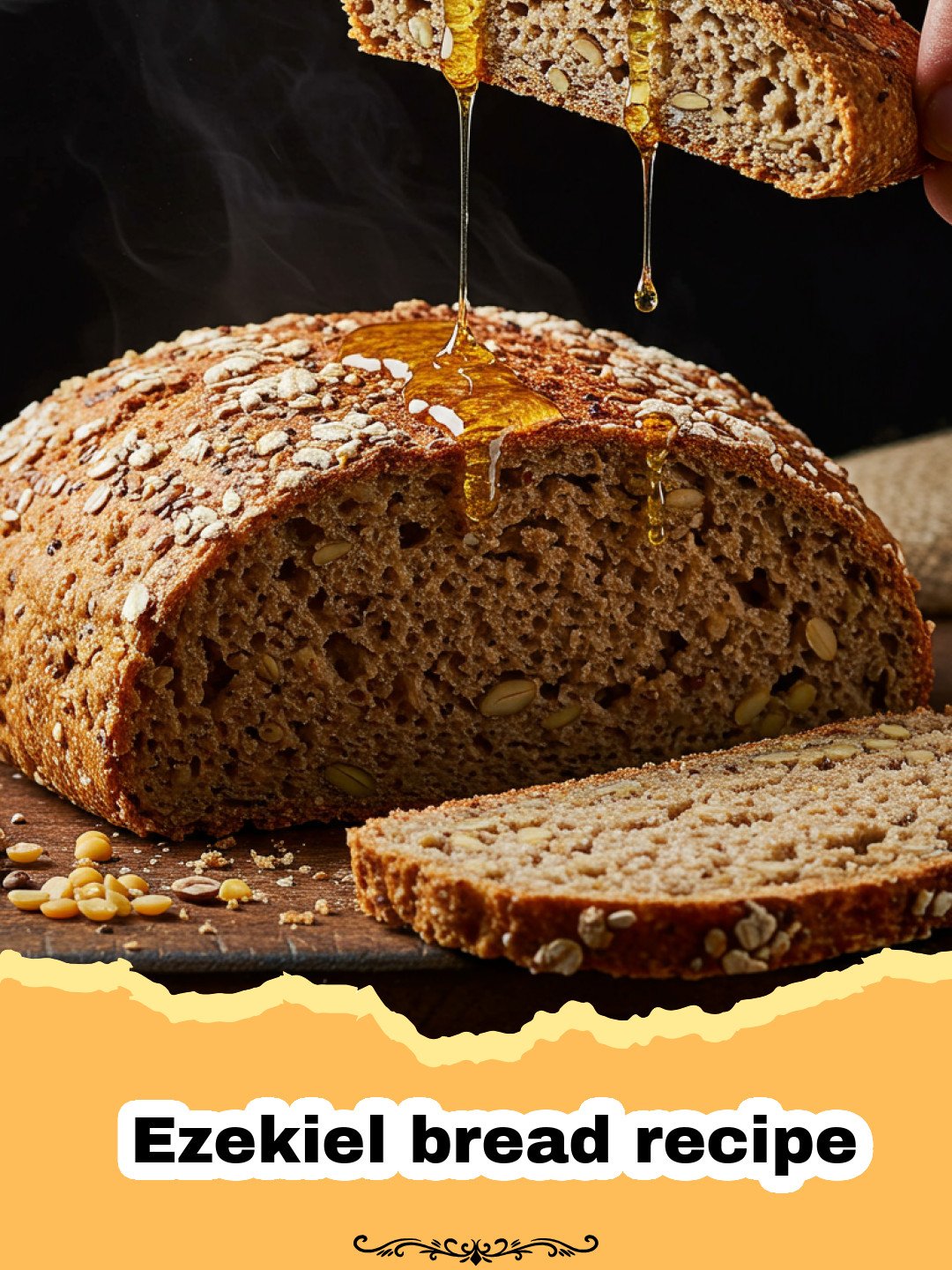
Embarking on a journey to find the perfect Ezekiel bread recipe felt like a spiritual quest in my very own kitchen, leading me back to ancient techniques that prioritize nutrition and flavor. Years ago, I remember walking through the health food aisle, staring at the frozen loaves of sprouted grain bread and wondering why they were so expensive. It wasn’t until I decided to try making a homemade Ezekiel bread recipe that I truly understood the magic behind these sprouted grains. The process of watching a dry bean or grain transform into a living sprout is nothing short of a culinary miracle. This bread isn’t just a vehicle for peanut butter; it’s a dense, nutty, and incredibly satisfying labor of love that fills your home with the most grounding, earthy aroma you can imagine. Every time I pull a fresh loaf out of the oven, I feel a deep connection to the generations of bakers who came before me, using simple, whole ingredients to nourish their families. This Ezekiel bread recipe is more than a set of instructions; it is an invitation to slow down and embrace the art of wholesome baking.
Why This Recipe is a Must-Try
- Complete Protein Source: Unlike traditional wheat breads, this Ezekiel bread recipe combines grains and legumes to create a complete amino acid profile, much like meat or eggs.
- Improved Digestibility: The sprouting process breaks down enzyme inhibitors and phytic acid, making the nutrients more bioavailable and the bread easier on the gut.
- No Preservatives: Since you are making this Ezekiel bread recipe at home, you avoid the additives and shelf-stabilizers found in store-bought versions.
- Rich, Nutty Flavor: The combination of millet, spelt, barley, and lentils provides a complex taste that no single-grain bread can match.
Key Ingredient Notes
The foundation of any authentic Ezekiel bread recipe is the specific blend of grains and legumes mentioned in the book of Ezekiel. This combination includes wheat, barley, beans, lentils, millet, and spelt. When these are combined, they create a protein-rich loaf that is remarkably nutritious. For this Ezekiel bread recipe, I recommend sourcing high-quality organic grains. If you cannot find sprouted flour, you can sprout your own grains at home by soaking them until tiny tails appear, then dehydrating and grinding them. Spelt is an ancient grain that adds a subtle sweetness and a lighter texture than modern wheat, while the lentils and beans provide the structural integrity and protein boost that makes this Ezekiel bread recipe so unique. Honey is used as a natural sweetener to feed the yeast, but you can substitute it with maple syrup if you prefer a vegan option. The water temperature is also crucial; it should be lukewarm to ensure the yeast activates without being killed by high heat.
Step-by-Step Guide with Pro Tips
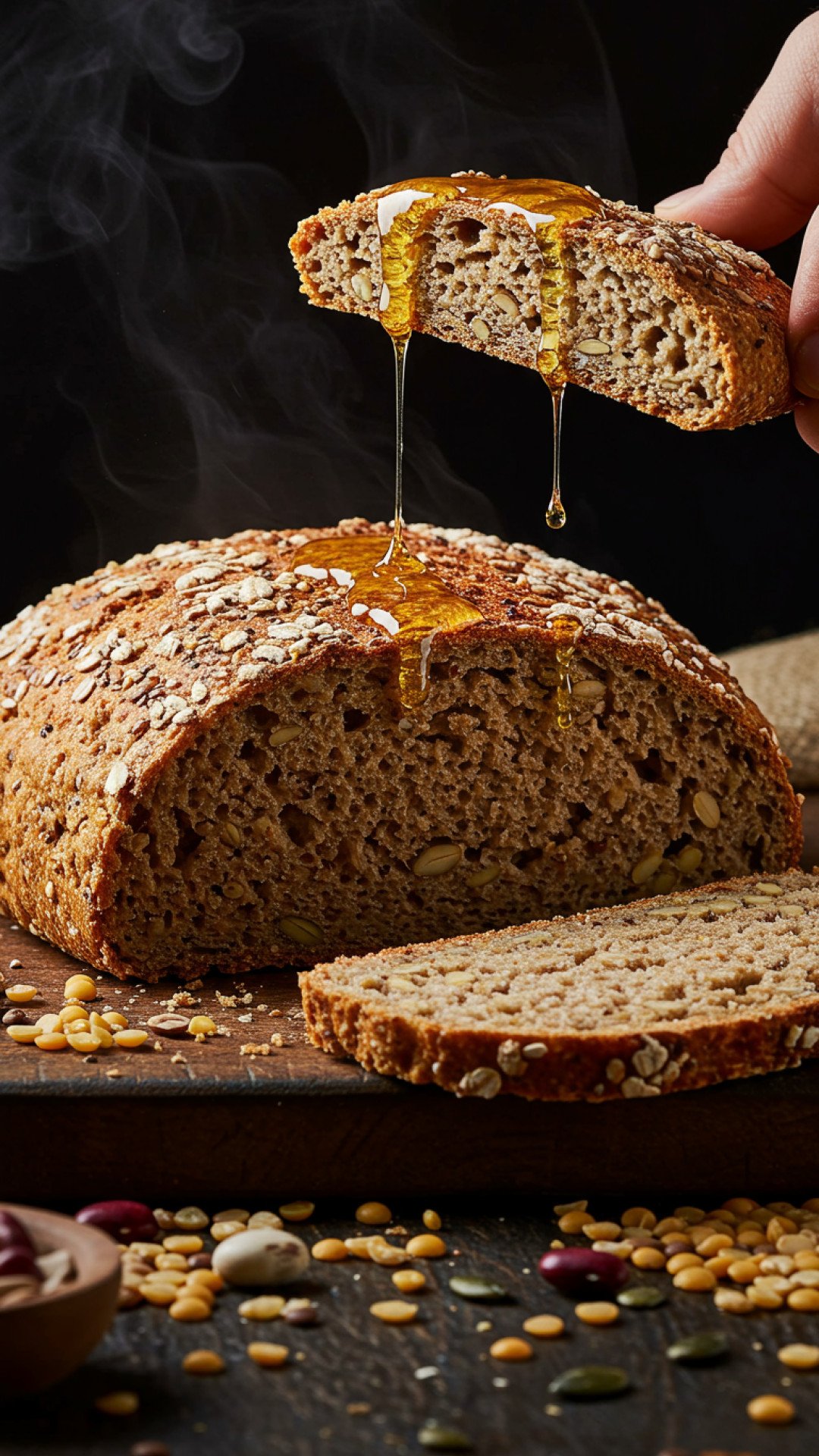
Making an Ezekiel bread recipe requires patience, especially if you are working with freshly sprouted grains. First, you will mix your warm water, honey, and yeast, letting it bloom until it becomes frothy. This is the heart of your Ezekiel bread recipe. In a large bowl, whisk together your sprouted wheat flour, spelt flour, barley flour, millet flour, and the ground lentil and bean flours. Gradually incorporate the liquid into the dry ingredients. When I first attempted this Ezekiel bread recipe, I learned that the dough is much stickier than standard white bread dough because of the high protein and fiber content. Don’t be tempted to add too much extra flour! Knead the dough gently; over-kneading can lead to a crumb that is too dense. Let it rise in a warm, draft-free spot until doubled in size. Pro tip: A slightly humid environment, like an oven with a bowl of hot water on the bottom rack, is perfect for this Ezekiel bread recipe. After the first rise, shape the dough into loaves and place them in prepared pans. Once they rise again, bake them until they sound hollow when tapped on the bottom. The resulting Ezekiel bread recipe will produce a loaf that is sturdy enough for the heaviest toppings but soft enough for a morning toast.
Variations & Serving Suggestions
This Ezekiel bread recipe is incredibly versatile. For a savory twist, try adding a tablespoon of dried rosemary or thyme to the dough. If you prefer a bit of crunch, fold in some sunflower seeds or flax seeds during the final stages of kneading. When it comes to serving, this bread shines when toasted. I love spreading a thick layer of avocado on a slice of this Ezekiel bread recipe, or it makes the most incredible base for The Ultimate Roasted Balsamic Burst Tomato Recipe. The acidity of the tomatoes perfectly balances the earthiness of the sprouted grains. For a hearty lunch, try using these slices with The Best Classic Ham Salad Recipe; the bread is strong enough to hold up to the creamy salad without falling apart. To keep your bread fresh for longer, store it in a cool place. Once the bread is cooled, I highly recommend using Basics Glass Food Storage to keep your slices fresh without the use of plastic. This Ezekiel bread recipe also freezes beautifully, so don’t hesitate to make a double batch and keep one in the freezer for busy weeks.
Nutrition Information
| Nutrient | Amount per Serving |
|---|---|
| Calories | 85 kcal |
| Carbohydrate Content | 15g |
| Cholesterol Content | 0mg |
| Fat Content | 1g |
| Fiber Content | 3g |
| Protein Content | 5g |
| Saturated Fat Content | 0.1g |
| Serving Size | 1 slice |
| Sodium Content | 150mg |
| Sugar Content | 1g |
| Trans Fat Content | 0g |
| Unsaturated Fat Content | 0.5g |
As you can see from the table above, this Ezekiel bread recipe offers a balanced profile that fits perfectly into a health-conscious diet. The high fiber content ensures a slow release of energy, keeping you full throughout the morning.
Conclusion
Mastering this Ezekiel bread recipe is a rewarding experience that pays off in every nutritious bite. Whether you are looking to improve your digestive health or simply want to experience the deep, complex flavors of ancient grains, this bread is a fantastic addition to your baking repertoire. I hope this Ezekiel bread recipe becomes a staple in your home just as it has in mine. Happy baking!
FAQs
What makes an Ezekiel bread recipe different from regular whole wheat bread?
An Ezekiel bread recipe uses a specific combination of sprouted grains and legumes (wheat, barley, millet, spelt, lentils, and beans). This sprouting process increases nutrient absorption and creates a complete protein, which regular bread lacks.
Is this Ezekiel bread recipe gluten-free?
No, this Ezekiel bread recipe contains wheat, barley, and spelt, which all contain gluten. However, some people with mild gluten sensitivities find sprouted grains easier to digest.
How should I store my homemade Ezekiel bread?
Because this Ezekiel bread recipe contains no preservatives, it is best stored in an airtight container in the refrigerator for up to a week, or sliced and frozen for up to three months.
Can I use store-bought sprouted flour for this Ezekiel bread recipe?
Yes, you can use pre-milled sprouted flours if you want to skip the step of sprouting and grinding the grains yourself. Just ensure you use the correct ratios of grains and legumes.
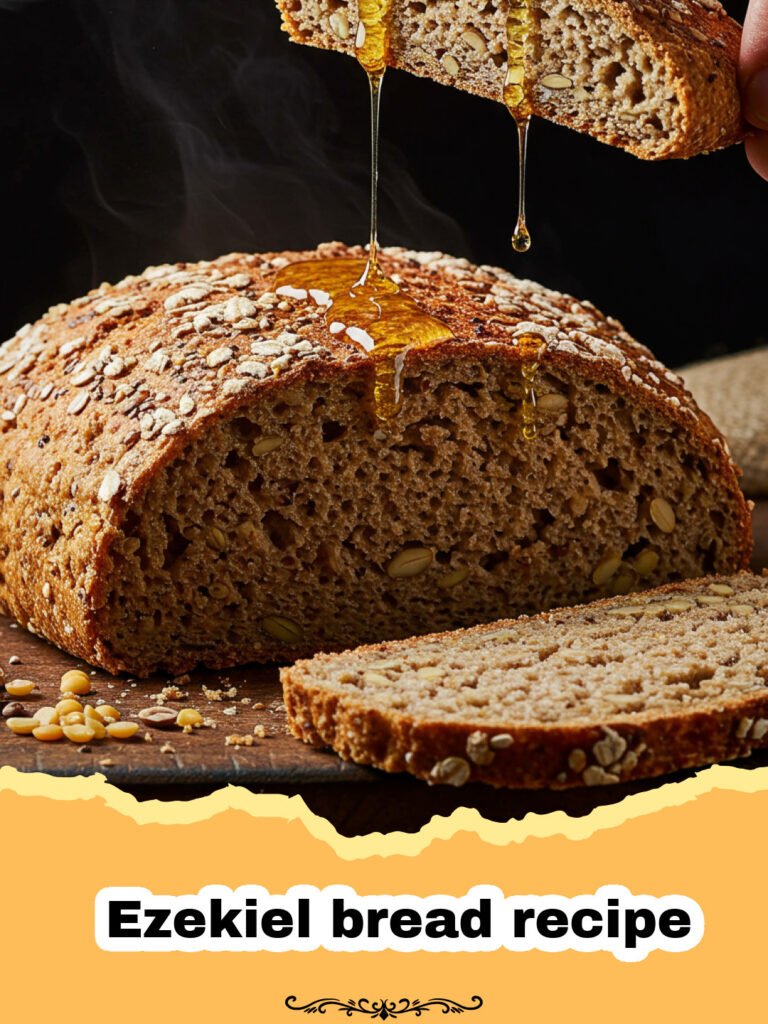
Homemade Sprouted Ezekiel Bread
A nutrient-dense, flourless-style bread made from a blend of sprouted grains and legumes, providing a complete protein source.
- Total Time: 2 hours 30 minutes
- Yield: 2 loaves 1x
Ingredients
2 cups sprouted wheat berries (ground into flour)
1 cup sprouted spelt berries (ground into flour)
1/2 cup sprouted barley (ground into flour)
1/2 cup sprouted millet (ground into flour)
1/4 cup sprouted lentils (dried and ground)
2 tbsp sprouted kidney beans (dried and ground)
1 cup warm water (110°F)
1 tbsp active dry yeast
1 tbsp honey or maple syrup
1 tsp sea salt
2 tbsp olive oil
Instructions
Step 1: In a small bowl, combine warm water, honey, and yeast. Let sit for 10 minutes until frothy to ensure the Ezekiel bread recipe has a good rise.
Step 2: In a large mixing bowl, combine all the ground sprouted grain and legume flours with the sea salt.
Step 3: Add the yeast mixture and olive oil to the dry ingredients. Stir until a sticky dough forms.
Step 4: Turn the dough onto a lightly floured surface and knead for about 5-8 minutes until it becomes slightly elastic. This Ezekiel bread recipe dough will remain stickier than regular dough.
Step 5: Place the dough in a greased bowl, cover with a damp cloth, and let rise in a warm place for 60-90 minutes until doubled in size.
Step 6: Punch down the dough and divide it into two equal portions. Shape into loaves and place into greased 9×5 inch loaf pans.
Step 7: Let the loaves rise again for another 30-45 minutes.
Step 8: Preheat your oven to 350°F (175°C). Bake the loaves for 45-50 minutes or until the tops are golden brown and the bread sounds hollow when tapped.
Step 9: Remove from the oven and let the Ezekiel bread recipe loaves cool completely on a wire rack before slicing.
Notes
Always ensure your sprouted grains are fully dried before grinding them into flour to prevent the bread from becoming too gummy.
- Prep Time: 30 minutes
- Cook Time: 50 minutes
- Category: Baked Goods
- Cuisine: Middle Eastern Inspired
Nutrition
- Serving Size: 1 slice
- Calories: 85 kcal
- Sugar: 1g
- Sodium: 150mg
- Fat: 1g
- Saturated Fat: 0.1g
- Unsaturated Fat: 0.5g
- Trans Fat: 0g
- Carbohydrates: 15g
- Fiber: 3g
- Protein: 5g
- Cholesterol: 0mg
Keywords: Ezekiel bread recipe, sprouted grain bread, homemade bread, healthy bread recipe, flourless bread