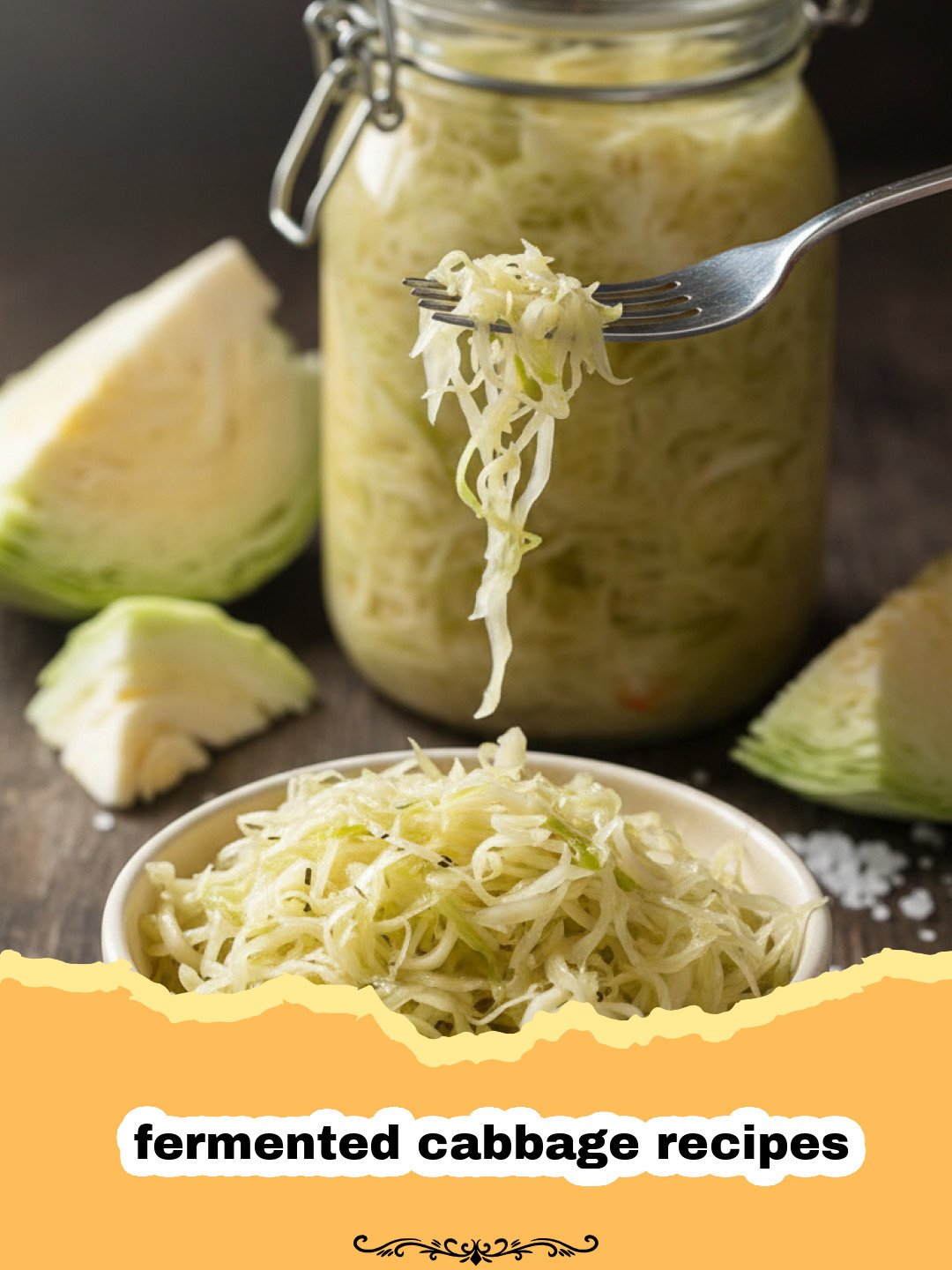
When you dive into the world of fermented cabbage recipes, you aren’t just making a side dish; you are embarking on a centuries-old culinary journey that transforms a humble vegetable into a nutritional powerhouse. I remember my first attempt at fermentation—standing in my sun-drenched kitchen, hands covered in salt and cabbage juice, wondering if I was actually creating something edible. My grandmother used to keep a heavy stoneware crock in the basement, its mysterious contents bubbling away in the dark. To me, it was magic. Now, years later, I realize it was simply the beautiful science of lacto-fermentation. This guide is born from those memories and dozens of trial-and-run batches, aimed at helping you master the art of the crunch. Whether you are a seasoned fermenter or a total novice, exploring fermented cabbage recipes will change the way you look at your pantry forever.
Why This Recipe is a Must-Try
- Probiotic Powerhouse: Like many fermented cabbage recipes, this version is teeming with live, beneficial bacteria that support gut health and digestion.
- Long Shelf Life: Once you master the fermentation process, your cabbage will stay crisp and delicious in the fridge for months.
- Incredible Versatility: It serves as the perfect tangy topper for burgers, a bright addition to salads, or even a side for Nonna’s secret cabbage dumplings.
- Cost-Effective: Cabbage and salt are two of the most affordable ingredients in the grocery store, making this an economical way to boost your health.
Key Ingredient Notes
The success of most fermented cabbage recipes hinges on the quality of your ingredients. First and foremost, you need a fresh, heavy head of cabbage. I prefer green cabbage for its classic crunch, but red cabbage adds a stunning vibrant hue to your jars. Ensure the cabbage feels dense; this indicates a high water content, which is essential for creating the natural brine. Secondly, the salt is non-negotiable. Use a high-quality sea salt or kosher salt that is free from iodine and anti-caking agents, as these additives can cloud your brine or inhibit the growth of good bacteria. Lastly, the water you use (if adding any extra) should be filtered to remove chlorine, which can kill the very microbes we are trying to cultivate.
Step-by-Step Guide with Pro Tips
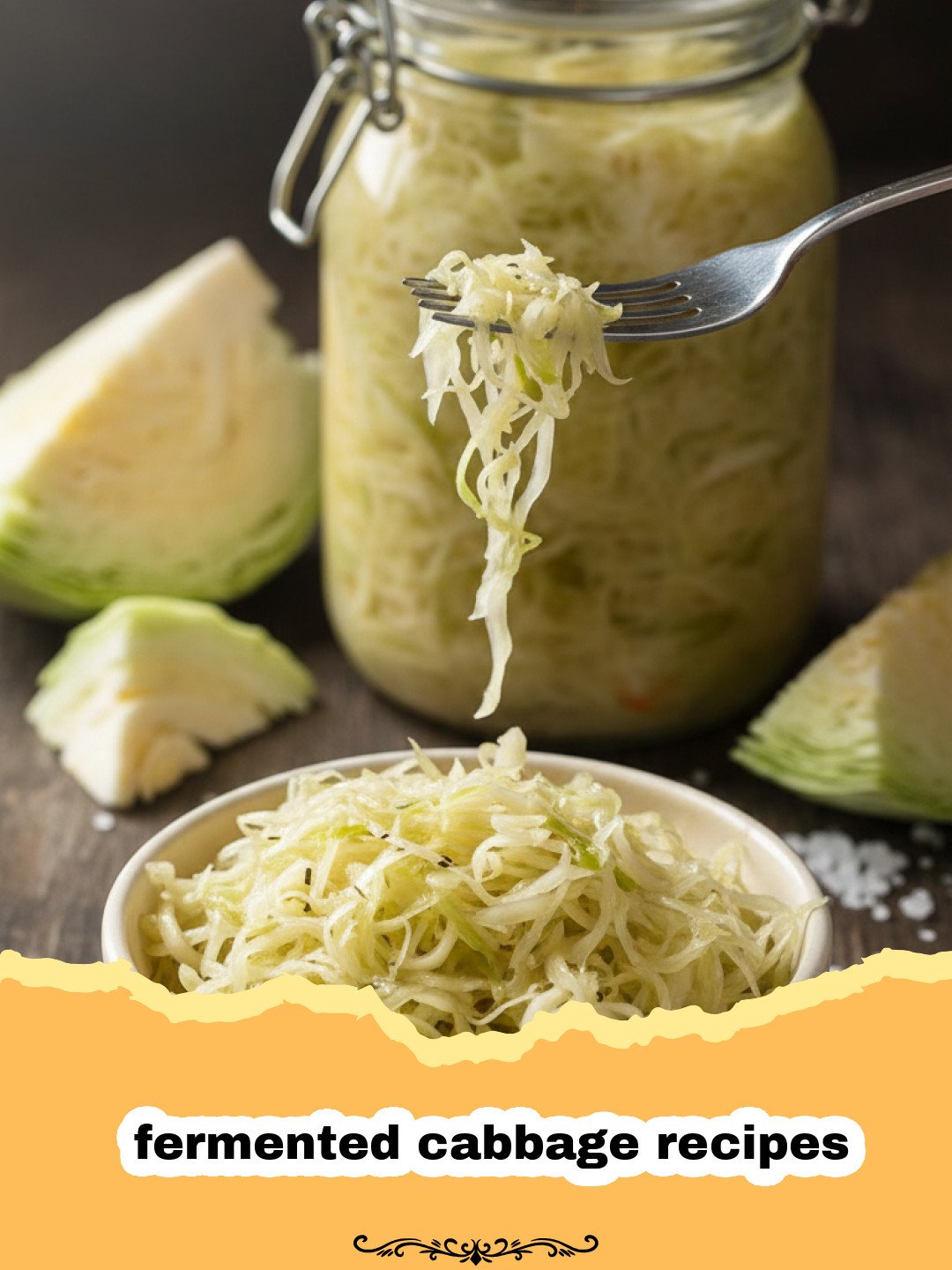
Preparing fermented cabbage recipes is a tactile and rewarding process. The goal is to break down the cellular structure of the vegetable to release its juices. For the best results, I highly recommend using high-quality Basics Glass Food Storage jars to monitor the fermentation activity through the clear glass.
The Shredding Process
Begin by removing the outer leaves of the cabbage (save one for later!). Slice the cabbage thinly. The more surface area you create, the more juice will be released. Some people prefer a coarse chop, but a fine shred yields that classic sauerkraut texture we all love.
The Massage
This is where the magic happens. Sprinkle your salt over the shredded cabbage and begin massaging it with clean hands. You’ll notice the cabbage softening and a pool of liquid forming at the bottom of the bowl. Don’t rush this—spend at least 10 minutes working the salt in until the cabbage looks wilted and wet.
Packing the Jar
Pack the cabbage into your jar as tightly as possible. Use your fist or a wooden tamper to press it down. The liquid (brine) must rise above the level of the cabbage. If you find your cabbage is still a bit dry, you can make a small amount of 2% salt-water brine to top it off. Place that reserved outer leaf on top of the shredded cabbage to keep the small bits submerged, then add a weight.
Variations & Serving Suggestions
One of the best things about fermented cabbage recipes is how easily they can be adapted to your personal taste. Once you have the basic technique down, you can experiment with these creative variations:
- Spicy Korean-Style: Add gochugaru (Korean chili flakes), ginger, and garlic for a quick-fermented kimchi hybrid.
- Apple and Caraway: Toss in thinly sliced Granny Smith apples and a tablespoon of caraway seeds for a traditional German flavor profile that pairs beautifully with sausages.
- Dill and Lemon: For a bright, Mediterranean twist, add fresh dill and lemon zest to your fermented cabbage recipes.
- Golden Turmeric: Add a teaspoon of turmeric and some cracked black pepper for an anti-inflammatory boost and a beautiful golden color.
For a unique meal, try serving your fermented cabbage alongside a rich creamy cabbage alfredo to provide a sharp, acidic contrast to the heavy sauce.
Nutrition Information
While the exact nutritional profile can vary based on the length of fermentation and specific additives, most fermented cabbage recipes share these impressive stats per serving:
| Nutrient | Amount per Serving |
|---|---|
| Calories | 27 kcal |
| Carbohydrates | 6g |
| Protein | 1g |
| Fat | 0.2g |
| Fiber | 3g |
| Sodium | 450mg |
| Vitamin C | 35% DV |
Conclusion
Mastering fermented cabbage recipes is a gateway into the rewarding world of home preservation. Not only do you get to enjoy a delicious, tangy condiment that elevates almost any meal, but you also gain the satisfaction of knowing you’ve created a living food that supports your well-being. Don’t be afraid of the bubbles or the unique aroma—that is just the sound and smell of health in the making! Start with a small batch today, and soon you’ll find your counter filled with colorful jars of probiotic goodness. Happy fermenting!
FAQs
How long do fermented cabbage recipes take to finish?
Most fermented cabbage recipes take between 7 to 21 days to reach peak flavor, depending on the temperature of your home. Warmer environments speed up the process, while cooler temperatures slow it down.
What is the best salt to use for fermented cabbage recipes?
The best salt for fermented cabbage recipes is non-iodized sea salt, Himalayan pink salt, or pickling salt. Avoid table salt with iodine or anti-caking agents, as these can interfere with the fermentation process.
Why is my fermented cabbage soft instead of crunchy?
Softness in fermented cabbage recipes usually occurs if the fermentation temperature was too high, not enough salt was used, or the cabbage was not fresh. To keep it crunchy, ensure a proper salt ratio and keep the jar in a cool, dark place.
Can I use red cabbage for fermented cabbage recipes?
Yes! Red cabbage works beautifully in fermented cabbage recipes. It contains more anthocyanins (antioxidants) and produces a stunning deep pink brine, though it may take slightly longer to soften during the massage phase.
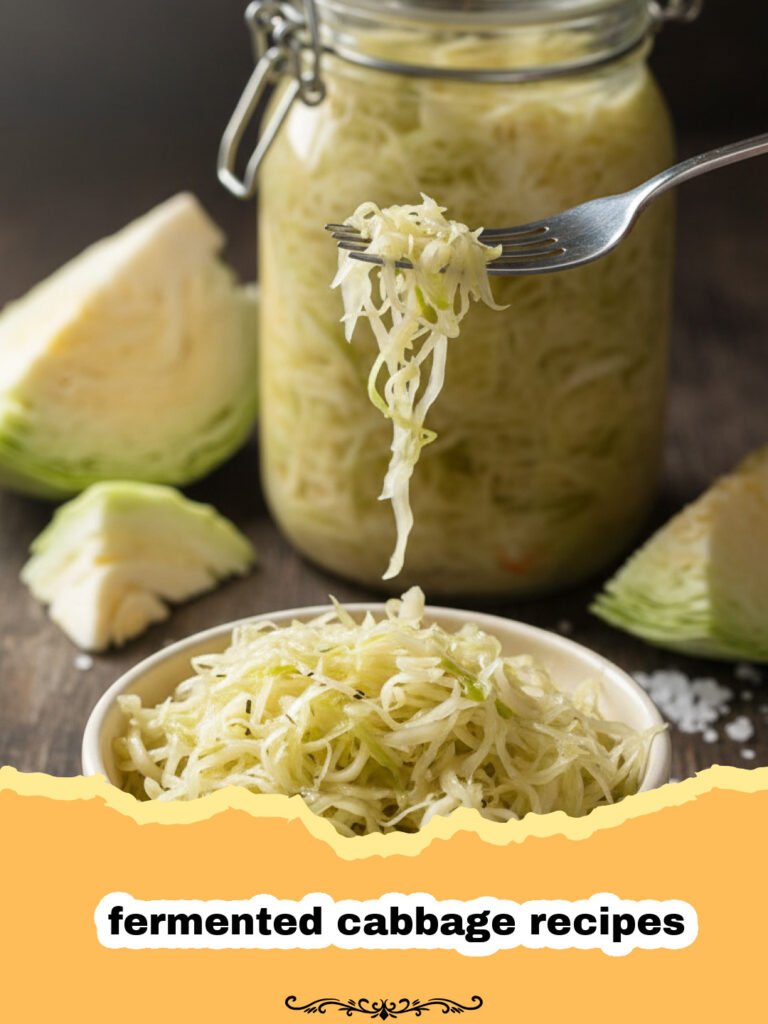
Classic Probiotic Fermented Cabbage
A crisp, tangy, and naturally fermented sauerkraut recipe that is rich in probiotics and easy to make at home.
- Total Time: 14 days
- Yield: 1 quart 1x
Ingredients
1 medium head of Green Cabbage (approx. 2–3 lbs)
1.5 – 2 tablespoons Sea Salt (non-iodized)
Optional: 1 tsp Caraway Seeds
Optional: 1 clove Garlic, minced
Instructions
Step 1: Clean your equipment thoroughly. Remove the outer leaves of the cabbage, rinse them, and set one large leaf aside for later use.
Step 2: Core the cabbage and slice it into very thin ribbons using a sharp knife or a mandoline slicer.
Step 3: Place the shredded cabbage in a large bowl and sprinkle with the sea salt. Let it sit for 10 minutes to allow the salt to start drawing out the moisture.
Step 4: Using clean hands, massage the cabbage vigorously for 10-15 minutes. You are finished when the cabbage has reduced in volume significantly and there is a pool of brine at the bottom of the bowl.
Step 5: Pack the cabbage into a clean glass jar, pressing down firmly with your fist or a tamper to remove air pockets. Ensure the brine rises above the cabbage.
Step 6: Place the reserved cabbage leaf on top of the shredded cabbage and add a fermentation weight to keep everything submerged. Close the lid loosely or use a fermentation airlock.
Step 7: Store the jar at room temperature out of direct sunlight for 7 to 14 days. Taste it daily after the first week. Once it reaches your desired tanginess, move it to the refrigerator.
Notes
Ensure all cabbage remains below the brine level to prevent mold growth. If mold appears on the surface, consult a fermentation guide; usually, a small amount of white ‘kahm yeast’ is harmless but should be removed.
- Prep Time: 30 minutes
- Cook Time: 0 minutes
- Category: Side Dishes
- Cuisine: German / Eastern European
Nutrition
- Serving Size: 1/2 cup
- Calories: 27
- Sugar: 2g
- Sodium: 450mg
- Fat: 0.2g
- Saturated Fat: 0g
- Unsaturated Fat: 0.1g
- Trans Fat: 0g
- Carbohydrates: 6g
- Fiber: 3g
- Protein: 1g
- Cholesterol: 0mg
Keywords: fermented cabbage recipes, sauerkraut, probiotics, gut health, homemade fermentation