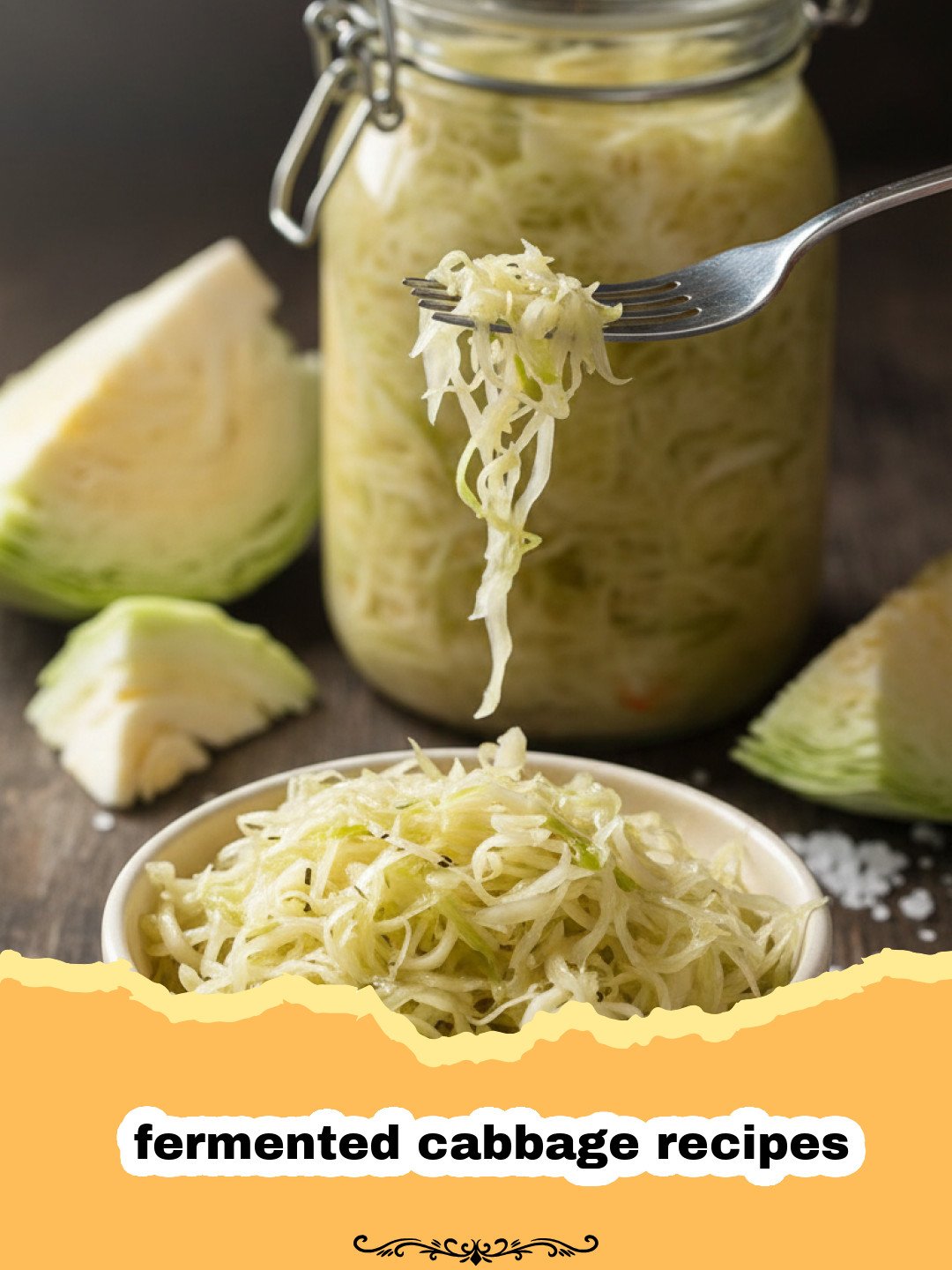
Growing up, my grandmother always had a crock bubbling in the corner of her pantry, emitting a scent that was both mysterious and comforting. It was her secret to good health and delicious meals – her homemade fermented cabbage. For years, I just knew it as ‘Nonna’s special kraut,’ a tangy side dish that brought brightness to rich roasts and hearty stews. But as I got older and became more interested in holistic health and traditional cooking methods, I started to understand the true magic behind those humble, bubbling leaves. It wasn’t just about preservation; it was about transformation, creating food that was alive, vibrant, and incredibly beneficial.
I remember the first time I tried to make my own. I was fresh out of college, living in a tiny apartment, and armed with a vague memory of Nonna’s methods and a few YouTube videos. It was… a disaster. Too salty, too mushy, even a batch that developed a rather alarming hue of pink! I almost gave up, convinced that the ‘fermentation gene’ had skipped my generation. But Nonna, ever the patient teacher, sat with me over video calls, guiding my hands, explaining the nuances of salt ratios, the importance of anaerobics, and the quiet patience required. She taught me that making fermented cabbage recipes wasn’t just a kitchen task; it was a conversation with nature, a slow dance of microbiology. Now, years later, my own pantry often features a beautiful crock, filled with perfectly tangy, crunchy fermented cabbage, a testament to her wisdom and my perseverance. It’s a staple in my kitchen, not just for its incredible flavor and versatility, but for the profound connection it provides to culinary traditions and, of course, to my Nonna.
This recipe isn’t just about making sauerkraut; it’s about embracing a simple, ancient technique that brings immense flavor and health benefits to your table. If you’ve been curious about the world of fermented cabbage recipes, or if you’ve had a less-than-stellar first attempt like mine, I promise this guide will set you on the path to fermentation success. Get ready to discover one of the most rewarding fermented cabbage recipes you’ll ever try!
Why This Recipe is a Must-Try
- Gut Health Powerhouse: Packed with probiotics, fermented cabbage supports a healthy gut microbiome, which is linked to improved digestion, immunity, and even mood.
- Flavor Bomb: Its tangy, savory, and slightly sour profile adds an incredible depth of flavor to almost any dish, from sandwiches to salads to main courses.
- Economical & Sustainable: Made with just cabbage, salt, and time, it’s an incredibly cost-effective way to preserve produce and reduce food waste.
- Incredibly Versatile: Beyond being a side dish, it can be incorporated into countless recipes, offering a burst of flavor and texture. It’s truly one of the most versatile fermented cabbage recipes around.
Key Ingredient Notes
While fermented cabbage recipes are wonderfully simple, the quality and type of your ingredients make a significant difference.
Cabbage
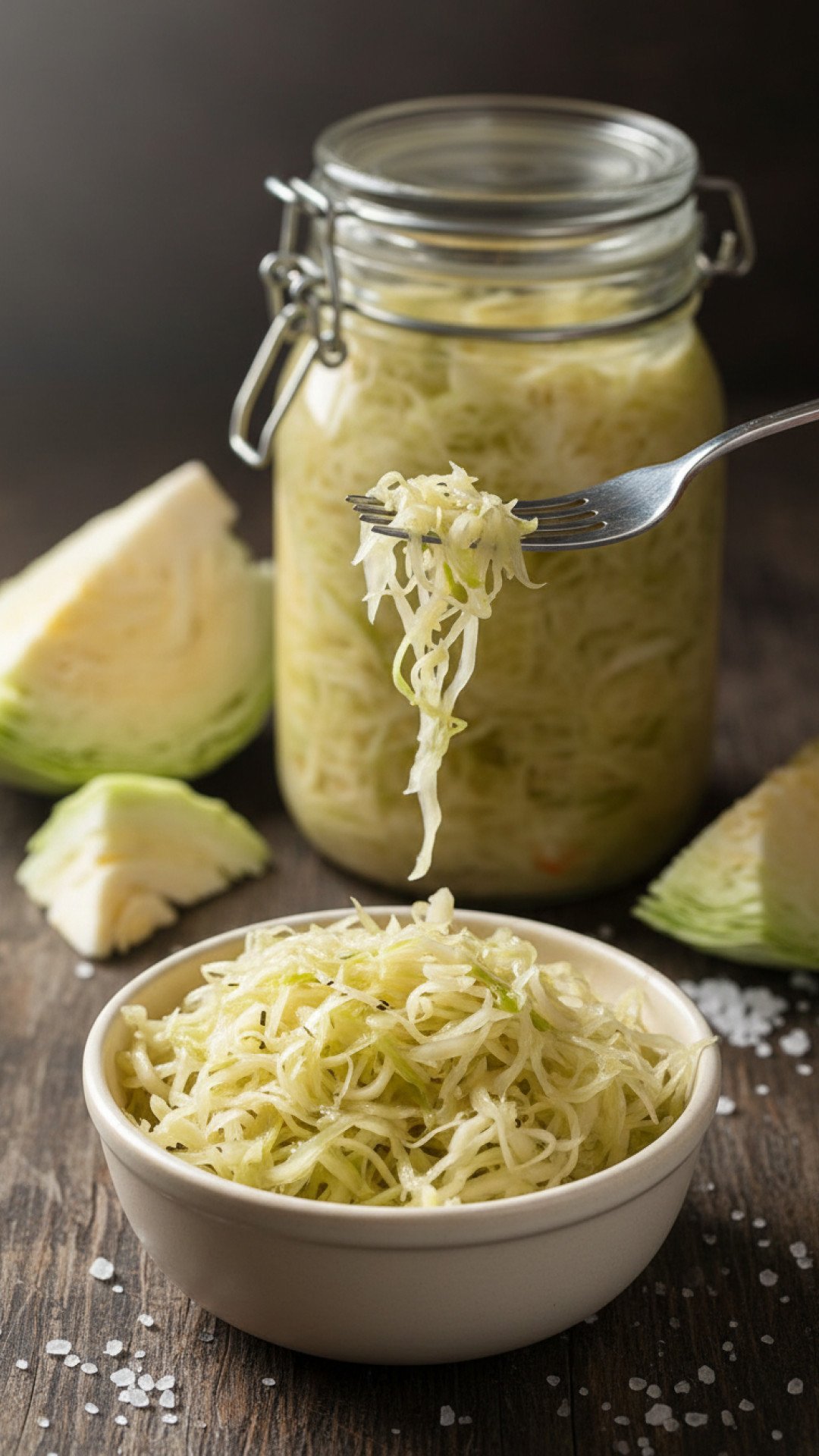
For the best results, opt for firm, fresh green or white cabbage heads. Avoid any with brown spots or wilting leaves. Organic is always a good choice if available, as you’re not rinsing it much. The denser the cabbage, the crunchier your final product will be. Red cabbage also works beautifully, offering a vibrant color and a slightly different flavor profile, but be aware it can stain everything it touches!
Salt
This is perhaps the most crucial ingredient. You absolutely must use non-iodized salt. Iodine can inhibit fermentation and give your kraut an off-flavor. Fine-grain sea salt, pickling salt, or kosher salt (without anti-caking agents) are ideal. The salt draws water out of the cabbage to create its own brine and inhibits undesirable bacteria, allowing the beneficial lactic acid bacteria to thrive. Don’t skimp on the salt, but don’t overdo it either – precision here is key for safe and successful fermented cabbage recipes.
Water (Optional, but sometimes necessary)
While the goal is for the cabbage to create its own brine, sometimes, especially with drier cabbage, you might need a little extra help. Always use filtered or distilled water, not chlorinated tap water, as chlorine can also interfere with the fermentation process. Having some extra brine on hand ensures your cabbage stays submerged, which is vital for preventing mold.
Step-by-Step Guide with Pro Tips
Making fermented cabbage recipes is a rewarding process that requires a little patience but yields fantastic results. Follow these steps carefully for the best homemade kraut!
Equipment You’ll Need:
- Large non-reactive bowl (glass, ceramic, or stainless steel)
- Sharp knife or mandoline
- Cutting board
- Kitchen scale
- Large jar (quart-sized or larger, preferably wide-mouth) with an airlock lid or tight-fitting lid that can be ‘burped’
- Pounder or clean fist (to bruise and pack cabbage)
- Small plate or follower that fits inside the jar
- Weight (clean stone, smaller jar filled with water, or fermentation weight)
Instructions:
Variations & Serving Suggestions
Once you master this basic fermented cabbage recipe, the possibilities are endless! Fermented cabbage recipes are incredibly versatile.
Variations:
- Caraway Seed Kraut: Add 1-2 tablespoons of caraway seeds with the salt for a classic German flavor.
- Garlic & Dill: Mince 2-3 cloves of garlic and a handful of fresh dill, adding them in layers with the cabbage.
- Spicy Kraut: Incorporate red pepper flakes or thinly sliced jalapeños for a kick.
- Root Vegetable Kraut: Shred carrots, beets, or even apples along with the cabbage for added sweetness and complexity. Try a 70/30 cabbage to other vegetable ratio.
- Ginger Turmeric Kraut: Add grated fresh ginger and turmeric for an anti-inflammatory boost and vibrant color.
Serving Suggestions:
- Pile it high on hot dogs, bratwurst, or reuben sandwiches.
- Serve as a zesty side dish to roasted meats like pork loin or chicken.
- Stir into mashed potatoes for a tangy twist.
- Mix into fresh green salads for an added crunch and probiotic boost.
- Use it as a topping for tacos or grain bowls.
- Add a spoonful to soups or stews right before serving to brighten the flavors (don’t cook it, or you’ll kill the beneficial bacteria!).
- Mix with cream cheese and chives for a unique dip.
Remember, fermented cabbage is a living food. Store it in the refrigerator in an airtight container. Basics Glass Food Storage containers are excellent for this, keeping it fresh for several months and preventing any odors from escaping. The flavor will continue to develop and deepen over time, becoming more complex the longer it ages.
Nutrition Information
| Nutrient | Amount Per Serving |
|---|---|
| Calories | 25 kcal |
| Carbohydrate Content | 6 g |
| Cholesterol Content | 0 mg |
| Fat Content | 0 g |
| Fiber Content | 2 g |
| Protein Content | 1 g |
| Saturated Fat Content | 0 g |
| Serving Size | 1/2 cup (approx. 75g) |
| Sodium Content | 350 mg |
| Sugar Content | 2 g |
| Trans Fat Content | 0 g |
| Unsaturated Fat Content | 0 g |
*Nutritional values are estimates and may vary based on specific ingredients and preparation methods.
Conclusion
Diving into the world of fermented cabbage recipes is a journey that connects you to ancient culinary traditions, provides incredible health benefits, and rewards you with a uniquely delicious, versatile ingredient. My Nonna taught me that the best food often comes from the simplest ingredients and a little bit of patience. This fermented cabbage recipe is a testament to that wisdom.
Don’t be intimidated by the process; embrace the waiting, the bubbling, and the transformation. Once you experience the satisfying crunch and tangy burst of homemade fermented cabbage, you’ll wonder how you ever lived without it. Whether you’re enjoying it on a sandwich, as a vibrant side, or even incorporating it into dishes like these comforting cabbage dumplings or a creamy cabbage alfredo, your taste buds and your gut will thank you. Happy fermenting!
FAQs
What kind of salt should I use for fermented cabbage recipes?
You must use non-iodized salt for fermented cabbage. Options include fine-grain sea salt, pickling salt, or kosher salt (ensure it doesn’t contain anti-caking agents). Iodine can inhibit the beneficial fermentation process, and anti-caking agents can make your brine cloudy.
How do I prevent mold when making fermented cabbage?
Preventing mold primarily involves ensuring an anaerobic (oxygen-free) environment. Always keep your cabbage fully submerged under the brine, use clean equipment, and keep the jar sealed (or burped daily for regular lids). Using a fermentation weight helps keep the cabbage down.
How long does homemade fermented cabbage last?
Once properly fermented and transferred to the refrigerator, homemade fermented cabbage can last for several months, often up to 6 months or even longer. The cold temperature significantly slows down the fermentation, preserving its quality. Always store it in an airtight container.
What are the health benefits of eating fermented cabbage?
Fermented cabbage, like sauerkraut, is rich in probiotics, which are beneficial bacteria that support gut health, improve digestion, and boost the immune system. It also increases the bioavailability of certain nutrients and contains vitamins C and K, and dietary fiber.
Classic Fermented Cabbage (Sauerkraut)
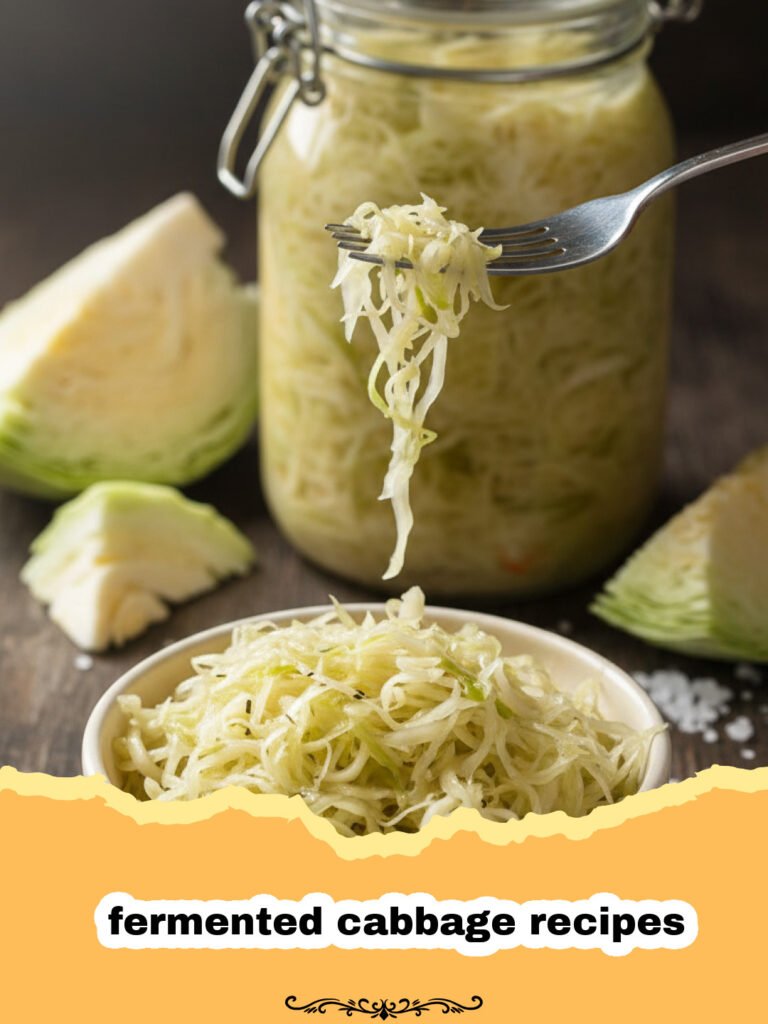
A simple yet powerful recipe for homemade fermented cabbage, packed with probiotics and flavor. This guide covers everything from preparation to storage, ensuring a perfect batch every time.
- Total Time: 10-21 days
- Yield: 1 quart jar 1x
Ingredients
1 medium head green cabbage (approx. 2.5–3 lbs / 1.1–1.4 kg)
2 tablespoons non-iodized sea salt (fine grain)
Optional: 1 cup filtered water (if cabbage doesn’t release enough brine)
Optional additions for flavor: 1 tbsp caraway seeds, 2-3 cloves garlic (minced), 1 tsp red pepper flakes
Instructions
Step 1: Prepare the Cabbage. Remove any bruised or damaged outer leaves from the cabbage. Reserve one or two large, intact outer leaves. Cut the cabbage into quarters and remove the core. Using a sharp knife or mandoline, finely shred the cabbage into thin strips (about 1/8 inch thick). The thinner the shreds, the easier it will be to pack and ferment.
Step 2: Salt the Cabbage. Place the shredded cabbage in your large non-reactive bowl. Sprinkle 2 tablespoons of non-iodized salt over the cabbage. Begin to massage the salt into the cabbage using your clean hands. Squeeze, scrunch, and pound the cabbage for about 5-10 minutes. You’ll notice the cabbage starting to soften and release liquid. This is the brine forming. Continue until a significant amount of liquid has accumulated at the bottom of the bowl.
Step 3: Pack the Jar. Take handfuls of the salted cabbage and firmly pack them into your clean quart jar. Use a pounder, a muddler, or your clean fist to press the cabbage down tightly, expelling air pockets. The goal is to get it as dense as possible.
Step 4: Submerge the Cabbage. Once all the cabbage is packed into the jar, pour any remaining brine from the bowl over the cabbage. Press down again to ensure all the cabbage is submerged under the liquid. If the cabbage isn’t fully submerged, you can make a simple brine by dissolving 1 teaspoon of non-iodized salt in 1 cup of filtered water and adding just enough to cover the cabbage.
Step 5: Add Weight and Seal. Take one of the reserved whole cabbage leaves and fold it to fit snugly over the packed cabbage, pushing it down to keep all the shredded pieces submerged. Place a fermentation weight (or a smaller, clean jar filled with water) on top of the cabbage leaf to keep everything below the brine level. This is crucial to prevent mold growth. Secure the lid. If using an airlock, attach it. If using a regular lid, tighten it lightly; you’ll need to ‘burp’ the jar daily.
Step 6: Ferment. Place the jar in a cool, dark place (ideally 60-75°F / 15-24°C) for 10-21 days. During this time, beneficial bacteria will convert the sugars in the cabbage into lactic acid, creating the classic tangy flavor and preserving the kraut. You’ll see bubbles forming, which is a sign of active fermentation. If using a regular lid, unscrew it briefly once a day to release built-up gases (burp the jar).
Step 7: Check for Doneness. After about 10 days, start tasting your fermented cabbage. Use a clean fork to extract a small piece. It should be tangy, slightly sour, and crunchy. Fermentation time varies based on temperature and desired sourness. The longer it ferments, the tangier it becomes. Once it reaches your preferred taste, remove the weight and the top cabbage leaf.
Step 8: Store. Replace the lid tightly and transfer the jar of finished fermented cabbage to the refrigerator. The cold temperature will slow down the fermentation process significantly. It will keep for several months, continuing to develop flavor as it ages.
Notes
Always ensure your hands, equipment, and jars are meticulously clean to prevent unwanted mold. Keep the cabbage submerged under the brine at all times to ensure an anaerobic environment. A thin layer of white film (kahm yeast) can sometimes form on top; it’s generally harmless, but if it’s fuzzy, green, black, or smells putrid, discard the batch. Trust your nose!
- Prep Time: 45 minutes
- Cook Time: 10-21 days (fermentation)
- Category: How To
- Cuisine: German
Nutrition
- Serving Size: 1/2 cup (approx. 75g)
- Calories: 25 kcal
- Sugar: 2 g
- Sodium: 350 mg
- Fat: 0 g
- Saturated Fat: 0 g
- Unsaturated Fat: 0 g
- Trans Fat: 0 g
- Carbohydrates: 6 g
- Fiber: 2 g
- Protein: 1 g
- Cholesterol: 0 mg
Keywords: fermented cabbage recipes, sauerkraut recipe, how to make sauerkraut, probiotic food, gut health, cabbage fermentation, homemade kraut, easy fermentation, traditional food