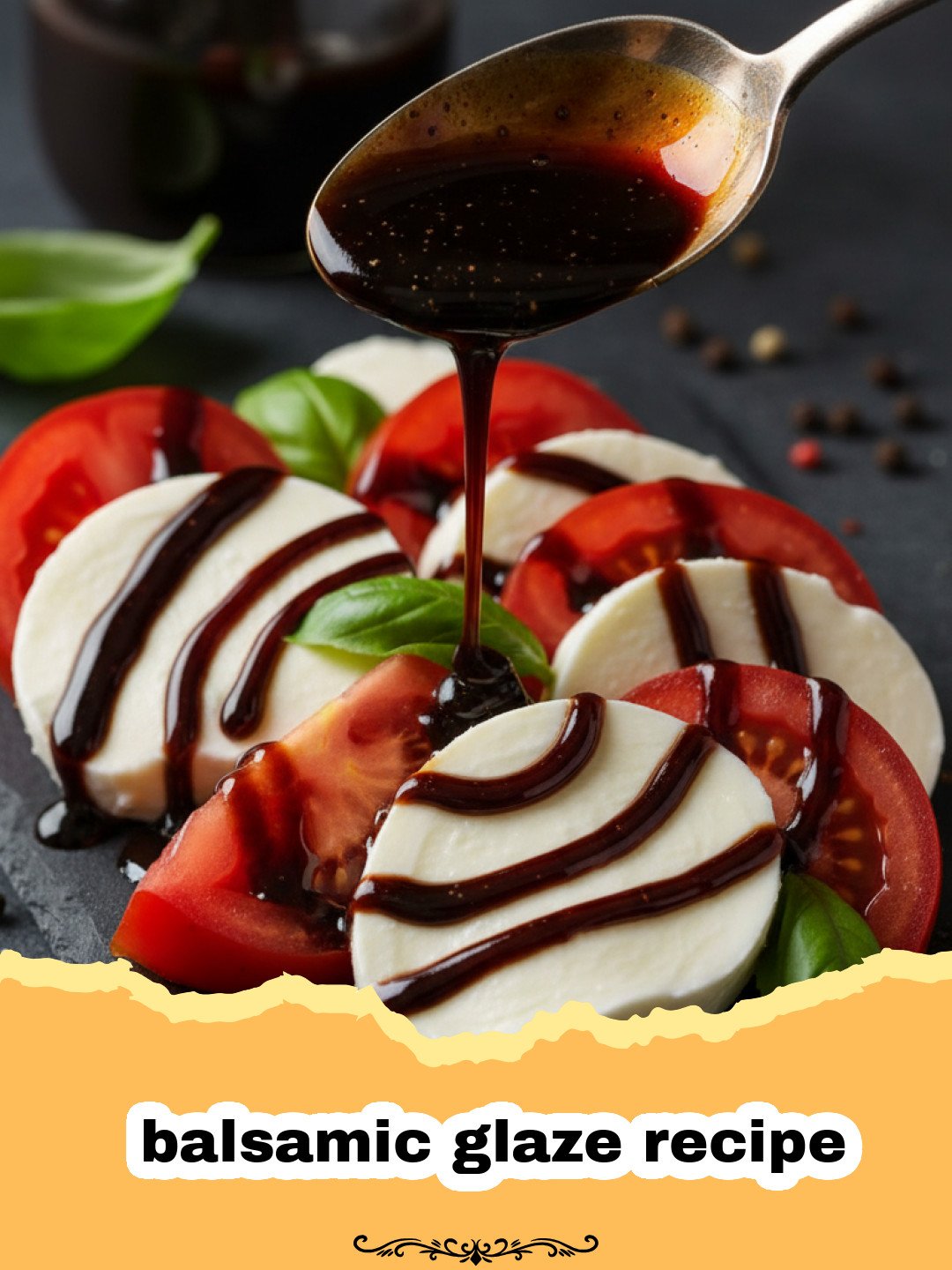
There’s something truly magical about a good balsamic glaze recipe. I still remember the first time I truly appreciated its power. It wasn’t in a fancy restaurant, but at a friend’s casual summer barbecue. She had grilled some simple chicken and fresh vegetables, and just before serving, she drizzled everything with this glossy, dark syrup. The transformation was instant and profound. The ordinary became extraordinary, bursting with a sweet, tangy complexity that made my taste buds sing. From that moment on, I was obsessed. I experimented with various store-bought versions, but none quite captured that homemade perfection. That’s when I decided to master my own balsamic glaze recipe. What I discovered was a surprisingly simple process that yields incredible results, elevating everything from caprese salads to grilled meats and even fresh fruit. If you’ve ever wanted to add a touch of gourmet flair to your home cooking, then learning this balsamic glaze recipe is an absolute game-changer. It’s truly one of those fundamental kitchen skills that unlocks a world of flavor, and I’m so excited to share my go-to balsamic glaze recipe with you today. This easy balsamic glaze recipe will quickly become a staple in your kitchen, I promise!
Why This Balsamic Glaze Recipe is a Must-Try
This homemade balsamic glaze recipe is a game-changer in your kitchen, offering an array of benefits that elevate your cooking with minimal effort.
- Unbeatable, Concentrated Flavor: Our balsamic glaze recipe transforms ordinary balsamic vinegar into a rich, sweet, and tangy syrup. Through reduction, the vinegar’s natural sugars caramelize, intensifying its complex notes and creating a luxurious condiment that store-bought versions simply can’t match. It’s a deep, vibrant flavor that truly pops.
- Incredibly Versatile for Any Dish: From savory to sweet, the uses for this balsamic glaze recipe are endless. Drizzle it over fresh salads, grilled meats, roasted vegetables, or even fresh fruits and desserts. Its ability to complement such a wide range of dishes makes it an indispensable pantry staple.
- Cost-Effective & Made with Love: Store-bought balsamic glazes can be surprisingly expensive and often contain unwanted additives. Making your own from scratch is not only significantly cheaper but also gives you complete control over the ingredients, ensuring a pure, fresh product every time.
- Effortlessly Gourmet: Don’t let its sophisticated taste fool you; this balsamic glaze recipe is surprisingly simple to prepare. With just a couple of ingredients and a little patience, you can achieve restaurant-quality results that impress without hours in the kitchen.
Key Ingredient Notes for Your Balsamic Glaze Recipe
While this balsamic glaze recipe is incredibly simple, the quality of your ingredients directly impacts the final product. Let’s explore the stars of this culinary show.
Balsamic Vinegar – The Foundation
The core of our balsamic glaze recipe! Opt for a good quality balsamic vinegar. You don’t need a decades-aged traditional balsamic, but avoid the cheapest options that might be mostly wine vinegar with added coloring. Look for a “Balsamic Vinegar of Modena” (IGP) where “grape must” is a primary ingredient. The higher the grape must content, the richer and naturally sweeter your vinegar will be, resulting in a more flavorful and balanced glaze.
Sugar (Optional, but Recommended)
Adding 1-2 tablespoons of brown sugar or maple syrup isn’t always necessary if you’re using a high-quality, naturally sweet balsamic. However, it helps achieve a thicker, more luscious texture and enhances the caramelization, giving your balsamic glaze recipe that perfect glossy finish. Brown sugar adds a lovely subtle molasses note, while maple syrup offers a slightly different depth. Feel free to adjust to your taste, or omit entirely if your vinegar is exceptional.
Flavor Boosters (Optional)
Want to customize your glaze? Infuse it with flavor during simmering. A crushed garlic clove, a sprig of fresh rosemary, or a pinch of red pepper flakes can add wonderful complexity. Just remember to strain out any solids with a fine-mesh sieve before cooling to ensure a smooth, elegant glaze.
Step-by-Step Guide with Pro Tips for the Best Balsamic Glaze Recipe
Mastering a homemade balsamic glaze recipe is all about patience and observation. It’s not complicated, but understanding the nuances of reduction will give you perfect results every time. Here’s a detailed walkthrough of the process, complete with pro tips to ensure your balsamic glaze recipe is nothing short of spectacular.
The Art of Reduction: What to Watch For
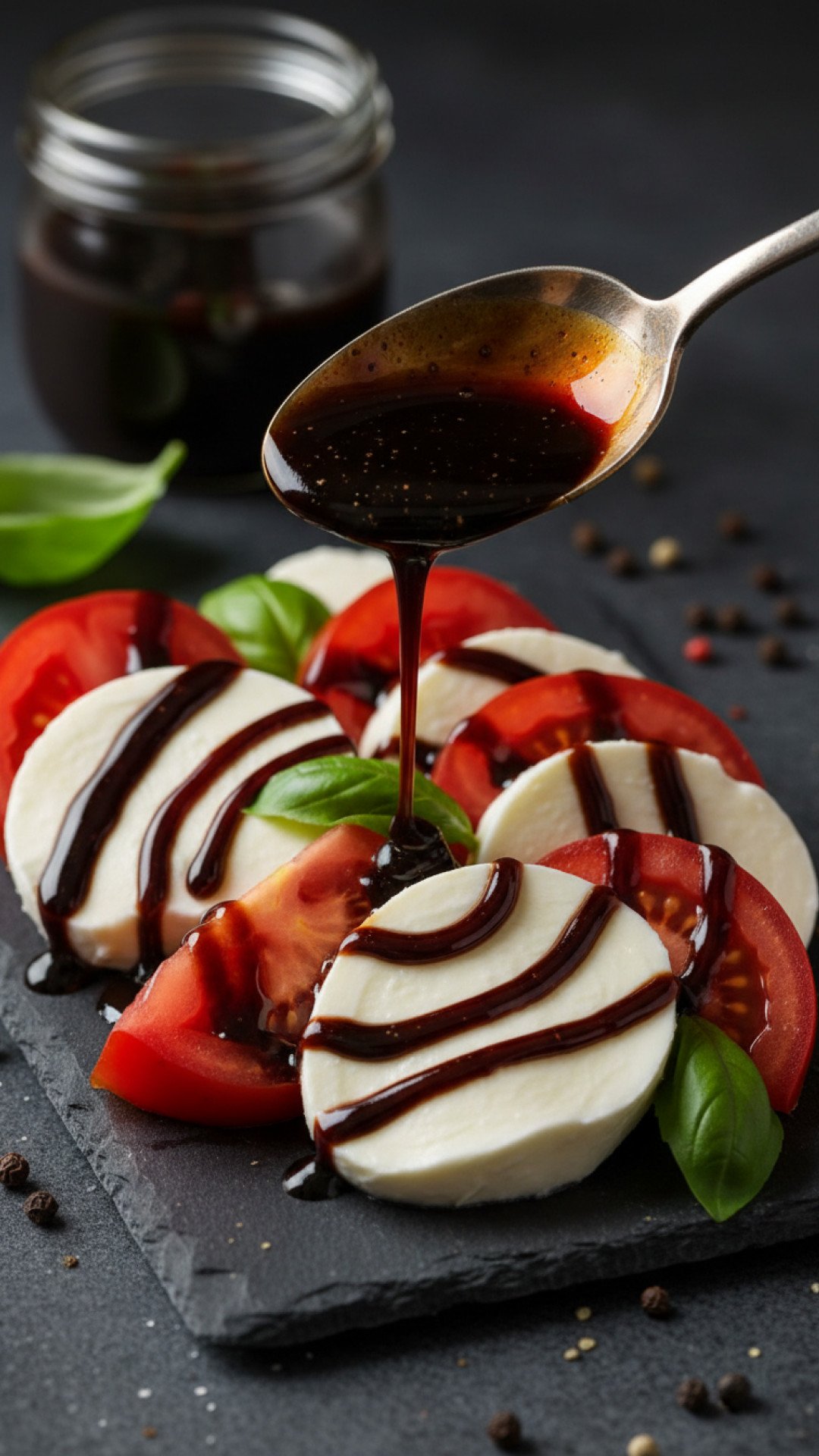
The magic of this balsamic glaze recipe lies in the gentle simmering. As water evaporates, the sugars and flavors concentrate, transforming the liquid into a thick, syrupy glaze. Maintain a low, steady heat, and avoid boiling aggressively. Keep a close eye on it, especially in the last few minutes, as it can go from perfect to over-reduced quickly. Don’t worry if it still seems a bit thin in the pan – it will continue to thicken significantly as it cools. This homemade balsamic glaze recipe is truly a culinary magic trick that anyone can master with a little attention.
The Spoon Test: Perfect Consistency Every Time
This is the crucial step for any balsamic glaze recipe. To test for doneness, dip a spoon into the simmering glaze. If it coats the back of the spoon thinly and evenly, and you can draw a clean line with your finger, it’s ready. If it’s still watery, continue simmering. If it seems too thick and gluey, you’ve gone a bit too far (though sometimes a teaspoon of plain balsamic off the heat can help). Err on the side of slightly runny, as it will always thicken more upon cooling. Once cooled, transfer your perfect balsamic glaze recipe to an airtight container. I love using these Basics Glass Food Storage containers for easy visibility and freshness.
Variations & Serving Suggestions for Your Balsamic Glaze Recipe
Once you’ve made your perfect batch of this delicious balsamic glaze recipe, the possibilities are endless! It’s one of the most versatile condiments you can have in your kitchen, capable of transforming a simple meal into a gourmet experience. Don’t be afraid to get creative with this incredible balsamic glaze recipe.
Savory Delights that Shine with Balsamic Glaze
- Salads Transformed: Drizzle over a classic Caprese salad (mozzarella, tomatoes, basil) – the glaze beautifully ties flavors together. It’s also incredible on a simple garden salad, especially with goat cheese or blue cheese. Forget store-bought dressings; this glaze offers pure, concentrated flavor.
- Grilled & Roasted Masterpieces: Elevate grilled chicken, pork, or steak with a generous drizzle. It pairs beautifully with fish, like Perfectly Grilled Salmon. Roasted vegetables (Brussels sprouts, asparagus) are transformed by this sweet and tangy glaze, enhancing natural sugars. This balsamic glaze recipe truly makes everything better!
- Pasta & Pizza Perfection: A light drizzle over a simple pasta dish, particularly one with fresh tomatoes, garlic, and basil (like this Zucchini Pasta with Garlic, Tomato, and Basil), adds incredible depth. It’s also a fantastic finishing touch for homemade pizzas.
- Appetizer Elegance: Serve it alongside a charcuterie board with artisan cheeses, fresh fruit, and cured meats. It’s a wonderful dipping sauce for crusty bread or an accent for crostini.
Sweet Treats Elevated by Balsamic Glaze
- Fresh Fruit’s Best Friend: This is my absolute favorite way to use this balsamic glaze recipe! Drizzle it generously over fresh strawberries, peaches, or figs. The fruit’s acidity is perfectly balanced by the glaze’s concentrated sweetness, creating a surprisingly harmonious dessert.
- Sophisticated Desserts: A delightful and unexpected topping for vanilla ice cream, panna cotta, or even cheesecake. The tanginess cuts through the richness, offering a gourmet twist.
Creative Flavor Variations for Your Balsamic Glaze Recipe
- Spicy Balsamic Glaze: For those who love a little heat, add a pinch of red pepper flakes during simmering. The subtle heat complements the sweetness and tang of the balsamic glaze recipe beautifully.
- Herbal Balsamic Glaze: Infuse with a sprig of fresh rosemary or thyme at the start of reduction. Remove the herb before cooling.
- Garlic Balsamic Glaze: Add a couple of smashed garlic cloves to the vinegar at the start. Strain before serving.
Nutrition Information
Here’s an estimate of the nutritional value per serving for this balsamic glaze recipe. Please note that these are approximations and can vary based on specific ingredients and preparation methods.
| Nutrient | Amount per Serving (1 tbsp) |
|---|---|
| Calories | 25 |
| Carbohydrates | 6g |
| Sugar | 5g |
| Protein | 0g |
| Fat | 0g |
| Saturated Fat | 0g |
| Trans Fat | 0g |
| Unsaturated Fat | 0g |
| Cholesterol | 0mg |
| Fiber | 0g |
| Sodium | 2mg |
Conclusion
I hope you’re as excited as I am about this incredibly versatile and delicious balsamic glaze recipe! It’s a testament to how simple ingredients, with a little time and care, can create something truly gourmet. This isn’t just another condiment; it’s a flavor enhancer that brings a touch of sophistication to almost any meal. Whether you’re dressing a salad, finishing a main course, enhancing an appetizer, or even transforming a simple dessert, this homemade balsamic glaze recipe is sure to impress both you and your guests. So, go ahead, gather your ingredients, and try this fantastic balsamic glaze recipe today. It’s a small effort with a huge flavor payoff, and I promise, your taste buds (and your dinner guests) will thank you!
FAQs
How do I know when my balsamic glaze is done?
It’s done when it coats the back of a spoon and appears syrupy. Remember, it will thicken significantly more as it cools. If it seems a little too runny in the pan, it’s likely perfect once cooled.
Can I make balsamic glaze without sugar?
Yes, you can. Good quality aged balsamic vinegar is naturally sweet enough to reduce beautifully on its own. The sugar simply enhances the sweetness and helps with thickening.
How long does homemade balsamic glaze last?
When stored in an airtight container at room temperature, it can last for 2-3 weeks. In the refrigerator, it can last for several months.
What can I use balsamic glaze on?
Balsamic glaze is incredibly versatile! Drizzle it over salads, grilled meats (like salmon), roasted vegetables, fresh fruit (strawberries are amazing!), cheese boards, or even ice cream. This simple balsamic glaze recipe adds a gourmet touch to almost anything.
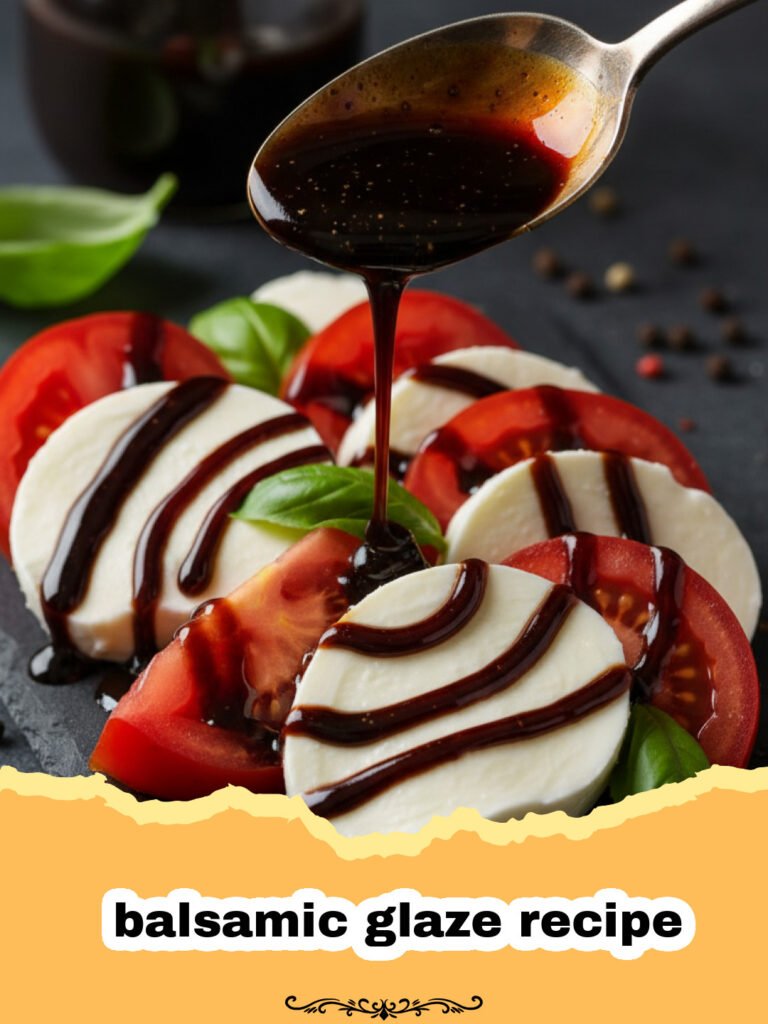
Easy Homemade Balsamic Glaze
A simple yet incredibly versatile recipe for a rich, sweet, and tangy balsamic glaze that elevates any dish. Perfect for salads, meats, vegetables, and even desserts.
- Total Time: 17-22 minutes
- Yield: Approximately 1/2 cup 1x
Ingredients
1 cup (240ml) good quality balsamic vinegar
1–2 tablespoons brown sugar or maple syrup (optional, adjust to taste)
Instructions
Step 1: Combine balsamic vinegar and optional brown sugar (if using) in a small, heavy-bottomed saucepan.
Step 2: Bring the mixture to a gentle simmer over medium heat, stirring occasionally to dissolve the sugar.
Step 3: Once simmering, reduce the heat to low and allow the vinegar to gently reduce. Do not cover the pan.
Step 4: Continue to simmer, stirring occasionally, for 15-20 minutes, or until the balsamic glaze recipe has thickened to a syrupy consistency that coats the back of a spoon. It will thicken further as it cools, so don’t over-reduce it to the point of being too thick in the pan. A good homemade balsamic glaze recipe should be pourable but cling to food.
Step 5: Remove the pan from the heat and allow the balsamic glaze recipe to cool completely. As it cools, it will continue to thicken.
Step 6: Transfer the cooled balsamic glaze recipe to an airtight container. Store at room temperature for up to 2-3 weeks, or in the refrigerator for up to several months.
Notes
For a richer, deeper flavor, use a higher quality, aged balsamic vinegar. If your glaze becomes too thick after cooling, gently reheat it with a teaspoon of water or regular balsamic vinegar to thin it out. This balsamic glaze recipe is incredibly forgiving!
- Prep Time: 2 minutes
- Cook Time: 15-20 minutes
- Category: How To
- Cuisine: Italian-American
Nutrition
- Serving Size: 1 tbsp
- Calories: 25
- Sugar: 5g
- Sodium: 2mg
- Fat: 0g
- Saturated Fat: 0g
- Unsaturated Fat: 0g
- Trans Fat: 0g
- Carbohydrates: 6g
- Fiber: 0g
- Protein: 0g
- Cholesterol: 0mg
Keywords: balsamic glaze, balsamic reduction, homemade glaze, easy balsamic, sweet balsamic, tangy glaze, condiment recipe, Italian dressing