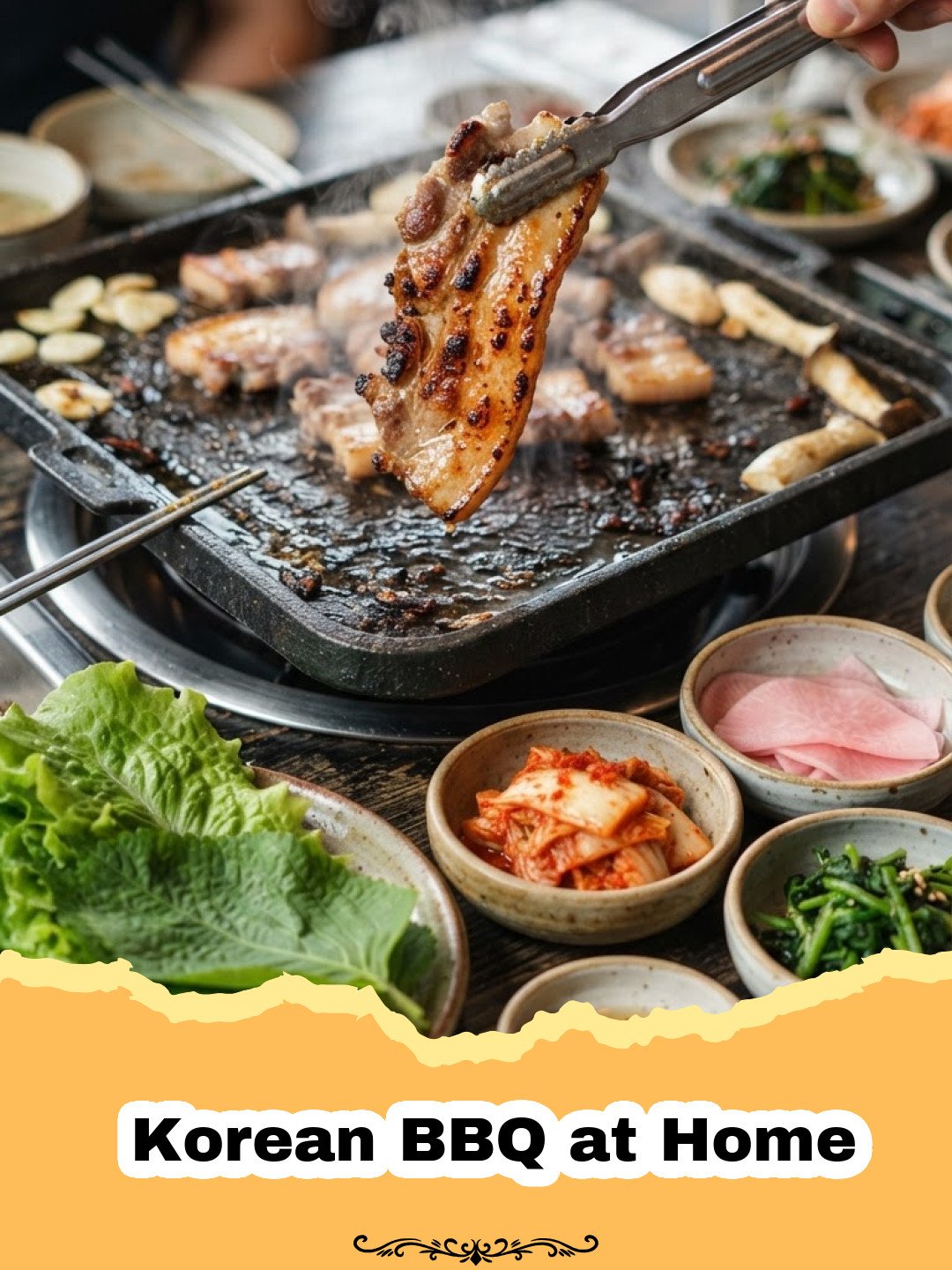
Korean BBQ at Home was something I always thought was reserved for specialized restaurants with high-tech tabletop grills and industrial-strength ventilation systems. My first memory of this culinary wonder was a rainy evening in a bustling district, where the smell of caramelized sugar and scorched soy sauce wafted through the air, drawing me into a dimly lit corner booth. Watching the thin ribbons of beef sizzle and pop over an open flame was hypnotic, but the real magic happened when I took that first bite: a perfect balance of savory, sweet, and smoky. For years, I believed I could never replicate that complex depth of flavor in my own tiny kitchen. However, after much trial and error, I discovered that creating an authentic, restaurant-quality experience of Korean BBQ at Home is not only possible but incredibly rewarding. It is about the technique of the marinade and the quality of the char, and today, I am sharing every secret I have learned to help you host your own feast.
Why This Recipe is a Must-Try
- Incredible Flavor for Less: Mastering Korean BBQ at Home allows you to enjoy premium cuts like ribeye or flank steak at a fraction of the price you would pay at a high-end restaurant.
- Customizable Heat and Sweetness: When you prepare Korean BBQ at Home, you have total control over the marinade, meaning you can dial up the garlic or reduce the sugar to fit your specific dietary preferences.
- The Ultimate Social Experience: There is nothing quite like the communal aspect of Korean BBQ at Home; it turns a standard dinner into an interactive event where everyone participates in the cooking process.
- Perfect for Meal Prep: The marinated meat keeps exceptionally well, making it a fantastic option for busy weeknights when you want a gourmet meal in under ten minutes.
Key Ingredient Notes
To achieve the best results with your Korean BBQ at Home, you must pay close attention to the ingredients in your marinade. The most critical component is arguably the Asian pear. Unlike Western pears, Asian pears contain an enzyme called calpain, which acts as a natural meat tenderizer. If you cannot find Asian pears, a grated Kiwi or even a Fuji apple can work in a pinch, but the pear provides that signature silky texture that makes the beef melt in your mouth. Another vital ingredient is toasted sesame oil. Ensure you are using ‘toasted’ oil rather than cold-pressed, as the deep, nutty aroma is what gives Korean BBQ at Home its distinctive fragrance. Finally, let’s talk about the beef. For traditional bulgogi, you want highly marbled ribeye sliced paper-thin. To achieve this at home, freeze your meat for about 30 to 45 minutes until it is firm but not solid, which allows your knife to glide through and create those essential thin ribbons. Once your marinade is mixed, I recommend placing the meat in Basics Glass Food Storage containers to let the flavors meld overnight without any metallic interference from bowls or foil.
Step-by-Step Guide with Pro Tips
The journey to the best Korean BBQ at Home begins at least four hours before you plan to eat. The longer the meat bathes in the marinade, the more tender it becomes. Start by whisking together your soy sauce, brown sugar, pear puree, minced garlic, and ginger. This liquid gold is the foundation of the flavor profile. When you add the meat, ensure every single slice is coated; do not just pour the sauce over the top. Use your hands (with gloves, if preferred) to massage the marinade into the fibers of the beef. This is a common mistake people make when attempting Korean BBQ at Home—they rush the marinating process and end up with meat that is flavored only on the surface. While the meat rests, you can focus on the banchan, or side dishes. No spread of Korean BBQ at Home is complete without a variety of pickles and vegetables. For a refreshing contrast to the rich beef, you might consider preparing The Ultimate Guide to Perfectly Sauteed Bok Choy, which provides a clean, earthy balance to the sweet marinade. When it comes time to cook, the heat is your best friend. Whether you are using a cast-iron skillet or an outdoor grill, you want the surface screaming hot. The goal for Korean BBQ at Home is to achieve ‘maillard reaction’—that beautiful brown crust—without overcooking the thin meat. Work in small batches. If you crowd the pan, the meat will steam in its own juices rather than sear, and you will lose that smoky essence. Flip the meat only once, allowing it to develop a slight char on the edges before pulling it off the heat immediately.
Variations & Serving Suggestions
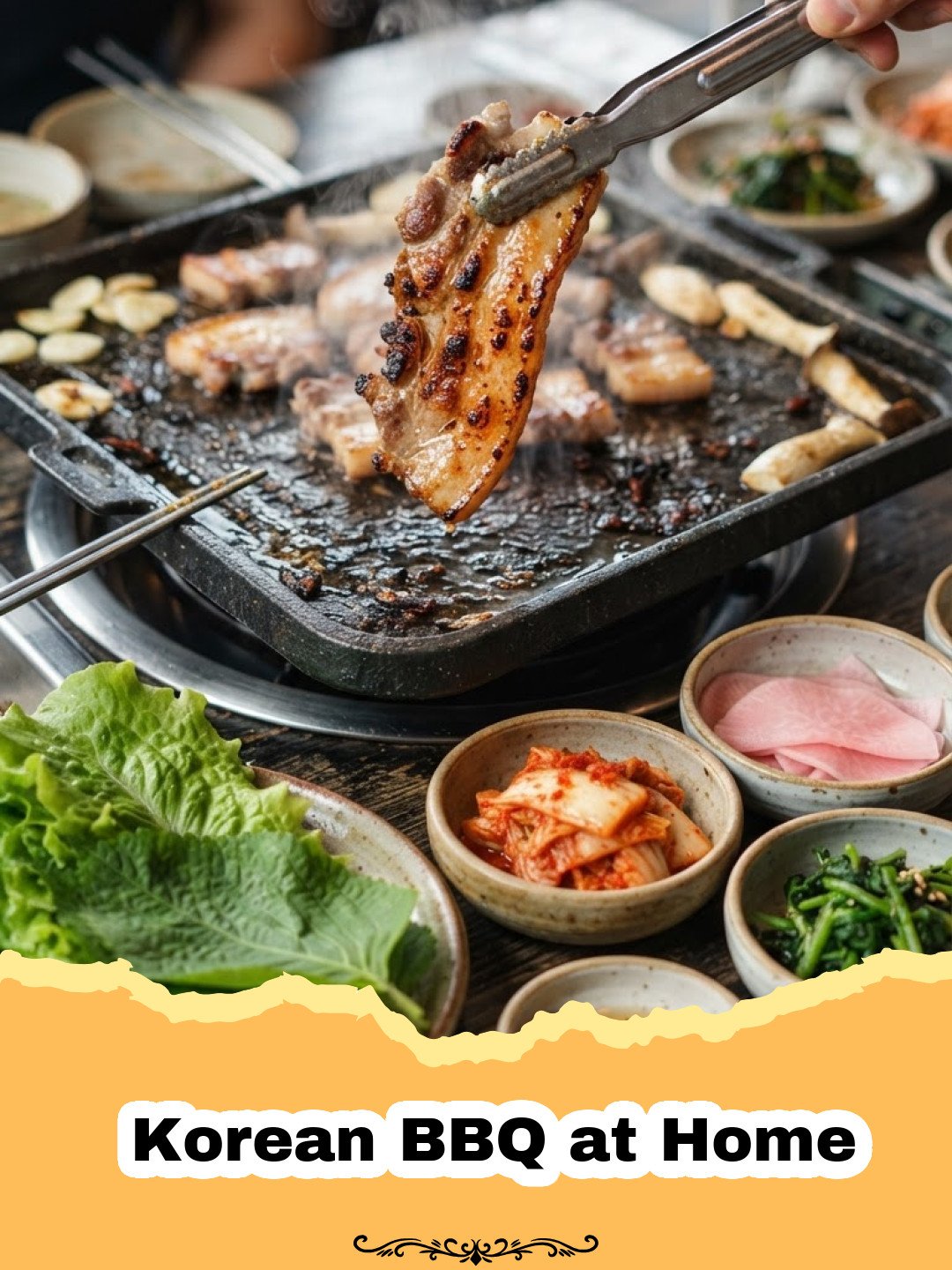
One of the beauties of Korean BBQ at Home is the sheer versatility of the format. While beef is the classic choice, you can easily swap it for thin slices of pork belly or even chicken thighs. If you are a fan of spicy food, you can take inspiration from The Ultimate Sweet & Spicy Gochujang Stir Fry and add two tablespoons of fermented red chili paste to your marinade. This transforms the dish into ‘Jeyuk Bokkeum’ style, which is phenomenal when served with extra sesame seeds. For serving, the traditional method involves ‘ssam,’ or lettuce wraps. Take a large leaf of red leaf lettuce or perilla, add a small scoop of rice, a piece of the grilled meat, and a dollop of ssamjang (a thick, spicy soybean paste). The explosion of textures—crunchy lettuce, soft rice, and tender beef—is what makes Korean BBQ at Home such an addictive meal. Don’t forget the kimchi! The acidity of fermented cabbage cuts through the fat of the ribeye perfectly. If you want to get creative, you can even serve the leftovers (if there are any!) in a fusion style, such as Korean BBQ tacos or atop a vibrant salad bowl. The possibilities for Korean BBQ at Home are limited only by your imagination, and each variation offers a new way to appreciate these ancient flavors.
Nutrition Information
| Nutrient | Amount per Serving |
|---|---|
| Calories | 345 kcal |
| Carbohydrate Content | 12g |
| Cholesterol Content | 85mg |
| Fat Content | 18g |
| Fiber Content | 1g |
| Protein Content | 32g |
| Saturated Fat Content | 7g |
| Serving Size | 1 cup of cooked meat |
| Sodium Content | 890mg |
| Sugar Content | 9g |
| Trans Fat Content | 0.5g |
| Unsaturated Fat Content | 9g |
Conclusion
Bringing the experience of Korean BBQ at Home into your own dining room is a surefire way to impress your guests and satisfy your cravings. It is a dish that celebrates the harmony of ingredients and the joy of shared cooking. By following these steps and focusing on the quality of your marinade, you can enjoy a world-class meal without ever leaving your house. So, fire up your skillet, gather your favorite sides, and enjoy the sizzle of your very own Korean BBQ at Home tonight!
FAQs
What is the best cut of meat for Korean BBQ at Home?
The best cut for traditional beef Korean BBQ is ribeye because of its high fat content and marbling. However, flank steak or top sirloin can also be used if sliced very thinly against the grain.
Can I make Korean BBQ at Home without an Asian pear?
Yes, if you cannot find an Asian pear, you can substitute it with a grated Fuji apple or even a small amount of grated kiwi. These fruits contain enzymes that help tenderize the meat, similar to the pear.
How long should I marinate the meat for the best flavor?
For the best results, marinate the meat for at least 4 hours. If you want the deepest flavor and most tender texture, marinating it overnight in the refrigerator is highly recommended.
Authentic Korean BBQ at Home (Bulgogi)
A delicious, restaurant-quality Korean BBQ beef recipe made with thinly sliced ribeye and a sweet-savory pear marinade. Perfect for social dinners or quick weeknight meals.
- Total Time: 4 hours 30 minutes
- Yield: 4 servings 1x
Ingredients
1.5 lbs Ribeye steak, thinly sliced
1/2 cup Soy sauce
1/4 cup Brown sugar
1/2 Asian pear, grated
4 cloves Garlic, minced
1 tbsp Ginger, freshly grated
2 tbsp Toasted sesame oil
2 tbsp Toasted sesame seeds
3 Green onions, chopped
1/4 tsp Black pepper
Instructions
Step 1: Partially freeze the ribeye for 30-45 minutes to make it easier to slice thinly across the grain.
Step 2: In a large bowl, whisk together the soy sauce, brown sugar, grated pear, garlic, ginger, sesame oil, and black pepper.
Step 3: Add the thinly sliced beef to the marinade and toss by hand to ensure every piece is thoroughly coated.
Step 4: Transfer the meat and marinade to a sealed container and refrigerate for at least 4 hours, or ideally overnight.
Step 5: Heat a large cast-iron skillet or grill pan over high heat until it begins to smoke slightly.
Step 6: Cook the beef in small batches for 1-2 minutes per side until charred and caramelized. Do not overcrown the pan.
Step 7: Garnish with chopped green onions and toasted sesame seeds, then serve immediately with lettuce wraps and rice.
Notes
For the most authentic experience, serve with ssamjang (Korean dipping paste) and perilla leaves.
- Prep Time: 20 minutes
- Cook Time: 10 minutes
- Category: Main Dishes
- Cuisine: Korean
Nutrition
- Serving Size: 1 cup of cooked meat
- Calories: 345 kcal
- Sugar: 9g
- Sodium: 890mg
- Fat: 18g
- Saturated Fat: 7g
- Unsaturated Fat: 9g
- Trans Fat: 0.5g
- Carbohydrates: 12g
- Fiber: 1g
- Protein: 32g
- Cholesterol: 85mg
Keywords: Korean BBQ, Bulgogi Recipe, Homemade Korean Food, Grilled Beef, Asian Pear Marinade