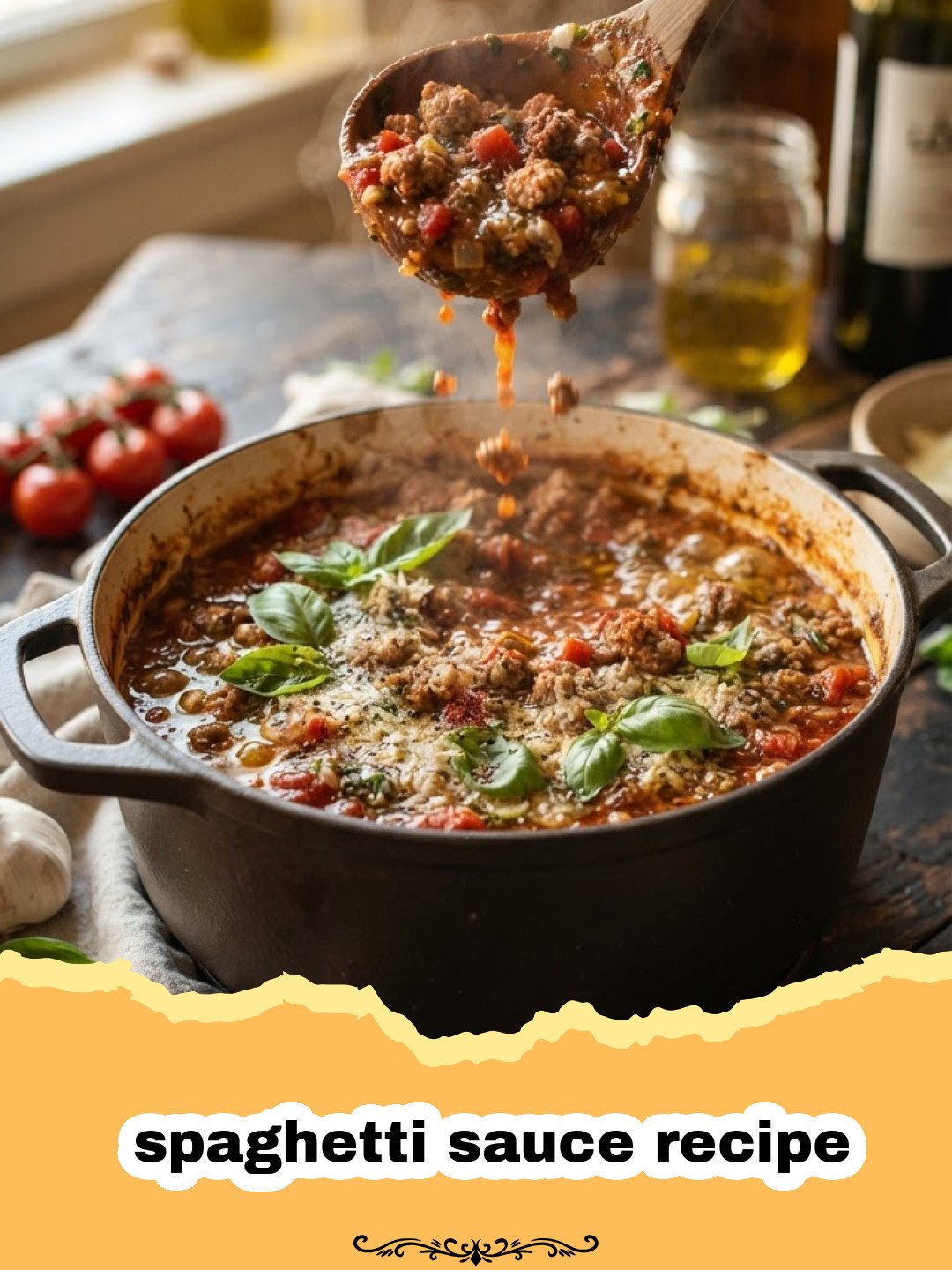
Finding the perfect spaghetti sauce recipe is often a journey that starts in our childhood kitchens, fueled by the comforting aroma of garlic and onions sizzling in a heavy-bottomed pot. For me, that journey began on Sunday mornings, waking up to the sound of my grandmother stirring a massive cauldron of red sauce that had been simmering since sunrise. There is something deeply soulful about a slow-cooked sauce that weaves together the sweetness of vine-ripened tomatoes, the richness of browned meats, and the aromatic depth of fresh herbs. This recipe isn’t just a list of ingredients; it is a labor of love designed to bring people together around a table, sharing stories while the sauce clings perfectly to every strand of pasta. Whether you are a seasoned home cook or a beginner, mastering this recipe will transform your home into the neighborhood’s favorite Italian bistro.
Why This Spaghetti Sauce Recipe is a Must-Try
- Unmatched Depth of Flavor: Unlike store-bought jars that often rely on excessive sugar and preservatives, this spaghetti sauce recipe uses a slow-simmering technique to develop complex, natural sweetness and savory richness.
- Perfect for Meal Prep: This sauce actually tastes better the next day, making it an ideal candidate for large-batch cooking. You can even learn about The Ultimate Guide to Canning Homemade Spaghetti Sauce to keep your pantry stocked all year.
- Versatile and Adaptable: You can easily adjust the thickness, the heat level, or the meat-to-sauce ratio to suit your family’s specific preferences.
- High-Quality Ingredients: By controlling what goes into your pot, you ensure a healthier, more authentic meal that avoids artificial thickeners.
Key Ingredient Notes
To create the absolute best spaghetti sauce recipe, the quality of your base ingredients is paramount. While it is tempting to grab whatever is on sale, a few specific choices will elevate your dish from ordinary to extraordinary.
1. The Tomatoes
The foundation of any great sauce is the tomato. For this recipe, I highly recommend using San Marzano canned tomatoes. Grown in the volcanic soil of Italy, they are less acidic and naturally sweeter than standard varieties. If you find yourself with an abundance of fresh garden produce, you might also consider incorporating elements from The Ultimate Classic Stewed Tomatoes Recipe to add a rustic, chunky texture to your sauce.
2. The Meat Blend
Using a combination of lean ground beef and Italian sausage (mild or hot) provides a multifaceted flavor profile. The beef provides a solid savory base, while the sausage adds notes of fennel, paprika, and garlic that are essential for an authentic Italian-American experience.
3. Fresh Herbs vs. Dried
While dried oregano and basil are convenient, adding fresh basil at the very end of the cooking process provides a bright, peppery finish that dried herbs simply cannot replicate. The contrast between the long-simmered dried herbs and the fresh finish is the secret to a professional-grade spaghetti sauce recipe.
Step-by-Step Guide with Pro Tips
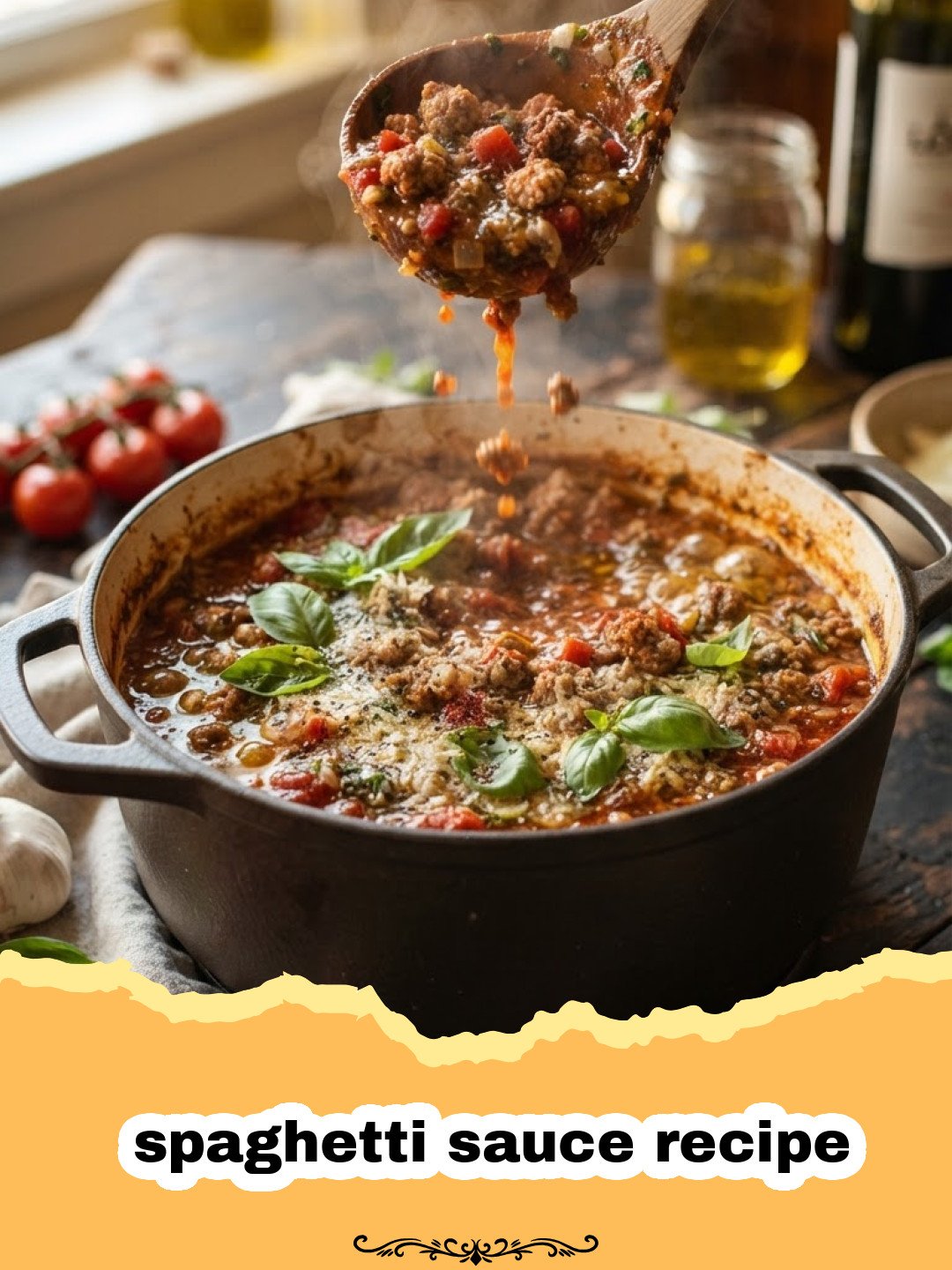
Crafting this spaghetti sauce recipe requires patience. The goal is to allow the water in the tomatoes to evaporate slowly, concentrating the sugars and allowing the fat from the meat to emulsify into the sauce, creating a silky texture.
Start by browning your meats thoroughly. Do not rush this step; the brown bits at the bottom of the pan (the fond) are where the deepest flavors reside. Once the meat is browned and removed, use that same fat to sauté your finely diced onions and carrots. Yes, carrots! A finely grated carrot is a classic Italian trick to neutralize the acidity of the tomatoes without adding heaps of refined sugar.
When you add your tomato paste, let it cook for a minute or two until it turns a deep rust color. This “caramelizes” the paste and removes the metallic tinny taste. Then, deglaze the pan with a splash of red wine or beef stock, scraping up all those delicious bits before pouring in your crushed tomatoes. Set the heat to the lowest possible setting. A true spaghetti sauce recipe should barely bubble—just a lazy “blub” every few seconds. This gentle heat prevents the sugars from burning and allows the collagen in the meat to break down, resulting in a melt-in-your-mouth consistency.
Variations & Serving Suggestions
The beauty of this spaghetti sauce recipe is how easily it can be adapted. If you prefer a vegetarian version, simply swap the meat for finely chopped mushrooms and eggplant. For those who enjoy a bit of heat, doubling the crushed red pepper flakes or adding a spoonful of Calabrian chili paste will provide a delightful kick.
When it comes to serving, don’t just dump the sauce on top of plain noodles. Transfer your al dente pasta directly into a skillet with a few ladles of sauce and a splash of pasta water. Toss it over medium heat for sixty seconds; this allows the spaghetti sauce recipe to bind to the pasta, ensuring every bite is perfectly coated. For leftovers, ensuring you have quality storage is key. I personally use Basics Glass Food Storage to keep my sauce fresh in the fridge or freezer without worrying about staining plastic containers.
Nutrition Information
Understanding the nutritional profile of your spaghetti sauce recipe helps you balance your meal. This sauce is rich in Lycopene (from the cooked tomatoes) and provides a significant amount of protein.
| Nutrient | Amount per Serving |
|---|---|
| Calories | 285 kcal |
| Protein | 19g |
| FatContent | 16g |
| CarbohydrateContent | 14g |
| FiberContent | 3g |
| SugarContent | 7g |
| SodiumContent | 650mg |
Conclusion
There is nothing quite like the satisfaction of serving a spaghetti sauce recipe that you built from the ground up. It turns a simple Tuesday night into a special occasion and fills your home with a warmth that only home cooking can provide. I hope this recipe becomes a staple in your household, just as it has in mine. Don’t be afraid to experiment, simmer it a little longer, or add an extra clove of garlic—after all, the best recipes are the ones that evolve with your own family’s tastes. Happy cooking!
FAQs
Can I use fresh tomatoes instead of canned for this spaghetti sauce recipe?
Yes, you can use fresh tomatoes, but you will need to blanch, peel, and seed them first. Keep in mind that fresh tomatoes have higher water content, so you may need to simmer the sauce for an extra hour to reach the desired thickness.
How long can I store this spaghetti sauce in the freezer?
This spaghetti sauce recipe freezes beautifully. It will stay fresh in an airtight container for up to 3-4 months. For best results, thaw it in the refrigerator overnight before reheating on the stove.
Why do you add carrot to the spaghetti sauce recipe?
Finely grated carrot acts as a natural sweetener. It helps balance the acidity of the tomatoes without the need for refined sugar, and it melts into the sauce, adding body and nutrition without altering the texture.
The Ultimate Homemade Spaghetti Sauce
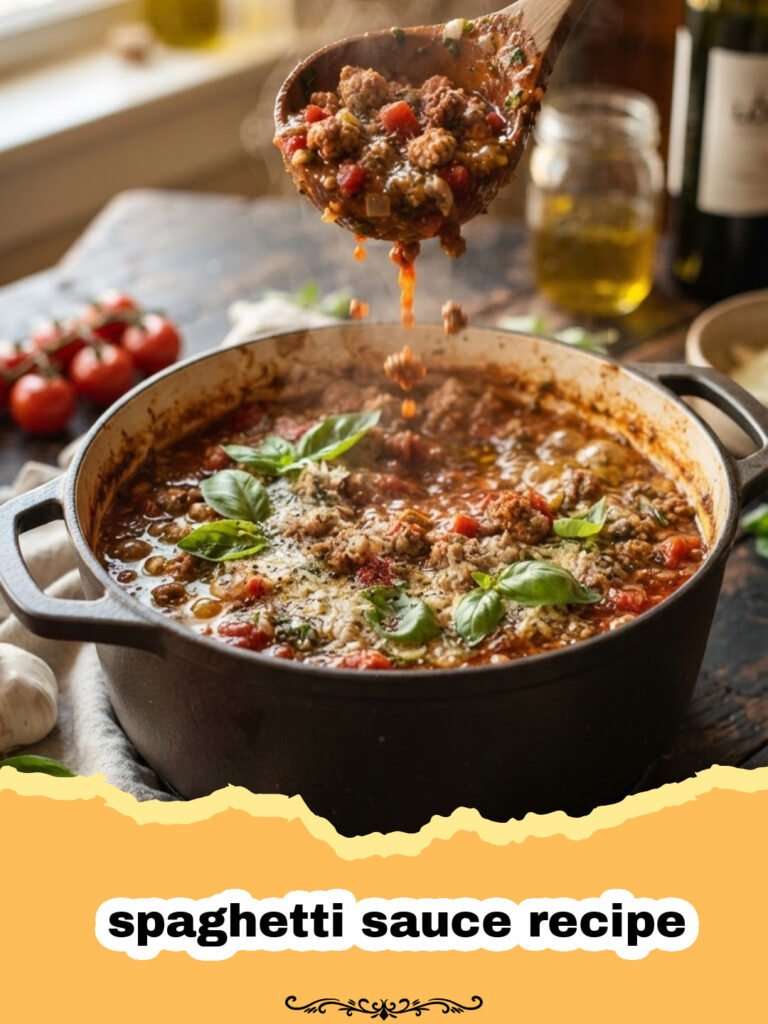
A rich, slow-simmered Italian-style meat sauce featuring San Marzano tomatoes, ground beef, and Italian sausage.
- Total Time: PT3H20M
- Yield: 8 servings 1x
Ingredients
1 lb ground beef (80/20)
1 lb Italian sausage, casings removed
1 large yellow onion, finely diced
4 cloves garlic, minced
1 carrot, finely grated
2 cans (28 oz each) crushed San Marzano tomatoes
1 can (6 oz) tomato paste
1/2 cup dry red wine (optional)
2 tbsp olive oil
1 tbsp dried oregano
1 tsp crushed red pepper flakes
1/4 cup fresh basil, chopped
Salt and black pepper to taste
Instructions
Step 1: Heat olive oil in a large heavy pot over medium-high heat. Add ground beef and Italian sausage, breaking it up with a spoon until browned. Remove meat and set aside, leaving the fat in the pot.
Step 2: Add the onion and grated carrot to the pot. Sauté for 5-7 minutes until softened. Add the garlic and cook for another minute until fragrant.
Step 3: Stir in the tomato paste and cook for 2 minutes, stirring constantly until it darkens in color.
Step 4: If using wine, pour it in now to deglaze the pan, scraping the bottom to release the browned bits.
Step 5: Add the crushed tomatoes, dried oregano, and red pepper flakes. Return the cooked meat to the pot.
Step 6: Bring to a low boil, then immediately reduce heat to the lowest setting. Cover partially and simmer for at least 2.5 to 3 hours, stirring occasionally.
Step 7: Stir in the fresh basil and season with salt and pepper before serving over your favorite pasta.
Notes
For the best flavor, let the sauce sit for 20 minutes after cooking before serving.
- Prep Time: PT20M
- Cook Time: PT3H
- Category: Main Dishes
- Cuisine: Italian-American
Nutrition
- Serving Size: 1 cup
- Calories: 285 kcal
- Sugar: 7g
- Sodium: 650mg
- Fat: 16g
- Saturated Fat: 6g
- Unsaturated Fat: 8g
- Trans Fat: 0g
- Carbohydrates: 14g
- Fiber: 3g
- Protein: 19g
- Cholesterol: 55mg
Keywords: spaghetti sauce recipe, homemade pasta sauce, meat sauce, Italian sauce, slow cooked sauce