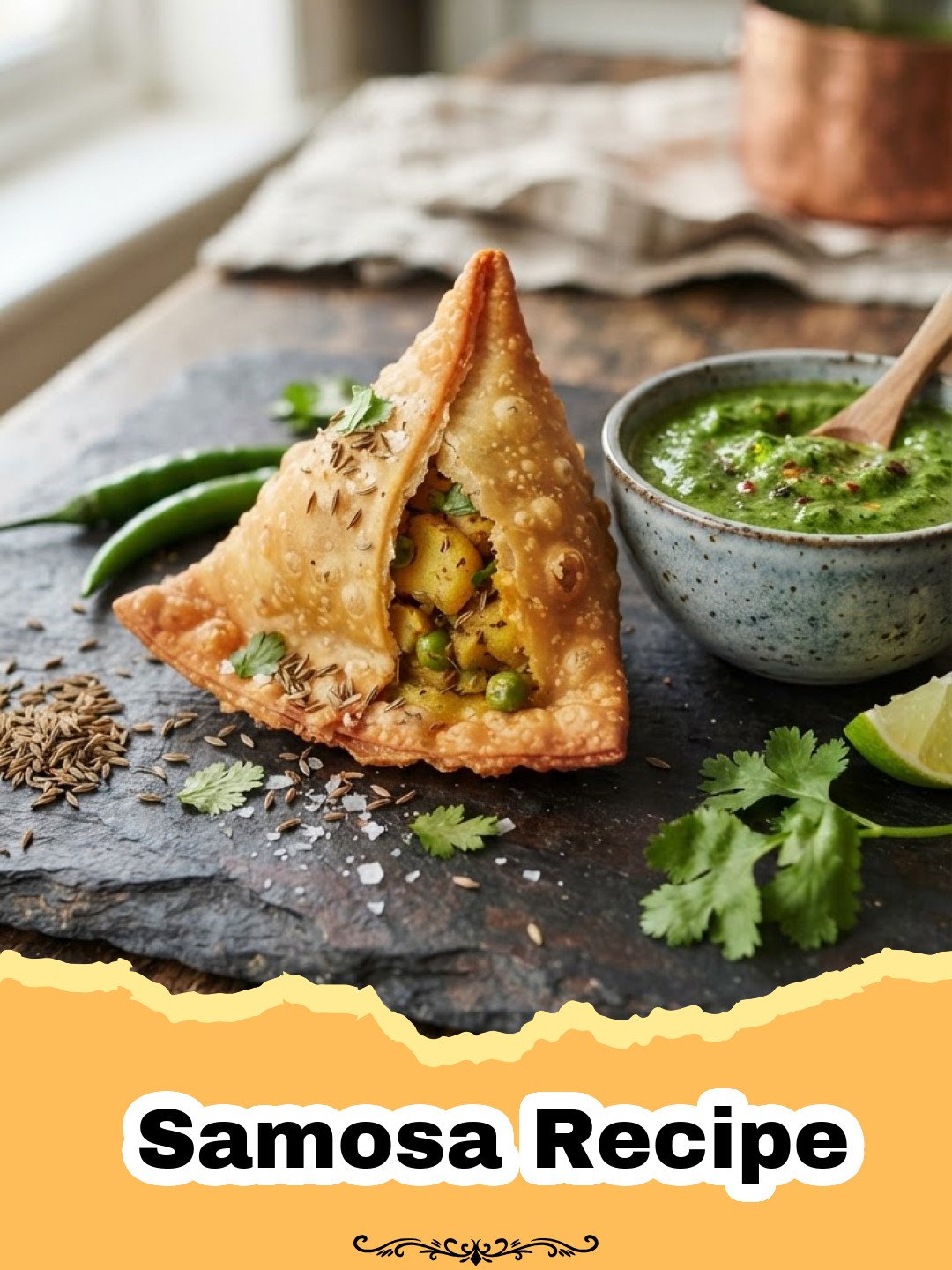
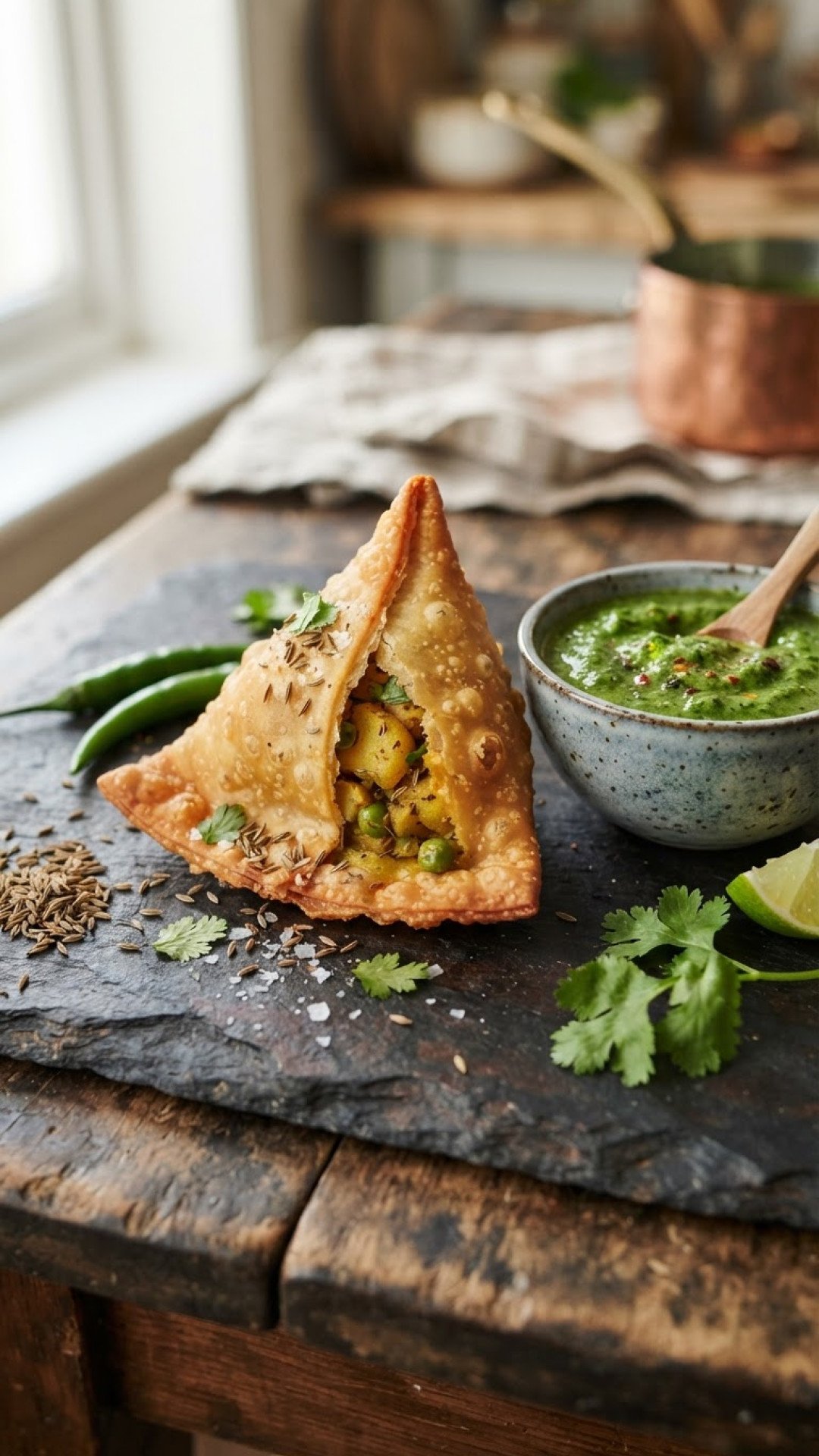
There are some foods that instantly transport you back to cherished memories, and for me, the humble samosa is one of them. I remember my grandmother, with her hands dusted with flour, patiently shaping these perfect, triangular parcels in her bustling kitchen. The aroma of spices – cumin, coriander, ginger – would fill the air, a promise of the crispy, savory delight to come. As a child, waiting for those golden pockets to emerge from the hot oil felt like an eternity, but the first bite, with its perfectly spiced potato and pea filling encased in a flaky crust, was always worth it. It wasn’t just food; it was love, tradition, and a taste of home. That nostalgia is exactly what I aim to recreate with this authentic Samosa Recipe, a dish that has always held a special place in my heart and on my plate.
Why This Samosa Recipe is a Must-Try
- Authentic Flavor Profile: This Samosa Recipe stays true to the classic Indian street food, balancing spices perfectly for that beloved taste.
- Crispy, Flaky Crust: We’ll dive into the secrets of achieving that irresistibly crunchy exterior that contrasts beautifully with the soft filling.
- Family-Friendly Fun: Making samosas can be a delightful activity to share with loved ones, from mixing the dough to filling and folding.
- Versatile and Satisfying: Perfect as an appetizer, a snack, or a light meal, these samosas are guaranteed to impress and satisfy.
Key Ingredient Notes
Getting the right balance of ingredients is crucial for a truly outstanding Samosa Recipe. Here are a few components that deserve special attention:
Potatoes
The heart of our samosa filling, potatoes are not just a filler; they’re the canvas for our spices. Opt for starchy potatoes like Russets or Yukon Golds. Their high starch content means they’ll mash up beautifully, creating a creamy yet firm texture that holds its shape without becoming watery. Overcooked or waxy potatoes can lead to a mushy filling, so aim for just-tender when boiling.
Spices
This Samosa Recipe relies on a vibrant blend of ground and whole spices. Cumin seeds, coriander powder, turmeric, garam masala, and chili powder are non-negotiables. Toasting the whole cumin seeds in oil at the beginning of the filling process awakens their aromatic compounds, providing a depth of flavor that dried, ground spices alone can’t achieve. Don’t be shy with the fresh ginger and green chilies either; they provide that essential kick and freshness.
All-Purpose Flour
For the dough, all-purpose flour is your best friend. The key to a flaky, sturdy, yet tender crust lies in not overworking the dough and using the right amount of fat. A good quality flour will absorb the water and fat evenly, contributing to the desirable texture. Make sure to knead it just enough to bring it together, but not so much that it develops too much gluten, which would make the samosas tough.
Step-by-Step Guide with Pro Tips
Crafting the perfect Samosa Recipe is a journey of precision and patience. Follow these steps closely, and you’ll be rewarded with culinary gold.
Making the Dough
The dough for this Samosa Recipe is surprisingly simple but requires a gentle touch. It forms the perfect crispy shell for our flavorful filling.
Step 1: In a large bowl, combine the all-purpose flour and salt. Add the melted ghee or oil and rub it into the flour with your fingertips until the mixture resembles coarse breadcrumbs. This step, known as “moyan,” is critical for a flaky crust. It prevents the samosas from becoming hard.
Step 2: Gradually add cold water, a tablespoon at a time, and knead until a firm, smooth dough forms. Be careful not to add too much water; the dough should be stiff. Cover the dough with a damp cloth and let it rest for at least 30 minutes. This resting period allows the gluten to relax, making the dough easier to roll and more tender.
Preparing the Filling
The heart of our Samosa Recipe lies in its aromatic, perfectly spiced potato and pea filling.
Step 3: Boil the potatoes until just tender, then peel and mash them coarsely. You want some small chunks for texture, not a completely smooth puree.
Step 4: Heat oil in a pan over medium heat. Add cumin seeds and let them splutter. Add chopped ginger, green chilies, and sauté for a minute until fragrant.
Step 5: Add the mashed potatoes, green peas, turmeric powder, coriander powder, garam masala, and salt. Mix well, ensuring all the spices are evenly distributed. Cook for 5-7 minutes, stirring occasionally, until the mixture is relatively dry. A dry filling is crucial to prevent the samosas from getting soggy. Let the filling cool completely before assembling. You can store leftover filling in Basics Glass Food Storage containers in the fridge for a day or two.
Assembling the Samosas
This is where the magic happens and your Samosa Recipe comes to life with its iconic shape.
Step 6: Divide the dough into equal-sized balls. Roll each ball into an oval shape, about 6-7 inches long and 4-5 inches wide. The dough should be neither too thin nor too thick.
Step 7: Cut the oval dough in half horizontally, creating two semi-circles.
Step 8: Take one semi-circle. Dampen the straight edge with a little water. Bring the two corners of the straight edge together, overlapping them slightly to form a cone. Press firmly to seal the seam.
Step 9: Hold the cone in one hand and fill it with about 1-2 tablespoons of the potato-pea mixture, making sure not to overfill. Leave a little space at the top.
Step 10: Dampen the open edge of the cone with water. Carefully pleat one side of the open edge and press it firmly against the other side, sealing the top to form a triangular shape. Ensure all seams are tightly sealed to prevent the filling from escaping during frying. Repeat with the remaining dough and filling.
Frying the Samosas
The final step in our Samosa Recipe journey is frying to golden perfection.
Step 11: Heat oil in a deep pan or kadai over low-medium heat. The oil temperature is critical; it should be around 300-325°F (150-160°C). If the oil is too hot, the samosas will brown too quickly on the outside and remain raw on the inside. If it’s too cold, they’ll absorb too much oil and become greasy.
Step 12: Gently slide a few samosas into the hot oil, being careful not to overcrowd the pan. Fry them slowly, turning occasionally, until they are golden brown and crispy on all sides, usually 10-15 minutes per batch. Remove with a slotted spoon and drain on paper towels.
Variations & Serving Suggestions
This Samosa Recipe is incredibly versatile! While the classic potato and pea filling is a crowd-pleaser, don’t hesitate to experiment.
- Meat Filling: For a non-vegetarian twist, try a keema (minced meat, typically lamb or chicken) filling. Cook the minced meat with similar spices, ensuring it’s completely dry before filling. This could be a fantastic alternative for those who also enjoy a rich dish like The Ultimate Creamy Butter Chicken.
- Paneer & Corn: A milder, creamier option, combining crumbled paneer (Indian cheese) with corn and a hint of mint can be delightful.
- Sweet Samosas: Yes, sweet samosas exist! Fill them with a mixture of grated coconut, nuts, jaggery, and cardamom for a dessert treat.
- Serving Suggestions: Samosas are best served hot with an array of chutneys. My personal favorites are tangy tamarind chutney, fresh mint-coriander chutney, or even a spicy red chili chutney. A cup of hot chai on the side completes the experience. For another quick, flavorful snack, consider trying The Ultimate 15-Minute Chili Crisp Noodles.
Nutrition Information
Here’s an estimated nutritional breakdown for one serving of this Samosa Recipe. Please note that these values can vary based on specific ingredient brands and preparation methods.
| Nutrient | Amount per Serving |
|---|---|
| Calories | 280 kcal |
| Carbohydrate Content | 35g |
| Cholesterol Content | 5mg |
| Fat Content | 14g |
| Fiber Content | 4g |
| Protein Content | 6g |
| Saturated Fat Content | 3g |
| Sodium Content | 320mg |
| Sugar Content | 2g |
| Trans Fat Content | 0g |
| Unsaturated Fat Content | 10g |
Serving Size: 1 large samosa
Conclusion
There you have it – your comprehensive guide to making the perfect Samosa Recipe right in your own kitchen. While it might seem like a labor of love, the process of bringing these crispy, spicy, and utterly satisfying pastries to life is incredibly rewarding. Each bite is a little parcel of warmth, flavor, and tradition, a testament to the rich culinary heritage of India. So, gather your ingredients, clear your countertop, and get ready to create some golden pockets of joy that will undoubtedly become a treasured favorite in your home. Happy cooking, and enjoy every delicious crunch of your homemade samosas!
FAQs
What is the secret to a crispy Samosa Recipe crust?
The key to a crispy samosa crust lies in two main factors: adding enough fat (ghee or oil) to the flour and gently rubbing it in until the mixture resembles coarse breadcrumbs (the ‘moyan’ technique), and frying the samosas slowly at a low-medium temperature (around 300-325u00b0F) to allow the crust to cook through and become golden brown without burning.
Can I bake this Samosa Recipe instead of frying?
Yes, you can bake samosas! After shaping, brush them lightly with oil and bake at 375u00b0F (190u00b0C) for 20-30 minutes, or until golden brown and crispy. While baking is a healthier alternative, the texture might be slightly less flaky and crispy compared to deep-fried versions.
How can I prevent my Samosa Recipe filling from being watery?
To prevent a watery samosa filling, ensure your potatoes are not overcooked; they should be just tender. After mashing, cook the potato and pea mixture with the spices for an additional 5-7 minutes, stirring occasionally, until any excess moisture has evaporated and the mixture appears relatively dry. A dry filling is crucial for a perfectly textured samosa.
What chutneys pair best with a classic Samosa Recipe?
Classic Indian samosas are traditionally served with a variety of chutneys. Popular choices include tangy tamarind chutney, fresh mint-coriander chutney (also known as green chutney), and spicy red chili garlic chutney. The combination of sweet, savory, and spicy flavors from these chutneys perfectly complements the rich taste of the samosas.
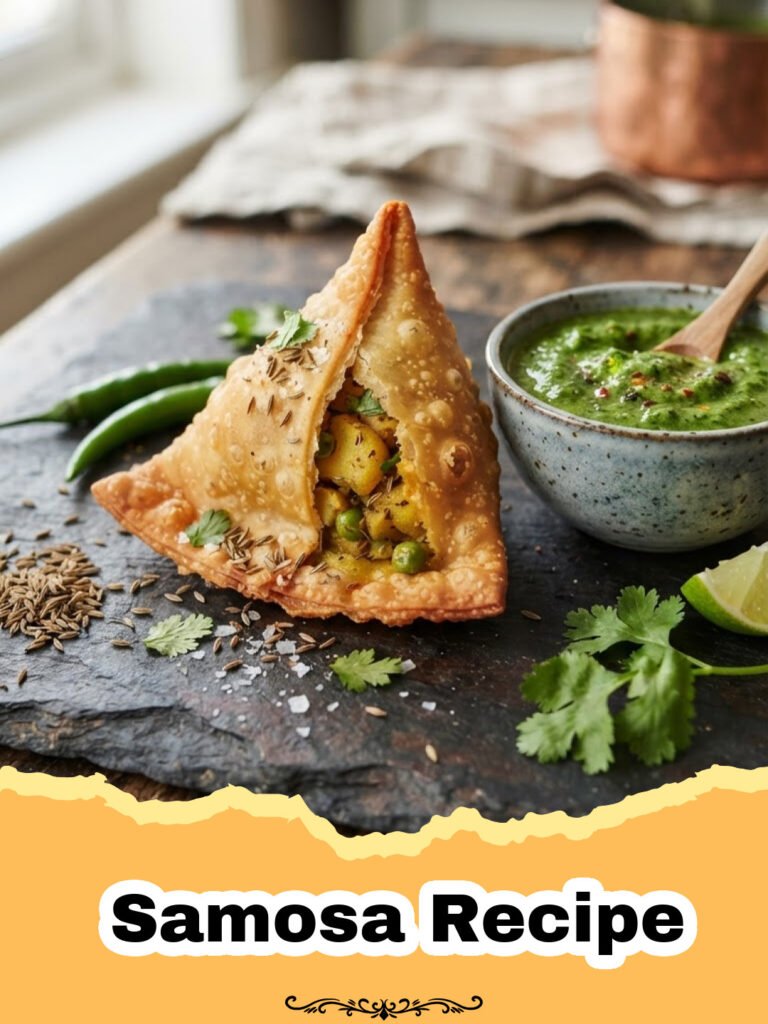
Classic Indian Samosa Recipe
Master the art of making crispy, flavorful Indian samosas at home with this authentic Samosa Recipe, featuring a perfectly spiced potato and pea filling encased in a golden, flaky crust. A truly satisfying appetizer or snack!
- Total Time: 1 hour 10 minutes
- Yield: 12 large samosas 1x
Ingredients
2 cups all-purpose flour
1/2 teaspoon salt
4 tablespoons ghee or vegetable oil (for dough)
1/2 cup cold water (approx.)
3 large potatoes, boiled and coarsely mashed
1/2 cup green peas (fresh or frozen)
2 tablespoons vegetable oil (for filling)
1 teaspoon cumin seeds
1 inch ginger, grated or finely chopped
2 green chilies, finely chopped (adjust to taste)
1/2 teaspoon turmeric powder
1 teaspoon coriander powder
1/2 teaspoon garam masala
1 teaspoon salt (for filling, adjust to taste)
Oil for deep frying
Instructions
Step 1: In a large bowl, combine all-purpose flour and 1/2 tsp salt. Add 4 tbsp ghee or oil and rub it into the flour with your fingertips until the mixture resembles coarse breadcrumbs. This ensures a flaky crust for your Samosa Recipe.
Step 2: Gradually add cold water, a tablespoon at a time, and knead until a firm, smooth dough forms. The dough should be stiff. Cover with a damp cloth and let it rest for at least 30 minutes.
Step 3: Boil potatoes until just tender, then peel and mash them coarsely. Set aside.
Step 4: Heat 2 tbsp oil in a pan over medium heat. Add cumin seeds and let them splutter. Add chopped ginger and green chilies, and sauté for 1 minute until fragrant.
Step 5: Add the mashed potatoes, green peas, turmeric powder, coriander powder, garam masala, and 1 tsp salt. Mix well and cook for 5-7 minutes, stirring occasionally, until the mixture is relatively dry. Let the filling cool completely.
Step 6: Divide the rested dough into 6 equal-sized balls. Roll each ball into an oval shape, about 6-7 inches long and 4-5 inches wide.
Step 7: Cut the oval dough in half horizontally, creating two semi-circles.
Step 8: Take one semi-circle. Dampen the straight edge with a little water. Bring the two corners of the straight edge together, overlapping them slightly to form a cone. Press firmly to seal the seam.
Step 9: Hold the cone and fill it with about 1-2 tablespoons of the potato-pea mixture. Do not overfill.
Step 10: Dampen the open edge of the cone with water. Carefully pleat one side of the open edge and press it firmly against the other side, sealing the top to form a triangular shape. Ensure all seams are tightly sealed. Repeat for all samosas.
Step 11: Heat oil for deep frying in a deep pan or kadai over low-medium heat (around 300-325°F or 150-160°C). The temperature is crucial for a perfectly cooked Samosa Recipe.
Step 12: Gently slide a few samosas into the hot oil. Fry them slowly, turning occasionally, until they are golden brown and crispy on all sides (10-15 minutes per batch). Remove with a slotted spoon and drain on paper towels. Serve your delicious Samosa Recipe hot!
Notes
For best results, ensure the potato filling is completely dry before assembly to prevent sogginess. Fry samosas on low-medium heat for even cooking and optimal crispiness. Serve immediately with your favorite chutneys.
- Prep Time: 45 minutes
- Cook Time: 25 minutes
- Category: Appetizers & Snacks
- Cuisine: Indian
Nutrition
- Serving Size: 1 large samosa
- Calories: 280 kcal
- Sugar: 2g
- Sodium: 320mg
- Fat: 14g
- Saturated Fat: 3g
- Unsaturated Fat: 10g
- Trans Fat: 0g
- Carbohydrates: 35g
- Fiber: 4g
- Protein: 6g
- Cholesterol: 5mg
Keywords: samosa, samosa recipe, indian appetizer, indian snack, potato samosa, homemade samosa, crispy samosa, vegetarian samosa, how to make samosa