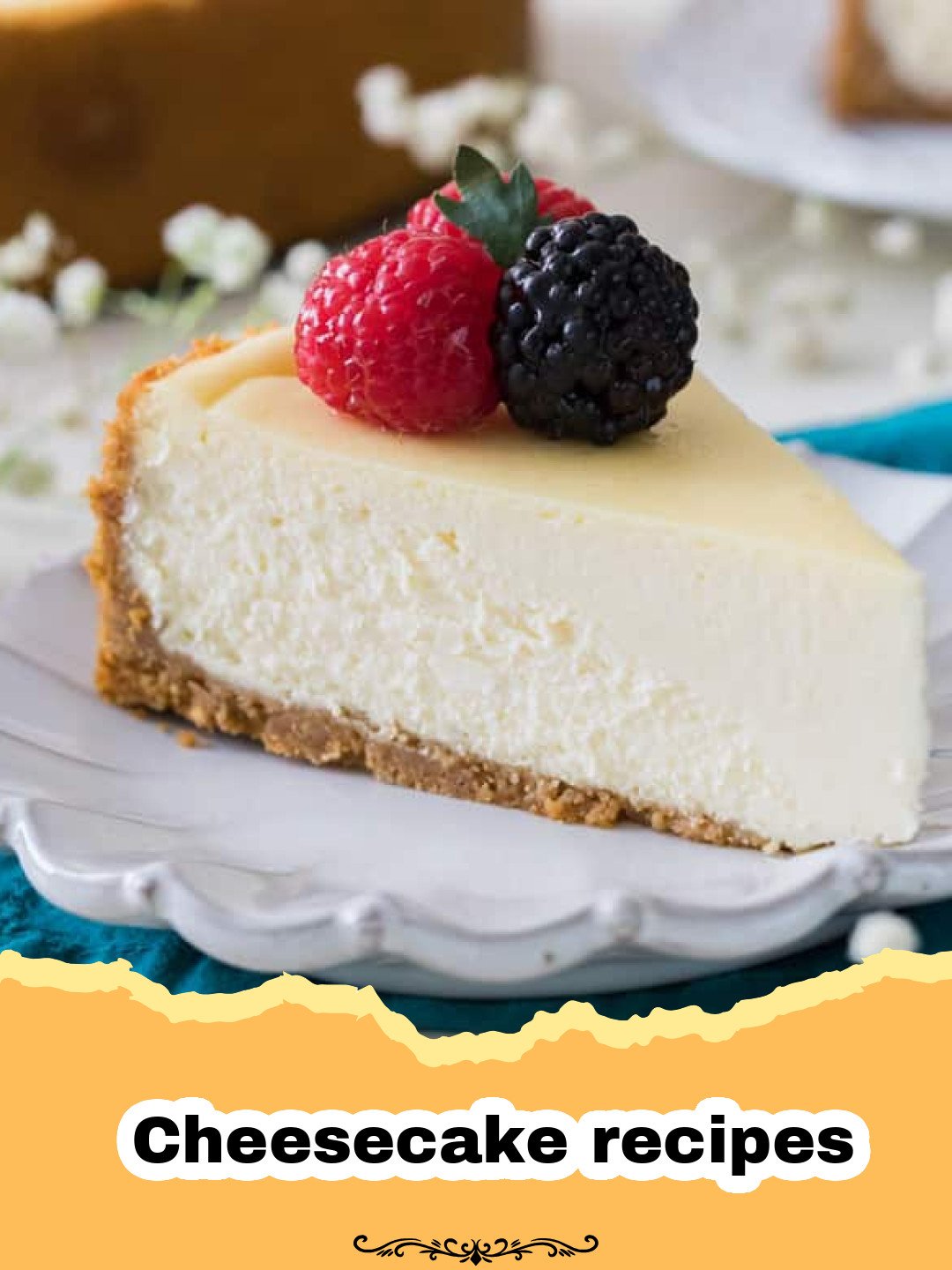
I remember my first attempt at making a cheesecake. It was a disaster! Cracks everywhere, a sunken center, and a slightly grainy texture. I was aiming for those dreamy, creamy cheesecake recipes I’d seen in magazines, but what I got was… humbling. For years, I avoided making them, convinced I lacked the “cheesecake gene.” Then, one particularly dreary winter afternoon, my grandmother, a quiet force in the kitchen, casually mentioned her secret for perfect cheesecake. “It’s all in the water bath, darling, and don’t you dare rush it.” That simple advice changed everything. After countless trials and a few more learning curves, I finally perfected my classic New York-style cheesecake. It’s rich, impossibly smooth, and has that signature tangy sweetness that makes it utterly irresistible. This isn’t just a recipe; it’s a journey, a testament to patience, and a slice of pure joy. If you’ve ever been intimidated by classic cheesecake recipes, prepare to have your mind changed. These reliable cheesecake recipes are truly a game-changer.
Why This Cheesecake Recipe is a Must-Try
- Unrivaled Creaminess: Our carefully balanced ingredients and baking method ensure a velvety smooth texture that melts in your mouth. Forget dry, crumbly cheesecakes – this is pure bliss. Among all cheesecake recipes, this one stands out for its luxurious feel.
- No Cracks, Guaranteed (with proper technique!): We’ve fine-tuned the baking and cooling process to minimize the dreaded cheesecake cracks, giving you a beautiful, presentation-ready dessert every single time. It’s a key feature of the best cheesecake recipes.
- Classic, Timeless Flavor: This is the quintessential New York-style cheesecake, boasting a rich, tangy, and sweet profile that appeals to everyone. It’s one of those classic cheesecake recipes everyone should master.
- Versatile for Any Occasion: While it shines on its own, this cheesecake serves as a perfect canvas for various toppings, making it suitable for everything from casual family dinners to elegant celebrations. You’ll find these cheesecake recipes incredibly adaptable.
Key Ingredient Notes for Perfect Cheesecake
Success with any of the best cheesecake recipes often hinges on understanding your ingredients. Here are a few crucial components for our classic cheesecake:
- Full-Fat Cream Cheese: This is non-negotiable. Use only full-fat block cream cheese, softened to room temperature. Low-fat or whipped cream cheese has too much water and will alter the texture significantly, leading to a runny or grainy result. Make sure it’s at room temperature to prevent lumps in your batter, a common pitfall in many cheesecake recipes.
- Sour Cream: Our secret weapon for that signature tang and unbelievably creamy texture. Like the cream cheese, ensure it’s at room temperature. It also helps tenderize the cheesecake and prevent it from drying out, a trick often found in authentic cheesecake recipes.
- Heavy Cream: Adds an extra layer of richness and helps achieve that luxurious mouthfeel. Don’t substitute with milk or half-and-half; the fat content is essential for the structure and consistency of these premium cheesecake recipes.
- Lemon Zest & Juice (Optional but Recommended): A touch of fresh lemon zest and juice brightens the flavors and cuts through the richness, elevating the overall taste without making the cheesecake overtly lemony. It’s a subtle touch that makes many cheesecake recipes shine.
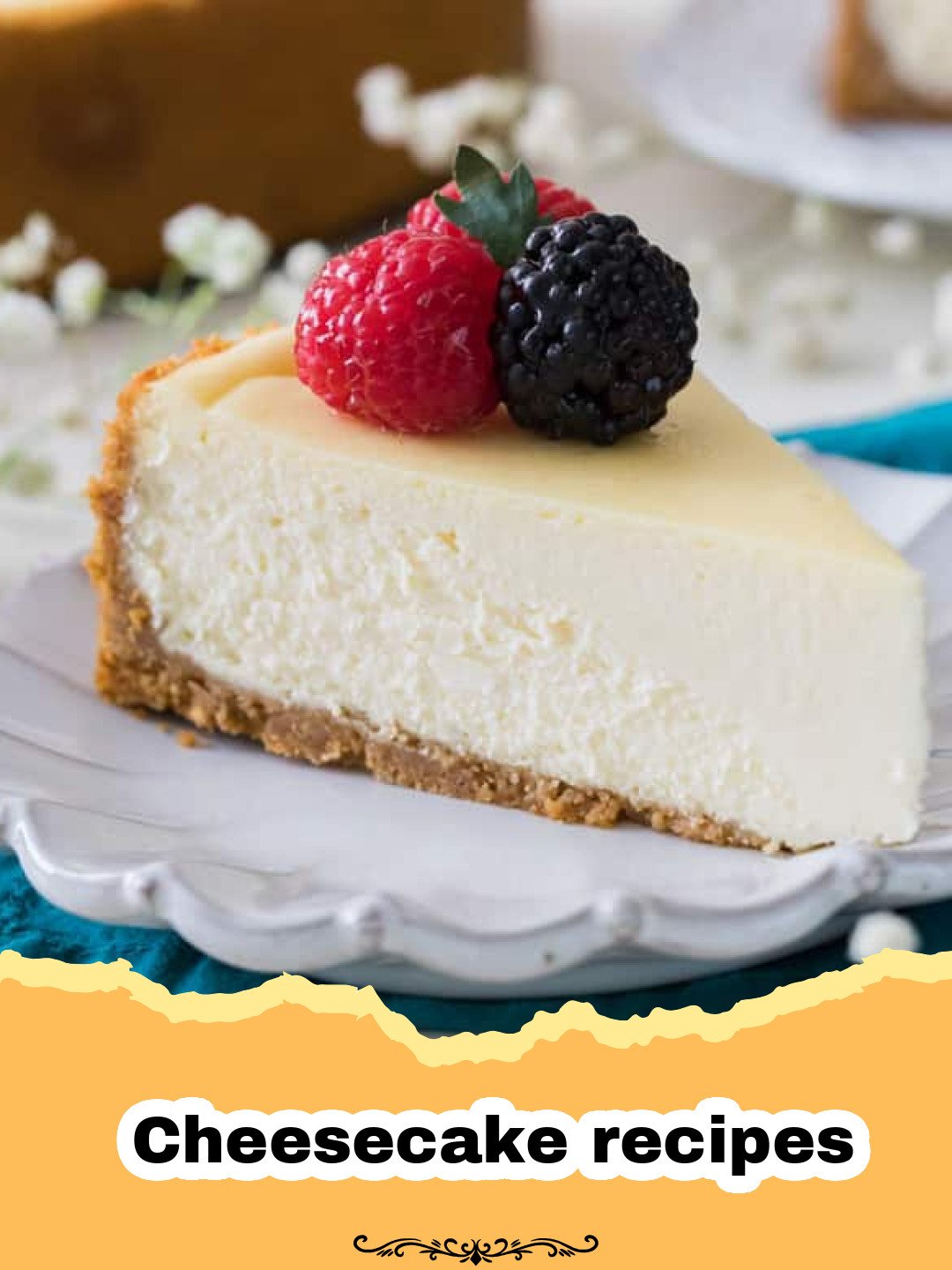
Step-by-Step Guide to the Ultimate Cheesecake with Pro Tips
Making one of the best cheesecake recipes might seem daunting, but with these detailed steps and pro tips, you’ll achieve perfection. Remember, patience is key!
1. Prepare Your Pan and Crust
A good crust is the foundation of any great cheesecake, especially for classic cheesecake recipes. For our graham cracker crust, crush graham crackers finely (a food processor works wonders!). Mix the crumbs with melted unsalted butter and a touch of sugar. Press this mixture firmly into the bottom of a 9-inch springform pan. Ensure an even layer extending slightly up the sides. Bake the crust for 8-10 minutes at 350°F (175°C), then let it cool completely. This pre-baking step helps create a sturdy, less soggy crust, essential for many great cheesecake recipes.
2. The Water Bath (Bain-Marie) is Your Best Friend
This is arguably the most critical step for crack-free cheesecake recipes. Wrap the outside of your springform pan with two layers of heavy-duty aluminum foil, ensuring it goes all the way up the sides to prevent any water from seeping in. Place the foiled pan into a larger roasting pan. The water bath provides a moist, even heat environment, preventing the cheesecake from cooking too quickly and cracking. Fill the roasting pan with about an inch of hot water once the cheesecake batter is in the springform pan. This technique is a hallmark of successful baked cheesecake recipes.
3. Crafting the Silky Smooth Batter
In a large mixing bowl, beat the softened full-fat cream cheese on medium speed until it’s completely smooth and free of lumps. This is crucial for a silky texture. Gradually add granulated sugar, beating until just combined and smooth, scraping down the sides of the bowl often. Beat in the sour cream, then the vanilla extract and lemon zest/juice (if using). Add the eggs one at a time, beating on low speed just until each is incorporated. Overmixing eggs can introduce too much air, which can cause cracks. Finally, gently fold in the heavy cream until just combined. The goal is a smooth, homogenous mixture without excess air, leading to perfect cheesecake recipes.
4. Pour and Bake
Carefully pour the cheesecake batter over the cooled crust in the prepared springform pan. Gently tap the pan on the counter a few times to release any large air bubbles. Place the roasting pan with the springform inside onto the middle rack of your preheated oven. Pour hot water into the roasting pan around the springform pan, being careful not to splash water into the cheesecake itself. Bake at 325°F (160°C) for 60-75 minutes, or until the edges are set but the center 2-3 inches still jiggle slightly when gently shaken. Resist the urge to open the oven door frequently! Consistent temperature is vital for perfect cheesecake recipes.
5. The All-Important Cooling Process
Once baked, turn off the oven and prop the oven door open slightly (about an inch) with a wooden spoon. Let the cheesecake cool in the oven for at least 1 hour. This slow cooling prevents drastic temperature changes that can lead to cracks. After an hour, remove the cheesecake from the water bath and the roasting pan, then carefully remove the aluminum foil. Let it cool completely on a wire rack at room temperature for another 1-2 hours. Finally, cover it loosely and refrigerate for at least 6-8 hours, or preferably overnight. Chilling is essential for the cheesecake to firm up and develop its full flavor. For storing leftovers, consider using Basics Glass Food Storage containers to maintain freshness and prevent odor absorption. Proper cooling is often the make-or-break for these delicate cheesecake recipes.
6. The Grand Reveal and Serving
Once thoroughly chilled, run a thin knife around the edge of the springform pan before releasing the sides. This prevents the cheesecake from sticking and tearing. Slice with a hot, clean knife (dip in hot water and wipe clean between slices for perfect cuts). Enjoy plain, or with your favorite toppings! Mastering classic cheesecake recipes brings immense satisfaction, making it one of your go-to easy cheesecake recipes.
Variations & Serving Suggestions for Your Cheesecake Masterpiece
Once you’ve mastered the basic technique for these indulgent cheesecake recipes, the possibilities for customization are endless!
- Fruit Toppings: Fresh berries (strawberries, blueberries, raspberries) or a homemade fruit compote are classic choices. A vibrant cherry pie filling or a tart lemon curd also makes for a delightful contrast. These fruit pairings enhance the best cheesecake recipes.
- Chocolate Lover’s Dream: Drizzle with melted dark or white chocolate, sprinkle with chocolate shavings, or even swirl some melted chocolate into the batter before baking for a marbled effect. Many popular cheesecake recipes feature chocolate.
- Caramel Pecan: Top with a rich caramel sauce and toasted pecans for a decadent twist. This pairs wonderfully with the creamy texture of most cheesecake recipes.
- Spice It Up: For a fall-inspired treat, add a touch of cinnamon, nutmeg, or pumpkin spice to the cream cheese mixture. You could even use a gingersnap crust! Experiment with these ideas for unique cheesecake recipes.
- Mini Cheesecakes: Bake the batter in muffin tins lined with paper liners for individual servings. Adjust baking time accordingly (usually 20-30 minutes). Perfect for parties, these mini cheesecake recipes are always a hit.
Serve your cheesecake chilled, allowing it to sit out for about 15-20 minutes before serving for optimal texture. A dollop of fresh whipped cream is always a welcome addition!
Looking for other delightful dessert ideas? You might enjoy perfecting The Ultimate Classic Homemade Apple Pie or indulging in The Ultimate Chewy Chocolate Chip Cookie Recipe for more crowd-pleasing treats. These classic cheesecake recipes truly stand out in any dessert spread, making them essential additions to your baking repertoire.
Nutrition Information
Here’s an estimated nutritional breakdown per serving for our classic cheesecake recipe. Please note that these are estimates and may vary based on specific ingredients and serving size. Understanding the nutrition of your favorite cheesecake recipes can help with meal planning.
| Nutrient | Amount Per Serving |
|---|---|
| Calories | 450 kcal |
| Carbohydrate Content | 35g |
| Cholesterol Content | 120mg |
| Fat Content | 32g |
| Fiber Content | 1g |
| Protein Content | 8g |
| Saturated Fat Content | 19g |
| Serving Size | 1 slice (approx. 1/12th of a 9-inch cake) |
| Sodium Content | 250mg |
| Sugar Content | 25g |
| Trans Fat Content | 1g |
| Unsaturated Fat Content | 10g |
Conclusion
There you have it – the definitive guide to mastering classic New York style cheesecake. What started as a daunting baking challenge transformed into a rewarding culinary journey, all thanks to a little patience and a few expert tips. These cheesecake recipes are more than just dessert; they’re a celebration of texture, flavor, and the joy of creating something truly special in your own kitchen. Don’t be afraid to experiment with toppings or variations once you’ve nailed the basic technique. Share these incredible cheesecake recipes with loved ones, and watch their faces light up. Happy baking!
FAQs
How can I prevent my cheesecake from cracking?
The key to a crack-free cheesecake is a consistent, moist baking environment (achieved with a water bath) and a slow, gradual cooling process. Don’t overmix the batter, especially after adding eggs, as excess air can contribute to cracks. Letting the cheesecake cool slowly in the turned-off oven with the door ajar is crucial.
What makes my cheesecake grainy or lumpy?
A grainy or lumpy texture usually stems from not properly softening your cream cheese to room temperature before beating. Cold cream cheese won’t cream smoothly, leading to lumps. Ensure all dairy ingredients are at room temperature and beat the cream cheese thoroughly until perfectly smooth before adding other ingredients.
Can I prepare cheesecake ahead of time?
Absolutely! Cheesecake is an excellent dessert to make ahead. It requires at least 6-8 hours, preferably overnight, in the refrigerator to properly set and for flavors to meld. You can make it 2-3 days in advance and store it covered in the fridge, or even freeze it for longer storage (up to 1 month).
How do I know when my cheesecake is fully baked?
Your cheesecake is done when the edges are set and appear slightly puffed, but the center 2-3 inches still jiggle slightly when you gently shake the pan. It should not be liquid or watery in the middle. The residual heat will continue to cook the center as it cools. An internal temperature of 150u00b0F (65u00b0C) is a good indicator of doneness.
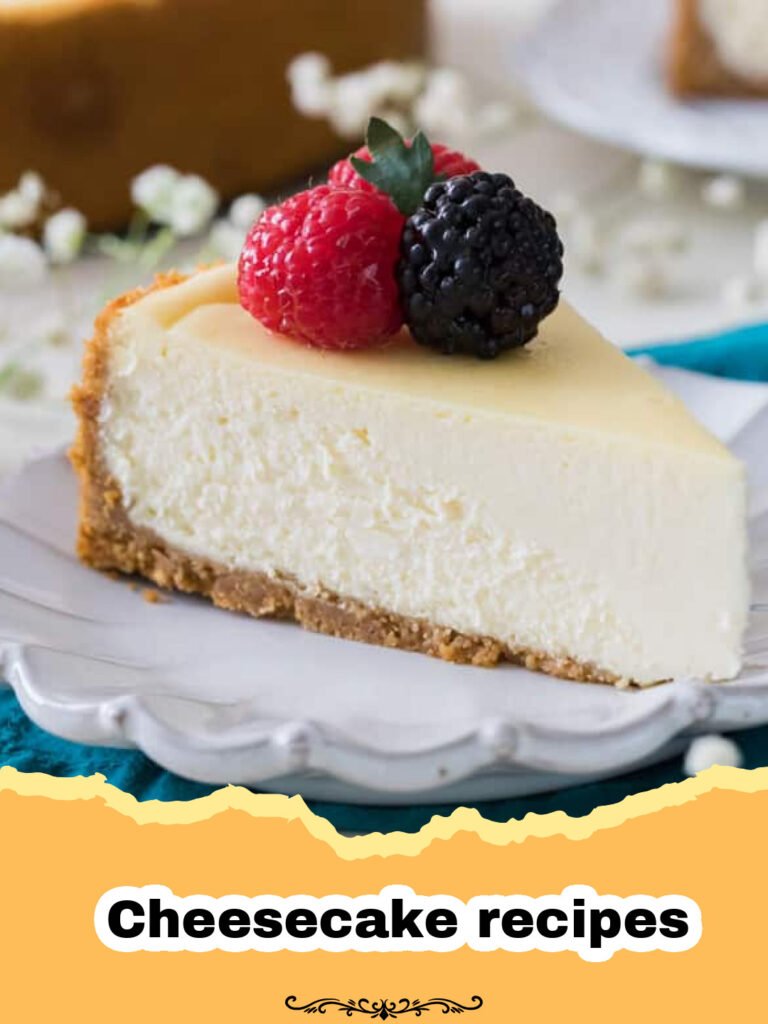
Ultimate Classic New York Cheesecake
A rich, creamy, and perfectly smooth New York-style cheesecake, baked to perfection with a golden graham cracker crust. One of the best classic cheesecake recipes for any occasion.
- Total Time: 1 hour 45 minutes (plus overnight chilling)
- Yield: 12 servings 1x
Ingredients
1 ½ cups graham cracker crumbs (about 10–12 full graham crackers)
¼ cup granulated sugar (for crust)
6 tablespoons unsalted butter, melted
32 oz (4 blocks) full-fat cream cheese, softened to room temperature
1 ¾ cups granulated sugar (for filling)
1 cup sour cream, room temperature
½ cup heavy cream, room temperature
2 teaspoons pure vanilla extract
1 tablespoon fresh lemon juice (optional, but recommended)
1 teaspoon lemon zest (optional, but recommended)
4 large eggs, room temperature
Instructions
Step 1: Preheat your oven to 350°F (175°C). For the crust, combine graham cracker crumbs, 1/4 cup sugar, and melted butter in a medium bowl until well mixed. Press firmly into the bottom of a 9-inch springform pan. Bake for 8-10 minutes, then remove and let cool completely on a wire rack. Reduce oven temperature to 325°F (160°C).
Step 2: Prepare your springform pan for a water bath. Wrap the outside of the pan with two layers of heavy-duty aluminum foil, ensuring it covers the sides completely to prevent water seepage. Set aside in a large roasting pan.
Step 3: In a large mixing bowl, using an electric mixer, beat the softened cream cheese on medium speed until completely smooth and lump-free, about 2-3 minutes.
Step 4: Gradually add 1 ¾ cups granulated sugar to the cream cheese, beating on low speed until just combined and smooth, scraping down the sides of the bowl as needed.
Step 5: Add the sour cream, heavy cream, vanilla extract, lemon juice, and lemon zest (if using) to the mixture. Beat on low speed until just combined and smooth. Do not overmix.
Step 6: Add the eggs one at a time, beating on the lowest speed just until each egg is incorporated. Scrape down the bowl after each addition. Stop mixing as soon as the last egg is combined to avoid incorporating too much air.
Step 7: Carefully pour the cheesecake batter over the cooled crust in the prepared springform pan. Gently tap the pan on the counter a few times to release any large air bubbles.
Step 8: Place the roasting pan with the springform inside onto the middle rack of your preheated oven. Carefully pour hot water into the roasting pan around the springform pan, filling it with about 1 inch of water.
Step 9: Bake for 60-75 minutes, or until the edges are set but the center 2-3 inches still jiggle slightly when gently shaken. The internal temperature should be around 150°F (65°C).
Step 10: Turn off the oven, prop the oven door open slightly (about an inch) with a wooden spoon, and let the cheesecake cool in the oven for 1 hour. This slow cooling helps prevent cracks.
Step 11: Remove the cheesecake from the oven and the water bath, then carefully remove the aluminum foil. Let it cool completely on a wire rack at room temperature for another 1-2 hours.
Step 12: Once completely cool, cover the cheesecake loosely with plastic wrap or foil and refrigerate for at least 6-8 hours, or preferably overnight, to allow it to firm up and flavors to meld.
Step 13: To serve, run a thin, sharp knife around the inner edge of the springform pan before releasing the sides. Slice with a hot, clean knife (dipping in hot water and wiping dry between each slice for perfect cuts). Serve plain or with your favorite toppings.
Notes
For best results, ensure all dairy ingredients are at room temperature. Do not overmix the batter once eggs are added. A slow cooling process is key to preventing cracks.
- Prep Time: 30 minutes
- Cook Time: 1 hour 15 minutes
- Category: Dessert
- Cuisine: American
Keywords: cheesecake, New York cheesecake, baked cheesecake, cream cheese dessert, easy cheesecake, dessert recipes, classic cheesecake recipes, homemade cheesecake