For years, my search for the perfect pie crust recipe felt like a culinary Everest. I tried countless methods: shortening, lard, half-and-half, food processors, hand-mixing. Each attempt brought varying degrees of success, but never that elusive, consistently flaky, tender-crumbed perfection I dreamed of. I remember one Thanksgiving, a particularly stressful year, I decided to tackle a homemade pie from scratch. My pie crust recipe that day was an utter disaster – tough, crumbly, and stubbornly refusing to cooperate. My grandmother, seeing my frustration, simply smiled and said, “Darling, a good pie starts with good butter and a light touch.” Those words stuck with me. It wasn’t until I truly embraced the “all-butter, ice-cold” philosophy that everything clicked. This isn’t just a pie crust recipe; it’s the culmination of years of trial and error, a testament to simple ingredients and a little bit of patience. This pie crust recipe is now my go-to, fool-proof method, and it will be yours too.
Why This Pie Crust Recipe is a Must-Try
- Unrivaled Flakiness: The secret lies in cold butter and minimal handling, creating those beautiful, distinct layers. This pie crust recipe delivers on texture every single time.
- Rich Butter Flavor: Forget bland crusts! Using all butter infuses every bite with a luxurious, melt-in-your-mouth flavor that complements any filling. This is a pie crust recipe that tastes as good as it looks.
- Surprisingly Easy: While it might seem intimidating, this pie crust recipe is straightforward. With a few key tips, even beginners can achieve bakery-quality results.
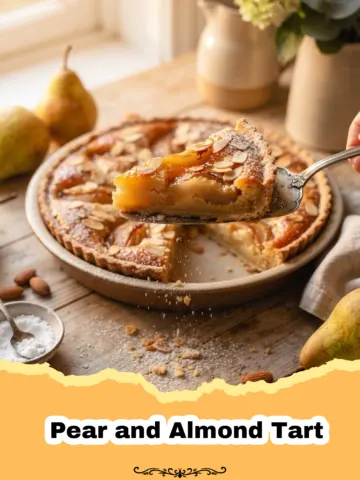
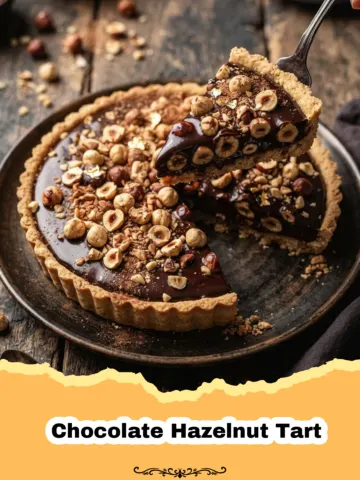
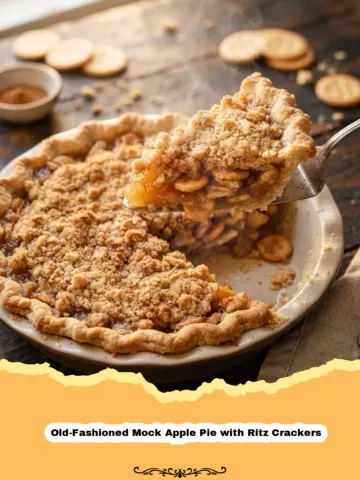
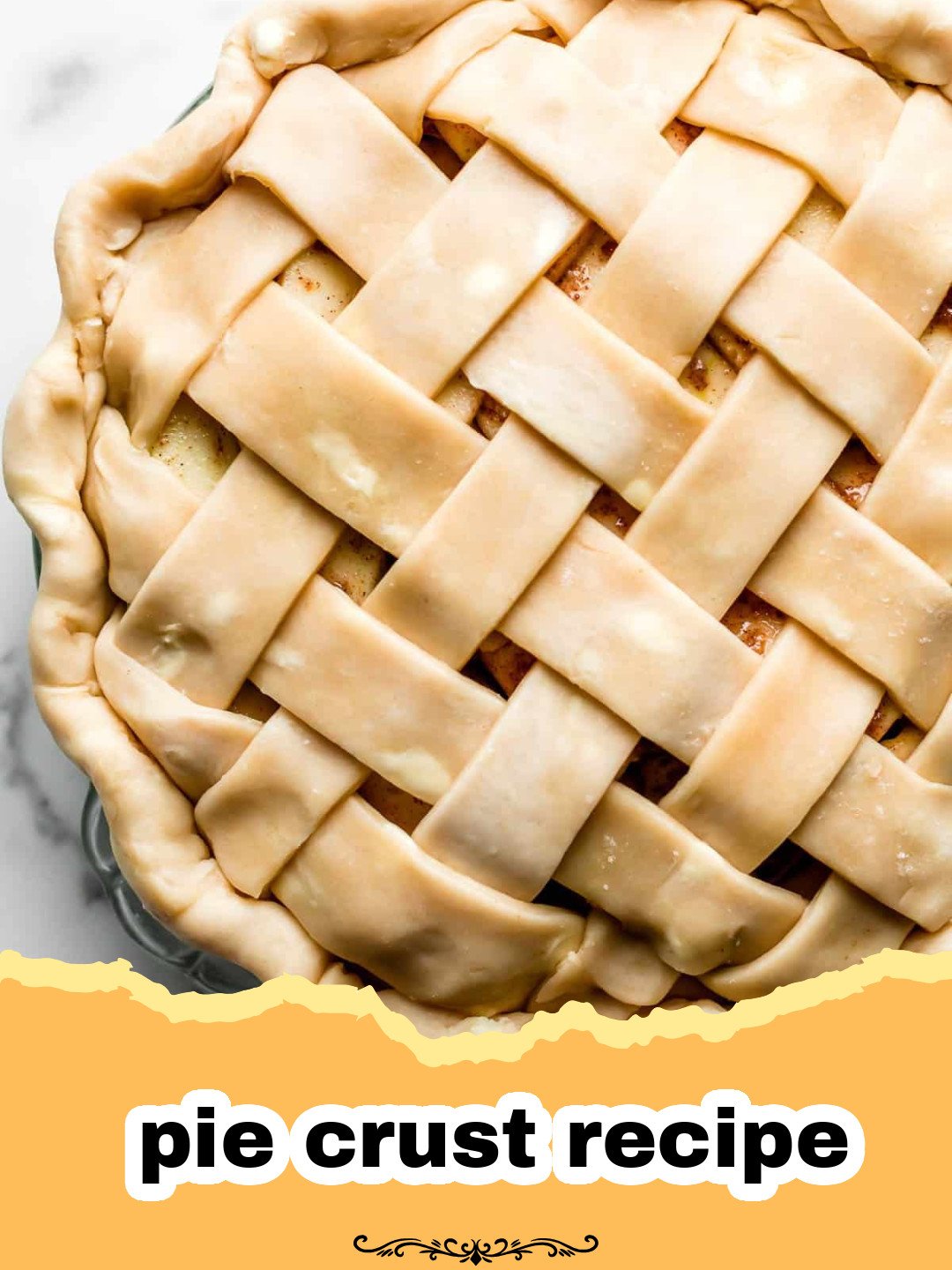
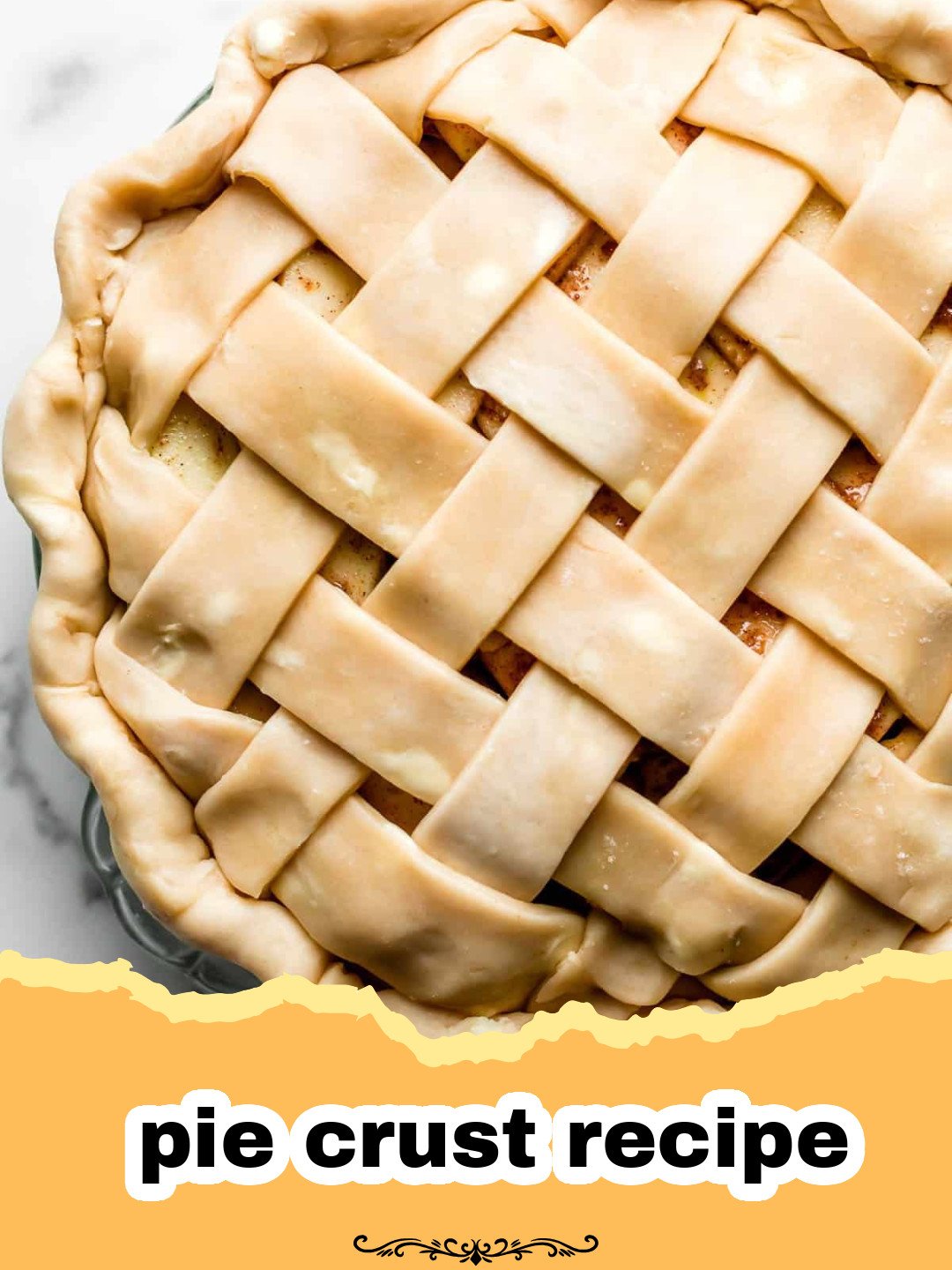
- Incredibly Versatile: Perfect for sweet fruit pies like this classic apple pie, creamy quiches, savory pot pies, or even elegant tarts. This versatile pie crust recipe is a kitchen staple.
Key Ingredient Notes for the Perfect Pie Crust Recipe
The beauty of this pie crust recipe lies in its simplicity, but the quality and temperature of your ingredients are paramount.
Cold Unsalted Butter
This is the star of our pie crust recipe! Cold butter is essential for creating those coveted flaky layers. When cold butter is mixed into the flour, it doesn’t fully incorporate. Instead, it remains in small, distinct pieces. As the pie bakes, the water in the butter turns to steam, creating pockets that separate the layers of dough, resulting in that delightful flakiness. Unsalted butter allows you to control the seasoning, though a pinch of salt is crucial for flavor balance in this pie crust recipe. Make sure your butter is straight from the fridge and cut into small cubes.
All-Purpose Flour
Standard all-purpose flour works wonderfully for this pie crust recipe. There’s no need for fancy pastry flour unless you prefer it. The key here is not to overwork the gluten. Overworking the dough develops too much gluten, which leads to a tough, chewy crust rather than a tender, flaky one. A light hand is your best friend when making this pie crust recipe.
Ice Water
Just like cold butter, ice water is critical for maintaining a low temperature throughout the mixing process. This prevents the butter from melting and helps to keep the dough manageable. The exact amount of water can vary based on humidity and flour type, so add it gradually, just until the dough comes together. Using too much water can make the dough sticky and tough, while too little will make it crumbly and hard to roll. This pie crust recipe calls for just the right balance.
Step-by-Step Guide with Pro Tips for this Pie Crust Recipe
Making a truly exceptional pie crust recipe is a dance between technique and patience. Follow these steps carefully, and you’ll be rewarded with pie perfection.
Gather Your Tools and Ingredients
Before you begin, ensure your butter is cubed and ice cold, and your water is truly ice water (I like to put a few ice cubes in a measuring cup of water, then remove the cubes before adding the water). You’ll need a large bowl, a pastry blender or two knives, and a clean workspace.
Step 1: In a large mixing bowl, combine the all-purpose flour, granulated sugar, and salt. Whisk them together thoroughly to ensure even distribution. This dry base is the start of your amazing pie crust recipe.
Step 2: Add the cold, cubed unsalted butter to the dry ingredients. Using a pastry blender, two knives, or even your fingertips, cut the butter into the flour mixture until it resembles coarse crumbs with some pea-sized pieces of butter remaining. This is crucial for flakiness. Avoid overworking it. This step is where the magic of a flaky pie crust recipe truly begins.
Step 3: Gradually add the ice water, one tablespoon at a time, mixing gently with a fork or your hands after each addition. Only add enough water until the dough just comes together. It should be moist enough to hold together when squeezed, but not sticky. For a perfect pie crust recipe, resist the urge to add too much water.
Step 4: Turn the dough out onto a lightly floured surface. Gently gather it into a ball, then divide it in half. Flatten each half into a disc, wrap tightly in plastic wrap, and refrigerate for at least 30 minutes, or up to 2 days. This chilling period is vital; it allows the gluten to relax and the butter to firm up, making the dough easier to roll and ensuring a tender pie crust recipe.
Step 5: When ready to use, remove one disc of dough from the refrigerator and let it sit at room temperature for 5-10 minutes to soften slightly (but still remain cold). Lightly flour your work surface and rolling pin. Roll the dough from the center outwards, rotating it frequently and adding small amounts of flour as needed to prevent sticking. Roll until it’s about 1/8-inch thick and large enough to fit your pie plate with an overhang. Mastering this step is key to a beautiful pie crust recipe.
Step 6: Carefully transfer the rolled dough to your 9-inch pie plate. You can do this by gently rolling the dough onto your rolling pin and unrolling it over the plate, or by folding it into quarters and unfolding it in the plate. Trim the edges, leaving about a 1-inch overhang. Crimp the edges decoratively or use a fork to seal. This elegant finish makes your pie crust recipe stand out.
Step 7: For a blind-baked crust (for custard pies, quiches, or fresh fruit tarts), prick the bottom of the dough all over with a fork. Line the crust with parchment paper and fill with pie weights, dried beans, or rice. Bake at 375°F (190°C) for 15-20 minutes, or until the edges are lightly golden. Remove the weights and parchment, then bake for another 5-10 minutes if a fully baked crust is desired. Let cool completely before filling. Proper blind baking is crucial for many dishes using this pie crust recipe.
Pro Tip: If you’re not using your dough immediately, it stores beautifully! Wrap the discs tightly and store them in the refrigerator for up to 2 days, or freeze them for up to 3 months. When freezing, transfer them to an airtight container or a good quality glass food storage container to prevent freezer burn. Thaw in the refrigerator overnight before rolling. This makes prepping for special occasions a breeze with your favorite pie crust recipe.
Variations & Serving Suggestions
This fundamental pie crust recipe is a fantastic starting point, but don’t hesitate to customize it! Here are a few ideas to get you started:
- Sweetened Crust: For dessert pies, increase the sugar to 2 tablespoons. You can also add 1/2 teaspoon of vanilla extract or a pinch of cinnamon for extra flavor, especially when making a sweet potato pie.
- Savory Herb Crust: For quiches or savory tarts, omit the sugar and add 1-2 teaspoons of dried herbs like thyme, rosemary, or Italian seasoning to the flour mixture. A pinch of garlic powder also works wonders. This turns your basic pie crust recipe into a flavor powerhouse for savory dishes.
- Cheese Crust: Incorporate 1/2 cup of finely grated Parmesan or sharp cheddar cheese into the flour mixture along with the butter for a wonderfully rich savory crust. Imagine this with a hearty pot pie!
- Nutty Crust: Replace 1/4 cup of the all-purpose flour with finely ground nuts like almonds, pecans, or walnuts for a delightful texture and flavor boost. Perfect for fruit tarts!
- Gluten-Free: While this specific pie crust recipe uses wheat flour, many gluten-free flour blends can be substituted. Look for blends designed for pastry for the best results, and be mindful that the water content might need slight adjustment.
Serve your beautiful, flaky pie crust recipe as the base for any pie or tart you can imagine. From classic fruit pies to elegant quiches and rustic galettes, this crust is your canvas.
Nutrition Information
| Nutrient | Amount Per Serving |
|---|---|
| Calories | 280 kcal |
| Carbohydrate Content | 28g |
| Cholesterol Content | 55mg |
| Fat Content | 18g |
| Fiber Content | 1g |
| Protein Content | 4g |
| Saturated Fat Content | 11g |
| Serving Size | 1/8 of 9-inch crust |
| Sodium Content | 170mg |
| Sugar Content | 1g |
| Trans Fat Content | 0.5g |
| Unsaturated Fat Content | 6g |
Conclusion
Mastering a reliable pie crust recipe is a foundational skill for any home baker, and I truly believe this all-butter method will become your trusted companion in the kitchen. It’s a pie crust recipe that brings pure joy – from the satisfaction of rolling out perfectly pliable dough to the delight of biting into a tender, flaky slice. So go ahead, embrace the butter, keep things cold, and get ready to create some truly unforgettable pies with this ultimate pie crust recipe!
FAQs
What is the secret to a super flaky pie crust recipe?
The secret to a super flaky pie crust recipe lies in using very cold ingredients (especially butter and ice water) and minimizing handling of the dough. Cold butter creates pockets of steam during baking, which separate the layers of dough, resulting in flakiness. Overworking the dough develops too much gluten, leading to a tough crust.
Can I make this pie crust recipe ahead of time?
Absolutely! This pie crust recipe is perfect for making in advance. You can store the wrapped dough discs in the refrigerator for up to 2 days or freeze them for up to 3 months. If frozen, thaw in the refrigerator overnight before rolling out.
Why is blind baking important for some pie crust recipes?
Blind baking (pre-baking) a pie crust recipe is crucial for fillings that are very wet (like quiches or custard pies) or for pies with no-bake fillings. It prevents the crust from becoming soggy and ensures a crisp, fully cooked base. It also helps to prevent shrinkage and creates a firm foundation for your filling.
What can I do if my pie crust recipe is too crumbly or too sticky?
If your pie crust recipe is too crumbly, you likely need a bit more ice water. Add it sparingly, half a tablespoon at a time, until the dough just comes together. If it’s too sticky, you may have added too much water or overhandled it. Try adding a tablespoon or two of flour and gently re-chilling the dough to firm it up before rolling.
The Ultimate Flaky All-Butter Pie Crust
This is the ultimate, fool-proof all-butter pie crust recipe for perfect flakiness and rich flavor every time. Ideal for sweet and savory pies, tarts, and quiches.
- Total Time: 1 hour 30 minutes
- Yield: Two 9-inch single crusts or one 9-inch double crust 1x
Ingredients
2 ½ cups (300g) all-purpose flour, plus more for dusting
1 tablespoon (12g) granulated sugar
1 teaspoon salt
1 cup (226g) unsalted butter, very cold and cut into ½-inch cubes
½ to ¾ cup (120-180ml) ice water
Instructions
Step 1: In a large mixing bowl, whisk together the flour, sugar, and salt.
Step 2: Add the cold butter cubes to the flour mixture. Using a pastry blender or two knives, cut the butter into the flour until it resembles coarse crumbs with some pea-sized pieces of butter remaining. Avoid overworking.
Step 3: Gradually add ½ cup of ice water, one tablespoon at a time, mixing gently with a fork or your hands after each addition. Add more water, if needed, until the dough just comes together when squeezed. Do not add more than ¾ cup total.
Step 4: Turn the dough out onto a lightly floured surface. Gently gather it into a ball, then divide in half. Flatten each half into a disc, wrap tightly in plastic wrap, and refrigerate for at least 30 minutes, or up to 2 days.
Step 5: When ready to use, remove one dough disc from the refrigerator. Lightly flour your work surface and rolling pin. Roll the dough from the center outwards, rotating frequently, until it’s about 1/8-inch thick and large enough for your pie plate.
Step 6: Carefully transfer the rolled dough to a 9-inch pie plate. Trim the edges, leaving about a 1-inch overhang. Crimp the edges decoratively or use a fork to seal.
Step 7: For blind baking: Prick the bottom of the dough all over with a fork. Line the crust with parchment paper and fill with pie weights. Bake at 375°F (190°C) for 15-20 minutes, or until edges are lightly golden. Remove weights and parchment, then bake for another 5-10 minutes if a fully baked crust is desired. Let cool before filling.
Notes
Always use very cold ingredients and handle the dough as little as possible to ensure maximum flakiness. If your kitchen is warm, chill your flour and mixing bowl before starting.
- Prep Time: 20 minutes
- Cook Time: 20 minutes (for blind baking)
- Category: Baking, Dessert, Staple
- Cuisine: American
Keywords: pie crust recipe, flaky pie crust, all-butter pie crust, homemade pie crust, pie dough, baking, dessert, savory pie crust