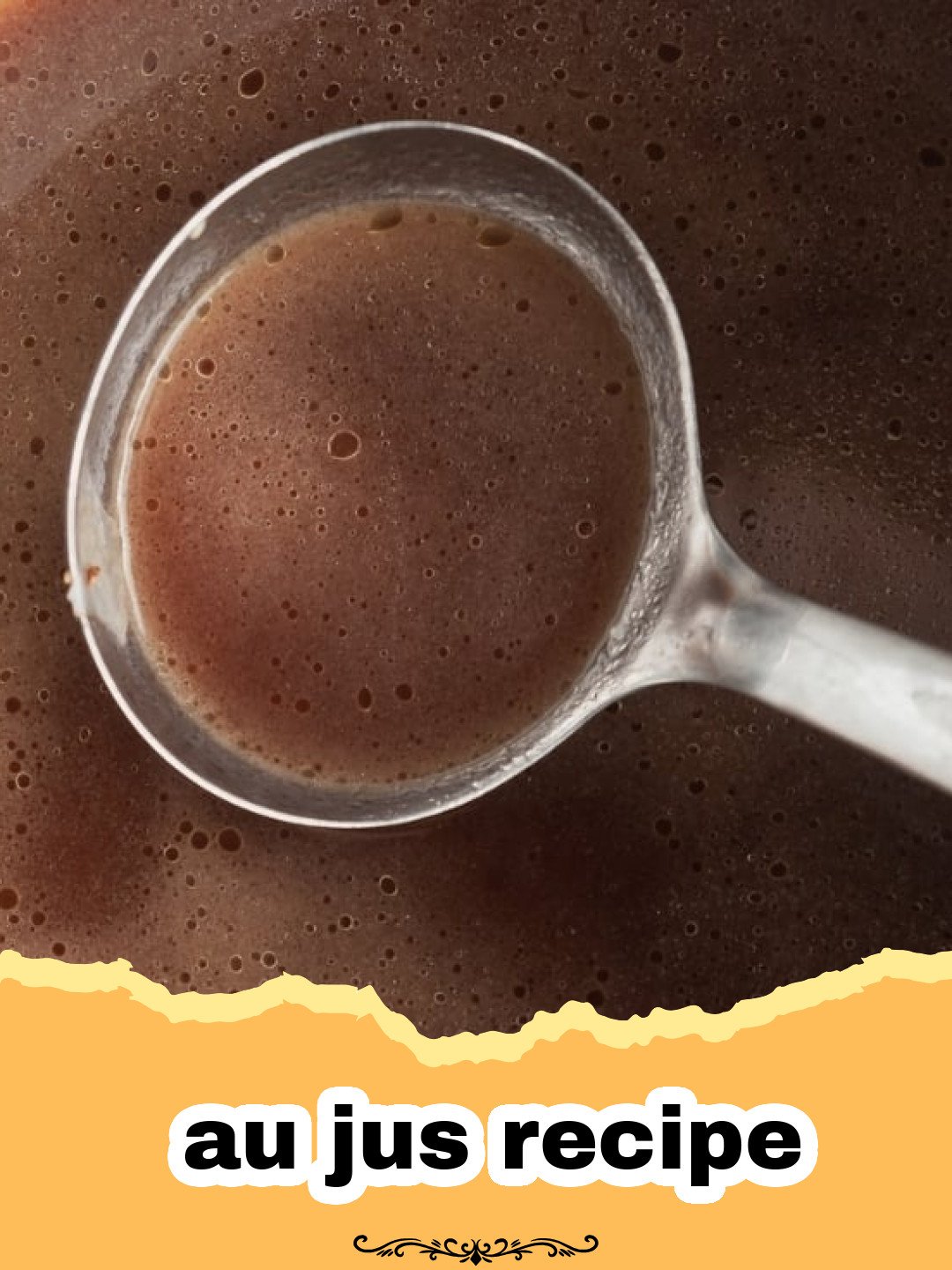
I still remember the first time I truly understood the magic of a good au jus. It wasn’t at a fancy restaurant, but in my grandmother’s bustling kitchen during a holiday meal. We had a beautiful roast beef, perfectly cooked, fragrant with herbs, but what truly elevated it was the small, unassuming boat of shimmering, dark liquid beside it. “That’s the au jus, honey,” she’d say, her eyes twinkling as she spooned a generous amount over my plate. A single spoonful transformed a simple slice of beef into an experience – rich, savory, and incredibly flavorful. It lingered on the palate, a warm, comforting hug that made every bite unforgettable. For years, I chased that taste, convinced it was some secret, complicated chef’s trick, reserved only for professional kitchens or those blessed with culinary wizardry. But then I discovered the truth: a truly excellent homemade au jus recipe is surprisingly simple to achieve, yet profoundly impactful. It’s not just a sauce; it’s the concentrated essence of the roast, a liquid gold that brings everything it touches to life, demonstrating that sometimes, the simplest things are the most profound. This easy au jus recipe is about to become your new kitchen hero.
Why This Au Jus Recipe is a Must-Try
Making your own au jus might seem like an extra step, but trust me, this simple au jus will quickly become a cherished favorite in your culinary repertoire. The depth of flavor and the pure satisfaction of creating something so delicious from scratch is truly rewarding. Here’s why you absolutely need to try this au jus recipe:
- Unmatched Flavor Depth: Forget bland, powdery store-bought packets. This homemade au jus recipe builds incredible layers of flavor from fresh, aromatic vegetables, robust herbs, and a high-quality beef broth. The slow simmering process allows all these elements to meld harmoniously, resulting in a taste that is simply incomparable – truly the best beef jus you’ll ever make.
- Elevates Any Meal: Whether you’re serving a show-stopping prime rib for a special occasion, a comforting Sunday roast for the family, or assembling a classic French dip sandwich for a weeknight treat, a good au jus transforms it from great to truly extraordinary. It’s the ultimate, indispensable beef companion that makes every bite sing.
- Surprisingly Easy & Satisfying: Don’t let the gourmet name or the rich flavor intimidate you. This au jus recipe is incredibly straightforward, largely hands-off, and uses common ingredients you likely already have in your pantry or can easily find at any grocery store. The process itself is therapeutic, and the end result is immensely satisfying.
- Incredibly Versatile & Freezable: Beyond traditional roasts, this rich jus is fantastic for drizzling over mashed potatoes, enriching gravies, or serving as a flavorful base for other sauces and stews. It also freezes beautifully, allowing you to prepare a larger batch and portion it out. This makes future meal prep a breeze, ensuring you always have delicious au jus on hand.
Key Ingredient Notes for the Best Au Jus Recipe
While the overall process for this au jus recipe is quite simple, paying close attention to the quality and preparation of a few key ingredients makes all the difference in achieving that deep, complex, and utterly satisfying flavor. Consider these the pillars of your perfect au jus, vital for any authentic au jus recipe:
- High-Quality Beef Broth (or Stock): This is, without a doubt, the backbone of your entire au jus. Do not skimp here! Opt for a good quality, low-sodium beef broth or, even better, a rich beef stock. If you have homemade beef stock, that’s the gold standard and will yield the most profound flavor. The better the initial beef liquid, the richer and more nuanced your final au jus will be. Avoid heavily salted, watery, or artificially flavored broths, as they can compromise the integrity of this classic sauce.
- Fresh Aromatics (Onion, Carrot, Celery, Garlic): These humble vegetables are the unsung heroes of this au jus recipe, forming the aromatic base that contributes natural sweetness, subtle earthy notes, and crucial depth of flavor. Take your time to properly sauté and brown them. This caramelization step is absolutely critical for developing the rich, savory foundation that distinguishes an exceptional beef jus from an ordinary one. Their slow cooking extracts maximum flavor.
- Red Wine (Optional, but Highly Recommended): A splash of dry red wine, such as Cabernet Sauvignon, Merlot, or Pinot Noir, adds a beautiful layer of acidity, fruitiness, and complexity to your homemade au jus. It’s particularly effective for deglazing the pan after browning vegetables or if you’re incorporating roast drippings. The wine helps to lift all those flavorful browned bits from the bottom of the pan, intensifying the overall beef flavors as it reduces. While it’s an optional ingredient, it’s an extra step that truly elevates this au jus recipe to a gourmet level. If you prefer not to use alcohol, simply replace the wine with an equal amount of additional beef broth.
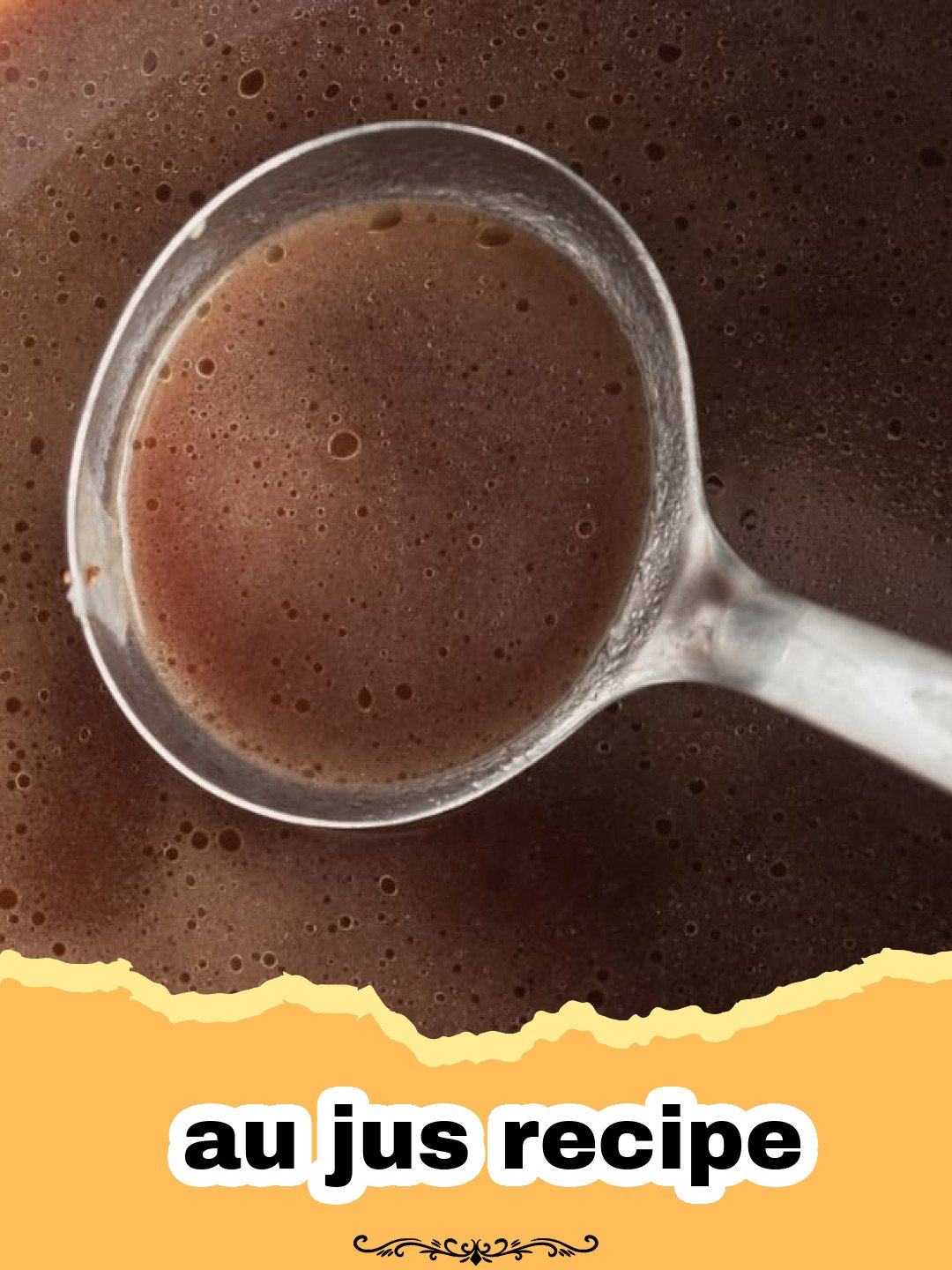
Step-by-Step Guide for This Au Jus Recipe with Pro Tips
Crafting the perfect au jus recipe is a rewarding process that requires a little patience but promises a profoundly flavorful result. Follow these steps carefully, integrating the pro tips, and you’ll be enjoying a restaurant-quality sauce in no time.
Step 1: If you have pan drippings from a roast, start by deglazing your roasting pan with a splash of beef broth or red wine over medium heat, scraping up any browned bits. Pour these flavorful drippings into a fine-mesh sieve and set aside.
Step 2: In a large saucepan or Dutch oven, heat the olive oil or rendered beef fat over medium-high heat. Add the chopped onion, garlic, carrot, and celery. Sauté for 5-7 minutes, stirring occasionally, until the vegetables are softened and lightly browned.
Step 3: If using red wine, pour it into the saucepan and bring to a simmer, scraping up any browned bits from the bottom of the pan. Let it reduce by half, about 3-5 minutes, to concentrate the flavors.
Step 4: Add the beef broth, thyme, bay leaf, peppercorns, and Worcestershire sauce to the saucepan. If you have reserved pan drippings, add them now. Bring the mixture to a gentle boil, then reduce the heat to low, cover, and simmer for at least 30-40 minutes. This allows the flavors to meld beautifully, creating a robust au jus recipe foundation.
Step 5: After simmering, carefully strain the au jus through a fine-mesh sieve into a clean saucepan, pressing gently on the solids to extract all the liquid. Discard the solids.
Step 6: Return the strained au jus to the stovetop over medium-low heat. Skim off any excess fat that rises to the surface using a spoon or a fat separator. Taste and adjust seasoning with salt and pepper as needed. For a thicker consistency, you can simmer it longer to reduce, or whisk in a cornstarch slurry (1 tsp cornstarch mixed with 1 tsp cold water) and simmer until thickened.
Step 7: Serve your perfect homemade au jus hot alongside roast beef, French dip sandwiches, mashed potatoes, or anything that could use a burst of rich beef flavor. This au jus recipe is a game-changer!
Pro Tip 1: Don’t Rush the Browning of Aromatics: When sautéing your onions, carrots, celery, and garlic, resist the urge to rush. Allow them to get a nice, deep golden-brown color on the edges, but not burnt. This caramelization process develops complex sugars and savory notes that add an incredible depth of flavor to your au jus, which cannot be replicated any other way. This step is absolutely fundamental to a rich, well-rounded beef jus. For the best au jus recipe, patience is key here.
Pro Tip 2: Deglaze Thoroughly for Maximum Flavor: If you’re starting with pan drippings from a roast, ensure you scrape up every single browned bit, or “fond,” from the bottom of the pan. These dark, flavorful residues are packed with concentrated beef flavor and are essential for a robust au jus. Use a wooden spoon or a flat-edged spatula and a good splash of liquid (broth or wine) to dissolve them. This process is called deglazing, and it’s where much of your sauce’s magic comes from.
Pro Tip 3: Skim the Fat for a Cleaner Sauce: After simmering and especially after straining, your homemade au jus might have a layer of fat floating on top. While some fat adds flavor, too much can make the sauce greasy. Skim off any excess fat using a spoon or, for easier removal, pour the au jus into a fat separator. If you have time, chilling the au jus briefly in the refrigerator will cause the fat to solidify on top, making it incredibly easy to simply lift off before reheating. This results in a cleaner, more refined au jus.
Pro Tip 4: Taste and Adjust Seasoning Religiously: Always taste your homemade au jus before serving. This is your chance to fine-tune the flavors. It may need a bit more salt, freshly ground black pepper, or even a tiny splash more Worcestershire sauce for an extra umami kick. Remember, good seasoning transforms a good au jus into a truly great one. Adjust to your preference, keeping in mind that the flavors will concentrate as it simmers. A perfectly seasoned au jus recipe is a game changer.
Variations & Serving Suggestions for Your Homemade Au Jus Recipe
This classic au jus recipe is not only delicious as is, but also incredibly versatile. Once you master the basic technique, feel free to experiment and tailor it to your specific tastes or the meal you’re preparing. The possibilities for customization are delightful! Making an amazing au jus recipe is just the start.
Variations:
- Enhanced Herb Infusion: Experiment with different fresh herbs beyond thyme. A sprig of fresh rosemary or a couple of sage leaves added during the simmering stage can infuse your jus with another layer of aromatic complexity. For easy removal, tie them together with kitchen twine into a sachet.
- Mushroom Au Jus: For an earthy, even more umami-rich version, sauté a handful of sliced mushrooms (cremini, shiitake, or even dried porcini rehydrated) with your aromatics. Their deep, savory notes blend beautifully with the beef.
- Subtle Spicy Kick: If you enjoy a hint of warmth, add a pinch of red pepper flakes during the initial sautéing of the vegetables. This introduces a subtle, pleasant heat that beautifully complements the richness of the beef.
- Thickened Jus for Gravy Lovers: While traditionally a thin pan sauce, if you prefer a slightly thicker gravy-like consistency, whisk a cornstarch slurry (1 teaspoon cornstarch mixed with 1 teaspoon cold water) into the simmering au jus until it reaches your desired thickness. This is a common modification, especially if you want a hearty beef jus for pouring over mashed potatoes or pot roasts.
Serving Suggestions:
- The Classic Roast Beef Companion: This is perhaps the most iconic pairing! Serve this au jus recipe generously alongside perfectly cooked prime rib, a tender roast beef, or a succulent pot roast. It’s also incredible with The Ultimate Guide to Fluffy Yorkshire Puddings, soaking into their airy interiors.
- French Dip Sandwiches: Absolutely essential for a truly authentic and incredibly flavorful French dip. Pile thinly sliced roast beef onto a crusty baguette, perhaps with some melted cheese, and serve warm au jus in small bowls for dipping. It’s messy, but oh so good!
- Creamy Mashed Potatoes: A generous drizzle of this rich au jus over a mound of creamy mashed potatoes is pure comfort food heaven. It instantly elevates a simple side dish.
- Steak & Chops Enhancer: Forget bland steak sauce. A little spoonful of this homemade au jus over grilled steaks, pan-seared lamb chops, or even pork tenderloin can add an incredible depth of savory flavor, acting as a sophisticated alternative.
- Burgers & Meatloaf: Don’t limit yourself to fancy meals! Elevate your everyday comfort foods. A warm au jus can make even a humble burger or a slice of meatloaf feel incredibly gourmet and satisfying.
Leftover au jus can be stored in an airtight container in the refrigerator for up to 3-4 days. It also freezes exceptionally well, which is perfect for future meals. I often store mine in small, single-serving portions in Basics Glass Food Storage containers, which are fantastic for thawing just what I need without waste.
Consider using this versatile au jus to enhance other beef-based dishes, or even to add a rich, savory base to unexpected recipes. For instance, while chicken-based, think about how a dash of this au jus could deepen the flavor profile in a dish like Parmesan Crusted Chicken with Creamy Garlic Sauce if you were creating a beef version, or simply as a foundation for a quick, savory gravy for any meat.
Nutrition Information
Here’s a detailed look at the nutritional content for one serving of this au jus recipe. Please note that these are estimates and can vary based on specific ingredients and preparation methods.
| Nutrient | Amount per 1/4 cup serving |
|---|---|
| Calories | 35 kcal |
| Carbohydrates | 4g |
| Cholesterol | 0mg |
| Fat | 1g |
| Fiber | 1g |
| Protein | 2g |
| Saturated Fat | 0g |
| Sodium | 250mg |
| Sugar | 2g |
| Trans Fat | 0g |
| Unsaturated Fat | 1g |
There you have it – the secret to a truly spectacular homemade au jus recipe, directly from my kitchen to yours. It’s a testament to how simple, quality ingredients and a little patience can yield a profoundly flavorful and elegant result. No longer just a sidekick for special occasions, this incredible au jus will quickly become your trusted go-to for elevating everyday meals into something truly memorable and delicious. So, grab your saucepan, gather your fresh ingredients, and get ready to impress everyone at your table with the best au jus recipe they’ve ever tasted. Happy cooking, and enjoy every savory drop!
FAQs
What is au jus and how is it different from gravy?
Au jus is a French culinary term meaning ‘with juice’. It’s a light, flavorful sauce made from the natural juices that come from meat during cooking, often clarified and served thin. Gravy, on the other hand, is typically thickened with a roux (flour and fat) or a cornstarch slurry, resulting in a much thicker consistency and often includes milk or cream.
Can I make au jus without pan drippings?
Absolutely! While pan drippings from a roast enhance flavor, you can make a delicious au jus recipe using high-quality beef broth or stock as the base. Sautu00e9ing aromatic vegetables like onions, carrots, and celery, along with a splash of red wine, will build a rich, savory foundation similar to if you had drippings.
How can I store leftover au jus?
Leftover au jus can be stored in an airtight container in the refrigerator for up to 3-4 days. For longer storage, it freezes exceptionally well. Pour it into ice cube trays or small freezer-safe containers, and it will keep for up to 3 months. Thaw it in the refrigerator overnight or gently reheat on the stovetop.
What are the best uses for au jus?
Au jus is incredibly versatile! It’s most famously served with roast beef, prime rib, or French dip sandwiches. You can also drizzle it over mashed potatoes, use it as a flavorful base for other sauces, or spoon it over grilled steaks, burgers, and meatloaf to add a rich, savory depth to any dish.
Classic Homemade Au Jus
This classic homemade au jus recipe delivers a rich, savory, and aromatic pan sauce perfect for serving with roast beef, prime rib, French dip sandwiches, or mashed potatoes. It’s surprisingly easy to make and elevates any beef dish to gourmet status.
- Total Time: 55 minutes
- Yield: 2 cups 1x
Ingredients
1 tablespoon olive oil or rendered beef fat
1 medium yellow onion, roughly chopped
2 cloves garlic, smashed
1 carrot, roughly chopped
1 celery stalk, roughly chopped
6 cups beef broth (low sodium preferred)
1 cup red wine (optional, but highly recommended for depth)
2 sprigs fresh thyme
1 bay leaf
1 teaspoon black peppercorns
1 tablespoon Worcestershire sauce
Salt and freshly ground black pepper to taste
Pan drippings from roast beef (if available)
Instructions
Step 1: If you have pan drippings from a roast, start by deglazing your roasting pan with a splash of beef broth or red wine over medium heat, scraping up any browned bits. Pour these flavorful drippings into a fine-mesh sieve and set aside.
Step 2: In a large saucepan or Dutch oven, heat the olive oil or rendered beef fat over medium-high heat. Add the chopped onion, garlic, carrot, and celery. Sauté for 5-7 minutes, stirring occasionally, until the vegetables are softened and lightly browned.
Step 3: If using red wine, pour it into the saucepan and bring to a simmer, scraping up any browned bits from the bottom of the pan. Let it reduce by half, about 3-5 minutes, to concentrate the flavors.
Step 4: Add the beef broth, thyme, bay leaf, peppercorns, and Worcestershire sauce to the saucepan. If you have reserved pan drippings, add them now. Bring the mixture to a gentle boil, then reduce the heat to low, cover, and simmer for at least 30-40 minutes. This allows the flavors to meld beautifully, creating a robust au jus recipe foundation.
Step 5: After simmering, carefully strain the au jus through a fine-mesh sieve into a clean saucepan, pressing gently on the solids to extract all the liquid. Discard the solids.
Step 6: Return the strained au jus to the stovetop over medium-low heat. Skim off any excess fat that rises to the surface using a spoon or a fat separator. Taste and adjust seasoning with salt and pepper as needed. For a thicker consistency, you can simmer it longer to reduce, or whisk in a cornstarch slurry (1 tsp cornstarch mixed with 1 tsp cold water) and simmer until thickened.
Step 7: Serve your perfect homemade au jus hot alongside roast beef, French dip sandwiches, mashed potatoes, or anything that could use a burst of rich beef flavor. This au jus recipe is a game-changer!
Notes
For an even richer flavor, roast beef bones alongside your vegetables before simmering. If you don’t have pan drippings, a high-quality beef base or bouillon can be used.
- Prep Time: 10 minutes
- Cook Time: 45 minutes
- Category: Sauce
- Cuisine: American
Keywords: au jus, beef jus, roast beef gravy, homemade au jus, French dip sauce, gravy recipe, beef sauce