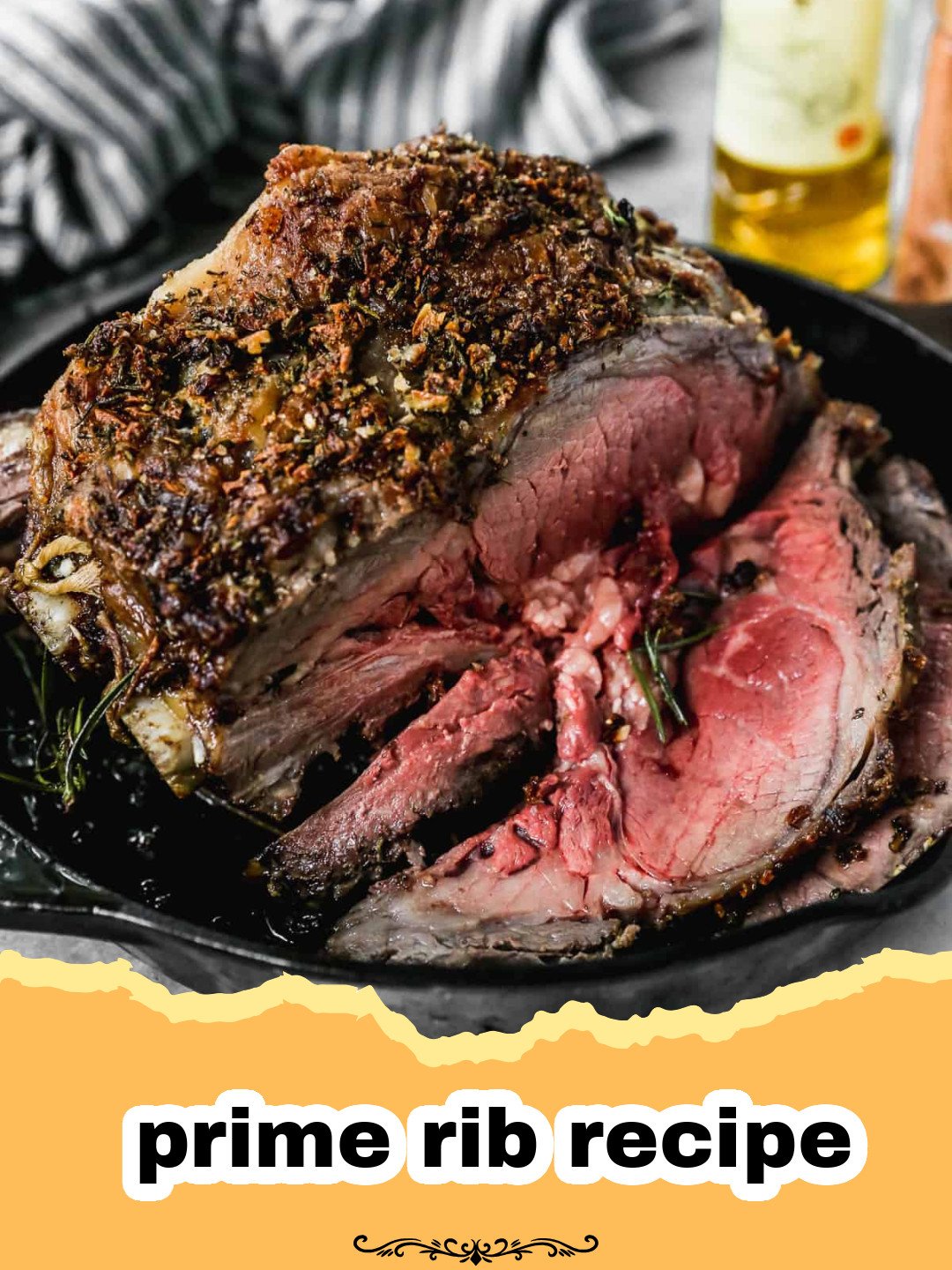
There are some dishes that just scream ‘special occasion,’ and for my family, a magnificent prime rib recipe has always been at the top of that list. I remember my grandfather, a man of few words but profound culinary talent, orchestrating the holiday feast with an almost reverent focus on the centerpiece roast. The aroma alone, a rich symphony of beef and herbs, would fill our home, promising a meal we’d talk about for weeks. Each year, I’d watch, fascinated, as he transformed a raw, impressive cut of beef into something truly magical – perfectly crusted on the outside, a blush of rosy pink on the inside, and so tender it almost melted on the tongue. It wasn’t just food; it was an experience, a tradition etched into my memory. This recipe, a culmination of those cherished memories and years of perfecting the technique, brings that very magic to your table. It’s more than just cooking; it’s about creating unforgettable moments, savoring rich flavors, and sharing joy with loved ones. If you’ve ever dreamt of serving a show-stopping roast, this prime rib recipe is your definitive guide.
Why This Prime Rib Recipe is a Must-Try
- Unbeatable Flavor: Our method ensures a deeply seasoned crust and incredibly savory, juicy meat throughout. This prime rib recipe delivers on taste every single time.
- Foolproof Perfection: With precise temperatures and a clear guide, even first-time prime rib makers can achieve a restaurant-quality roast. You’ll master this prime rib recipe with ease.
- Showstopper Presentation: A perfectly cooked prime rib is the ultimate centerpiece, guaranteed to impress your guests and make any occasion feel truly special.
- Holiday Tradition: Elevate your festive meals with a dish that embodies celebration and culinary excellence. This prime rib recipe will become a cherished part of your family’s traditions.
Key Ingredient Notes for Your Prime Rib Recipe
While the steps are crucial, the quality of your ingredients lays the foundation for an unforgettable prime rib. Here’s what to look for when preparing this incredible prime rib recipe:
The Prime Rib Roast
This is the star, so invest in the best quality you can find. Look for a bone-in prime rib roast, also known as a standing rib roast. The bones act as natural insulation, helping the meat cook more evenly and adding incredible flavor to your prime rib recipe. Aim for a roast that’s well-marbled with fat; this intramuscular fat is what keeps the roast moist and adds richness. A good butcher can help you select a quality cut and even French the bones if you desire a more elegant presentation. For a truly impressive prime rib recipe, do not skimp on the quality of your beef; it makes all the difference.
Herbs and Aromatics
Fresh herbs are non-negotiable for this prime rib recipe. Rosemary and thyme are classic companions to beef, infusing it with an earthy, aromatic perfume. Don’t use dried herbs for the rub; their flavor won’t be as vibrant or penetrate the meat as effectively. Fresh garlic, crushed or minced, also adds a pungent depth that complements the richness of the beef. These aromatics, when combined with a good quality olive oil, create a beautiful crust that seals in flavor, making this prime rib recipe truly special.
Coarse Salt and Freshly Ground Black Pepper
Forget fine table salt for this dish. Coarse Kosher salt or sea salt is essential for creating that irresistible crust and seasoning the meat properly without over-salting. It draws out moisture, helping to tenderize the meat and intensify its flavor, which is key to a successful prime rib recipe. Freshly ground black pepper, rather than pre-ground, offers a sharper, more complex aroma and taste that stands up to the robust beef. These simple seasonings are vital for a perfect prime rib recipe that shines.
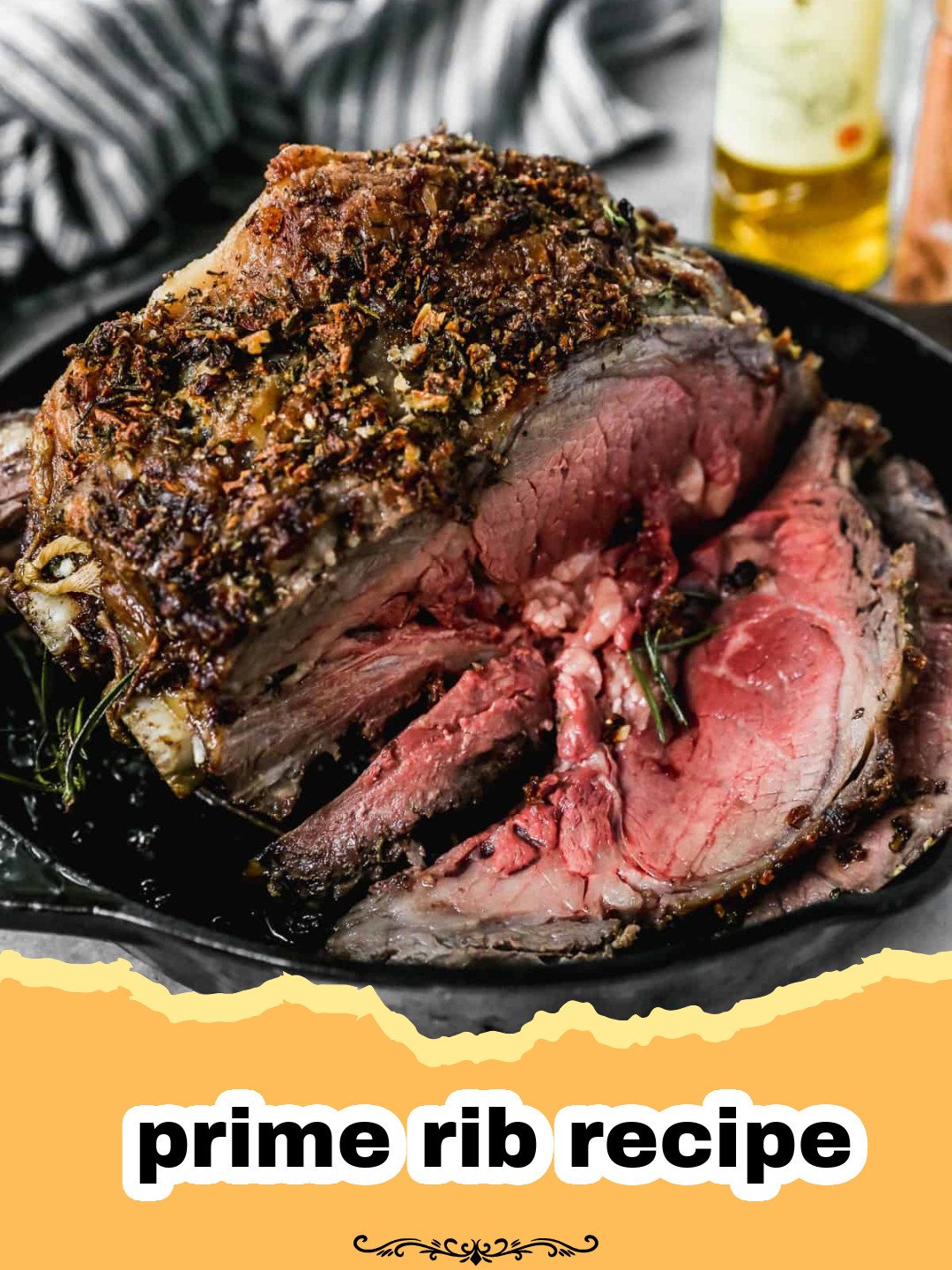
Step-by-Step Guide with Pro Tips for the Perfect Prime Rib Recipe
Creating a perfect prime rib might seem daunting, but with these detailed steps and pro tips, you’ll achieve a succulent, show-stopping roast every time. This prime rib recipe focuses on precise temperatures and techniques to guarantee success and an unforgettable dining experience.
Step 1: Remove the prime rib roast from the refrigerator at least 3-4 hours before cooking to allow it to come to room temperature. This is crucial for even cooking, as a cold roast will cook unevenly from the outside in. Pat the entire roast meticulously dry with paper towels; a very dry surface is essential for achieving that desirable crispy, flavorful crust on your prime rib, a cornerstone of any great prime rib recipe.
Step 2: Prepare the aromatic herb rub. In a small bowl, combine the minced garlic (aim for about 4-6 cloves), finely chopped fresh rosemary (2 tablespoons), finely chopped fresh thyme (1 tablespoon), 2 tablespoons of coarse salt (like Kosher or sea salt), and 1 tablespoon of freshly ground black pepper. Add 3 tablespoons of good quality olive oil and mix well to form a thick, fragrant paste. This rub is the heart of our prime rib recipe’s flavor profile.
Step 3: Generously rub the herb mixture all over the prime rib roast, ensuring it’s evenly coated on all sides – don’t miss the ends! For best results and deeper flavor penetration, allow the seasoned prime rib to sit at room temperature for another hour, or even refrigerate it uncovered overnight. If refrigerating, remember to bring it back to room temperature for at least 3-4 hours before cooking. This crucial step greatly enhances the flavor of your prime rib recipe.
Step 4: Preheat your oven to a high temperature of 450°F (230°C). Place the prime rib roast, fat side up, on a rack set within a sturdy roasting pan. This elevated position allows for even heat circulation and renders the fat beautifully. Insert an oven-safe meat thermometer into the thickest part of the roast, ensuring it doesn’t touch any bone, which could give an inaccurate reading. This thermometer is your best friend for a perfect prime rib recipe.
Step 5: Roast the prime rib at the high temperature of 450°F (230°C) for 15-20 minutes, or until a beautiful, deep golden-brown crust begins to form. This initial high-heat blast, often called a “reverse sear” method when done at the end, helps to aggressively sear the outside, creating an incredible texture and locking in all those savory juices. This is a vital step for any successful prime rib recipe.
Step 6: Reduce the oven temperature to a lower 325°F (160°C) and continue roasting. For a medium-rare prime rib (final internal temperature 125-130°F), estimate about 13-15 minutes per pound. For medium doneness (final internal temperature 130-135°F), estimate 15-17 minutes per pound. Remember, these are general estimates; your meat thermometer is the ultimate guide to cooking this prime rib recipe perfectly.
Step 7: Monitor the internal temperature closely using your meat thermometer. Once the prime rib reaches your desired doneness (e.g., 120-125°F for medium-rare, or 125-130°F for medium-rare if you prefer it slightly more done), remove it from the oven. Keep in mind that the roast will continue to cook and rise in temperature by 5-10 degrees while resting due to carryover cooking. This precise timing is crucial for a juicy prime rib recipe.
Step 8: Transfer the prime rib roast to a sturdy cutting board. Tent it loosely with aluminum foil to retain heat without steaming the crust, and let it rest for at least 20-30 minutes, or even up to an hour for larger roasts. This resting period is absolutely critical for the juices to redistribute throughout the meat, resulting in an incredibly tender, moist, and flavorful prime rib. Do not skip this step – it’s perhaps the most important for achieving a truly magnificent prime rib recipe!
Step 9: While the prime rib rests, you can prepare a delicious Easy Homemade Au Jus from the pan drippings. Simply pour off excess fat, deglaze the pan with a bit of broth or red wine, scrape up all the flavorful bits, and simmer until slightly reduced. For a classic British accompaniment that perfectly complements roast beef, consider making The Ultimate Guide to Fluffy Yorkshire Puddings, a truly delightful pairing for this prime rib recipe.
Step 10: After resting, carefully slice the prime rib against the grain into desired thickness. For optimal serving and presentation, it’s often easiest to remove the bones first by slicing along the bone line, then slice the boneless roast. Serve immediately with your freshly made Au Jus and chosen side dishes. Enjoy the fruits of your labor with this spectacular prime rib recipe!
Step 11: Store any leftover prime rib in an airtight container in the refrigerator for up to 3-4 days. These Basics Glass Food Storage containers are excellent for keeping your prime rib fresh and preventing it from drying out. When reheating, do so gently (low oven or microwave) to avoid overcooking and maintaining its tenderness. Enjoying leftovers from your prime rib recipe is almost as good as the first serving!
Variations & Serving Suggestions for Your Prime Rib Recipe
While this prime rib recipe is perfect as is, there are always wonderful ways to customize it or elevate your dining experience even further. Here are some creative ideas:
Herb & Spice Variations
- Smoked Paprika & Cumin: For a warmer, slightly smoky flavor profile, consider adding a teaspoon of smoked paprika and half a teaspoon of ground cumin to your herb rub. These spices add an exotic depth that beautifully complements the beef in this prime rib recipe.
- Mustard & Horseradish Crust: Before applying the main herb rub, spread a thin, even layer of tangy Dijon mustard or prepared horseradish over the entire roast. This not only adds a pungent kick but also helps create an even crisper and more flavorful crust on your prime rib, perfecting this prime rib recipe even further.
- Lemon-Herb Infusion: For a brighter, aromatic twist, tuck fresh lemon slices and extra sprigs of herbs (like rosemary, thyme, and a bay leaf or two) into the roasting pan around the prime rib. This infuses the pan drippings and the surrounding air with bright, complementary aromas as the roast cooks.
Serving Suggestions
- Classic Sides: Alongside your magnificent prime rib, serve classic accompaniments that perfectly balance its richness. Think creamy, buttery mashed potatoes, crisp roasted asparagus, and a vibrant green salad with a light vinaigrette. And of course, the indispensable Au Jus and fluffy Yorkshire Puddings mentioned earlier.
- Compound Butters: Elevate individual slices of prime rib by offering a selection of gourmet compound butters. Roasted garlic herb butter, a tangy blue cheese butter, or a shallot and chive butter melting over the warm meat can add an extra layer of indulgence and complexity to your prime rib.
- Sauces Beyond Au Jus: While Au Jus is traditional and highly recommended, consider other sauces for variety. A rich red wine reduction, a creamy horseradish sauce (a classic pairing!), or even a fresh, vibrant chimichurri can offer a delightful contrast to the robust flavors of this prime rib recipe.
- Wine Pairing: To complete your culinary experience, pair your prime rib with a robust red wine. A full-bodied Cabernet Sauvignon, a smooth Merlot, or a spicy Zinfandel will beautifully complement the rich flavors of the beef, enhancing every bite of your prime rib.
Nutrition Information
Enjoying a prime rib recipe can be part of a balanced diet. Here’s an estimated nutritional breakdown per serving, based on a 4-ounce cooked portion of lean prime rib, helping you understand what this glorious prime rib recipe contributes to your meal:
| Nutrient | Amount |
|---|---|
| Calories | 350 kcal |
| Carbohydrates | 0g |
| Cholesterol | 100mg |
| Fat Content | 28g |
| Fiber Content | 0g |
| Protein Content | 24g |
| Saturated Fat | 12g |
| Serving Size | 4 oz (113g) |
| Sodium Content | 70mg |
| Sugar Content | 0g |
| Trans Fat | 1.5g |
| Unsaturated Fat | 13g |
Note: These are estimated values and can vary significantly based on specific cuts of meat, trim, and cooking methods. Always consult a professional for precise dietary advice.
Conclusion
Crafting the perfect prime rib recipe is a culinary journey that rewards you with an extraordinary meal and unforgettable memories. From the initial seasoning to the final, tender slice, each step contributes to a symphony of flavors and textures that truly elevates any gathering. This isn’t just a recipe; it’s an invitation to create a tradition, a centerpiece that speaks volumes of care and celebration. So, gather your ingredients, follow these steps with confidence, and prepare to present a prime rib roast that will be remembered long after the last bite. This prime rib recipe guarantees a feast your family and friends will rave about. Happy cooking, and enjoy the praise!
FAQs
What temperature should prime rib be cooked to for medium-rare?
For a perfect medium-rare prime rib, aim for an internal temperature of 120-125u00b0F (49-52u00b0C) when you remove it from the oven. The temperature will rise another 5-10 degrees during resting to reach a final 125-130u00b0F (52-54u00b0C).
How long should prime rib rest after cooking?
It is crucial to let your prime rib rest for at least 20-30 minutes, or even up to an hour for larger roasts. This allows the juices to redistribute throughout the meat, ensuring a tender and moist result.
Can I prepare the prime rib rub ahead of time?
Yes, you can prepare the herb rub up to 24 hours in advance. For best flavor, you can even apply the rub to the prime rib roast and let it marinate uncovered in the refrigerator overnight. Just remember to bring the roast to room temperature for 3-4 hours before cooking.
What’s the best way to reheat leftover prime rib?
To reheat leftover prime rib without overcooking, slice it thinly and gently warm it in a low oven (around 250u00b0F / 120u00b0C) with a little beef broth until just warmed through, or use a microwave on a low setting for short bursts.
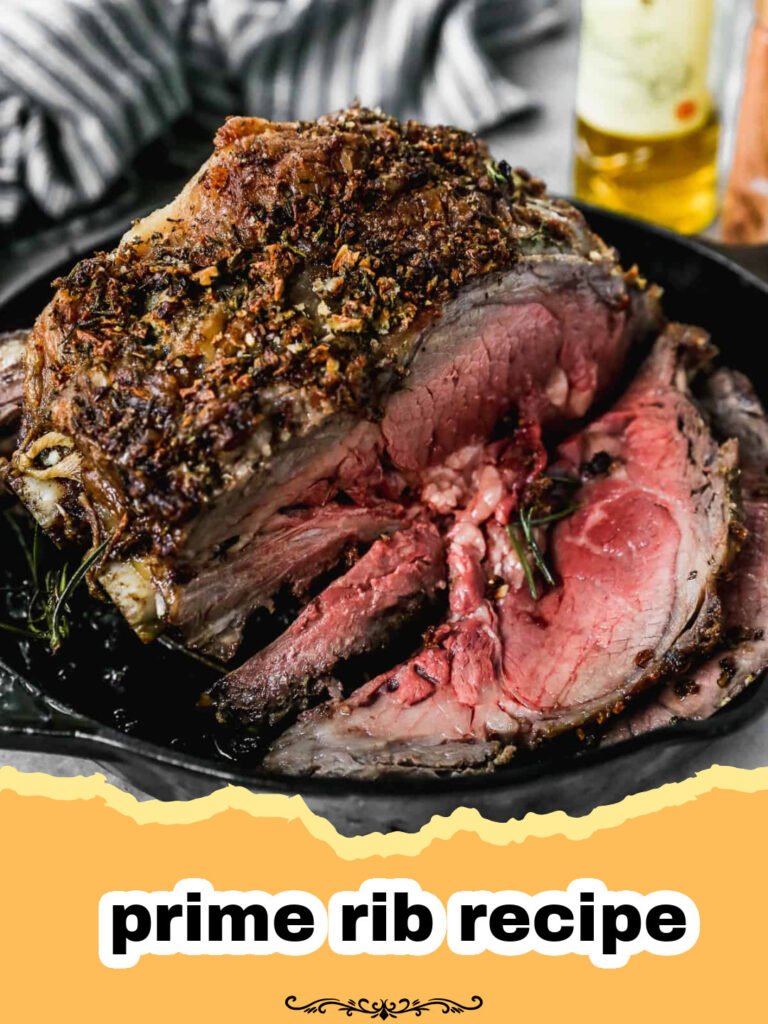
Perfect Herb-Crusted Prime Rib Roast
An expert-guided prime rib recipe ensuring a perfectly juicy, tender, and flavorful roast with a stunning herb crust, ideal for holidays and special occasions.
- Total Time: 3-5 hours (including resting time)
- Yield: 8–12 servings (for a 6–8 lb roast) 1x
Ingredients
1 bone-in prime rib roast (6–8 lbs), preferably 3-4 ribs
4–6 cloves garlic, minced
2 tablespoons fresh rosemary, finely chopped
1 tablespoon fresh thyme, finely chopped
2 tablespoons coarse Kosher salt
1 tablespoon freshly ground black pepper
3 tablespoons olive oil
Instructions
Step 1: Remove the prime rib roast from the refrigerator at least 3-4 hours before cooking to allow it to come to room temperature. This is crucial for even cooking, as a cold roast will cook unevenly from the outside in. Pat the entire roast meticulously dry with paper towels; a very dry surface is essential for achieving that desirable crispy, flavorful crust on your prime rib.
Step 2: Prepare the aromatic herb rub. In a small bowl, combine the minced garlic (aim for about 4-6 cloves), finely chopped fresh rosemary (2 tablespoons), finely chopped fresh thyme (1 tablespoon), 2 tablespoons of coarse salt (like Kosher or sea salt), and 1 tablespoon of freshly ground black pepper. Add 3 tablespoons of good quality olive oil and mix well to form a thick, fragrant paste.
Step 3: Generously rub the herb mixture all over the prime rib roast, ensuring it’s evenly coated on all sides – don’t miss the ends! For best results and deeper flavor penetration, allow the seasoned prime rib to sit at room temperature for another hour, or even refrigerate it uncovered overnight. If refrigerating, remember to bring it back to room temperature for at least 3-4 hours before cooking.
Step 4: Preheat your oven to a high temperature of 450°F (230°C). Place the prime rib roast, fat side up, on a rack set within a sturdy roasting pan. This elevated position allows for even heat circulation and renders the fat beautifully. Insert an oven-safe meat thermometer into the thickest part of the roast, ensuring it doesn’t touch any bone, which could give an inaccurate reading.
Step 5: Roast the prime rib at the high temperature of 450°F (230°C) for 15-20 minutes, or until a beautiful, deep golden-brown crust begins to form. This initial high-heat blast, often called a “reverse sear” method when done at the end, helps to aggressively sear the outside, creating an incredible texture and locking in all those savory juices.
Step 6: Reduce the oven temperature to a lower 325°F (160°C) and continue roasting. For a medium-rare prime rib (final internal temperature 125-130°F), estimate about 13-15 minutes per pound. For medium doneness (final internal temperature 130-135°F), estimate 15-17 minutes per pound. Remember, these are general estimates; your meat thermometer is the ultimate guide to cooking your prime rib perfectly.
Step 7: Monitor the internal temperature closely using your meat thermometer. Once the prime rib reaches your desired doneness (e.g., 120-125°F for medium-rare, or 125-130°F for medium-rare if you prefer it slightly more done), remove it from the oven. Keep in mind that the roast will continue to cook and rise in temperature by 5-10 degrees while resting due to carryover cooking.
Step 8: Transfer the prime rib roast to a sturdy cutting board. Tent it loosely with aluminum foil to retain heat without steaming the crust, and let it rest for at least 20-30 minutes, or even up to an hour for larger roasts. This resting period is absolutely critical for the juices to redistribute throughout the meat, resulting in an incredibly tender, moist, and flavorful prime rib. Do not skip this step – it’s perhaps the most important for achieving a truly magnificent prime rib!
Step 9: While the prime rib rests, you can prepare a delicious Easy Homemade Au Jus from the pan drippings. Simply pour off excess fat, deglaze the pan with a bit of broth or red wine, scrape up all the flavorful bits, and simmer until slightly reduced. For a classic British accompaniment that perfectly complements roast beef, consider making The Ultimate Guide to Fluffy Yorkshire Puddings, a truly delightful pairing.
Step 10: After resting, carefully slice the prime rib against the grain into desired thickness. For optimal serving and presentation, it’s often easiest to remove the bones first by slicing along the bone line, then slice the boneless roast. Serve immediately with your freshly made Au Jus and chosen side dishes. Enjoy the fruits of your labor with this spectacular prime rib!
Step 11: Store any leftover prime rib in an airtight container in the refrigerator for up to 3-4 days. These Basics Glass Food Storage containers are excellent for keeping your prime rib fresh and preventing it from drying out. When reheating, do so gently (low oven or microwave) to avoid overcooking and maintaining its tenderness. Enjoying leftovers from your prime rib is almost as good as the first serving!
Notes
For the most accurate cooking, an oven-safe leave-in meat thermometer is highly recommended. Always allow ample resting time for a juicy result.
- Prep Time: 30 minutes
- Cook Time: 2-3 hours (depending on size and desired doneness)
- Category: Main Course
- Cuisine: American
Keywords: prime rib, prime rib roast, beef roast, holiday roast, christmas dinner, special occasion beef, herb crusted prime rib, roast beef recipe