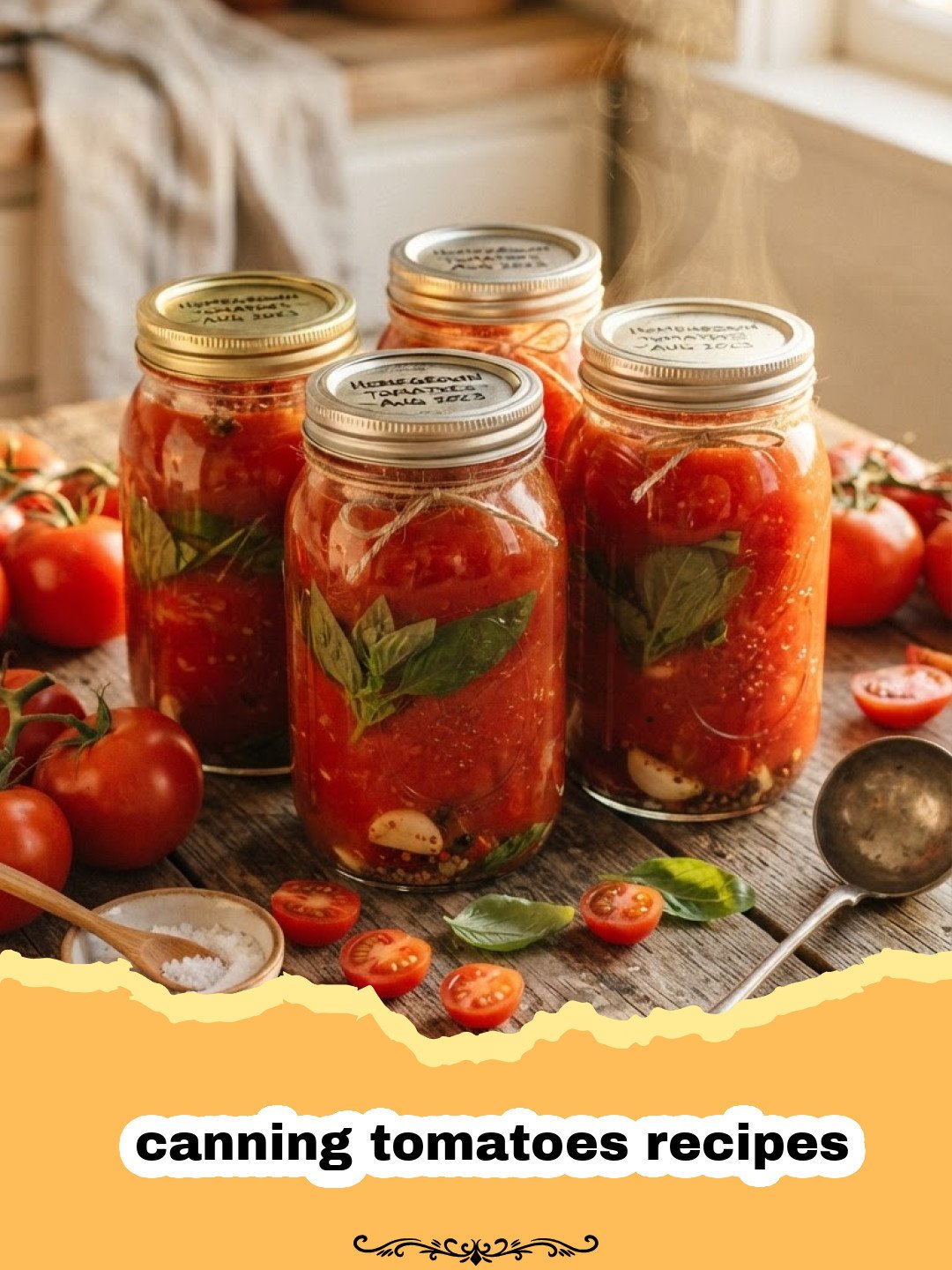
Growing up, summer wasn’t just about long days and fireflies; it was about the abundance from my grandmother’s garden. Her backyard was a riot of green and red, overflowing with ripe, juicy tomatoes. Every August, the kitchen would transform into a bustling canning factory, filled with the sweet, earthy scent of simmering tomatoes. It was a cherished tradition, a rite of passage, and the very foundation of our family’s winter meals. We’d spend days blanching, peeling, and packing, all for the joy of opening a jar of sunshine in the dead of winter. That’s why learning classic canning tomatoes recipes isn’t just about food preservation; it’s about heritage, flavor, and creating culinary memories that last a lifetime. This guide to canning tomatoes recipes will help you capture that same vibrant, garden-fresh taste.
Why This Canning Tomatoes Recipe is a Must-Try
Flavor Preservation
There’s nothing quite like the taste of a truly ripe, sun-kissed tomato. By using effective canning tomatoes recipes, you lock in that peak-season flavor, ensuring your sauces, soups, and stews taste like summer all year long. Forget bland, watery store-bought options – your home-canned tomatoes will be bursting with rich, authentic taste.
Cost-Effective & Sustainable
When tomatoes are in season, they’re often inexpensive, especially if you grow them yourself or buy them in bulk from local farms. Investing time in canning tomatoes recipes during this period is far more economical than purchasing canned goods throughout the year. It also reduces waste and supports local agriculture, making it a sustainable choice.
Versatility in the Kitchen
Home-canned crushed tomatoes are incredibly versatile. They form the base for countless dishes – from classic marinara and hearty chili to comforting tomato soup and flavorful braises. Having a pantry stocked with your own canned tomatoes opens up a world of culinary possibilities, making weeknight meals a breeze.
Sense of Accomplishment
There’s immense satisfaction in seeing rows of neatly sealed jars, knowing you’ve preserved the best of the harvest with your own hands. Mastering canning tomatoes recipes gives you control over your food’s ingredients and provides a tangible connection to the seasons and the effort you put into feeding your family.
Key Ingredient Notes for Perfect Canning Tomatoes Recipes
While the process of canning tomatoes recipes might seem daunting at first, understanding the role of each key ingredient ensures success. Here’s what you need to know:
The Tomatoes Themselves
The quality of your final product hinges entirely on the quality of your fresh tomatoes. For the best results in your canning tomatoes recipes, choose ripe, firm, and blemish-free tomatoes. Paste tomatoes like Roma, San Marzano, or Amish Paste are ideal due to their meaty flesh, fewer seeds, and lower water content, which results in a thicker, richer product. However, any meaty variety will work well. Avoid overripe or underripe tomatoes, as they won’t yield the best flavor or texture.
Acid: Lemon Juice or Citric Acid
This is a non-negotiable component in modern canning tomatoes recipes. Tomatoes are borderline acidic, and their acidity can vary significantly depending on the variety, growing conditions, and ripeness. To ensure the safety of your home-canned tomatoes and prevent the growth of harmful bacteria (like botulism), you MUST add an acid. You have two primary options:
- Bottled Lemon Juice: Use only commercially bottled lemon juice (not fresh-squeezed), as its acidity level is standardized and reliable for canning.
- Citric Acid: Available in powder form, citric acid is another excellent choice for boosting acidity. It doesn’t impart any flavor to the tomatoes.
Always follow the recommended amounts precisely; typically, 2 tablespoons of bottled lemon juice or 1/2 teaspoon of citric acid per quart jar, or 1 tablespoon of bottled lemon juice or 1/4 teaspoon of citric acid per pint jar.
Canning Salt
While salt is not strictly necessary for safety in canning tomatoes recipes, it enhances the flavor and can help prevent discoloration. Always use canning salt (also known as pickling salt). This type of salt is pure sodium chloride and does not contain anti-caking agents or iodine, which can cause cloudiness or discoloration in your canned goods. Do not use table salt or sea salt unless specifically directed by a tested recipe.
Step-by-Step Guide with Pro Tips for Canning Tomatoes Recipes
This guide focuses on a hot water bath canning method for crushed tomatoes, a fantastic base for many dishes. When tackling canning tomatoes recipes, preparation is key!
Preparing for Canning
- Step 1: Gather Your Equipment. You’ll need a large water bath canner with a rack, canning jars (pint or quart size) with new lids and bands, a jar lifter, a canning funnel, a ladle, clean kitchen towels, and a large stockpot for cooking tomatoes.
- Step 2: Sterilize Your Jars. Wash jars, lids, and bands in hot soapy water. Sterilize jars by simmering them in hot water (at least 180°F / 82°C) for at least 10 minutes. Keep jars hot until ready to fill. Set lids aside in hot, non-boiling water (around 180°F / 82°C) until needed; do not boil lids.
- Step 3: Prepare the Canner. Fill your water bath canner halfway with water and bring it to a simmer (180°F / 82°C).
Preparing the Tomatoes
- Step 4: Wash and Core Tomatoes. Thoroughly wash your ripe, firm tomatoes under cold running water. Remove any stems and core the tomatoes, cutting out the tough white part at the top.
- Step 5: Blanch and Peel. Bring a large pot of water to a rolling boil. Score a shallow ‘X’ on the bottom of each tomato. Carefully immerse a few tomatoes at a time into the boiling water for 30-60 seconds, or until the skins begin to crack. Immediately transfer them to an ice bath to stop the cooking process. Once cool enough to handle, the skins should slip off easily.
- Step 6: Crush the Tomatoes. You can crush them by hand, use a food mill, or coarsely chop them. If desired, you can remove seeds during this step, though it’s optional for crushed tomatoes.
- Step 7: Cook Tomatoes (Optional but Recommended). For a thicker product, transfer the crushed tomatoes to a large stockpot and bring to a gentle simmer. Cook for 10-15 minutes, stirring occasionally, to reduce some of the liquid. This also helps release air, preventing separation in the jars. This is a crucial step for achieving that rich consistency in your canning tomatoes recipes.
Filling and Processing Jars
- Step 8: Add Acid and Salt to Jars. To each hot, sterilized quart jar, add 2 tablespoons of bottled lemon juice or 1/2 teaspoon of citric acid. For pint jars, use 1 tablespoon of bottled lemon juice or 1/4 teaspoon of citric acid. Add 1 teaspoon of canning salt to each quart jar, or 1/2 teaspoon to each pint jar (salt is optional, but recommended for flavor).
- Step 9: Fill Jars with Tomatoes. Ladle the hot crushed tomatoes into the prepared jars, leaving 1/2 inch of headspace from the rim. Use a canning funnel for a cleaner fill.
- Step 10: Remove Air Bubbles. Use a non-metallic utensil (like a plastic spatula or chopstick) to gently remove any air bubbles trapped in the tomatoes. Press the utensil down the sides of the jar, allowing air to escape. Adjust headspace if necessary by adding more tomatoes.
- Step 11: Wipe Rims and Apply Lids. Wipe the rims of the jars clean with a damp paper towel. Any food residue can prevent a proper seal. Place a hot lid on each jar, followed by a band, tightened just to fingertip-tight.
- Step 12: Process in Water Bath Canner. Carefully place the filled jars onto the rack in the simmering water bath canner. Ensure water covers the jars by at least 1-2 inches. Cover the canner and bring the water to a rolling boil. Once boiling, begin timing.
- Step 13: Timing and Altitude Adjustment. Process quart jars for 45 minutes and pint jars for 40 minutes. Adjust processing time for altitude if you live above 1,000 feet (consult a reliable canning chart). For every additional 1,000 feet of altitude, add 5 minutes to the processing time. For example, at 1,001-3,000 feet, process quarts for 50 minutes. This is vital for safe canning tomatoes recipes.
- Step 14: Cool and Check Seals. Once processing is complete, turn off the heat and remove the canner lid. Let the jars sit in the hot water for 5 minutes before carefully removing them with a jar lifter. Place jars on a clean towel on your countertop, ensuring they are not touching each other, and let them cool undisturbed for 12-24 hours. Do not overtighten the rings during this process, as it can inhibit sealing.
- Step 15: Store. After 12-24 hours, check for seals. The center of the lid should be concave and not flex when pressed. Remove bands, wipe jars clean, label them with the date and contents, and store in a cool, dark, dry place. Unsealed jars must be refrigerated and consumed within a few days.
Variations & Serving Suggestions for Canning Tomatoes Recipes
Once you’ve mastered the basic canning tomatoes recipes, the possibilities for customization are endless!
Creative Variations
- Roasted Tomatoes: For a deeper, more intense flavor, halve your tomatoes and roast them with a drizzle of olive oil, salt, and pepper at 400°F (200°C) for 30-45 minutes before peeling and crushing. This adds incredible depth to your home-canned product.
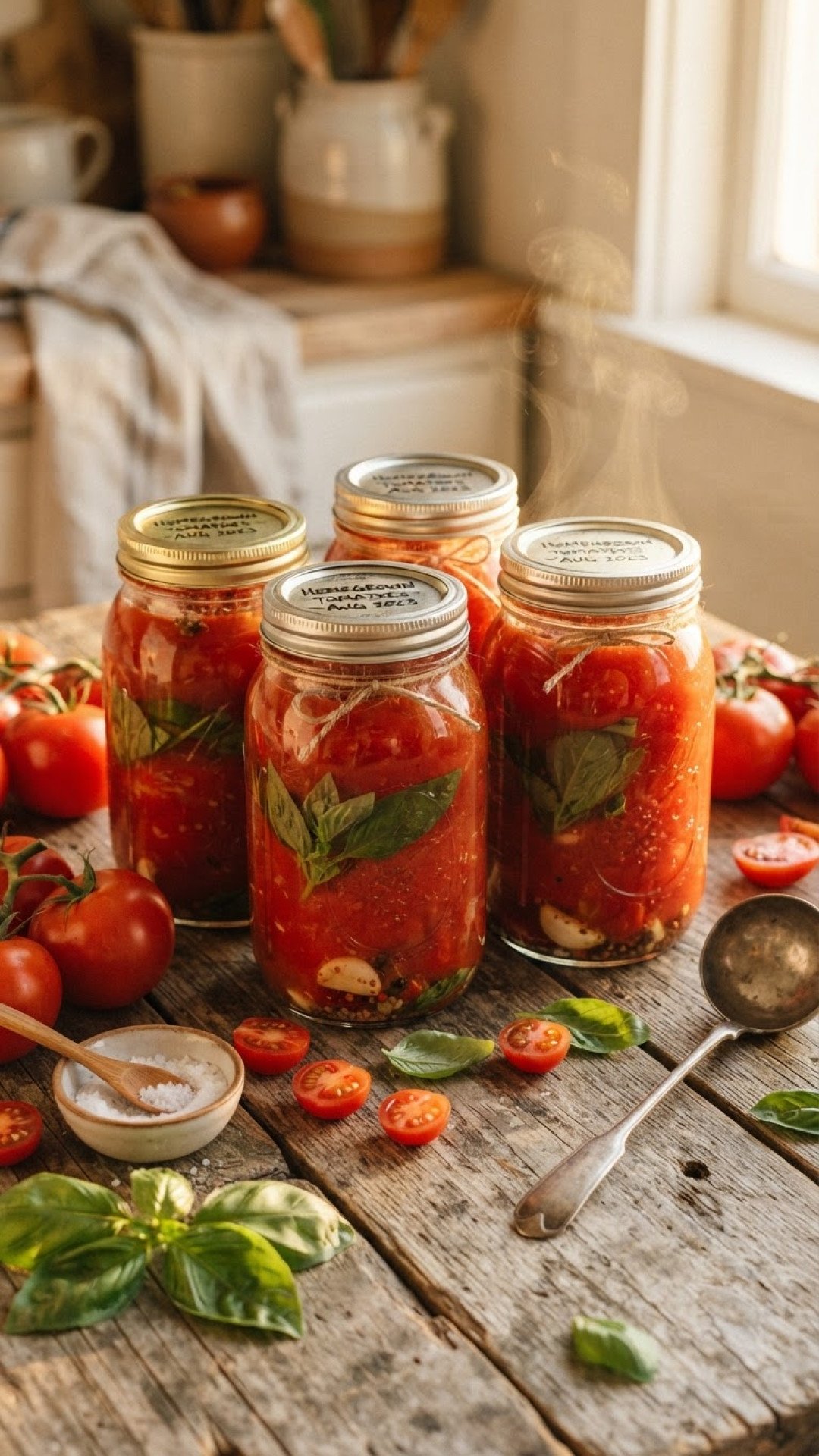
- Herbed Tomatoes: Add fresh or dried herbs like basil, oregano, or a bay leaf to the jars before processing. Remember to adjust quantities carefully, as some herbs can mellow significantly during canning.
- Spicy Tomatoes: For a kick, add a pinch of dried red pepper flakes or a slice of fresh jalapeño to each jar before sealing. This is a great addition if you love a bit of heat in your canning tomatoes recipes.
- Stewed Tomatoes: Instead of crushing, quarter or dice your peeled tomatoes and simmer them with chopped onions, celery, and bell peppers before canning. These are fantastic for soups and stews.
Serving Suggestions
Your beautiful jars of home-canned tomatoes are ready to be transformed!
- Classic Marinara Sauce: The quintessential use! Simmer your crushed tomatoes with garlic, onion, and fresh basil for a simple, unbeatable pasta sauce.
- Hearty Chili: A robust base for your favorite chili recipe.
- Creamy Tomato Soup: Puree the tomatoes with broth and a touch of cream for a comforting bowl.
- Shakshuka: Use your canned tomatoes as the flavorful foundation for this Middle Eastern egg dish.
- Bruschetta Topping: Dice and combine with fresh basil, garlic, and olive oil for a quick and fresh appetizer.
- Stews and Braises: Add depth and richness to beef stews, chicken cacciatore, or vegetable curries.
Explore other ways to preserve fruits too! You might enjoy Homemade Raspberry Jam Recipe or even The Ultimate Guide to Homemade Peach Preserves.
Nutrition Information
| Nutrient | Amount Per Serving |
|---|---|
| Calories | 35 kcal |
| Carbohydrate Content | 7 g |
| Cholesterol Content | 0 mg |
| Fat Content | 0.5 g |
| Fiber Content | 2 g |
| Protein Content | 1.5 g |
| Saturated Fat Content | 0 g |
| Serving Size | 1/2 cup (120g) |
| Sodium Content | 150 mg |
| Sugar Content | 5 g |
| Trans Fat Content | 0 g |
| Unsaturated Fat Content | 0.5 g |
Conclusion
Embracing canning tomatoes recipes is more than just a kitchen task; it’s a way to connect with the seasons, to ensure delicious, healthy food for your family, and to carry on a timeless tradition. The process might seem like a lot of work initially, but the rewards — jars filled with vibrant, flavor-packed tomatoes ready to elevate any meal — are immeasurable. So, next time you have a bumper crop or find a great deal on fresh tomatoes, don’t hesitate to dive into the wonderful world of home canning. Your future self (and your taste buds!) will thank you. Happy canning, and enjoy the delicious fruits of your labor!
FAQs
What are the best tomatoes for canning?
For canning, paste tomatoes like Roma, San Marzano, or Amish Paste are highly recommended due to their meaty flesh, low water content, and fewer seeds, which results in a thicker, richer finished product. However, any firm, ripe, and blemish-free tomato variety can be used for successful canning tomatoes recipes.
Do I really need to add lemon juice or citric acid when canning tomatoes?
Yes, absolutely! Adding lemon juice or citric acid is crucial for the safety of your home-canned tomatoes. Tomatoes are a low-acid food, and their acidity can vary greatly. Adding a standardized acid ensures the pH level is low enough to prevent the growth of harmful bacteria like Clostridium botulinum. Always use commercially bottled lemon juice or food-grade citric acid and follow the exact amounts specified in reliable canning tomatoes recipes.
How long do home-canned tomatoes last?
When properly processed and stored in a cool, dark, dry place, home-canned tomatoes can last for at least 1 year. While they may be safe to eat for longer, their quality (flavor, texture, and nutritional value) can degrade over time. For best taste, it’s recommended to consume them within 12-18 months of canning.
What should I do if my jars don’t seal after canning?
If a jar doesn’t seal after 12-24 hours of cooling, do not reprocess it. Instead, treat it as fresh produce. You can either refrigerate the unsealed jar and consume its contents within a few days, or freeze the contents for longer storage. Make sure to check the rim of the jar for chips or cracks, and the lid for defects, which could be reasons for the failed seal in your canning tomatoes recipes.

Classic Home-Canned Crushed Tomatoes
Capture the vibrant taste of summer with this essential canning tomatoes recipe for crushed tomatoes, perfect for sauces, soups, and stews all year round. This guide provides a safe and delicious method for preserving your tomato harvest.
- Total Time: 2 hours 15 minutes
- Yield: 7 quarts 1x
Ingredients
Approximately 21 pounds (9.5 kg) ripe, firm paste tomatoes (Roma, San Marzano, Amish Paste recommended)
14 tablespoons commercially bottled lemon juice OR 3.5 teaspoons citric acid (2 tbsp lemon juice OR 1/2 tsp citric acid per quart)
7 teaspoons canning salt (1 tsp per quart, optional for safety but recommended for flavor)
Instructions
Step 1: Thoroughly wash canning jars, lids, and bands in hot soapy water. Sterilize jars by simmering them in hot water (at least 180°F / 82°C) for at least 10 minutes. Keep jars hot until ready to fill. Place lids in hot, non-boiling water (around 180°F / 82°C) until needed.
Step 2: Fill your water bath canner halfway with water and bring it to a simmer (180°F / 82°C).
Step 3: Wash fresh tomatoes under cold running water. Remove stems and core, cutting out any tough parts or blemishes. Score a shallow ‘X’ on the bottom of each tomato.
Step 4: Bring a large pot of water to a rolling boil. Carefully immerse a few tomatoes at a time into the boiling water for 30-60 seconds, or until the skins begin to crack. Immediately transfer them to an ice bath to stop the cooking process.
Step 5: Once cooled, easily peel the skins from the blanched tomatoes. You can discard the skins or save them for a future project (like making tomato powder).
Step 6: Crush the peeled tomatoes. You can do this by hand, using a food mill for a smoother consistency, or by coarsely chopping them. For a thicker product, you may wish to remove excess seeds, though it’s optional for crushed tomatoes.
Step 7: Transfer crushed tomatoes to a large stockpot. Bring to a gentle simmer and cook for 10-15 minutes, stirring occasionally, to reduce some liquid and release trapped air. This prevents separation in the jars and improves consistency.
Step 8: To each hot, sterilized quart jar, add 2 tablespoons of commercially bottled lemon juice or 1/2 teaspoon of citric acid. Add 1 teaspoon of canning salt (if using). For pint jars, use 1 tablespoon lemon juice or 1/4 teaspoon citric acid, and 1/2 teaspoon salt.
Step 9: Ladle the hot crushed tomatoes into the prepared jars, leaving 1/2 inch of headspace from the rim.
Step 10: Use a non-metallic utensil to gently remove any air bubbles trapped in the tomatoes. Press the utensil down the sides of the jar, allowing air to escape. Adjust headspace by adding more tomatoes if necessary.
Step 11: Wipe the rims of the jars clean with a damp paper towel. Place a hot lid on each jar, followed by a band, tightened just to fingertip-tight.
Step 12: Carefully place the filled jars onto the rack in the simmering water bath canner. Ensure water covers the jars by at least 1-2 inches. Add more hot water if needed. Cover the canner and bring the water to a rolling boil.
Step 13: Once boiling, begin timing. Process quart jars for 45 minutes and pint jars for 40 minutes. Adjust processing time for altitude (consult a reliable canning chart for your elevation).
Step 14: After processing, turn off the heat and remove the canner lid. Let the jars sit in the hot water for 5 minutes before carefully removing them with a jar lifter. Place jars on a clean towel on your countertop, ensuring they are not touching each other, and let them cool undisturbed for 12-24 hours.
Step 15: After cooling, check for seals. The center of the lid should be concave and not flex when pressed. Remove bands, wipe jars clean, label them with the date and contents, and store in a cool, dark, dry place. Refrigerate and consume unsealed jars within a few days.
Notes
Always use a reliable, up-to-date canning guide (like those from the National Center for Home Food Preservation) to ensure safety and proper technique. Altitude adjustments for processing times are crucial. Never skip adding acid for tomato canning.
- Prep Time: 1 hour 30 minutes
- Cook Time: 45 minutes
- Category: How To
- Cuisine: American
Nutrition
- Serving Size: 1/2 cup (120g)
- Calories: 35 kcal
- Sugar: 5 g
- Sodium: 150 mg
- Fat: 0.5 g
- Saturated Fat: 0 g
- Unsaturated Fat: 0.5 g
- Trans Fat: 0 g
- Carbohydrates: 7 g
- Fiber: 2 g
- Protein: 1.5 g
- Cholesterol: 0 mg
Keywords: canning tomatoes recipes, home canning, crushed tomatoes, tomato preservation, water bath canning, garden tomatoes, preserving tomatoes, canned tomatoes homemade, tomato sauce base, diy canning