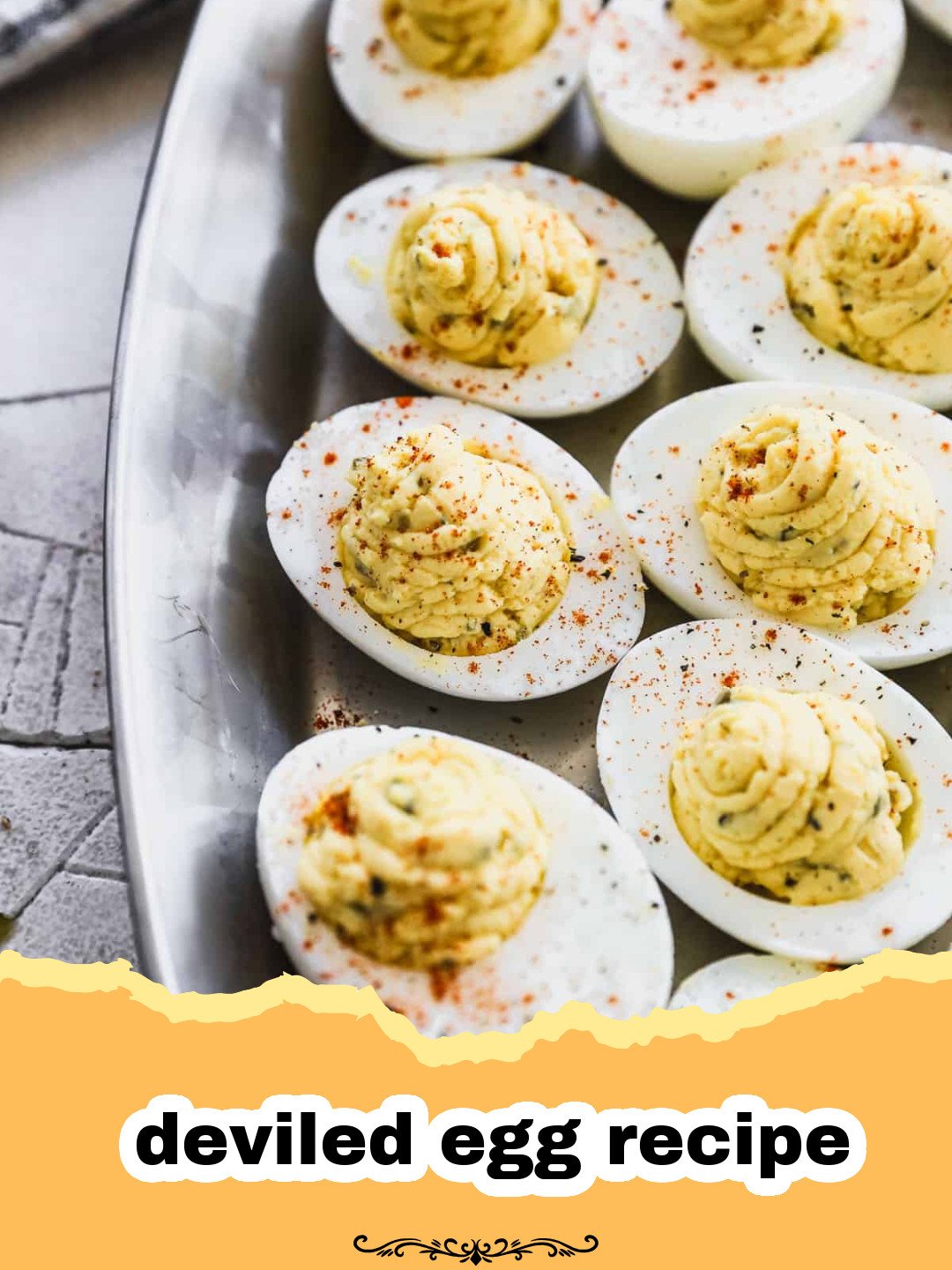
Why This Deviled Egg Recipe is a Must-Try
There are countless reasons why this particular deviled egg recipe has earned its place as a perennial favorite. It’s more than just a side dish; it’s an experience.
- Crowd-Pleasing Classic: Deviled eggs are universally loved! From the pickiest eaters to the most discerning foodies, almost everyone succumbs to their creamy, tangy allure. They disappear quickly at potlucks, picnics, holiday meals, and backyard barbecues, making this deviled egg recipe a guaranteed hit that will earn you compliments every time.
- Simple Elegance: Despite their impressive and polished presentation, deviled eggs are incredibly easy to make. This deviled egg recipe breaks down the process into simple, manageable steps, making it accessible even for novice cooks. You don’t need fancy equipment or advanced culinary skills to create something truly beautiful and delicious.
- Customizable Flavors: While the classic deviled egg recipe provides a perfect foundation of flavors, it also serves as a fantastic base for endless variations. Feeling adventurous? You can easily incorporate different herbs, spices, or even gourmet toppings to suit your palate or match the occasion, allowing you to get creative and personalize your batch.
- Perfect Make-Ahead Appetizer: Planning a party or a busy holiday meal? This deviled egg recipe is your secret weapon. You can prepare most of the components (boil eggs, mix filling) in advance, assembling them just before serving. This flexibility makes party prep a breeze and reduces stress when entertaining.
Key Ingredient Notes for the Best Deviled Egg Recipe
Achieving the perfect deviled egg recipe hinges on selecting and preparing a few key ingredients with care. Don’t underestimate their power in creating a truly memorable bite!
- Fresh Eggs (but not *too* fresh): This might sound contradictory, but slightly older eggs (about 7-10 days old after their packing date) are actually much easier to peel once hard-boiled. Very fresh eggs, while great for scrambling, can be notoriously difficult to peel cleanly, leading to pockmarked whites that aren’t ideal for presentation. If you only have super fresh eggs, steaming them (as detailed in the instructions) can significantly help with peeling. The quality of your eggs directly impacts the final texture and appearance of your deviled egg recipe.
- Mayonnaise: This is the backbone of your creamy, rich filling. For the best flavor and texture, use a good quality, full-fat mayonnaise. Brands like Hellmann’s or Duke’s are often preferred for their classic, balanced flavor profile. A lighter mayo might compromise the richness and mouthfeel that makes a deviled egg recipe so delightfully indulgent.
- Dijon Mustard: A touch of Dijon mustard adds a sophisticated tang, a subtle spice, and a depth of flavor that yellow mustard simply can’t replicate. It cuts through the richness of the yolk and mayonnaise beautifully, providing a nuanced complexity that elevates the entire deviled egg recipe. Don’t skip it; it’s a game-changer!
- White Vinegar or Pickle Juice: This is a small but mighty ingredient. A tiny splash of white vinegar or pickle juice brightens the flavors in the yolk mixture, adding a crucial acidic counterpoint that prevents the filling from tasting flat. It’s that secret ingredient that makes people wonder what makes your deviled egg recipe so special.
- Paprika: While often used as a garnish, a tiny bit of paprika (preferably smoked paprika) mixed into the filling itself can add a wonderful warmth and subtle smokiness, complementing the richness of the eggs. Don’t overdo it, as its primary role is to add a finishing touch and visual appeal, especially on top.
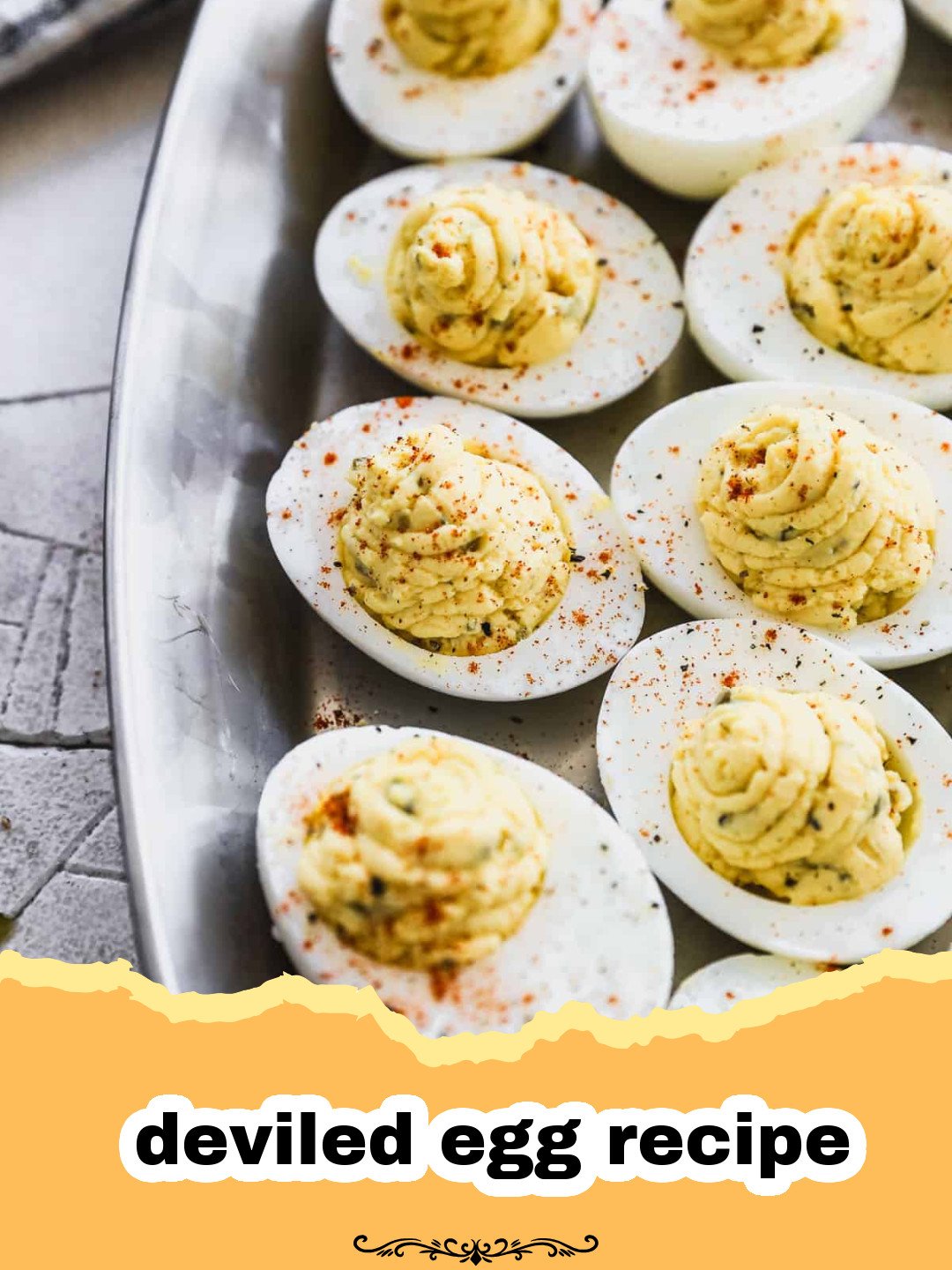
Step-by-Step Guide with Pro Tips for this Deviled Egg Recipe
Let’s walk through making the absolute best deviled egg recipe you’ll ever encounter. Precision and a little patience go a long way in creating these bite-sized wonders.
Perfectly Hard-Boiled Eggs: The Foundation
The success of any great deviled egg recipe begins with perfectly cooked, easy-to-peel hard-boiled eggs. My go-to method involves steaming, which consistently yields eggs with tender whites and creamy yolks, and more importantly, makes peeling a cinch. Say goodbye to frustrating, cratered eggs!
- Step 1: Prepare Your Steamer. Place a steamer basket in a large pot with about an inch of water. Ensure the water level is below the basket, so the eggs are steamed, not boiled in water.
- Step 2: Add Eggs and Steam. Carefully arrange your eggs in a single layer in the steamer basket. Bring the water to a rolling boil, then cover the pot tightly. Steam for 12-14 minutes for large eggs. This duration ensures fully cooked yolks without any greyish-green ring.
- Step 3: The Essential Ice Bath. Immediately after steaming, use tongs or a slotted spoon to transfer the eggs to a large bowl filled with ice water. Let them cool completely for at least 5 minutes, or ideally 10-15 minutes. This rapid cooling stops the cooking process and causes the egg whites to contract, separating them from the shell membrane, which is key for easy peeling.
- Step 4: Gentle Peeling. Once thoroughly chilled, gently tap an egg on a hard surface to crack the shell all over. Start peeling from the wider end, where the air pocket is typically located. Peel under cool running water if you’re having trouble, as the water helps flush away small shell fragments. Once peeled, rinse the eggs to remove any remaining shell bits and pat them dry with a paper towel.
Crafting the Creamy Yolk Filling: The Heart of the Deviled Egg Recipe
This is where the magic of the deviled egg recipe truly comes alive. The secret is to achieve a smooth, rich, and perfectly seasoned filling.
- Step 5: Halve the Eggs and Scoop Yolks. Carefully slice each peeled egg lengthwise in half. Gently scoop out the bright yellow yolks into a medium-sized mixing bowl. Place the hollowed-out egg white halves on a serving platter or a clean plate.
- Step 6: Mash the Yolks. Using a fork, thoroughly mash the egg yolks until they are completely crumbly and smooth. Ensure there are no large lumps; a smooth filling is paramount for this deviled egg recipe.
- Step 7: Mix the Wet Ingredients. Add the mayonnaise, Dijon mustard, white vinegar (or pickle juice), and a pinch of salt and black pepper to the mashed yolks.
- Step 8: Combine and Taste. Stir everything together thoroughly until the mixture is completely smooth and creamy. Taste the filling and adjust seasonings as needed. This is your chance to make the deviled egg recipe truly sing! You might want a little more salt, a dash more mustard, or a hint more acid.
Assembling Your Masterpiece: The Finishing Touch
Presentation matters! Using a piping bag makes for a beautiful and professional finish, elevating your simple deviled egg recipe to an elegant appetizer.
- Step 9: Fill the Whites. You have two options here:
- For a rustic look: Use a small spoon to carefully mound the yolk mixture back into the hollows of the egg white halves.
- For an elegant look (recommended): Transfer the creamy yolk mixture to a piping bag fitted with a star tip (or a simple round tip). Pipe the filling neatly into each egg white half, creating an attractive swirl or dome.
- Step 10: Garnish and Chill. Lightly dust each deviled egg with paprika for color and a touch of flavor. For extra flair, you can add a tiny sprig of fresh dill or a sprinkle of chives.
- Step 11: Serve or Store. Arrange the finished deviled eggs on your serving platter. They are best served chilled. If making ahead, store your finished deviled eggs in an airtight container, such as Basics Glass Food Storage, in the refrigerator for up to 2-3 days. For best results, pipe the filling just before serving, but the components can be prepped separately.
Variations & Serving Suggestions for Your Deviled Egg Recipe
While the classic deviled egg recipe is unbeatable in its simplicity and deliciousness, it’s also a fantastic canvas for culinary creativity. Don’t be afraid to experiment and make this dish your own!
- Spicy Kick: For those who love a bit of heat, add a pinch of cayenne pepper, a dash of your favorite hot sauce (like Tabasco or Sriracha), or finely minced jalapeño to the filling. A sprinkle of smoked paprika on top also adds both gorgeous color and a subtle smoky heat that works beautifully with the creamy eggs.
- Herbal Freshness: Incorporate finely chopped fresh herbs like chives, dill, parsley, or even tarragon into the yolk mixture. These herbs add a wonderful brightness and aromatic complexity, transforming the traditional deviled egg recipe into something fresh and vibrant.
- Crunchy Goodness: Add texture! Top your deviled eggs with crispy bacon bits, finely chopped celery for a refreshing crunch, or even toasted sesame seeds for an unexpected nutty flavor. A little bit of texture can elevate the entire experience.
- Gourmet Touch: For an extra special presentation and flavor, consider topping your deviled egg recipe with a tiny dollop of salmon roe or caviar, a delicate curl of smoked salmon, or a sprinkle of high-quality truffle salt. These additions turn a simple appetizer into a truly luxurious bite, perfect for special occasions or when you want to impress.
- Serving: Deviled eggs are incredibly versatile and make an excellent appetizer for almost any occasion. Arrange them artfully on a platter, garnished with a sprinkle of paprika, fresh herbs, or a tiny gherkin slice. They pair wonderfully with other picnic staples like coleslaw, potato salad, or even a refreshing fruit salad. They’re also a delightful addition to holiday spreads and brunch buffets. For a substantial meal, consider them alongside a flavorful main dish like Parmesan Crusted Chicken with Creamy Garlic Sauce.
Troubleshooting Common Deviled Egg Problems
Even though this deviled egg recipe is straightforward, a few common pitfalls can arise. Here’s how to avoid them or fix them!
- Rubbery Egg Whites: This usually happens when eggs are boiled too aggressively or cooked for too long. The steaming method helps prevent this, but if you do boil, keep the heat at a gentle simmer and cool immediately.
- Green Ring Around the Yolk: That unappealing greenish-grey ring around the yolk is sulfur reacting with iron. It’s harmless but indicates overcooked eggs. Again, precise cooking times and an immediate ice bath are your best defense against this in any deviled egg recipe.
- Hard-to-Peel Eggs: As mentioned, very fresh eggs are the culprits here. Using slightly older eggs and the ice bath method are crucial. Don’t rush the cooling process!
- Bland Filling: The biggest mistake is not seasoning enough. Taste and adjust! A little extra salt, pepper, or a touch more Dijon or vinegar can make all the difference in a deviled egg recipe.
Nutrition Information
| Nutrient | Amount per Serving |
|---|---|
| Calories | 80 kcal |
| Carbohydrate Content | 1 g |
| Cholesterol Content | 185 mg |
| Fat Content | 7 g |
| Fiber Content | 0 g |
| Protein Content | 5 g |
| Saturated Fat Content | 2 g |
| Serving Size | 1 egg half |
| Sodium Content | 110 mg |
| Sugar Content | 0 g |
| Trans Fat Content | 0 g |
| Unsaturated Fat Content | 5 g |
There you have it – my favorite deviled egg recipe, a true classic that never fails to delight. Whether you’re bringing them to a potluck, serving them at a holiday gathering, or simply enjoying them as a quick snack, these creamy, tangy bites are always a hit. This deviled egg recipe is more than just food; it’s a symbol of good times, shared laughter, and cherished memories. So go ahead, whip up a batch, and create some delicious memories of your own with this timeless appetizer!
FAQs
How do you make deviled eggs creamy?
The key to creamy deviled eggs is to thoroughly mash the yolks until smooth, then combine them with good quality full-fat mayonnaise and a touch of Dijon mustard and vinegar or pickle juice. Ensure all ingredients are well-blended for a velvety texture.
How do you boil eggs perfectly for deviled eggs?
The best method is steaming: place eggs in a steamer basket over boiling water, cover, and steam for 12-14 minutes. Immediately transfer to an ice bath for 5-10 minutes. This helps them peel easily and prevents a green ring around the yolk.
Can you make deviled eggs ahead of time?
Yes, you can prep components ahead. Hard-boiled and peeled egg whites can be stored in the fridge for up to 2 days. The yolk filling can also be made and stored in an airtight container for 1-2 days. For best presentation, pipe the filling into the whites and garnish just before serving.
What are common mistakes when making deviled eggs?
Common mistakes include overcooking eggs (leading to rubbery whites and green yolks), using very fresh eggs (hard to peel), not mashing yolks smoothly enough, and under-seasoning the filling. Tasting and adjusting seasoning is crucial for a delicious deviled egg recipe.
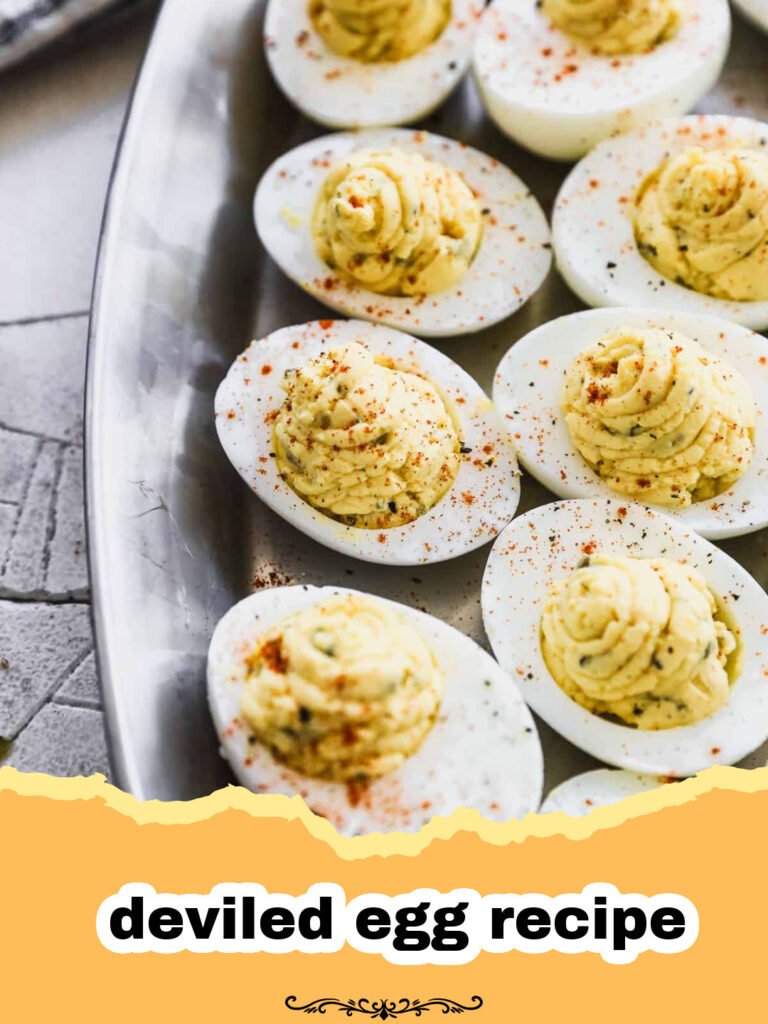
Classic Deviled Eggs
A timeless and irresistible deviled egg recipe, featuring creamy, tangy yolk filling nestled in tender egg whites, perfect for any gathering.
- Total Time: 35 minutes
- Yield: 12 servings (24 halves) 1x
Ingredients
12 large eggs
1/2 cup mayonnaise (full-fat, good quality)
1 tbsp Dijon mustard
1 tsp white vinegar or pickle juice
1/4 tsp salt, or to taste
1/8 tsp black pepper, or to taste
Paprika for garnish
Fresh chives or dill for optional garnish
Instructions
Step 1: Place a steamer basket in a large pot with about an inch of water. Carefully arrange the eggs in a single layer in the steamer basket. Bring the water to a rolling boil, then cover the pot tightly. Steam for 12-14 minutes for large eggs.
Step 2: Immediately after steaming, transfer the eggs to a large bowl filled with ice water. Let them cool completely for at least 5-10 minutes.
Step 3: Once thoroughly chilled, gently tap each egg on a hard surface to crack the shell all over. Peel under cool running water if needed, starting from the wider end. Rinse the peeled eggs and pat them dry.
Step 4: Carefully slice each peeled egg lengthwise in half. Gently scoop out the bright yellow yolks into a medium-sized mixing bowl. Place the hollowed-out egg white halves on a serving platter or a clean plate.
Step 5: Using a fork, thoroughly mash the egg yolks until they are completely crumbly and smooth, ensuring no large lumps remain.
Step 6: Add the mayonnaise, Dijon mustard, white vinegar (or pickle juice), salt, and black pepper to the mashed yolks.
Step 7: Stir everything together thoroughly until the mixture is completely smooth and creamy. Taste the filling and adjust seasonings as needed, adding more salt, pepper, mustard, or vinegar to your preference.
Step 8: Transfer the creamy yolk mixture to a piping bag fitted with a star tip (or a simple round tip). Pipe the filling neatly into each egg white half, creating an attractive swirl or dome.
Step 9: Lightly dust each deviled egg with paprika for color and a touch of flavor. For extra flair, you can add a tiny sprig of fresh dill or a sprinkle of chopped chives.
Step 10: Arrange the finished deviled eggs on your serving platter. They are best served chilled. If making ahead, store them in an airtight container in the refrigerator for up to 2-3 days, piping the filling just before serving for best results.
Notes
For the easiest peeling, use eggs that are 7-10 days old. For a richer flavor, consider using a good quality, full-fat mayonnaise.
- Prep Time: 20 minutes
- Cook Time: 15 minutes
- Category: Appetizer
- Cuisine: American
Keywords: deviled eggs, classic deviled egg recipe, easy deviled eggs, party appetizer, holiday recipe, egg recipe, potluck food