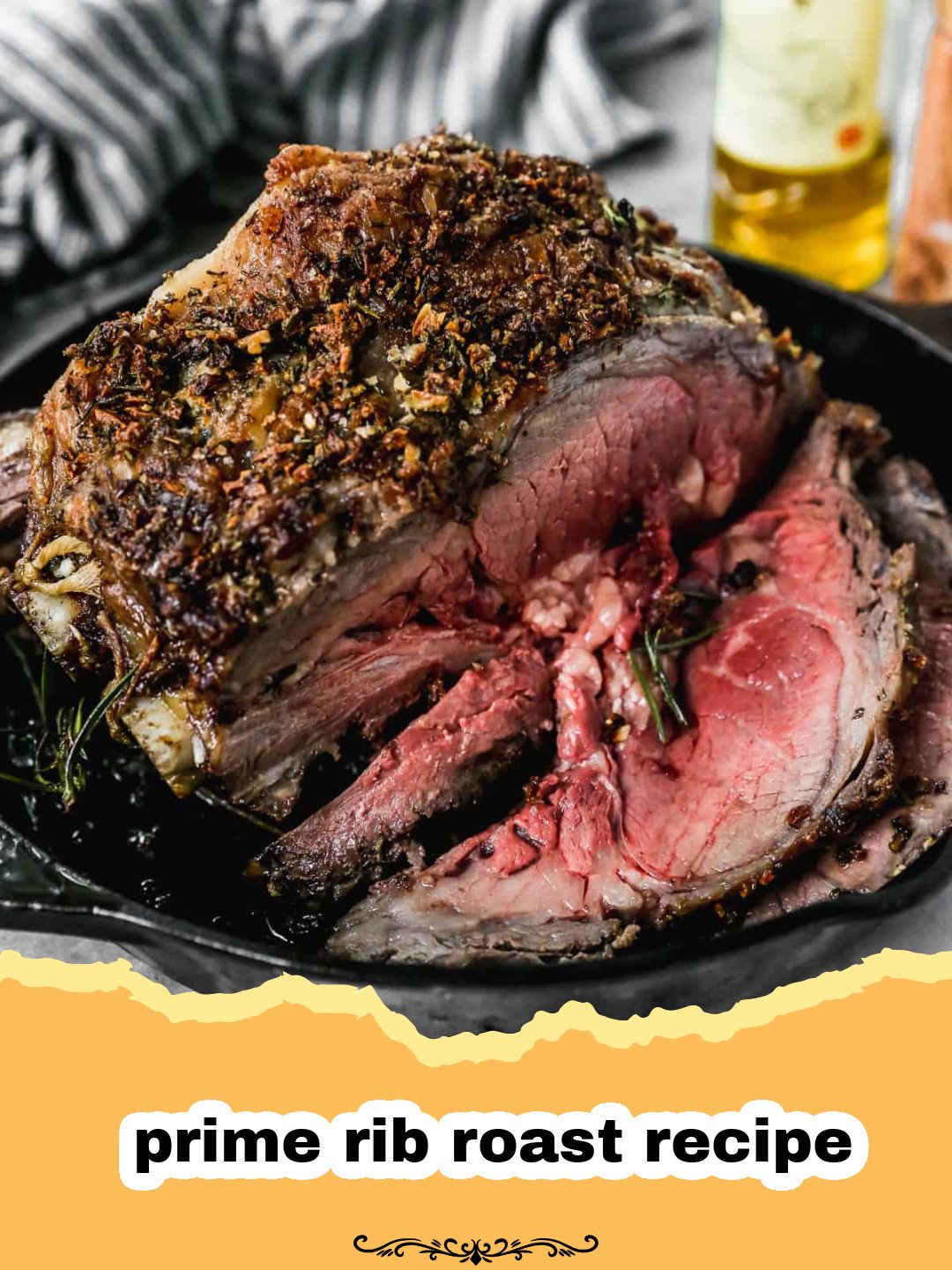
There are some dishes that aren’t just meals; they’re experiences, memories, and traditions rolled into one. For me, that dish has always been the prime rib roast recipe. I can still vividly recall the first time I attempted to make one for a family Christmas dinner years ago. My grandmother, a legendary cook in her own right, had always handled the holiday roast, and her prime rib was the stuff of legend. The pressure was on! I remember poring over cookbooks, calling my grandmother for tips, and even having a minor panic attack when the internal temperature wasn’t climbing as fast as I expected. But when that perfectly crusted, impossibly tender roast emerged from the oven, filling the kitchen with its incredible aroma, and everyone’s eyes lit up at the carving table, I knew I had unlocked a culinary secret. It wasn’t just about the food; it was about the joy it brought, the shared laughter, and the feeling of accomplishment. Now, it’s my turn to share that secret with you, so you can create your own unforgettable moments with this amazing prime rib roast recipe.
Why This Prime Rib Roast Recipe is a Must-Try
- Unforgettable Flavor and Texture: This prime rib roast recipe delivers an incredibly juicy, tender interior with a beautifully savory, perfectly browned crust that’s bursting with flavor.
- Impressive for Special Occasions: Elevate any holiday meal or special gathering with a show-stopping centerpiece that will have everyone talking. It’s truly a feast for the eyes and the palate.
- Easier Than You Think: While it might seem intimidating, this prime rib roast recipe breaks down the process into simple, manageable steps, ensuring even a novice can achieve spectacular results.
- Perfectly Cooked Every Time: With precise temperature guidelines and a reverse-sear method, you’ll achieve that ideal medium-rare doneness from edge to edge without guesswork.
Key Ingredient Notes for Your Prime Rib Roast Recipe
The Prime Rib Itself
Choosing the right cut of beef is paramount for a successful prime rib roast recipe. Look for a bone-in standing rib roast (often labeled ‘prime rib’ or ‘rib roast’). The bones add flavor and act as a natural roasting rack. Aim for a roast that’s at least three ribs, or about 6-8 pounds, to ensure even cooking and a good meat-to-fat ratio. Marbling, the flecks of fat within the muscle, is crucial for tenderness and flavor, so don’t shy away from a well-marbled piece. Buying from a reputable butcher ensures quality and allows you to ask for specific cuts or advice.
Garlic and Herbs
Fresh garlic and a robust blend of herbs like rosemary and thyme are non-negotiable for this prime rib roast recipe. They create an aromatic crust that infuses the entire roast with incredible flavor. Don’t be shy with the garlic; we’re talking about a significant amount to create that potent, savory punch. Using fresh herbs provides a much brighter and more intense flavor compared to dried, though dried can be used in a pinch (use about half the amount of fresh). The paste created with these ingredients, along with olive oil, acts as both a flavor enhancer and helps to crisp the exterior.
Salt and Pepper
While often overlooked, the quality and quantity of your salt and pepper make a huge difference in any prime rib roast recipe. For a roast of this size, you need a generous amount of coarse sea salt or kosher salt. This helps to draw moisture to the surface initially, then reabsorb it, seasoning the meat deeply and contributing to that fantastic crust. Freshly cracked black pepper adds a pungent, earthy warmth that complements the richness of the beef beautifully. Remember, you’re seasoning a large cut of meat, so don’t be afraid to use more than you might for a smaller steak.
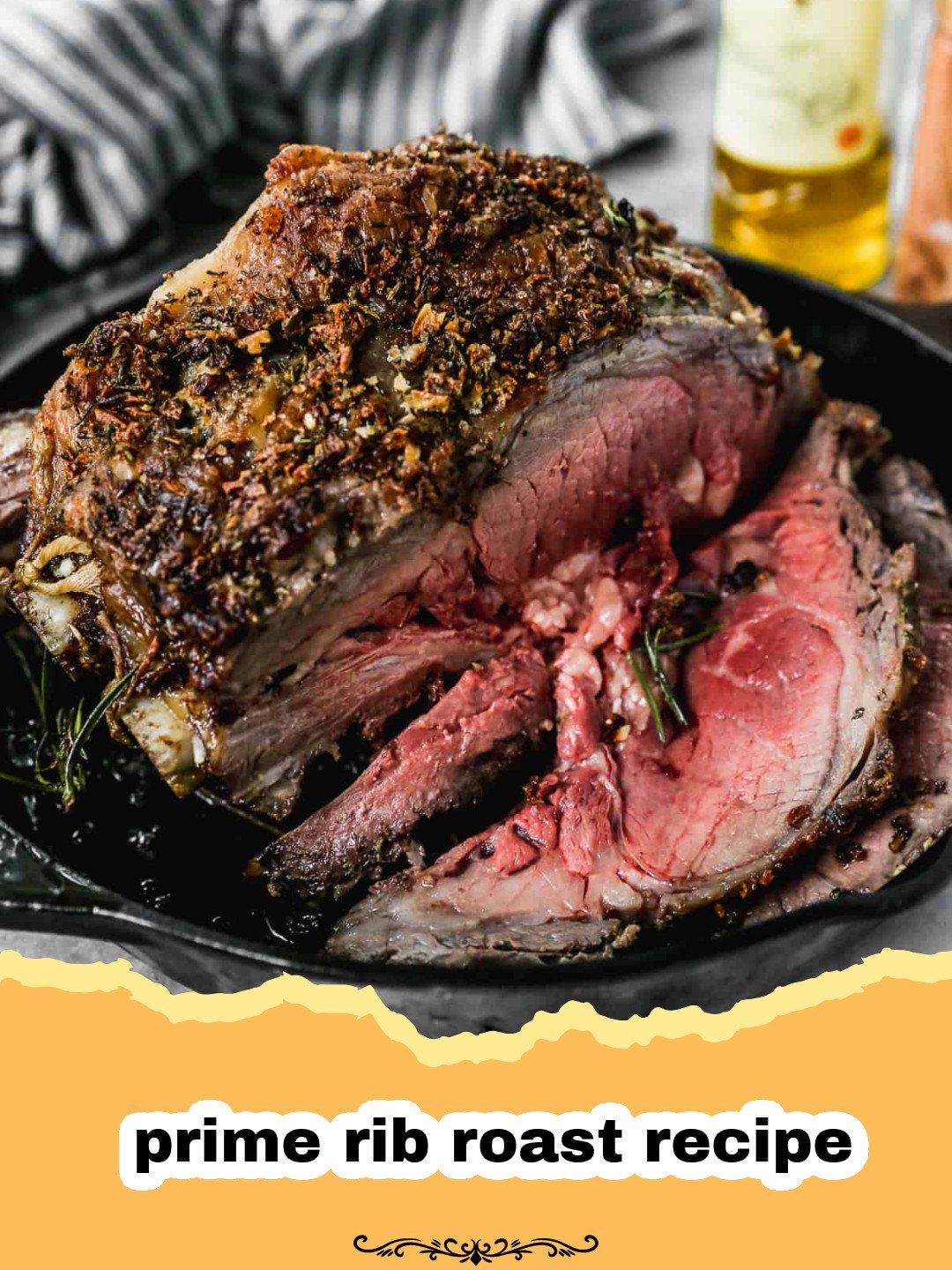
Step-by-Step Guide with Pro Tips for Your Prime Rib Roast Recipe
Mastering this prime rib roast recipe involves a few key techniques that guarantee a succulent, flavorful result. Follow these steps closely, and you’ll be carving a masterpiece.
Preparation is Key
Step 1: Remove the prime rib roast from the refrigerator at least 2-3 hours before cooking. This allows the meat to come closer to room temperature, promoting more even cooking. Pat it completely dry with paper towels; a dry surface is essential for a good sear and crust.
Step 2: In a small bowl, combine minced garlic, fresh rosemary, fresh thyme, coarse sea salt, and freshly cracked black pepper. Add olive oil and mix until a thick paste forms. This aromatic rub is the heart of our prime rib roast recipe’s flavor.
Step 3: Generously rub the herb-garlic paste all over the prime rib roast, making sure to coat all surfaces. If your roast is tied, you can gently lift the twine to get some rub underneath, then re-secure it. For a bone-in roast, you might want to slice along the bones a bit to push some rub in, then press the meat back down.
The Reverse Sear Method
Step 4: Preheat your oven to a low temperature, typically 250°F (120°C). This low, slow cooking is the secret to achieving even doneness throughout your prime rib roast recipe without overcooking the edges.
Step 5: Place the prime rib roast, fat-side up, on a roasting rack set inside a roasting pan. Insert a reliable meat thermometer into the thickest part of the meat, avoiding the bone. Roast for 2.5 to 4 hours, or until the internal temperature reaches 120°F (49°C) for rare, 125°F (52°C) for medium-rare, or 130°F (54°C) for medium. Cooking time will vary depending on the size and shape of your roast. For accurate results, always trust the thermometer over the clock.
Step 6: Once the desired internal temperature is reached, remove the roast from the oven. Tent it loosely with foil and let it rest on a cutting board for at least 30 minutes, or up to an hour. This resting period is critical; it allows the juices to redistribute throughout the meat, ensuring a tender, moist prime rib roast recipe result. While it rests, the temperature will continue to rise by 5-10 degrees (carryover cooking).
Step 7: After resting, increase your oven temperature to 450°F (230°C). Remove the foil from the roast. Place the roast back into the hot oven for 10-15 minutes, or until a beautiful, golden-brown crust forms. Keep a close eye on it to prevent burning.
Carving and Serving
Step 8: Remove the prime rib roast from the oven and transfer it to a clean carving board. Carve the roast against the grain into thick slices, typically 1/2 to 3/4 inch thick. If it’s a bone-in roast, first slice along the bones to remove the entire roast from the bone section, then carve the boneless meat. You can then separate the ribs and serve them individually. Serve immediately and watch your guests marvel at your perfect prime rib roast recipe! Don’t forget to pair it with a delicious gravy like this Easy Homemade Au Jus. For any leftovers, ensure you store them properly in Basics Glass Food Storage containers to maintain freshness and prevent flavor transfer.
Variations & Serving Suggestions for Your Prime Rib Roast Recipe
Herb and Spice Rub Variations
While the classic garlic and rosemary rub is phenomenal, feel free to experiment with other flavor profiles for your prime rib roast recipe. Consider a rub with Dijon mustard, horseradish, and cracked black pepper for a spicier kick. Or, incorporate smoked paprika and cumin for a subtle, smoky undertone. A coffee rub can also add incredible depth and a beautiful dark crust. Just remember to use ingredients that complement the rich flavor of the beef.
Perfect Pairings
A glorious prime rib roast recipe deserves equally glorious accompaniments. Classic choices include creamy mashed potatoes, roasted asparagus, or a vibrant green bean casserole. For a truly traditional British touch, consider serving it with The Ultimate Guide to Fluffy Yorkshire Puddings, which are perfect for soaking up all the delicious pan drippings. A robust red wine, like a Cabernet Sauvignon or a Merlot, is an excellent beverage pairing. Don’t forget a simple green salad with a light vinaigrette to cut through the richness of the meat.
Leftover Transformations
If you’re lucky enough to have leftovers from your prime rib roast recipe, the possibilities are endless! Thinly sliced prime rib makes incredible sandwiches, especially on a crusty roll with horseradish sauce and caramelized onions. You can also dice it and add it to stir-fries, omelets, or even a hearty beef stew. Cold slices are fantastic for a gourmet salad. Remember, the quality of the cooked prime rib means your leftovers will be just as delicious, if not more so, in these new preparations.
Nutrition Information
The following nutrition information is an estimate per serving for this prime rib roast recipe.
| Nutrient | Amount |
|---|---|
| Calories | 750 kcal |
| Carbohydrate Content | 2g |
| Cholesterol Content | 180mg |
| Fat Content | 60g |
| Fiber Content | 0g |
| Protein Content | 45g |
| Saturated Fat Content | 25g |
| Serving Size | 4 oz (113g) |
| Sodium Content | 350mg |
| Sugar Content | 0g |
| Trans Fat Content | 2g |
| Unsaturated Fat Content | 30g |
Conclusion
There you have it – my tried-and-true prime rib roast recipe that’s guaranteed to impress. From choosing the right cut to perfecting that coveted crust and juicy interior, every step is designed for success. This isn’t just about cooking a meal; it’s about creating memories, sharing joy, and savoring the richness of good food and good company. So, gather your ingredients, follow these steps, and prepare to elevate your next special occasion with a prime rib roast that will be remembered for years to come. Happy roasting!
FAQs
What temperature should prime rib be cooked to for medium-rare?
For a perfect medium-rare prime rib, aim for an internal temperature of 125-130u00b0F (52-54u00b0C) when it comes out of the oven. Remember, the temperature will rise an additional 5-10 degrees while it rests.
How long should prime rib rest after cooking?
It is crucial to let your prime rib roast rest for at least 30 minutes, or even up to an hour, after it comes out of the oven and before searing. This allows the juices to redistribute throughout the meat, resulting in a much more tender and moist roast.
Can I prepare the prime rib rub in advance?
Yes, you can prepare the herb-garlic rub a day in advance and store it in an airtight container in the refrigerator. However, for best flavor, apply the rub to the prime rib roast and let it sit at room temperature for 2-3 hours before cooking.
What kind of prime rib should I buy for this recipe?
Look for a bone-in standing rib roast, ideally with at least 3 ribs (6-8 pounds), from a reputable butcher. Good marbling (flecks of fat) is key for a tender and flavorful prime rib roast recipe.
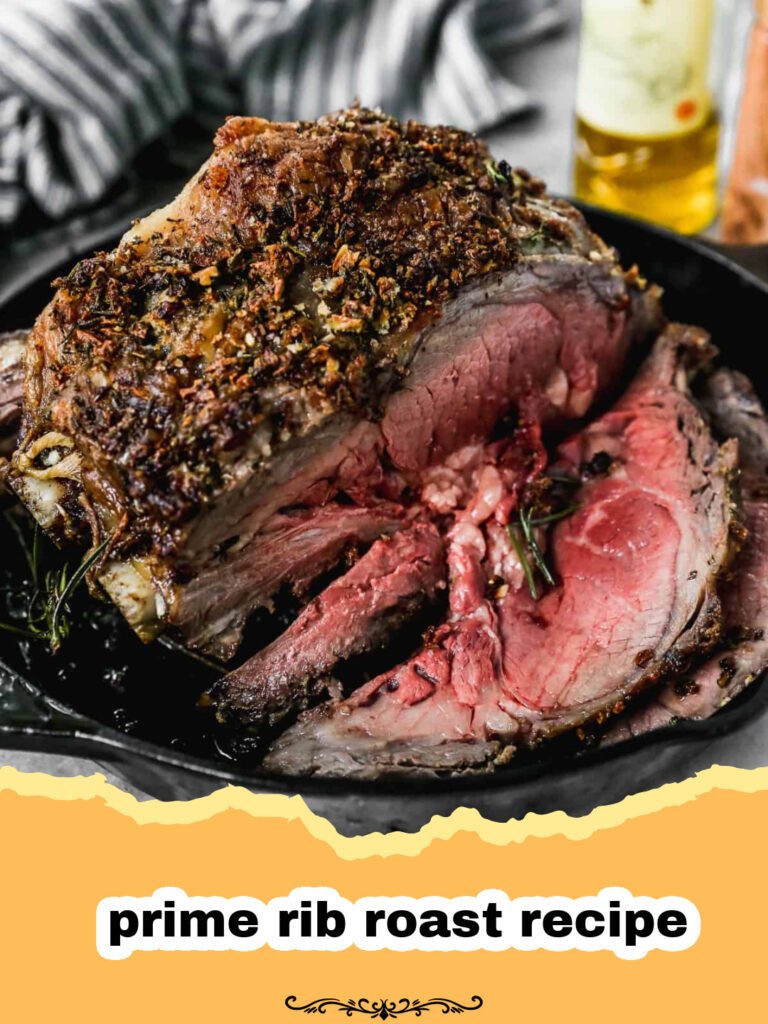
The Ultimate Prime Rib Roast
A show-stopping prime rib roast recipe featuring a perfect herb-garlic crust and a tender, juicy interior, achieved with the low-and-slow reverse sear method. Ideal for holidays and special occasions.
- Total Time: 3.5-5 hours
- Yield: 8–10 servings 1x
Ingredients
1 (6-8 pound) bone-in prime rib roast (3–4 ribs)
8–10 cloves garlic, minced
2 tablespoons fresh rosemary, chopped
2 tablespoons fresh thyme, chopped
2 tablespoons coarse sea salt
1 tablespoon freshly cracked black pepper
3 tablespoons olive oil
Instructions
Step 1: Remove the prime rib roast from the refrigerator at least 2-3 hours before cooking. Pat it completely dry with paper towels.
Step 2: In a small bowl, combine the minced garlic, chopped fresh rosemary, chopped fresh thyme, coarse sea salt, freshly cracked black pepper, and olive oil. Mix until a thick paste forms.
Step 3: Generously rub the herb-garlic paste all over the entire prime rib roast, ensuring all surfaces are coated.
Step 4: Preheat your oven to 250°F (120°C).
Step 5: Place the prime rib roast, fat-side up, on a roasting rack set inside a roasting pan. Insert a meat thermometer into the thickest part of the meat, avoiding the bone. Roast for 2.5 to 4 hours, or until the internal temperature reaches 125°F (52°C) for medium-rare.
Step 6: Once the desired internal temperature is reached, remove the roast from the oven. Tent it loosely with foil and let it rest on a cutting board for at least 30 minutes, or up to an hour. The temperature will continue to rise during this time.
Step 7: After resting, increase your oven temperature to 450°F (230°C). Remove the foil from the roast. Place the roast back into the hot oven for 10-15 minutes, or until a beautiful, golden-brown crust forms.
Step 8: Remove the prime rib roast from the oven and transfer it to a clean carving board. Carve against the grain into thick slices and serve immediately.
Notes
For the best results, use a reliable meat thermometer. Resting the roast is crucial for juiciness. Adjust cooking times based on your oven and desired doneness. Always carve against the grain.
- Prep Time: 30 minutes
- Cook Time: 3-4 hours (plus 30-60 min rest)
- Category: Main Dish
- Cuisine: American
Keywords: prime rib, roast beef, holiday roast, special occasion beef, standing rib roast, reverse sear, beef recipe, christmas dinner, sunday roast