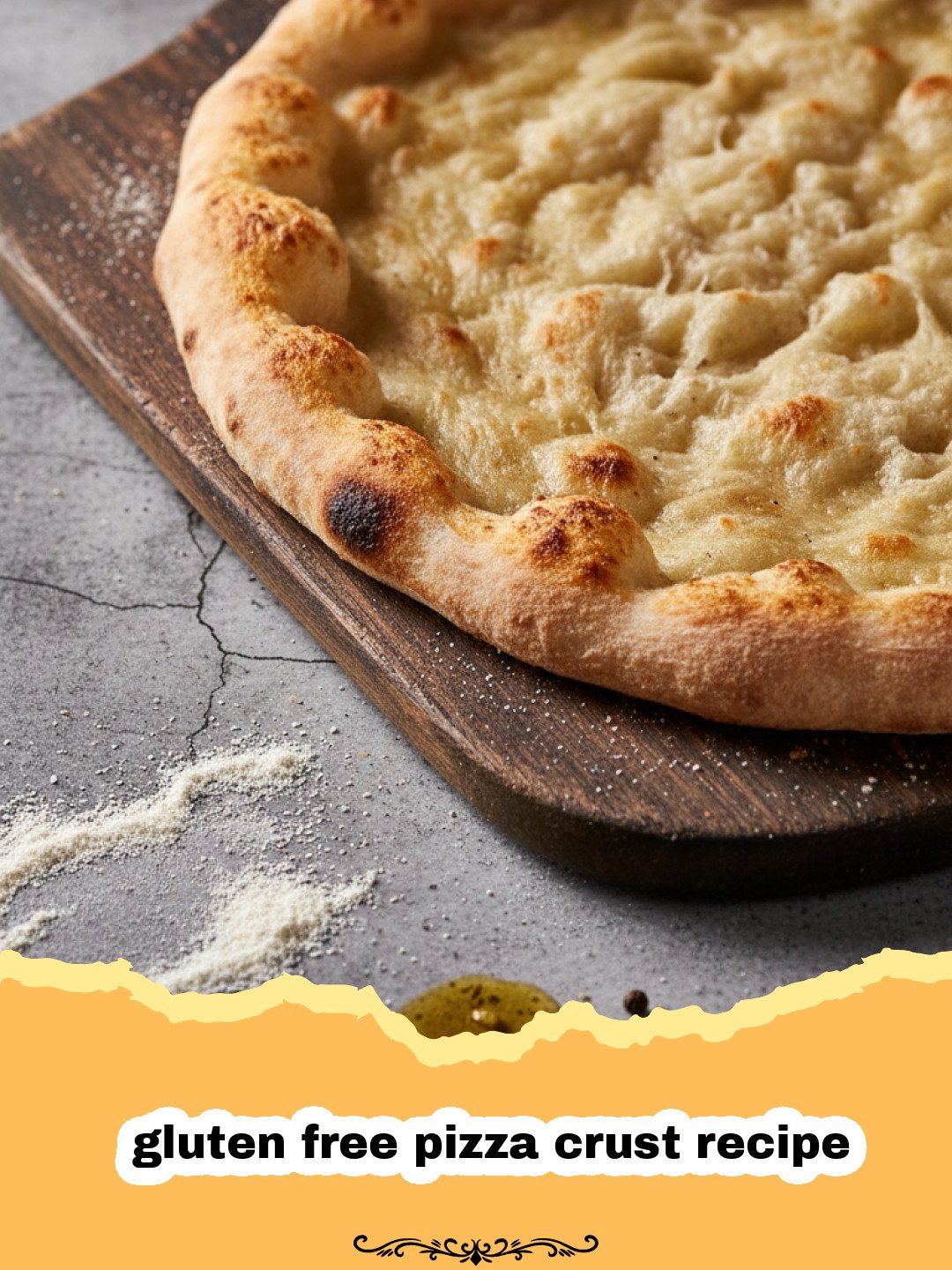
Oh, pizza! For years, it was my nemesis after discovering my gluten intolerance. The craving for a perfectly crispy, yet wonderfully chewy crust topped with bubbling cheese and fresh ingredients was a constant ache. I tried every store-bought option, only to be met with cardboard-like textures or dense, bready disappointments. My dreams of enjoying a real homemade pizza night seemed destined to remain just that – dreams. But I’m not one to give up easily, especially when it comes to food! I embarked on a culinary quest, experimenting with countless flour blends, yeast activation methods, and baking temperatures. There were many failures, doughs that crumbled, crusts that stayed raw in the middle, and pizzas that just didn’t taste right. My kitchen often looked like a gluten-free flour explosion zone! But through perseverance, and a little bit of mad-scientist determination, I finally cracked the code. The result? This phenomenal gluten free pizza crust recipe. It’s light, airy, has that satisfying chew, and holds up beautifully to all your favorite toppings. This isn’t just a recipe; it’s a redemption story for all pizza lovers navigating a gluten-free world. Trust me, your taste buds are about to thank you.
Why This Gluten-Free Pizza Crust Recipe is a Must-Try
For anyone who has struggled to find a decent gluten-free pizza, this recipe is a true revelation. It addresses all the common pitfalls of gluten-free baking and transforms the experience into pure joy. You’ll never go back to those lackluster frozen options once you’ve tasted the difference this homemade version makes. Here’s why this particular gluten free pizza crust recipe will quickly become a staple in your kitchen:
- Unbeatable Texture: This isn’t your average, crumbly gluten-free crust. Our carefully balanced blend of flours and binders creates a crust that is both delightfully crispy on the outside and wonderfully chewy on the inside, mirroring the texture of traditional wheat-based pizza dough. It holds up perfectly to a generous amount of toppings without becoming soggy or falling apart, ensuring every bite is a perfect balance of flavors and textures. This gluten free pizza crust recipe truly delivers on all fronts.
- Surprisingly Easy to Handle: Many gluten-free doughs are notoriously sticky, difficult to roll, and prone to tearing. We’ve cracked the code with this recipe, designing a dough that is much more pliable and cooperative. Even if you’re new to gluten-free baking or making pizza from scratch, you’ll find this gluten free pizza crust recipe surprisingly user-friendly. The inclusion of psyllium husk powder significantly improves its elasticity, making it a dream to shape and transfer.
- Incredibly Versatile: This isn’t just a one-trick pony. Whether your preference leans towards a super thin and crispy New York-style crust or a slightly thicker, chewier, more substantial base, this gluten free pizza crust recipe can be easily adapted. It serves as the perfect canvas for any culinary creation, from classic Margherita to gourmet white pizzas, BBQ chicken, or even sweet dessert pizzas. The possibilities are truly endless, making this a foundational gluten free pizza crust recipe for any home cook.
- A Healthier, Wholesome Option: By making your pizza at home with this gluten free pizza crust recipe, you gain complete control over the ingredients. You can opt for organic flours, reduce processed additives, and choose wholesome toppings, aligning your meal with your dietary preferences and health goals. It’s a delicious way to enjoy a favorite comfort food without the guilt or unknown ingredients often found in commercial products.
Key Ingredient Notes for Your Perfect Gluten-Free Pizza Crust Recipe
The success of any gluten free pizza crust recipe lies in understanding the unique properties of gluten-free ingredients. While the process may seem similar to traditional baking, the nuances are critical. Here are a few essential components that elevate this gluten free pizza crust recipe from good to outstanding:
Gluten-Free All-Purpose Flour Blend (with Xanthan Gum)
This ingredient is undeniably the star of our gluten free pizza crust recipe. Unlike single gluten-free flours (like rice or almond flour), a well-formulated blend provides a balanced texture and flavor profile. It’s crucial to choose a high-quality blend that already contains xanthan gum. Xanthan gum is a powerful hydrocolloid that acts as a binder, providing the elasticity and structure that gluten typically offers. Without it, your crust would be crumbly and fall apart. If your chosen blend does not contain xanthan gum (always check the ingredients list!), you’ll need to add about 1 teaspoon per cup of flour used in this gluten free pizza crust recipe. Brands such as Bob’s Red Mill 1-to-1 Baking Flour or King Arthur Measure for Measure Flour are specifically designed for easy substitution in recipes like this one and are highly recommended for consistent results. Remember that different blends can absorb liquid differently, so be prepared to make minor adjustments to the water content if your dough feels too wet or too dry.
Instant Yeast
Yeast is the magical leavening agent that gives our gluten free pizza crust recipe its light, airy texture and signature chew. Instant yeast is preferred for this recipe because it’s convenient – it doesn’t require a separate proofing step in warm water before being mixed with dry ingredients. However, ensuring your yeast is fresh and active is paramount. Old or improperly stored yeast will lead to a dense, flat crust. Always check the expiration date on the package, and store opened yeast in an airtight container in the refrigerator or freezer to prolong its potency. The warm water and a pinch of sugar in this gluten free pizza crust recipe provide the ideal environment for the yeast to activate and thrive, producing the carbon dioxide that makes the dough rise beautifully.
Psyllium Husk Powder
This is arguably the secret weapon that elevates this gluten free pizza crust recipe above many others. Psyllium husk powder, derived from the seeds of the Plantago ovata plant, is an incredible binder and elasticity enhancer in gluten-free baking. When mixed with liquid, it forms a gel-like substance that mimics the visco-elastic properties of gluten. This means your dough will be much more pliable, easier to handle, and less prone to cracking. It significantly contributes to the chewy texture we all crave in a pizza crust and helps prevent the dreaded crumbly outcome. Ensure you use psyllium husk powder, not whole psyllium husks or psyllium seed powder, as the absorption rates and texture contributions are different. Its inclusion transforms the workability and final texture of this gluten free pizza crust recipe.
Step-by-Step Guide with Pro Tips for Your Gluten-Free Pizza Crust Recipe
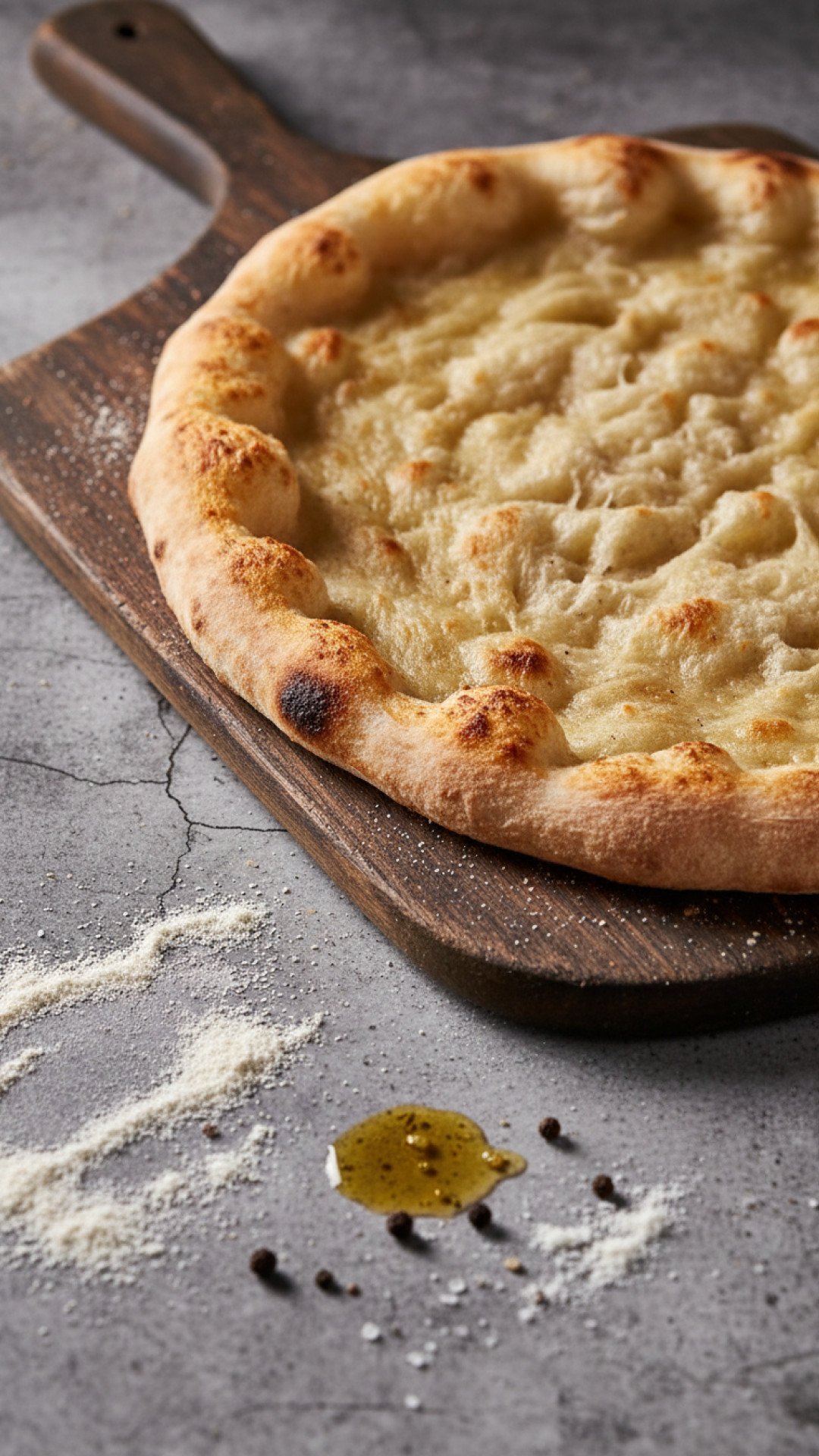
Making your own gluten free pizza crust recipe at home might seem daunting, especially if you’re used to the challenges of gluten-free baking. However, with this detailed, step-by-step guide and our expert pro tips, you’ll be creating pizzeria-quality crusts in no time. Precision and a little patience are your best allies when working with yeast-based gluten-free doughs. Let’s dive into mastering this incredible gluten free pizza crust recipe:
Preparation is Key
Before you even think about mixing, gather all your ingredients and measure them accurately. For gluten-free baking, using a kitchen scale for flour is highly recommended for consistency. Preheat your oven to a high temperature, ideally 450°F (230°C), with a pizza stone or baking steel inside if you have one. A blazing hot surface is absolutely crucial for achieving that desirable crispy bottom crust that prevents sogginess. This initial preparation makes the entire gluten free pizza crust recipe process smoother and sets you up for success.
Mixing the Dry Ingredients
In a large mixing bowl, thoroughly whisk together your gluten-free all-purpose flour blend, instant yeast, psyllium husk powder, granulated sugar, and salt. Proper incorporation of these dry ingredients is essential to ensure that the yeast is evenly distributed, allowing for a uniform rise, and that the salt and sugar enhance the flavor throughout every bite of your gluten free pizza crust recipe. A good whisking prevents pockets of unmixed ingredients, which can lead to inconsistencies in texture and taste.
Activating the Yeast and Forming the Dough
Once your dry ingredients are ready, it’s time for the liquids. Gradually add the warm water (ensure it’s between 105-115°F/40-46°C; too hot will kill the yeast, too cold won’t activate it) and olive oil to the dry mixture. Mix with a sturdy spoon or, even better, a stand mixer fitted with a paddle attachment on low speed. Continue mixing for about 2-3 minutes until a shaggy, cohesive dough forms. This gluten free pizza crust recipe dough will be softer and stickier than traditional wheat dough, but it should hold together. Avoid the temptation to add too much extra flour at this stage, as it can make the final crust dry. Knead gently for 5-7 minutes if doing by hand; this helps develop the psyllium husk’s binding properties.
First Rise: The Proof is in the Pudding (or Dough!)
Lightly grease a clean bowl with a little olive oil. Transfer the kneaded dough to the bowl, turning it once to coat the entire surface. This prevents it from sticking. Cover the bowl tightly with plastic wrap or a damp kitchen towel. Place it in a warm, draft-free spot (a slightly warmed oven that’s turned off, or near a sunny window works well) and let it rise for 45-60 minutes, or until the dough has visibly doubled in size. This crucial first rise is what gives your gluten free pizza crust recipe its light and airy internal structure.
Shaping the Crust
Once risen, gently punch down the dough to release the accumulated air. Transfer the dough onto a piece of parchment paper that has been generously dusted with gluten-free flour. Using your hands, a rolling pin, or a combination of both, carefully press or roll the dough into your desired pizza crust thickness and size. For a standard round pizza, aim for about a 12-14 inch circle. You can even create a slightly thicker edge for a ‘chewy crust’ effect, a hallmark of a truly great homemade gluten free pizza crust recipe. The parchment paper is indispensable here, as it not only prevents sticking but also makes transferring the delicate dough to the hot oven a breeze.
Par-baking for Perfection
This step is a game-changer for achieving an extra crispy bottom on your gluten free pizza crust recipe! Carefully transfer the shaped dough, still on its parchment paper, directly onto your preheated pizza stone or baking sheet in the hot oven. Bake for 5-8 minutes, or until the crust is just set, slightly puffed, and perhaps showing the lightest hint of golden color. This par-baking process helps to evaporate excess moisture and creates a sturdy foundation that will stand up to your toppings without becoming soggy. Remove the crust from the oven and carefully peel off and discard the parchment paper. If you’re not baking the entire pizza immediately, you can cool these par-baked crusts and store them for later. They fit perfectly into Basics Glass Food Storage containers for easy storage!
Topping and Final Bake
Now for the most exciting part! Spread your favorite pizza sauce evenly over the par-baked gluten free pizza crust, leaving a small border around the edges for that delicious crust. Generously layer on your chosen cheese (mozzarella, provolone, cheddar – whatever your heart desires!) and then add your favorite toppings. Get creative! Return the topped pizza directly onto the hot pizza stone or baking sheet in the oven. Bake for another 10-15 minutes, or until the cheese is beautifully melted and bubbly, and the crust edges are golden brown and perfectly crispy. Keep a close eye on it, as oven temperatures can vary.
Cooling and Serving
Once baked to perfection, carefully remove the pizza from the oven. Resist the urge to slice it immediately! Let your masterpiece cool on a wire rack for 3-5 minutes. This brief resting period allows the cheese to set slightly and the crust to firm up, preventing toppings from sliding off and ensuring cleaner slices. Then, slice, serve, and savor every glorious bite of your homemade gluten free pizza crust recipe!
Variations & Serving Suggestions for Your Gluten-Free Pizza Crust Recipe
Once you’ve mastered this fundamental gluten free pizza crust recipe, the culinary world is your oyster! This versatile base invites endless creativity. Here are some inspiring ideas to make every pizza night an adventure:
- Garlic Herb Crust: For an extra layer of flavor, before par-baking, brush the dough with a mixture of olive oil, minced garlic, dried oregano, basil, and a pinch of red pepper flakes. This simple addition elevates the taste of your gluten free pizza crust recipe significantly.
- Thick vs. Thin Crust: Customization is key! For a thicker, chewier crust, simply don’t roll the dough out as thinly – aim for about ½ inch thickness. For a super thin and extra crispy crust, roll it out as thin as you possibly can without tearing. Remember to adjust your baking times accordingly; thinner crusts will bake faster.
- Sweet Dessert Pizza: Who says pizza has to be savory? Use the par-baked crust as a base for a decadent dessert. Spread it with Nutella, a cream cheese frosting, or even a fruit preserve. Top with fresh berries, sliced bananas, a drizzle of chocolate or caramel sauce, and a sprinkle of powdered sugar for a delightful treat that begins with our versatile gluten free pizza crust recipe.
- Pizza Bites or Sticks: This is a fantastic option for appetizers or a party snack. Instead of forming one large pizza, cut the shaped dough into smaller squares, rectangles, or even fun shapes before par-baking. Top them with your favorite ingredients and bake. These individual portions are a fun and easy way to enjoy this gluten free pizza crust recipe.
- Pair with a Fresh Salad: Balance the richness of pizza with a light, vibrant side. A crisp green salad with a vinaigrette, a classic Caprese salad, or even a refreshing cucumber and tomato salad pairs wonderfully. And if you’re planning other meals, why not try preparing The Ultimate Classic Chicken Salad Recipe for a light and satisfying lunch, or for a heartier option on another day, explore The Ultimate Hearty Homemade Beef Stew Recipe?
- Creative Dipping Sauces: Elevate your pizza experience by offering a variety of dipping sauces for the crust edges. Classic marinara is always a hit, but consider homemade ranch, a zesty garlic aioli, or even a warm, herby olive oil dip to complement your gluten free pizza crust recipe.
Nutrition Information
Enjoying a delicious homemade pizza with this gluten free pizza crust recipe doesn’t mean sacrificing your health goals. Here’s a general overview of the nutritional values per serving of this delightful gluten-free pizza crust, without toppings (estimates are based on typical serving sizes and ingredients). Please note that exact values can vary based on specific brands of ingredients used.
| Nutrient | Amount (per serving) |
|---|---|
| Calories | 280 |
| Carbohydrates | 50g |
| Cholesterol | 0mg |
| Total Fat | 6g |
| Dietary Fiber | 5g |
| Protein | 4g |
| Saturated Fat | 1g |
| Serving Size | 1/8th of 14-inch crust |
| Sodium | 320mg |
| Sugars | 2g |
| Trans Fat | 0g |
| Unsaturated Fat | 5g |
Conclusion
Crafting your own gluten free pizza crust recipe at home is an incredibly rewarding experience, transforming what might have once felt like a dietary restriction into an exciting culinary adventure. This recipe is more than just a list of ingredients; it’s a guide to reclaiming pizza night, delivering a crust that is crispy, chewy, and holds up beautifully to all your favorite toppings. You’ll not only get to enjoy a pizza tailored exactly to your preferences but also gain the immense satisfaction of creating something truly delicious and wholesome from scratch. No more settling for bland, crumbly alternatives! This gluten free pizza crust recipe proves that going gluten-free doesn’t mean compromising on flavor, texture, or the sheer joy of a perfect slice. So, roll up your sleeves, gather your ingredients, and get ready to impress yourself and your loved ones. This gluten free pizza crust recipe is about to become your new go-to for memorable meals and happy bellies. Happy baking, and even happier eating!
FAQs
What makes this gluten free pizza crust recipe different from others?
This gluten free pizza crust recipe stands out due to its use of psyllium husk powder, which significantly improves the dough’s elasticity and overall texture, leading to a crispy, chewy crust that truly rivals traditional wheat-based pizza. Itu2019s also surprisingly easy to handle compared to many other gluten-free doughs, making it perfect for home bakers.
Can I make this gluten free pizza crust recipe ahead of time?
Yes, absolutely! You can prepare the dough up to the first rise (Step 4), then cover it tightly and refrigerate it for up to 24 hours. Let it come to room temperature for about 30 minutes before proceeding with shaping and baking. You can also par-bake the crust (Step 7), let it cool completely, then wrap it tightly and freeze for up to a month. Thaw at room temperature before adding toppings and finishing in the oven, making this gluten free pizza crust recipe very convenient for meal prep.
My gluten-free dough is too sticky/dry. What should I do?
Gluten-free flours vary in absorbency. If your dough is too sticky after mixing, add a tablespoon of gluten-free flour at a time until it’s workable and no longer adheres excessively to your hands. If it’s too dry and crumbly, add a teaspoon of warm water until it comes together and forms a soft, pliable ball. The ideal consistency for this gluten free pizza crust recipe is soft and manageable, not overly sticky or stiff.
Do I really need a pizza stone for this gluten free pizza crust recipe?
While a pizza stone or baking steel will give you the absolute crispiest bottom crust due to its ability to retain and transfer high heat, it’s not strictly necessary for this gluten free pizza crust recipe. A heavy-duty metal baking sheet, preheated in the oven along with it, will also yield excellent results. The key is to get your baking surface as hot as possible before the pizza goes on to mimic professional pizza ovens.
The Ultimate Crispy & Chewy Gluten-Free Pizza Crust
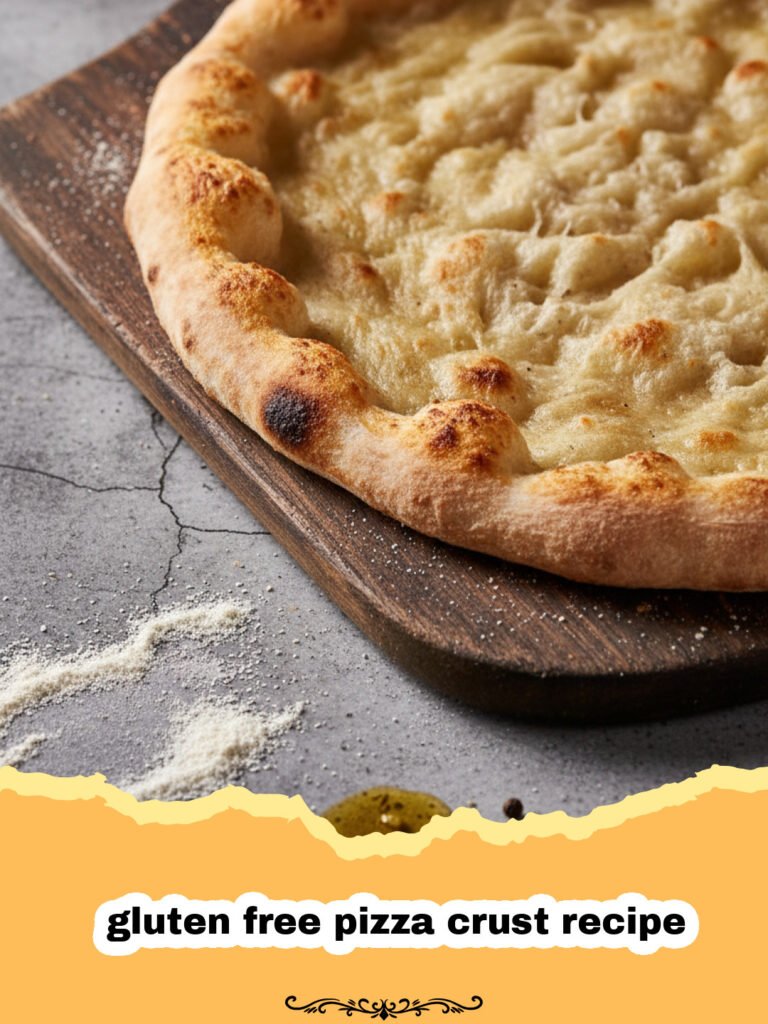
Unlock the secret to the perfect homemade gluten-free pizza night with this easy, crispy, and delightfully chewy crust recipe. Say goodbye to store-bought disappointments and hello to deliciousness!
- Total Time: 1 hour 45 minutes
- Yield: One 12–14 inch pizza crust 1x
Ingredients
1 cup warm water (105-115°F / 40-46°C)
1 teaspoon granulated sugar
2 ¼ teaspoons instant yeast (one standard packet)
2 cups gluten-free all-purpose flour blend (with xanthan gum)
1 tablespoon psyllium husk powder
1 teaspoon salt
2 tablespoons olive oil, plus more for greasing
Instructions
Step 1: In a large mixing bowl, combine the warm water and granulated sugar. Sprinkle the instant yeast over the water and let it sit for 5-10 minutes, until foamy. This confirms your yeast is active.
Step 2: Add the gluten-free all-purpose flour blend, psyllium husk powder, and salt to the yeast mixture. Add the 2 tablespoons of olive oil.
Step 3: Mix with a sturdy spoon or a stand mixer with a paddle attachment on low speed for 2-3 minutes until a shaggy dough forms and all ingredients are well combined. The dough will be softer and stickier than traditional wheat dough.
Step 4: Lightly grease a clean bowl with olive oil. Transfer the dough to the bowl, turning once to coat. Cover the bowl tightly with plastic wrap or a damp kitchen towel. Let it rise in a warm place for 45-60 minutes, or until it has visibly doubled in size.
Step 5: Preheat your oven to 450°F (230°C). If using a pizza stone or baking steel, place it in the oven during preheating. Line a pizza peel or a large baking sheet with parchment paper and lightly dust with extra gluten-free flour.
Step 6: Gently punch down the risen dough to release the air. Transfer the dough onto the floured parchment paper. Using floured hands or a floured rolling pin, gently press or roll the dough into a 12-14 inch circle, about ¼ inch thick. Create a slightly raised edge for the crust.
Step 7: Carefully transfer the parchment paper with the shaped crust onto the hot pizza stone or baking sheet. Par-bake for 5-8 minutes, or until the crust is slightly puffed and just starting to set. This prevents a soggy crust.
Step 8: Remove the crust from the oven. Carefully peel off and discard the parchment paper. Now, add your favorite pizza sauce, cheese, and toppings.
Step 9: Return the topped pizza directly onto the hot pizza stone or baking sheet. Bake for another 10-15 minutes, or until the cheese is melted and bubbly, and the crust is golden brown and crispy. Keep an eye on it to prevent burning.
Step 10: Carefully remove the pizza from the oven. Let it cool for a few minutes before slicing and serving. Enjoy your homemade gluten-free pizza!
Notes
For best results, use a kitchen scale to measure your gluten-free flour for accuracy. If you don’t have a pizza stone, a heavy-duty baking sheet preheated in the oven works well. Leftover par-baked crusts can be wrapped tightly and frozen for up to a month. Thaw at room temperature before topping and baking.
- Prep Time: 25 minutes
- Cook Time: 20 minutes
- Category: Baked Goods
- Cuisine: Italian-American
Nutrition
- Serving Size: 1/8th of 14-inch crust
- Calories: 280
- Sugar: 2g
- Sodium: 320mg
- Fat: 6g
- Saturated Fat: 1g
- Unsaturated Fat: 5g
- Trans Fat: 0g
- Carbohydrates: 50g
- Fiber: 5g
- Protein: 4g
- Cholesterol: 0mg
Keywords: gluten free pizza, pizza crust recipe, gluten free dough, homemade pizza, celiac pizza, easy gluten free pizza, crispy pizza crust, chewy pizza crust, psyllium husk pizza, gluten free baking