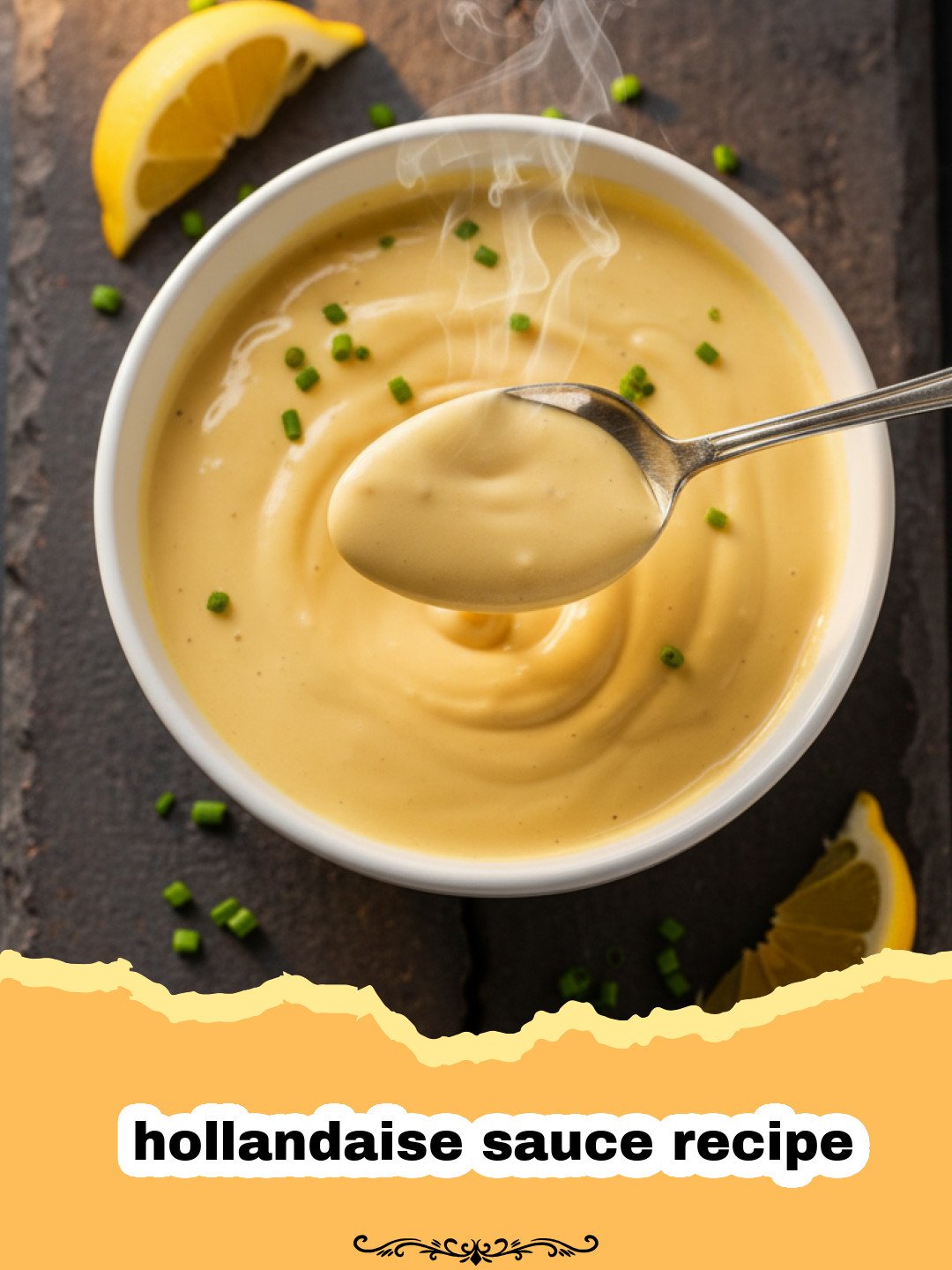
There are few culinary triumphs quite as satisfying as mastering a classic hollandaise sauce recipe. For years, the very idea of making hollandaise from scratch filled me with a special kind of dread. Visions of curdled eggs and separated butter danced in my head, leading me to believe it was a secret only reserved for professional chefs. But then came *that* Sunday morning. My partner surprised me with a gorgeous brunch spread, only to realize we had no hollandaise for our beloved Eggs Benedict. Seeing his disappointment, I decided, then and there, that I was going to conquer this seemingly elusive sauce. Armed with a whisk, a double boiler (or a makeshift one!), and a healthy dose of determination, I embarked on my hollandaise journey. What I discovered was pure magic: a rich, velvety, bright sauce that transformed our brunch from good to unforgettable. And the best part? It was far simpler than I ever imagined. Now, making this hollandaise sauce recipe is a cherished ritual, and I’m here to share all my secrets so you can achieve that same brunch bliss.
Why This Hollandaise Sauce Recipe is a Must-Try
Elevates Any Meal Instantly
This classic hollandaise sauce recipe isn’t just for Eggs Benedict; it’s a culinary game-changer! Its rich, tangy, and undeniably buttery flavor profile magically transforms everything from simple steamed asparagus and tender roasted vegetables to delicate grilled fish and perfectly pan-seared chicken breasts. It possesses an almost alchemical ability to make everyday meals feel incredibly gourmet, adding a touch of restaurant-quality luxury right in your own home. Get ready to elevate your culinary creations to new heights with this easy hollandaise sauce recipe.
Easier Than You Think
Forget the intimidation factor and the myths surrounding hollandaise! While it has a reputation for being notoriously tricky, I promise you, with a few key techniques, proper timing, and the right approach, this homemade hollandaise sauce recipe is incredibly achievable for any home cook. We’re going to break down every step, offering clear instructions and foolproof tips to ensure your success, even if it’s your very first attempt at this glorious sauce. You’ll wonder why you ever hesitated!
Fresh & Flavorful Beyond Compare
Let’s be honest: store-bought hollandaise simply doesn’t hold a candle to the vibrant, complex flavors of the homemade version. The bright, zesty taste of freshly squeezed lemon, the luxurious richness of real unsalted butter, and the silky, velvety texture of perfectly emulsified egg yolks create a flavor experience that is unparalleled. Once you taste the fresh, nuanced deliciousness of this homemade hollandaise sauce recipe, you’ll likely never consider a jarred alternative again. It’s truly a revelation!
Impress Your Guests with Minimal Effort
Imagine serving a stunning brunch spread or an elegant dinner and casually mentioning that you whipped up the hollandaise yourself. It’s a fantastic way to impress friends and family, making them believe you spent hours slaving away in the kitchen, when in reality, this hollandaise sauce recipe comes together in mere minutes. It’s your secret weapon for looking like a seasoned chef without the excessive fuss. Prepare for compliments!
Key Ingredient Notes for the Best Hollandaise Sauce Recipe
Achieving the perfect hollandaise sauce recipe starts with understanding its core components. Quality ingredients and proper preparation are half the battle won, ensuring a superior texture and taste.
Fresh Egg Yolks
These are undeniably the heart of your hollandaise, providing its signature creamy richness and vibrant yellow hue. Always use the freshest, largest eggs you can find, as their yolks tend to be firmer and more flavorful. The yolks serve a dual purpose: they provide much of the sauce’s body and, more importantly, act as the primary emulsifier, allowing the butter and lemon juice to come together in a stable, velvety emulsion. It’s absolutely crucial to ensure a clean separation of yolks from whites; even a tiny speck of white can interfere with the emulsification process and potentially lead to a broken sauce. While some chefs recommend room temperature yolks for easier emulsification, I’ve found that straight-from-the-fridge yolks work just fine as long as you maintain consistent, vigorous whisking over gentle heat. Aim for about one large egg yolk per two servings of hollandaise.
High-Quality Unsalted Butter
Butter is truly the soul of this hollandaise sauce recipe. I always, always opt for unsalted butter. This gives you complete control over the final seasoning, allowing you to add salt to taste without making the sauce overly salty. While many traditional recipes call for clarified butter (where the milk solids are separated and discarded), I often skip this step for simplicity in a home kitchen. Regular melted unsalted butter works wonderfully if handled correctly. The most important factor here is the butter’s temperature: it needs to be very hot and fully melted, but not boiling or browned, when you slowly stream it into the egg yolks. This warmth is essential for encouraging a smooth and stable emulsion.
Bright, Fresh Lemon Juice
The bright, zesty acidity of fresh lemon juice is not just for flavor; it’s crucial for balancing the intense richness of the butter and egg yolks. It acts as a counterpoint, cutting through the fat, preventing the sauce from feeling too heavy, and adding that signature tangy zing that makes hollandaise so irresistible. Always, and I mean always, use freshly squeezed lemon juice – the bottled concentrates simply won’t give you the same vibrant, clean flavor profile. Start with the recommended amount, then taste and adjust as you go to achieve your perfect balance of rich and bright in your hollandaise sauce recipe.
Step-by-Step Guide to Mastering this Hollandaise Sauce Recipe
Let’s demystify the process and get you whipping up a magnificent hollandaise sauce recipe with confidence. This section will guide you through each stage, offering insights and pro tips to ensure your success.
Gather Your Tools and Ingredients – The Importance of Mise en Place
Before you even think about cracking an egg, ensure you have every tool and ingredient ready and within arm’s reach. This ‘mise en place’ approach (everything in its place) is particularly crucial for a sauce like hollandaise, which demands quick, continuous action once you start. You’ll need:
- A sturdy, heatproof bowl (stainless steel or glass is best) that fits snugly over your saucepan without touching the water.
- A small saucepan for your double boiler setup.
- A whisk – a balloon whisk is ideal for incorporating air and ensuring thorough mixing.
- A liquid measuring cup with a spout for easily drizzling the melted butter.
- All your ingredients: separated egg yolks, melted butter (hot!), fresh lemon juice, salt, and cayenne pepper.
Creating the Perfect Double Boiler – Gentle Heat is Your Friend
Hollandaise relies on gentle, indirect heat to cook the egg yolks without scrambling them. This is why a double boiler is essential. Fill your saucepan with about 1-2 inches of water and bring it to a gentle simmer over medium heat. The water should be simmering, not boiling violently. Crucially, when you place your heatproof bowl on top of the saucepan, the bottom of the bowl should *not* touch the simmering water. The steam rising from the water is what provides the gentle, even heat needed. If the bowl touches the water, the direct heat could cook your yolks too quickly, leading to scrambled eggs, not a smooth hollandaise sauce recipe.
Building the Egg Yolk Base – The Sabayon Technique
In your heatproof bowl, combine the separated egg yolks, a tablespoon of cold water, and a pinch of fine sea salt. Immediately place the bowl over your simmering double boiler. Begin whisking vigorously and continuously. Do not stop whisking! Your arm might get a workout, but this consistent motion is vital. As you whisk, you’ll observe the yolks transforming: they will lighten in color, become visibly thicker, and develop a foamy, airy texture. When you lift the whisk, the mixture should fall back into the bowl in a thick ribbon that holds its shape for a moment. This process, often referred to as creating a “sabayon,” typically takes about 3-5 minutes, depending on the heat and your whisking speed. This step is fundamental not only for pasteurizing the eggs but also for creating a stable, aerated base that will readily emulsify with the butter for your flawless hollandaise sauce recipe.
Slowly Adding the Butter – The Art of Emulsification
This is arguably the most critical and delicate step in any hollandaise sauce recipe. Once your yolks are thick, pale, and ribbon-like, briefly remove the bowl from the heat for a moment. Begin slowly, painstakingly slowly, drizzling in the very hot melted butter, a few drops at a time, while continuously whisking with your other hand. Think of it like a delicate dance. The initial phase requires extreme patience – too much butter too quickly will overwhelm the yolks and cause the sauce to break or curdle. As the butter slowly incorporates, you’ll notice the sauce starting to thicken and become opaque. This is the emulsion beginning to form! Once you see this stable emulsion starting to take hold, you can gradually increase the butter stream to a thin, steady trickle. Continue whisking non-stop until all the butter is incorporated and the sauce is thick, glossy, and beautifully smooth. Maintain vigilance over the heat – if the bowl feels too hot to touch, lift it off the saucepan for a few seconds, still whisking, before returning it. Precision here will reward you with the silkiest hollandaise sauce recipe imaginable.
Seasoning and Finishing – Balancing the Flavors
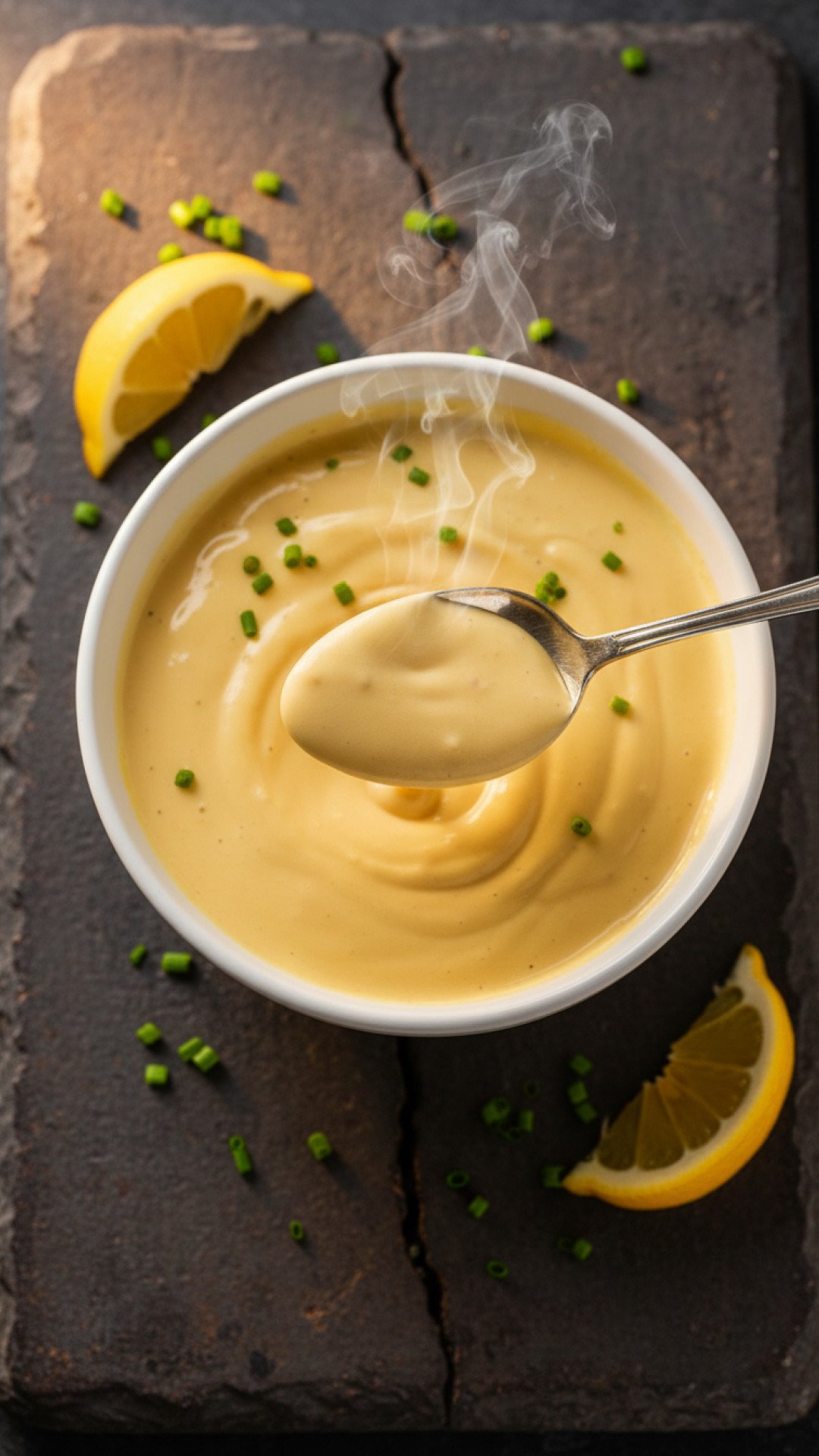
Once all the butter is smoothly incorporated and your hollandaise has reached that perfect thick, glossy consistency, remove the bowl from the heat completely. Whisk in the fresh lemon juice. This adds a crucial tang that cuts through the richness of the butter and eggs, providing balance and brightness. Next, add a pinch of cayenne pepper, if desired. Cayenne doesn’t necessarily make the sauce spicy but adds a subtle warmth and depth of flavor that many find essential for a classic hollandaise sauce recipe. Taste the sauce, and then adjust the seasoning with more salt or lemon juice as needed. The final product should be rich and buttery, yet wonderfully bright and tangy. Your homemade hollandaise is now ready to be served!
Pro Tips for Guaranteed Success:
- Temperature Control is Paramount: The most common cause of a broken hollandaise is too much heat. The eggs will curdle. If the sauce feels like it’s getting too hot and starting to cook too rapidly, immediately lift the bowl off the double boiler for a few seconds, but keep whisking! This allows the temperature to drop without stopping the emulsification process. Conversely, if the sauce gets too cold, the butter can seize.
- Whisk, Whisk, Whisk!: Your dominant arm will get a workout, but consistent, fast whisking is absolutely essential for creating a smooth emulsion and preventing the eggs from scrambling. Think of it as a rhythmic motion, ensuring every droplet of butter gets incorporated.
- Don’t Rush the Butter: This cannot be stressed enough. This is where most home cooks go wrong. Resist the urge to pour the butter too quickly. Think of it as a slow, steady meditation. Slow and steady wins the race for the silkiest, most stable hollandaise sauce recipe.
- Troubleshooting a Broken Sauce: Don’t Panic!: Even seasoned chefs can have a hollandaise break. Don’t throw it out! In a separate clean bowl, whisk an additional egg yolk with a teaspoon of cold water or lemon juice. Slowly, drop by drop, whisk the broken sauce into this new yolk. The fresh yolk acts as an emulsifier, often bringing the sauce back together beautifully. Alternatively, whisk a teaspoon of very hot water into the broken sauce until it comes back together.
- Keep it Warm (But Not Hot): If you’re not serving immediately, keep the hollandaise in its bowl over a very shallow bath of *barely* warm (not simmering) water, or in a thermos. Avoid direct heat.
Creative Variations & Serving Suggestions for Your Hollandaise Sauce Recipe
Once you’ve mastered the classic hollandaise sauce recipe, a world of culinary possibilities opens up. This incredibly versatile sauce can be easily adapted and paired with an amazing array of dishes, transforming simple ingredients into gourmet experiences.
Flavor Variations to Try:
- Béarnaise Sauce: This is arguably the most famous close cousin to hollandaise. To make it, instead of just lemon juice, you’ll create a reduction of white wine vinegar, minced shallots, fresh tarragon, and cracked black peppercorns. Strain this flavorful reduction and use it in place of (or in addition to) some of the lemon juice. Béarnaise has a distinctive anise-like flavor from the tarragon and is absolutely fantastic with grilled or pan-seared steak, lamb, or even chicken.
- Dill Hollandaise: For a bright, herbaceous twist, simply stir in 1-2 tablespoons of finely chopped fresh dill at the very end of the cooking process, just before serving. This variation is especially excellent with delicate flavors like pan-seared salmon, baked cod, or any other white fish. The fresh dill perfectly complements the richness of the butter.
- Spicy Hollandaise: If you enjoy a little heat, easily transform your classic into a spicy version. Increase the amount of cayenne pepper to 1/2 teaspoon or even more, to taste. For a different kind of kick, whisk in a dash of your favorite hot sauce, like Tabasco or a smoky chipotle hot sauce, at the end. This version pairs wonderfully with seafood tacos or even a spicy take on Eggs Benedict.
- Chive Hollandaise: This is a simple yet elegant variation and a truly classic pairing. Finely snip 1-2 tablespoons of fresh chives and fold them into the finished hollandaise. The mild oniony flavor of the chives adds a fresh dimension that is particularly good with eggs, asparagus, or new potatoes.
- Citrus Zest Twist: Beyond lemon juice, consider incorporating a tiny bit of finely grated orange or lime zest along with the lemon juice. This introduces a different aromatic profile and a subtle bitterness that can be surprisingly delightful, especially when serving with seafood or even roasted root vegetables.
Serving Suggestions Beyond Eggs Benedict:
- Eggs Benedict: Of course, no discussion of hollandaise is complete without mentioning the quintessential pairing! This hollandaise sauce recipe is undoubtedly the star of this beloved classic brunch dish. For the ultimate experience, don’t forget to pair it with a perfectly poached egg and a delicious Eggs Benedict recipe for an unforgettable start to your day.
- Asparagus: Simple yet incredibly elegant. Freshly steamed or lightly roasted asparagus spears drizzled generously with warm hollandaise sauce is a timeless combination. The sauce adds a luxurious touch to the vegetable’s subtle bitterness.
- Fish & Seafood: Delicate white fish like cod, halibut, or sole, as well as richer options like salmon, scallops, and shrimp, all benefit immensely from a generous spooning of this rich sauce. It adds moisture and a burst of flavor.
- Steak: While Béarnaise is often the go-to for steak, a classic hollandaise is also a fantastic, luxurious accompaniment to a perfectly seared steak or a tender prime rib.
- Vegetables: Don’t limit yourself! Try it over steamed broccoli, blanched green beans, boiled new potatoes, or even roasted cauliflower for a decadent and comforting side dish.
- Savory French Toast: For an unexpected and delightful savory-sweet combination, a little hollandaise can truly elevate a savory French toast or even a croque madame. Or, for a more traditional brunch with diverse offerings, ensure you also have a delicious French Toast recipe ready to round out your spread.
If you find yourself with any luscious leftovers of this amazing hollandaise sauce recipe (though it’s best enjoyed fresh!), remember that it can be stored. Transfer it immediately to an airtight container and refrigerate. While it can be gently reheated if done carefully (very low heat, whisking constantly), its texture will not be quite the same as freshly made. I often recommend using durable Basics Glass Food Storage containers for this, as they are non-reactive and excellent for temperature control and brief storage.
Nutrition Information for this Hollandaise Sauce Recipe
Here’s a general overview of the nutritional breakdown for one serving of this rich and satisfying hollandaise sauce recipe. Please remember these are estimates and can vary based on specific ingredient brands and preparation methods.
| Nutrient | Amount per Serving |
|---|---|
| Calories | 220 kcal |
| Carbohydrate Content | 1 g |
| Cholesterol Content | 210 mg |
| Fat Content | 24 g |
| Fiber Content | 0 g |
| Protein Content | 2 g |
| Saturated Fat Content | 14 g |
| Serving Size | 1/4 cup |
| Sodium Content | 180 mg |
| Sugar Content | 0 g |
| Trans Fat Content | 1 g |
| Unsaturated Fat Content | 9 g |
Enjoy Your Homemade Hollandaise!
And there you have it! The once-intimidating hollandaise sauce recipe is now firmly within your grasp. With a little patience and a lot of whisking, you’ve created a velvety, luxurious sauce that will elevate any meal it touches. Don’t be afraid to experiment with variations, and remember that practice makes perfect. The joy of creating something so delicious from scratch is truly rewarding. Go forth and enjoy your brunch, your dinner, or just a spoonful straight from the bowl – you’ve earned it!
FAQs
What is hollandaise sauce?
Hollandaise sauce is a classic French emulsion sauce made from egg yolks, melted butter, and lemon juice, seasoned with salt and sometimes cayenne pepper. It’s known for its rich, creamy, and tangy flavor and is famously served with Eggs Benedict.
Can I make hollandaise sauce ahead of time?
Hollandaise sauce is best served fresh, as its texture and stability degrade over time. While you can store it in an airtight container in the refrigerator for a day, reheating it without breaking the emulsion can be challenging. If reheating, do so very gently over a double boiler with constant whisking, potentially adding a teaspoon of hot water or lemon juice to help revive it.
How do I fix a broken hollandaise sauce?
Don’t despair if your hollandaise breaks! In a separate clean bowl, whisk an additional egg yolk with a teaspoon of cold water or lemon juice. Slowly, drop by drop, whisk the broken sauce into this new yolk. The fresh yolk acts as an emulsifier and often brings the sauce back together beautifully. Alternatively, whisk a teaspoon of very hot water into the broken sauce until it comes back together.
What dishes pair well with hollandaise sauce?
Hollandaise sauce is incredibly versatile! It famously pairs with Eggs Benedict, but also complements steamed or roasted asparagus, various types of fish (like salmon, cod, or halibut), seafood (shrimp, scallops), and even steak or roasted vegetables like broccoli and new potatoes.

Classic Hollandaise Sauce
A silky smooth, rich, and tangy classic hollandaise sauce recipe that elevates any dish. Perfect for eggs, asparagus, or fish, this emulsion is easier to make than you think!
- Total Time: 15 minutes
- Yield: 4 servings 1x
Ingredients
3 large egg yolks
1 tablespoon cold water
1/2 cup (1 stick) unsalted butter, melted and very hot
1 tablespoon fresh lemon juice, or more to taste
Pinch of salt
Pinch of cayenne pepper (optional)
Instructions
Step 1: Prepare your double boiler. Fill a small saucepan with 1-2 inches of water and bring it to a gentle simmer. Ensure your heatproof bowl (stainless steel or glass) fits snugly over the saucepan without touching the water.
Step 2: In the heatproof bowl, combine the egg yolks, 1 tablespoon of cold water, and a pinch of salt. Place the bowl over the simmering water.
Step 3: Whisk the egg yolk mixture vigorously and continuously. The yolks will lighten in color, thicken, and become foamy. Continue whisking until the mixture forms a thick ribbon when you lift the whisk, about 3-5 minutes. This pasteurizes the eggs and creates a stable base.
Step 4: Remove the bowl from the heat for a moment. Begin slowly drizzling the very hot melted butter into the egg yolk mixture, a few drops at a time, while continuously whisking with your other hand. This is crucial for emulsification.
Step 5: As the sauce begins to thicken and emulsify, you can gradually increase the butter stream to a thin, steady trickle, still whisking constantly. Continue until all the butter is incorporated and the sauce is thick, smooth, and glossy. If the bowl gets too hot, lift it off the heat briefly while continuing to whisk.
Step 6: Remove the bowl from the heat completely. Whisk in the fresh lemon juice and the pinch of cayenne pepper (if using). Taste the hollandaise and adjust seasoning with more salt or lemon juice as desired.
Step 7: Serve your homemade hollandaise sauce immediately. If not serving right away, keep it warm in its bowl over a very shallow bath of barely warm (not simmering) water, or in a preheated thermos for up to an hour. Avoid direct heat or prolonged holding.
Notes
Always use fresh ingredients. Temperature control is key; avoid overheating the yolks. Whisk vigorously and continuously for a smooth emulsion. If your sauce breaks, don’t panic! Whisk an extra egg yolk with a teaspoon of water in a separate bowl, then slowly incorporate the broken sauce into it. This often revives it.
- Prep Time: 10 minutes
- Cook Time: 5 minutes
- Category: How To
- Cuisine: French
Nutrition
- Serving Size: 1/4 cup
- Calories: 220 kcal
- Sugar: 0 g
- Sodium: 180 mg
- Fat: 24 g
- Saturated Fat: 14 g
- Unsaturated Fat: 9 g
- Trans Fat: 1 g
- Carbohydrates: 1 g
- Fiber: 0 g
- Protein: 2 g
- Cholesterol: 210 mg
Keywords: hollandaise sauce recipe, classic hollandaise, easy hollandaise, eggs benedict sauce, homemade hollandaise, butter sauce, french sauce, brunch recipe, sauce recipe