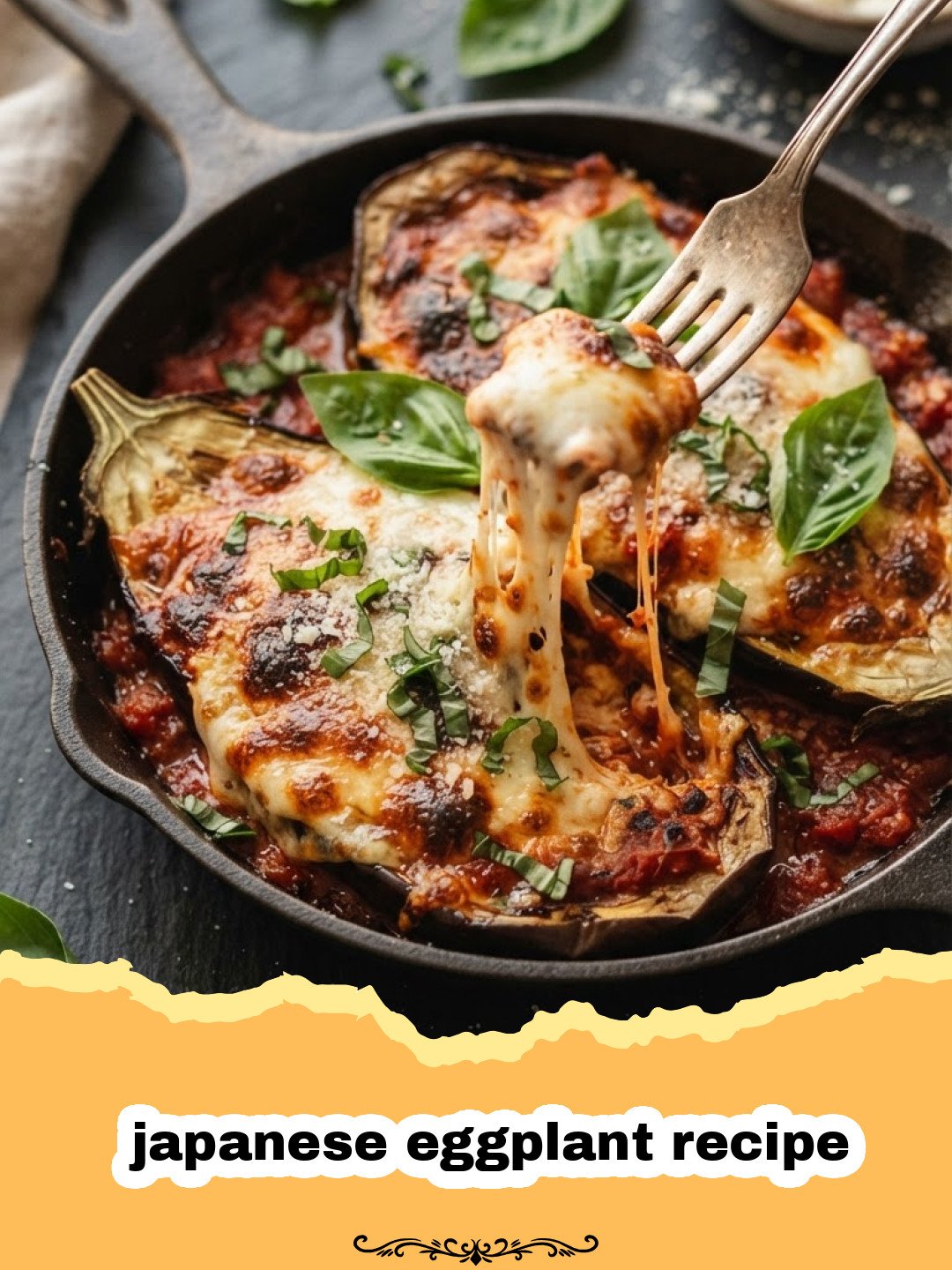
My first encounter with a proper japanese eggplant recipe wasn’t in a fancy restaurant, but in my tiny college apartment kitchen. I was trying to impress a friend, and armed with a cookbook and a lot of ambition, I decided to tackle a simple stir-fry. But then I saw these long, slender, beautiful eggplants at the farmer’s market, so different from the plump, round ones I was used to. The vendor called them “Japanese eggplant,” and something about their elegant appearance captivated me. I bought a few, completely unsure what to do with them. That night, after a little panicked online searching, I stumbled upon a simple miso-glazed japanese eggplant recipe. The aroma filling my small kitchen was intoxicating – a blend of sweet, savory, and umami. The first bite was transformative. The eggplant, cooked to tender perfection, melted in my mouth, coated in a sticky, rich glaze.
It wasn’t just food; it was an experience. It transported me to a place of culinary discovery, proving that sometimes, the most exquisite flavors come from the simplest ingredients, and that stepping outside your comfort zone in the kitchen can lead to delicious discoveries. From that day on, this japanese eggplant recipe became a staple, a go-to for quick weeknight meals, impressive potluck contributions, and even just a comforting dish when I needed a culinary hug. This simple yet profound japanese eggplant recipe changed my view on cooking vegetables forever, turning a sometimes-overlooked vegetable into a star. There are many ways to enjoy Japanese eggplant, but this particular method stands out for its incredible depth of flavor and ease. Let me share with you my ultimate japanese eggplant recipe.
Why This Japanese Eggplant Recipe is a Must-Try
- Incredibly Flavorful: The miso glaze creates an irresistible sweet, savory, and umami explosion that perfectly complements the eggplant’s subtle taste. This isn’t just any vegetable dish; it’s a taste sensation.
- Quick & Easy: This japanese eggplant recipe can be on your table in under 30 minutes, making it perfect for busy weeknights without sacrificing gourmet appeal.
- Healthy & Versatile: Naturally vegetarian and easily made vegan and gluten-free, it’s a healthy side dish or a light main course. It fits seamlessly into various dietary needs and preferences, making it a crowd-pleaser.
- Simple Ingredients: You won’t need a specialty store for this japanese eggplant recipe. Most ingredients are pantry staples, ensuring you can whip this up anytime.
- Texture Perfection: Japanese eggplants cook down to a silky, tender consistency that soaks up the rich glaze beautifully, creating a melt-in-your-mouth experience.
Key Ingredient Notes for Your Japanese Eggplant Recipe
The success of this japanese eggplant recipe hinges on a few star ingredients. Understanding them will elevate your dish from good to unforgettable.
Japanese Eggplant vs. Globe Eggplant
Japanese eggplants are the unsung heroes of this recipe. Unlike their larger, rounder globe counterparts, Japanese eggplants are long, slender, and have a thinner skin with fewer seeds. This means:
- Less Bitterness: They are naturally less bitter, so traditional salting (to draw out bitterness) isn’t always necessary, saving you time.
- Faster Cooking: Their smaller size and thinner flesh allow them to cook much more quickly and evenly, achieving that desirable tender, creamy texture.
- Absorb Flavor Better: Their delicate structure is perfect for soaking up the rich miso glaze, ensuring every bite of this japanese eggplant recipe is bursting with flavor.
While you can use globe eggplant in a pinch, you might need to peel it and salt it first, and the cooking time will be longer, altering the final texture and overall experience of this amazing japanese eggplant recipe.
Miso Paste: The Umami Powerhouse
Miso is a fermented soybean paste, a cornerstone of Japanese cuisine, and the secret weapon in this japanese eggplant recipe. There are several types of miso:
- Shiro Miso (White Miso): This is what I recommend for this recipe. It’s fermented for a shorter period, resulting in a milder, sweeter, and lighter flavor profile. Its delicate sweetness perfectly balances the savory notes of the dish.
- Awase Miso (Mixed Miso): A blend of white and red miso, offering a balanced flavor.
- Aka Miso (Red Miso): Fermented longer, it has a stronger, saltier, and more robust flavor. While delicious, it might overpower the delicate eggplant in this particular preparation unless used sparingly.
Always opt for good quality miso, as it truly makes a difference in the depth and authenticity of this japanese eggplant recipe.
Mirin: Sweet Rice Wine
Mirin is a sweet Japanese rice wine, similar to sake but with a lower alcohol content and higher sugar content. It’s essential for achieving that characteristic glossy, slightly sweet, and tangy glaze in our japanese eggplant recipe. It adds a subtle sweetness and a beautiful sheen. If you don’t have mirin, you can substitute it with a dash of sake or dry white wine mixed with a pinch of sugar, or even a small amount of honey diluted in water, though the flavor profile will be slightly different.

Step-by-Step Guide with Pro Tips for Your Japanese Eggplant Recipe
Ready to create magic? Follow these steps for the best miso-glazed Japanese eggplant!
Ingredients:
- 2-3 medium Japanese eggplants (about 1 lb)
- 2 tbsp white miso paste (shiro miso)
- 1 tbsp mirin
- 1 tbsp soy sauce (or tamari for gluten-free)
- 1 tsp granulated sugar
- 1 tbsp sesame oil, plus more for cooking
- Sesame seeds, for garnish
- Chopped green onions, for garnish
Instructions:
Step 1: Prepare the Japanese Eggplant. Wash and trim the ends of the Japanese eggplants. Slice them into 1/2-inch thick rounds or on the diagonal into 1-inch thick pieces. If you prefer, you can also halve them lengthwise and score the flesh in a crosshatch pattern. Arrange the sliced eggplant on a few layers of paper towels to absorb any excess moisture while you prepare the glaze. You generally don’t need to salt Japanese eggplant, but a quick pat dry ensures a better sear. This is a crucial first step for our perfect japanese eggplant recipe.
Step 2: Whisk Together the Miso Glaze. In a small bowl, combine the white miso paste, mirin, soy sauce, granulated sugar, and 1 tablespoon of sesame oil. Whisk until completely smooth and the sugar has dissolved. Taste the glaze – it should be a balance of sweet, salty, and umami. Adjust any component to your preference; a little more sugar for sweetness, a touch more soy for saltiness. This homemade glaze is what makes this japanese eggplant recipe so special.
Step 3: Cook the Eggplant. Heat about 1-2 tablespoons of sesame oil in a large non-stick pan or cast-iron skillet over medium-high heat. Once hot, add the eggplant slices in a single layer, making sure not to overcrowd the pan. You may need to work in batches. Cook for 3-4 minutes per side, or until the eggplant is tender and beautifully browned. The eggplant will absorb the oil, so add a little more if needed between batches. For optimal results in this japanese eggplant recipe, ensure each piece gets nice contact with the hot pan.
Step 4: Glaze the Eggplant. Once all the eggplant slices are cooked and tender, return them all to the pan. Reduce the heat to low. Pour the prepared miso glaze evenly over the eggplant. Gently toss or spoon the glaze over each piece, ensuring they are well coated. Continue to cook for another 1-2 minutes, allowing the glaze to thicken slightly and adhere to the eggplant. Be careful not to let the glaze burn; keep the heat low and stir gently. This glazing step truly defines our japanese eggplant recipe.
Step 5: Serve and Garnish. Transfer the glazed Japanese eggplant to a serving platter. Sprinkle generously with toasted sesame seeds and fresh chopped green onions for a burst of color and freshness. Serve immediately as a side dish or a light main. Any leftovers can be stored in airtight glass food storage containers in the refrigerator for up to 3 days, making this an excellent make-ahead component for your meals. Enjoy your delicious japanese eggplant recipe!
Variations & Serving Suggestions for Your Japanese Eggplant Recipe
This miso-glazed Japanese eggplant recipe is fantastic as is, but it’s also incredibly versatile. Feel free to get creative!
Flavor Variations:
- Spicy Kick: Add a pinch of red pepper flakes to the miso glaze for a subtle heat, or a drizzle of sriracha for a bolder, fiery twist to your japanese eggplant recipe.
- Garlic & Ginger Infusion: Before adding the eggplant to the pan, sauté 1-2 cloves of minced garlic and 1 teaspoon of grated fresh ginger for about 30 seconds until fragrant. Then proceed with cooking the eggplant. This adds an extra layer of aromatic depth to your japanese eggplant recipe.
- Nutty Twist: A dash of peanut butter or tahini in the glaze can add a creamy, nutty richness.
- Citrus Brightness: A squeeze of lime or lemon juice over the finished dish can cut through the richness of the glaze and add a refreshing zing.
Serving Suggestions:
- Over Rice: Serve the miso-glazed Japanese eggplant over a bed of fluffy steamed white or brown rice for a complete and satisfying meal. The rice will soak up all the delicious extra glaze.
- With Protein: Pair it with grilled salmon, pan-seared tofu, or roasted chicken for a well-rounded dinner. The umami notes in this japanese eggplant recipe complement many proteins beautifully.
- As a Side Dish: It’s a perfect accompaniment to a variety of Asian-inspired meals, or even alongside a simple grilled steak or fish.
- In a Bento Box: This cold Japanese eggplant also makes a fantastic addition to a packed lunch or bento box, retaining its delicious flavor and texture.
- With Other Vegetables: Roast or stir-fry other vegetables like bell peppers, zucchini, or snap peas alongside the eggplant for a colorful and nutrient-packed medley.
- Complete Meal Idea: For a lighter but equally satisfying meal, serve this japanese eggplant recipe alongside a fresh salad, or even a hearty Mediterranean Tuna Pasta Salad.
- Sweet Endings: After enjoying this savory dish, consider a sweet treat like our Ultimate Spiced Zucchini Bread for a delightful contrast.
Nutrition Information
Here’s an estimated nutritional breakdown for one serving of this delicious Japanese eggplant recipe:
| Nutrient | Amount per Serving |
|---|---|
| Calories | 230 kcal |
| Carbohydrate Content | 35 g |
| Cholesterol Content | 0 mg |
| Fat Content | 10 g |
| Fiber Content | 5 g |
| Protein Content | 5 g |
| Saturated Fat Content | 1.5 g |
| Serving Size | 150g |
| Sodium Content | 700 mg |
| Sugar Content | 18 g |
| Trans Fat Content | 0 g |
| Unsaturated Fat Content | 8.5 g |
*Note: Nutritional values are estimates and may vary based on specific ingredient brands and preparation methods.
Conclusion
This miso-glazed Japanese eggplant recipe is a testament to the power of simple ingredients creating extraordinary flavor. It’s a dish that brings comfort, satisfaction, and a touch of elegance to any meal, all while being incredibly easy to prepare. Whether you’re a seasoned chef or a kitchen novice, this japanese eggplant recipe is forgiving, delicious, and guaranteed to become a new favorite. So next time you see those beautiful, slender Japanese eggplants at the market, don’t hesitate. Grab them, whip up this recipe, and prepare to be amazed by the depth of flavor you can achieve in under 30 minutes. Happy cooking, and may your culinary adventures be as delightful as this unforgettable japanese eggplant recipe!
FAQs
What is Japanese eggplant and how is it different from regular eggplant?
Japanese eggplants are long, slender, and have a thinner skin with fewer seeds compared to globe (American) eggplants. They are naturally less bitter and cook faster, achieving a tender, creamy texture without the need for extensive salting, making them ideal for dishes like this Japanese eggplant recipe.
Can I make this Japanese eggplant recipe vegan and gluten-free?
Yes, this Japanese eggplant recipe is inherently vegan! To make it gluten-free, simply ensure you use tamari instead of regular soy sauce, as tamari is a gluten-free alternative that offers a similar savory flavor profile.
How long can I store leftover miso-glazed Japanese eggplant?
Leftover miso-glazed Japanese eggplant can be stored in an airtight container in the refrigerator for up to 3 days. It can be enjoyed cold or gently reheated in a microwave or a pan over low heat.
Do I need to salt Japanese eggplant before cooking?
Unlike globe eggplants, Japanese eggplants are naturally less bitter and have a delicate texture, so salting is generally not necessary for this Japanese eggplant recipe. A quick pat with paper towels to remove excess moisture is usually sufficient to help them brown beautifully.
Miso-Glazed Japanese Eggplant
A quick and easy recipe for tender Japanese eggplant coated in a sweet and savory miso glaze, perfect as a side dish or light main. This simple Japanese eggplant recipe offers a rich umami flavor with minimal effort.
- Total Time: 30 minutes
- Yield: 4 servings 1x
Ingredients
2–3 medium Japanese eggplants (about 1 lb)
2 tbsp white miso paste (shiro miso)
1 tbsp mirin
1 tbsp soy sauce (or tamari for gluten-free)
1 tsp granulated sugar
1 tbsp sesame oil, plus more for cooking
Sesame seeds, for garnish
Chopped green onions, for garnish
Instructions
Step 1: Prepare the Japanese Eggplant. Wash and trim the ends of the Japanese eggplants. Slice them into 1/2-inch thick rounds or on the diagonal into 1-inch thick pieces. If you prefer, you can also halve them lengthwise and score the flesh in a crosshatch pattern. Arrange the sliced eggplant on a few layers of paper towels to absorb any excess moisture while you prepare the glaze. You generally don’t need to salt Japanese eggplant, but a quick pat dry ensures a better sear.
Step 2: Whisk Together the Miso Glaze. In a small bowl, combine the white miso paste, mirin, soy sauce, granulated sugar, and 1 tablespoon of sesame oil. Whisk until completely smooth and the sugar has dissolved. Taste the glaze – it should be a balance of sweet, salty, and umami. Adjust any component to your preference.
Step 3: Cook the Eggplant. Heat about 1-2 tablespoons of sesame oil in a large non-stick pan or cast-iron skillet over medium-high heat. Once hot, add the eggplant slices in a single layer, making sure not to overcrowd the pan. You may need to work in batches. Cook for 3-4 minutes per side, or until the eggplant is tender and beautifully browned. The eggplant will absorb the oil, so add a little more if needed between batches.
Step 4: Glaze the Eggplant. Once all the eggplant slices are cooked and tender, return them all to the pan. Reduce the heat to low. Pour the prepared miso glaze evenly over the eggplant. Gently toss or spoon the glaze over each piece, ensuring they are well coated. Continue to cook for another 1-2 minutes, allowing the glaze to thicken slightly and adhere to the eggplant. Be careful not to let the glaze burn; keep the heat low and stir gently.
Step 5: Serve and Garnish. Transfer the glazed Japanese eggplant to a serving platter. Sprinkle generously with toasted sesame seeds and fresh chopped green onions for a burst of color and freshness. Serve immediately as a side dish or a light main.
Notes
For best results, use fresh Japanese eggplants. If you prefer a spicier kick, add a pinch of red pepper flakes to the miso glaze. Leftovers store well in the refrigerator for up to 3 days.
- Prep Time: 15 minutes
- Cook Time: 15 minutes
- Category: Main Dishes
- Cuisine: Japanese
Nutrition
- Serving Size: 150g
- Calories: 230 kcal
- Sugar: 18 g
- Sodium: 700 mg
- Fat: 10 g
- Saturated Fat: 1.5 g
- Unsaturated Fat: 8.5 g
- Trans Fat: 0 g
- Carbohydrates: 35 g
- Fiber: 5 g
- Protein: 5 g
- Cholesterol: 0 mg
Keywords: japanese eggplant recipe, miso eggplant, glazed eggplant, vegan eggplant recipe, vegetarian japanese food, easy eggplant, asian eggplant, miso glaze, quick dinner, healthy side dish