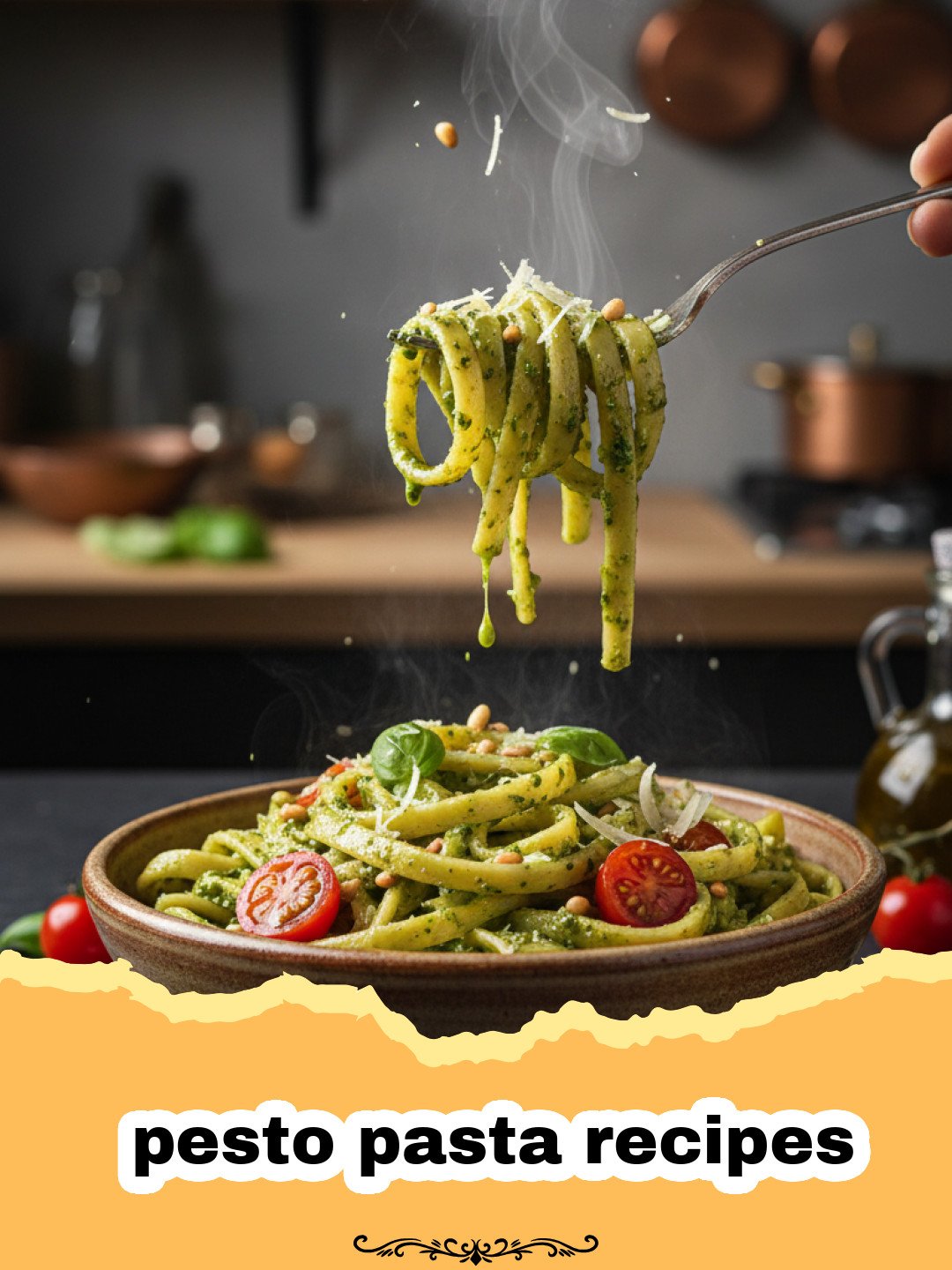
When it comes to quick, vibrant, and delicious weeknight meals, pesto pasta recipes have always held a special place in my heart. I still remember the first time I tasted a truly authentic pesto; I was sitting in a small, sun-drenched piazza in Liguria, Italy. The aroma of fresh basil, sharp garlic, and rich olive oil wafted through the air, instantly transporting me to a place of pure culinary bliss. Ever since that trip, I have been on a mission to perfect my own version of this classic dish, experimenting with different nuts, cheeses, and techniques. There is something profoundly satisfying about turning a handful of fresh ingredients into a lush, green sauce that clings perfectly to every strand of pasta. Whether you are a seasoned home cook or a beginner looking for a reliable dinner staple, exploring various pesto pasta recipes will undoubtedly elevate your kitchen repertoire. My family now requests this specific meal at least once a week, and I love how it brings the taste of summer to our table regardless of the season. In this post, I will share my favorite tips and tricks for creating a pesto that is bright, creamy, and bursting with flavor.
Why This Recipe is a Must-Try
- Incredible Freshness: Unlike store-bought jars, making your own pesto pasta recipes at home ensures a vibrant flavor profile that only fresh herbs can provide.
- Quick and Easy: This meal comes together in less than 20 minutes, making it the perfect solution for busy weeknights when you want a gourmet feel without the effort.
- Highly Versatile: You can easily adapt this base to include different greens or proteins, which is why pesto pasta recipes are so popular globally.
- Nutrient Dense: Packed with healthy fats from olive oil and nuts, plus the antioxidants in basil, it is a healthy choice for the whole family.
Key Ingredient Notes
When you are diving into pesto pasta recipes, the quality of your ingredients makes all the difference. First and foremost, let’s talk about the basil. Use only the freshest leaves you can find; if they are starting to wilt or brown, the sauce will lose its signature bright green hue. Secondly, the olive oil should be a high-quality extra virgin variety. Since it isn’t being cooked at a high heat in the sauce, you will really taste its fruity and peppery notes. Finally, the cheese. While many pesto pasta recipes call for just Parmesan, I find that a mix of Parmigiano-Reggiano and Pecorino Romano adds a wonderful depth and tanginess. If you are looking for other ways to use fresh ingredients, you might also enjoy The Ultimate Zesty Mediterranean Cold Pasta Salad, which highlights similar Mediterranean flavors.
Step-by-Step Guide with Pro Tips
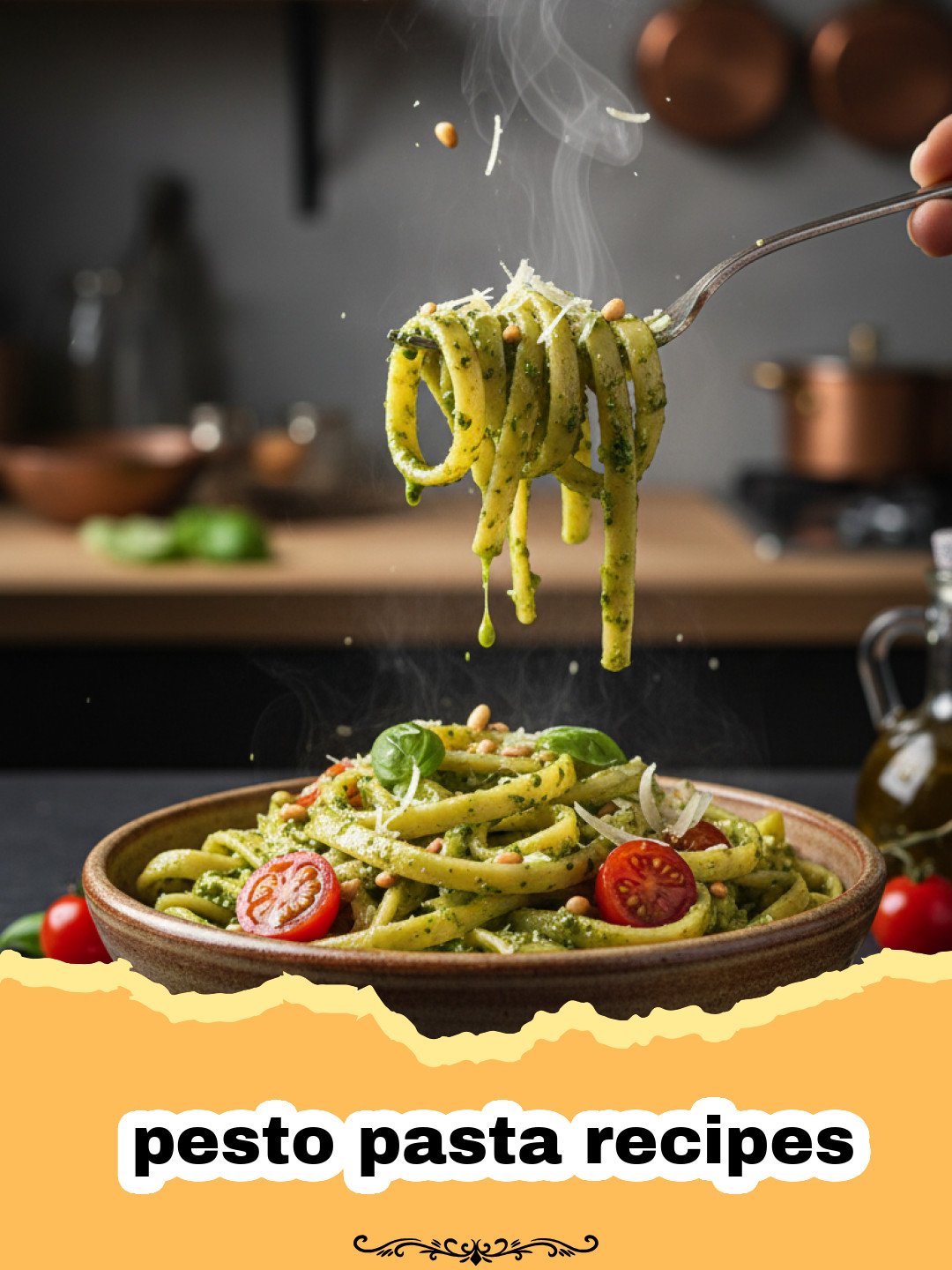
Creating the perfect sauce for your pesto pasta recipes starts with the preparation. A common mistake is over-processing the basil, which can lead to a bitter taste. Instead, try pulsing your food processor rather than letting it run continuously. This maintains a slightly rustic texture that is traditional and delicious.
The Pasta Preparation
Choose a pasta shape that has plenty of nooks and crannies. Fusilli, trofie, or even a simple linguine work wonders for pesto pasta recipes. Always remember to salt your pasta water generously—it should taste like the sea. This is your only chance to season the pasta itself. Before draining, reserve about a cup of the starchy pasta water. This liquid gold is the secret to getting a silky, emulsified sauce that doesn’t just slide off the noodles.
Assembling the Dish
Once your pasta is al dente, combine it with the fresh pesto in a large bowl. Never cook the pesto over direct heat! The high heat will dull the flavor of the basil and cause the cheese to clump. Instead, use the residual heat of the pasta and a splash of that reserved water to create a creamy consistency. If you find yourself making a large batch to have on hand for other pesto pasta recipes later in the week, I highly recommend using Basics Glass Food Storage to keep it fresh in the refrigerator.
Variations & Serving Suggestions
One of the best things about mastering pesto pasta recipes is the ability to customize. For a protein boost, you can add grilled shrimp, sliced chicken breast, or even chickpeas for a vegetarian option. If you like a bit of a tropical twist on your proteins, consider serving this alongside The Best Hawaiian Chicken Recipe: A Taste of Paradise at Home for a unique fusion dinner. You can also swap the pine nuts for toasted walnuts or pistachios if you want a different flavor profile or are looking to save a bit on grocery costs. To make your pesto pasta recipes even more hearty, toss in some roasted cherry tomatoes or sautéed spinach at the very end.
Nutrition Information
Understanding the nutritional value of your meals is important. Below is a breakdown of the estimated nutrition for a single serving of our favorite pesto pasta recipes.
| Nutrient | Amount per Serving |
|---|---|
| Calories | 480 kcal |
| Carbohydrates | 52g |
| Protein | 14g |
| Total Fat | 28g |
| Saturated Fat | 6g |
| Fiber | 4g |
| Sugar | 2g |
| Sodium | 350mg |
| Cholesterol | 15mg |
As you can see, pesto pasta recipes provide a balanced mix of carbohydrates for energy, healthy fats for satiety, and a decent amount of protein. It is a wholesome meal that leaves you feeling satisfied without being overly heavy.
Conclusion
I hope this deep dive into the world of pesto pasta recipes inspires you to get into the kitchen and whip up a batch of fresh sauce today. There is truly no comparison to the homemade version, and once you try it, you may never go back to the jarred stuff again. Pesto pasta recipes are a testament to the beauty of simple ingredients coming together to create something extraordinary. Happy cooking, and may your kitchen always be filled with the wonderful scent of fresh basil and garlic!
FAQs
Why did my pesto pasta turn brown?
Pesto pasta recipes often turn brown due to oxidation of the basil or exposure to high heat. To prevent this, avoid cooking the sauce; instead, toss it with the hot pasta off the heat and use a splash of pasta water.
Can I substitute pine nuts in pesto pasta recipes?
Yes! While pine nuts are traditional, you can use toasted walnuts, almonds, pistachios, or even sunflower seeds for a nut-free version.
What is the best pasta shape for pesto?
Shapes with texture like fusilli, gemelli, or trofie are excellent for pesto pasta recipes because they hold onto the sauce. Long strands like linguine or spaghetti also work very well.
Can I freeze homemade pesto?
Absolutely. Pesto freezes very well. Pour it into ice cube trays and freeze, then transfer the cubes to a freezer bag. This is a great way to have pesto pasta recipes ready in minutes.
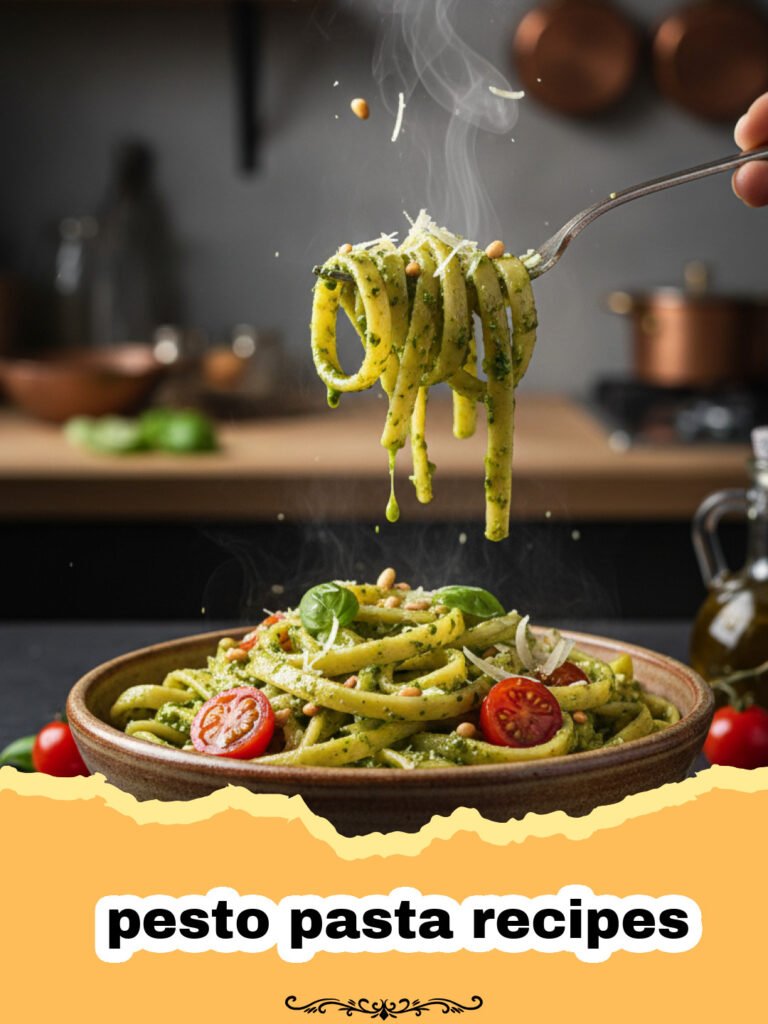
Traditional Basil Pesto Pasta
A classic, vibrant, and creamy pesto pasta recipe made with fresh basil, toasted pine nuts, and high-quality olive oil. One of the most beloved pesto pasta recipes for a quick dinner.
- Total Time: 20 minutes
- Yield: 4 servings 1x
Ingredients
12 oz (340g) dried pasta (Linguine or Fusilli)
2 cups fresh basil leaves, packed
1/2 cup extra virgin olive oil
1/3 cup pine nuts, lightly toasted
2 cloves garlic, peeled
1/2 cup grated Parmigiano-Reggiano cheese
1/4 cup grated Pecorino Romano cheese
1/2 tsp salt (plus more for pasta water)
1/4 tsp black pepper
Instructions
Step 1: Bring a large pot of salted water to a boil. Add the pasta and cook according to package instructions until al dente.
Step 2: While the pasta is cooking, place the toasted pine nuts, garlic cloves, and salt in a food processor. Pulse until finely minced.
Step 3: Add the fresh basil leaves to the food processor. Pulse several times until the basil is coarsely chopped.
Step 4: With the motor running on low, slowly drizzle in the extra virgin olive oil in a steady stream until the mixture is smooth and emulsified.
Step 5: Transfer the mixture to a large mixing bowl and stir in the grated Parmigiano-Reggiano and Pecorino Romano cheeses by hand. Season with black pepper.
Step 6: Before draining the pasta, reserve 1 cup of the starchy pasta water. Drain the pasta well.
Step 7: Add the hot pasta to the bowl with the pesto. Toss vigorously, adding the reserved pasta water a tablespoon at a time until the sauce reaches your desired creamy consistency.
Step 8: Serve immediately with an extra sprinkle of cheese and a few fresh basil leaves for garnish.
Notes
Do not heat the pesto sauce directly on the stove as it will cause the basil to turn brown and the cheese to clump. Use pasta water to adjust the creaminess.
- Prep Time: 10 minutes
- Cook Time: 10 minutes
- Category: Main Dishes
- Cuisine: Italian
Nutrition
- Serving Size: 1 bowl
- Calories: 480 kcal
- Sugar: 2g
- Sodium: 350mg
- Fat: 28g
- Saturated Fat: 6g
- Unsaturated Fat: 22g
- Trans Fat: 0g
- Carbohydrates: 52g
- Fiber: 4g
- Protein: 14g
- Cholesterol: 15mg
Keywords: pesto pasta recipes, basil pesto, quick dinner, italian pasta, homemade pesto