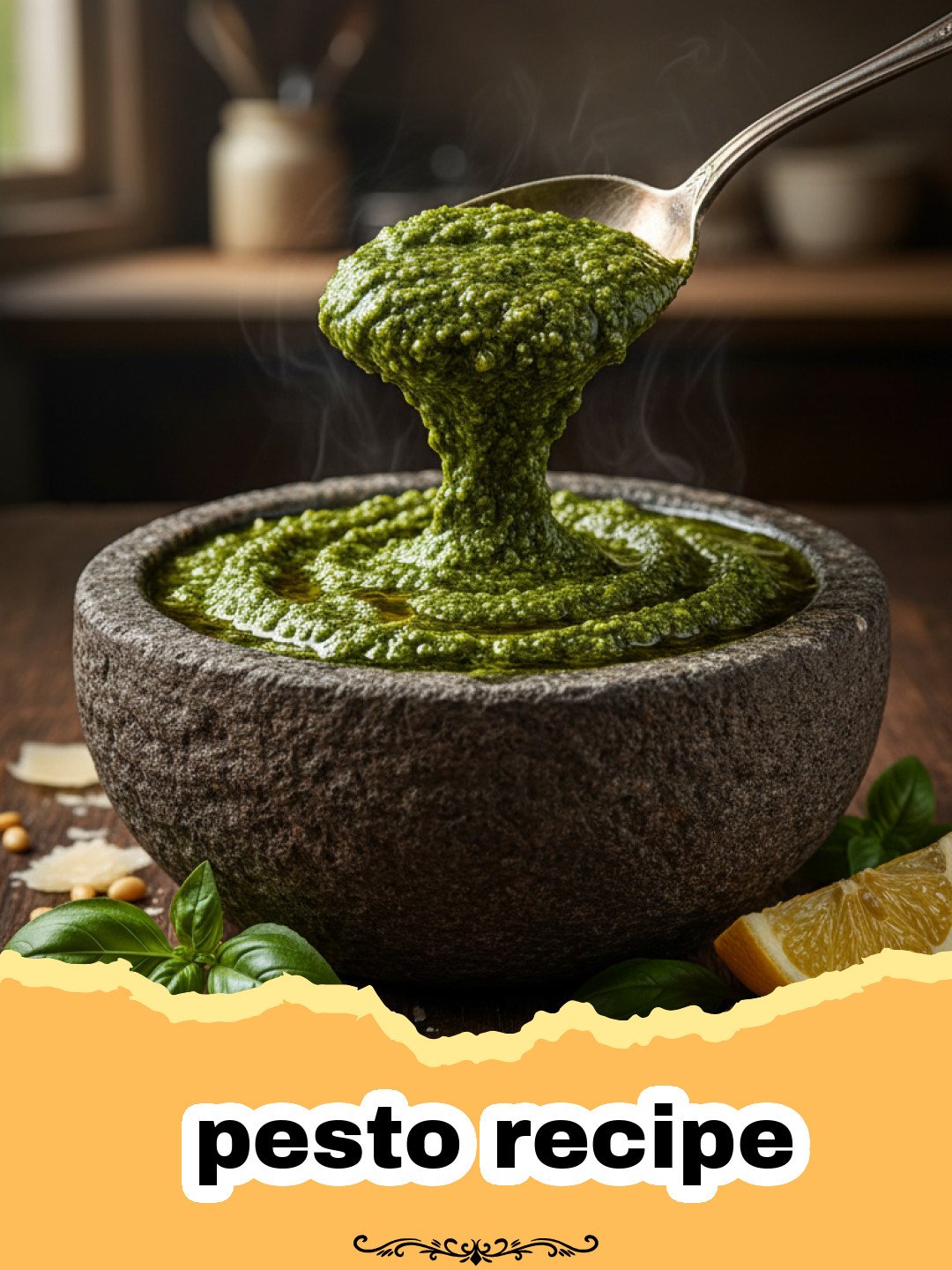
Finding the perfect pesto recipe is like finding a secret key to a world of culinary possibilities. I remember the first time I smelled fresh basil being crushed in a mortar and pestle during a summer trip to Liguria. The aroma was intoxicating—peppery, sweet, and vibrantly green. I spent years trying to replicate that exact sensory experience in my own kitchen, and after dozens of trials, I finally perfected this version. This pesto recipe isn’t just a sauce; it is a celebration of summer freshness that can transform the simplest bowl of pasta into a gourmet meal. Whether you are a seasoned chef or a beginner home cook, mastering this pesto recipe will become your favorite kitchen trick. It is fast, fragrant, and far superior to any store-bought jar you will ever find. Let us dive into the details of making this emerald-green magic from scratch.
Why This Recipe is a Must-Try
- Unmatched Freshness: Unlike bottled versions, this pesto recipe captures the volatile oils of fresh basil at their peak, providing a burst of flavor that is simply incomparable.
- Versatility at Its Best: This pesto recipe works as a pasta sauce, a sandwich spread, a marinade for chicken, or even a dip for crusty sourdough bread.
- Quick and Easy: You can whip up this pesto recipe in less than 15 minutes, making it the perfect solution for busy weeknight dinners.
- Customizable Profile: Once you know the basics of this pesto recipe, you can easily swap nuts or cheeses to suit your dietary needs or pantry availability.
Key Ingredient Notes
The success of any pesto recipe hinges on the quality of its components. First and foremost is the basil. Always use fresh, vibrant green Genovese basil leaves. Avoid any leaves that are wilting or turning black, as they will impart a bitter taste to your pesto recipe. When washing your basil, ensure it is completely dry before processing; excess moisture can lead to a watery sauce that doesn’t emulsify properly.
Next, let’s talk about the fat and the crunch. Traditionalists insist on pine nuts, and for good reason—they provide a buttery texture that defines a classic pesto recipe. However, toasting them lightly is the secret step many skip. Toasting brings out the essential oils and adds a layer of complexity to the final pesto recipe. For the oil, use the best extra virgin olive oil you can afford. Since the oil isn’t cooked, its raw flavor will shine through, so a fruity, high-quality oil is preferred. To keep your sauce fresh, I highly recommend storing it in Basics Glass Food Storage containers, which prevent oxidation and keep the color bright.
Step-by-Step Guide with Pro Tips
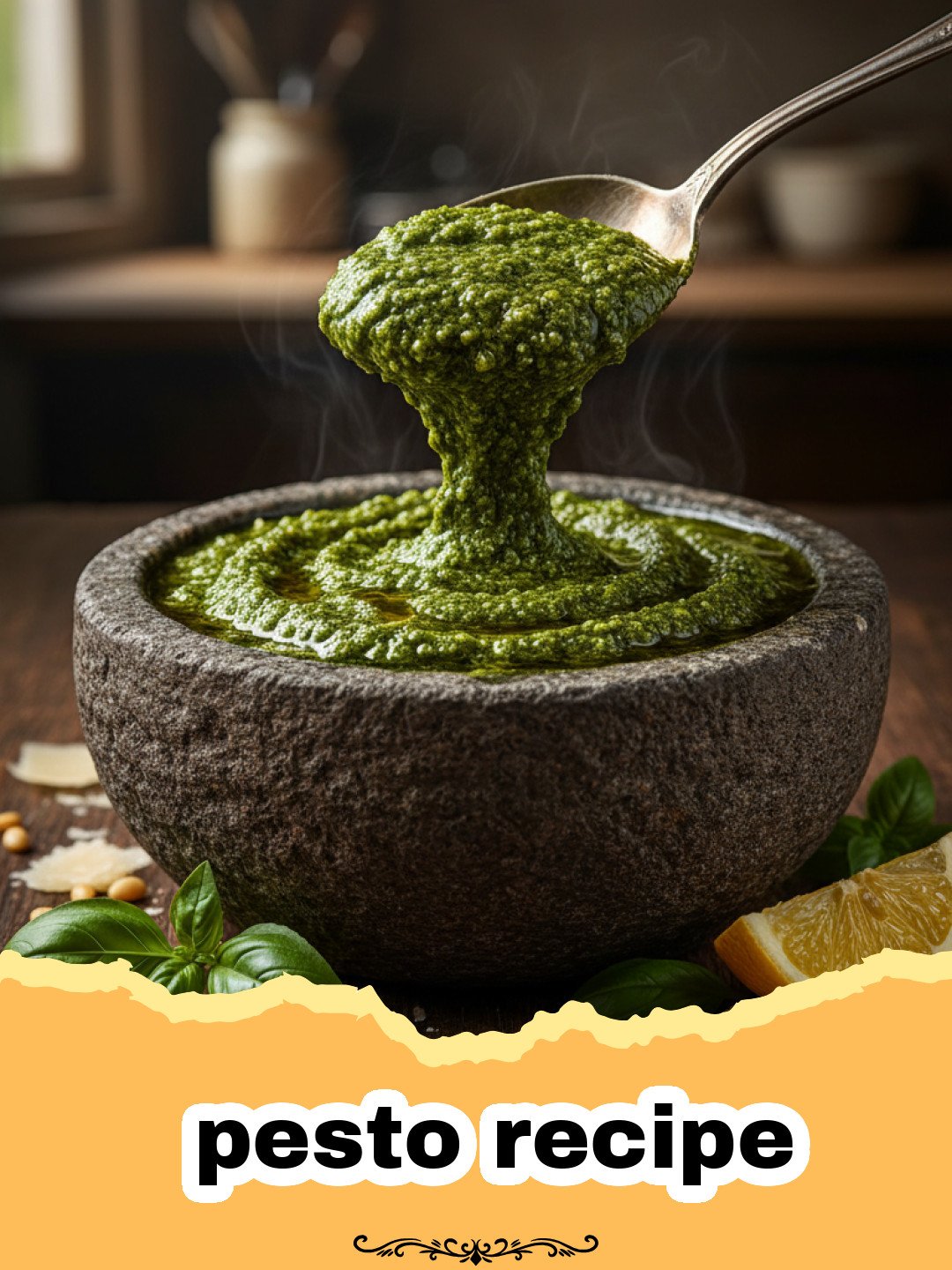
Creating a balanced pesto recipe requires a bit of technique to ensure the garlic doesn’t overpower the herbs and the cheese doesn’t clump. Start by pulsing your garlic and toasted pine nuts in a food processor. You want them finely minced but not quite a paste yet. Adding the basil in stages helps the blades catch the leaves more effectively without over-processing the bottom layer. This keeps the pesto recipe from heating up, which is what causes the basil to oxidize and turn brown.
One pro tip for a vibrant pesto recipe is to add a tiny pinch of salt to the basil leaves during the pulsing phase; the salt acts as an abrasive, breaking down the fibers quickly. As the processor is running on low, slowly stream in your olive oil. This creates a stable emulsion, giving your pesto recipe that creamy, luxurious mouthfeel. Finally, fold in your freshly grated Parmigiano-Reggiano and Pecorino Romano by hand or with a quick pulse. This preserves the texture of the cheese within the pesto recipe.
This sauce is incredible when drizzled over roasted broccolini for an earthy side dish that feels fancy yet remains incredibly simple to prepare. The brightness of the lemon in the pesto pairs perfectly with the charred notes of the vegetables.
Variations & Serving Suggestions
While the classic pesto recipe is hard to beat, there are endless ways to get creative. If pine nuts are too expensive or hard to find, walnuts or roasted almonds make a fantastic substitute, adding a heartier, earthier tone to the pesto recipe. For a vegan-friendly version, replace the cheese with nutritional yeast and a touch more salt. You can also experiment with different greens; substituting half the basil with baby spinach or arugula can add a peppery bite or a more mellow flavor profile to your pesto recipe.
When it comes to serving, the sky is the limit. You can toss it with fresh green beans and boiled potatoes for a traditional Ligurian-style pasta dish. This pesto recipe also makes an excellent base for a white pizza or a flavorful swirl in a bowl of minestrone soup. If you have leftovers, try mixing a spoonful of this pesto recipe into Greek yogurt or mayonnaise for a quick and flavorful sandwich spread that will make your lunches the envy of the office.
Nutrition Information
| Nutrient | Amount per Serving |
|---|---|
| Calories | 250 kcal |
| Total Fat | 24g |
| Saturated Fat | 4g |
| Trans Fat | 0g |
| Unsaturated Fat | 18g |
| Cholesterol | 10mg |
| Sodium | 310mg |
| Carbohydrates | 4g |
| Fiber | 1g |
| Sugar | 0.5g |
| Protein | 5g |
| Serving Size | 1/4 cup |
As you can see, this pesto recipe is packed with healthy fats and essential nutrients from the fresh herbs and nuts. While it is calorie-dense due to the olive oil, a little goes a long way in terms of flavor impact.
Conclusion
Mastering this pesto recipe is a milestone for any home cook. It brings the essence of the garden directly to your table with minimal effort. Remember to use the freshest ingredients possible and store your creation properly to enjoy that bright green hue for days. I hope this pesto recipe becomes a staple in your household just as it has in mine. Happy cooking!
FAQs
How long does this pesto recipe stay fresh in the fridge?
When stored in an airtight container with a thin layer of olive oil on top, this pesto recipe will stay fresh for up to 5-7 days in the refrigerator.
Can I freeze this pesto recipe for later use?
Yes! You can freeze this pesto recipe in ice cube trays. Once frozen, transfer the cubes to a freezer bag. They will keep their flavor for up to 6 months.
Why did my pesto recipe turn brown?
Pesto turns brown due to oxidation when basil is exposed to air or heat. To prevent this, avoid over-processing and ensure the surface is covered with olive oil or plastic wrap during storage.
What can I use instead of pine nuts in this pesto recipe?
Walnuts, cashews, and sunflower seeds are all excellent substitutes for pine nuts in this pesto recipe if you have an allergy or want a different flavor profile.
The Ultimate Homemade Basil Pesto
A classic, vibrant, and aromatic pesto recipe made with fresh basil, toasted pine nuts, garlic, and high-quality olive oil.
- Total Time: 15 minutes
- Yield: 1.5 cups 1x
Ingredients
2 cups fresh basil leaves, packed
1/2 cup freshly grated Parmigiano-Reggiano cheese
1/2 cup extra virgin olive oil
1/3 cup pine nuts
3 cloves garlic, minced
1/4 tsp salt
1/8 tsp black pepper
1 tbsp lemon juice (optional for brightness)
Instructions
Step 1: In a small dry skillet over medium-low heat, toast the pine nuts for 3-5 minutes until golden brown and fragrant, shaking the pan frequently to prevent burning.
Step 2: Place the toasted pine nuts, minced garlic, and salt into a food processor and pulse until the ingredients are finely chopped.
Step 3: Add the fresh basil leaves to the food processor and pulse again until the leaves are broken down into small bits.
Step 4: With the motor running on low, slowly drizzle in the extra virgin olive oil through the feed tube until the mixture is smooth and emulsified.
Step 5: Transfer the mixture to a bowl and stir in the grated Parmigiano-Reggiano cheese and black pepper by hand to maintain texture.
Step 6: Taste and add lemon juice or extra salt if needed, then serve immediately or store in an airtight container.
Notes
To keep the pesto from browning, pour a thin layer of olive oil over the top before sealing the container.
- Prep Time: 10 minutes
- Cook Time: 5 minutes
- Category: How To
- Cuisine: Italian
Nutrition
- Serving Size: 1/4 cup
- Calories: 250 kcal
- Sugar: 0.5g
- Sodium: 310mg
- Fat: 24g
- Saturated Fat: 4g
- Unsaturated Fat: 18g
- Trans Fat: 0g
- Carbohydrates: 4g
- Fiber: 1g
- Protein: 5g
- Cholesterol: 10mg
Keywords: pesto recipe, basil pesto, homemade sauce, italian cooking, fresh basil