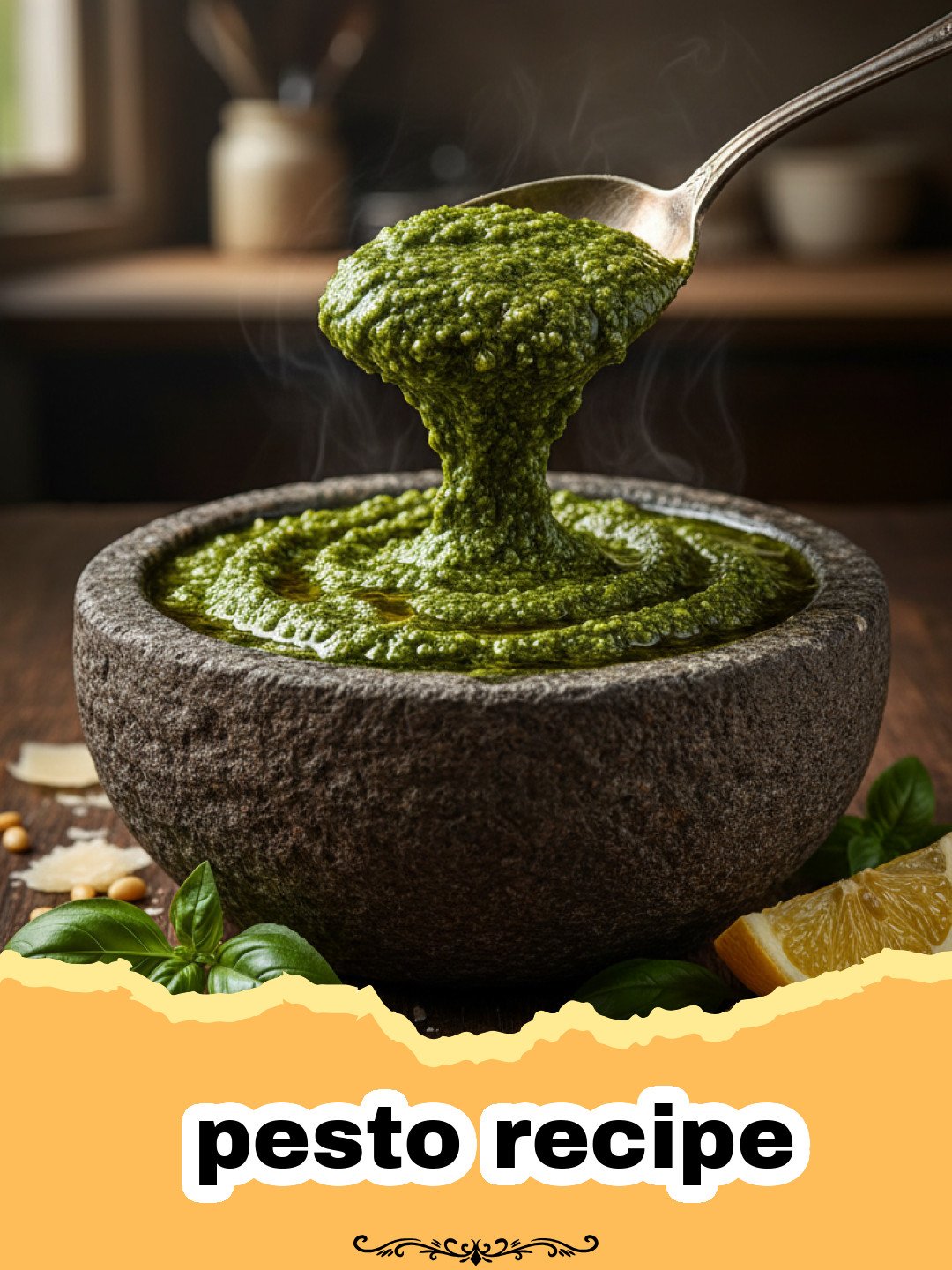
There’s something truly magical about the vibrant green and intoxicating aroma of a fresh pesto recipe. It instantly transports me back to sun-drenched Italian summers, even when I’m simply standing in my own kitchen. I remember my first trip to the Liguria region of Italy, the revered birthplace of authentic pesto. I tasted the most exquisite version there, made with such simple, high-quality ingredients that it was an absolute revelation. The bursting freshness of basil, the subtle nuttiness of pine nuts, the sharp, salty bite of Parmesan, all emulsified with rich olive oil – it was an epiphany. From that moment, I was determined to recreate that authentic experience at home, and I’ve been perfecting my own pesto recipe ever since.
This isn’t just about making a sauce; it’s about capturing a memory, a feeling, and bringing that joyful simplicity to your table. Over the years, I’ve refined my approach, learning the subtle nuances that elevate a good pesto to a truly unforgettable one. This classic pesto recipe is the culmination of those efforts, a taste of Italy you can whip up in minutes, bringing the sun-drenched flavors of the Mediterranean right into your home. If you’ve ever wondered how to make the best pesto recipe, you’re in the right place!
Why This Pesto Recipe is a Must-Try
- Unbeatable Freshness: Forget store-bought jars! This homemade pesto recipe uses fresh basil and high-quality ingredients, resulting in a flavor that’s incomparable. The aroma alone is enough to brighten your day.
- Incredibly Versatile: This isn’t just for pasta! Use this pesto recipe as a spread for sandwiches, a topping for grilled chicken or fish, a dip for crusty bread, or even swirled into soups and eggs. The possibilities are endless.
- Quick & Easy: With just a few minutes of prep and a food processor, you can have a batch of delicious pesto ready to go. It’s truly a weeknight dinner savior or an impressive addition to any meal.
- Healthy & Wholesome: Packed with fresh herbs, healthy fats from olive oil and nuts, and calcium from Parmesan, this pesto recipe is as good for you as it is delicious.
Key Ingredient Notes for the Perfect Pesto Recipe
The beauty of a classic pesto recipe lies in the quality of its simple ingredients. Here’s what you need to know to make yours shine:
Fresh Basil
This is the star of the show. Seek out the freshest, brightest green basil leaves you can find. Avoid any with brown spots or wilting. Genovese basil is traditional, but any sweet Italian basil will yield fantastic results. Don’t be shy with it; a good pesto recipe demands a generous amount of this fragrant herb. Some purists even blanch their basil briefly before making pesto to help preserve its vibrant green color, but I find it’s often an unnecessary step for home cooking if you consume it relatively quickly.
Pine Nuts
Pine nuts provide that classic buttery, nutty flavor and a slight creaminess to your pesto recipe. While some recipes suggest toasting them, I prefer them raw for a more authentic Ligurian flavor, which allows the basil to be the dominant note. Toasting can sometimes overpower the delicate basil. If you do choose to toast, do so lightly in a dry skillet until fragrant, watching carefully as they burn quickly.
Parmesan Cheese
Always, always use freshly grated Parmesan cheese (Parmigiano-Reggiano, specifically) for this pesto recipe. Pre-grated cheeses often contain anti-caking agents that can give your pesto a gritty texture and lack the depth of flavor of a fresh block. The salty, umami notes of good Parmesan are crucial for balancing the richness of the oil and nuts.
Extra Virgin Olive Oil
A good quality extra virgin olive oil is non-negotiable for an outstanding pesto recipe. It acts as the emulsifier and carrier of all those wonderful flavors. Choose a light, fruity, or peppery olive oil – not one that’s too strong or bitter, as it can overwhelm the basil. Think of it as liquid gold for your pesto.
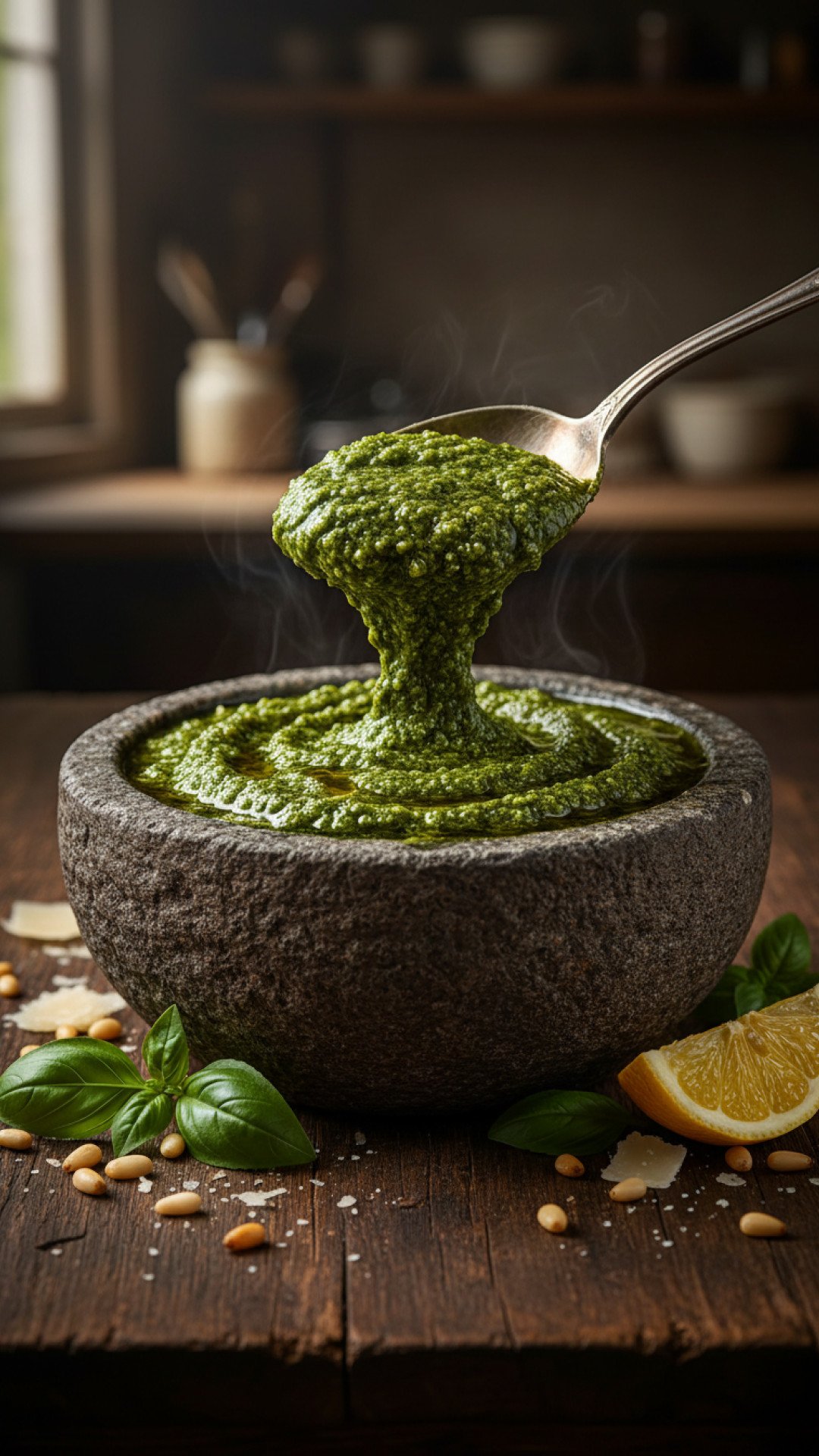
Step-by-Step Guide with Pro Tips for this Pesto Recipe
Making a homemade pesto recipe is surprisingly simple, especially with a food processor. Here’s how to do it right:
Before you begin, gather all your ingredients and measure them out. This makes the process much smoother. Ensure your basil leaves are washed and thoroughly dried. Excess water can make your pesto watery.
- Step 1: Add the garlic cloves and pine nuts to the bowl of a food processor. Pulse several times until finely chopped. This ensures the garlic is evenly distributed and the pine nuts are broken down, releasing their oils.
- Step 2: Add the fresh basil leaves to the food processor. Pulse again until the basil is coarsely chopped and combined with the garlic and pine nuts. Do not over-process at this stage, as you want to maintain some texture and prevent the basil from turning dark.
- Step 3: Scrape down the sides of the food processor bowl with a spatula. Add the freshly grated Parmesan cheese and Pecorino Romano (if using). Pulse a few more times until everything is well combined.
- Step 4: With the food processor running on low speed, slowly drizzle in the extra virgin olive oil in a steady stream. Continue processing until the pesto reaches your desired consistency – smooth but still with a slight texture is ideal. You might not need all the olive oil, or you might need a little more; adjust to your preference.
- Step 5: Season the pesto recipe with salt and freshly ground black pepper to taste. Remember that the Parmesan cheese is already quite salty, so start with a small amount and adjust as needed. Pulse one last time to incorporate the seasonings.
- Step 6: Taste and adjust any seasonings. If it tastes too bitter, a tiny pinch of sugar can help balance it, though a good quality basil and olive oil usually prevent this. For an extra bright kick, a squeeze of fresh lemon juice can be added, though it’s not traditional in all pesto recipe variations.
- Step 7: Transfer your fresh pesto recipe to an airtight container. To prevent oxidation and keep its vibrant green color, pour a thin layer of olive oil over the top before sealing. This acts as a barrier from the air.
Pro Tip for Color: To maintain that beautiful bright green color in your homemade pesto, you can add a single ice cube to the food processor during the blending process with the olive oil. The cold temperature helps to prevent the basil from oxidizing and turning brown. This small trick makes a big difference in the visual appeal of your homemade pesto.
Storage Tip: For longer storage, consider using Basics Glass Food Storage containers. They are excellent for keeping your pesto fresh in the fridge and are also freezer-safe. When freezing, portion it into ice cube trays, then transfer the frozen cubes to a freezer bag for easy access to small servings of your favorite pesto recipe.
Variations & Serving Suggestions for Your Pesto Recipe
Once you master this classic pesto recipe, a world of culinary creativity opens up! Here are some ideas to inspire you:
Variations:
- Nut Swaps: Not a fan of pine nuts, or just looking for something different? Try walnuts, cashews, almonds, or even pistachios. Each will impart a unique flavor profile to your homemade pesto.
- Greens Galore: While basil is king, you can experiment with other greens. Arugula pesto offers a peppery kick, spinach pesto is milder and great for kids, and kale pesto is a nutritious powerhouse. You can even combine them with basil!
- Sun-Dried Tomato Pesto: For a delicious red pesto recipe, skip some of the basil and add sun-dried tomatoes (oil-packed, drained) to the mix. It’s fantastic with roasted vegetables or on bruschetta.
- Vegan Pesto: Omit the Parmesan cheese and add nutritional yeast for a cheesy flavor, along with a little extra salt.
- Lemon Zest & Chili Flakes: For an extra layer of brightness or a subtle kick, add a teaspoon of lemon zest or a pinch of red chili flakes to your pesto recipe.
Serving Suggestions:
- Pasta’s Best Friend: This is the most classic pairing! Toss freshly cooked pasta (linguine, fettuccine, stuffed shells) with a generous spoonful of your homemade pesto recipe. Add a splash of pasta water to create a silky sauce.
- Bruschetta & Crostini: Spread pesto on toasted bread slices, top with fresh tomatoes, mozzarella, or a sprinkle of Parmesan.
- Pizza & Flatbreads: Use it as a vibrant base instead of tomato sauce, or dollop it on top of a finished pizza.
- Grilled Meats & Veggies: Drizzle over grilled chicken, steak, fish, or even roasted green beans for an instant flavor boost.
- Sandwiches & Wraps: Spread a thin layer inside your favorite sandwich or wrap for a fresh, herbaceous kick.
- Eggs: Swirl a spoonful into scrambled eggs or spread on toast with a fried egg for a gourmet breakfast.
- Soups & Dips: Stir a spoonful into a vegetable soup just before serving, or mix with sour cream or Greek yogurt for a quick dip.
Nutrition Information
| Nutrient | Amount Per Serving |
|---|---|
| Calories | 350 kcal |
| Total Fat | 35 g |
| Saturated Fat | 6 g |
| Trans Fat | 0 g |
| Unsaturated Fat | 29 g |
| Cholesterol | 15 mg |
| Sodium | 300 mg |
| Total Carbohydrate | 5 g |
| Dietary Fiber | 1 g |
| Total Sugars | 1 g |
| Protein | 7 g |
This classic pesto recipe is more than just a sauce; it’s a celebration of fresh, simple ingredients coming together to create something truly extraordinary. It’s a versatile staple that can elevate countless dishes and bring a taste of the Mediterranean to your kitchen. So, gather your basil, fire up your food processor, and immerse yourself in the delightful process of crafting your very own homemade pesto. You’ll be amazed at the difference fresh makes, and your taste buds will thank you for this delightful pesto recipe. Enjoy every vibrant, garlicky, cheesy bite!
FAQs
Can I make pesto without pine nuts?
Yes, absolutely! While pine nuts are traditional, you can easily substitute them with other nuts like walnuts, cashews, almonds, or even pistachios. Each will impart a slightly different but equally delicious flavor profile to your pesto recipe.
How do I keep homemade pesto from turning brown?
The key to keeping your homemade pesto vibrant green is to minimize its exposure to air. After making your pesto, transfer it to an airtight container and press plastic wrap directly onto the surface before sealing the lid. For extra protection, pour a thin layer of olive oil over the top before adding the plastic wrap. An optional pro tip is to add a single ice cube to the food processor while blending the olive oil; the cold temperature helps preserve the basil’s color.
How long does homemade pesto last?
When stored properly in an airtight container with a layer of olive oil on top, homemade pesto will typically last for 5-7 days in the refrigerator. For longer storage, pesto freezes beautifully. You can freeze it in ice cube trays, then transfer the frozen cubes to a freezer-safe bag, where it will keep for up to 6 months.
What are the best uses for a classic pesto recipe?
A classic pesto recipe is incredibly versatile! It’s famously paired with pasta, but it’s also excellent as a spread for sandwiches, a base for pizza or flatbreads, a topping for grilled chicken, fish, or vegetables, or even stirred into eggs or soups. You can also mix it with sour cream or Greek yogurt for a delicious dip.
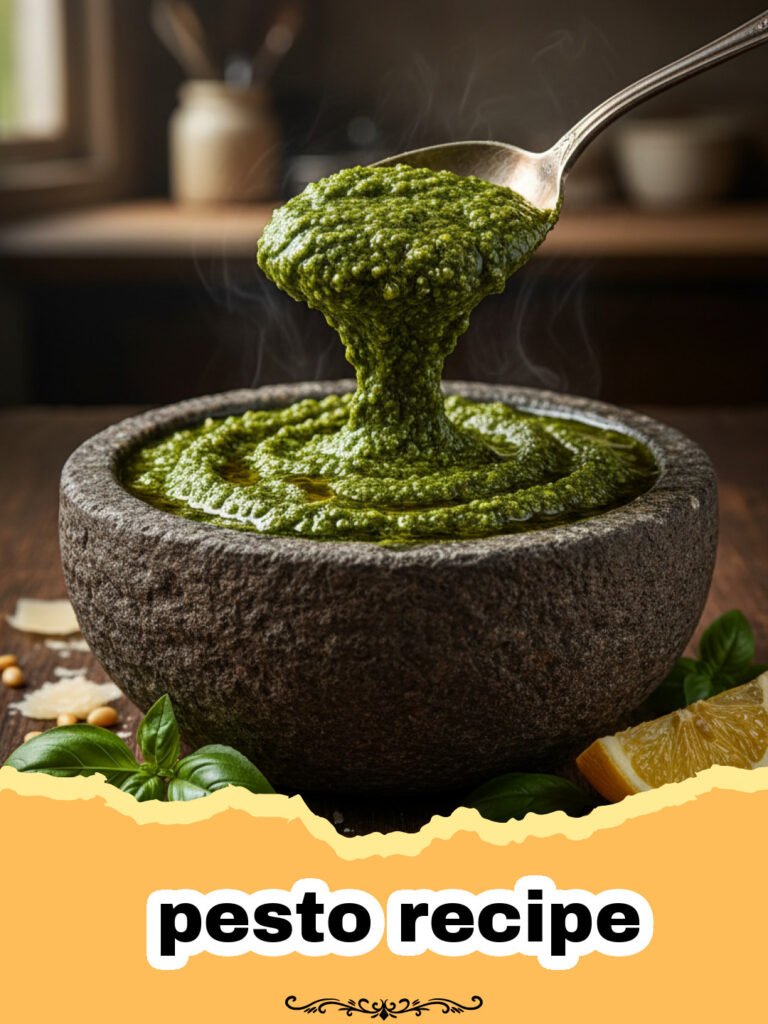
Classic Homemade Basil Pesto Recipe
Master the authentic Italian basil pesto recipe with this easy-to-follow guide. Fresh basil, pine nuts, Parmesan, garlic, and olive oil combine for a vibrant, versatile sauce perfect for pasta, sandwiches, and more. This vibrant green sauce is incredibly easy to make and elevates any dish.
- Total Time: 10 minutes
- Yield: 1.5 cups (4 servings) 1x
Ingredients
2 cups fresh basil leaves, packed
1/2 cup freshly grated Parmesan cheese (Parmigiano-Reggiano)
1/4 cup pine nuts
2 cloves garlic, peeled
1/2 cup extra virgin olive oil (or more, to taste)
1/4 teaspoon salt (or to taste)
Pinch of freshly ground black pepper (or to taste)
Optional: 1/4 cup freshly grated Pecorino Romano cheese
Optional: 1-2 tablespoons fresh lemon juice
Instructions
Step 1: Add the garlic cloves and pine nuts to the bowl of a food processor. Pulse several times until finely chopped. This ensures the garlic is evenly distributed and the pine nuts are broken down, releasing their oils.
Step 2: Add the fresh basil leaves to the food processor. Pulse again until the basil is coarsely chopped and combined with the garlic and pine nuts. Do not over-process at this stage, as you want to maintain some texture and prevent the basil from turning dark.
Step 3: Scrape down the sides of the food processor bowl with a spatula. Add the freshly grated Parmesan cheese and Pecorino Romano (if using). Pulse a few more times until everything is well combined.
Step 4: With the food processor running on low speed, slowly drizzle in the extra virgin olive oil in a steady stream. Continue processing until the pesto reaches your desired consistency – smooth but still with a slight texture is ideal. You might not need all the olive oil, or you might need a little more; adjust to your preference.
Step 5: Season the pesto recipe with salt and freshly ground black pepper to taste. Remember that the Parmesan cheese is already quite salty, so start with a small amount and adjust as needed. Pulse one last time to incorporate the seasonings.
Step 6: Taste and adjust any seasonings. If it tastes too bitter, a tiny pinch of sugar can help balance it, though a good quality basil and olive oil usually prevent this. For an extra bright kick, a squeeze of fresh lemon juice can be added, though it’s not traditional in all pesto recipe variations.
Step 7: Transfer your fresh pesto recipe to an airtight container. To prevent oxidation and keep its vibrant green color, pour a thin layer of olive oil over the top before sealing. This acts as a barrier from the air.
Notes
For the best flavor and vibrant green color, ensure all ingredients are fresh. If you plan to store the pesto for more than a day, pour a thin layer of olive oil over the top before sealing and refrigerating to prevent oxidation. Pesto can also be frozen in ice cube trays for convenient portioning.
- Prep Time: 10 minutes
- Cook Time: 0 minutes
- Category: Side Dishes
- Cuisine: Italian
Nutrition
- Serving Size: 1/4 cup
- Calories: 350 kcal
- Sugar: 1 g
- Sodium: 300 mg
- Fat: 35 g
- Saturated Fat: 6 g
- Unsaturated Fat: 29 g
- Trans Fat: 0 g
- Carbohydrates: 5 g
- Fiber: 1 g
- Protein: 7 g
- Cholesterol: 15 mg
Keywords: pesto recipe, basil pesto, homemade pesto, italian pesto, easy pesto, pesto sauce, pasta sauce, mediterranean recipe, vegan pesto options, fresh herbs