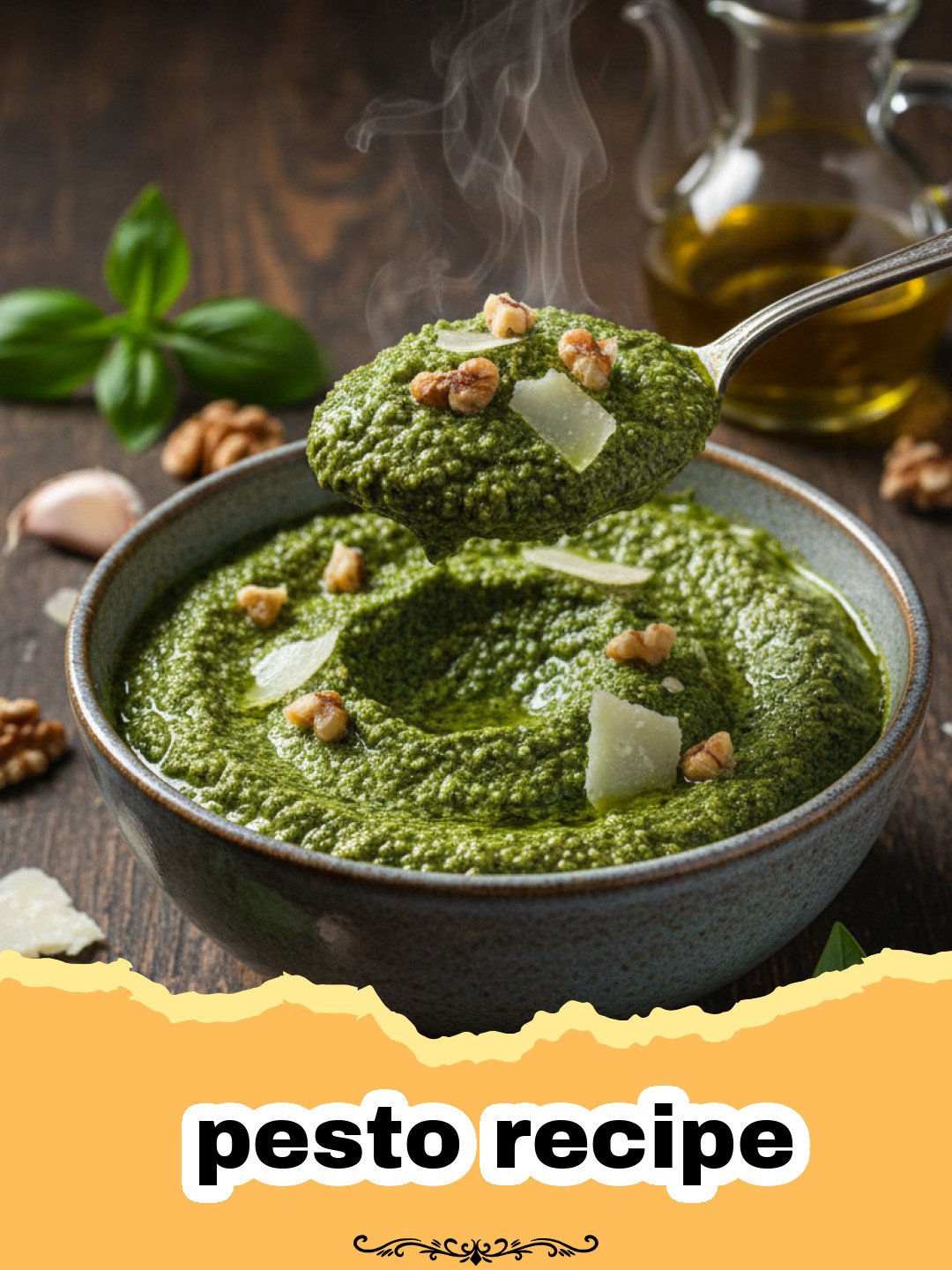
There are scents that instantly transport you, and for me, none is more powerful than the intoxicating aroma of freshly made basil pesto. It’s not just a sauce; it’s a culinary time machine, whisking me away to my Nonna’s sun-drenched kitchen in Liguria, Italy. I can still vividly recall those long, lazy summers, the air thick with the scent of pine and sea salt, and the gentle hum of cicadas in the olive groves. Nonna’s garden was a wild, fragrant paradise, brimming with the most vibrant Genovese basil I’ve ever seen. Harvesting those tender, emerald leaves was a sacred ritual. We’d pluck them carefully, making sure not to bruise a single one, gathering baskets full for her legendary homemade pesto recipe. The rhythmic thud of her wooden pestle against the marble mortar was the soundtrack to our afternoons, a slow, deliberate dance of garlic, pine nuts, basil, and cheese transforming into a luminous green elixir. That first taste, spooned over steaming, perfectly al dente trenette pasta, was always a revelation – a burst of peppery basil, sweet garlic, nutty pine, and salty Parmesan, all bound by golden olive oil. It tasted of sunshine, tradition, and an abundance of love. It wasn’t just a meal; it was an experience, a connection to generations past. While modern kitchens often opt for the speed of a food processor, the essence of that simple, fresh pesto recipe remains the same: high-quality ingredients, handled with care, to create something truly magical. Over the years, I’ve experimented with many interpretations, but I always return to this classic, authentic basil pesto recipe. It’s more than just a sauce; it’s a legacy, a culinary hug in a bowl, and I am absolutely thrilled to share my perfected pesto recipe with you today. It’s surprisingly simple, incredibly fresh, and guaranteed to elevate your cooking, bringing a little piece of the Italian coast right into your home. Mastering this classic pesto recipe will undoubtedly become one of your favorite kitchen skills, ready to transform countless dishes into extraordinary meals.
Why This Pesto Recipe is a Must-Try
- Unbeatable Freshness & Flavor: Forget the dull, often overly oily store-bought versions. This homemade pesto recipe explodes with the vibrant, herbaceous aroma of fresh basil, the sharp kick of garlic, and the rich nuttiness of pine nuts. You control every single ingredient, ensuring peak freshness and a flavor profile that sings. It’s a game-changer for any dish that calls for pesto.
- Quick & Effortless: Don’t be intimidated by the idea of making your own. With a trusty food processor, this authentic pesto recipe comes together in under 15 minutes. It’s the perfect solution for a speedy weeknight dinner, adding gourmet flair without the fuss, or a sophisticated touch to your weekend entertaining. This easy pesto recipe is genuinely a time-saver!
- Incredibly Versatile Culinary Staple: While pesto is famously paired with pasta, its applications are virtually limitless. This pesto recipe can transform anything from a simple sandwich spread to a marinade for grilled meats, a vibrant pizza topping, or even a flavorful swirl in your favorite soups and eggs. Its adaptability makes it an invaluable addition to your culinary repertoire.
- Healthful & Wholesome: Beyond its incredible taste, this basil pesto recipe is packed with goodness. Fresh basil is rich in antioxidants, extra virgin olive oil provides heart-healthy monounsaturated fats, and pine nuts offer essential vitamins and minerals. It’s a delicious way to incorporate fresh, wholesome ingredients into your diet.
Key Ingredient Notes for the Perfect Pesto Recipe
The magic of a truly outstanding pesto recipe lies in the quality and harmony of its few, but mighty, ingredients. Each component plays a crucial role in achieving that iconic vibrant flavor and texture. Here’s a deeper dive into the stars of this basil pesto recipe:
Fresh Basil Leaves
Basil is, without a doubt, the undisputed star of this pesto recipe. To achieve that signature bright, peppery, and slightly sweet flavor, choosing the right basil is paramount. Opt for Genovese basil if you can find it, as it’s traditionally favored for its delicate balance. Look for leaves that are bright green, plump, and free from any bruising, wilting, or black spots. The fresher, the better! Before adding to your food processor, ensure your basil is impeccably clean and, critically, bone dry. Excess water clinging to the leaves can dilute the flavor of your pesto recipe and lead to a less vibrant green color due to oxidation. A salad spinner is your best friend here, followed by a gentle pat-down with paper towels.
Pine Nuts
These small, buttery, and slightly sweet nuts are a hallmark of an authentic pesto recipe. They contribute a subtle richness and help create the creamy texture that is characteristic of classic pesto. While they can be a bit pricier, their unique flavor is worth the investment. To truly unlock their full potential and add a wonderful depth of flavor, I highly recommend lightly toasting your pine nuts in a dry skillet over medium-low heat for just 2-3 minutes. Keep a close eye on them, as they can go from perfectly golden to burnt in a blink! Allow them to cool completely before adding them to your pesto recipe. If pine nuts are unavailable or you have allergies, walnuts or almonds can be used as alternatives, though they will subtly alter the flavor profile of your homemade pesto recipe.
Parmigiano-Reggiano Cheese
When it comes to the cheese for your pesto recipe, please, I implore you: use authentic Parmigiano-Reggiano. This hard, aged Italian cheese offers a complex, salty, and umami-rich flavor that is irreplaceable. Avoid pre-grated Parmesan at all costs; it often contains anti-caking agents that can make your pesto grainy and dull its flavor. Always buy a wedge and grate it fresh just before adding it to your food processor. For an extra punch or a slightly sharper taste, you can use a 50/50 mix of Parmigiano-Reggiano and Pecorino Romano, another hard Italian sheep’s milk cheese. The right cheese is fundamental to a truly great pesto recipe.
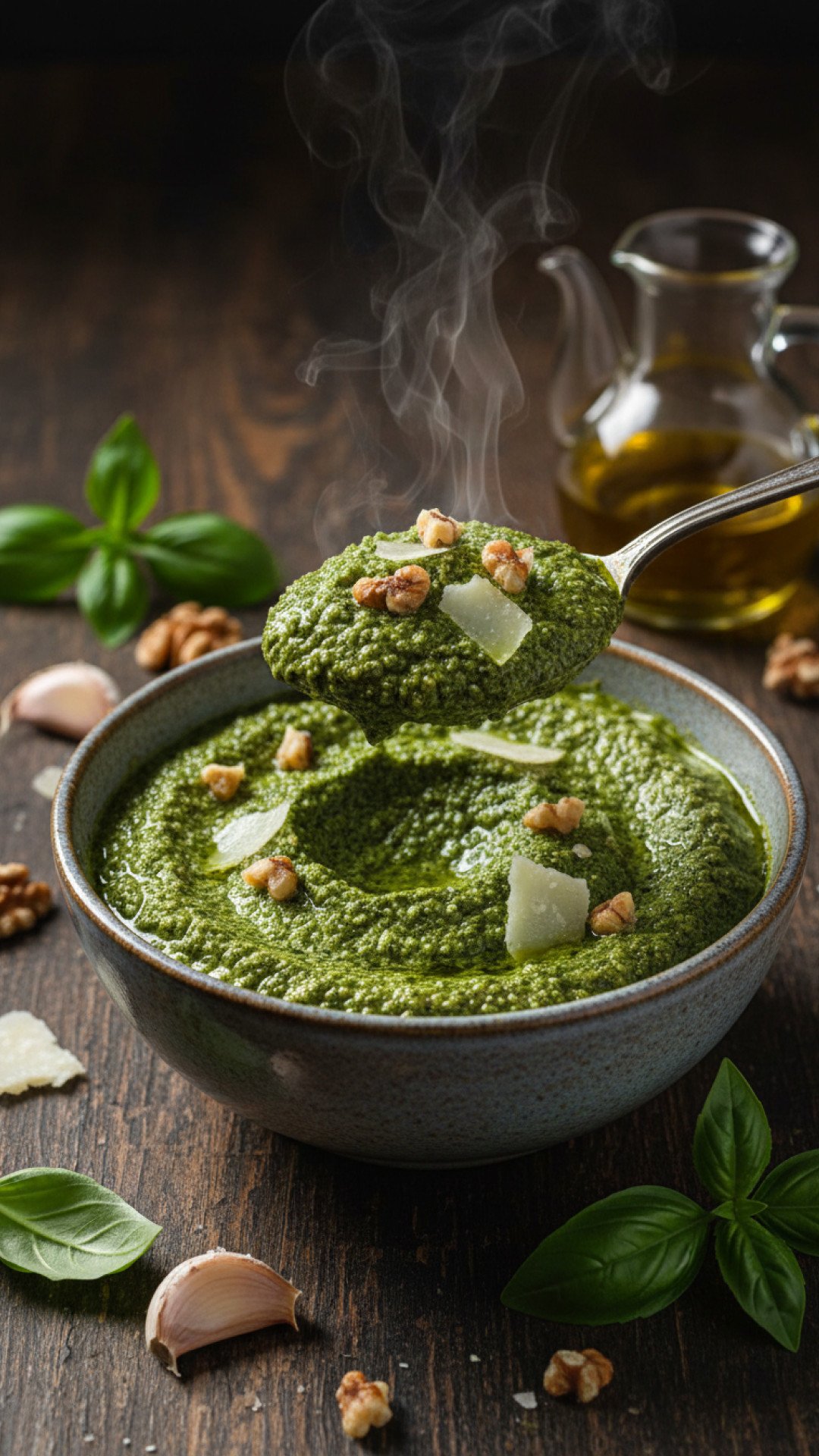
Step-by-Step Guide with Pro Tips for this Pesto Recipe
Creating this exquisite homemade pesto recipe is a straightforward process, especially with a food processor. Follow these steps carefully, incorporating the pro tips, to achieve a perfectly balanced, vibrant, and incredibly flavorful basil pesto every time.
Preparation is Key
Before you even think about hitting that pulse button, ensure all your ingredients are ready. Wash your basil thoroughly and use a salad spinner or paper towels to make sure it’s completely dry. Peel your garlic cloves. If you’re toasting your pine nuts for extra flavor, do so beforehand and let them cool completely. Cold ingredients are often best for maintaining the basil’s vibrant green color in your pesto recipe.
Step 1: Combine Basil, Garlic, and Pine Nuts. Carefully place the fresh, dry basil leaves, peeled garlic cloves, and cooled pine nuts into the bowl of your food processor. Ensuring the basil is dry is crucial to prevent a watery pesto. For best results, use a food processor with a sharp blade.Step 2: Pulse to Coarsely Chop. Begin by pulsing the food processor several times. This initial pulsing helps to break down the ingredients evenly and prevents the basil from becoming bruised. Stop and scrape down the sides of the bowl with a rubber spatula as needed, ensuring all ingredients are moving towards the blade. You’re aiming for a coarsely chopped mixture, not yet a paste, which is ideal for this pesto recipe.
Step 3: Incorporate Parmesan Cheese. Now, add the freshly grated Parmigiano-Reggiano cheese to the food processor bowl. Pulse a few more times until the cheese is well-integrated with the basil mixture. The mixture should start to look like a thick, green crumble. Avoid over-processing at this stage to maintain some texture.
Step 4: Slowly Drizzle in Olive Oil. This is a critical step for emulsifying your pesto recipe. With the food processor running on low speed, slowly and steadily drizzle in the extra virgin olive oil through the feed tube. Continue to process until the pesto reaches your desired consistency – smooth but still retaining a pleasant, slightly chunky texture from the nuts and cheese. The slow addition of oil helps create a creamy, well-emulsified sauce. Be careful not to over-process, as prolonged blending can generate heat, which can oxidize the basil and turn your pesto recipe a duller color, or even make it slightly bitter.
Step 5: Season and Adjust. Transfer your beautiful homemade pesto to a clean bowl. Stir in the sea salt and freshly ground black pepper. Taste a small spoonful and adjust the seasoning as needed. Remember that Parmigiano-Reggiano is quite salty, so add additional salt judiciously. If your pesto recipe feels a bit too thick, you can stir in an extra tablespoon of olive oil, or even a tiny splash of cold water, although olive oil will enhance the flavor further.
Pro Tip for Vibrant Green Color: To help your pesto recipe retain its gorgeous bright green color, some chefs advocate blanching the basil leaves for 10-15 seconds in boiling water, then immediately shocking them in an ice bath before thoroughly drying them. While effective, for a quick and easy pesto recipe, simply working quickly, ensuring all ingredients are cold, and minimizing air exposure during processing is usually sufficient. Adding a squeeze of fresh lemon juice at the very end can also brighten the color and add a lovely zesty note, though it’s not strictly traditional.
Variations & Serving Suggestions for Your Pesto Recipe
Once you’ve successfully whipped up a batch of this glorious basil pesto recipe, your culinary adventures are just beginning! Its versatility is truly one of its greatest assets. Here are some fantastic ideas for variations and serving suggestions to make the most of your homemade creation:
Pesto Variations
- Nut Swaps for a Unique Pesto Recipe: While pine nuts are classic, feel free to experiment! Walnuts lend a more robust, earthy flavor, almonds create a sweeter, softer pesto, and pistachios offer a vibrant hue and delicate taste. Just remember to toast them lightly for maximum flavor before adding them to your pesto recipe.
- Greens Power-Up: Boost the nutritional content and add different flavor dimensions by incorporating other greens. A handful of fresh spinach or arugula blended with the basil creates a milder, slightly peppery pesto recipe. For a heartier, more earthy version, try adding blanched kale or even carrot tops!
- Roasted Red Pepper Pesto: For a smoky, sweet, and slightly tangy twist, add 1/2 cup of roasted red peppers (from a jar, drained) to your food processor along with the basil. This makes a beautiful reddish-orange pesto recipe that’s fantastic with grilled chicken.
- Sun-Dried Tomato Pesto (Pesto Rosso): Move away from green entirely! Blend sun-dried tomatoes (oil-packed, drained), basil, garlic, Parmesan, and olive oil for a rich, intensely flavorful red pesto recipe. It’s superb on sandwiches or as a dip.
- Vegan Pesto Recipe: Easily adapt this classic! Simply omit the Parmigiano-Reggiano cheese. Instead, add 2-3 tablespoons of nutritional yeast for a cheesy, umami flavor, or use your favorite store-bought vegan Parmesan alternative. This allows everyone to enjoy the deliciousness of your homemade pesto recipe.
Serving Suggestions
- Classic Pasta Perfection: The most iconic pairing! Toss your freshly made pesto with hot, al dente pasta like spaghetti, linguine, or penne. Add a splash of pasta water to create a silky, emulsified sauce. Finish with extra grated Parmesan.
- Bruschetta & Crostini: A simple yet elegant appetizer. Spread a generous dollop of your pesto recipe on toasted baguette slices or crostini. Top with fresh cherry tomatoes, a sprinkle of flaky sea salt, or a drizzle of balsamic glaze.
- Sandwich & Wrap Spread: Elevate your everyday lunch! Replace mayonnaise with pesto for an instant flavor upgrade. It’s particularly delicious with fresh mozzarella, sliced tomatoes, grilled chicken, or roasted vegetables.
- Pizza Topping: Use it as a vibrant base sauce instead of traditional tomato sauce, or drizzle it over a finished pizza for a burst of fresh flavor. It pairs wonderfully with fresh mozzarella, goat cheese, or thinly sliced prosciutto.
- Marinade & Rub: Marinate chicken breasts, shrimp, white fish, or even pork tenderloin in your pesto recipe before grilling, baking, or pan-frying. It infuses incredible flavor and helps tenderize the protein.
- Soup Swirl: Brighten up hearty soups like minestrone, vegetable soup, or even a creamy potato soup with a spoonful of pesto swirled in just before serving.
- With Eggs: A surprising delight! Add a dollop to scrambled eggs, a frittata, or an omelet for an instant upgrade to your breakfast or brunch.
- Vegetable Booster: Toss roasted or grilled vegetables (like zucchini, bell peppers, or asparagus) with pesto for a flavorful side dish. Want another easy side dish to complement your pasta? Check out our Garlic Lemon Fresh Green Beans: A Vibrant & Easy Side Dish. Or if you’re looking for a fun appetizer, try The Ultimate Crispy Homemade Mozzarella Sticks Recipe: A Nostalgic Delight!
Storage Tip: Fresh homemade pesto is best enjoyed within a week. Store it in an airtight container in the refrigerator. To prevent oxidation and keep that vibrant green color, pour a thin layer of olive oil over the surface before sealing. For longer storage, you can freeze individual portions in ice cube trays. Once frozen solid, pop the pesto cubes out and transfer them to an airtight freezer bag. They will keep beautifully for several months, ready to be thawed and used whenever a craving for fresh pesto strikes. When it comes to storing your culinary creations like this vibrant pesto recipe, I highly recommend investing in quality Basics Glass Food Storage containers. They keep food fresh longer and are perfect for meal prepping and preserving the essence of your homemade pesto recipe!
Nutrition Information
| Nutrient | Amount Per Serving |
|---|---|
| Calories | 350 kcal |
| Carbohydrates | 5 g |
| Cholesterol | 20 mg |
| Fat | 35 g |
| Fiber | 2 g |
| Protein | 8 g |
| Saturated Fat | 6 g |
| Serving Size | 1/4 cup |
| Sodium | 300 mg |
| Sugar | 1 g |
| Trans Fat | 0 g |
| Unsaturated Fat | 28 g |
Conclusion
This classic homemade pesto recipe is truly more than just a sauce; it’s a celebration of fresh, high-quality ingredients and the simple, authentic flavors of Italian cuisine. From the sun-drenched fields of Liguria to your very own kitchen, making your own basil pesto is a rewarding culinary experience. Whether you’re new to making this iconic sauce or a seasoned pro, I hope this detailed pesto recipe and its accompanying tips inspire you to whip up a batch and bring a taste of the Mediterranean sunshine into your home. Enjoy the delightful process, savor the intoxicating aroma, and delight in the incredible versatility of your very own homemade pesto recipe. It’s a kitchen staple that will elevate countless meals and bring smiles to those gathered around your table. Happy cooking!
FAQs
How long does homemade pesto last?
Homemade pesto can last for about 5-7 days in the refrigerator when stored in an airtight container. To maximize freshness and prevent oxidation (which turns the pesto brown), pour a thin layer of olive oil over the surface before sealing. For longer storage, pesto freezes beautifully for up to 6 months. You can freeze it in ice cube trays for convenient portioning, then transfer the frozen cubes to a freezer-safe bag or container.
What can I use instead of pine nuts in a pesto recipe?
If you don’t have pine nuts, or prefer an alternative, you can substitute them with other nuts like walnuts, almonds, cashews, or even pistachios. Lightly toasting any of these nuts will enhance their flavor. Each substitute will impart a slightly different flavor profile to your pesto recipe. For a nut-free option, sunflower seeds or pumpkin seeds can also be used, though they might require a bit more olive oil to achieve the desired creamy consistency.
Can I make this pesto recipe without a food processor?
Absolutely! Traditionally, pesto is made using a mortar and pestle, which gives it a uniquely coarse and rustic texture that many prefer. To make this pesto recipe by hand, you’ll need to finely chop the basil and garlic, then crush and combine all ingredients in the mortar, slowly drizzling in the olive oil until smooth. It requires more effort but yields a wonderfully authentic result.
Why did my pesto turn brown or black?
Pesto turning brown or black is usually due to oxidation, which occurs when the basil is exposed to air, or from prolonged processing that generates heat. To prevent this, work quickly when making your pesto recipe, ensure your basil is thoroughly dry, and cover it immediately with a thin layer of olive oil or plastic wrap pressed directly onto the surface when storing. A squeeze of fresh lemon juice at the end can also help, as its acidity slows down the oxidation process.
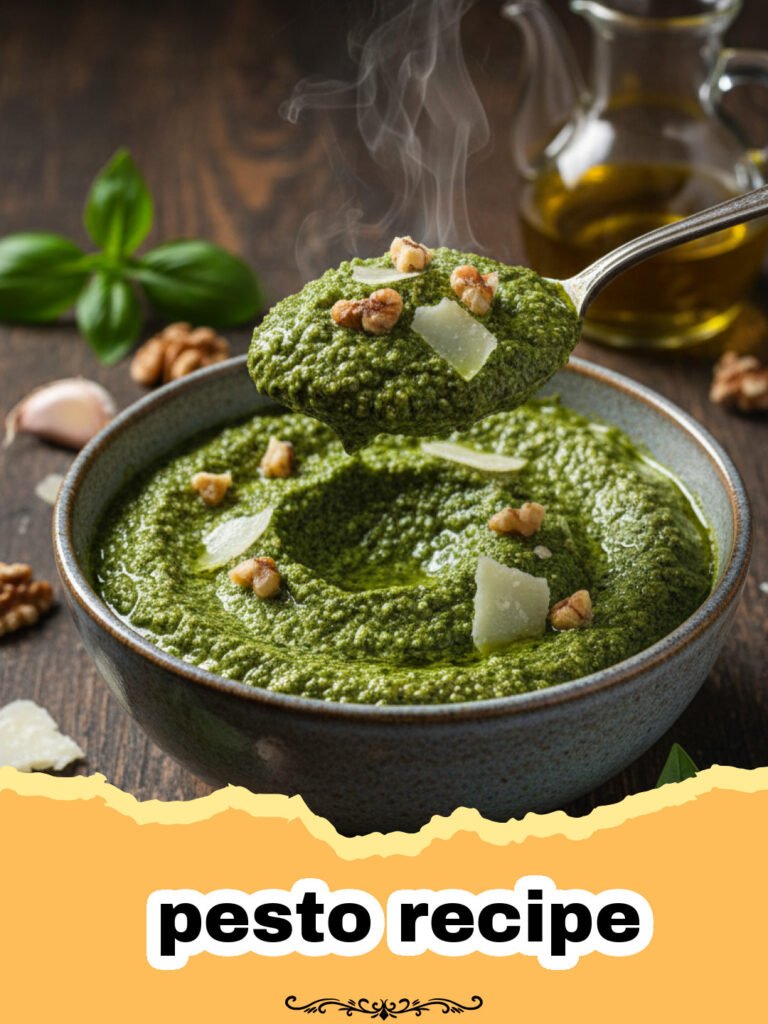
Classic Homemade Basil Pesto
An authentic and incredibly flavorful homemade basil pesto recipe, perfect for pasta, bruschetta, or as a versatile spread. This vibrant green sauce comes together quickly with fresh basil, garlic, pine nuts, Parmesan cheese, and extra virgin olive oil.
- Total Time: 10 minutes
- Yield: 1.5 cups (4 servings) 1x
Ingredients
2 cups fresh basil leaves, packed (about 2 large bunches)
1/2 cup freshly grated Parmigiano-Reggiano cheese (or a mix with Pecorino Romano)
1/3 cup pine nuts (lightly toasted, optional)
2 large cloves garlic, peeled
1/2 cup extra virgin olive oil
1/2 teaspoon sea salt, or to taste
1/4 teaspoon freshly ground black pepper, or to taste
Instructions
Step 1: In the bowl of a food processor, combine the fresh basil leaves, pine nuts (if using toasted, ensure they are cooled), and garlic cloves. Ensure basil is dry to prevent a watery pesto.
Step 2: Pulse the food processor several times until the ingredients are coarsely chopped. Stop and scrape down the sides of the bowl with a spatula to ensure even processing.
Step 3: Add the freshly grated Parmigiano-Reggiano cheese to the food processor. Pulse a few more times until the cheese is incorporated and the mixture is well combined, forming a thick crumble.
Step 4: With the food processor running on low speed, slowly drizzle in the extra virgin olive oil through the feed tube. Continue processing until the pesto reaches your desired consistency – smooth but still with some texture. Avoid over-processing to prevent oxidation.
Step 5: Transfer the pesto to a bowl. Stir in the sea salt and freshly ground black pepper. Taste and adjust seasoning as needed. Serve immediately or store for later.
Notes
For the best flavor, always use high-quality extra virgin olive oil and freshly grated Parmigiano-Reggiano cheese. Lightly toasting the pine nuts adds an extra layer of depth. To maintain the vibrant green color during storage, pour a thin layer of olive oil over the surface of the pesto before sealing and refrigerating. For longer preservation, freeze in ice cube trays and transfer to an airtight bag.
- Prep Time: 10 minutes
- Cook Time: 0 minutes
- Category: How To
- Cuisine: Italian
Nutrition
- Serving Size: 1/4 cup
- Calories: 350 kcal
- Sugar: 1 g
- Sodium: 300 mg
- Fat: 35 g
- Saturated Fat: 6 g
- Unsaturated Fat: 28 g
- Trans Fat: 0 g
- Carbohydrates: 5 g
- Fiber: 2 g
- Protein: 8 g
- Cholesterol: 20 mg
Keywords: pesto recipe, basil pesto, homemade pesto, italian pesto, authentic pesto, pesto sauce, easy pesto, pasta sauce, pesto genovese, fresh basil, how to make pesto