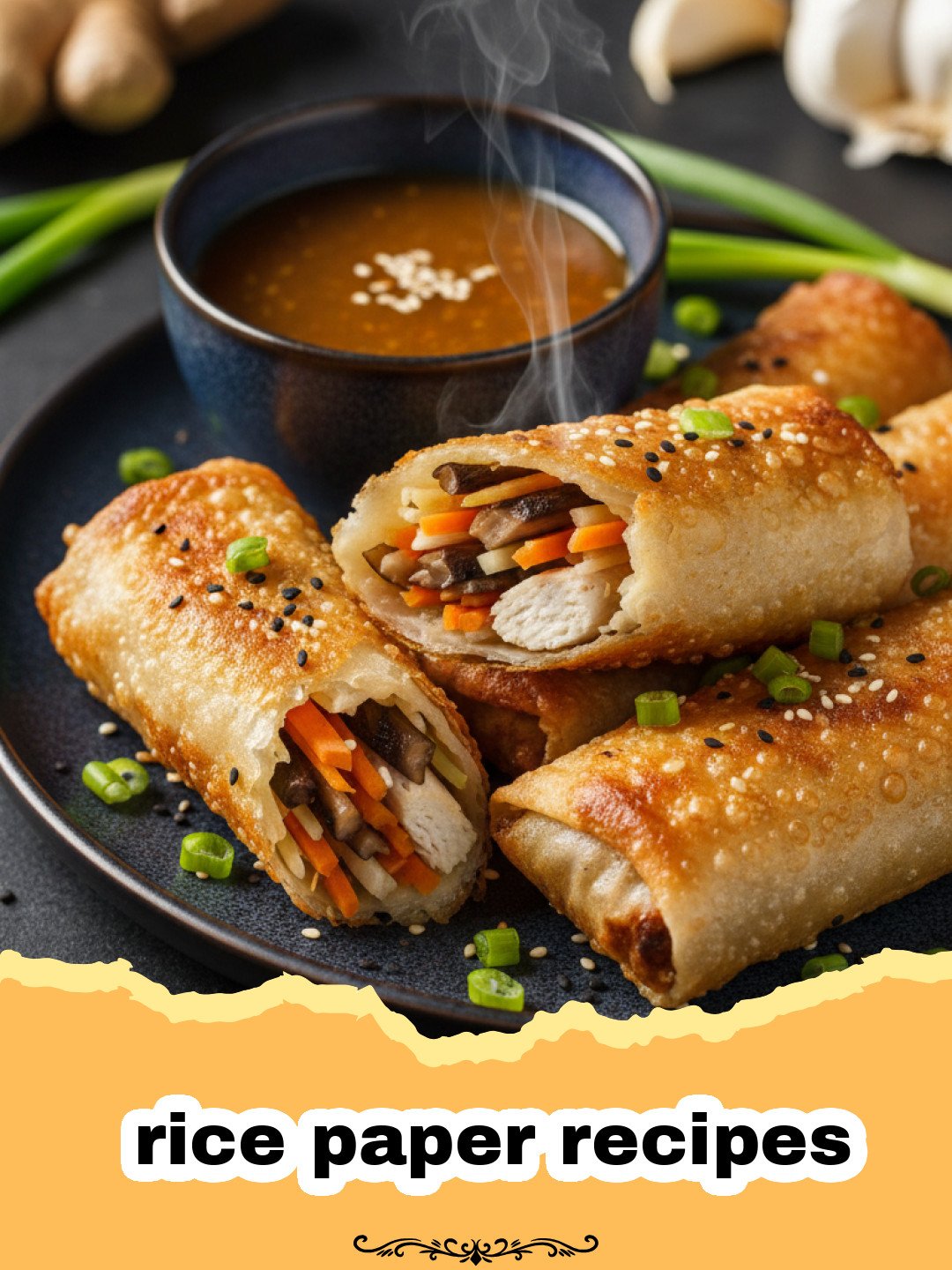
There’s something inherently magical about rice paper recipes. I remember the first time I encountered them, not in a fancy restaurant, but in my tiny college apartment kitchen. My roommate, a culinary enthusiast from Vietnam, was patiently dipping translucent sheets into warm water, then artfully rolling them around a vibrant medley of fresh herbs, crisp vegetables, and succulent shrimp. The entire process felt like a delicate dance, and the result? A refreshing, light, and incredibly satisfying bite that was miles away from the heavy, fried foods I was used to. It was an awakening for my taste buds, a moment when I realized that healthy eating could be utterly delicious and surprisingly fun to prepare. Since then, mastering the art of making fresh spring rolls has become one of my favorite kitchen endeavors, a skill I love sharing with friends and family. These fresh rice paper recipes aren’t just about food; they’re about sharing culture, freshness, and the joy of creating something beautiful and delicious with your own hands. They’ve become a staple in my home, especially during warmer months, offering a canvas for endless creativity and a refreshing escape from heavier meals. The versatility of rice paper makes it an ideal wrapper for so many different fillings, allowing for a healthy and customizable meal every single time. It’s a simple, elegant way to bring a burst of flavor to your table, and I can’t wait for you to experience the magic of these incredible rice paper recipes.
Why These Rice Paper Recipes Are a Must-Try
Light & Healthy Alternative: Unlike their fried counterparts, fresh rice paper spring rolls are incredibly light, packed with fresh vegetables and lean protein. They offer a guilt-free way to enjoy a satisfying meal or appetizer.
Endlessly Customizable: The beauty of rice paper recipes lies in their flexibility. From various proteins like shrimp, chicken, or tofu, to an array of crunchy veggies, noodles, and aromatic herbs, you can truly make them your own. It’s an excellent way to use up whatever fresh produce you have on hand.
Fun & Interactive to Make: Rolling spring rolls is an activity that can be enjoyed solo or with family and friends. Setting up a “build-your-own” spring roll station makes for a memorable and engaging meal experience. Plus, it’s a great way to introduce kids to cooking and healthy eating.
Perfect for Meal Prep: These rice paper recipes are fantastic for meal prep! Prepare all your fillings ahead of time, and then quickly assemble a fresh batch whenever hunger strikes. They’re great for lunchboxes or a quick, healthy snack, though they’re best enjoyed fresh.
Key Ingredient Notes
While the beauty of these rice paper recipes is their adaptability, a few core ingredients are crucial for success.
Rice Paper Wrappers
Not all rice papers are created equal. Look for round or square rice paper wrappers made primarily from rice flour, tapioca starch, water, and salt. They come in various sizes, with 8.5-inch or 10-inch being the most common and easiest to work with. When dipping, ensure the water is warm, not hot, and dip for just 15-20 seconds until pliable but still slightly firm. Over-soaking will make them sticky and difficult to handle. Always work with one wrapper at a time.
Fresh Herbs
The fresh, vibrant flavor of spring rolls heavily relies on a generous amount of fresh herbs. Mint, cilantro, and Thai basil are traditional choices that provide a refreshing aroma and taste that perfectly complements the other ingredients. Don’t be shy with them! If you can’t find Thai basil, regular sweet basil works well too. These herbs elevate simple rice paper recipes into something truly extraordinary.
Protein Choices
Shrimp is a classic choice for a reason – its sweet, delicate flavor and appealing pink color make it perfect. For the best results, use cooked, chilled shrimp, sliced lengthwise if large. However, don’t limit yourself! Thinly sliced cooked chicken, pan-fried tofu, or even shredded pork are excellent alternatives. Ensure your protein is seasoned and cooked before adding it to your rice paper rolls. Experiment with these rice paper recipes to find your favorite protein combination.
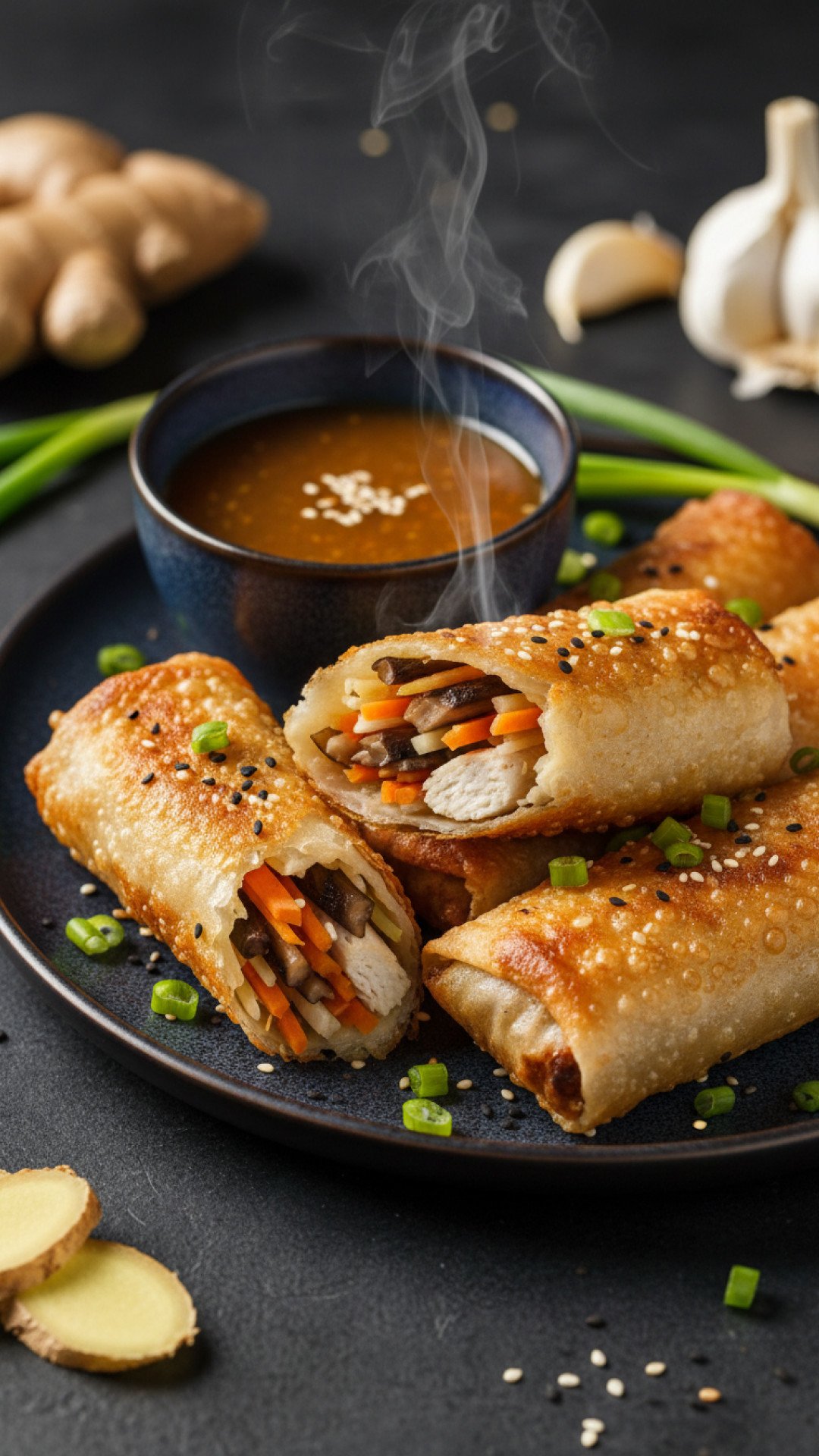
Step-by-Step Guide with Pro Tips
Mastering these fresh rice paper recipes takes a little practice, but with these tips, you’ll be rolling like a pro in no time!
Preparation is Key
Before you even think about dipping a wrapper, ensure all your ingredients are prepped and laid out neatly. This means washing and slicing all vegetables, cooking and slicing protein, and preparing any noodles. Having everything within arm’s reach will make the rolling process much smoother and enjoyable. Think of it as your own personal spring roll assembly line.
The Dipping Station Setup
You’ll need a large, shallow dish or pie plate filled with warm water for dipping the rice paper. Have a clean, damp cutting board or a smooth, non-porous surface ready for rolling. A wet towel nearby is also helpful for wiping your hands. The right setup makes all the difference when creating these delicious rice paper recipes.
Softening the Rice Paper
Dip one rice paper wrapper into the warm water, submerging it completely for about 15-20 seconds. It should be pliable but still have a slight firmness, as it will continue to soften as you work. Place the softened wrapper flat on your prepared surface. If it’s too soft, it will tear. If it’s too firm, it won’t roll well. Practice makes perfect here!
Filling and Rolling Technique
Arrange your fillings (a small amount of noodles, a few pieces of protein, a selection of vegetables, and a generous sprig of herbs) in a line across the lower third of the wrapper, leaving about an inch clear on each side. Don’t overfill, or your roll will burst. Fold the bottom edge of the wrapper up over the filling, then fold in the sides tightly. Roll upwards, tucking as you go, until you have a neat, tight cylinder. The tighter the roll, the better it holds together and the easier it is to eat. Consider using Basics Glass Food Storage containers to keep your prepped ingredients fresh!
The Perfect Dipping Sauce
While the rolls themselves are delicious, the dipping sauce is what truly ties these rice paper recipes together. A classic peanut sauce, a sweet chili sauce, or a tangy nuoc cham (Vietnamese dipping sauce) are all fantastic options. Make sure your sauce is ready to go before you start rolling!
Variations & Serving Suggestions
These rice paper recipes are incredibly versatile, offering endless possibilities for customization. Don’t be afraid to experiment!
Protein Power-Ups: Beyond shrimp, try shredded cooked chicken, grilled steak slices, pan-fried marinated tofu, or even a flavorful tempeh crumble. For a vegetarian option, edamame or chickpeas add great texture and protein.
Veggie Extravaganza: Load up on different colors and textures! Add thinly sliced avocado, mango, bell peppers (any color), shredded purple cabbage, jicama, or even blanched asparagus. The more vibrant, the better!
Noodle Alternatives: While vermicelli is traditional, you can use thin glass noodles, kelp noodles, or even spiralized cucumber or zucchini for a lower-carb option in your rice paper recipes.
Flavor Boosters: Add a thin smear of hoisin sauce directly onto the rice paper before adding fillings for an extra layer of flavor. A sprinkle of toasted sesame seeds or crushed peanuts inside the roll also adds a delightful crunch.
Dipping Sauce Delights: While a classic peanut sauce is heavenly, consider a spicy sriracha mayo, a refreshing lime-cilantro vinaigrette, or a zesty ginger-soy sauce. You can also make a homemade Basil Pesto and thin it slightly with a touch of rice vinegar and soy sauce for a unique dipping experience.
Serving Ideas: Serve these fresh rice paper recipes as a light appetizer for a dinner party, a healthy and satisfying lunch, or as part of a larger Vietnamese-inspired meal. They pair wonderfully with a refreshing iced tea or a crisp white wine. For a full meal, consider serving alongside The Ultimate Fresh & Flavorful Homemade Spring Rolls Recipe, which offers a different take on the classic.
Nutrition Information
Here’s a breakdown of the estimated nutritional content per serving for these Fresh & Flavorful Rice Paper Spring Rolls (with shrimp and peanut dipping sauce).
| Nutrient | Amount per serving |
|---|---|
| Calories | 285 kcal |
| Carbohydrate Content | 32g |
| Cholesterol Content | 110mg |
| Fat Content | 11g |
| Fiber Content | 4g |
| Protein Content | 18g |
| Saturated Fat Content | 2g |
| Serving Size | 2 rolls with sauce |
| Sodium Content | 580mg |
| Sugar Content | 8g |
| Trans Fat Content | 0g |
| Unsaturated Fat Content | 8g |
Note: These values are estimates and can vary based on specific ingredients and portion sizes.
I truly hope you feel inspired to try your hand at these versatile and delicious rice paper recipes. They’re more than just a meal; they’re an experience, a fresh canvas for your culinary creativity, and a delightful way to enjoy healthy, flavorful food. Whether you’re a seasoned chef or a kitchen novice, the process of assembling these rolls is incredibly rewarding. So gather your freshest ingredients, put on some music, and dive into the wonderful world of fresh spring rolls. Happy rolling!
FAQs
What exactly are rice paper recipes?
Rice paper recipes typically refer to dishes where a thin, translucent edible wrapper made from rice flour, water, and salt is used to encase various fillings. The most common use is for fresh spring rolls (Gu1ecfi cuu1ed1n in Vietnamese), where they are softened in warm water and then rolled around fresh vegetables, herbs, protein (like shrimp or tofu), and rice vermicelli noodles. They are a healthy, refreshing, and gluten-free alternative to fried spring rolls.
How do you prevent rice paper wrappers from tearing or sticking?
The key is proper hydration and handling. Dip the rice paper in warm (not hot) water for only 15-20 seconds until it’s pliable but still slightly firm; it will continue to soften as you work. Over-soaking makes them sticky and difficult to handle. Work on a clean, damp surface (like a damp cutting board) to prevent sticking. Don’t overfill the rolls, and roll them tightly but gently. If storing, place parchment paper between rolls or wrap individually to prevent sticking together.
What are common filling variations for rice paper recipes?
The versatility of rice paper recipes means fillings are almost limitless! Beyond traditional shrimp, popular proteins include cooked chicken, marinated tofu, grilled steak, or even avocado for a rich, creamy texture. For vegetables, try shredded cabbage, bell peppers, jicama, mango, or even spiralized zucchini. Fresh herbs like mint, cilantro, and basil are essential. You can also add different types of noodles or even a thin smear of hoisin sauce inside the roll.
What are the best dipping sauces for rice paper spring rolls?
A creamy peanut dipping sauce is a classic and highly popular choice, offering a rich, savory, and slightly sweet flavor. Other excellent options include Nuoc Cham (a traditional Vietnamese fish sauce-based dipping sauce with lime, sugar, garlic, and chili), a sweet chili sauce, or even a spicy sriracha mayo. Experiment to find your favorite pairing with these delightful rice paper recipes!
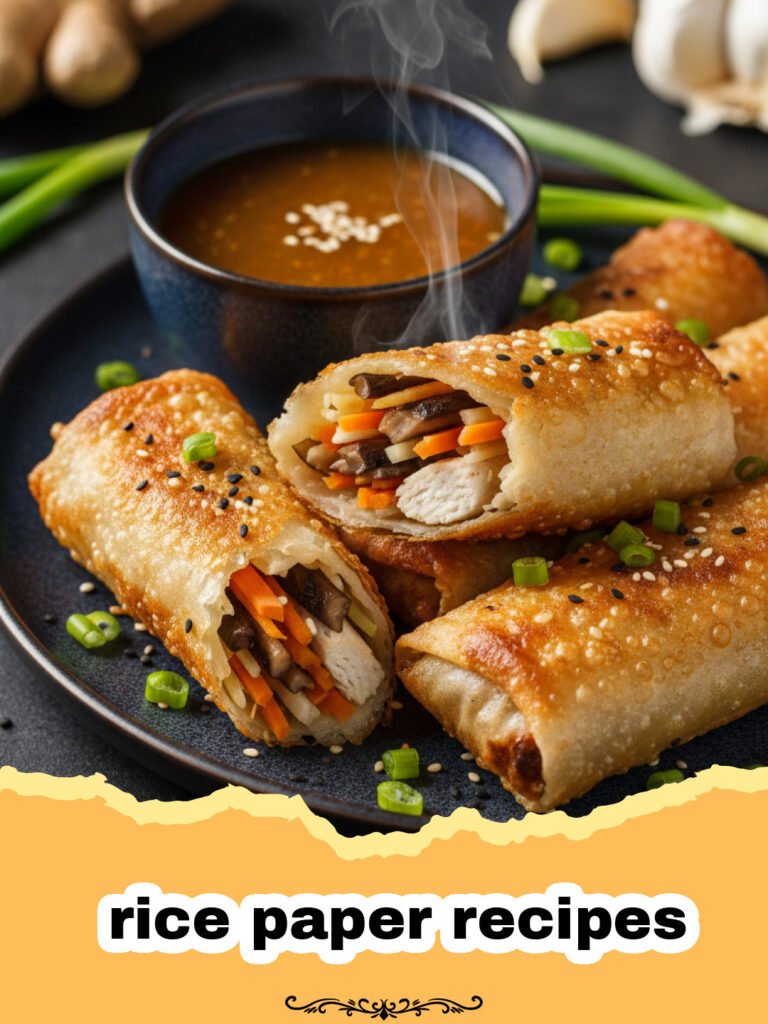
Fresh & Flavorful Rice Paper Spring Rolls with Peanut Dipping Sauce
Light, refreshing, and endlessly customizable, these fresh rice paper spring rolls are packed with crisp vegetables, succulent shrimp, fragrant herbs, and vermicelli noodles, all perfectly complemented by a rich and creamy peanut dipping sauce. A healthy and fun recipe perfect for appetizers or a light meal.
- Total Time: 45 minutes
- Yield: 12–14 spring rolls (6–7 servings) 1x
Ingredients
12–14 sheets round rice paper wrappers (8.5 or 10-inch)
1/2 lb cooked shrimp, peeled, deveined, and sliced in half lengthwise (or chicken/tofu)
4 oz thin vermicelli rice noodles, cooked according to package directions and cooled
1 large carrot, julienned
1/2 English cucumber, julienned
1 cup fresh cilantro leaves
1 cup fresh mint leaves
1 cup fresh Thai basil leaves (optional)
2 large lettuce leaves (e.g., butter lettuce or green leaf), thinly sliced
1/4 cup crushed roasted peanuts (for garnish, optional)
For the Peanut Dipping Sauce:
1/2 cup creamy peanut butter
2 tbsp hoisin sauce
1 tbsp rice vinegar
1 tbsp soy sauce (or tamari for gluten-free)
1–2 tbsp honey or maple syrup (adjust to taste)
1–2 tbsp warm water (to thin, as needed)
1 clove garlic, minced
1/2 tsp grated fresh ginger
1/4 tsp red pepper flakes (optional, for heat)
Instructions
Step 1: Prepare all your ingredients. Cook vermicelli noodles according to package instructions, drain, rinse with cold water, and set aside. Slice shrimp, julienne carrots and cucumbers, wash and pat dry all herbs and lettuce. Have everything ready and organized on a large platter or cutting board.
Step 2: Make the peanut dipping sauce. In a small bowl, whisk together peanut butter, hoisin sauce, rice vinegar, soy sauce, honey/maple syrup, minced garlic, and grated ginger. Add warm water 1 tablespoon at a time, whisking until the sauce reaches your desired consistency (should be pourable but still creamy). Stir in red pepper flakes if using. Taste and adjust seasonings as needed.
Step 3: Set up your rolling station. Fill a large, shallow dish (like a pie plate) with warm water. Have a clean, damp cutting board or a smooth, non-porous surface ready for rolling. Keep your prepared ingredients nearby.
Step 4: Dip a rice paper wrapper. Submerge one rice paper wrapper into the warm water for about 15-20 seconds, or until it’s pliable but still slightly firm. Do not over-soak, as it will continue to soften. Remove the wrapper and lay it flat on your prepared rolling surface.
Step 5: Assemble the roll. Arrange a small amount of lettuce, vermicelli noodles, carrots, cucumbers, and a few sprigs of cilantro, mint, and basil in a horizontal line across the lower third of the wrapper, leaving about an inch of space on each side.
Step 6: Add the protein. Place 2-3 halves of shrimp (or slices of other protein) on top of or slightly above the other fillings, ensuring the pink side of the shrimp faces outwards if you want them visible through the wrapper.
Step 7: Roll the spring roll. Fold the bottom edge of the rice paper wrapper up over the filling. Then, fold in the left and right sides tightly over the filling. Finally, starting from the folded bottom edge, roll the wrapper tightly upwards, tucking the ingredients as you go, until you have a neat, cylindrical spring roll. Ensure it’s rolled tightly to prevent it from falling apart.
Step 8: Repeat and serve. Place the finished spring roll on a serving platter. If stacking, place a piece of parchment paper between layers to prevent sticking. Repeat steps 4-7 with the remaining wrappers and fillings. Serve immediately with the prepared peanut dipping sauce and optionally sprinkle with crushed peanuts. Best enjoyed fresh, but can be stored in an airtight container for a few hours.
Notes
For best results, consume spring rolls within a few hours of making them as the wrappers can become tough if stored for too long. If making ahead, store in an airtight container with a damp paper towel to prevent drying out. You can also wrap each roll individually in plastic wrap. Do not refrigerate for more than 24 hours. The peanut sauce can be made several days in advance and stored in the refrigerator.
- Prep Time: 30 minutes
- Cook Time: 15 minutes
- Category: Appetizers & Snacks
- Cuisine: Vietnamese
Nutrition
- Serving Size: 2 rolls with sauce
- Calories: 285 kcal
- Sugar: 8g
- Sodium: 580mg
- Fat: 11g
- Saturated Fat: 2g
- Unsaturated Fat: 8g
- Trans Fat: 0g
- Carbohydrates: 32g
- Fiber: 4g
- Protein: 18g
- Cholesterol: 110mg
Keywords: rice paper recipes, fresh spring rolls, summer rolls, healthy appetizers, Vietnamese food, shrimp spring rolls, vegetarian spring rolls, peanut sauce, gluten-free recipes, light meals