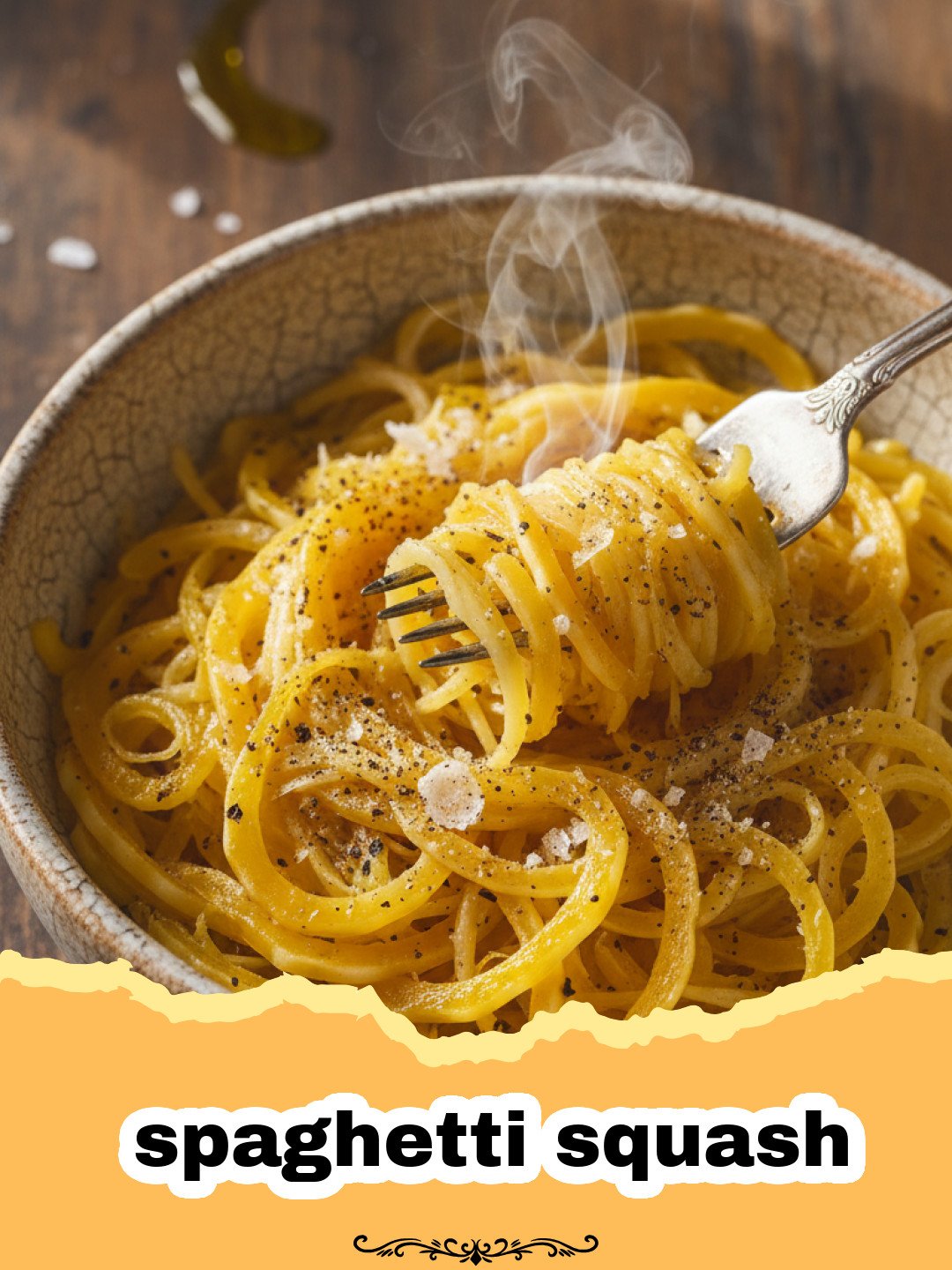
When I first encountered a spaghetti squash sitting quietly in the produce aisle, I had no idea it would soon become the most requested vegetable in my household. It was a crisp October afternoon about a decade ago, and I was looking for a low-carb alternative to my usual Friday night pasta feast. I remember holding the heavy, yellow oblong gourd, feeling its smooth skin, and wondering if it could truly live up to the hype. My first attempt was, admittedly, a bit of a disaster—I undercooked it, resulting in crunchy, watery strands that tasted like nothing. But I wasn’t deterred. Over the years, I have perfected the art of roasting spaghetti squash, turning it into a buttery, tender, and savory vessel for all my favorite sauces. Now, whenever the leaves start to turn and the air gets chilly, the scent of roasting squash fills my kitchen, bringing back memories of that first experimental dinner. It has become more than just a substitute; it is a celebrated ingredient in its own right that my family genuinely loves.
Why This Recipe is a Must-Try
- Nutrient-Dense & Low-Calorie: This spaghetti squash provides a high-volume meal experience with significantly fewer calories and carbohydrates than traditional grain-based pasta, making it perfect for various dietary needs.
- Incredible Versatility: Whether you prefer a classic marinara, a rich Alfredo, or just a simple herb and butter toss, the mild flavor of the squash adapts beautifully to any cuisine.
- Meal Prep Friendly: You can roast several at once and store the strands in Basics Glass Food Storage containers for easy weekday lunches and dinners.
- Kid-Approved Texture: The fun, stringy nature of the vegetable makes it an exciting way to get children to eat their vitamins without the usual mealtime struggles.
Key Ingredient Notes
Choosing the right spaghetti squash is the foundation of a great meal. You want to look for one that feels heavy for its size and has a firm, matte skin. Avoid any squash with soft spots or deep cracks. A deep yellow color often indicates that the squash is fully ripe and will yield the sweetest flavor. The size doesn’t necessarily dictate quality, but a medium-sized squash (around 2 to 3 pounds) is generally easier to cut and fits better on standard baking sheets.
Olive oil and seasoning are equally vital. Don’t skimp on the oil, as it helps conduct heat and prevents the strands from drying out during the long roasting process. I always recommend using a high-quality extra virgin olive oil and a generous pinch of kosher salt. The salt doesn’t just add flavor; it helps draw out the excess moisture that can sometimes make the squash soggy. If you want to elevate the dish, adding a touch of garlic powder or smoked paprika to the flesh before roasting can create a wonderful depth of flavor that penetrates the strands from the inside out.
Step-by-Step Guide with Pro Tips
Roasting the perfect spaghetti squash requires a bit of patience and a sharp knife. One of the biggest mistakes people make is cutting the squash lengthwise. If you want those long, pasta-like strands, try cutting the squash crosswise into rings or halves. The strands actually grow in circles around the inside of the squash, so cutting against that grain results in shorter pieces. For this guide, we will stick to the classic lengthwise cut for ease of scooping, but feel free to experiment!
Pro Tip: If your squash is too hard to cut, pierce it a few times with a fork and microwave it for 3 to 5 minutes. This softens the skin just enough to make your knife glide through safely without sacrificing the texture of the final dish. Once you have halved the squash, use a sturdy metal spoon to scrape out the seeds. Don’t throw them away! You can roast them just like pumpkin seeds for a crunchy snack. This dish pairs beautifully with a hearty protein like The Ultimate Easy Lemon Chicken Recipe for Busy Weeknights, which adds a bright acidity to the earthy squash.
After oiling and seasoning, place the squash cut-side down on the baking sheet. This creates a steam chamber inside the squash, cooking the flesh while caramelizing the edges against the pan. This caramelization is where the real magic happens—it adds a nutty sweetness that you simply can’t get from boiling or microwaving. Always let the squash rest for a few minutes after it comes out of the oven. This allows the fibers to firm up slightly, making the forking process much more successful.
Variations & Serving Suggestions
The beauty of spaghetti squash lies in its ability to transform. For a Mediterranean twist, toss the roasted strands with feta cheese, kalamata olives, and cherry tomatoes. If you are in the mood for something creamy, a simple garlic and parmesan cream sauce turns this vegetable into a decadent side dish. For a cold salad, toss the strands with The Best Easy Homemade Italian Dressing Recipe and some diced bell peppers for a refreshing take on a pasta salad.
Another popular variation is the “Buffalo Chicken” boat. Simply shred the squash inside its own skin, mix in some cooked shredded chicken, buffalo sauce, and blue cheese crumbles, then pop it back under the broiler for a few minutes. The skin acts as a natural bowl, making for a fun presentation and easy cleanup. You can also go the sweet route by adding a little cinnamon and maple syrup for a side dish that tastes like autumn in every bite.
Nutrition Information
Knowing the nutritional breakdown helps you plan your meals effectively. Here is a summary of what you can expect from a standard serving of roasted spaghetti squash.
| Nutrient | Amount per Serving |
|---|---|
| Calories | 115 kcal |
| Carbohydrate Content | 14g |
| Cholesterol Content | 0mg |
| Fat Content | 7g |
| Fiber Content | 3g |
| Protein Content | 1g |
| Saturated Fat Content | 1g |
| Serving Size | 1 cup |
| Sodium Content | 580mg |
| Sugar Content | 6g |
| Trans Fat Content | 0g |
| Unsaturated Fat Content | 6g |
Conclusion
Mastering the spaghetti squash is a rewarding journey that adds a healthy and delicious tool to your culinary arsenal. Whether you are looking for a low-carb substitute or simply want to explore the wonderful world of winter squashes, this recipe provides a foolproof foundation. Remember to season generously, roast until tender, and don’t be afraid to get creative with your toppings. Happy cooking, and I hope this becomes a staple in your home just as it has in mine!
FAQs
How do I know when the spaghetti squash is done roasting?
The squash is done when the outer skin is soft and easily pierced with a knife, and the flesh easily pulls away into strands when tested with a fork. It usually takes between 40 to 50 minutes at 400 degrees Fahrenheit.
Why is my spaghetti squash watery?
Spaghetti squash can become watery if it is overcooked or if it wasn’t salted properly before roasting. Salting helps draw out excess moisture, and roasting cut-side down allows steam to escape while the edges caramelize.
Can you freeze leftover roasted spaghetti squash?
Yes! You can freeze the cooked strands. Ensure they are completely cool and squeezed of excess moisture, then store them in an airtight container for up to 3 months. Thaw in the fridge and reheat gently in a pan.
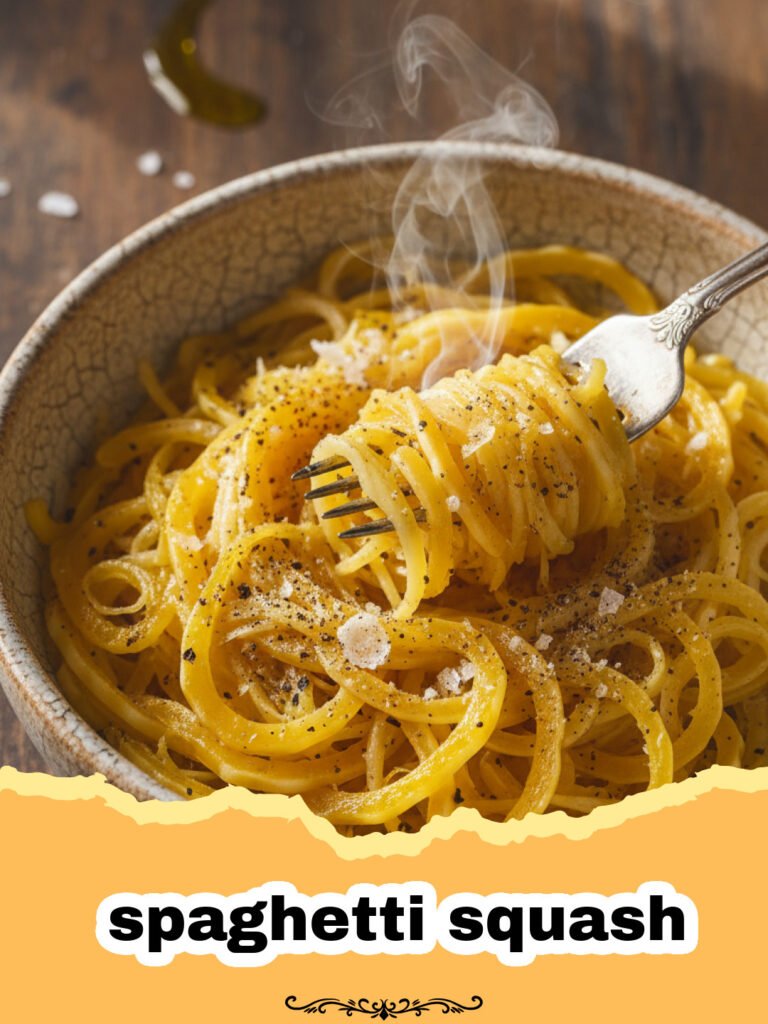
Perfectly Roasted Spaghetti Squash
A foolproof method for roasting spaghetti squash to achieve long, tender, and savory strands every time.
- Total Time: 55 minutes
- Yield: 4 servings 1x
Ingredients
1 medium spaghetti squash (about 2–3 lbs)
2 tablespoons extra virgin olive oil
1 teaspoon kosher salt
1/2 teaspoon black pepper
1/2 teaspoon garlic powder (optional)
Instructions
Step 1: Preheat your oven to 400°F (200°C) and line a large baking sheet with parchment paper or a silicone mat.
Step 2: Using a sharp chef’s knife, carefully cut the spaghetti squash in half lengthwise. If it is too hard, microwave for 3-5 minutes first.
Step 3: Use a metal spoon to scrape out and discard the seeds and stringy bits from the center of each half.
Step 4: Drizzle the olive oil over the flesh of the squash and rub it in. Season evenly with salt, pepper, and garlic powder.
Step 5: Place the squash halves cut-side down on the prepared baking sheet. Bake for 40-50 minutes, or until the skin is easily pierced with a fork.
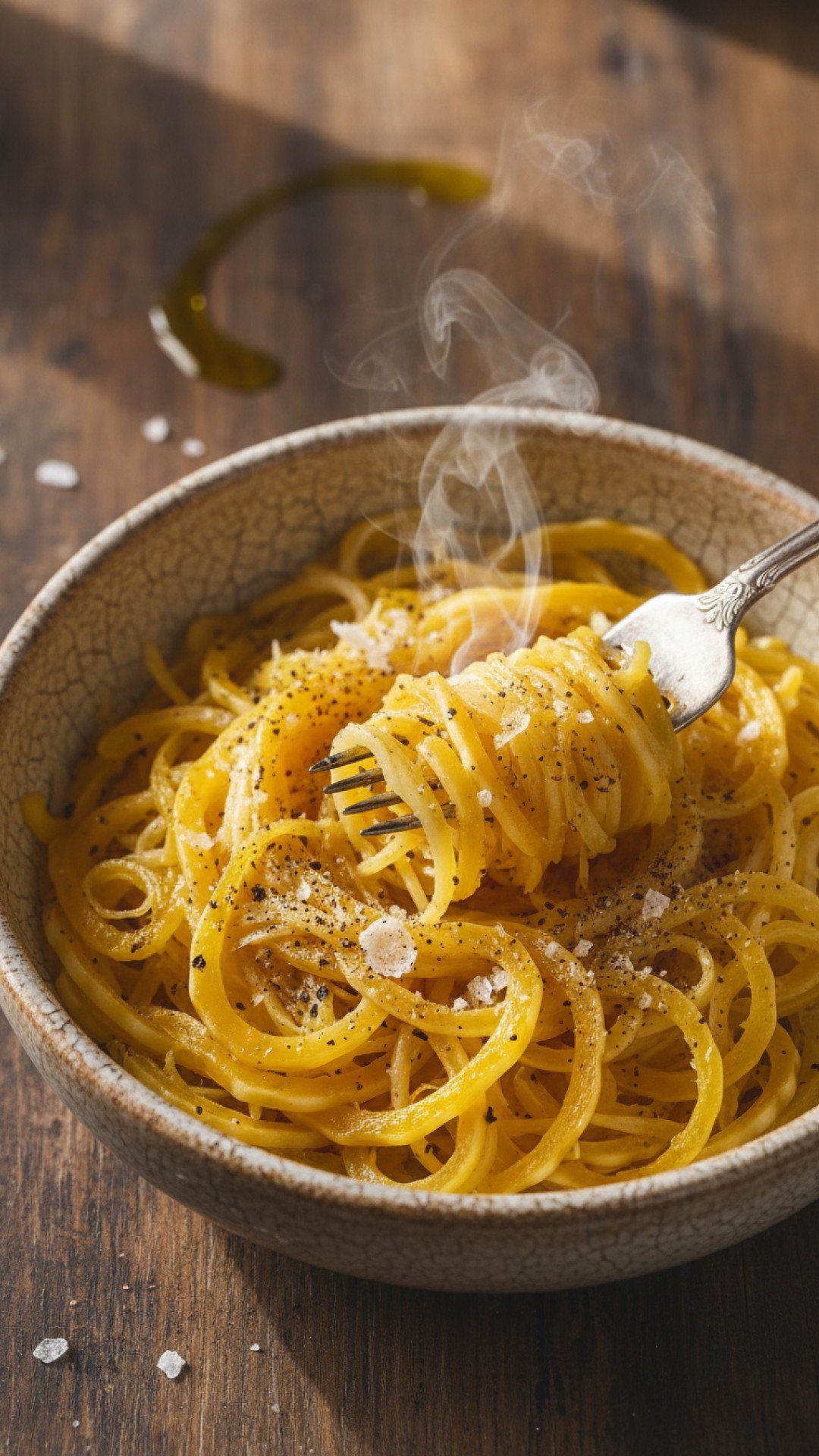
Step 6: Remove from the oven and let rest for 5-10 minutes. Flip the squash over and use a fork to gently scrape the flesh, creating long spaghetti-like strands.
Notes
For even longer strands, try cutting the squash into rings instead of halves before roasting.
- Prep Time: 10 minutes
- Cook Time: 45 minutes
- Category: Side Dishes
- Cuisine: American
Nutrition
- Serving Size: 1 cup
- Calories: 115 kcal
- Sugar: 6g
- Sodium: 580mg
- Fat: 7g
- Saturated Fat: 1g
- Unsaturated Fat: 6g
- Trans Fat: 0g
- Carbohydrates: 14g
- Fiber: 3g
- Protein: 1g
- Cholesterol: 0mg
Keywords: spaghetti squash, roasted vegetables, low carb pasta, healthy side dish, how to cook spaghetti squash